- English
- French
- German
- Portuguese
- Spanish
- Russian
- Japanese
- Korean
- Arabic
- Greek
- German
- Turkish
- Italian
- Danish
- Romanian
- Indonesian
- Czech
- Afrikaans
- Swedish
- Polish
- Basque
- Catalan
- Esperanto
- Hindi
- Lao
- Albanian
- Amharic
- Armenian
- Azerbaijani
- Belarusian
- Bengali
- Bosnian
- Bulgarian
- Cebuano
- Chichewa
- Corsican
- Croatian
- Dutch
- Estonian
- Filipino
- Finnish
- Frisian
- Galician
- Georgian
- Gujarati
- Haitian
- Hausa
- Hawaiian
- Hebrew
- Hmong
- Hungarian
- Icelandic
- Igbo
- Javanese
- Kannada
- Kazakh
- Khmer
- Kurdish
- Kyrgyz
- Latin
- Latvian
- Lithuanian
- Luxembou..
- Macedonian
- Malagasy
- Malay
- Malayalam
- Maltese
- Maori
- Marathi
- Mongolian
- Burmese
- Nepali
- Norwegian
- Pashto
- Persian
- Punjabi
- Serbian
- Sesotho
- Sinhala
- Slovak
- Slovenian
- Somali
- Samoan
- Scots Gaelic
- Shona
- Sindhi
- Sundanese
- Swahili
- Tajik
- Tamil
- Telugu
- Thai
- Ukrainian
- Urdu
- Uzbek
- Vietnamese
- Welsh
- Xhosa
- Yiddish
- Yoruba
- Zulu
Industrial Crusher Solutions for High-Volume Material Processing
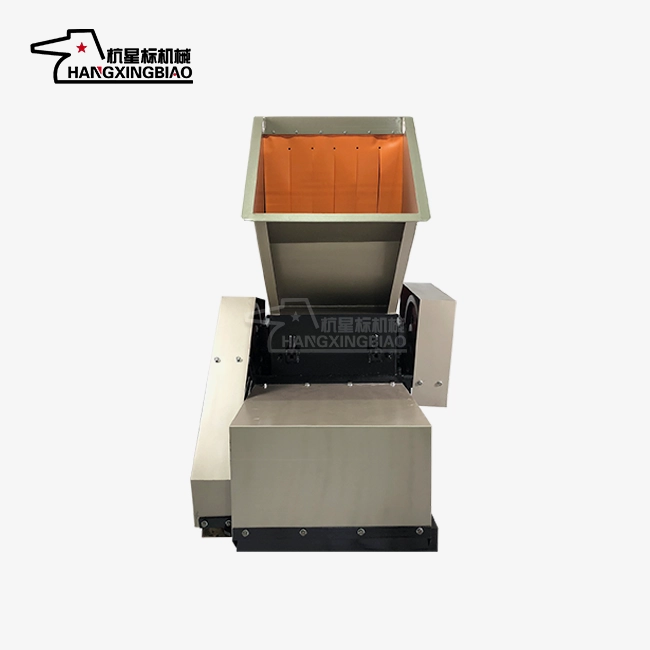
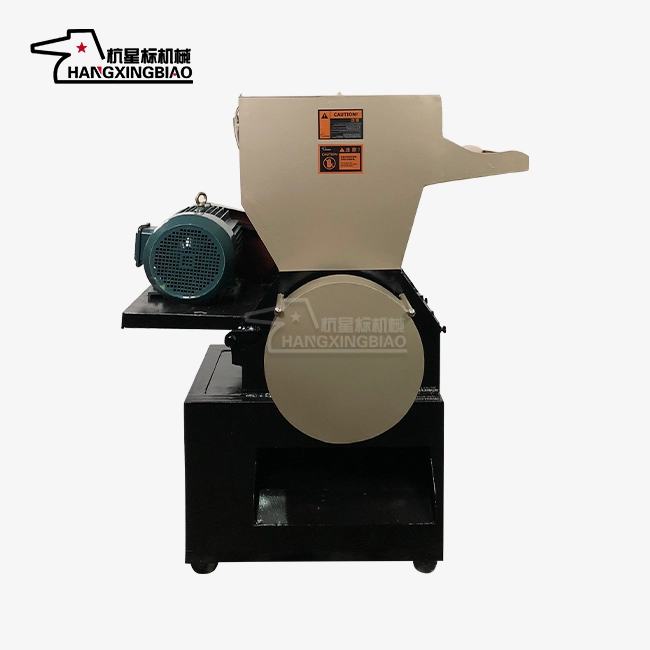
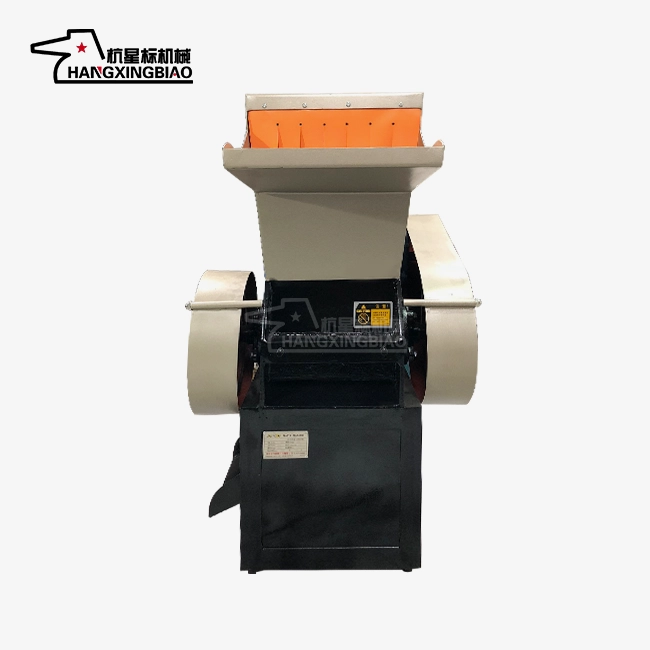
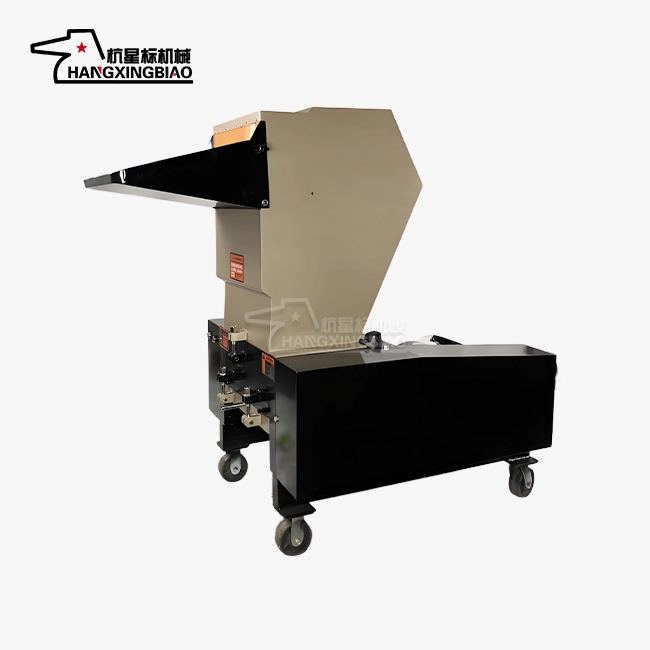
When production lines make tons of waste every day, having the right crushing tools can mean the difference between making money and losing money because of slowness. Over the past 30 years, Industrial crusher technology has changed a lot. Gone are the days of tools that were only used for one thing. Now, some systems can handle a wide range of materials while still producing high-quality results. Through 30 years of hard work as engineers, we at Xingbiao have seen this change happen directly. Modern crushers can easily break down almost any non-metallic material, such as plastic, rubber, wood, paper, foam, and more, into particles ranging in size from 2 mm to 50 mm, based on the needs of the job.

Understanding Industrial Crushers and Their Applications
Three basic mechanical rules govern how things break down when they are pressed against a surface. When you use a compression crusher on something brittle, it slowly presses on the object until it breaks along its natural weak places. Impact-based systems are best for medium-hardness trash because they use high-speed collisions to break things into smaller pieces. In shear devices, the blade tips move past each other to cut through soft materials that would otherwise bend instead of breaking.
Core Components That Drive Performance
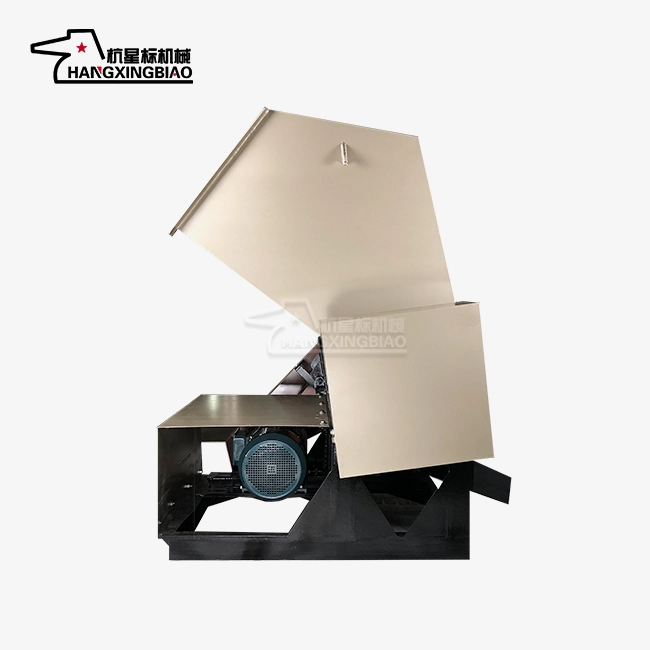
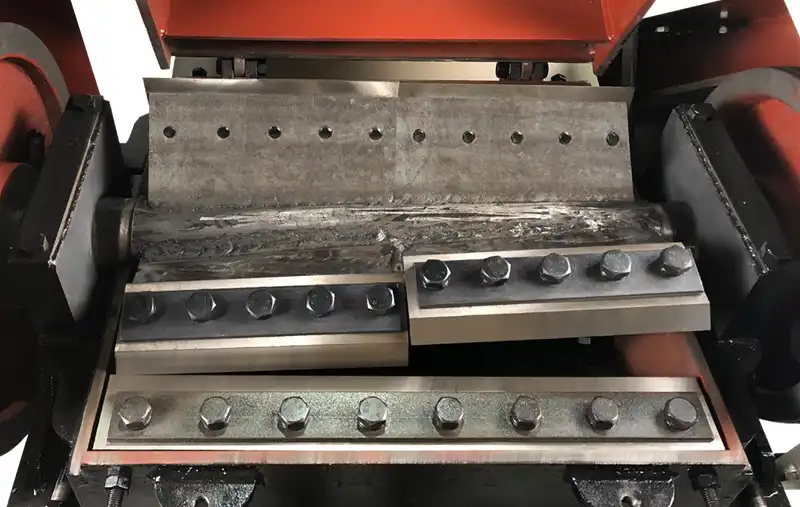
The breaking chamber is the most important part of any machine because it's where the material changes. High-strength steel construction can handle years of constant use without breaking down. At Xingbiao, we use stress-relief treatment and join fine steel plates together to make the main bodies. This keeps the steel from deforming during long production runs. All other performance qualities are built on top of this basic longevity. Blade composition has a direct effect on both the cost of operations and the accuracy of the handling. We treat our SKD-11 and D2 mold steel blades with vacuum heat treatment and deep cryogenic processing to make them HRC55–60 hard. This way of making blades makes them last a lot longer—they can be regrinded three to five times before they need to be replaced. Because the material is so hard, making one ton of plastic only uses 8 to 12 kWh. This saves energy over the course of the production cycle.
Material Processing Capabilities Across Industries
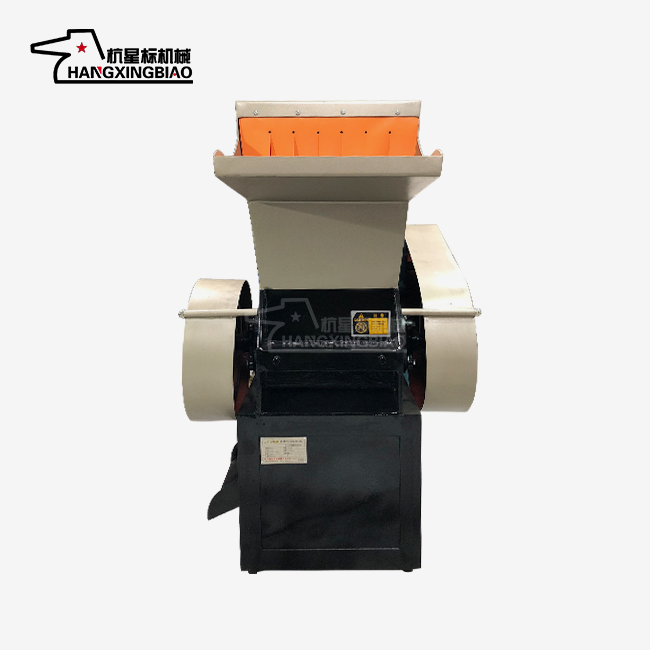
When compared to other types of trash, reusing plastic has its own set of problems. Films and braided bags often get caught on regular crusher blades, which leads to frequent machine shutdowns. We got around this problem by designing blades and cavities in a way that keeps them from getting tangled up. Our standard crushers work well with soft plastics and keep up output even when the materials are hard for other machines to handle. When factories make injection-molded scrap, they need completely different options. Heavy-duty processing power is needed for big plastic parts, lines, profiles, and die head materials. For these uses, our large-diameter types have the right chamber space and blade strength. The machines work perfectly with injection molding machines, so they can keep reusing raw material without stopping production on the floor.
Facilities that recycle a variety of waste benefit from having tools that can be used in different ways. Having one breaker that can handle different types of material saves money and makes things easier to do. Our methods work just as well with block, flake, fiber, and irregular shapes, so they're good for places that can't be sure what the daily material makeup will be. These features give Industrial crusher operations more value than just reducing size. Processing flexibility means that recycling plants can take in more types of trash, which means they can make more money. By skipping the organizing steps before crushing, manufacturing processes cut down on the cost of handling. We've made 20% more efficient blade shape and cavity structure, which directly leads to higher hourly output without having to increase energy use in the same way.
Choosing the Right Industrial Crusher for Your Business Needs
Instead of just comparing specification sheets, choosing equipment means matching the machine's skills to specific operating situations. The evaluation method starts with the features of the material. Which type of crusher works best depends on the material's hardness, moisture content, and shape.
Evaluating Material Properties and Volume Requirements
Plastics that are easily broken, like injection-molded parts, break neatly when they are hit or pressed. Standard blade designs running at modest speeds work well with these materials. When working with flexible materials like films, you need to use special techniques. Our soft material processors use blade angles and spinning patterns that are made to cut these materials instead of stretching them. The amount of processing decides whether standard models are enough or if special engineering is needed. Our high-power centralized feeding systems work well for places that handle 500 to 1,000 pounds per hour. Large-diameter models or multiple-unit setups are better for operations with higher numbers. When our clients need to process very big things, like trash cans and tires, that standard equipment just can't handle, we've come up with custom solutions.
Capacity Planning and Energy Efficiency Considerations
The amount of throughput needed and the amount of energy used affect long-term operating costs in big ways. In general, faster working speeds need more power, but the exact link between these factors depends on how efficient the engineering is. Our improved motor matching lowers energy use while keeping output the same, which is good for business even during long production runs. Another important decision factor is how easy it is to do maintenance. Routine maintenance that takes time away from equipment has a direct effect on output schedules and income. When compared to traditional setups, our quick-change screen layouts and open-access designs cut down on upkeep time by half. Bearings, blades, and wear parts are now easy to get to without having to take the whole thing apart.
Comparing Crusher Types for Specific Applications
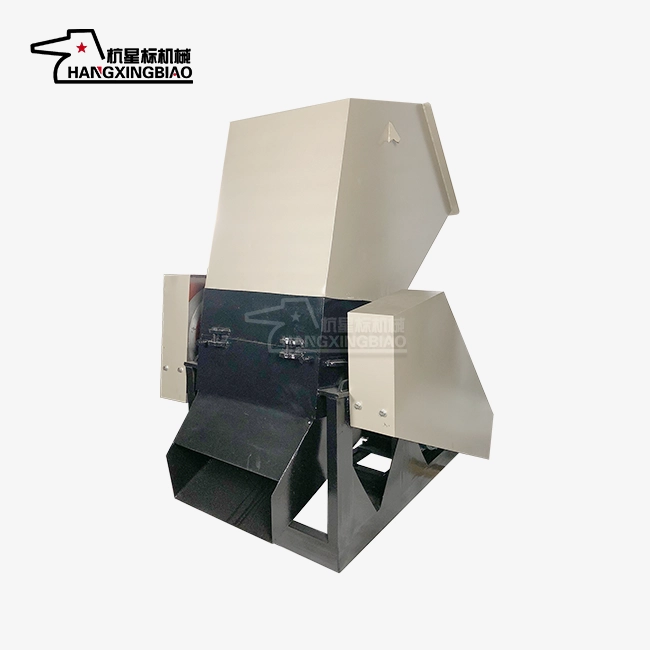
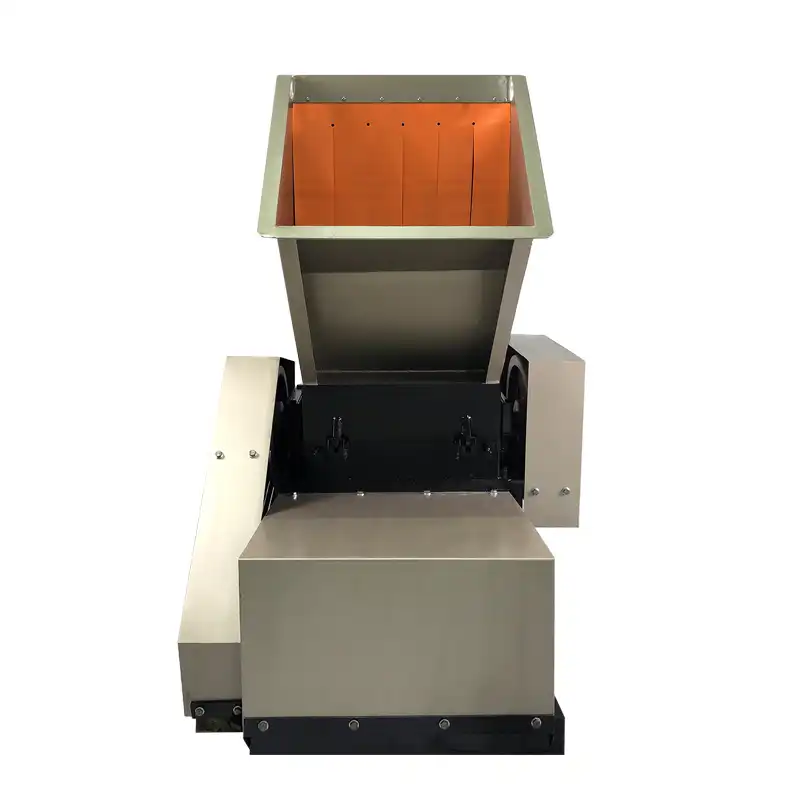
For different tasks, different breaking devices work best. Jaw crushers are great for breaking down very big items into smaller pieces, but they don't have the fineness control that many recycling businesses need. Hammer mills make particles of the same size by hitting them over and over again, but they have trouble with flexible materials that don't break easily. We've put most of our engineering efforts into rotary blade breakers because they are so flexible. Processing factors that can be changed include blade design, rotation speed, and screen size. Because they are so flexible, they are very useful for businesses that deal with changing streams of materials or serve markets that have changing particle size needs. The enclosed steel tanks that we put into every unit are very important for safety. Anti-rebound shields stop materials from kicking back and hurting workers. During processing, safety screens stop trash from being ejected. Optional open-and-stop interlocks turn off the power immediately when the access doors open. This takes away any danger while the repair is being done.
When buying an industrial crusher, the trust of the supplier is just as important as the specs of the item. Operational risks are greatly reduced when manufacturers offer full support, including advice before the buy, training for installation, and ongoing access to parts. Our promise includes answering client questions 24 hours a day and keeping enough extra parts on hand to avoid long periods of downtime.
Optimizing Industrial Crusher Performance for High-Volume Processing
Even if the breaking equipment is well-designed, it still needs regular maintenance to keep working at its best. A lot of the time, production sites slowly lose performance and don't figure out why until throughput drops significantly.
Identifying and Resolving Processing Bottlenecks
Limits on throughput are usually caused by a small group of clear factors. When the feed rate isn't stable, processing gaps happen where the breaker doesn't work at full capacity. When material bridges in hoppers, it stops the flow of materials continuously. This forces sporadic operation, which lowers the effective output. When a blade gets dull, it uses more energy and makes the particles less uniform in size.
We suggest keeping an eye on several key success factors in a planned way. Tracking hourly flow shows trends of falling production before they get too bad. The amount of energy used per ton of material handled shows how much effectiveness is lost due to things like blade wear or mechanical friction. Testing the particle size distribution makes sure that the result always meets the needs of the next step in the process.
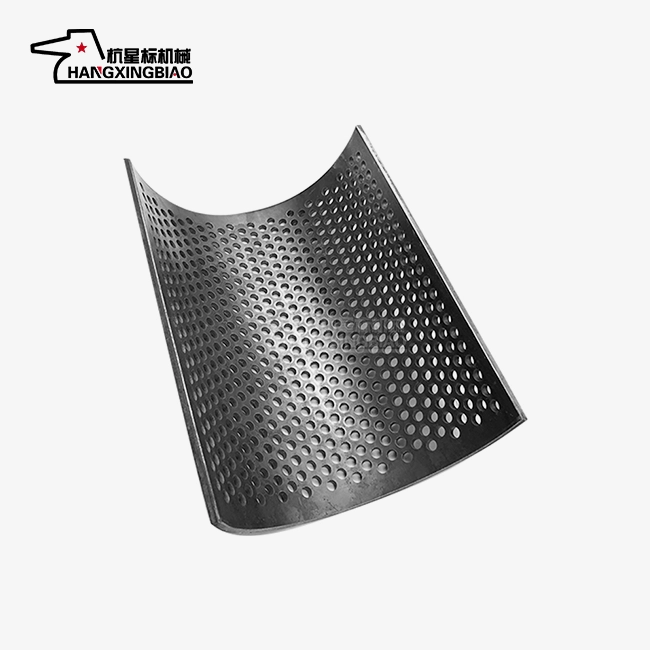
When there are a lot of screens to maintain, they need extra care. When things build up on computer surfaces, the effective open area goes down. This creates back-pressure, which slows down the flow. Our quick-change screen design makes it easy to clean or replace screens quickly, so work stops are kept to a minimum. Setting regular check times based on the properties of the material stops slow degradation from turning into sudden failure.
Preventive Maintenance Protocols That Extend Equipment Life
Monitoring the state of blades is an important part of maintenance plans that work. A close look at the edges shows wear patterns that show when they need to be regrinded. Waiting until blades break totally causes more downtime and could hurt other parts. Our alloy steel design lets you do more than one regrind cycle, but only if you do it before the tool wears out too quickly.
How often bearings need to be serviced depends a lot on how they are being used. Continuous high-load work makes heat, which speeds up the breakdown of lubricants. We make bearing sets easy to get to because regular maintenance stops catastrophic breakdowns before they happen. It is much cheaper to replace bearings before they break than to fix damage caused by stuck parts that destroy shafts or chambers.
Aligning the drive system has an effect on both how well it works and how long its parts last. When a belt isn't lined up right, it wastes energy through shaking and friction. They also make belts and bearings wear out faster than they should. These problems can be stopped before they start by doing simple alignment checks as part of regular maintenance.
Energy Optimization Through Process Control
Modern control systems let crushing processes instantly adjust to changes in the material. Variable frequency drives change the motor speed based on the load. This makes it possible to work with less thick materials with less power. Feed rate adjustment keeps the chamber from becoming too full, which slows down spinning and causes energy use to spike.
Automation makes process changes less dependent on the operator's opinion. When you run the machine in the same way every time, the particles are spread out more evenly, and you use less energy. These technologies are built into our high-power centralized feeding systems, which makes them less noisy and uses less power.
Monitoring temperatures lets you know about motor problems early on, before they break down. Bearing temperatures that slowly rise are a sign that they are not properly oiled or that wear is beginning. If a motor's temperature is outside of its normal range, it means there are electrical problems or mechanical locking. Small problems can be stopped before they become big problems by setting up simple monitoring equipment and reaction routines.
Leading Industrial Crusher Solutions and Supplier Insights
There are a lot of companies that make industrial crushing tools, and each one has its own engineering methods and customer care ideas. Knowing these differences helps buying teams make choices that are in line with long-term business goals, not just the lowest price at the time of purchase.
Specialized Expertise Versus Diversified Product Lines
Some companies put engineers to work on a lot of different types of equipment, like conveyors, filters, breakers, and industrial crushers. This variety makes product lines more diverse, but it often makes it harder to become a master in just one area. Other suppliers focus on certain types of tools, learning particular skills through focused practice.
Customization Capabilities and Application Engineering
Standard equipment works well for many tasks, but for certain handling problems, custom solutions are needed. Flexible suppliers are different from producers who only use catalogs because they can build custom setups. We've made large-diameter crushers for big items, high-power models for constant use, and soft material processors for trash streams that tend to get tangled up.
Evaluating Total Cost of Ownership
The price of buying something is only one part of how much it costs to run over its lifetime. Total ownership costs include replacing parts, doing routine upkeep, and using a lot of energy. The cost of replacing blades has a big effect on the economy of crushing. Our alloy steel blades cut these costs by 60% compared to normal carbon steel blades because they last longer and can be regrinded more than once.
Conclusion
Selecting Industrial crusher equipment for handling large amounts of material, you need to think about a lot of things, like how much it can handle, how much energy it uses, how often it needs to be serviced, and how well the provider supports it. The most cost-effective methods match the machine's powers exactly to what it needs to do its job, rather than adding too many features that don't add any value. Material properties strongly affect which type of crusher works best, which is why application-specific engineering is so important. Manufacturers that only make crushing technology have a level of skill that sellers who offer a wide range of products can't match. Reliability in equipment comes from strong building, high-quality parts, and a well-thought-out design that puts efficiency and ease of maintenance first. Total ownership costs rely on how much energy is used, how long the blades last, and how often they need to be fixed.
FAQ
What materials can industrial crushers process effectively?
Modern tools for crushing can handle almost any non-metallic object, but not rocks or metals. With the right machine setup, plastics, rubber, wood, paper, fabrics, foam, and organic garbage can all be processed well. Which type of breaker works best depends on how hard and flexible the material is. Materials that are easily broken when hit need special blade designs that cut rather than bounce.
How do I determine the right crusher capacity for my operation?
How much trash do you normally make in an hour? Add 20 to 30 percent to account for times when you'll be making a lot of trash. Density of the material has a big effect on volumetric output; for example, lightweight films take up more space per ton than densely molded parts. Think about whether ongoing or batch processing works better for your business. This will affect the right size of machine you need.
What maintenance practices extend crusher service life?
Regularly checking the blade and regrinding it at the right time stops it from wearing out too quickly, which could damage other parts. Lubricating bearings at times that match the strength of your operation stops heat buildup and failure before it's due. Cleaning the screen keeps the flow high, and aligning the drive system cuts down on wasted energy and stress on the parts. Breakdowns are expensive, so it's better to plan repairs around working hours than to wait for problems to happen.
How significant are energy costs in crusher operations?
In normal activities, 30 to 40 percent of all crushing costs come from energy costs. Our crushers use 8–12 kWh of electricity per ton of plastic they process, so designing efficient equipment has a big effect on these costs. Power use is affected by how sharp the blades are, how well the motor works, and how fast the feed rate is set. By keeping an eye on how much energy is used per ton of material handled, you can tell when a repair is needed to get things back to normal.
Partner with Xingbiao for Reliable Crushing Solutions
Xingbiao has improved the way plastic crushers are made after 30 years of focused engineering and constant progress. Because of our specialized knowledge, you will get machines that were made to handle difficult material handling tasks, not general machines that were repurposed for other uses. We use tried-and-true technology that always gets results for plastic recycling centers, factories, and trash management companies all over the United States. We can come up with solutions that meet your exact needs, whether you need to handle injection-molded trash, flexible films, or mixed waste streams. Our 20-person tech team works with you to find the best setup, capacity, and features for your crusher based on your needs. In addition to delivering the equipment, we also help with installation, teach operators, and provide quick technical support to make sure your work runs smoothly. Email our team at xingbiaocrusher@xingbiaocrusher.com to talk to an expert Industrial crusher maker about your crushing needs. We'll help you figure out the best tools for your building by looking at the properties of the material, the volume needs, and the operational limitations.
References
1. Smith, J.R. and Thompson, M.K. (2021). Industrial Crushing Systems: Engineering Principles and Applications. New York: Technical Press.
2. Anderson, L.P. (2020). Material Processing Efficiency in Recycling Operations. Journal of Waste Management Technology, 45(3), 178-195.
3. Williams, D.R., Chen, H., and Martinez, S.A. (2022). Advanced Blade Metallurgy for Industrial Crushing Equipment. Materials Engineering Quarterly, 38(2), 112-128.
4. Roberts, K.M. (2019). Optimizing High-Volume Material Processing: A Practical Guide for Plant Managers. Chicago: Manufacturing Efficiency Institute.
5. Peterson, E.L. and Zhang, W. (2023). Energy Efficiency in Industrial Crushing: Technologies and Best Practices. International Journal of Industrial Equipment, 51(1), 67-84.
6. Johnson, T.S. (2020). Preventive Maintenance Strategies for Material Processing Equipment. Equipment Reliability Handbook, 29(4), 203-219.
Learn about our latest products and discounts through SMS or email