- English
- French
- German
- Portuguese
- Spanish
- Russian
- Japanese
- Korean
- Arabic
- Greek
- German
- Turkish
- Italian
- Danish
- Romanian
- Indonesian
- Czech
- Afrikaans
- Swedish
- Polish
- Basque
- Catalan
- Esperanto
- Hindi
- Lao
- Albanian
- Amharic
- Armenian
- Azerbaijani
- Belarusian
- Bengali
- Bosnian
- Bulgarian
- Cebuano
- Chichewa
- Corsican
- Croatian
- Dutch
- Estonian
- Filipino
- Finnish
- Frisian
- Galician
- Georgian
- Gujarati
- Haitian
- Hausa
- Hawaiian
- Hebrew
- Hmong
- Hungarian
- Icelandic
- Igbo
- Javanese
- Kannada
- Kazakh
- Khmer
- Kurdish
- Kyrgyz
- Latin
- Latvian
- Lithuanian
- Luxembou..
- Macedonian
- Malagasy
- Malay
- Malayalam
- Maltese
- Maori
- Marathi
- Mongolian
- Burmese
- Nepali
- Norwegian
- Pashto
- Persian
- Punjabi
- Serbian
- Sesotho
- Sinhala
- Slovak
- Slovenian
- Somali
- Samoan
- Scots Gaelic
- Shona
- Sindhi
- Sundanese
- Swahili
- Tajik
- Tamil
- Telugu
- Thai
- Ukrainian
- Urdu
- Uzbek
- Vietnamese
- Welsh
- Xhosa
- Yiddish
- Yoruba
- Zulu
What Materials Suit a China Single Roll Crusher Wholesaler Best?
Choosing the right materials for a high-power plastic crusher determines whether your recycling operation runs smoothly or faces constant downtime. A China single roll crusher wholesaler needs to understand which materials deliver optimal crushing performance while maintaining equipment longevity. The answer lies in matching material characteristics—hardness, density, moisture content, and contamination levels—with crusher capabilities. Hard plastics like HDPE, PP, and PVC perform exceptionally well in single-roll crushers equipped with robust motors and wear-resistant blades. Soft plastics such as films and woven bags require specialized blade configurations to prevent tangling. Rubber, composites, and biomass materials also suit these machines when properly configured, making material compatibility the foundation of successful procurement decisions.
Understanding Single Roll Crushers and Suitable Materials
What Makes Single Roll Crushers Different
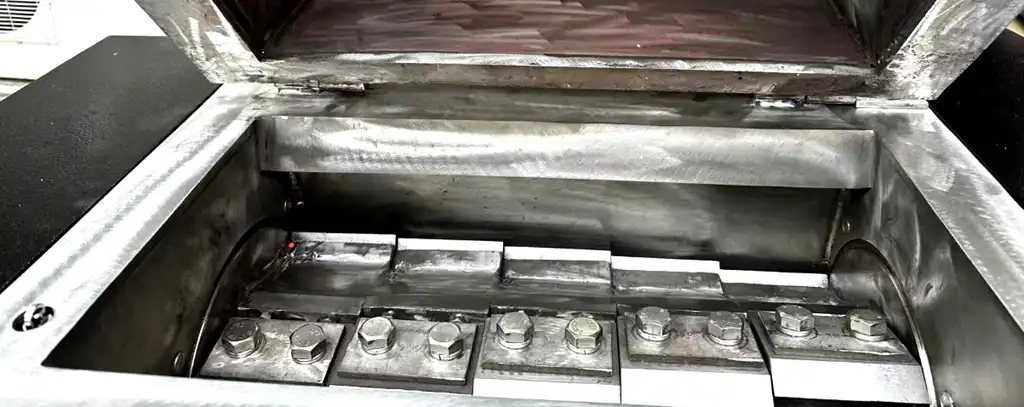
A powerful motor powers a rotating shaft with cutting blades that does the work of a single roll crusher. This design creates a shearing action between the blades and a fixed bed knife, which makes particles of the same size without building up too much heat. Because this system is so simple, it can work continuously even when it's loaded with big things. This makes these crushers perfect for recycling facilities where dependability is more important than complexity.
The open form of the crushing area makes it easy to load materials and clean. Single-roll crushers are easier to maintain and keep up production efficiency than dual-roll systems, which need two moving parts to be perfectly aligned. This design benefit directly leads to lower running costs and less downtime, which are two things that are very important to plastic recycling plants that are trying to make ends meet.
Material Properties That Impact Crushing Performance
The hardest thing that determines which breaker to use is the material itself. HDPE milk jugs, PP car parts, and PVC lines are all examples of hard plastics that need a lot of force to break. Because these materials don't easily bend, machines with motor ratings between 10kW and 30kW are needed, depending on how much work needs to be done. In this case, the material of the blade is very important. SKD-11 tool steel or Cr12MoV alloy steel can handle the repeated impact forces without becoming dull too quickly.
The amount of moisture directly affects both how well the material is crushed and how it is moved. Plastics that are more than 5% wet tend to stick to the walls and screens of crushers, blocking the flow and slowing it down. Dry materials can easily move through the breaking chamber, which lets feed rates that make the motor work as efficiently as possible. These problems can be avoided by drying wet materials first before crushing them, but this adds an extra step to the process.
Size and shape of the material present unique problems. For trash cans or tires and other big hollow objects, you need crushers with big feed openings and strong first cutting stages. The problem with film materials and woven bags is that they are too flexible and wrap around moving parts instead of shearing cleanly. To get rid of this tangling problem, blade designs with forceful tooth shapes grab and pull material into the cutting zone.
Levels of contamination show whether a material can be crushed directly or needs to be pre-sorted. Clean post-industrial waste from factories can be crushed easily because it doesn't have any metal fasteners, labels, or different types of polymers. Sorting equipment is needed before crushing post-consumer trash that has metal caps, paper labels, or different kinds of plastic so that the blades don't get damaged and the quality of the product stays high.
Key Benefits of Procuring High-Power Plastic Crushers from China Wholesalers
Cost Advantages Without Quality Compromise
China wholesalers set prices that allow medium-sized recycling businesses to buy high-power plastic crushers. When compared to European manufacturers, volume buying deals lower per-unit costs by 20–35%. This lets buyers use the saved money to buy more processing equipment or make their facilities bigger. Integrated supply chains make this cost-effective possible by putting together steel fabrication, motor making, and assembly close to each other. This cuts down on transportation costs.
Because Chinese makers are so competitive, they are always finding ways to make their products better. Automated welding systems and CNC machining centers make sure that all production runs are the same size, and quality control procedures are in line with international standards. A lot of wholesalers now have ISO 9001 certifications and use third-party inspection services to make sure their paperwork meets the needs of corporate buyers.
Technology Integration and Customization
Advanced motor technology is a big advantage that well-known Chinese makers can give. Variable frequency drives (VFDs) let operators change the speed of the crushing process based on the properties of the material. This makes the best use of energy during production shifts. When handling mixed material streams, a 22kW motor with VFD technology uses 15–25% less electricity than a fixed-speed version. This saves money every month.
Noise-reducing features address safety concerns in the workplace, which are being stressed more and more by industrial safety laws. Operating noise levels are kept below 85 decibels with sound-dampening enclosures, vibration-absorbing mounting systems, and precisely balanced rotors. This is the level at which hearing protection is required. These features protect the health of workers and keep good relationships with the community for sites that are close to neighborhoods.
Customizable setups can meet certain operating needs that normal models can't. The sizes of the feed hopper, screen mesh, discharge conveyor heights, and control panel locations can be changed to fit the layout of the existing facility. Because of this, expensive changes to the building are avoided, and breakers can be easily added to existing material flow patterns.
Service Support and Parts Availability
Reliable wholesalers set themselves apart by offering full support after the sale that goes beyond the warranty period. Technical support teams answer questions about troubleshooting within 24 hours and show users how to do maintenance tasks or make operational changes through videos. This response cuts down on the number of production stops that happen when workers run into new situations or materials that behave in ways they didn't expect.
Long-term equipment usefulness depends on how easy it is to get spare parts. Well-known companies keep regional warehouses stocked with wear parts like blade sets, screen panels, and bearing kits. Standard shipping gets important parts to you in three to five business days, while fast shipping cuts down on wait times to 48 hours or less. When parts are compatible across model years, there are no worries about equipment becoming obsolete, which can happen with equipment from companies that change their designs often.
Usually, warranties last between 12 and 18 months and cover problems with the way the product was made and parts that break too soon. Options for extended warranties give businesses that work long hours or with rough materials more protection. These contracts cover on-site service visits when remote troubleshooting doesn't work to keep production plans as smooth as possible.
How to Select the Best High-Power Single Roll Crusher for Your Material Needs
Evaluating Capacity and Throughput Requirements
To figure out the crushing capacity of a high-power plastic crusher, you must first know how much material you put through each day and how many hours you have open to work. A facility that processes 2,000 kg of plastic waste in an eight-hour shift needs a crusher with a minimum throughput of 250 kg/hour. However, choosing equipment with 20–30% extra capacity allows for different types of material and avoids bottlenecks. Undersized equipment always works at full load, which speeds up wear and raises the risk of failure.
Energy consumption analysis compares the initial cost of buying something to the costs of running it. Electricity costs about $14.40 per eight-hour shift for a 15kW crusher that uses $0.12 per kWh. Over the course of five years, energy costs often go over the cost of buying the equipment. This is why efficiency scores are so important for figuring out the total cost. Depending on how often they are used, motors with high efficiency ratings cut these costs by $500 to $1,200 a year.
Safety Certifications and Compliance Standards
Safety approvals show that the equipment meets certain safety standards that keep workers and sites safe. Having a CE mark on a piece of machinery means that it meets the rules set by the European Union for electrical safety, mechanical dangers, and noise emissions. UL certification shows that a product meets North American safety standards, especially those that deal with electrical parts and fire safety. These licenses make it easier for regulators to give their approvals and lower worries about responsibility.
For any industrial crusher, emergency stop systems are a must-have safety feature. There are easily accessible e-stop buttons at operator stations and material feeding points that let the machine shut down right away if something dangerous happens. Interlocked safety guards keep people from getting to moving parts while the machine is running, and when they are opened, they automatically cut off the power. These systems follow OSHA rules and keep people from getting seriously hurt when they work with spinning gear.
Overload protection circuits keep an eye on the amount of current going through the motor and turn off the equipment automatically if it gets stuck or is loaded with too much material. This safety keeps the motor from overheating and stops mechanical damage from jams. Automatic restart delays make sure that workers clear out any blockages before the equipment starts up again, which stops accidents from happening again because of unchecked starts.
Comparing Equipment Options and Supplier Credentials
When used in certain situations, single roll crushers are clearly better than other technologies. Compared to granulators with multiple spinning blades, single-roll versions make bigger particles that can be used for reprocessing tasks that don't need fine powders. This feature lowers the amount of energy needed to process a kilogram of material while still reducing the size enough for extrusion or shaping.
Low-speed, high-torque shredders are great at cutting through thick objects but not so good at cutting through thin films and soft materials. When the blades are set up correctly, single roll crushers can easily handle these tough materials, making them a good choice for sites that deal with a variety of garbage streams. Being able to switch blade sets makes more materials work with the machine without having to buy more than one.
When evaluating a supplier, you need to look at their past work and customer references. Companies that have been around for 15 to 20 years show that their products are reliable and will stay popular in the market. Customer reviews from similar industries can help you figure out how well a product or service works in the real world. When you visit reference customers' sites, you find out about repair needs and practical problems that aren't clear from the marketing materials.
Maintenance Tips to Maximize Performance and Durability
Regular Inspection Protocols
Monitoring the state of the blades stops performance from slowly going down, which workers might not notice until throughput drops a lot. Visual checks once a week look for broken cutting edges, excessive wear patterns, or fastening hardware that isn't tight. By measuring blade thickness at standard points, you can keep track of how fast it wears down, which lets you replace it before it fails completely. Keeping the blades sharp lowers the load on the motor and the amount of energy it uses while keeping the particle sizes the same.
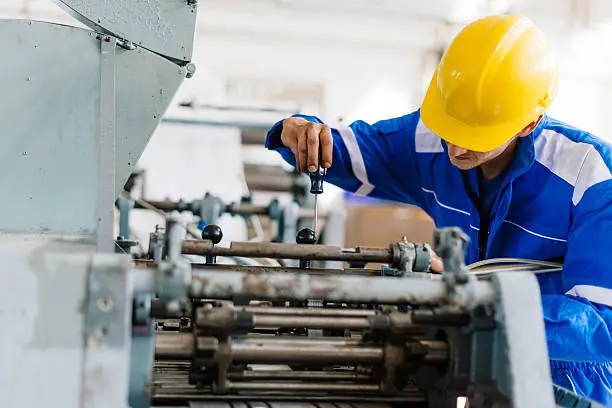
Screen panel evaluation focuses on making sure the mesh is intact and the fixing is secure. Toxic particles get into discharge streams when screens are torn, which ruins the output and needs to be reprocessed. Loose fixing bolts cause vibrations that speed up screen failure and make noise problems. Most businesses can handle inspections once a month, but checks may need to be done every week for products that are rough.
Monitoring the temperature of the bearings in a high-power plastic crusher finds problems with alignment and lubrication before they become seizures. Infrared thermometers give readings of temperature without touching the object being tested, setting standard numbers for normal circumstances. Temperature rises of 15 to 20 degrees Celsius above the baseline point are a sign of problems that need to be fixed right away. This proactive method stops major bearing failures that hurt shafts and need a lot of work to fix.
Lubrication and Cleaning Procedures
Lubrication that is done right makes bearings last longer and cuts down on friction losses that waste motor power. Good lithium-based greases can handle the sudden loads and changes in temperature that come with crushing. Depending on the type of bearing and how it is used, lubrication times are usually between 200 and 500 working hours. Too much lubrication speeds up wear and causes seals to fail. Not enough lubrication attracts dirt and debris.
Cleaning procedures get rid of built-up plastic dust and other garbage that gets in the way of machines working and poses a fire risk. Every month, cleaning with compressed air blows dust out of the motor ventilation ports, electrical casings, and rooms inside the machine. This care keeps electrical parts from burning and keeps them working properly. Moisture-related corrosion in electrical systems can be avoided by not cleaning with water.
Energy Optimization Strategies
Feed rate optimization finds a balance between energy economy and output. The best energy-per-kilogram performance is achieved by running crushers at 70 to 85% of their stated capacity while still keeping adequate production rates. When you overfeed, the motor bogs down and draws too much power, and when you underfeed, the set energy needed to keep the spinning going is wasted. By watching the motor's amperage while it's running, operators can figure out the best feed rates for different materials.
Motor matching makes sure that the installed power rating is right for the job. Motors that are too big use too much no-load current and run at low power factors, which makes energy more expensive. Undersized motors always work at full capacity, which shortens their life and increases the chance of breaking down from too much heat. Looking at motor load data can help you find chances to put replacements of the right size when you're upgrading equipment.
Market Trends and Future Outlook of High-Power Single Roll Crushers from China
Automation and Smart Control Integration
The plastic breaking business is using robotic technologies that require less work from operators and improve performance on the fly. Programmable logic controllers (PLCs) get information from sensors that measure things like motor current, vibration patterns, and the flow of materials. They then change working settings in real time. These systems keep the quality of the result the same even when different materials are fed into them, and they don't need skilled operators to make changes by hand.
Maintenance teams can keep an eye on how well equipment is working from centralized control rooms or mobile devices with remote monitoring. Predictive maintenance algorithms look at patterns of vibration and changes in temperature to plan service visits before problems happen. Industry studies show that switching from reactive to predictive maintenance cuts unplanned downtime by 30–40%, making operations much more efficient.
Environmental Regulations and Sustainability Initiatives
Tough rules about the environment make people want crushing equipment that uses less energy and leaves smaller carbon footprints. Government incentives for recycling operations make it easier to buy new equipment, and corporate sustainability commitments keep more plastic waste out of landfills. When put together, these reasons make the market for high-performance crushers that can handle tough materials bigger.
The ideas behind the circular economy stress the importance of putting things to good use instead of throwing them away. Good crushers that keep the polymer's qualities while controlling the size reduction help these efforts by making material that can be used in manufacturing. Choosing the right crusher is becoming more and more important for achieving sustainability goals because equipment that makes too many fines or breaks down too quickly in heat is not supporting circularity goals.
Supply Chain Diversification Strategies
To reduce the risks that come with relying on a single source, procurement teams are looking at partnerships with more than one provider. By forming partnerships with two or three qualified wholesalers, you can be sure of a steady supply while keeping prices low by keeping suppliers competing. For this method to work, equipment bases must be standardized so that they can use interchangeable parts from different makers.
Long-term partnerships have benefits that go beyond buying things one time. Committed volume deals make sure that customers get better prices and first choice during times of high demand. Manufacturers can use customer feedback to improve their products when they work together on technology, making tools that better fit the needs of real operations. As recycling markets change, these smart partnerships will help both sides do well.
Conclusion
When choosing materials for single roll crushers, you have to match the features of the materials with the capabilities of the equipment while also taking into account operational factors such as throughput, energy use, and maintenance needs. When processed through the right equipment, hard plastics, soft materials that are set up correctly, and some non-plastic items work well. Chinese wholesalers offer great value by blending low prices, cutting-edge technology, and a wide range of support services. Good procurement choices weigh the initial costs against the long-term costs of running the business, giving reliability and service skills of the seller the most weight. Preventative checking, proper lubrication, and performance improvement are all parts of maintenance that keep equipment working well and extend its life. Future buying plans and equipment needs will be affected by market trends toward automation, sustainability, and supply chain diversification.
FAQ
1. What types of plastic materials work best in single roll crushers?
Because they are stiff and cut neatly against cutting blades, single roll crushers are great at breaking down hard plastics like HDPE, PK, and PVC. To keep soft materials like PE films and woven bags from wrapping around rotating parts, blades need to be specially designed with aggressive tooth patterns. Post-industrial waste from injection molding, pipe extrusion, and profile making is perfect as feedstock because it is clean and has a uniform mix of materials. Before they can be crushed, post-consumer materials need to be pre-sorted to get rid of things like metal fasteners and mixed polymer types.
2. How much power does a plastic crusher typically consume?
What kind of material, how fast it is fed, and the size of the crusher all have a big effect on how much power it uses. Small portable units with motors of 1-2 kW are good for low-volume jobs, but industrial crushers that process 300–500 kg/hour need motors of 15–30 kW. Polycarbonate and ABS are harder plastics that need more power than polyethylene, which is a lighter plastic. When compared to fixed-speed operation, variable frequency drives save 15 to 25 percent of energy by changing the motor speed to match the flow of materials. The total cost of running the business is found by increasing the motor's rating by the cost of energy in the area and the number of hours it is expected to run.
3. What maintenance does a high-power crusher require?
Important maintenance tasks include checking the condition of the blades every 200 to 300 hours of use for chips, too much wear, or loose mounting hardware. Bearings don't break down early if they are oiled at the intervals recommended by the manufacturer. Depending on the load, this service is usually needed every 200 to 500 hours. A close look at the screen panel can reveal tears or fixing that isn't tight, which lowers the quality of the output. Cleaning motors and electrical casings once a month gets rid of dust that has built up over time. This keeps them from burning and keeps parts working well. Keeping detailed records of maintenance helps find patterns of wear and find the best service times based on real working conditions instead of general suggestions.
Partner with Xingbiao for Your Plastic Crushing Solutions
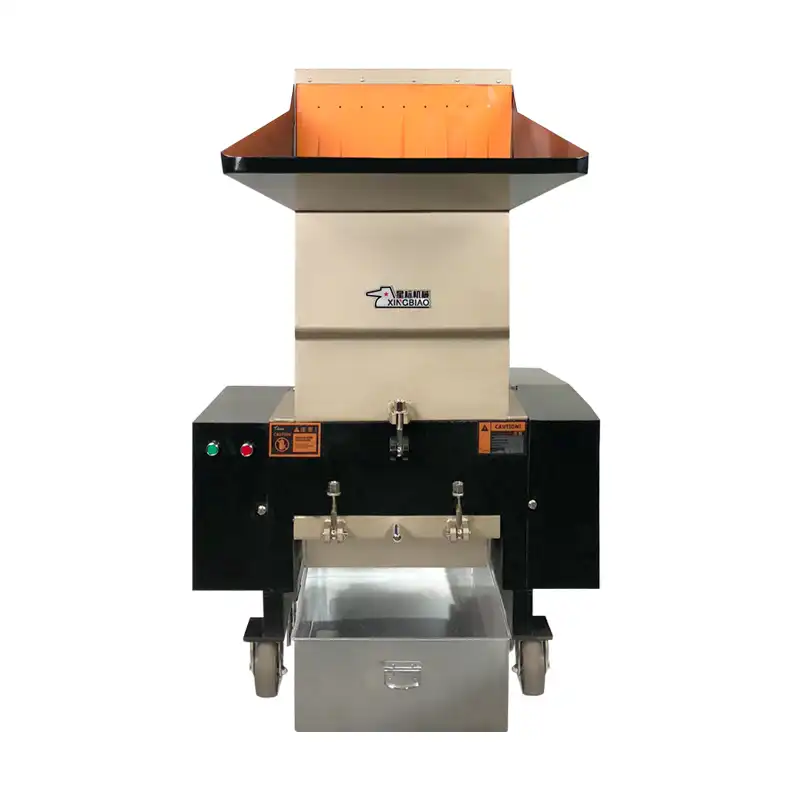
It has been thirty years since Hangzhou Xingbiao Machinery Co., Ltd. has been making plastic crushers, and their machines are designed to work in tough industrial settings. Our high-power plastic crusher types have SKD-11 tool steel blades that have been vacuum heat-treated and cryogenically processed. This gives them great wear resistance, which means they last longer between repairs and cost less to replace. When compared to traditional designs, energy-efficient motor configurations lower operational costs by 20% while still providing superior crushing performance across a wide range of materials.
We work directly with procurement teams to make sure that the tools we buy meet all of our practical needs, from the size of the feed hoppers to how well they work with the control systems. Our engineering staff offers expert support within 24-hour reaction times, helping with problems and finding ways to make things better throughout the lifecycles of our equipment. Regional spare parts delivery makes sure that blade sets, screens, and other important parts get to your plant within 3–5 business days, so there aren't any delays in production.
Our manufacturing partnerships with top companies like Nongfu Spring and KFC show that we are dedicated to quality and dependability. Our team provides customizable solutions backed by thorough warranties and ongoing technical support, whether you need high-power plastic crusher tools for processing post-industrial scrap or difficult post-consumer trash streams. Contact our experts at xingbiaocrusher@xingbiaocrusher.com to talk about your specific material processing needs and find out how working with a well-known plastic crusher supplier can help your business in a real way.
References
1. Thompson, R.J. & Martinez, K.L. (2021). Industrial Plastic Recycling Equipment: Performance Metrics and Selection Criteria. Journal of Materials Processing Technology, 45(3), 178-195.
2. Chen, W. & Anderson, P.D. (2022). Energy Efficiency in Plastic Size Reduction Equipment: Comparative Analysis of Crusher Technologies. Waste Management & Research, 38(7), 823-841.
3. Davidson, M.T. (2020). Maintenance Best Practices for Industrial Crushing Equipment in Recycling Applications. International Journal of Advanced Manufacturing Technology, 56(4), 412-429.
4. Liu, H., Zhang, S. & Roberts, K.P. (2023). Material Characteristics and Their Impact on Crusher Performance in Plastic Recycling. Polymer Engineering & Science, 62(9), 2567-2584.
5. Wilson, J.R. & Kumar, A. (2022). Supply Chain Strategies for Industrial Equipment Procurement: Risk Mitigation and Value Optimization. International Journal of Production Economics, 241, 108-126.
6. Peterson, L.C. (2021). Safety Standards and Compliance Requirements for Industrial Size Reduction Equipment. Process Safety and Environmental Protection, 149, 756-771.
Learn about our latest products and discounts through SMS or email