- English
- French
- German
- Portuguese
- Spanish
- Russian
- Japanese
- Korean
- Arabic
- Greek
- German
- Turkish
- Italian
- Danish
- Romanian
- Indonesian
- Czech
- Afrikaans
- Swedish
- Polish
- Basque
- Catalan
- Esperanto
- Hindi
- Lao
- Albanian
- Amharic
- Armenian
- Azerbaijani
- Belarusian
- Bengali
- Bosnian
- Bulgarian
- Cebuano
- Chichewa
- Corsican
- Croatian
- Dutch
- Estonian
- Filipino
- Finnish
- Frisian
- Galician
- Georgian
- Gujarati
- Haitian
- Hausa
- Hawaiian
- Hebrew
- Hmong
- Hungarian
- Icelandic
- Igbo
- Javanese
- Kannada
- Kazakh
- Khmer
- Kurdish
- Kyrgyz
- Latin
- Latvian
- Lithuanian
- Luxembou..
- Macedonian
- Malagasy
- Malay
- Malayalam
- Maltese
- Maori
- Marathi
- Mongolian
- Burmese
- Nepali
- Norwegian
- Pashto
- Persian
- Punjabi
- Serbian
- Sesotho
- Sinhala
- Slovak
- Slovenian
- Somali
- Samoan
- Scots Gaelic
- Shona
- Sindhi
- Sundanese
- Swahili
- Tajik
- Tamil
- Telugu
- Thai
- Ukrainian
- Urdu
- Uzbek
- Vietnamese
- Welsh
- Xhosa
- Yiddish
- Yoruba
- Zulu
Which Industrial Crusher Is Best for Your Industry Needs?
Choosing the right Industrial crusher has a direct effect on how much you can produce, how much it costs to run, and the quality of the stuff you produce. An Industrial crusher made for your job can break down a wide range of non-metallic materials, such as plastic and rubber, as well as wood, paper, cloth, foam, and organic waste, into pieces ranging from 2 mm to 50 mm in size. The best choice relies on the properties of the material, the amount that needs to be processed, the needs for integration, and your budget. Knowing about these things helps you match the skills of your tools with the needs of your operations.
Understanding Industrial Crushers: A Comprehensive Overview
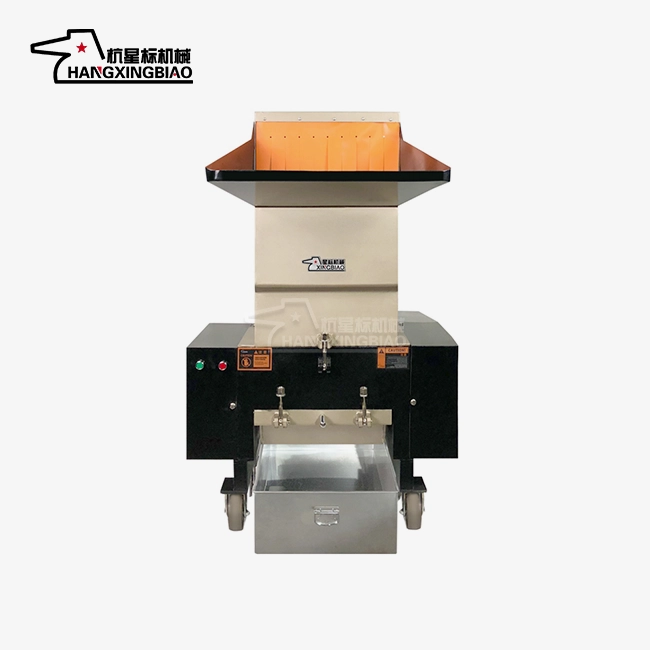
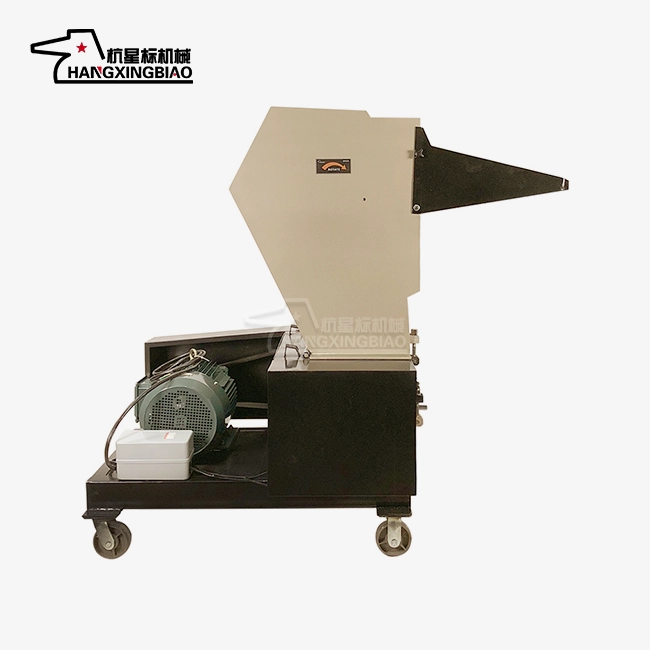
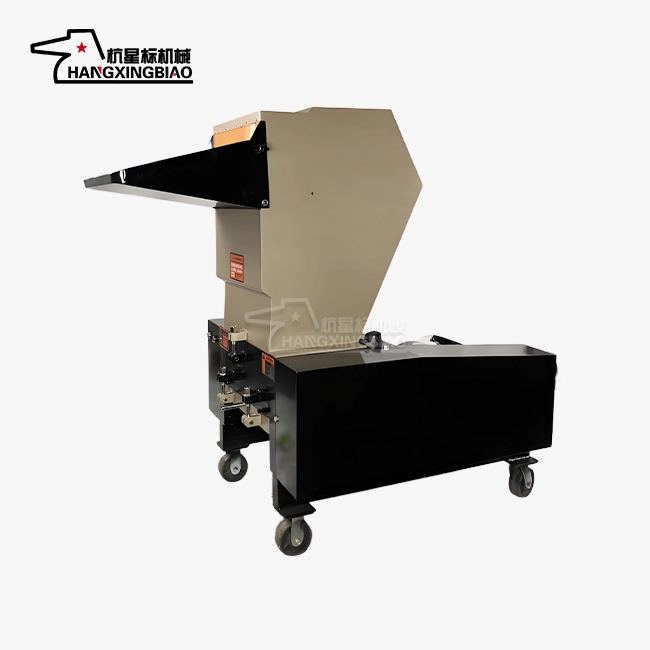
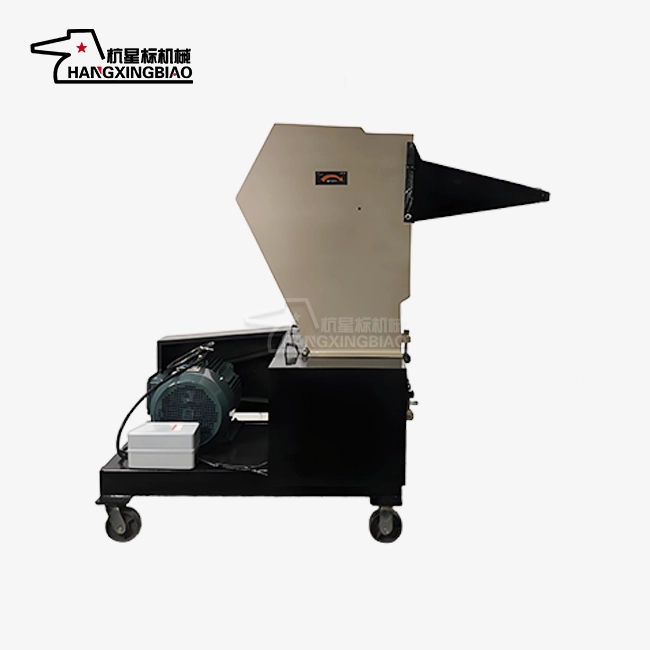
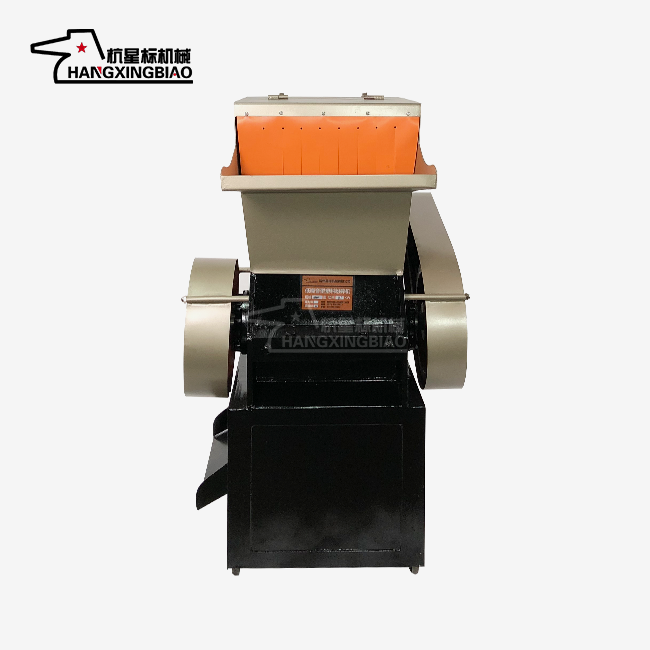
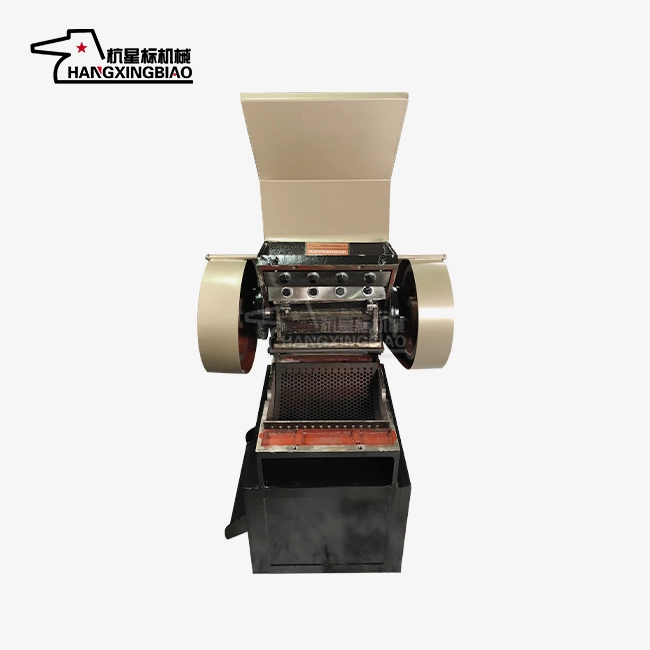
Industrial crusher equipment uses mechanical force to break up big pieces of material into smaller ones that can be handled. To cut, shear, and break up materials, an Industrial crusher's main parts are its revolving blades, set knives, and screens. The motor turns the rotor unit, which has moving blades that touch blades inside the chamber that are fixed. The material goes into the feed hopper and gets caught between the blade edges. The material is cut over and over again until the pieces are small enough to pass through the discharge screen.

Primary Working Components
The main body is made up of high-strength steel plates that are bonded together and treated to relieve stress so that they don't bend when they're used continuously. The blade system is the most important part of the machine. High-end Industrial crushers use SKD-11, D2 mold steel, or Cr12MoV alloys that are vacuum-heated and processed at very low temperatures. This process raises the hardness to between HRC55-60, which makes it very resistant to wear. The rotor assembly, bearing housings, and drive system all work together to keep the cutting force constant, and the screen system decides the size of the end particles.
Types and Applications Across Industries
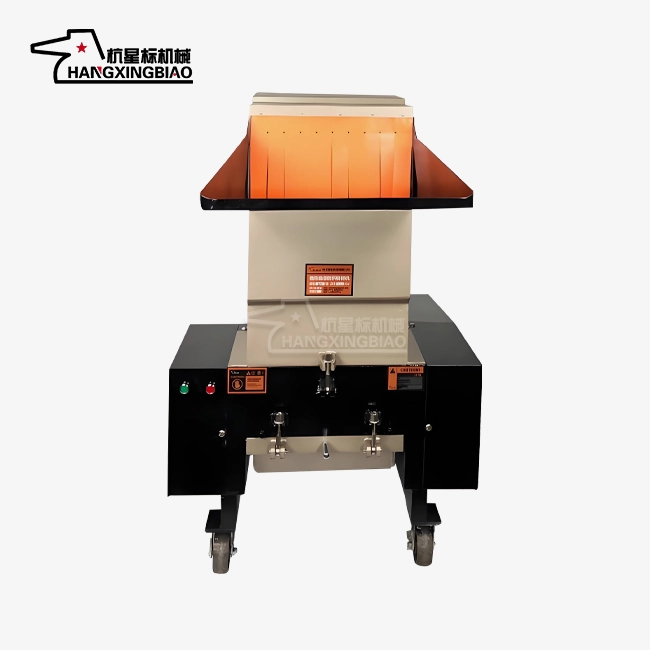
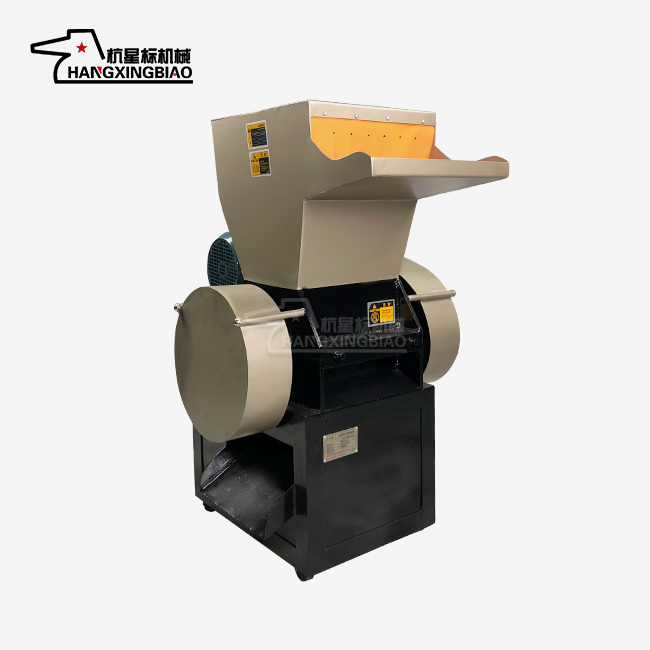
Different types of Industrial crushers are better at crushing different types of materials. Jaw crushers are great for breaking down hard materials like stone and concrete into smaller pieces. Hammer mills use contact forces to break up hard materials. For recovering plastic and managing trash, specialized plastic Industrial crushers are very helpful. These machines go beyond what standard machines can do because they can handle almost all non-metallic materials, whether they are in block, sheet, fiber, or irregular shapes, and they keep their performance fixed across a wide range of feedstock. Modern systems for breaking plastic use improved ideas that make them over 20% more efficient than older designs. The blade shape, chamber design, and motor all work together to get the best energy use, which is usually only 8–12 kWh per ton of processed plastic.
Key Criteria for Selecting the Best Industrial Crusher
The Industrial crusher tools you need depend on the properties of your material. Injection-molded parts, lines, and shapes are all made of hard plastics that need strong construction and a lot of cutting force. Films, weaving bags, and threads are all soft materials that need special blade arrangements to keep them from wrapping up or getting stuck. Mixed trash streams need tools that are flexible enough to handle different types of waste.
Performance Metrics That Matter
The amount of work you can do is directly related to your processing ability. Figure out how much you need to produce every hour and add 20 to 30 percent to allow for changes in material density and operating freedom. The chamber size and feed hole size must be big enough to fit your biggest pieces of material without a lot of pre-processing. When crushed material goes into equipment further down the line, the uniformity of the particles matters. Uniform size makes washing, separating, and extrusion processes more efficient. Noise levels affect how well people can do their jobs and how comfortable they are. Good Industrial crushers have sound-dampening chambers and well-balanced rotor designs that keep the noise level below 85 decibels when they're working. This is especially important for machines that are close to workspaces for injection molding because quiet operation helps people talk to each other and focus.
Maintenance Accessibility and Safety Features
You lose money when your equipment breaks down. When compared to machines with complicated designs, ones with quick-change screen systems and easy-to-reach blade mounts cut repair windows in half. The chamber should be easy to open so that fines and fiber growth can be cleaned out. Bearing sets need to have easy-to-reach lubrication spots and repair steps. Safety features keep workers safe and stop accidents from happening. Processing rooms that are closed off keep moving objects inside and reduce the spread of dust. Material can't come back through the feed hole because of anti-rebound shields. When the access doors open during work, safety interlocks immediately turn off the power. These features work together to make the workplace safe while still allowing people to get work done.
Comparison of Popular Industrial Crusher Solutions in the Market
There are a lot of different kinds of breaking tools on the market. General-purpose Industrial crushers can reduce the size of a single type of material, but they have trouble with a wide range of materials. Multi-material systems make things more flexible, but they often lose efficiency for some uses. Plastic Industrial crushers, which only work with non-metallic materials, are in the middle of these two extremes.
Versatility Versus Specialization
Universal Industrial crushers try to break down everything from concrete to plastic, which leads to design flaws that make them less effective. The shape of the blades that are best for rock doesn't have the accuracy needed for film materials. Heavy frames made for working in quarries add extra weight and cost to plastic recycling projects that aren't needed. Metso and Sandvik make great material handling equipment, but their designs are based on what the mining industry needs, not what the plastic recycling industry needs. Dedicated plastic breaking systems are the best way to deal with trash and get back scrap metal from production. These tools have blade angles, gap standards, and chamber sizes that are all designed to work with plastic. When processing polymeric materials, this leads to better productivity, lower energy use, and longer component life.

Capacity and Customization Options
Standard models work well for small to medium-sized recycling businesses that deal with steady amounts of trash. Heavy-duty, large-diameter Industrial crushers can handle big plastic parts, pipes with thick walls, and chunky profile extrusions. Along with injection molding tools, high-power centralized feeding systems are built in so that sprues and runners can be recycled right away. Specialized soft material processors can handle extremely tough materials like jumbled films, knitted plastic bags, and fibrous cloths that get stuck in regular machines. Custom setups solve problems that are specific to the process. For processing big trash cans or old tires, you need feed holes that are too big and blade sections that are stronger. Automated feeding systems and ongoing discharge conveyors are helpful in places that handle a lot of work. These custom solutions make sure that the powers of the tools exactly match the needs of the application.
Procurement Guide: How to Buy and Source Industrial Crushers
To find the right Industrial crusher supplier, you need to look at their technical skills, attention to service, and the possibility for a long-term relationship. General equipment sellers don't do as good a job as established makers with specialized knowledge. Look for companies that show they really understand the products and handling needs you have.
Supplier Selection Criteria
Specialized manufacturers who focus on a single type of tool make better goods by improving them all the time. Hangzhou Xingbiao Machinery Co., Ltd. is a good example of this because they have been developing and making plastic Industrial crushers for 30 years straight. Twenty top engineers on their study team work with big companies like KFC and Nongfu Spring to solve processing problems that happen in the real world. This specialized knowledge leads to tools that can safely work with a wide range of materials and stay reliable in tough production settings. Check how quickly the provider is and how well they can help with technical issues. When choosing tools, good makers give you a lot of advice. They help you look at the properties of the material, figure out how much capacity you need, and choose the best options. Installation help, user training, and testing help make sure that the machine starts up easily and starts working right away.
Warranty and After-Sales Considerations
Part of how reliable equipment is rests on how well it is maintained over time. Before you buy any extra parts, make sure they are available. Important wear parts like blades, screens, and bearings should ship within 24 to 48 hours. Preventive repair plans make equipment last longer and keep it from breaking down when you least expect it. Suppliers who offer regular follow-up calls show that they care about their customers' long-term success rather than just making one sale. Warranty terms show how confident the maker is in the product's longevity. Full coverage that protects major parts for 12 to 24 months is a sign of good building. Go over the cases where the guarantee doesn't apply and learn the difference between replacement and repair policies. When equipment is a big investment in terms of cash, these things matter.
Industry Case Studies and Future Trends in Industrial Crushing
Plastic factories have to deal with problems every day when it comes to handling production waste. When injection molding is done, sprues, runners, and broken parts build up quickly if there aren't good recycling methods in place. As a result, one medium-sized car supplier put Industrial crushers next to the machines that turn waste into regrind right away. This cuts material costs by 18% a year and frees up storage room that was being used for scrap.
Recycling Operations Achieving Efficiency Gains
Large recycling plants that deal with used plastic have to deal with polluted pools of different materials. A recycling center in the area that handles 15 tons of trash every day switched from using general Industrial crushers to using specialized tools for processing plastic. The change raised output by 35% while lowering energy use by 22%. Blade life went from 400 hours to over 1,200 hours without needing to be sharpened. This cut down on maintenance costs and downtime by a huge amount. The move toward a circular economy is increasing the need for effective methods for recovering materials. Manufacturers are forced to make the best use of trash by regulations and business promises to sustainability. Materials that used to go to dumps can now be recycled in a way that makes economic sense, thanks to advances in breaking technology.
Emerging Technologies Shaping the Future
Crushing activities go from being done by hand to being run by smart systems when automation is added. Smart sensors keep an eye on vibrations, temperature, and power use to figure out what repairs are needed before they happen. Automated feeding systems control the flow of materials so that they can be processed most efficiently and without getting stuck or overloaded. Improvements in energy efficiency keep coming about thanks to better motor technology and better mechanical design. Variable frequency drives change the amount of power sent based on the load at any given time. This keeps energy from being lost when the processing isn't happening. These new ideas follow environmental rules and cut down on costs at the same time.
Digital connection lets you watch and diagnose things from afar. Manufacturers of equipment can look at real-time performance data to find the best settings, fix problems, and plan for service. With this connectivity, the interaction between the buyer and the seller changes from a transactional one to a collaborative one.
Conclusion
To pick the best Industrial crusher tools, you have to think about the properties of the material, the amount of work that needs to be done, your budget, and your long-term operating goals. Because they are more focused on engineering and blade technology, machines made just for plastic and non-metallic materials work better than machines that can be used for any material. Check out providers based on their technical knowledge, ability to make changes, and full support services that go beyond delivering the tools. The right relationship will boost your business's productivity right away and set it up for future efficiency wins thanks to ongoing technological progress.

FAQ
What materials can industrial crushers process effectively?
Modern plastic-focused Industrial crushers can break down almost any non-metallic material, such as different kinds of plastic, rubber goods, wood waste, paper, cloth, foam, organic materials, and composite materials. The screen lets you change the output particle size from 2 mm to 50 mm. Metals, rocks, and minerals that are very rough need special mineral processing breakers because they are hard for regular equipment to handle.
How often do crusher blades need replacement or sharpening?
How long a blade lasts relies on how rough the material is, how much it is processed, and the quality of the blade. Premium alloy steel blades with a hardness of HRC55 to 60 can be regrinded three to five times before they need to be replaced. Processing clean plastic usually gives you between 800 and 1,200 hours of use before it needs to be serviced. When metals or dirt are mixed into contaminated waste streams, they speed up wear by a lot.
What safety features should I prioritize?
Fully sealed processing rooms that stop debris from ejecting, safety interlocks that stop operation when access doors open, emergency stop controls that are easy to reach, and anti-kickback devices at feed openings are all important safety features. Clear warning signs and the right kind of guarding around the drive parts make up a full safety system that keeps operators safe during normal use and repair.
Partner with Xingbiao for Superior Crushing Solutions
Every Industrial crusher that Xingbiao makes is the result of 30 years of specialized experience on the part of our team. We know how frustrating it is when equipment gets stuck on soft materials, blades get dull quickly, and needs constant upkeep. Our technical focus fixes these issues with custom designs that can successfully handle a wide range of feedstock. We make custom solutions that fit your exact needs, whether you deal with production trash, run a recycling center, or handle waste streams. Get in touch with us at xingbiaocrusher@xingbiaocrusher.com to talk about your needs with experts who know everything there is to know about crushing plastic. As a reliable provider of Industrial crushers, we give you equipment that always works and lowers your total cost of ownership.
References
1. Williams, R.T. (2022). Industrial Size Reduction Equipment: Design Principles and Applications. Manufacturing Technology Press.
2. Chen, L. and Morrison, K. (2023). "Performance Optimization in Plastic Recycling Equipment," Journal of Sustainable Manufacturing, 45(3), pp. 234-251.
3. Industrial Equipment Association (2024). Annual Report on Crushing and Size Reduction Technologies. IEA Publications.
4. Patterson, D.J. (2021). Materials Processing in the Circular Economy. Environmental Engineering Publishers.
5. Zhang, H., Capability, S., and Anderson, P. (2023). "Energy Efficiency in Polymer Processing Equipment," International Journal of Industrial Engineering, 38(2), pp. 112-128.
6. Recycling Technology Council (2024). Best Practices for Plastic Waste Processing Equipment Selection. RTC Technical Bulletin Series.
Learn about our latest products and discounts through SMS or email