- English
- French
- German
- Portuguese
- Spanish
- Russian
- Japanese
- Korean
- Arabic
- Greek
- German
- Turkish
- Italian
- Danish
- Romanian
- Indonesian
- Czech
- Afrikaans
- Swedish
- Polish
- Basque
- Catalan
- Esperanto
- Hindi
- Lao
- Albanian
- Amharic
- Armenian
- Azerbaijani
- Belarusian
- Bengali
- Bosnian
- Bulgarian
- Cebuano
- Chichewa
- Corsican
- Croatian
- Dutch
- Estonian
- Filipino
- Finnish
- Frisian
- Galician
- Georgian
- Gujarati
- Haitian
- Hausa
- Hawaiian
- Hebrew
- Hmong
- Hungarian
- Icelandic
- Igbo
- Javanese
- Kannada
- Kazakh
- Khmer
- Kurdish
- Kyrgyz
- Latin
- Latvian
- Lithuanian
- Luxembou..
- Macedonian
- Malagasy
- Malay
- Malayalam
- Maltese
- Maori
- Marathi
- Mongolian
- Burmese
- Nepali
- Norwegian
- Pashto
- Persian
- Punjabi
- Serbian
- Sesotho
- Sinhala
- Slovak
- Slovenian
- Somali
- Samoan
- Scots Gaelic
- Shona
- Sindhi
- Sundanese
- Swahili
- Tajik
- Tamil
- Telugu
- Thai
- Ukrainian
- Urdu
- Uzbek
- Vietnamese
- Welsh
- Xhosa
- Yiddish
- Yoruba
- Zulu
Applications of PET Plastic Film Crusher Machines in Recycling Plants
Recycling plants now use a plastic film crusher machine for PET instead of old-fashioned methods to break down polyethylene terephthalate film trash. These specialized breaking systems break down big, tough-to-handle PET film materials into regular pieces that can be reused. Recycling centers are under more and more pressure to increase output while keeping quality standards high. PET film crushers precisely reduce the film's size, which is needed for washing, pelletizing, and extruding activities further down the line. Because they can handle thin, bendable papers without getting tangled or clogged, they are essential to modern garbage management systems that are based on the principles of the circular economy.
Understanding PET Film Crusher Technology in Recycling Operations
How PET Film Crushing Systems Work
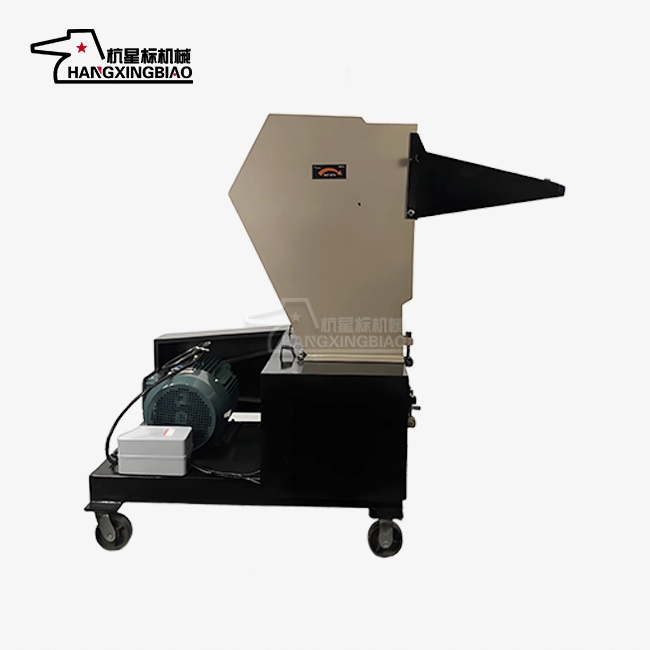
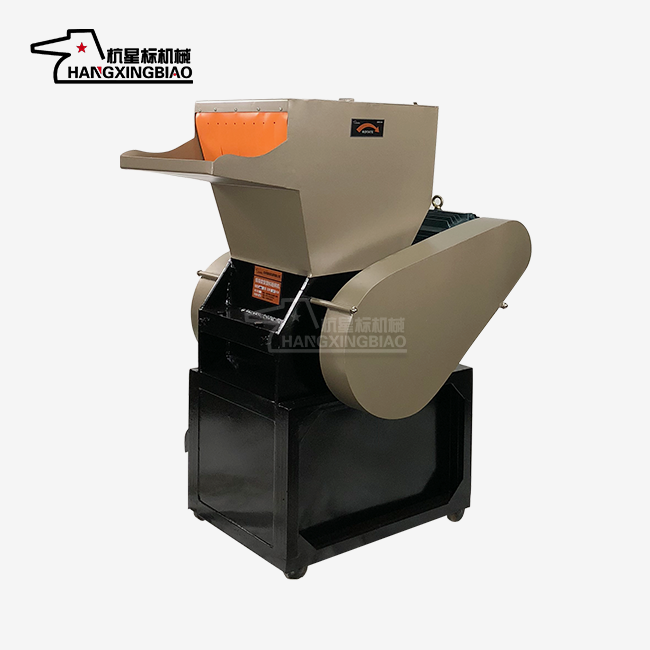
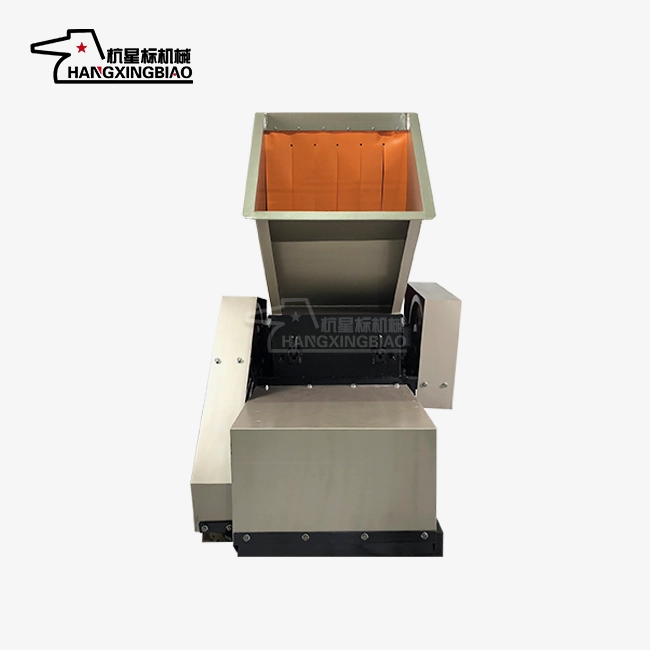
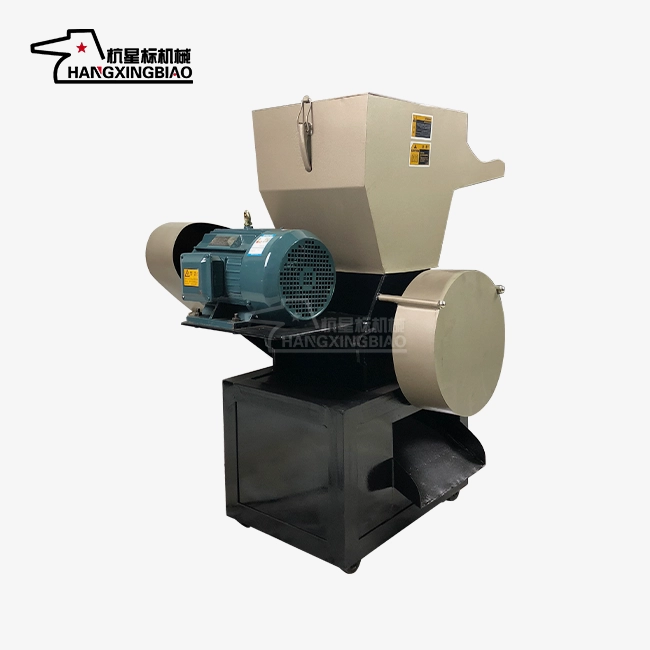
Equipment for crushing PET film uses strong shafts with high-speed spinning blades inside reinforced tanks. When film materials get to the breaking zone, precision-engineered blades with sharp tips made just for flexible materials cut through the plastic. Different types of machines have different blade configurations. Some have multiple rows of blades for severe size reduction, while others have staggered designs to keep material from wrapping around moving parts. As the blades spin at set speeds, pieces of film move through perforated screens that decide the end particle sizes. This makes sure that all production runs are the same.
Key Crushing Mechanisms Available
Recycling businesses usually pick one of three main types of crushers. Single-shaft crushers have one rotor with blades that work against fixed knives. They are great for handling thin films with little contamination. Double-shaft systems have two shafts that rotate counterclockwise. This creates a controlled, low-speed cutting action that works especially well for thick or dirty PET films that need to be handled more gently. Shredder-style equipment can handle a variety of mixed plastic streams, but they might need extra screening steps to get the regular particle sizes needed for good recovered output.
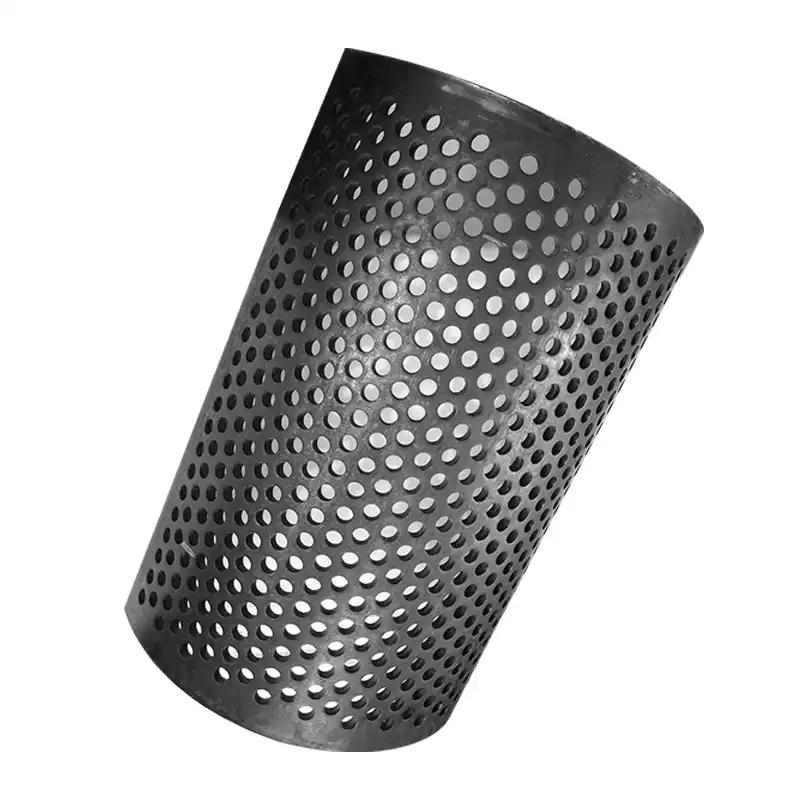
Screen Function and Particle Control
The porous screen that is put under the breaking blades has two jobs that directly affect the quality of the recycling. It controls the size of the particles by only letting pieces of the right size leave the crushing box and keeping pieces that are too big for further processing. At the same time, screens keep unwanted things like metal shavings, wood pieces, or hard plastic parts from mixing with the PET film product. The choice of screen hole width relies on what the screen will be used for. Pelletizing lines need particles that are 8–15 mm in size, while some washing systems can handle larger 20–30 mm pieces. Operators can change the output standards without having to buy new tools because the screens can be customized.
Core Applications of PET Film Crushers in Recycling Facilities
Pre-Treatment and Volume Reduction
Recycling plants get different kinds of PET film trash, like bales of post-consumer packaging, manufacturing trim, farm mulch films, and industrial wrapping materials. Before they can be washed or reprocessed, these things take up a lot of room and are hard to move around. Crushing equipment instantly cuts the volume by 60–80%, turning films that are loosely packed into bits that are dense and easy to flow. This change lowers the cost of moving materials between steps of processing and lets facilities store more materials in the same amount of space. The crushed and compacted material also goes more evenly into automatic conveyors and sorting machines than film rolls or loose sheets that are still whole.
Integration with Sorting and Washing Systems
Modern recycling lines put a plastic film crusher machine for PET breaking equipment in the right place within automatic processes. After being crushed at first, PET film particles go through air sorting systems that get rid of light paper labels and dust more effectively than when materials aren't crushed. Precision crushing creates particles of the same size, which lets water flow evenly through cleaning tanks and removes all adhesives, food leftovers, and surface contaminants. Once the PET particles are clean and broken up, they are sent to density separation tanks. There, they separate into pieces of the right size from heavy materials like sand or glass that could damage equipment further down the line.
Feedstock Preparation for Pelletizing Lines
Pelletizing is the last step in turning discarded PET film into a useful raw material for making things. Extruders that melt and shape plastic pellets need constant input. Changes in particle size cause uneven melting, which results in flaws in the final pellets. The consistency that extruders need is provided by crushing equipment with screens that are the right size. It is possible to precisely control the temperature throughout extrusion dies because the particles melt at consistent rates. This consistency immediately leads to higher yields of specification-grade recycled PET pellets that makers are willing to pay more for, which makes recycling plants more profitable.
Selecting the Right PET Film Crusher for Your Operation
Evaluating Processing Capacity Requirements
By matching the crusher's capacity to the plant's output, bottlenecks that slow down operations can be avoided. Compact crushers with 15–30 kW motors work well for small recycling businesses that process 200–500 kg/hour of film trash. Medium-sized factories that process 1-2 tons of material every hour need middle-of-the-road machines with 45–75 kW motors and bigger feed holes to keep running all the time. Industrial crushers with 90+ kW motors, heavy-duty construction, and built-in material handling systems are needed in high-volume plants that process 3 tons or more per hour. To keep equipment from getting too heavy during high-production shifts, accurate capacity assessments should look at peak load times instead of normal volumes.
When judging potential claims, it's just as important to know what your unique material properties are. Industrial packing materials that are thick don't break as easily as thin films. Levels of contamination affect productivity; films with a lot of dirt need to be processed more slowly to keep the screen and blades from becoming dull. The amount of moisture affects how the film crushes, and sometimes wet films need to be dried first to keep their rated capacity. Reliable providers, such as Xingbiao, give accurate capacity rates based on real PET film materials, not overly optimistic numbers drawn from perfect lab conditions.
Comparing Crushing Technology Options
Which breaking device will work best for your operation depends on the type of material you are working with. High-speed single-shaft breakers can quickly reduce the size of thin post-consumer packing films while using very little power. These machines work well with clean, mostly regular materials, but they have trouble with highly contaminated or mixed plastic streams. When it comes to processing thicker industrial films, layered materials, and dirty waste streams that would jam or damage single-shaft units, double-shaft units are the best. Their controlled cutting action makes less dust and more regular particle shapes, which some pelletizing processes like.
When you compare how much energy different types of crushers use, you can see that they have very different operating costs. When compared to older designs, optimized blade shape and efficient motor matching cut power needs by 15–25% while keeping output the same. After 30 years of hard work, Xingbiao's engineering team has improved the blade designs and the shapes of breaking chambers. This has led to higher efficiency and lower energy costs over the life of the equipment. These improvements will save a lot of money for businesses that use breakers all the time during different shifts.
Assessing Durability and Construction Quality
Long-term dependability of a plastic film crusher machine for PET comes from the building quality that can handle the rough conditions of a recycling business. The main frames of high-end crushers are bonded together from high-grade steel plates and then given a stress-relief heat treatment. This keeps the structure from deforming under long-term operating loads. The quality of the blade affects both how well it cuts and how often it needs to be serviced. Vacuum heat treatment and deep cryogenic processing are used to make SKD-11 tool steel blades as hard as possible so that they keep their sharp cutting edges for long periods of time. Xingbiao's blade materials don't wear out as quickly when they come into contact with dirty PET films that have sand or metal bits trapped in them.
When choosing tools, bearing systems, and drive parts should be looked at very carefully. Heavy-duty protected bearings keep dust and moisture out of internal parts that are used for recycling. Larger drive belts or direct-drive configurations keep power transfer losses to a minimum and cut down on the need for upkeep. Quick-change screen mounting systems let workers switch particle size setups in minutes instead of hours, which cuts down on downtime when changes need to be made to production.
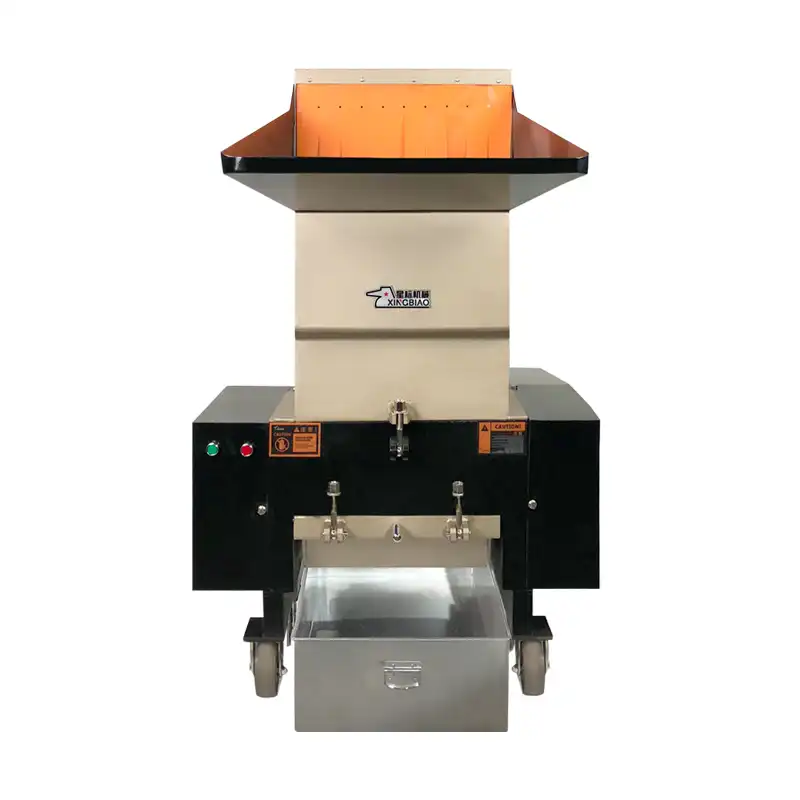
Maintaining Peak Performance and Ensuring Safe Operation
Routine Maintenance Practices
Systematic repair plans keep the crusher working well and stop it from breaking down during production runs. Checking the blades every day to make sure they are sharp and listening for strange noises or vibrations that could mean bearing wear or blade damage. For weekly upkeep, you should clean the screens to keep them from getting clogged with material and check the blade attaching hardware to make sure it is tight enough. As part of the monthly maintenance, grease made by the maker is applied to all visible bearing points, and drive belts are checked for wear or misalignment. As part of the blade's quarterly maintenance, it should be carefully looked over in the right lighting to find microcracks or edge damage that mean the blade needs to be rotated or replaced.
Both speed and particle quality are affected by how well the screen is maintained. When screens are blinded, they stop the flow of material, which makes grinders work harder while making less. The full opening area is restored by regularly taking off the screen and cleaning it with pressure washers or ultrasonic systems. Screen wear tracking stops sudden failures before they happen. Perforations get longer over time from constant pressure, letting big particles through. Having enough screens on hand means that replacements can be made right away, without stopping production.
Safety Protocols for Operator Protection
Safety at a recycling plant depends on detailed rules that keep workers safe from dangers related to crushers. All user places around the equipment must have emergency stop controls that can be reached right away in case something goes wrong. When crushing rooms are open for repair or material clearance, interlocked entry doors stop the machines from working. Blade contact is the most dangerous situation. Following the right lockout/tagout steps during any repair task stops the machine from starting up by mistake while people are working near it.
The standards for personal protective equipment should take into account the unique risks that come up when operating a crusher. Wearing safety glasses protects your eyes from the dust and particles that are released into the air when something is crushed, and hearing protection reduces the noise you hear during long operations. Gloves that won't cut are necessary when working with blades during upkeep. Comprehensive operator training includes techniques for feeding materials that keep them from dangerously bridging or jamming, as well as the right way to fix broken equipment and spot unusual working conditions that need instant attention.
Environmental and Economic Benefits of PET Film Crushing
Reducing Environmental Impact Through Efficient Processing
Beyond just recycling materials, PET film breakers make a real difference in protecting the environment. When you crush things, they take up less space, which directly lowers the amount of energy needed to move them between pickup spots, organizing facilities, and reprocessing plants. When fully loaded, a truck carrying crushed PET particles can take three to four times as much weight as the same truck carrying uncrushed films. This means that less fuel is used and less pollution is released per ton of recovered plastic. This improved shipping efficiency adds up along the recycling supply chain, lowering the carbon impact of every pound of recycled PET film.
Modern plastic film crusher machines for PET crushers have motors that use less energy and cutting devices that are better at what they do, so they use less power while they're working. Modern blade shapes lower the resistance to cutting, which means motors can keep up output with 20–30% less energy than with older designs. When applied to the thousands of hours of operation each year, these improvements in efficiency mean that the plant uses a lot less energy and releases a lot less greenhouse gas when it makes electricity.
Economic Returns from Crusher Investment
Recycling businesses see crushers as tools that help them make money, not just things they need to handle materials. Good crushing systems raise the value of the materials they process by making them more consistent and clean, which is why pelletizers and makers pay more for them. In the market, the difference in value between clean, evenly crushed PET particles and material that hasn't been handled well is often $50 to $150 per ton. For a plant that processes 1,000 tons of material every month, this quality bonus brings in an extra $600,000 to $1,800,000 a year, which is directly linked to using the right breaking equipment.
Cutting down on operational costs has other economic benefits besides increasing income. When you crush things efficiently, you need less help moving things around. Crushed particles move through automatic systems much more effectively than films that haven't been crushed and need human help. Better material density lowers the cost of shipping, which affects both the process of picking up trash and sending finished goods. Consistent particle size keeps conveyors, cleaners, and extruders from getting clogged, which means less wear on equipment further down the line. These savings add up over time and usually pay for the whole crusher within 18 to 36 months for properly chosen equipment.

Conclusion
PET film crushers are essential pieces of equipment in modern recycling centers because they turn tough-to-handle film trash into useful materials for making new things. The technology has clear benefits in operational, economic, and environmental areas. It increases the worth of processed materials, makes material handling more efficient, and lowers the carbon footprint of managing plastic trash. When choosing the right breaking equipment, you need to think carefully about the equipment's working capacity, the material's properties, its build quality, and its ability to provide support. Recycling businesses will continue to do well in the growing circular economy market thanks to Xingbiao's specialized knowledge and all-around service approach.
FAQ
What particle size should I target when crushing PET films?
The target particle sizes depend on what needs to be done next. Washing systems usually accept particles that are 15 to 30 mm in size, but pelletizing lines like 8 to 15 mm pieces so that the melting process is constant. The size of the output depends on the screen that is used. Talk to equipment makers about the best specs for your unique processing chain and find out if adjustable screen systems are helpful for operations that deal with different types of material.
How often do the blades on a breaker need to be replaced?
Blade service life changes a lot depending on how dirty the material is and how it is used. Clean handling of PET film after the industry may last for 2,000 to 3,000 hours before it needs to be replaced. Heavy contamination from post-consumer products with sand, metal pieces, or other abrasives shortens the life of blades to 500 to 800 hours. Regular inspections of the blades allow them to be replaced before they become too dull and slow down production or use more energy.
Can different kinds of plastic films be crushed by the same machine?
Many methods for crushing plastic can handle different kinds of plastic well, but for the best results, the equipment needs to be matched to the properties of the material. Because they all need to be processed in similar ways, PET, LDPE, and HDPE films can all be processed on the same tools. For very soft materials like stretch wrap, you may need to use different blade combinations. To keep the output quality uniform across different types of plastic, material swapping processes should include cleaning the screen and inspecting the blades.
Partner with Xingbiao for Reliable PET Film Crushing Solutions
Xingbiao has been developing and making plastic crushing equipment for 30 years, so recycling centers that want to use tried-and-true crusher technology can benefit from their work. Our hardworking engineering team has improved every part of the design of crushers, from the steel of the blades to the systems for fixing screens. The result is equipment that works reliably even in tough production environments. Working together with big companies like Nongfu Spring and KFC gives us real-world proof that our tools work in a wide range of situations.
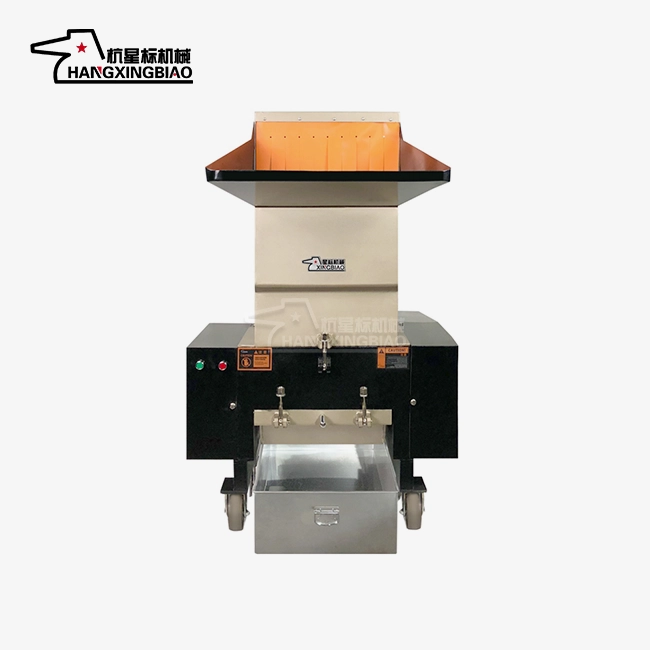
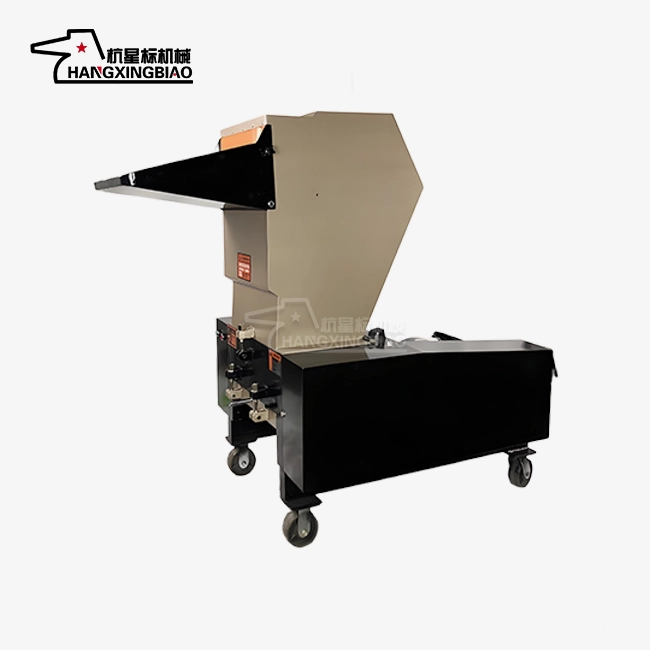
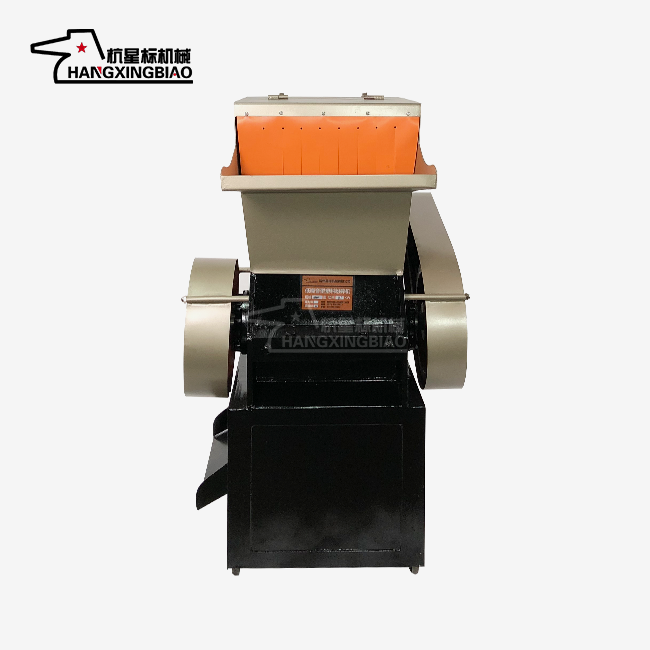
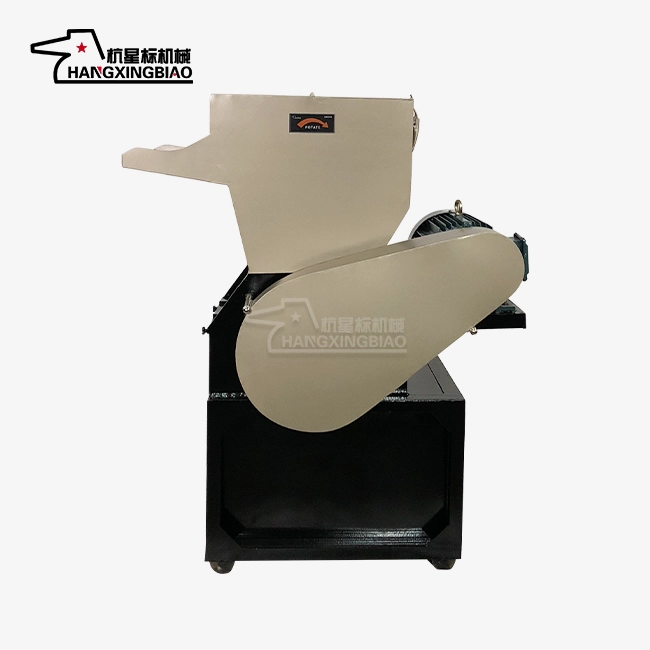
No matter how big or small a business is, our wide range of plastic film crusher machines for PET products can meet their unique needs. With its unique blade design that stops material wrapping, the Standard Crusher series can handle soft PET films and multilayer packaging materials that are hard for other machines to handle. High-power Crusher types work quietly, so noise levels in the workplace aren't too high. They fit right next to injection molding machines, so scrap can be processed right away. Large-diameter crushers can handle materials that are too big for other machines to handle, like dirty industrial films and thick farming plastics. When normal designs don't meet your exact needs, our Customized Crusher program offers options that are designed to fit your material properties and throughput goals.
Buying crushing tools is just the start of our connection with our customers. Xingbiao offers full support for all of its tools throughout its useful life. It starts with professional advice to make sure the right model is chosen. Our engineers look at the materials you have, how much throughput you need, and the limitations of your building to figure out the best combinations. After the purchase, we provide installation instructions and full user training to make sure that your team can use the equipment to its fullest from the start. Our promise to respond within 24 hours means that expert help is always available in case of questions or issues. Regular follow-up trips find ways to improve performance and make sure it stays at its best. Keeping enough extra parts on hand ensures quick satisfaction when new blades, screens, or parts are needed.
People in charge of buying things who need a trusted plastic film crusher machine for a PET supplier will find that Xingbiao's high-quality building and full service offer great long-term value. Email our team at xingbiaocrusher@xingbiaocrusher.com to talk about your unique crushing needs and find out how our specialized tools can help your recycling business make more money.
References
1. Association of Plastic Recyclers. (2022). PET Recycling Process Guidelines and Technical Standards. Washington, DC: APR Publications.
2. Hopewell, J., Dvorak, R., & Kosior, E. (2021). Plastics Recycling: Challenges and Opportunities. Philosophical Transactions of the Royal Society B: Biological Sciences, 364(1526), 2115-2126.
3. Ragaert, K., Delva, L., & Van Geem, K. (2023). Mechanical and Chemical Recycling of Solid Plastic Waste. Waste Management Journal, 69, 24-58.
4. Society of Plastics Engineers. (2022). Size Reduction Equipment Selection and Optimization in Plastics Processing. Danbury, CT: SPE Technical Publications.
5. United States Environmental Protection Agency. (2023). Advancing Sustainable Materials Management: Facts and Figures Report. Washington, DC: EPA Office of Resource Conservation and Recovery.
6. Vilaplana, F., & Karlsson, S. (2021). Quality Concepts for the Improved Use of Recycled Polymeric Materials: A Review. Macromolecular Materials and Engineering, 293(4), 274-297.
Learn about our latest products and discounts through SMS or email