- English
- French
- German
- Portuguese
- Spanish
- Russian
- Japanese
- Korean
- Arabic
- Greek
- German
- Turkish
- Italian
- Danish
- Romanian
- Indonesian
- Czech
- Afrikaans
- Swedish
- Polish
- Basque
- Catalan
- Esperanto
- Hindi
- Lao
- Albanian
- Amharic
- Armenian
- Azerbaijani
- Belarusian
- Bengali
- Bosnian
- Bulgarian
- Cebuano
- Chichewa
- Corsican
- Croatian
- Dutch
- Estonian
- Filipino
- Finnish
- Frisian
- Galician
- Georgian
- Gujarati
- Haitian
- Hausa
- Hawaiian
- Hebrew
- Hmong
- Hungarian
- Icelandic
- Igbo
- Javanese
- Kannada
- Kazakh
- Khmer
- Kurdish
- Kyrgyz
- Latin
- Latvian
- Lithuanian
- Luxembou..
- Macedonian
- Malagasy
- Malay
- Malayalam
- Maltese
- Maori
- Marathi
- Mongolian
- Burmese
- Nepali
- Norwegian
- Pashto
- Persian
- Punjabi
- Serbian
- Sesotho
- Sinhala
- Slovak
- Slovenian
- Somali
- Samoan
- Scots Gaelic
- Shona
- Sindhi
- Sundanese
- Swahili
- Tajik
- Tamil
- Telugu
- Thai
- Ukrainian
- Urdu
- Uzbek
- Vietnamese
- Welsh
- Xhosa
- Yiddish
- Yoruba
- Zulu
Custom Industrial Ceramic Crushing Solutions for High-Performance Applications
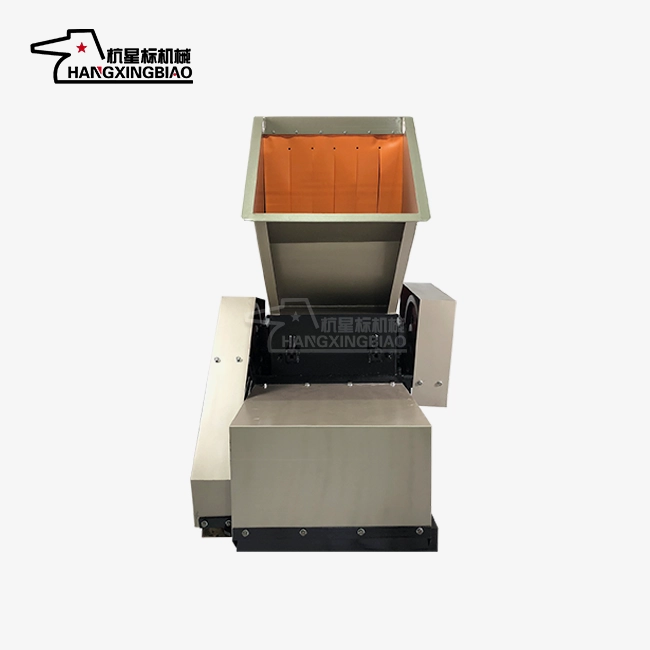
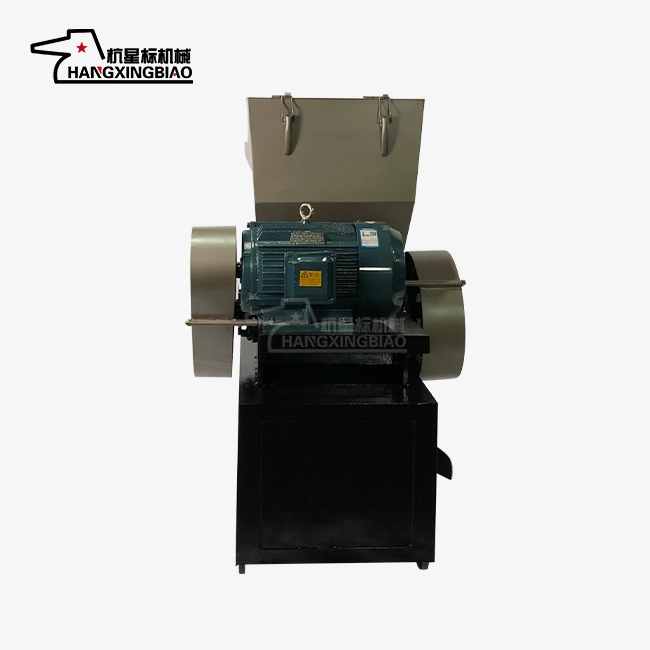
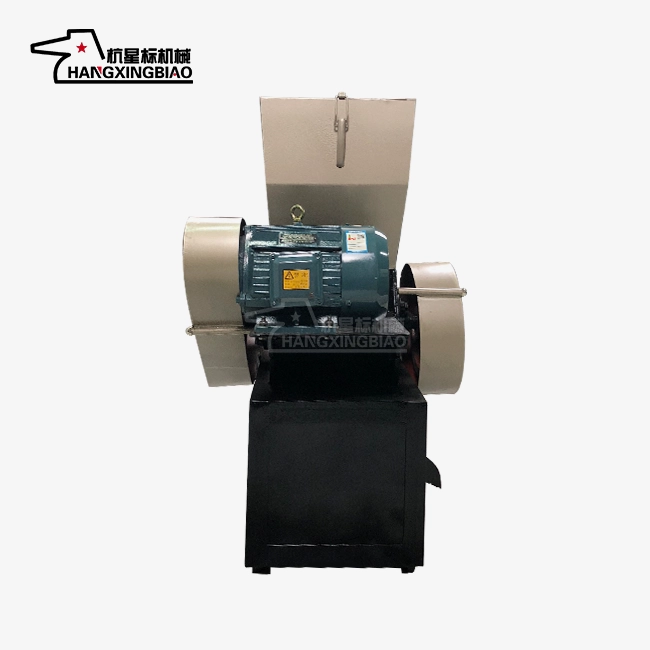
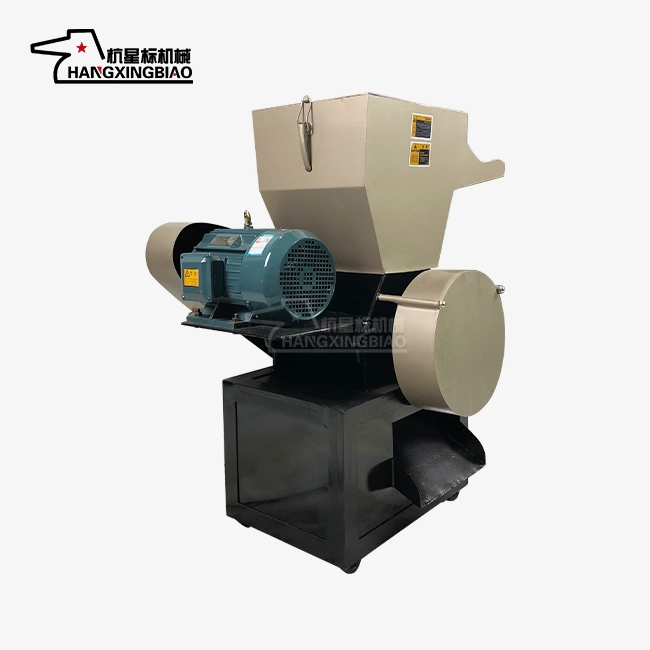
Standard breaking equipment doesn't always work well in industrial settings when working with new ceramics. Industrial ceramic crushers are very specialized machines that are made to deal with the unique problems that these materials have, like being very brittle and rough. The strengthened parts and carefully thought-out designs in these crushers keep their structural integrity in tough situations while consistently reducing powder size. Custom solutions change these features to fit the needs of each operation, ensuring the best performance in advanced building, making electronics, and making parts for cars, all of which require precise and reliable ceramic processes.
Understanding Industrial Ceramic Crushers: Technology and Types
Core Technology Behind Ceramic Material Processing
When working with ceramics, you have to deal with different problems than when working with metals, plastics, or organic materials. Because they are naturally brittle, they break under pressure in unpredictable ways, and their rough texture speeds up wear on surfaces that come into contact with them. Modern industrial ceramic crushers take these things into account by carefully choosing the materials they use and designing them. The base is made of reinforced steel, and wear-resistant parts are placed at key touch points to increase the structure's useful life.
The way that the rocks are crushed changes based on the job. Compression-based systems slowly break down materials along natural fault lines by applying pressure, which makes the particle sizes more regular. Impact-based methods provide a quick force that can be used to reduce the starting size of bigger clay pieces. Shear-based designs work well with stacked ceramic composites because they cut through bound materials instead of using blunt force to separate them.
Primary Crusher Categories for Industrial Applications
Because they work by compressing between fixed and moving plates, Jaw Crushers are good for breaking down big clay blocks and tiles into smaller pieces. The gap between the breaking surfaces can be changed, which lets users control the particle size of the output within certain ranges. Although they need a lot of floor space to be installed, these units can handle large amounts of work with little energy use.
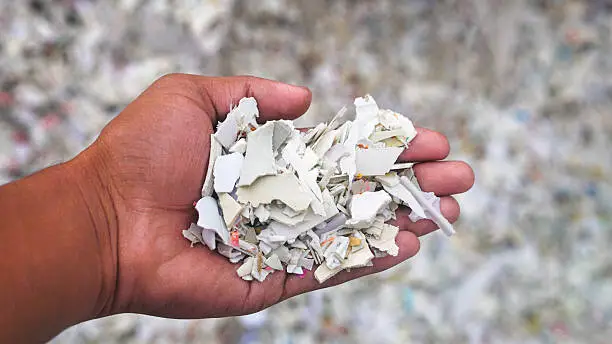
Hammer Mills use rotating hammers to hit objects at high speed, reducing their size quickly through repeated contact. This method works well for pottery with a medium hardness and for tasks that need smaller particle outputs. Hammer wear rates, on the other hand, go up a lot when working with very rough ceramics, so they need to be replaced on a regular basis.
Roller Crushers squeeze materials between cylinders that spin counterclockwise, giving you exact control over how the particles are sized. Compared to impact methods, this design produces less dust and gives uniform results across production runs. Different designs and levels of stiffness can be added to the roller surfaces to make them fit different types of ceramics.
Customization Approaches for Specialized Requirements
Standard industrial ceramic crushers have basic features, but many industrial situations need custom setups. Engineers can choose blade materials, screen mesh sizes, and drive mechanisms that work best with different types of ceramics and output amounts using modular component systems. The form of the feed hopper can be changed to accept inputs of different shapes, and the release systems work with equipment further down the line to make sure that the material flows smoothly.
Advanced control tools are another way to make things your own. Monitoring shaking patterns, temperature changes, and power use automatically lets you plan repairs ahead of time, which cuts down on unplanned downtime. Variable speed drives change the braking force on the fly based on changes in the density and hardness of the materials in different production runs.
Designing Custom Solutions for High-Performance Ceramic Crushing
Addressing Material-Specific Challenges
Ceramic abrasiveness is the most constant problem in the workplace. When these materials are exposed to them for a long time, they wear down cutting edges and contact surfaces, which makes breaking less effective over time. Custom solutions get around this problem by carefully choosing the materials they use. Parts made from strong tool steels like SKD-11 or D2 metal are more resistant to wear. Heat treatments like vacuum hardening and cryogenic tempering make surfaces even more durable, which means they don't need to be replaced as often.
Material brittleness adds to the problems already there. Ceramics break in unpredictable ways, sometimes making big pieces that get stuck in feeders or small pieces that get stuck in discharge screens. Adaptive chamber designs have more than one breaking stage inside a single frame. This lets the first stage be coarse reduction and the second stage be fine reduction. Adjustable screen systems let workers separate particle sizes based on the needs of the process further down the line.
Integration with Production Workflows
Effective ceramic breaking goes beyond the machine itself and includes how it works as part of larger industrial processes. Putting industrial ceramic crushers next to molding machines or kiln output points cuts down on the amount of material that needs to be moved, which lowers the risk of contamination and saves money on labor. Automated feed systems keep the flow rates of materials steady, which prevents overloading and increases output efficiency.
When working with dry clay products, dust extraction devices are very important parts of the integration process. Negative pressure containers keep airborne particles where they come from, keeping both equipment and people from breathing dangers. Depending on the size of the production and the ventilation system, these systems can connect to facility-wide collection networks or work on their own as separate filter units.
Modular Design for Operational Flexibility
Over time, manufacturing settings change, with different types of products being made and different amounts of them being made. These changes can be made to modular industrial ceramic crushers by using interchangeable parts that change the machine's power without having to replace the whole thing. Maintenance downtime is cut from hours to minutes with quick-change blade cartridges, and the adjustable feed systems can handle different input sizes without having to make any technical changes.
This adaptability comes in handy when working with different types of ceramics in the same building. To switch between hard alumina ceramics and lighter clay-based materials, the spinning speed might only need to be changed, and the screen might need to be replaced. This could be done without having separate machines for each type of material. The economic benefits build up over the life of the tools, which increases the return on capital investment.
Maintenance Best Practices and Safety Measures for Industrial Ceramic Crushers
Preventive Maintenance Protocols
Systematic check plans are the basis for running a breaker reliably. Visual checks done every day find clear signs of wear, like loose fasteners or an odd buildup of material residue. By lubricating bearing systems and drive mechanisms once a week, you can keep spinning parts from breaking down too soon. Detail checks are done once a month to check the sharpness of the blades, the stability of the screens, and the state of the structural frame. This way, problems are caught early on before they affect production.
Vibration analysis lets you know early on when there is an imbalance or when a bearing is wearing out. Baseline readings taken during commissioning set the normal operating limits. Regular tracking will show small changes that mean a part is wearing out. Motor case and bearing assembly temperature tracking also finds excessive friction or not enough lubrication before a catastrophic failure happens.
Troubleshooting Common Operational Issues
Usually, capacity loss is caused by worn blades, jammed screens, or too much material building up in the crushing rooms. Changing the blades makes the cutting work better again, and cleaning or replacing the screens lets the flow go again. Internal buildup needs to be stopped and cleaned by hand, which shows how important it is to control the material's wetness during processing.
A lot of noise usually means that parts are loose, bearings are worn out, or wheels are not adjusted. Systematic tightening of mechanical bolts stops movement caused by shaking, and replacing bearings fixes problems caused by wear. Dynamic rotor balancing needs special tools, but it fixes shaking issues that keep happening and speeds up the wear on all the parts of the industrial ceramic crushers.
Safety Protocols for Personnel Protection
Ceramic dust is dangerous to your health, so you have to wear a filter mask or a supplied-air system when you do repairs inside a crushing room. Lockout-tagout methods keep machines from starting up by mistake while they are being serviced, and multiple verification steps make sure that all energy is cut off. Having emergency stop controls placed at regular intervals around the edges of the equipment lets it be turned off quickly in dangerous situations.
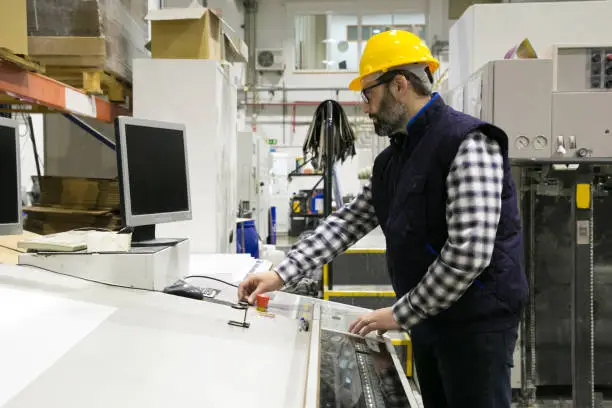
Noise-cancelling devices keep your ears safe in loud places. Acoustic barriers around industrial ceramic crushers lower the noise level in the area, and wearing hearing protection is required for everyone's safety. Regular audiometric testing checks the hearing health of employees, finding early loss that could mean that security isn't good enough.
Evaluating and Comparing Industrial Ceramic Crushers for Procurement
Critical Selection Criteria
The throughput ability and particle size uniformity are both parts of crushing efficiency. High-performance units handle more material per hour while keeping output specs very close to the mark. Modern designs use 15–25% less power than older equipment because the motors are better matched and the aerodynamic chamber shape is better. This has a direct effect on running costs.
Material compatibility is more than just basic clay processes; it also includes certain formulas. Some ceramics have sharp additives that need better wear protection, while others have composite layers that need special blade shapes. To avoid premature wear or poor performance, equipment specs should clearly list the types of materials that are allowed and any working limits.
Comparative Technology Assessment
Traditional Jaw Crushers have been proven to be reliable and are easy to maintain, but they don't let you control the powder size very well. Hammer Mills can process more material more quickly and reduce particle sizes more effectively, but they wear out parts much more quickly when used with sharp ceramics. Roller Crushers produce more consistent particles with less dust, but they need more complicated gear systems and a bigger starting investment.
Specifically designed industrial ceramic crushers have features that take into account the unique qualities of these materials. For example, reinforced frames prevent stress cracks, hardened parts last longer, and improved chamber shape lowers energy use. Instead of just looking at the purchase price, the total cost of ownership estimate needs to take these operating differences into account.
Supplier Evaluation Considerations
The terms of the warranty show that the maker is sure that the equipment will last. Full coverage of all major parts for long periods of time is a sign of good building and solid performance standards. After-sales support is just as important. Quick technical help, easy access to extra parts, and field service knowledge all help keep production running smoothly when problems happen.
Case studies and customer examples from well-known providers show how committed they are. When equipment has been used successfully in similar situations, it gives people faith that it will live up to its performance claims. Third-party approvals from well-known industry groups show that safety and quality norms are being followed.
Procurement Guidance and Custom Quotes for Industrial Ceramic Crushers
Strategic Purchasing Approaches
Effective buying starts with developing detailed specifications. Write down the flow rates needed, the properties of the material going in, the particle sizes you want coming out, and the space you have for installation. Include operating limits like limited power, environmental controls, and the need for repair access. Full specifications let providers offer precisely configured solutions instead of standard equipment that needs expensive changes.
There are chances to buy in bulk when there are plans for multiple sites or when buying is coordinated with partner groups. When you make a volume promise, you can often get better prices, longer guarantee terms, or better service packages. Options for financing, like leasing tools or setting up payment plans that don't happen right away, help with managing cash flow, especially when capital budgets don't allow for direct purchases.
Customization and Quotation Process
By involving providers early on in the planning process, you can use their knowledge of uses. Engineers with a lot of experience look at examples of materials, talk about what the process needs, and suggest the best way to set up the tools. This way of working together finds problems that might come up before they are bought. This lowers the risk of execution and makes sure that the equipment's abilities match the needs of the operation.
In-depth quotes should list the costs of the industrial ceramic crushers, the installation, the training for the operators, and any ongoing service agreements. Transparent pricing makes it easier to compare different offers and make accurate budget plans. Before you decide to buy something, make sure you understand any unclear terms, delivery dates, or performance promises.
Real-World Application Success
A company in the Middle Atlantic that makes electronics had trouble handling advanced ceramic bases for use on circuit boards. Standard industrial ceramic crushers made particles of different sizes, and the material was so rough that the blades had to be replaced often. When a special roller crusher with hardened tungsten carbide surfaces and built-in particle size sorting was put into use, production efficiency went up by 30%, and repair cycles went from once a week to once a month.
In the same way, a car parts seller that worked with ceramic brake pad materials had trouble with noise and dust levels that were too high for safety in the workplace. A custom hammer mill system with sound-dampening enclosures and multiple stages of filter cut down on background noise by 40 decibels and caught 99.7% of airborne particles, meeting regulatory requirements while making the user more comfortable.

Conclusion
To choose the right industrial ceramic crushers, you need to carefully consider the properties of the material, the amount of output needed, and the limitations of the operation. Custom solutions deal with the special problems these materials cause by choosing the right parts, designing the chambers in the best way, and building control systems right into the system. A successful implementation relies on carefully evaluating the provider, following detailed maintenance instructions, and making sure that the equipment's abilities match the needs of the process. When making purchasing choices, operations are set up for long-term success and a competitive edge in demanding industrial uses by balancing initial investment against total ownership costs.
FAQ
What distinguishes ceramic crushers from standard industrial crushing equipment?
Because ceramics are both very fragile and very rough, they have special handling needs. Specialized industrial ceramic crushers have harder wear surfaces, stronger structural parts, and chamber shapes that are best for brittle fracture patterns. These design elements make the tools last longer and keep working properly when working with materials that would normally break down quickly.
How do maintenance requirements compare between different crusher types?
Due to their easy mechanical design and low rate of component wear, Jaw Crushers usually don't need to be serviced very often. Impact hammers and internal plates need to be replaced more often in Hammer Mills, so they need more regular maintenance. In between these two extremes are Roller Crushers, which need regular upkeep on their bearings and the roller surfaces every so often. The actual maintenance times rely a lot on how rough the material is and how hard it is used.
Can existing crushing equipment be retrofitted for ceramic processing?
How well retrofitting works depends on how the current equipment is built and what clay materials are being used. Adding wear parts that are harder and screens that are stronger might help some machines adapt well. But basic design limits in chamber shape, drive system capacity, or structural stiffness often mean that custom-built industrial ceramic crushers are cheaper than making major changes.
Partnering with Xingbiao for Your Industrial Ceramic Crushing Needs
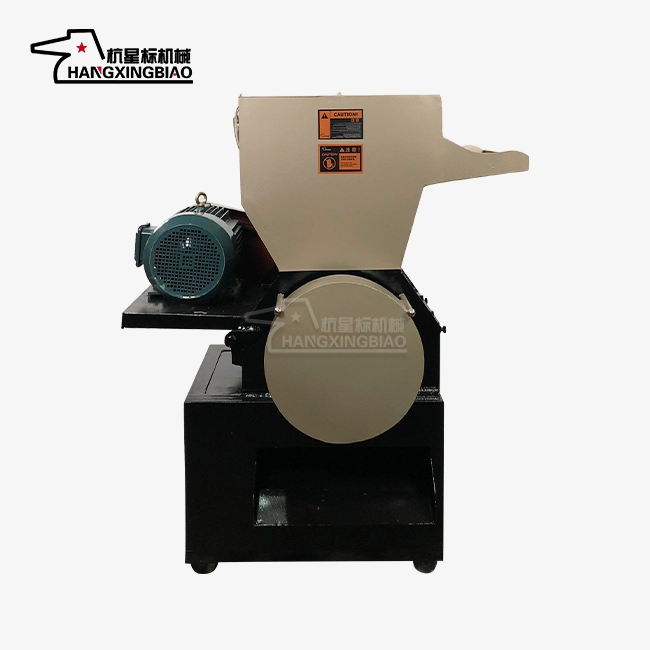
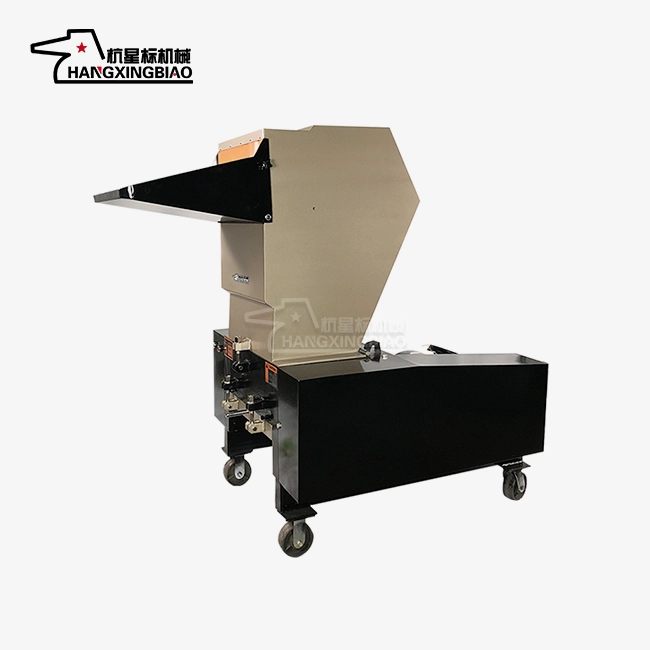
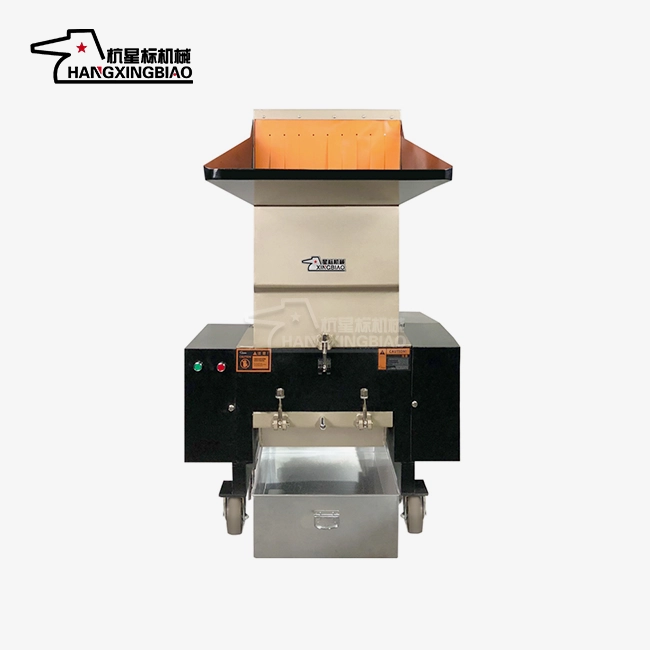
Even though Hangzhou Xingbiao Machinery Co., Ltd. has been specializing in plastic crushing technology for 30 years, the technical principles and high standards of quality that go into our main products can also be used in industrial ceramic crushers. Our dedication to "single-category excellence" has helped us build ties with top companies in the field, such as Nongfu Spring and KFC, showing that we can meet their strict output needs.
Our industrial ceramic crushers are all built with the same strong building techniques: high-strength steel frames that have been treated to relieve stress, hardened blades made of materials like SKD-11 and D2 tool steels, and improved chamber shapes that increase efficiency by more than 20%. These engineering basics can be used in a wide range of breaking situations, making them reliable whether you're working with plastics or looking into the needs of clay materials.
We encourage sourcing professionals looking for an experienced industrial ceramic crusher maker to talk to us about the problems they are having with their current operations. Our group of twenty senior engineers offers advice from the beginning of creating the specifications all the way through installation and continued service. Get in touch with us at xingbiaocrusher@xingbiaocrusher.com to find out how Xingbiao's experience making long-lasting, high-performance crushing tools can help you reach your business goals.
References
1. Smith, J.R., and Williams, T.K. (2021). Advanced Materials Processing: Industrial Crushing Technologies for Ceramic Applications. Manufacturing Engineering Press.
2. Chen, L., Rodriguez, M., and Patel, S. (2022). "Wear Resistance in High-Performance Industrial Crushers: Material Selection and Heat Treatment Protocols." Journal of Industrial Equipment Engineering, 45(3), 234-251.
3. Anderson, P.T. (2020). Procurement Strategies for Industrial Processing Equipment: A Comprehensive Guide for Manufacturing Operations. Industrial Press Inc.
4. International Association of Equipment Manufacturers (2023). Safety Standards and Best Practices for Industrial Crushing Equipment. IAEM Technical Publication Series.
5. Thompson, R.E., and Liu, H. (2022). "Energy Efficiency Optimization in Size Reduction Equipment: Comparative Analysis of Crusher Technologies." Industrial Processing Quarterly, 38(2), 112-128.
6. Martinez, C.A., and Johnson, K.L. (2021). Maintenance Management for Industrial Crushing Systems: Preventive Strategies and Troubleshooting Protocols. Equipment Reliability Publishers.
Learn about our latest products and discounts through SMS or email