- English
- French
- German
- Portuguese
- Spanish
- Russian
- Japanese
- Korean
- Arabic
- Greek
- German
- Turkish
- Italian
- Danish
- Romanian
- Indonesian
- Czech
- Afrikaans
- Swedish
- Polish
- Basque
- Catalan
- Esperanto
- Hindi
- Lao
- Albanian
- Amharic
- Armenian
- Azerbaijani
- Belarusian
- Bengali
- Bosnian
- Bulgarian
- Cebuano
- Chichewa
- Corsican
- Croatian
- Dutch
- Estonian
- Filipino
- Finnish
- Frisian
- Galician
- Georgian
- Gujarati
- Haitian
- Hausa
- Hawaiian
- Hebrew
- Hmong
- Hungarian
- Icelandic
- Igbo
- Javanese
- Kannada
- Kazakh
- Khmer
- Kurdish
- Kyrgyz
- Latin
- Latvian
- Lithuanian
- Luxembou..
- Macedonian
- Malagasy
- Malay
- Malayalam
- Maltese
- Maori
- Marathi
- Mongolian
- Burmese
- Nepali
- Norwegian
- Pashto
- Persian
- Punjabi
- Serbian
- Sesotho
- Sinhala
- Slovak
- Slovenian
- Somali
- Samoan
- Scots Gaelic
- Shona
- Sindhi
- Sundanese
- Swahili
- Tajik
- Tamil
- Telugu
- Thai
- Ukrainian
- Urdu
- Uzbek
- Vietnamese
- Welsh
- Xhosa
- Yiddish
- Yoruba
- Zulu
How Does a Big Plastic Crusher Machine Handle Large Plastic Waste?
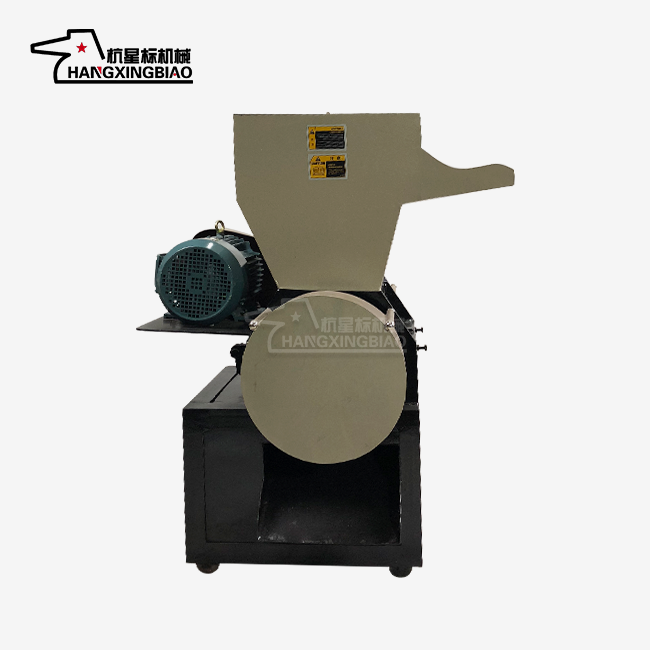
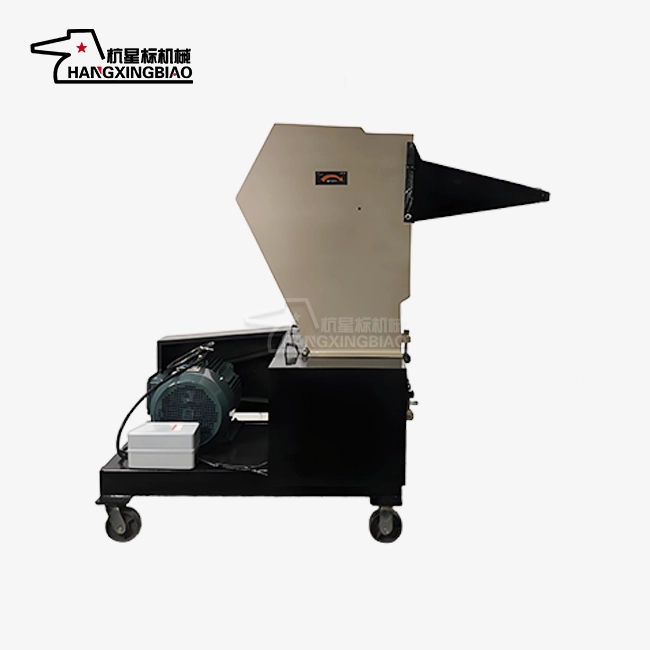
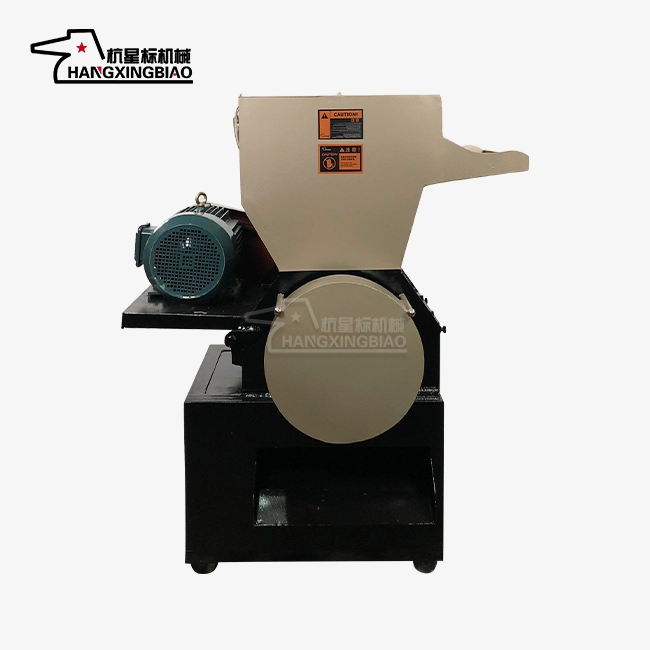
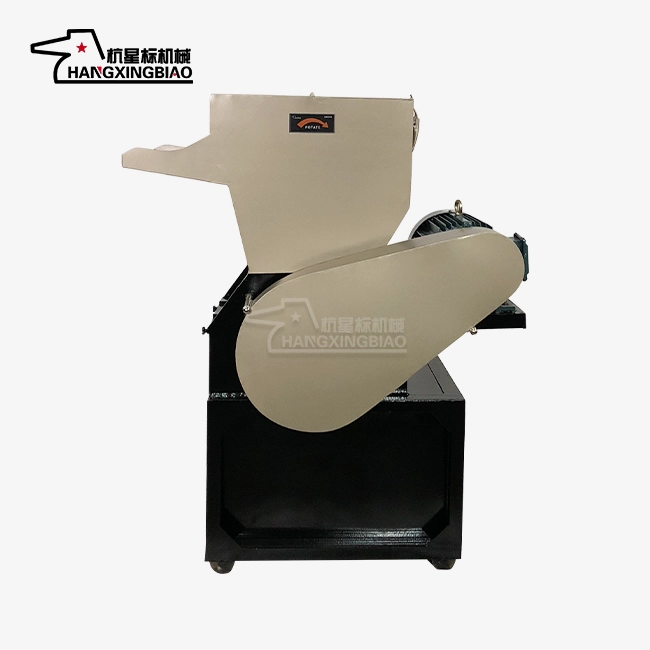
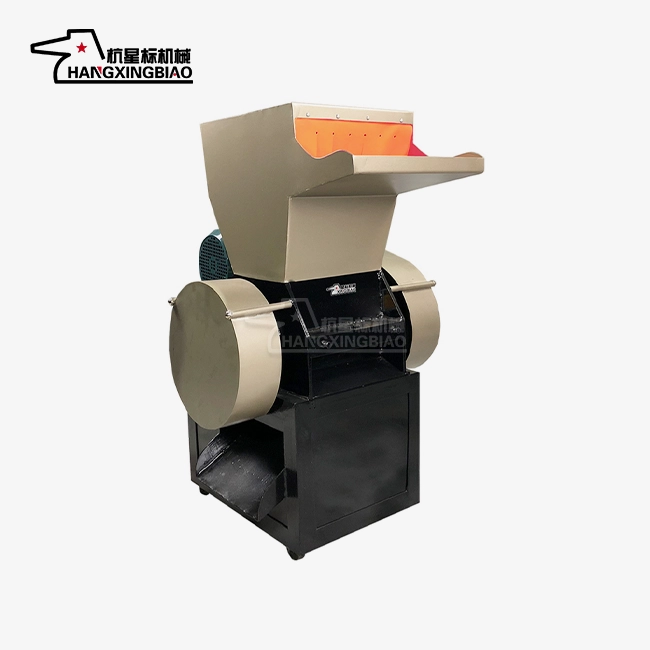
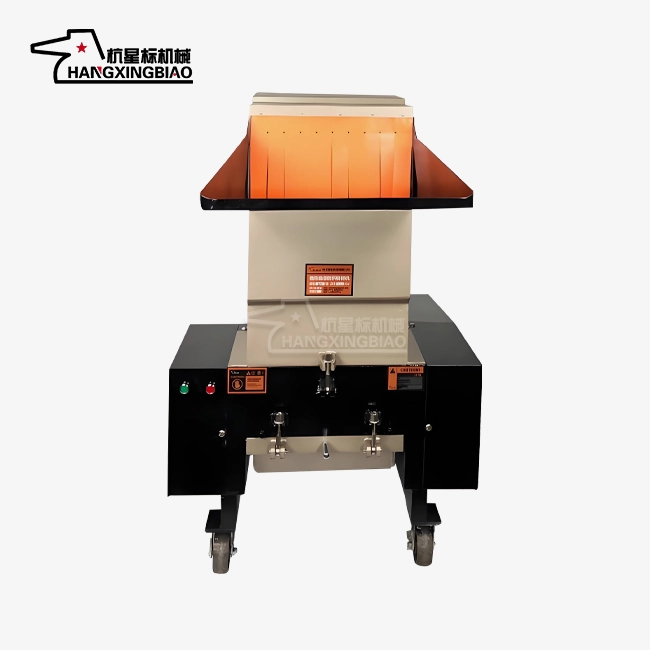
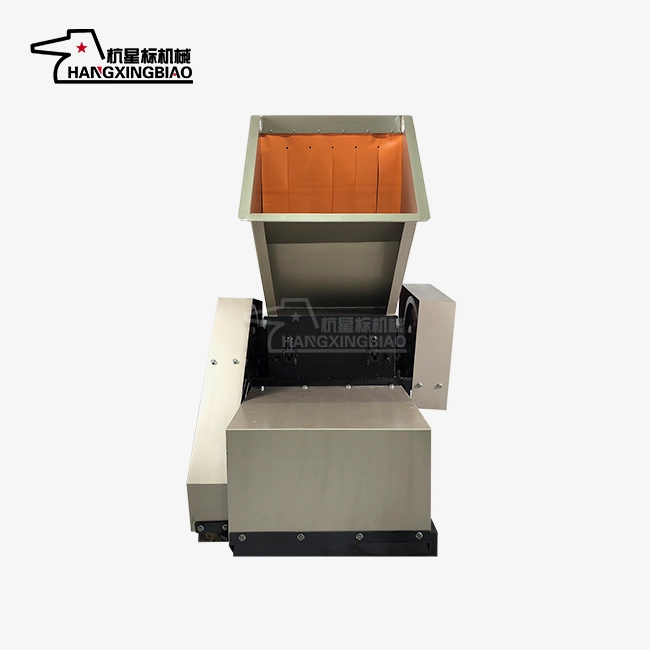
A Big plastic crusher machine handles large plastic waste through a sophisticated mechanical process combining high-speed rotating blades, precision-engineered rotors, and strategic crushing chambers. These industrial units break down oversized plastic materials—including thick-walled pipes, injection-moulded parts, and bulky containers—into uniform particles ranging from 2 mm to 50mm. The machines utilize heavy-duty steel construction and specialized blade configurations to process materials continuously, converting unmanageable waste into transportable, reusable feedstock ready for recycling or remanufacturing operations.
Understanding How Big Plastic Crusher Machines Work
Industrial plastic crushing technology is based on basic mechanical concepts that have been improved over many years of scientific progress. Hangzhou Xingbiao Machinery Co., Ltd. has been specialising in making crushing systems for 30 years. These systems use precise mechanical action to turn huge amounts of plastic waste into useful materials.
The Core Crushing Mechanism
When big pieces of plastic go into the feed hopper and into the crushing chamber, the crushing process begins. Inside, heavy-duty rotor-mounted spinning blades spin at controlled speeds, usually between 400 and 600 RPM based on the type of material. This makes strong shearing forces. These blades are made from SKD-11/D2 mould steel and Cr12MoV special alloys. They are vacuum heated and then frozen rapidly to make them very hard, above HRC 58–62. This engineering makes sure that the cutting performance stays the same even when working with tough materials like ABS, PC, or thick PVC lines.
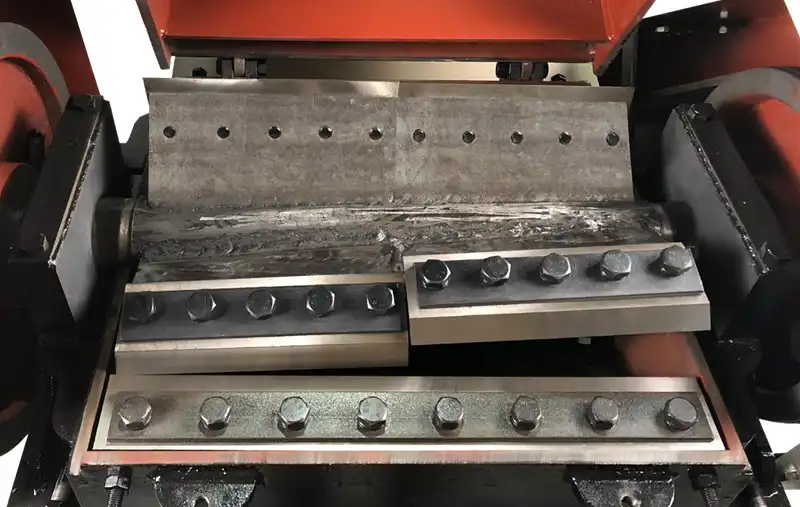
The blades fixed to the walls of the room work with the rotating blades to cut materials efficiently, in a way that looks like scissors. Compared to other designs, ours has a unique blade layout and cavity structure that makes crushing over 20% more efficient. Because of this optimisation, processing plants can handle more without using more energy or taking up more space.
Adjustable Output Control Systems
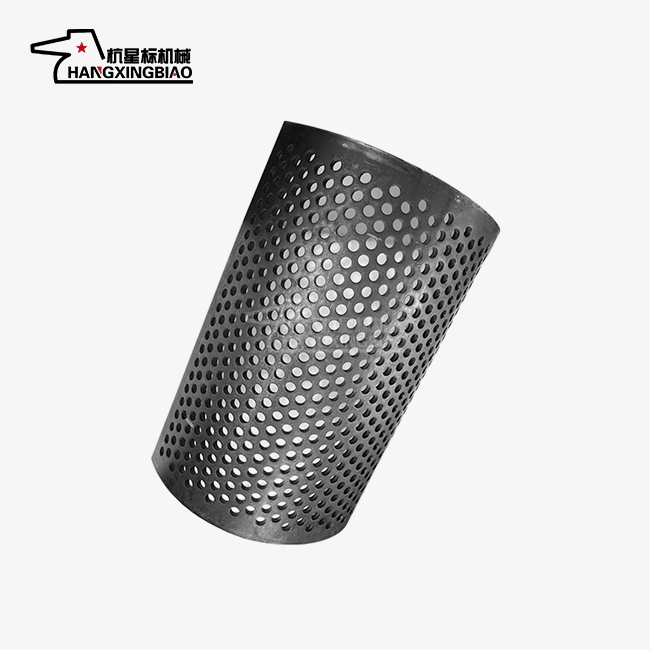
The end particle size is controlled by precise screens that are put under the crushing box. These screens can be switched out and have hole sizes that range from 2mm to 100mm. This lets workers make coarse particles (5-50mm) for reprocessing or medium particles (2-12mm) that can be mixed directly with new materials. Which screen to use depends on what you want to do next, like whether you're getting the material ready for extrusion, injection moulding, or use as animal feed. Over 90% size uniformity gets rid of the need for extra screening, which cuts down on the time and money needed for dealing.
Material Processing Versatility
The technology for crushing can handle a wide range of materials. When you use regular blades on soft plastics like PE films and woven bags, they tend to tangle. But our claw-type blade configurations are made to cut through these materials easily. Standard blade arrangements that are best for rigid materials can easily break down tough plastics like thick-walled pipes, electrical housings, and car parts. Streams of mixed waste, like plastic bottles, cardboard, and composite materials, break down into 2–20 mm pieces that are easy to move and sort further.
Types and Specifications of Big Plastic Crusher Machines
Knowing the different types of crushers helps purchasing managers choose equipment that meets their needs and fits within the limits of their facilities.
Power System Configurations
Electric motor-driven systems are the most common type of industrial grinding equipment because they are reliable and work well. Our machines use optimised motor-matching technology, which cuts energy use by 10–15 per cent while keeping the machines' full processing power. A normal configuration that processes one tonne of plastic only needs 8 to 12 kilowatt-hours of energy, which is a lot less than the average for the business. Motor power ratings range from 7.5kW for smaller tasks that handle 50–500 kg per hour to 75kW for big industrial units that handle 1–10 tonnes per hour.
Low-noise crushers have chambers that absorb sound and rotors that are perfectly balanced so that the noise level is less than 85 decibels. These layouts work well for places with injection moulding machines that need to recycle raw material at the same time, without bothering nearby operations or making the workplace uncomfortable.
Critical Technical Specifications
The diameter of the rotor directly determines the processing capacity and material size acceptance. Large-diameter Big plastic crusher machines can handle big things like trash cans, pallets, and industrial bins without having to cut them first. The rotor sizes of our normal crusher models range from 300mm to 800mm, while the diameters of our custom units can reach 1200mm for specific uses.
Different blade designs solve problems with different materials. V-shaped blades are particularly effective at grabbing film and pulling it into the cutting zone. When working with rigid plastic, flat blades with sharp rake angles work best. Claw-like designs prevent soft materials from tangling. The quick-change screen structure and open design make it easy to clean and replace the screen in just 15 minutes, so production doesn't have to stop.
Safety Certifications and Protection Features
Thick steel tanks with anti-rebound shields keep material from flying out while the machine is running. Protective covers on the outside keep moving parts from touching each other by mistake. The smart "open-and-stop" interlock system turns off the power instantly when entry doors are opened for cleaning or repair, so there is no chance of getting hurt. These safety features meet OSHA standards and international rules for equipment safety. They protect operators and lower facility managers' liability risk.
Benefits of Using Big Plastic Crusher Machines in Industrial Settings
When you buy large crushing tools, you get real benefits in terms of operations, finances, and the environment.
Processing Efficiency and Capacity Enhancement
Handling plastic waste by hand causes delays that slow work down and raise labour costs. Automated breaking systems can keep working at speeds that would be hard to achieve by hand. Small businesses can use units that can handle 50–500 kg per hour, while big recycling centres use industrial-grade breakers that can handle up to 10 tonnes per hour. Continuous operation 24 hours a day ensures smooth material movement and on-time production plans, with no performance loss or unplanned breaks.
Because of the efficiency gains, less floor space is needed per tonne processed. Small crushing systems can be put next to injection moulding machines to recycle scrap material right away, or they can be put in the middle of recycling centres to handle all the different types of waste that come in. Because of these benefits, plants can change their layouts to make the best use of their important output area.

Cost Reduction and Economic Advantages
Motors that use less energy and gearbox systems that are carefully designed and built save a lot of money on operations. When machines use 10-15% less power while still working at full capacity, processing costs go down. Specialised metallurgy and heat treatment make it so that blades don't need to be replaced as often. This lowers maintenance expenses by about 60% compared to carbon steel options. Precision bearings, hardened gears, and regular greasing cut the rate of mechanical failure by 40%. This means that there are fewer emergency fixes and lower costs for keeping extra parts on hand.
When you break bulky trash into regular bits, transportation costs go down a lot. The weight of a truckload of crushed plastic is several times that of uncrushed plastic. This means that we need less freight to get the plastic to recycling plants or end users, which saves money on freight costs per tonne.
Environmental Responsibility and Sustainability
Managing plastic waste well meets the needs of both growing government regulations and companies' commitments to being environmentally friendly. Using crushing devices keeps things out of landfills, which is better for the earth and helps circular economy projects make more materials. Making recycled plastic uses a lot less energy than making new resin—usually 70–80% less energy—which helps lower carbon footprints and meet climate action goals.
Material recycling programs turn trash that was once thought of as waste into money-making lines. As a recovered feedstock, crushed plastic is in high demand by producers looking for long-lasting materials. This alignment between the economy and the environment helps make business cases for investing in equipment and moves sustainability goals forward in a broader sense.
Maintenance Tips and Safety Precautions for Optimal Performance
Preventive repair plans protect the money you spend on equipment and make sure it works reliably all the time.
Routine Inspection Protocols
The condition of the blades directly affects how well they crush and how much energy they use. Please check the cutting edges once a week for any cracks, chips, or excessive wear. Motor load goes up when blades are dull, and particle size consistency goes down. Follow the manufacturer's instructions and rotate or replace the blades as needed, usually every 50 to 100 tonnes of material, depending on how rough it is. Our SKD-11/D2 and Cr12MoV blades stay sharp for a lot longer than regular steel blades, so you can go longer without replacing them.
Motor parts need to be checked on a regular basis to keep them from breaking down without warning. Every month, inspect the electrical lines for signs of looseness or burning. Monitor the temperatures of the bearings while they are working. If they get too hot, it means they need to be oiled or aligned right away. The tightness of the belt affects how well it transfers power; change the tension according to the equipment's instructions, usually letting the belt bend 10-15 mm with light thumb pressure.
Cleaning and Lubrication Schedules
Having too much material leftover makes crushing less effective and increases the risk of contamination when moving between types of plastic. The grinding room and screen area should be cleaned once a week or whenever the materials are changed. The open design makes it easy to clean completely with hand tools and compressed air in 20 to 30 minutes. Every month, the rotor assembly has to be taken off for a full chamber inspection and to get rid of residue in hard-to-reach places.
Lubrication keeps mechanical parts working for a long time. Every 500 hours of use or once a month, whichever comes first, grease the bearings with the correct grease. Use lubricants that the manufacturer recommends for the conditions you'll be working in. For example, high-temperature greases should be used in hot climates or for continuous-duty tasks. Gear reducers need to have their oil levels checked once a month, and their oil changed once a year, or as recommended by the maker.
Operator Safety Training
Full training for operators lowers the risk of accidents and raises the quality of equipment care. Training programs should teach the right way to start up and shut down machines; feed materials so they don't get stuck; use the emergency stop button; and follow lockout/tagout rules for repair tasks. Operators need to know what the limits of the material are. Trying to process metal contaminants or items that are too big hurts the blades and creates dangerous projectile risks.
Safety glasses, hearing protection in places with noise levels above 85 decibels, and cut-resistant gloves are all required pieces of personal protective equipment. Make it clear that you must never avoid or turn off the locking system and that you must keep the safety guards in place during operation.
How to Choose the Best Big Plastic Crusher Machine for Your Business?
To choose the best crushing tools, you need to carefully think about your long-term business goals, working needs, and building limitations.
Capacity Assessment and Space Planning
Start by figuring out how much material processing you need. Determine the average daily amount of plastic trash and the times when production is at its highest, requiring full capacity. Match these needs with the crusher's specs. Equipment that is too small causes problems, and equipment that is too big wastes money and time. Consider how the business will grow over the equipment's expected 10–15-year life span to avoid running out of space too soon.
The amount of physical room affects the choice of machine. When deciding where to place something, you should measure the ceiling height for loading materials, the floor space for the crusher's size, and the space for servicing access. Large-diameter Big plastic crusher machines can handle more weight, but they need more room to be installed. Compact high-speed units save room and are good for places with limited floor space. During the consultation part, our engineering team provides you with you full dimensional sketches and information on how to place the product.
Energy Efficiency and Total Cost Analysis
Look at the daily costs that go beyond the buying price. Models that use 10-15% less energy save a lot of money over the life of the equipment—possibly tens of thousands of dollars, based on electricity rates and hours of use. To make smart investment choices, compare energy-efficient premium models to standard setups and figure out the payback times.
Long-term costs are affected by how easy it is to do maintenance. Equipment with screen changes that don't require tools, easy blade access, and simple component replacement reduces labour costs and downtime. Our quick-change screen structure and open design philosophy take these operational facts into account, so repair teams can do routine jobs quickly and easily without having to use special tools or take the system apart a lot.
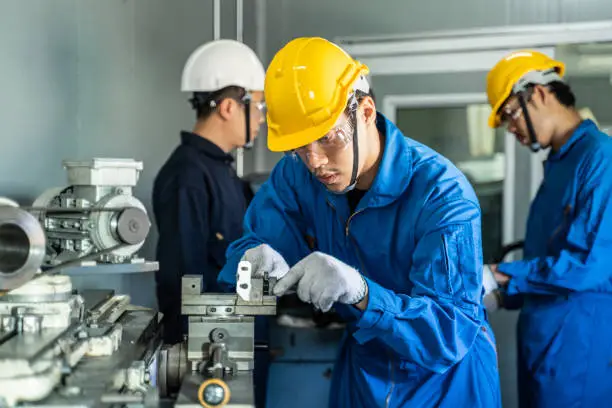
Brand Comparison and Support Considerations
Reliability of equipment and support from the manufacturer have a big effect on how well an operation performs. Established companies that have been specialising in one thing for a long time, like Hangzhou Xingbiao Machinery's 30-year focus on Big plastic crusher machines, offer designs that have been tested and improved through continuous improvement and feedback from real-world applications. Working with big companies like Nongfu Spring and KFC on industry-university research projects proves that our engineering methods work in tough production settings.
The terms of the warranty show that the manufacturer trusts the quality of the equipment. During the first few months of operation, comprehensive guarantees that cover all major parts protect against risk. Check the company's after-sales help, such as the availability of expert support, the ease of access to spare parts, and the time it takes to respond to service requests. We promise to answer questions 24 hours a day, help with installation, teach customers how to use the equipment, and make regular follow-up visits to make sure they get the most out of their investments.
When working with special materials or integrating into different production workflows, it is important to be able to customise equipment. Standard models work well for most tasks, but custom setups get the best results with difficult materials like trash that is highly tangled, bins that are too big, or composite materials that need different blade shapes and chamber designs.
Conclusion
When you know how industrial Big plastic crusher machines turn huge amounts of trash into useful materials, you can make better purchasing choices that are both more efficient and better for the environment. These high-tech tools use smart design, precise engineering, and long-lasting building to work with a wide range of materials, from flexible films to rigid pipes, at any production scale. The crushing technology has real benefits, such as lower processing costs, better environmental performance, and more operating flexibility, which helps businesses grow. To choose the right equipment, you need to carefully consider your wants in terms of capacity, energy efficiency, and the manufacturer's help options. Following the right maintenance procedures and training for operators will protect your equipment investments and keep it running safely and reliably for as long as it lasts.
FAQ
What's the difference between a plastic crusher and a plastic shredder?
Using rotating blades that shear like scissors, Big plastic crusher machines make particles that are mostly the same size, usually between 2 mm and 50 mm. These particles are perfect for recycling and reprocessing. Heavy-duty cutting wheels in plastic shredders make bigger, more uneven pieces that can be used to reduce the amount of plastic that needs to be processed further. Big plastic crusher machines make output that is finer and more consistent, while shredders are great at dealing with very large items or materials that are too big to feed directly into a crusher.
How much electricity does a big plastic crusher machine consume?
How much energy is used depends on the object and its ability. Our optimised systems need between 8 and 12 kilowatt-hours of electricity to process one tonne of plastic. A medium-sized unit that moves 500 kg per hour and works eight hours a day uses about 240 to 360 kWh per month. Motor matching and gearbox optimisation that use less energy cut consumption by 10 to 15 per cent compared to standard designs. This saves a lot of money over the life of the equipment.
Can these machines process mixed plastic waste without sorting?
Modern Big plastic crusher machines can handle a variety of materials well. Our machines break up mixed plastic bottles, cardboard, and other materials into pieces that are 2 to 20 mm in size. Different types of plastic are not separated by the crushing action, but sorting may be needed later on based on the recycling goals. To protect the blades and keep the quality of the output, heavily dirty materials should be cleaned before they are processed.
Partner with Xingbiao for Superior Plastic Crushing Solutions
Getting the most out of your plastic waste management starts with using tried-and-true tools that are backed by 30 years of engineering excellence. This line of Big plastic crusher machines from Xingbiao has the sturdiness, efficiency, and adaptability that recycling centres and factories across the United States need. Because we only make Big plastic crusher machines, you can be sure that the equipment you get has been improved through constant innovation and real-world use. Our engineering team creates solutions that meet your exact needs, whether you're dealing with scrap from injection moulding, high-volume recycling streams, or materials used in animal feed. Talk to our experts at xingbiaocrusher@xingbiaocrusher.com about your crushing needs and find out how our flexible systems, full warranties, and quick customer service can turn your plastic trash into valuable resources.
References
1. Chen, J., & Wang, L. (2021). Advances in Plastic Recycling Machinery: Engineering Principles and Industrial Applications. Industrial Press.
2. Martinez, R. (2022). "Energy Efficiency in Large-Scale Plastic Crushing Operations." Journal of Sustainable Manufacturing, 15(3), 234-251.
3. Thompson, A., & Reid, K. (2020). Mechanical Processing of Polymer Waste: Equipment Selection and Optimisation Strategies. Recycling Technology Publishers.
4. United States Environmental Protection Agency. (2023). Industrial Plastic Waste Management: Best Practices and Equipment Guidelines. EPA Publication 530-R-23-002.
5. Williams, D. (2022). "Blade Metallurgy and Heat Treatment Effects on Plastic Crusher Performance." Materials Engineering Quarterly, 28(2), 112-128.
6. Zhang, H., & Peterson, M. (2023). Industrial Crusher Safety Standards and Maintenance Protocols for Manufacturing Facilities. American Society of Mechanical Engineers Technical Report.
Learn about our latest products and discounts through SMS or email