- English
- French
- German
- Portuguese
- Spanish
- Russian
- Japanese
- Korean
- Arabic
- Greek
- German
- Turkish
- Italian
- Danish
- Romanian
- Indonesian
- Czech
- Afrikaans
- Swedish
- Polish
- Basque
- Catalan
- Esperanto
- Hindi
- Lao
- Albanian
- Amharic
- Armenian
- Azerbaijani
- Belarusian
- Bengali
- Bosnian
- Bulgarian
- Cebuano
- Chichewa
- Corsican
- Croatian
- Dutch
- Estonian
- Filipino
- Finnish
- Frisian
- Galician
- Georgian
- Gujarati
- Haitian
- Hausa
- Hawaiian
- Hebrew
- Hmong
- Hungarian
- Icelandic
- Igbo
- Javanese
- Kannada
- Kazakh
- Khmer
- Kurdish
- Kyrgyz
- Latin
- Latvian
- Lithuanian
- Luxembou..
- Macedonian
- Malagasy
- Malay
- Malayalam
- Maltese
- Maori
- Marathi
- Mongolian
- Burmese
- Nepali
- Norwegian
- Pashto
- Persian
- Punjabi
- Serbian
- Sesotho
- Sinhala
- Slovak
- Slovenian
- Somali
- Samoan
- Scots Gaelic
- Shona
- Sindhi
- Sundanese
- Swahili
- Tajik
- Tamil
- Telugu
- Thai
- Ukrainian
- Urdu
- Uzbek
- Vietnamese
- Welsh
- Xhosa
- Yiddish
- Yoruba
- Zulu
Crushers vs. Breakers: A Complete Guide for Choosing the Right Option
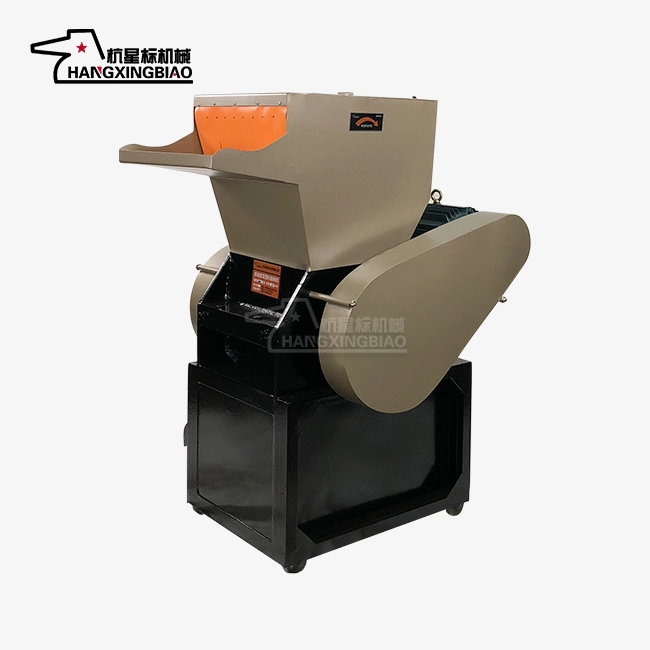
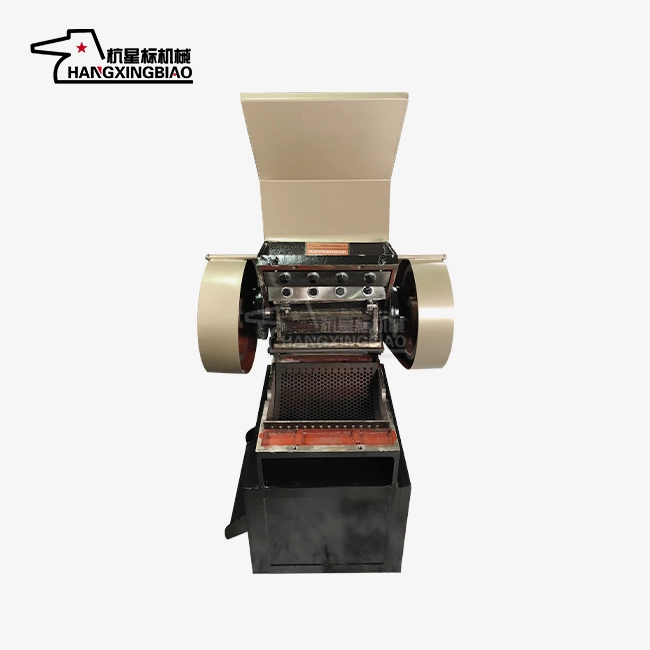
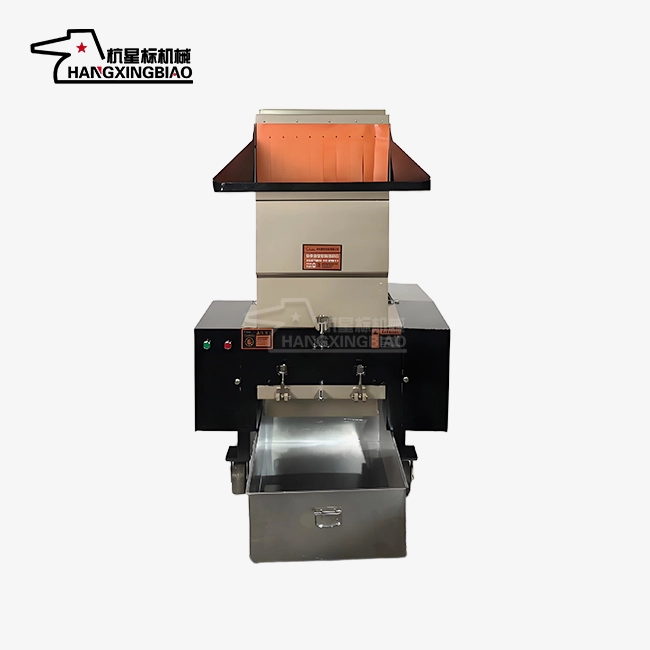
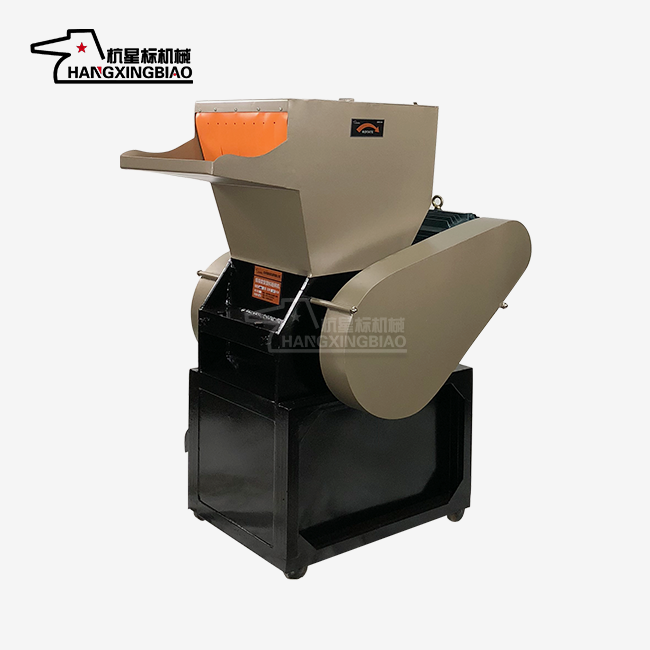
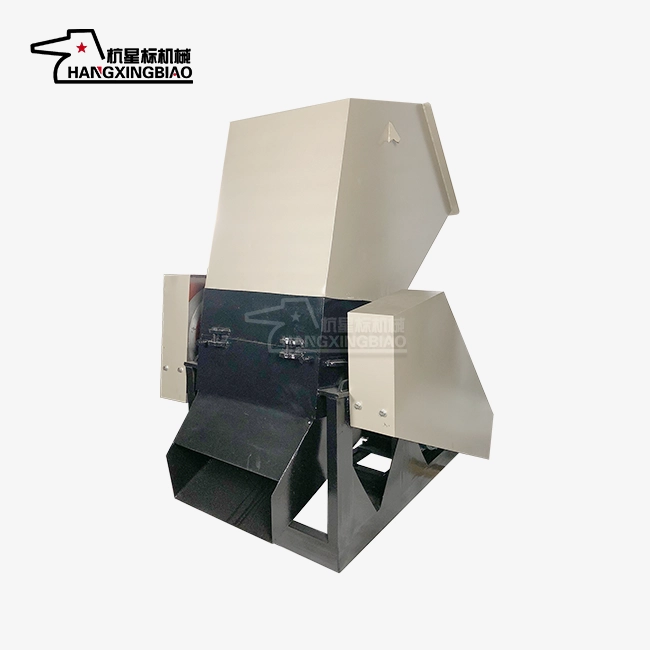
When looking for tools to reduce plastic trash, it's important to know the difference between crushers and breakers. It is the job of breakers to remove things like concrete and rocks, but it is the job of crushers, especially wholesale small crusher units, to turn plastic into flakes that are easy to handle. Plastic recycling centers and factories depend on crushers to efficiently handle trash, turning big pieces of waste into resources that can be used again and again in the production cycle.
Understanding Crushers and Breakers: Definitions and Core Differences
What Crushers Do
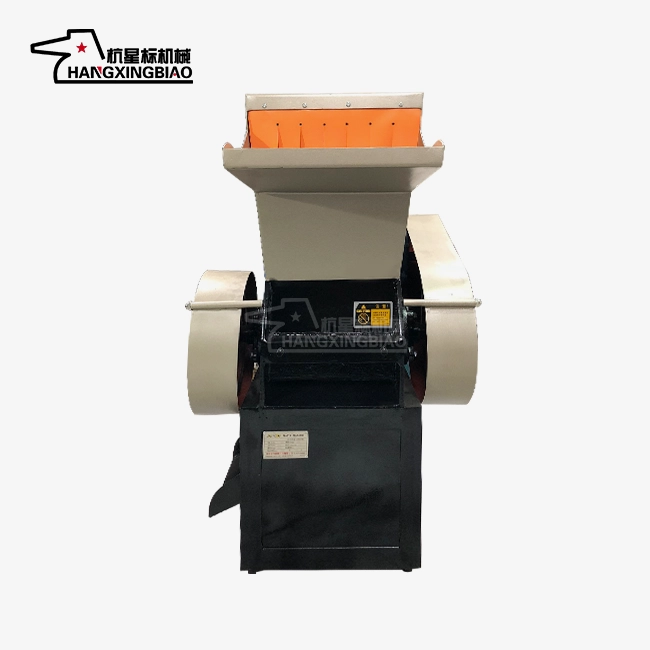
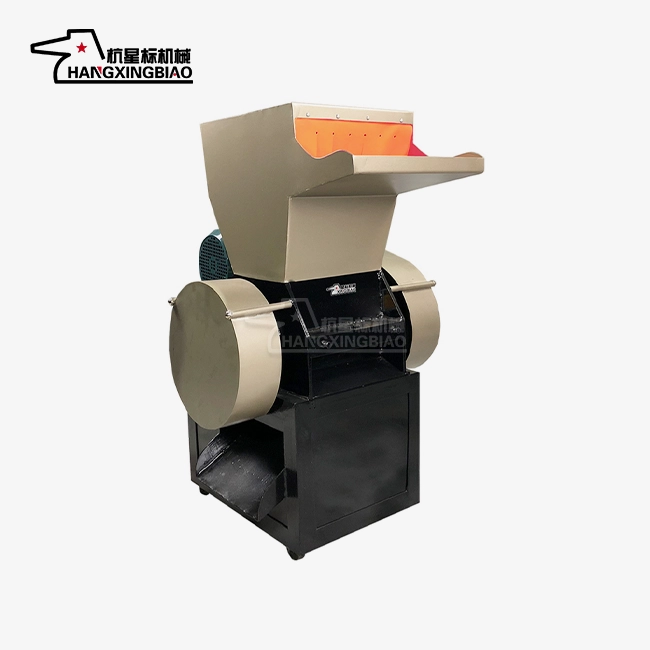
For breaking down plastics into small pieces, crushers use rotor shafts with high-speed rotating blades. The material is cut as it moves between counter-knives that stay still and blades that spin. Screen meshes control the size of the output. Plastic crushers today, which are also known as granulators, can break down a wide range of materials, such as PET bottles, HDPE pipes, injection-molded parts, and twisted films. Their precise cutting system keeps the structure of the material and makes clean flakes that can be washed and used again.
What Breakers Do
Breakers use hydraulic or gas force to smash hard objects apart instead of cutting them. These tools are often used in mining and building to break up rocks, concrete, and asphalt into smaller pieces. Their slow speed and high torque make a lot of noise and shaking, which means they can't be used for precise plastic processing, where controlling pollution and making sure particles are all the same size is important.
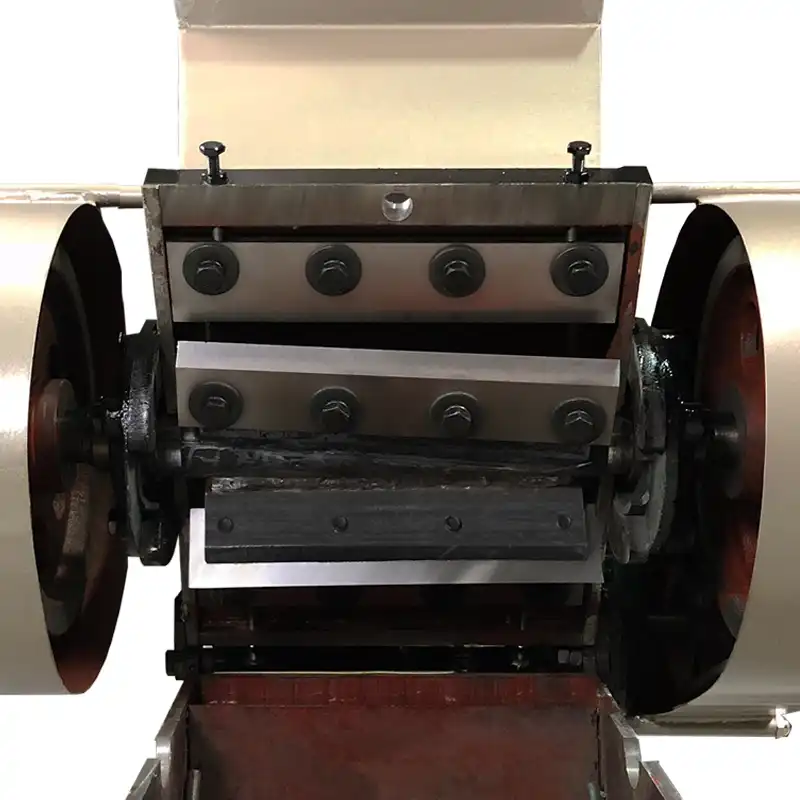
Operational Principles
The main change is how the materials communicate with each other. Crushers reduce the size of materials by controlled breaking with sharp, changeable blades that keep certain cutting angles. This method makes flake shapes that are uniform while making very little heat and dust. Breakers use physical force to break up hard materials into small, uneven pieces whose sizes are hard to predict. When working with plastic, you need the accuracy and cleanliness that can only be provided by breaking technology.
Key Criteria to Consider When Choosing Between Crushers and Breakers
Performance Metrics That Matter
The most important thing to think about is capacity. Throughput, which is measured in kilos per hour, tells you how much is being made. Small crushers can usually handle 50 to 500 kg per hour, which is enough for medium-sized recycling activities or use next to a press. Power use directly affects running costs; motor matching that works well cuts down on energy costs during constant operation. The cutting chamber size, rotor width, and blade speed all affect both the volume and quality of the particles.
Cost Analysis Beyond Purchase Price
The initial payment is only one part of the total cost of purchase. Wholesale small crusher units range from about $3,000 to $15,000, based on the specs. This makes it easy for growing businesses to start. Costs over the course of a machine's life include replacing the blades (every 200 to 800 hours, based on how rough the material is), the screen, and the electricity used. Stress-relieved steel frames and vacuum heat-treated blades made of SKD-11 or D2 tool steel are examples of high-quality construction that improves long-term worth even though it costs more up front.
Maintenance Requirements
Every day, upkeep includes cleaning off any leftover material and checking the state of the blades. Bearings need to be oiled and belt tightness needs to be checked once a week. Regular checks every month make sure the blades are sharp and the screen is intact. Maintenance time is cut down by equipment with quick-change parts and open-access rooms. A crusher that only needs 30 minutes to change its blades instead of one that needs three hours has a big effect on production consistency, especially when the machine is being used the most.
Application Suitability
The choice of tools is based on the properties of the material. Blades that are strong and motors that are strong are needed for hard plastics like polycarbonate and plexiglass. To keep soft materials like polyethylene film from wrapping around rotors, special designs are needed. Plastic makers don't get any benefits from breakers when comparing wholesale small crusher choices to them. Crushers are still the only technology that can properly reduce the size of polymers in all types of plastic.
Comparative Analysis: Small Crushers vs Large Crushers and Breakers
Size and Investment Considerations
Small crushers only take up 2 to 4 square meters of floor space and need between 3 and 15 kW of electricity. They can be easily placed next to injection molding machines or in small recycling facilities. Large industrial crushers are 10 square meters or more, use 30 to 100 kW, and can break down 1,000 to 3,000 kg per hour. The investment grows in the same way—big units cost between $30,000 and $80,000 but improve output by the same amount.
The amount of trash and the value of the materials affect the return on investment. When a company makes 500 kg of injection molding scrap every day, they get their money back in 8 to 14 months through regrind reuse instead of dumping fees. Smaller businesses gain from proportionate profits and less risk to their cash. Breakers, which are made for tearing things down instead of precise recycling, are not a good match for plastic handling tasks.
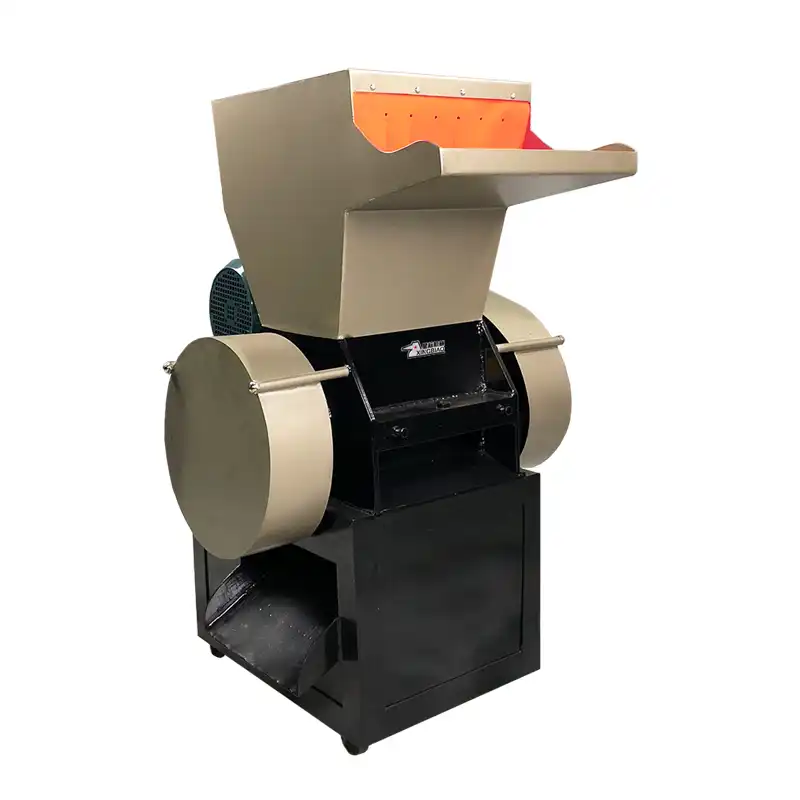
Operational Flexibility
Compact breakers give places that work with different kinds of plastic more options. Particle sizes can be changed from 8 mm to 30 mm without having to change any equipment. This flexibility is good for businesses that work with different kinds of plastic or serve customers who have different needs. Large crushers work best in high-volume, single-stream situations where uniformity is more important than flexibility.
Energy Efficiency and Environmental Compliance
Newer crusher designs are 20–30% more efficient than older ones because they use better airflow control and blade angles that are better tuned. Meeting NEMA Premium or IE3 standards for energy efficiency makes motors use less energy per kilogram produced. These changes lower running costs and are in line with the company's goals for sustainability. Making recovered plastic flakes uses 40–60% less energy than making new resin, which makes crushing companies environmentally friendly ways to do business.
How to Procure the Right Crusher or Breaker for Your Business
Evaluating Supplier Credentials
Buying from well-known companies guarantees quality and help. Companies that only sell crushing technology, rather than companies that sell a wide range of tools, usually have better innovation. Hangzhou Xingbiao Machinery is a good example of this focused approach because they have only been developing and making plastic crushers for 30 years. This kind of specialization leads to more in-depth understanding of the materials, better designs, and full application support.
When looking at wholesale small crusher providers, make sure they can do the following manufacturing processes: heat treating blades in-house, precision machining for tight tolerances, and stress-relieving processing for frame parts. Suppliers who have direct ties with big names like KFC or Nongfu Spring have shown they can do well in tough situations.
Pricing Structures and Terms
Bulk buying usually gets you savings of 10 to 15 percent on orders of more than one unit, which helps wholesalers or companies that are equipping more than one facility. Different suppliers may offer 30–50% down payments with the rest due upon delivery, but younger sellers usually need full payment up front. It's easier to figure out how much something is worth when the prices are clear and break down the costs of each part, like the machine body, blades, screens, and electrical controls.
Warranty and After-Sales Support
Manufacturers are confident in their products because they offer guarantees that cover basic parts for 12 to 24 months and wear parts (blades, screens) for 3 to 6 months. Response time is more important than guarantee length. Suppliers who promise to answer questions within 24 hours and offer installation help, operator training, and regular follow-up visits lower operating risks. Having enough extra parts on hand means that replacements can be found quickly, which cuts down on long periods of downtime that hurt profits.
Case Studies and Practical Examples
Mid-Sized Bottle Recycling Operation
A recycling center in Pennsylvania that handles 2,000 kg of mixed PET and HDPE bottles every day switched from sorting the bottles by hand to crushing them all at once. By adding a 30 kW crusher with automatic feeding, three people were no longer needed, but the throughput went up by 40%. Reprocessors paid 8% more for the steady 12mm flake output, which made cleaning more efficient. Even though people were worried at first about the $18,000 investment, the equipment paid for itself in 11 months.
Injection Molding Production Integration
In Michigan, a company that made car parts made 300 kg of polyethylene runners and rejected parts every day. Putting in a crusher next to the press with direct-feed hoppers got rid of the need to handle scrap by hand and let the 15% regrind be mixed right away. The cost of materials went down by $42,000 a year while product specs stayed the same. The design was very quiet (less than 75 dB), so it met working standards without the need for soundproofing.

Preventive Maintenance Excellence
A place that recycles film sets up rules for inspecting the blades on their wholesale small crusher every 150 hours of operation. They replaced the cutters as soon as they showed signs of edge rounding instead of waiting for their performance to get worse. This proactive method kept the quality of the particles constant and kept the motor from getting tired from blades that were too dull. Screen changes happened during planned pauses, so there were no breaks in work. Over three years, unplanned repair events only took 14 hours, while the average for the business is more than 80 hours.
Conclusion
When it comes to processing plastic, there is a clear choice between crushers and breakers. Crushers offer the accuracy, speed, and compatibility with materials that are needed for recycling and manufacturing. In building and mining, breakers are used for very different things. Knowing about performance measures, total ownership costs, and a supplier's abilities helps you make smart purchasing choices that boost output while keeping costs low. Wholesale small crusher options make it easy for businesses to start up and grow, and they work well as traffic increases. The quality of equipment, especially the metals of the blades and the building of the frames, has a direct effect on how reliable it is over time and how long it can keep running.
FAQ
What determines whether I need a crusher or a breaker?
The answer depends on the type of material. Crushers are the only tools that can be used to handle plastic, whether it's bottles, films, rigid parts, or industrial scrap. Because they cut, they make regular pieces that can be recycled and used again. Impact force is used to break up concrete, rocks, and disposal materials. Because of this, breakers are not suitable for plastic work where accuracy and cleanliness are important.
How do I calculate the total cost of ownership for small crushers?
Include the cost of buying the machine, installing it, how much energy it uses each year (in kilowatt-hours times the local rate), how often the blades need to be replaced (usually $200 to $800 per set every 300 to 600 hours), and how often the screen needs to be changed. Maintenance work should take two to four hours a month. Quality equipment that is built to last cuts down on the number of times it needs to be replaced, which lowers long-term costs even though it costs more at first.
Which features indicate energy-efficient equipment?
Look for motors that are the right size for the job, drive systems that are efficient and reduce power transmission losses, and blade shapes that are designed to cut down on resistance. Specifications for equipment that list kilowatt-hours per kilogram handled make it possible to directly compare how efficient something is. For normal plastic breaking tasks, units that use less than 0.3 kWh/kg are currently the best choice.
Partner with Xingbiao for Reliable Plastic Crushing Solutions
Xingbiao only makes plastic crushers, and our designs have been improved over 30 years of focused engineering. The parts in our wholesale small crusher models are built to last and work well. They come with SKD-11 blades that stay sharp 40% longer than regular tools. Whether you need standard units for recycling film, high-power crushers for fitting next to the press, or special solutions for difficult materials, our engineering team can help. They can do this because they work with top brands and can back up their suggestions.
We encourage purchasing managers and wholesalers to look at our full line of products, which have sizes ranging from 50 kg/hour to 500 kg/hour. Get in touch with our experts at xingbiaocrusher@xingbiaocrusher.com to talk about your unique needs. We offer full help from the selection process through installation and ongoing upkeep. We also offer low wholesale prices for large orders. Request a meeting today to find out how working with a committed wholesale small crusher manufacturer can improve your business and make sure that your equipment lasts for a long time.
References
1. Modern Plastics Association. (2022). Industrial Plastic Size Reduction Technology: Engineering Principles and Applications. Technical Publishing Group.
2. Roberts, D.M., & Chen, L. (2021). Equipment Selection Criteria for Plastic Recycling Operations. Journal of Polymer Processing Engineering, 45(3), 187-204.
3. International Recycling Equipment Standards Committee. (2023). Performance Benchmarks for Plastic Granulation Systems. IRESC Publications.
4. Martinez, R.A. (2020). Total Cost of Ownership Analysis for Material Processing Equipment. Industrial Procurement Quarterly, 28(2), 56-73.
5. Environmental Protection Agency. (2023). Energy Efficiency Standards for Industrial Material Processing Equipment. EPA Technical Report Series.
6. Thompson, K.J., & Williams, S.P. (2022). Comparative Lifecycle Assessment of Crushing Technologies in Plastic Waste Management. Sustainability in Manufacturing, 17(4), 312-329.
Learn about our latest products and discounts through SMS or email