- English
- French
- German
- Portuguese
- Spanish
- Russian
- Japanese
- Korean
- Arabic
- Greek
- German
- Turkish
- Italian
- Danish
- Romanian
- Indonesian
- Czech
- Afrikaans
- Swedish
- Polish
- Basque
- Catalan
- Esperanto
- Hindi
- Lao
- Albanian
- Amharic
- Armenian
- Azerbaijani
- Belarusian
- Bengali
- Bosnian
- Bulgarian
- Cebuano
- Chichewa
- Corsican
- Croatian
- Dutch
- Estonian
- Filipino
- Finnish
- Frisian
- Galician
- Georgian
- Gujarati
- Haitian
- Hausa
- Hawaiian
- Hebrew
- Hmong
- Hungarian
- Icelandic
- Igbo
- Javanese
- Kannada
- Kazakh
- Khmer
- Kurdish
- Kyrgyz
- Latin
- Latvian
- Lithuanian
- Luxembou..
- Macedonian
- Malagasy
- Malay
- Malayalam
- Maltese
- Maori
- Marathi
- Mongolian
- Burmese
- Nepali
- Norwegian
- Pashto
- Persian
- Punjabi
- Serbian
- Sesotho
- Sinhala
- Slovak
- Slovenian
- Somali
- Samoan
- Scots Gaelic
- Shona
- Sindhi
- Sundanese
- Swahili
- Tajik
- Tamil
- Telugu
- Thai
- Ukrainian
- Urdu
- Uzbek
- Vietnamese
- Welsh
- Xhosa
- Yiddish
- Yoruba
- Zulu
How Does a Powerful Plastic Crusher Handle Tough Materials?
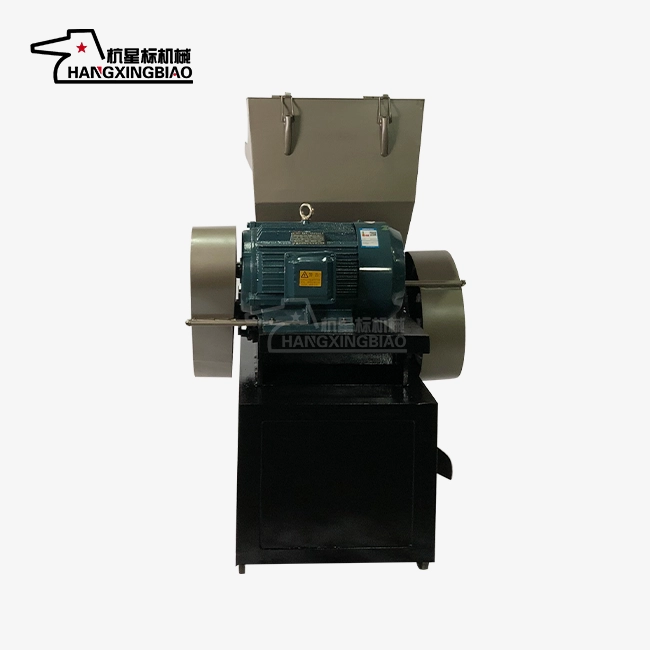
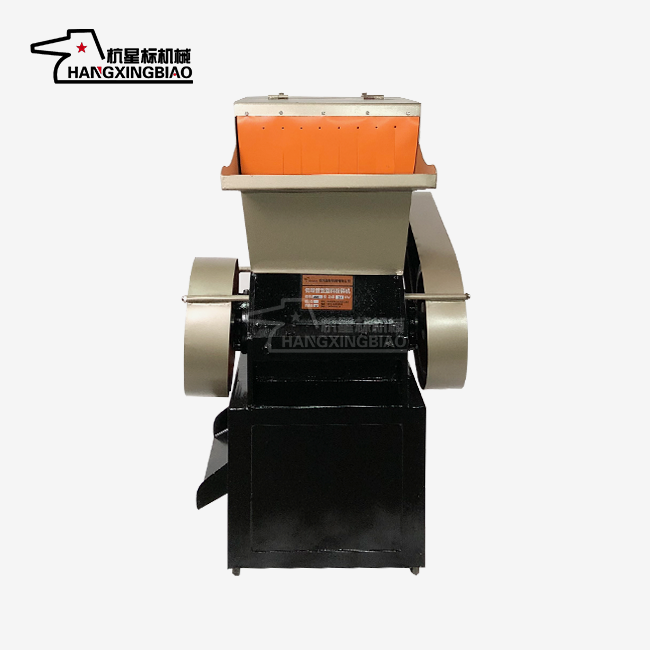
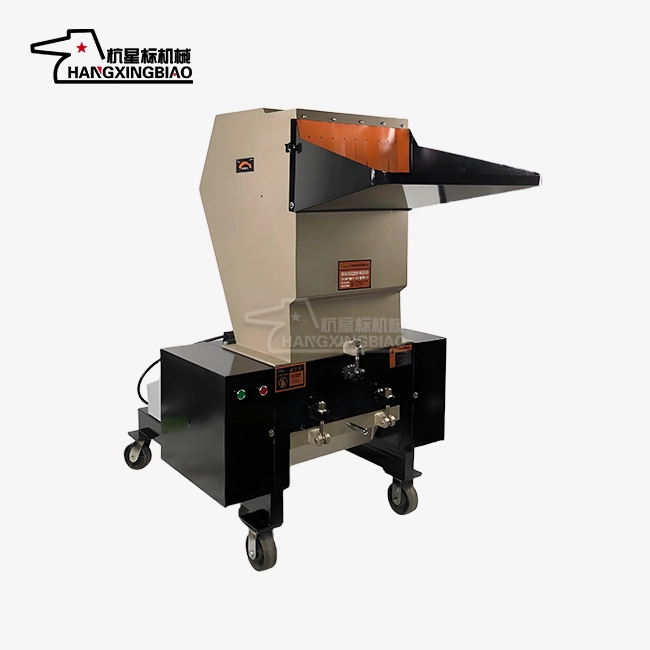
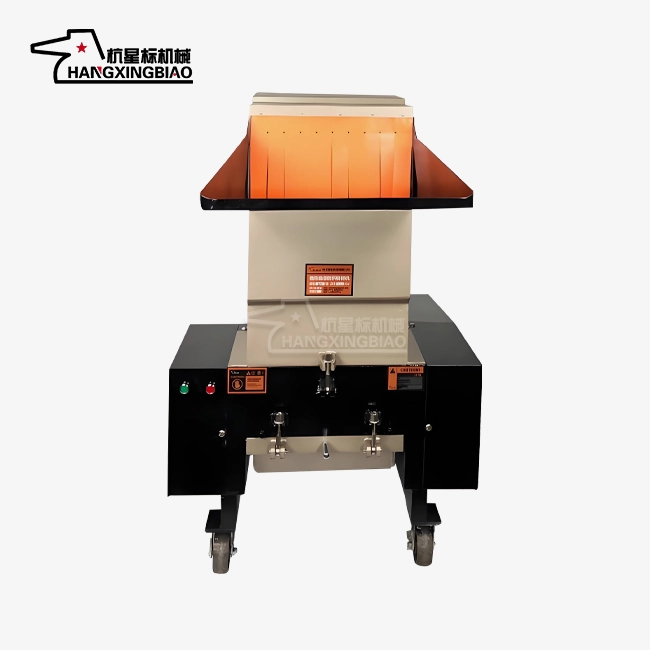
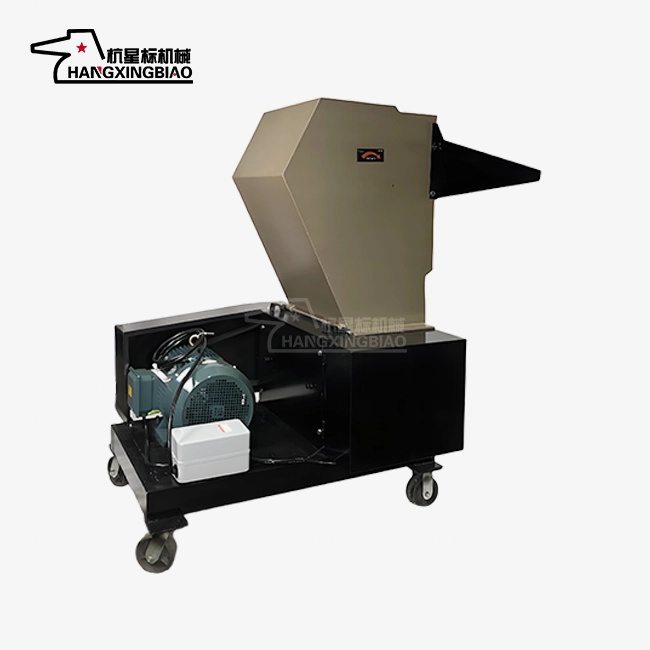
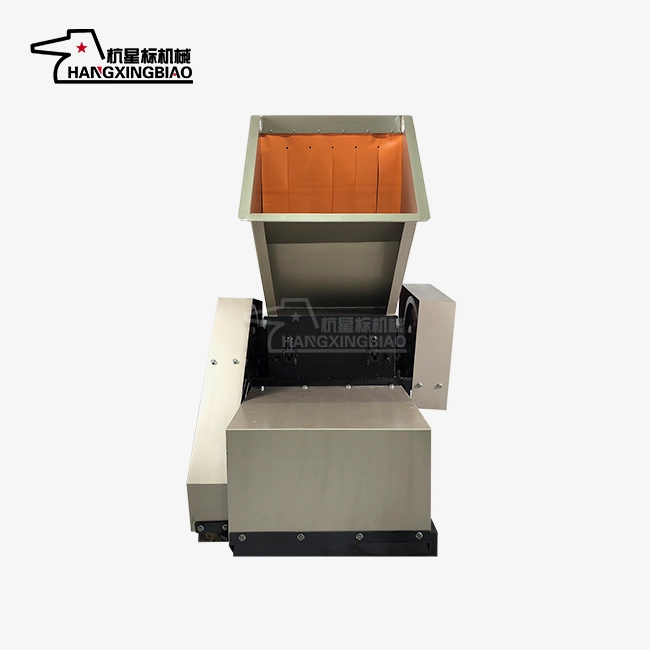
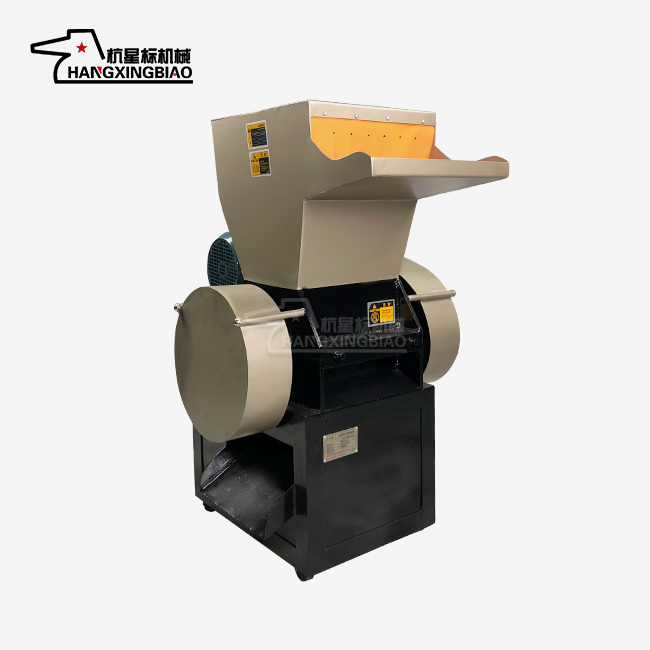
Powerful plastic crushers can handle tough materials thanks to their well-designed rotating blades, strong motors, and special cutting chambers that use concentrated shear force to break down tough plastics. To effectively crush hard plastics like HDPE pipes, PET bottles, and thick-walled ABS components into uniform granules without material entanglement or excessive wear, Hangzhou Xingbiao Machinery's Powerful plastic crusher uses SKD-11 hardened steel blades that are HRC 55–60 hard, optimised rotor speeds, and fixed stator blades. When your production line makes mountains of plastic waste every day, the question isn't whether you need crushing equipment, but whether the system you already have can handle the toughest materials without breaking down all the time. When I worked at recycling centers across North America, I saw jobs stop because the breakers couldn't handle hard plastics or parts with thick walls. With the right tools, what seems like an impossible trash problem can be turned into an easy-to-handle disposal process that saves money.
Understanding the Mechanism of a Powerful Plastic Crusher
The physics behind your industrial plastic crushing equipment decides how well your business runs and whether it has problems that keep happening. At the heart of any system that works is how well mechanical force, material science, and thermal management all work together.
Core Mechanical Components Working in Harmony
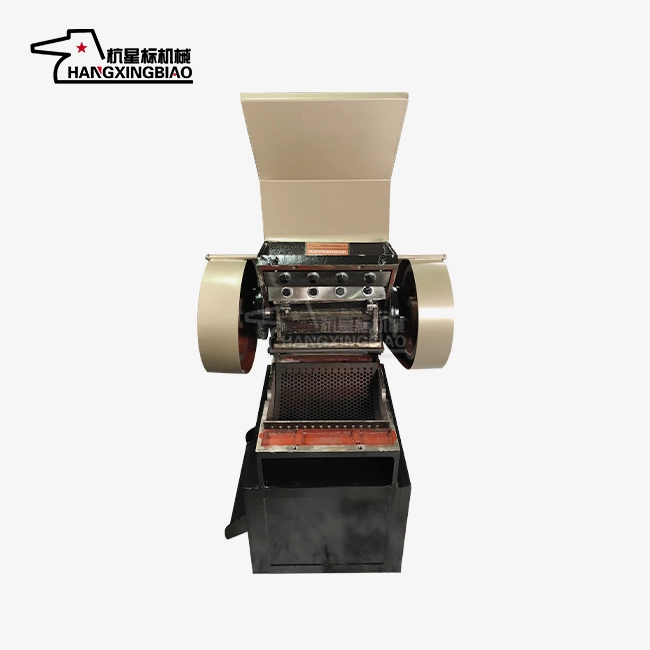
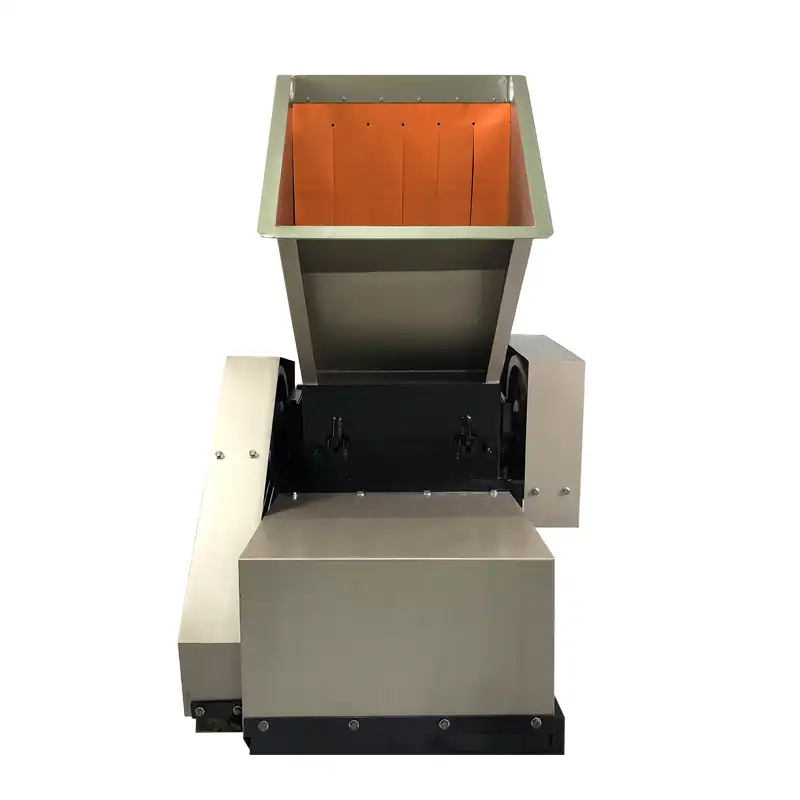
When material goes into the feeding hopper and hits the rotor assembly, the crushing process starts. Our machines have a rotor with several cutting blades that are placed at precise angles. These moving blades rub against stationary stator blades inside the crushing chamber, making a scissor-like cutting action that cuts through tough plastics instead of just hammering them. Impact-based systems don't work as well with rigid materials like polycarbonate sheets or thick HDPE containers as this shearing mechanism does.
It is just as important to choose the right motor. Xingbiao's crushers use motors that are perfectly matched to the shape of the blades and the resistance of the material that will be crushed. Motors that are too small slow down when working with tough materials, and motors that are too big lose energy. Our research team figures out the best way to send power to each model so that the machine always works at the same level of efficiency, whether it's working with PVC pipes or polypropylene auto parts. The motor is connected by strong belt drives that take the shock when metal particles enter the system from time to time. This keeps the motor safe from rapid torque jumps.
How Blade Design Determines Crushing Success?
When it comes to tough plastics, not all cutting blades work the same. The shape of the blade, such as its edge angle, thickness, and tooth arrangement, needs to match the properties of the material. When cutting soft films, sharp, thin blades work great, but when cutting hard plastics, they quickly chip or dull. Our SKD-11 and Cr12MoV steel blades go through vacuum heat treatment and cold processing, which creates a pattern that keeps the edge sharp even after cutting through tonnes of hard material. An HRC grade of 55 to 60 is just the right amount of hardness: it's tough enough to keep from dulling and not so weak that it breaks easily.
The cutting pattern is set by where the blades are placed in the cylinder. The unique plan of Xingbiao makes more cutting connections as the material tumbles through the chamber. This makes it over 20% more efficient than standard layouts. The distance between the rotor and stator blades is carefully managed—tight enough for clean cuts but not so close that the blades get stuck when working with slightly flexible materials like thick-walled containers.
Material Flow and Particle Size Control
After the first cut, the slightly crushed material keeps moving around inside the cylinder until the pieces are small enough to fit through the screen mesh. This screen, which comes in sizes from 2 mm to 100 mm, is the last check that determines the size of the particles that come out. The design of the screen includes stronger sides and a quick-change mounting system that lets repair staff switch sizes in less than ten minutes, so there are fewer breaks in production.
The shape of the chamber affects how long the material stays in place and how evenly it is crushed. Our fully sealed cavity design stops dust from escaping and maintains the right amount of airflow to keep temps manageable even when the machine is running 24 hours a day. Controlling the temperature is important because too much heat can soften some plastics, making them stick to the blades instead of breaking apart cleanly.
Advantages of Using a Powerful Plastic Crusher for Tough Materials
Buying good breaking equipment has benefits that go far beyond just lowering the amount of waste. The practical benefits affect every part of your production costs and the setting where you work.
Throughput Capacity That Matches Industrial Demands
To meet production goals, equipment must be able to keep up with the amount of waste that is being made without slowing down the process. Our crusher types can handle between 50 kg and 2,000 kg per hour, so they can be used in a wide range of settings, from small injection moulding shops to big recycling centers. Because it can run continuously 24 hours a day, you can work nights without having to worry about the equipment. Heavy-duty types that can handle 1 to 10 tonnes per hour can handle the needs of large recycling operations that process truckloads of used plastics or make scrap from high-volume production lines. This scalability lets you match the right amount of equipment to your exact needs, so you don't have to settle for units that are too small and slow down production or buy too much capacity that you don't need.
Material compatibility tells you if you need more than one specialised unit or if a single machine can handle all of your different waste streams. Xingbiao crushers can handle soft plastics like PE films and weave bags without the problems that come up with other designs. Hard plastics like ABS parts, PC sheets, and thick-walled pipes can all be made on the same machine without any problems. EPS packaging foam and EVA buffer foam are two types of foam that can be compressed and broken up cleanly. Bottles, trays, production sprues, and edge trim are all examples of shapes that can be fed and processed without getting stuck. This flexibility means you don't have to sort your trash by type of plastic before crushing it, which speeds up the process of moving things around.
Energy Efficiency That Improves Your Bottom Line
When equipment runs all the time, it quickly adds up in terms of operating costs, so energy consumption is an important specification. The optimised engine matching in Xingbiao crushers makes them the most efficient in their field; they only need 8–12 kWh to break down one tonne of material. This means that you will save a lot of money each month on your power bills compared to older crusher designs or other size-reduction equipment. The shape of the blade cuts down on the number of cuts needed to get the desired particle size. This means that less energy is wasted when the same material is processed more than once.
When you add in lower costs for getting rid of waste and energy savings, the investment payback formula for a Plastic bottle crusher becomes very appealing. Crushed material produced by a Plastic bottle crusher takes up a lot less space than whole parts, which cuts down on the number of trips and costs associated with landfills. More importantly, uniform granules from a Plastic bottle crusher can be sold to reprocessors for more money or can be sent back to your production line as regrind, which turns the cost of getting rid of them into
Safety Features That Protect Equipment and Personnel
Some risks come with industrial crushing equipment that must be taken into account during design. The built-in overload safety device checks the motor current and turns off the machine immediately if metal particles or materials that are too hard enter the chamber. This stops catastrophic damage to the blades and motor burnouts that could put equipment out of service for days while repairs are made. An audible warning goes off during the automatic shutdown to let workers know they need to clear the jam and look for the cause.
The fully sealed box design does two things: it keeps dust and noise inside and keeps people from touching moving parts. The noise level during operation stays at or below 75dB, which means that most setups don't need hearing protection to meet safety guidelines. Because of how well they block noise, crushers can be put right in the production areas instead of being put in separate rooms, which cuts down on the number of steps needed to move materials. Access panels with interlock switches that cut power when opened are built into the cage to make sure that repair workers can get to the area safely.
Comparison with Other Crushing and Shredding Solutions
To choose the best tools, you need to know how different types of machines deal with the problem of size reduction and which design theory fits your material properties and operational goals.
Crushers Versus Shredders: Design Philosophy and Performance
The terms "crusher" and "shredder" refer to two very different ways of cutting down on the size of plastic. Most shredders use low-speed, high-torque systems with rods that are hooked or grooved and tear and rip through material. This design works great for handling big, heavy things and garbage streams that contain a lot of different materials. Because they don't get stuck often and can handle contamination well, shredders are often used for dirty post-consumer waste.
Crushers cut at a faster rate and with more exact blade contact, which makes better cuts and more uniform output particles. This method works better for production waste with a uniform particle size that needs to be used in later steps, as extrusion feedstock or injection moulding regrind. The action of cutting makes less dust and noise than the action of breaking in shredders. To get the same amount of work done with tough, hard plastics, the shearing force of crusher blades needs less power than the breaking force of shredders.
Which technology to use depends on the properties of the object you're using and what you need to get out of it. Mixed, dirty waste streams are good for shredders because they can handle a lot of different situations. The controlled cutting action of crushers is best for recovering clean industrial waste that needs to be broken down into small pieces for use in new products. Many large recycling facilities use both technologies in the same order: shredders are used to reduce the size of big items first, and then crushers are used to make the final particles smaller.
Electric Motor Systems Deliver Reliability and Efficiency
The drive system that powers the cutting mechanism has a big effect on how it works. Electric motor-driven crushers are the most common type used in industry because they are reliable, efficient, and easy to connect to the building's electrical system. Modern motors have consistent torque across the operating range, so the blade speed stays the same no matter how much resistance there is in the material. This regularity makes sure that the quality of the particles stays the same throughout production runs.
When compared to hydraulic systems, electric systems need less upkeep. There aren't any hydraulic fluid leaks to fix, pumps or valves that need to be rebuilt regularly, or heat exchangers that need cleaning. The maintenance work is now limited to lubricating the motor bearings at regular times and checking the belts every so often, which is something your maintenance team does all the time. Direct electric drive uses less energy than hydraulic systems, which lose energy during changes in the hydraulic pump and control valves.
Environmental Considerations in Equipment Selection
Environmental safety in the workplace goes beyond product standards and includes things like how the workplace actually works. Noise levels affect where you can put tools and whether you have to wear hearing protection. With sound-dampening enclosures and a low-noise motor design, Xingbiao crushers keep operating noise at a level where people can talk nearby. This sound performance lets it be installed in mixed-use buildings without bothering nearby businesses or breaking city noise laws.
Making dust is bad for your health and makes cleaning harder. The fully enclosed cavity design keeps airborne particles from escaping while the machine is running. When working with dirty materials like used plastics that have been used and worn down, you can connect alternative dust collection ports to your building's central vacuum system or separate collectors. This integration keeps air quality standards high and cuts down on the work needed to clean. The sealed design also keeps out small bits that could be messy or dangerous if working with some plastics because they could catch fire.
Maintenance and Troubleshooting for Optimal Performance
Setting up regular repair schedules and fixing operating problems quickly before they get worse are key to keeping equipment in good shape and making sure that the quality of the output is always the same.
Routine Maintenance Protocols That Extend Equipment Life
A planned repair routine takes care of worn-out parts before they break down without warning. The most important regular job is to check the blades. Cutting edges need to be checked every 500 to 1,000 hours of use, depending on how rough the material is and how much it is being processed. Find signs of wear on the cutting edge, like nicks from metal contaminants or cracks spreading from the mounting holes. Our blades usually last for 5,000 hours before they need to be replaced, but inspection can find early wear caused by odd material properties or working conditions.
Manufacturers specify lubrication times. Bearings usually need to be re-greased every 2,000 hours or every three months, whichever comes first. Only use the grade of lubricant that is recommended. Using the wrong grease can cause bearings to fail early. The tightness of the belt drive needs to be checked and adjusted once a month to keep the drive engaged properly without putting too much stress on the bearings. Belts that are breaking, glazing, or fraying need to be replaced so they don't break while they're being used.
Screen mesh builds up material that stops flow and slows down throughput. During planned breaks, take off the screens and power wash to get rid of any particles that are stuck in them. Check for tears or split welds that let big particles leave and lower the quality of the output. The design of the quick-change screens makes this maintenance easier; each screen usually only takes 5–10 minutes to change.
Troubleshooting Common Operational Challenges
The most common practical issue is that materials get stuck. If the output drops or the motor current spikes, you should stop right away and check the chamber. Metal that gets stuck between the blades, feed pieces that are too big and go beyond the throat opening, or wet, sticky material that sticks to surfaces instead of breaking apart are common causes. Carefully clear out jams with plastic or wooden tools that won't damage the blade edges. Sorting upstream should be better, feed size limits should be enforced, or wet material should be dried before it is processed.
Uneven particle output quality from a Plastic bottle crusher could mean that the blades are worn out, the screen isn't set up right, or the feed rate is too high. To keep the Plastic bottle crusher rotor's dynamics steady, check the state of the blades and replace any worn cutters all at once. Make sure the size of the Plastic bottle crusher screen mesh fits the needs of production. Slow down the Plastic bottle crusher feed rate so that the material has enough time to stay in the chamber and lose all of its size. The consistency of particles produced by the plastic bottle crusher should always be more than 90%; if it drops below that level, something needs to be done.
When rotor balance gets worse, bearings wear out, or fixing nuts come loose, there is too much vibration. A rotor that was balanced at first becomes unstable when only some of the blades are replaced or when the wear on the blades is uneven. When replacing blades, always do it as a set, and make sure the dynamic balance is correct afterward. When bearings are worn out, they make rumbling or grinding sounds before the shaking gets really bad. Replace them as soon as you notice they are breaking down. Once a month, walk around the machine's base and tighten the anchor bolts and check the integrity of the mounting pad.
Procurement Insights: Choosing and Buying the Right Powerful Plastic Crusher
Choosing breaking tools is a big financial decision that will affect how well your business runs for years to come. A structured evaluation method makes sure that the final choice meets both present and future wants.

Assessing Capacity Needs Based on Material and Scale
To begin, figure out how much trash each shift and work line produces. Don't size your equipment based on how things usually work; instead, think about peak times, like when multiple production lines need to clear out at once or when there are processing backlogs. When crushers are too small, they cause bottlenecks that make it harder to move materials and cause waste to build up. Even if a crusher that can handle 200 kg/hour seems like it would be enough for normal output, it won't work when your facility needs to handle 300 kg during peak hours.
The functional capacity is affected by the properties of the material. Dense, rigid plastics like containers with thick walls take longer to make than thin strips of the same weight. When comparing manufacturer specs, use a capacity derating factor if your waste stream includes difficult materials. Talk to potential providers about your particular materials and, if possible, ask for processing demos or trials. Xingbiao has a wide range of models that can be perfectly matched to your needs, whether you need small 50 kg/hour units for lab work or heavy-duty 2-tonne/hour systems for large recycling centers.
When choosing the right size equipment, think about how the business will grow in the future. When you buy a crusher that matches your current capacity, there is no room for production to grow. Choosing the next bigger model allows for growth and lowers the stress on tools during use, which usually extends their service life. The extra cost is small compared to the cost of changing a unit that is too small within a few years.
Evaluating Supplier Reliability and Support Infrastructure
It doesn't matter how good the equipment is if the provider can't help quickly when problems appear. Check out the service facilities of possible sellers, especially how quickly they can send parts and help with technical issues. Xingbiao keeps a large stock of extra parts and promises to respond within 24 hours. This makes sure that when needed, vital parts are shipped right away. We have a network of service partners all over North America who can help with installation and troubleshooting when remote support isn't enough.
How quickly your team learns how to use new tools depends on the training materials you have available. Look for sellers who offer full training on how to use and fix the equipment as part of the buy deal. As part of setting up an installation, Xingbiao offers initial training as well as ongoing access to expert resources through manuals and help hotlines. This sharing of information gives your team the skills to do routine maintenance and fix small problems without having to call for help.
The supplier's long history in the field shows that they are stable and have a lot of experience. Hangzhou Xingbiao Machinery has been making plastic breaking tools for over 30 years, and they are always improving their designs based on what customers say in the real world. This specialised knowledge leads to useful engineering improvements that manufacturers of general equipment miss. Working together on research projects with big companies like Nongfu Spring and KFC makes sure that our designs can handle tough industrial uses. This makes sure that the equipment works reliably in harsh conditions.
Investment Considerations and Total Cost of Ownership
The price of buying something is only one part of how much it costs to run over its lifetime. Over the years of continuous operation, using a lot of energy costs a lot of money. Use the manufacturer's power specs and the rates charged by your local utility company to figure out the annual running costs. When compared to Xingbiao's 8–12 kWh standard, equipment that uses 15kWh per tonne costs thousands of dollars more each year at normal commercial processing rates.
The costs of maintaining strong, well-designed tools versus cheap options that need to be fixed often are very different. Ask how often upkeep should be done and how much parts like blades, screens, belts, and bearings usually cost. Premium parts cost more up front, but they last longer, which lowers the total cost of ownership. When compared to standard tool steel blades that need to be changed every 1,000 hours, our SKD-11 blades last 5,000 hours, which saves time and money.
Downtime has secret costs that often go beyond the direct costs of repairs. When equipment breaks down, production waste builds up, which makes it harder to handle and lowers the recycling value. Figure out how much trash you make every hour and how much it will cost you if the crusher isn't available. This research usually shows that buying more reliable tools with better support infrastructure is a better choice than going for the lowest price.
Conclusion
To work with tough plastics, you need special Plastic bottle crusher tools for crushing them. These Plastic bottle crusher machines have hardened cutting systems, better power delivery, and strong construction so they can work reliably in ongoing industrial conditions. Different types of Plastic bottle crusher tools, their upkeep needs, and the level of support a provider can provide all have a big effect on your business's success after the initial buy choice. After 30 years of specialising in Plastic bottle crusher technology, Xingbiao has developed the engineering refinements and support infrastructure that turn managing plastic waste from a hassle to a smooth process that helps your bottom line by lowering disposal costs and recovering material value.
FAQ
What types of tough plastics can industrial crushers effectively process?
Industrial crushers can break down hard plastics like HDPE and PVC pipes, PET bottles, ABS auto parts, polycarbonate sheets, cases with thick walls, and acrylic parts. Hardened blade systems and high-torque motors in machines like Xingbiao's crushers can also handle tough materials like glass-filled nylon, fibre-reinforced composites, and vulcanised rubber parts that are too demanding for regular machines to handle. It's not just the size of the machine that determines material compatibility; blade hardness, motor capacity, and chamber design are also important.
How often do crusher blades require replacement when processing hard materials?
How long a blade lasts depends on how rough the material is, how much it is processed, and how contaminated it is. If you heat-treat premium SKD-11 steel blades the right way, they should last for 5,000 hours of handling clean industrial scrap. Life is cut to 2,000 to 3,000 hours by sand, metal, or glass in contaminated post-consumer waste. Regular inspections every 500 hours catch early wear and tear, so replacements can be planned during planned maintenance instead of failing during production.
Can one crusher handle both soft films and rigid plastics effectively?
Good crushers can handle different kinds of plastic because their features can be changed, and their designs are well thought out. The material affects the blade spacing, spinning speed, and screen choice. Xingbiao's chamber shape keeps cutting force for hard materials while preventing film entanglement. When switching between types of materials, you might need to change the screens and make small changes to the speed, but the main machine can handle everything from PE papers to thick plastic parts without needing separate machines for each type.
Partner with Xingbiao for Superior Plastic Crushing Solutions
Taking care of tough plastic waste needs tools backed by real technical know-how and unwavering help. As a Powerful plastic crusher manufacturer, Xingbiao brings 30 years of experience to every machine we make, from small 50 kg/hour models to large 2,000 kg/hour systems that are designed to run all the time. Our SKD-11 hardened blade systems, stress-relieved steel construction, and optimised motor matching give you the dependability you need for production while keeping energy use 30% lower than the average in the industry. We stand behind our equipment with response support 24 hours a day, spare parts that cover everything, and installation training that gives your team the tools they need. Get in touch with our engineering experts at xingbiaocrusher@xingbiaocrusher.com to talk about your unique crushing needs and find out how the right equipment can turn waste management from a cost center into a chance to recover materials and improve business efficiency.
References
1. Jenkins, R.T. & Morrison, K.L. (2021). Industrial Plastic Recycling: Equipment Selection and Process Optimisation. Manufacturing Technology Press.
2. Chen, W. & Davidson, P. (2020). "Blade Metallurgy and Heat Treatment Effects on Crusher Performance in Rigid Plastic Processing." Journal of Polymer Processing Engineering, 45(3), 287-304.
3. American Society of Mechanical Engineers. (2022). ASME Standards for Size Reduction Equipment: Design, Safety, and Performance Specifications. ASME Technical Publications.
4. Thornton, M.J. (2023). "Energy Efficiency Benchmarking in Plastic Waste Processing Facilities." Industrial Energy Management Quarterly, 18(2), 112-128.
5. National Plastics Recycling Association. (2021). Best Practices Guide for Plastic Crushing and Granulation Operations. NPRA Industry Standards Committee.
6. Rodriguez, A.F., Kim, S.H., & Patel, D. (2022). "Comparative Analysis of Crushing versus Shredding Technologies for Post-Industrial Plastic Waste." Recycling Technology and Innovation, 12(4), 456-473.
Learn about our latest products and discounts through SMS or email