- English
- French
- German
- Portuguese
- Spanish
- Russian
- Japanese
- Korean
- Arabic
- Greek
- German
- Turkish
- Italian
- Danish
- Romanian
- Indonesian
- Czech
- Afrikaans
- Swedish
- Polish
- Basque
- Catalan
- Esperanto
- Hindi
- Lao
- Albanian
- Amharic
- Armenian
- Azerbaijani
- Belarusian
- Bengali
- Bosnian
- Bulgarian
- Cebuano
- Chichewa
- Corsican
- Croatian
- Dutch
- Estonian
- Filipino
- Finnish
- Frisian
- Galician
- Georgian
- Gujarati
- Haitian
- Hausa
- Hawaiian
- Hebrew
- Hmong
- Hungarian
- Icelandic
- Igbo
- Javanese
- Kannada
- Kazakh
- Khmer
- Kurdish
- Kyrgyz
- Latin
- Latvian
- Lithuanian
- Luxembou..
- Macedonian
- Malagasy
- Malay
- Malayalam
- Maltese
- Maori
- Marathi
- Mongolian
- Burmese
- Nepali
- Norwegian
- Pashto
- Persian
- Punjabi
- Serbian
- Sesotho
- Sinhala
- Slovak
- Slovenian
- Somali
- Samoan
- Scots Gaelic
- Shona
- Sindhi
- Sundanese
- Swahili
- Tajik
- Tamil
- Telugu
- Thai
- Ukrainian
- Urdu
- Uzbek
- Vietnamese
- Welsh
- Xhosa
- Yiddish
- Yoruba
- Zulu
How to Find a Reliable, Powerful Pulverizer Supplier?
Finding a trustworthy supplier for crushing equipment has a direct effect on the success of your business. A reliable partner always meets deadlines, does a good job, and offers full support throughout the lifecycle of the equipment. Look at a supplier's manufacturing experience, equipment details, and service promises when you're looking for a powerful pulveriser. The right provider knows what problems you're having with processing your materials, whether they are injection-moulded scrap, plastic films, or mixed industrial waste, and they can help you find ways to make your business more efficient while also cutting costs. Don't just look at the price; also consider how long it lasts, how much energy it uses, and how well it supports you after the sale.
Understanding the Importance of a Reliable, Powerful Pulveriser Supplier
Picking the right tools partner will affect how well you can make things for years to come. The choice affects everything, from daily flow to funds for repairs. A reliable provider will send you tools that are built to work continuously in tough circumstances and meet the high standards needed for making plastic products and recycling them.
What Makes Supplier Reliability Essential?
Suppliers you can trust show their dedication by having certifications that can be checked, clear manufacturing processes, and written records of their work. They ensure consistent quality in every batch and fully guarantee their goods. Because of its dependability, your grinding equipment will always work the way you expect it to, every day.
If you choose an unreliable supplier, problems will happen not just with the equipment. Costs of replacements, emergency fixes, and stopping production quickly eat away at profit margins. Any downtime that happens while you're processing scrap or managing recycling streams affects your whole business and your customers' promises.
How Does Quality Equipment Drive Business Outcomes?
Better crushing equipment makes many parts of the operations better at the same time. Energy-efficient motors use 10-15% less electricity, which directly lowers the cost of running the business. Compared to standard designs, precision-engineered crushing chambers and optimised blade configurations increase throughput by 15-20%, allowing you to process more material without buying more equipment.
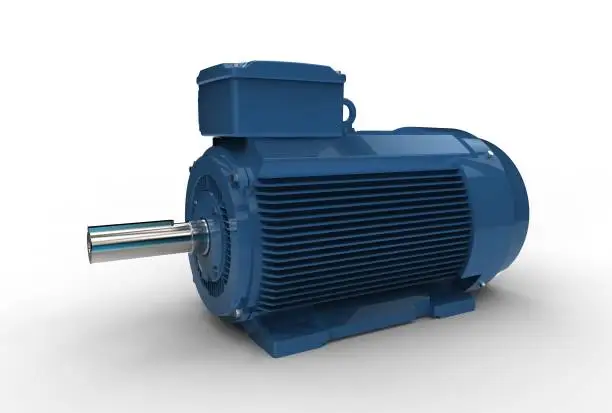
Modern crushing devices also make the sizes of the particles more regular, with rates of more than 90% accuracy. This level of accuracy gets rid of the need for extra steps in the process and lowers the amount of waste. For plastic manufacturers, this means that after crushing, injection moulding scraps can be mixed directly with new materials. This results in 30-50% better use of raw materials and saves a lot of money each year.
Key Criteria for Selecting a Powerful Pulveriser Supplier
To buy equipment successfully, you need to evaluate it in a planned way across several different areas. Knowing about the different types of tools, how well they work, and the supplier's background can help you tell the difference between excellent providers and average ones.
Equipment Types and Performance Indicators
Using different types of powerful pulveriser crushing technology for different types of materials is important. Hammer mill designs are great for breaking up hard materials quickly by using contact force. Powerful pulveriser systems with rotary blades can work with softer plastics, films, and fibres that could get tangled up in hammer-style systems. Knowing these differences helps you match powerful pulveriser capabilities to the properties of the material you are working with.
Processing capacity (measured in kilograms or tons per hour), particle size range (usually 2-50 mm for industrial uses), and energy consumption per tonne processed are some of the most important performance metrics. Equipment designed to work nonstop 24 hours a day, seven days a week demonstrates durability, while machines that frequently need to cool down may not last as long. What the blade is made of is crucial. Premium tool steels with hardness values between HRC 55 and 60, like SKD11 or Cr12MoV, have service lives of 3,000 to 5,000 hours, while normal carbon steels only last 800 to 1,200 hours.
Verifying Supplier Credentials and Reputation
Real credentials are what set legitimate manufacturers apart from resellers or brokers. Look for providers that have their own factories, technical teams, and the ability to do their own designs. When a company has only made crushing equipment for 20 to 30 years, they gain a level of skill that other makers can't match.
Customer reviews from well-known brands can tell you a lot about how well a product or service really works in the real world. Partnerships with big businesses, like working with fast food chains or beverage companies to find waste management solutions, show that the supplier can meet strict business standards. Certifications in the industry, quality management systems, and clear opportunities to visit the factory all add to the credibility of a supplier.
Transparent Pricing and Value Assessment
Effective procurement matches the original investment with the costs of running the business over its lifetime. Ask for thorough quotes that list the main parts so that you can compare prices from different sources. Beyond base price, consider blade replacement costs, repair part availability, and energy consumption forecasts. Overall, a machine that costs 20% more but has 40% longer blade life and 15% less energy use is a better deal over its lifetime.
If the price is very low, it could mean that the quality of the parts has dropped. Poor steel types, motors that aren't up to par, or safety features that are too simple can save money up front, but cause expensive problems later on. Reliable suppliers give clear specifications so that you can make an informed choice instead of relying on vague claims about performance.
Analysing Supplier Capabilities and Support Services
Buying equipment is not the end of your partnership with your provider; it is the beginning. Your crushing system's long-term success depends a lot on the infrastructure that supports it.
After-Sales Support and Service Networks
Full insurance protection keeps your investment safe during the important first few months of use. Standard warranties usually last between 12 and 24 months and cover problems with the way the product was made and parts that break too soon. Check not only how long the warranty lasts, but also what it covers. Full warranties cover motors, electrical systems, and structural parts, while limited warranties might not cover things like blades and screens that get worn out over time.
When spare parts are available, long periods of downtime during fixes or maintenance are avoided. Suppliers who keep a lot of parts in stock can ship important parts in days instead of weeks. Ask directly about the availability of blades, screen choices with different mesh sizes, bearing assemblies, and motor parts. Setting up promises to supply parts before you buy them will save you time and hassle when you need replacements right away.
When buying powerful pulverizer equipment from other countries, having a local service base is especially important. When there is a problem, powerful pulveriser suppliers with local representatives or authorised service partners can help more quickly. Technical support responsiveness for a powerful pulveriser, which is measured by guaranteed response times to service requests, tells you the difference between great suppliers and those who aren't concerned about customer service after the sale.
Logistics and Delivery Considerations
Buying tools from other countries is tricky when it comes to logistics, which can affect project prices and timelines. Manufacturing wait times range from 4 to 12 weeks, based on how customised the product needs to be and how quickly it needs to be made. Make it clear if the dates shipped mean that the goods have been manufactured or that they have arrived at your building.
Shipping plans have a big impact on total landing costs. You can ship standard equipment cheaply by container, but you must send urgent deliveries by air freight, which costs more. Knowing Incoterms like FOB (Free On Board) and DDP (Delivered Duty Paid) makes it clear who is responsible for clearing customs, paying import duties, and making the final delivery. Expert sellers will help you with the import paperwork and give you accurate tax estimates so you don't have to pay extra money than you planned.

By negotiating good payment terms, the buyer and seller protect each other. Most standard agreements require a down payment of 30-50%, with the rest due before shipment. Letters of credit protect both parties, and more flexible terms may be possible if they have worked together for a while. When included, equipment fitting help and user training services make sure that commissioning goes smoothly and that the equipment works at its best from the start.
Comparing Popular Powerful Pulverizers and Leading Brands
Many companies make grinding tools, but some stand out because they have specialised knowledge and a track record of performance. When you know what sets industry stars apart from generic sellers, you make better purchasing choices.
Performance Benchmarks for Modern Crushing Systems
Machines for breaking things today are much more complex than simple blade-and-motor designs. Modern designs include multiple stages of size reduction, smart moving systems that keep things from getting stuck, and built-in dust collection that keeps work areas clean. Small units are good for processing 50-500 kg of press scrap per hour, while industrial systems can handle 1-10 tons per hour for dedicated recycling.
As the cost of power affects profits, energy economics has become a key differentiator. Older systems needed 15 to 18 kilowatts of power to process one tonne of plastic, but newer systems only need 8 to 12 kilowatts. This 30-40% drop in energy use saves a lot of money over thousands of hours of operation each year. This level of economy is achieved with equipment that has optimised rotor designs and variable-speed drives.
What Specialized Manufacturers Offer
Suppliers that only offer plastic crushing technology develop skills that companies that make various machines can't match. Focusing on just one area for 30 years has made it possible to keep improving blade geometries, chamber designs, and the way materials are handled specifically for plastic processing. This specialisation makes machines that can handle tough materials like twisted films, bottles with odd shapes, and mixed material streams that are hard for all-purpose breakers to handle.
Collaborative development partnerships with large manufacturers provide valuable opportunities to test products in real-world settings. When companies that sell tools work directly with businesses that make drinks or serve food to solve specific waste processing problems, the resulting designs incorporate practical lessons from the real world. These relationships back up claims of performance and show that the supplier is serious about resolving real-world problems instead of just selling machines.
Investing in research and development is what sets innovative sellers apart from those that just make standard tools. Companies with engineering teams of 20 or more experts are always making blade metals, bearing systems, safety interlocks, and control interfaces better. This constant improvement makes sure that you buy the most up-to-date technology and not old designs that rivals have already beaten.
Practical Purchasing Tips to Secure the Best Deal
To be effective at procurement, you need to both carefully plan and negotiate. You can protect your interests and build good relationships with suppliers by knowing how to structure enquiries, assess offers, and finalise agreements.
Preparing Effective Requests for Quotation
Specific RFQs lead to more accurate and similar bids than general ones. Name the type of material (rigid plastic, film, fibre), the shape (continuous production scrap, baled waste), and any properties that could be a problem (moisture content, contamination). Include the throughput needed in kilograms per hour, the power supply that is available, and the amount of space that is available. With this knowledge, suppliers can suggest equipment that is the right size instead of general options.
Ask for full technical details about the motor's power, the configuration of the blades, the screen options, and the overall size and weight. Ask for information on how much energy the product uses, how loud it is, and any safety certifications that are important to your market. Detailed plans make it possible to compare things in a useful way and avoid confusion about what equipment can do.
Negotiating Terms and Building Relationships
Opportunities to buy in bulk and sales for more than one unit give you more power in negotiations. When you place a bigger order or build a long-term relationship with a supplier, you can get better prices on replacement parts and tools that you will need in the future. Costs can go down if you're flexible about when the goods are delivered, because suppliers like it when orders fill in gaps in their production schedules.
Talks about the payment system, making sure that everyone's risk is balanced. Buyers want payments linked to manufacturing progress, delivery, and successful launches, while sellers prefer larger deposits. Finding terms that work for both sides builds trust and shows that you are a serious buyer, not just looking for the best price.
Building strategic relationships is more than just doing business with someone once. Long-term relationships with suppliers give you priority help, the freedom to make changes, and early access to new technologies. Talking about your changing needs and providing feedback on how the equipment is working on a regular basis makes these relationships stronger and makes you look like a valuable customer who deserves the best service.

Conclusion
Choosing a trustworthy provider of powerful pulverizer equipment affects how well your business works, how much money it makes, and how competitive it is. Give priority to powerful pulveriser providers who can show they have specialised manufacturing knowledge, a track record of success, and full support capabilities. Carefully check the powerful pulveriser equipment's specs and consider its total lifetime running costs, not just the purchase price. Check the powerful pulveriser supplier credentials by looking at certificates, client references, and clear communication. Strong relationships with powerful pulveriser suppliers based on clear expectations and mutual respect bring long-term benefits like reliable equipment, quick support, and constant improvement. During powerful pulveriser purchasing, careful evaluation keeps you from making mistakes that cost a lot of money and helps you build relationships that will help your business grow for years to come.
FAQ
How Long Should Quality Crushing Equipment Last?
Industrial crushing equipment from reputable manufacturers, when well taken care of, usually lasts for 10 to 15 years. Important parts, like blades, need to be replaced every so often. Premium tool steel blades can be polished three to five times before they need to be replaced. Equipment lasts a lot longer if the bearings are oiled regularly, the screens are maintained properly, and the blades are rotated at the right time.
What maintenance practices can maximise equipment life?
Do eye checks every day to look for strange vibrations, noises, or buildups of materials. Bearings should be oiled as recommended by the maker, which is usually every 200 to 300 hours of use. When processing efficiency drops or particle size consistency goes down, rotate or replace the blades. To keep materials from getting dirty, clean the breaking rooms between types of materials or colour changes. These simple steps can stop 70-80% of equipment breakdowns before they happen.
How Can I Verify a Supplier's Authorised Status?
Ask for proof of who owns the manufacturing facility and where it is located. Genuine makers are happy to show you pictures of their factories, business registration certificates, and licenses for their quality management systems. Ask how big their engineering team is and what kind of research and development they can do. Speciality providers usually have a lot of technical staff. References from well-known companies' customers back up their claims about their marketplace and success.
Partner With Xingbiao for Superior Plastic Crushing Solutions
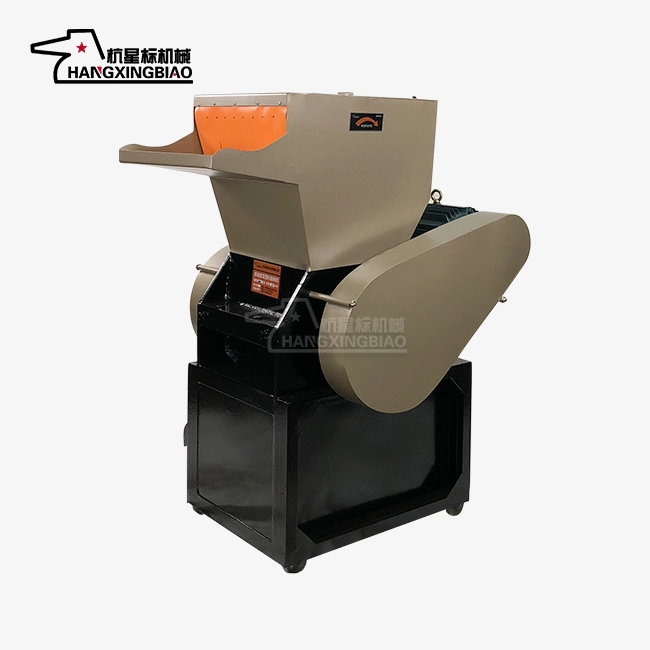
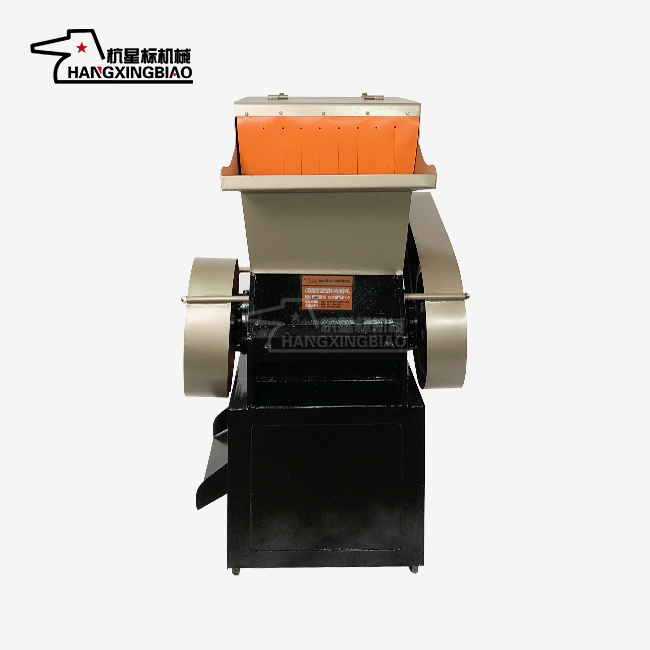
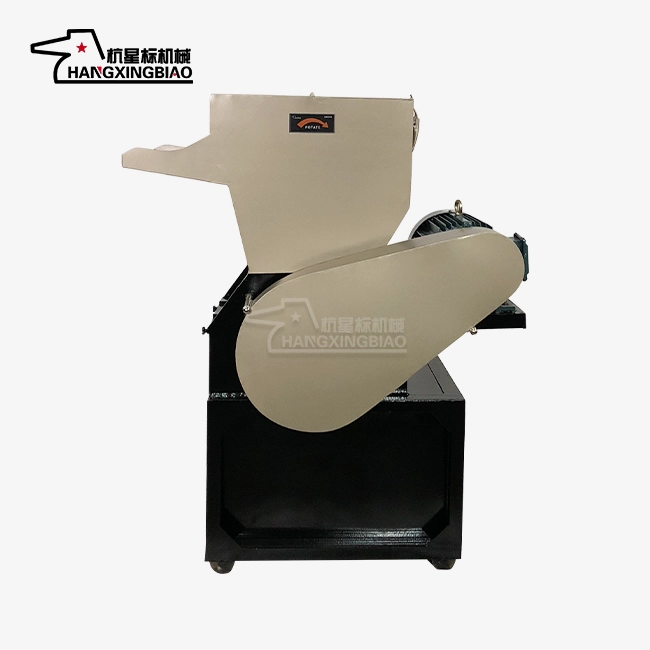
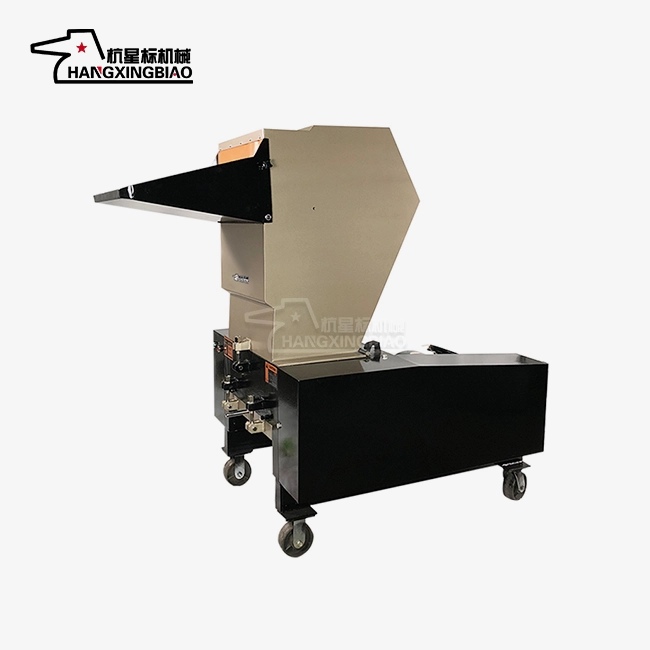
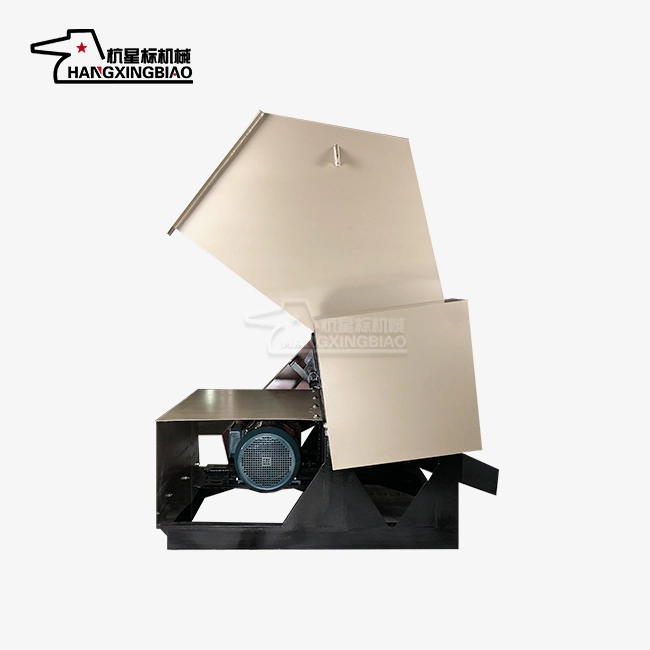
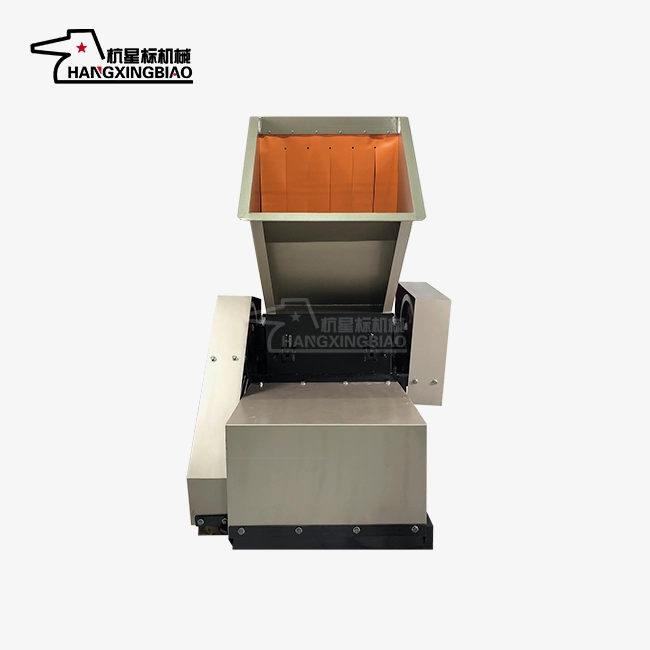
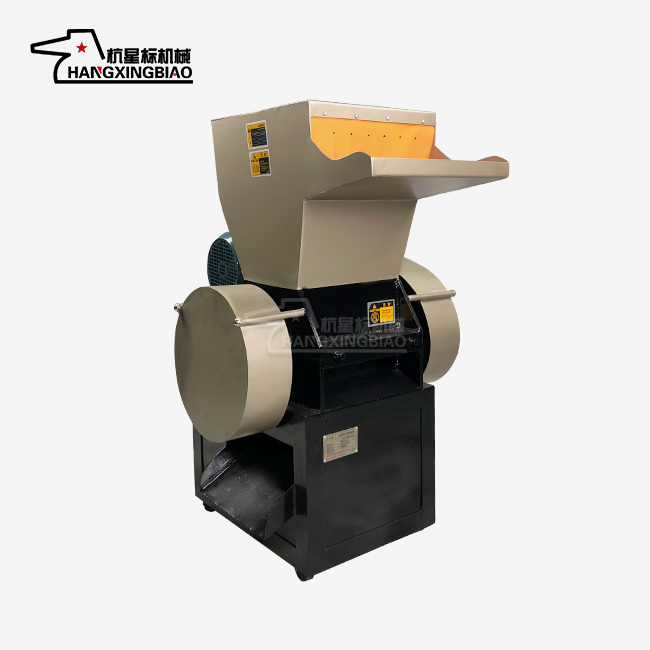
Based in Hangzhou, China, Xingbiao Machinery Co., Ltd. has been making powerful pulverisers for 30 years and has specialised in plastic crushing technology. Our specialisation gives us real benefits. For example, equipment made from high-strength steel that has been treated with stress relief ensures that it doesn't deform while it's running all the time. Blades made from SKD-11 and Cr12MoV tool steels go through vacuum heat treatment and cryogenic processing, which makes them very resistant to wear and extends their useful life.
If you compare our breaking systems with regular tools, they use 10-15% less energy and are 20% more efficient. We have a full range of models, from small units that can be put next to the machine to large recycling systems that can handle up to 10 tons of trash an hour. Each machine has quick-change screen systems and conveniently accessible maintenance points that keep downtime to a minimum.
Email our engineering team at xingbiaocrusher@xingbiaocrusher.com for personalised equipment suggestions tailored to the properties of your material and your processing needs. We provide detailed technical specifications, predictions of energy use, and full quotes to help you make smart purchasing decisions.
References
1. Industrial Crushing Technology Association. (2023). Pulveriser Selection Guidelines for Plastic Processing Industries. Manufacturing Equipment Standards.
2. Roberts, M. & Chen, L. (2024). Energy Efficiency in Size Reduction Equipment: Comparative Analysis of Modern Crushing Systems. Journal of Industrial Processing Technology, 47(2), 112-128.
3. American Society of Mechanical Engineers. (2023). Safety Standards for Industrial Pulverising Equipment. ASME Technical Publications.
4. Peterson, J. (2024). Total Cost of Ownership Analysis for Plastic Recycling Equipment. Industrial Procurement Quarterly, 31(1), 45-59.
5. Global Plastics Recycling Council. (2023). Best Practices in Scrap Material Processing and Size Reduction Technology. Industry Technical Report.
6. Williams, D. & Martinez, S. (2024). Supplier Evaluation Frameworks for Manufacturing Equipment Procurement. Supply Chain Management Review, 28(3), 78-94.
Learn about our latest products and discounts through SMS or email