- English
- French
- German
- Portuguese
- Spanish
- Russian
- Japanese
- Korean
- Arabic
- Greek
- German
- Turkish
- Italian
- Danish
- Romanian
- Indonesian
- Czech
- Afrikaans
- Swedish
- Polish
- Basque
- Catalan
- Esperanto
- Hindi
- Lao
- Albanian
- Amharic
- Armenian
- Azerbaijani
- Belarusian
- Bengali
- Bosnian
- Bulgarian
- Cebuano
- Chichewa
- Corsican
- Croatian
- Dutch
- Estonian
- Filipino
- Finnish
- Frisian
- Galician
- Georgian
- Gujarati
- Haitian
- Hausa
- Hawaiian
- Hebrew
- Hmong
- Hungarian
- Icelandic
- Igbo
- Javanese
- Kannada
- Kazakh
- Khmer
- Kurdish
- Kyrgyz
- Latin
- Latvian
- Lithuanian
- Luxembou..
- Macedonian
- Malagasy
- Malay
- Malayalam
- Maltese
- Maori
- Marathi
- Mongolian
- Burmese
- Nepali
- Norwegian
- Pashto
- Persian
- Punjabi
- Serbian
- Sesotho
- Sinhala
- Slovak
- Slovenian
- Somali
- Samoan
- Scots Gaelic
- Shona
- Sindhi
- Sundanese
- Swahili
- Tajik
- Tamil
- Telugu
- Thai
- Ukrainian
- Urdu
- Uzbek
- Vietnamese
- Welsh
- Xhosa
- Yiddish
- Yoruba
- Zulu
How Can an Industrial Crusher Improve Production Efficiency?
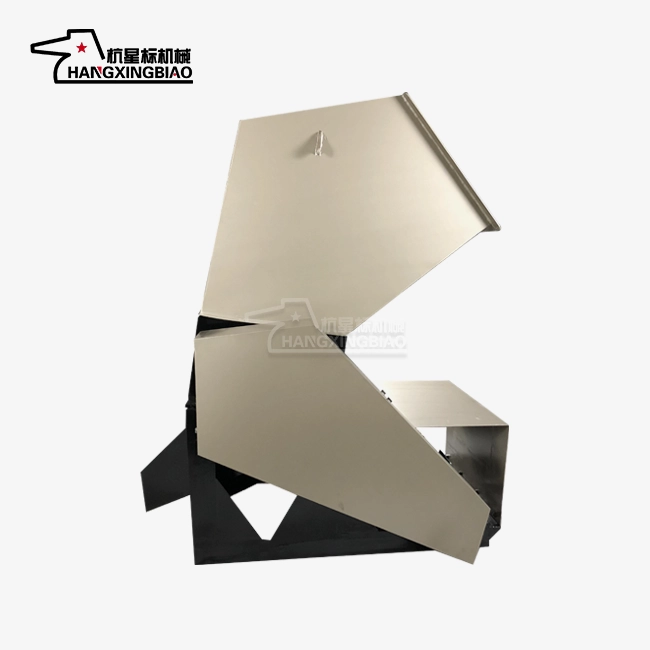
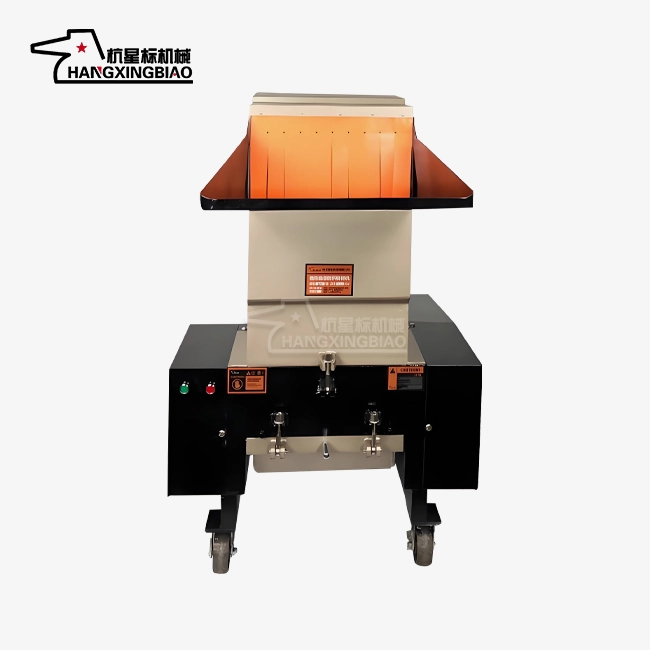
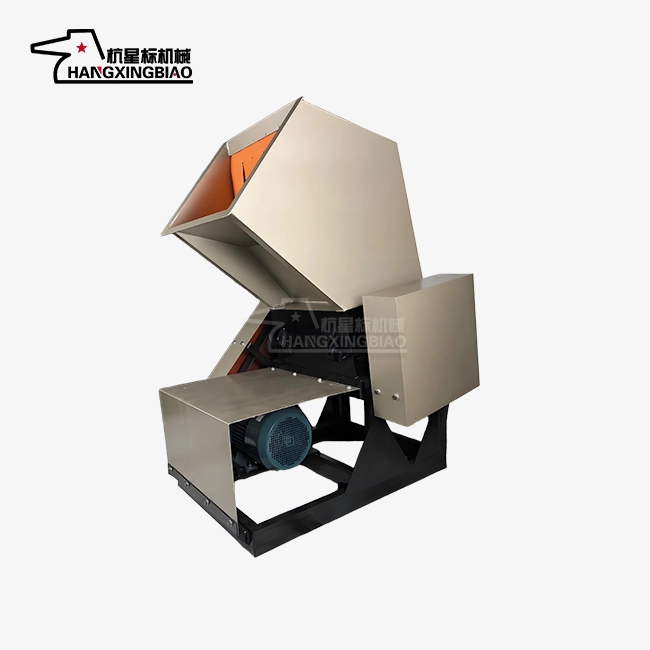
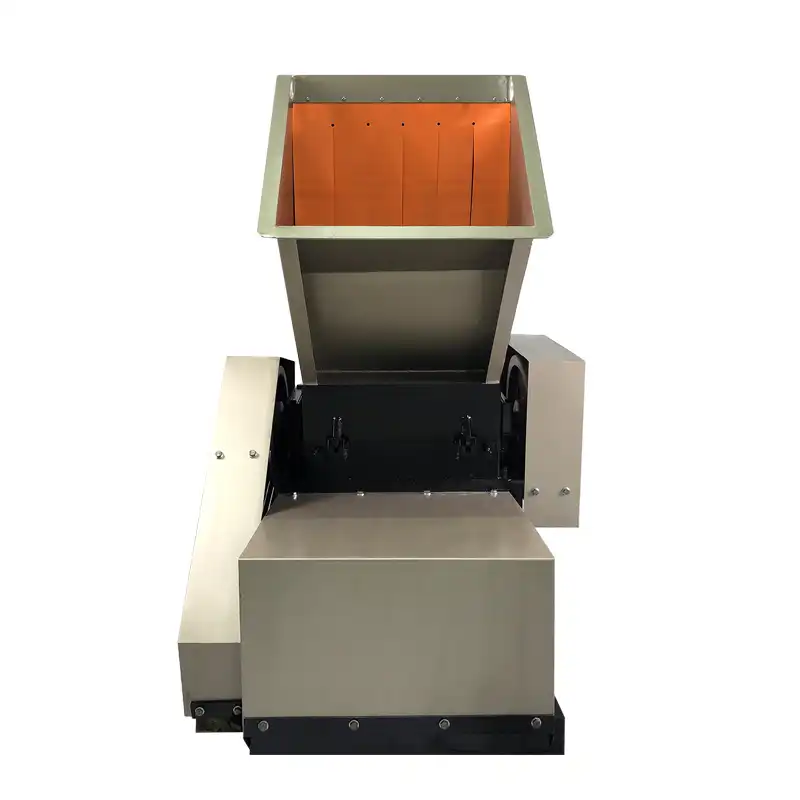
By removing bottlenecks in the flow of material handling, an Industrial crusher changes the efficiency of production. Modern crushing equipment speeds up output, lowers the amount of energy used per tonne of material handled, and keeps costly downtime to a minimum by running reliably. When these machines are used in recycling or production lines, they quickly break down large amounts of waste into uniform-sized particles. This allows a steady flow of materials that keeps the whole facility running at full capacity without any breaks.
Assessing Current Production Performance and Identifying Bottlenecks
Being honest about where your operation loses efficiency is the first step to finding out where it does. Many places have trouble with tech that doesn't work right or breaks down all the time. When your breaking equipment stops working without warning, it stops whole production lines, which causes delays that cost thousands of dollars every hour.
Measuring Throughput Capacity
The throughput capacity of a crusher tells you how much material it can break down in a certain amount of time. By comparing the tonnes processed per hour with your facility's output, you can see if your equipment is up to the task. When crushers can't keep up with the amount of material coming in, they crowd storage places and stop work.
Monitoring Energy Consumption Patterns
The cost of energy is a big part of running a business. By keeping track of the number of kilowatt-hours used per tonne of crushed rock, you can identify wasteful equipment that wastes money. Modern breaking systems use 8 to 12 kWh per tonne to break down materials, while old equipment may use twice as much, which has a direct effect on profits.
Tracking Equipment Availability
Uptime vs. downtime is measured by equipment availability. Facilities that have to deal with a lot of maintenance downtime lose output over time. Figuring out the average amount of time that something fails can help you determine when it's more cost-effective to replace the item than to keep fixing it.
These success measures provide information based on data that helps make strategic choices about equipment. Instead of guessing where to make changes, real metrics show exactly which parts of operations need changing.
How Industrial Crushers Operate and Influence Production Efficiency?
Crushing equipment works in very different ways and can be used for a wide range of applications. Knowing these differences helps match the capabilities of the equipment to the properties of the material and the production goals.
Versatile Material Processing Capabilities
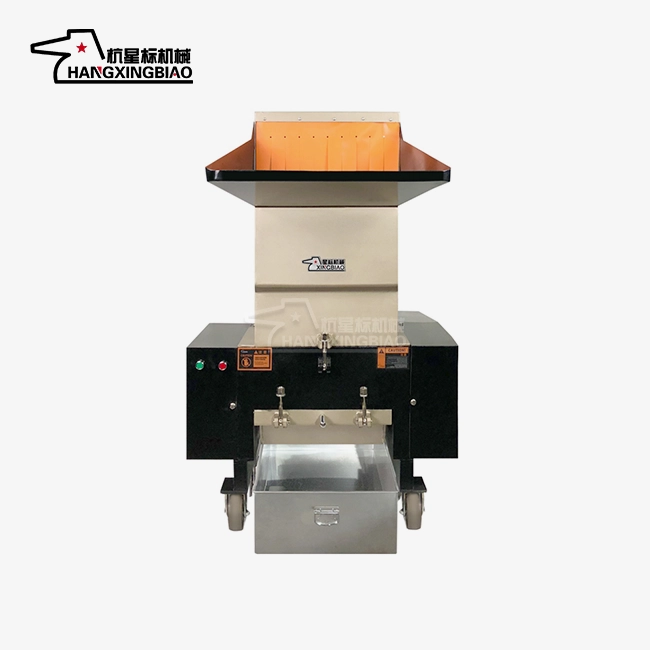
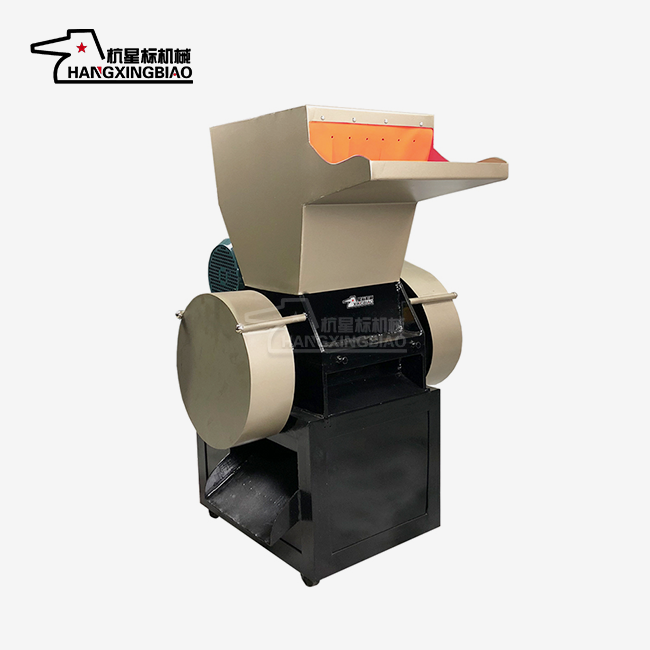
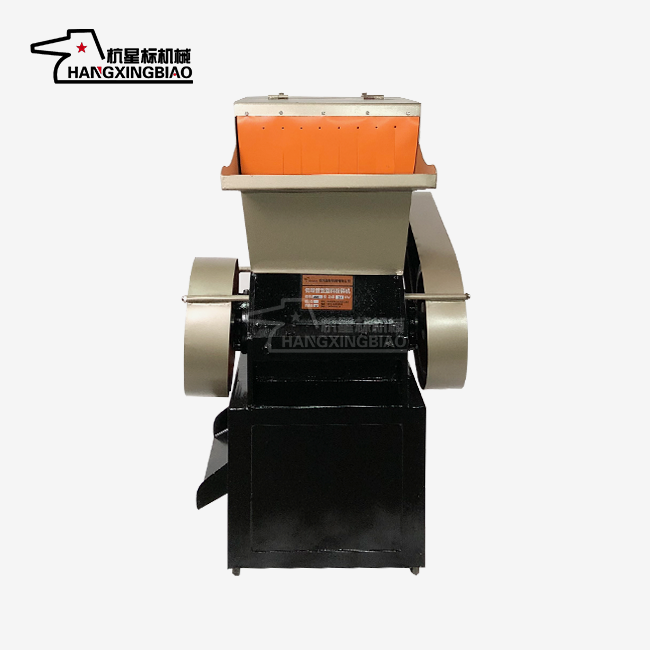
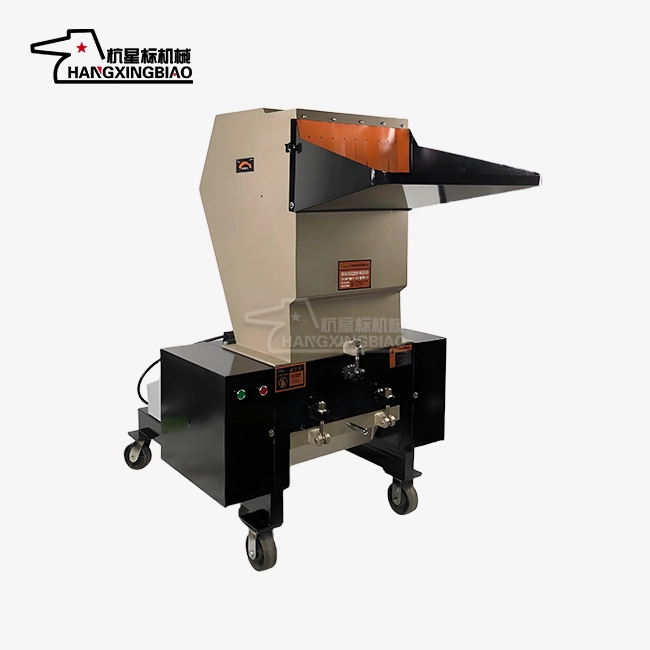
Modern grinding technology addresses the problems that came with using only one material. Modern systems can easily process a range of non-metallic materials, including plastics, rubber, wood, paper, textiles, foam, and vegetable waste. These machines consistently produce small to medium-sized particles ranging from 2 mm to 50 mm, whether they are working with block shapes, sheets, fibres, or uneven shapes. This adaptability makes it useful for a wide range of tasks, from pre-treating trash for recycling to reusing Industrial crusher waste and processing feed.
Energy-Efficient Design Principles
Designing equipment has a direct effect on how much it costs to run. Compared to standard designs, optimised blade layouts and chamber configurations make crushing over 20% more efficient. When you match motor specs, you waste less power and keep working speeds the same. This level of engineering precision saves money on utility bills and helps with efforts to protect the environment.
Output Consistency and Quality
The uniformity of the particle size affects the efficiency of later processes. Adjustable screen systems let you change the sizes of the crushed materials so they can be used with other steps in the manufacturing process, like extrusion or granulation. Sorting delays and wasted materials are eliminated by consistent output, which speeds up the whole production process.
When you choose equipment that was designed to meet the unique needs of your business instead of using generic solutions that don't work as well, you can increase production efficiency.
Strategies to Optimise Industrial Crusher Performance for Enhanced Efficiency
Getting the most out of a crusher involves more than just choosing the right tools. Strategic management practices keep things running efficiently for the whole life of an item.
Implementing Preventive Maintenance Protocols
Planned maintenance avoids unexpected failures that stop production. Regular inspections identify patterns of wear before parts break in a terrible way. Quick-change screen structures and easy-to-access cavity designs cut maintenance times in half. This means that production stops less often. Setting maintenance plans based on processing numbers instead of random times ensures that actions happen when they are actually needed.
Optimising Feed Material Preparation
Preparing the material before crushing has a big effect on how well it works during processing. Pre-sorting to remove contaminants prevents equipment from breaking and keeps processes from taking too long. By matching the feed rate to the crusher's capacity, you can avoid jams and get the most work done. It's important to think about temperature when working with some metals that break or soften when the temperature changes.
Utilising Durable Component Materials
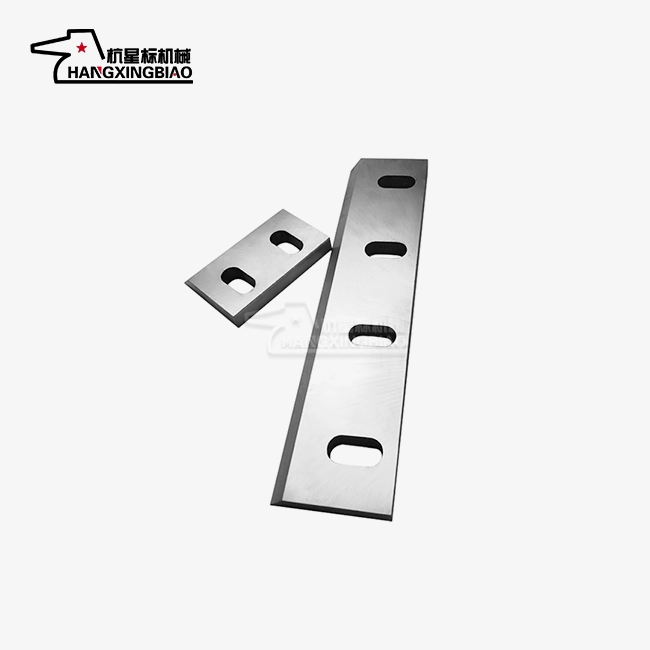
Operational dependability is based on how long a component lasts. Frames made of high-strength steel allow crushers to work continuously with big loads without deforming. HRC55–60 hardness ratings are reached for blades made from SKD-11, D2 mould steel, or Cr12MoV alloys that have been vacuum-heated and processed at very low temperatures. When compared to normal carbon steel blades, these materials can be reground three to five times before they need to be replaced. This means that they are 60% cheaper.
Training Operators Effectively
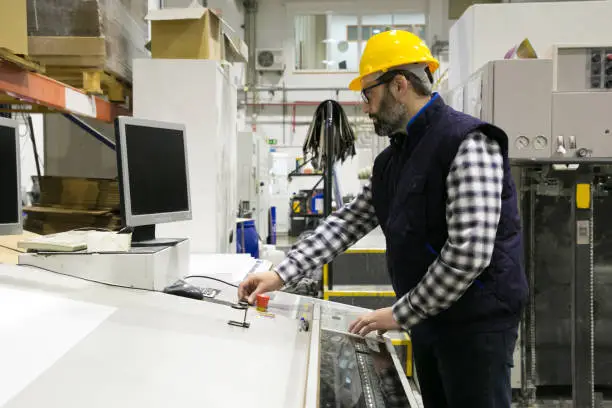
When workers are well-trained, they know how to use tools correctly and can spot problems early on. Thorough training programs that cover proper feed methods, safety rules, and basic fixing can cut down downtime caused by operators. When teams know what their tools can and can't do, they can make better decisions in real time that keep machines safe and keep work going.
Together, these operating strategies make it possible for crushing equipment to work reliably and consistently every day in Industrial crusher settings.
Real-World Applications: Efficiency Gains Across Industries
Real-life examples show how choosing the right equipment leads to measurable improvements. A medium-sized plastic recycling centre that processed post-industrial waste had constant bottlenecks because its old equipment often got stuck on film materials. When the facility got new soft-material crushers that can handle tangled plastics, it was able to increase processing capacity by 35% while cutting down on maintenance by half. Energy use went down from 18 kWh per tonne to 10 kWh per tonne, which saved a lot of money every month.
A big injection moulding operation used to throw away sprue material because it couldn't be crushed. Using centralised feeding systems with a lot of power and low noise made it possible for moulding machines to recover material at the same time. This integration got rid of all material trash and recovered resources worth over $40,000 a year that had been thrown away. The quiet operation kept the noise level in the workplace at a satisfactory level without having to spend extra money on soundproofing.
A company that takes care of different kinds of city waste had trouble with tools that couldn't handle different kinds of materials. When they switched to crushers that could handle different types of materials, like rigid plastics and flexible films, they didn't need any extra processing equipment. This consolidation cut the cost of equipment, made operations easier, and cut the amount of space needed by 40%.
These examples show how different businesses can improve their efficiency in different ways. However, choosing the right tools always gives a big return on investment through higher throughput, lower costs, and better material recovery.
Purchasing and Procurement Considerations for Efficiency-Driven Industrial Crushers
When choosing breaking tools, you need to look at more than just the basic specs. When making strategic purchasing choices, it's important to think about more than just the initial buy price.
Evaluating Manufacturer Expertise and Specialisation
The background of the supplier is very important. Companies that only design and make crushers have more experience than companies that sell a wide range of tools. Hangzhou Xingbiao Machinery Co., Ltd. has been focusing on crusher technology for 30 years, learning a lot about it and becoming an expert in it. This has helped them make better products and give better advice on how to use them.
Assessing Equipment Durability and Construction Quality
The quality of the construction affects how long and how reliably the equipment works. Good crushers have frames made from welded steel plates that have been treated to relieve stress and stop them from deforming over time. Enclosed steel tanks with safety guards and anti-rebound baffles keep workers safe and stop material from ejecting. These design features set professional-grade gear apart from cheaper options that skimp on safety and durability.
Considering Customisation Capabilities
Standard tools might not be able to solve all of an operation's problems. Manufacturers that provide customised solutions create systems that work with the properties of the material, the amount that needs to be processed, and the limitations of the facility. Customised equipment gets rid of the problems that come with using one-size-fits-all methods, whether it's for working with large pipes, waste that is very tangled, or special materials.
Verifying Service and Support Infrastructure
Support after the sale has a direct effect on the continuation of operations. Manufacturers can greatly reduce downtime risks by offering complete service packages that include installation help, operator training, regular follow-ups, and guaranteed parts availability. Response promises are important. Answering questions 24 hours a day and making technical support easy to reach keeps small problems from turning into big problems.
Analysing Total Cost of Ownership
The purchase price is only one part of the cost. True ownership costs can be found by looking at how much energy is used, how often upkeep is needed, how long parts last, and how long the system is expected to work. Equipment that uses less energy, needs less upkeep, and lasts longer is often worth the extra money spent up front because it saves money over time.
When you balance these factors in your purchasing choices, the equipment you choose supports long-term improvements in efficiency rather than causing new operating challenges.
Conclusion
Industrial crushers can increase production efficiency by choosing the right equipment, using it in the best way, and keeping up with regular maintenance. Modern crushing technology has measured benefits, such as higher output, lower energy use, and less downtime, all of which have a direct effect on an operation's ability to make money. When facilities that process plastics, handle different types of trash, or recycle industrial scrap use the right equipment for the job, they can make big improvements. Evaluating performance metrics, knowing what equipment can do, and working with specialised manufacturers are all ways to build long-term competitive advantages in industries that are becoming more difficult to work in.
FAQ
What crusher types work best for high-capacity plastic recycling operations?
High-capacity plastic recycling works best with breakers that can work continuously and handle a wide range of materials. Large-diameter models are particularly effective at handling big things like pipes and profiles, while soft-material systems are designed to handle films and woven materials that get tangled up in regular machines. Matching the design of the crusher to the most common types of material maximises throughput and reduces breaks.
How often should maintenance occur to prevent unexpected breakdowns?
Maintenance isn't done at set times; it depends on how much is being processed and what kind of material it is. When an operation has multiple jobs every day, it needs to be inspected more often than when people only come in occasionally. Setting up maintenance plans based on the number of tonnes handled and conducting regular visual checks for signs of wear prevents failures and avoids unnecessary actions that waste resources.
Do energy-efficient crushers justify higher initial costs?
Usually, the extra money spent on energy-efficient equipment pays for itself in 18 to 24 months through cost savings. Processing plastic trash at 8–12 kWh per tonne instead of 15–20 kWh for older equipment saves a lot of money each month on energy costs. Efficiency-focused investments pay off big time over the lifecycles of tools because they lower the need for upkeep and make parts last longer.
Connect With Industrial Crusher Specialists at Xingbiao
To pick the best crushing option, you need to know about your unique material and practical obstacles. Xingbiao has been a specialist in crusher technology for 30 years and has a 20-engineer research team and relationships with big names in the industry, such as Nongfu Spring and KFC. Our whole line, which includes heavy-duty types with big diameters and specialised soft-material processors, has been tested and shown to work reliably in a wide range of situations. Whether you need a reliable Industrial crusher provider for standard equipment or custom solutions for specific processing problems, our team can help you from the first meeting all the way through installation and ongoing support. Email us at xingbiaocrusher@xingbiaocrusher.com to talk about how our tools can help you make your production more efficient. Visit www.xingbiaocrusher.com to see all of our products and find solutions that are designed to help you succeed.
References
1. Richardson, M., & Thompson, J. (2021). Industrial Material Processing: Equipment Selection and Optimisation Strategies. Manufacturing Engineering Press.
2. Chen, W., & Davis, R. (2020). Energy Efficiency in Crushing Operations: Technologies and Best Practices. Industrial Equipment Journal, 45(3), 112-128.
3. Patterson, L. (2022). Plastic Recycling Equipment: Performance Metrics and ROI Analysis. Waste Management Technology Publications.
4. Martinez, A., & Kim, S. (2021). Maintenance Strategies for Heavy Industrial Equipment: Reducing Downtime and Costs. Operational Excellence Quarterly, 18(2), 67-85.
5. Williams, D. (2023). Material Crushing Technologies: Comparative Analysis of Modern Systems. Processing Equipment Review, 31(1), 44-62.
6. Anderson, K., & Liu, H. (2022). Total Cost of Ownership in Industrial Equipment Procurement: A Strategic Framework. B2B Industrial Buyer's Guide, 29(4), 198-215.
Learn about our latest products and discounts through SMS or email