- English
- French
- German
- Portuguese
- Spanish
- Russian
- Japanese
- Korean
- Arabic
- Greek
- German
- Turkish
- Italian
- Danish
- Romanian
- Indonesian
- Czech
- Afrikaans
- Swedish
- Polish
- Basque
- Catalan
- Esperanto
- Hindi
- Lao
- Albanian
- Amharic
- Armenian
- Azerbaijani
- Belarusian
- Bengali
- Bosnian
- Bulgarian
- Cebuano
- Chichewa
- Corsican
- Croatian
- Dutch
- Estonian
- Filipino
- Finnish
- Frisian
- Galician
- Georgian
- Gujarati
- Haitian
- Hausa
- Hawaiian
- Hebrew
- Hmong
- Hungarian
- Icelandic
- Igbo
- Javanese
- Kannada
- Kazakh
- Khmer
- Kurdish
- Kyrgyz
- Latin
- Latvian
- Lithuanian
- Luxembou..
- Macedonian
- Malagasy
- Malay
- Malayalam
- Maltese
- Maori
- Marathi
- Mongolian
- Burmese
- Nepali
- Norwegian
- Pashto
- Persian
- Punjabi
- Serbian
- Sesotho
- Sinhala
- Slovak
- Slovenian
- Somali
- Samoan
- Scots Gaelic
- Shona
- Sindhi
- Sundanese
- Swahili
- Tajik
- Tamil
- Telugu
- Thai
- Ukrainian
- Urdu
- Uzbek
- Vietnamese
- Welsh
- Xhosa
- Yiddish
- Yoruba
- Zulu
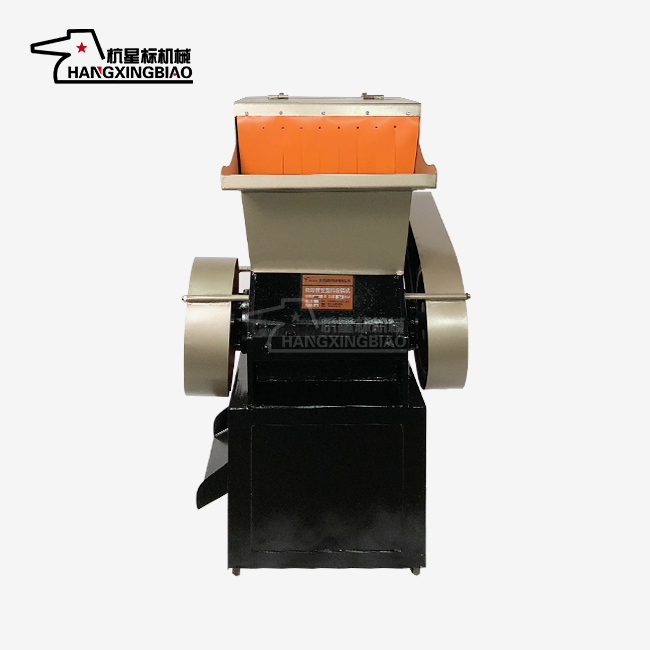
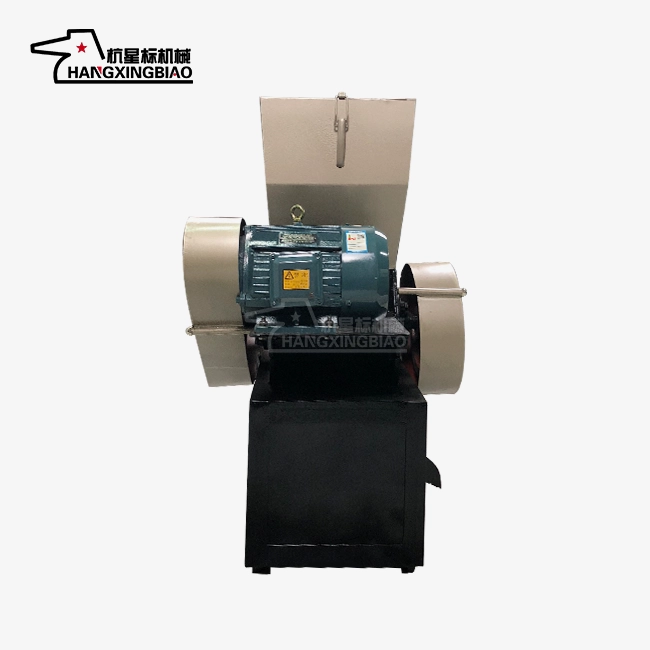
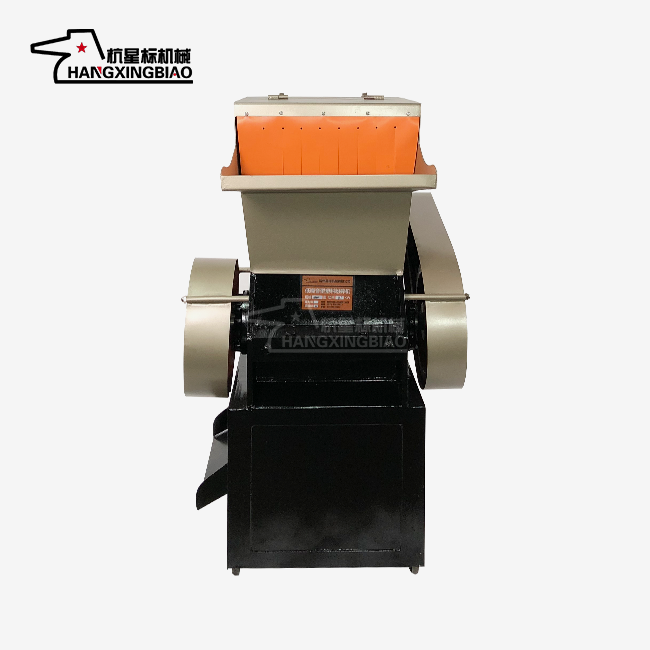
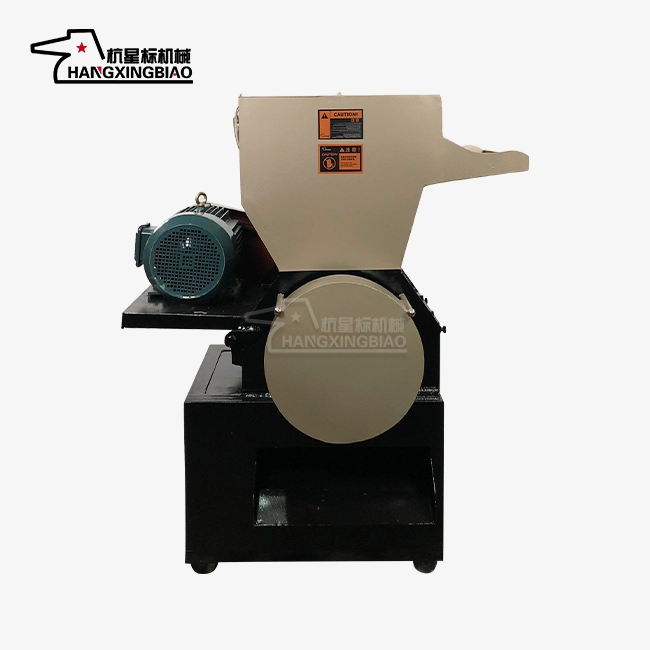
What Features Should a High-Quality, Powerful crusher Have?
Powerful crushers stand out because advanced engineering, long-lasting materials, and smart designs make them tough enough for industrial use. These machines are very good at breaking down different kinds of plastic, from injection-moulded parts to tangled films, into regular bits while still working even when they are fully loaded. Some of the things that make these machines unique are strong steel frames designed to last under stress, precise cutting mechanisms that produce consistent particle sizes, and special features that address common operating problems like material tangling and excessive wear. Modern industrial-grade equipment has motors that use less energy, designs that keep them from jamming, and layouts that are straightforward to maintain. All of these features help makers and recyclers across the United States cut down on downtime and running costs.
Understanding What Makes a Crusher Powerful and High-Quality
Defining Core Performance Characteristics
There are measurable performance signs that tell the difference between normal and really Powerful crushers. Production throughput is directly related to capacity, the amount of material processed in an hour. The ability to crush various materials depends on the crushing ratio, which is the link between the input particle size and the output particle size. Industrial-grade machines are different from light-duty ones because they are more reliable when they are under constant load. This is especially important for plastics factories that work multiple shifts.
Material Processing Versatility
Plastic recycling businesses deal with many different kinds of materials that need special dealing skills. Hard thermoplastics like ABS and polycarbonate need cutting devices that can withstand pressure, while soft materials like LDPE films need features that keep them from getting tangled up. As a result of the mixed waste streams that are common in U.S. recycling facilities, equipment that is designed to be flexible can handle everything from rigid injection-moulded rejects to flexible packaging waste without having to be reconfigured often.
Engineering Standards for Industrial Applications
Quality construction is the key to long-lasting success. When you weld high-strength steel frames together using a stress-relief process, they don't bend or distort over time due to vibrations and mechanical stress. Precision-machined parts maintain the tight tolerances required for consistent particle output. These basic engineering ideas directly lead to less frequent upkeep and longer operating lifespan, both of which are important factors when figuring out the total cost of ownership for big purchases like computers.
Essential Features a High-Quality, Powerful Crusher Must Have
Advanced Cutting Technology and Blade Design
Modern grinding machines use a two-action process called shear-plus-impact, which works much better than single-mode cutting. This method combines the accuracy of cutting like scissors with the effectiveness of impact fragmentation. It improves energy transfer while keeping blade tips from wearing down too quickly. The cavity structure and blade spacing are designed to meet discharge standards greater than 2 mm. This stops over-pulverisation that makes dust and powder impurities that aren't good.
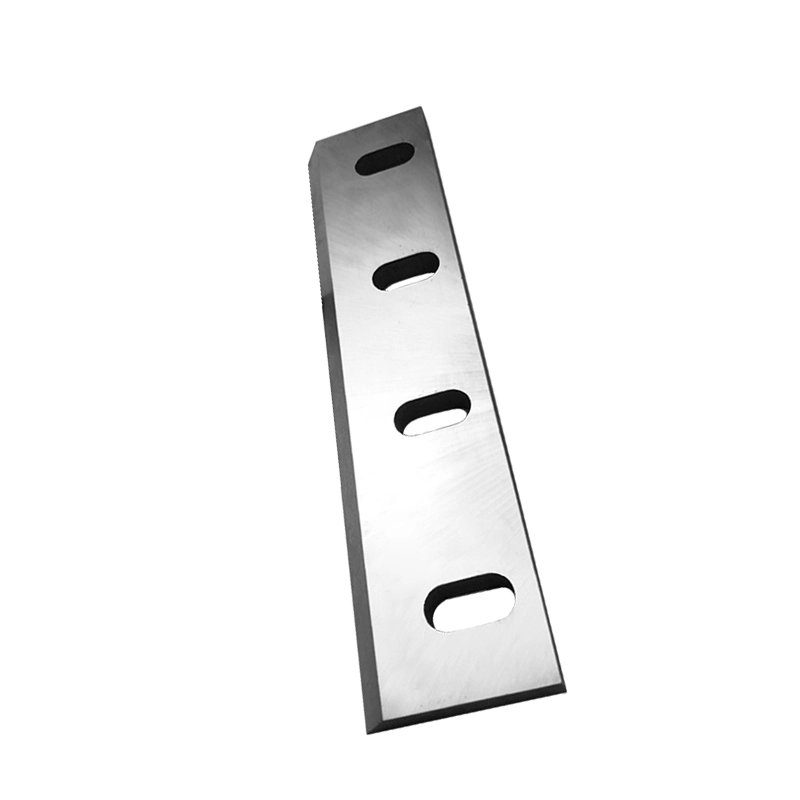
Material purity is still crucial for recyclers who send clean flake to producers further down the line. When equipment achieves 90% discharge uniformity, it gets rid of the need for expensive secondary screening, which directly increases throughput. The shape of the blades and the way the rotor is set up determine whether the crushed material comes out with consistent particle sizes or needs extra sorting steps that take time and energy.
Specialized Anti-Entanglement Systems
Fibrous materials pose unique problems for operators that regular breakers can't handle well. Flexible plastics like films, weaving bags, and similar materials often wrap around moving parts, which stops production. The answer lies in comb-tooth patterns that are built in and placed carefully in the crushing chamber. These mechanical parts move material into cutting zones while keeping it from building up on the shafts and rotors.
This feature is very helpful for processing plants that deal with mixed trash loads. When rigid containers and flexible packaging can be processed by the same machine without any help from an operator, production consistency goes up and labour costs go down. As a beautiful example of mechanical problem-solving, the anti-winding mechanism works passively and doesn't need any electrical controls or maintenance other than regular cleaning.
Wear-Resistant Alloy Construction
The practical costs are directly affected by how long a blade lasts. High-quality machines use SKD-11 or D2 mould steels that they vacuum-heat and then process at very low temperatures. When metals are worked with in this way, they become very hard while still being tough. This lets blades keep their sharp edges for longer periods of time. Service life of more than 3,000 operating hours lowers the number of replacements needed and the downtime that comes with them.
Accessibility for maintenance is just as important as the quality of the parts. Quick-change blade systems let workers switch out cutting tools in minutes instead of hours, which keeps production running as smoothly as possible. When moving from one type of plastic to another, open-design crushing rooms make it easier to clean thoroughly between materials. This is especially important for makers who make products for food- or colour-sensitive uses.
Energy Efficiency and Operational Economics
Operating costs over the life of an item depend on the type of motor used and how well it works. When the rotor shape and bearing systems are optimised, parasitic energy losses are cut down. This means that the input power is directly turned into work for cutting materials. Modern designs make equipment 20% more efficient than older models, which saves measurable amounts of electricity in facilities that process many tonnes of materials every day.
Noise control improves working conditions and meets regulations that are becoming more popular in U.S. industrial zones. Sound-dampening housing designs and vibration-isolation mounting systems keep working noise within acceptable levels without making it harder to get to or making it hotter. Professional industrial equipment is different from basic commodity tools because it takes a more whole-person approach to building.
Comparing Powerful Crushers with Standard and Other Crusher Types
Performance Metrics and ROI Analysis
To make smart investment decisions, you need to have a good grasp of how different capabilities work. Standard crushers usually work with uniform materials that fall within small ranges of specifications. Industrial-grade equipment, on the other hand, can handle a wide range of input streams without any adjustments. Differences in throughput capacity of 30 to 50 per cent have a direct effect on production scheduling and labour allocation, especially when working with injection moulding or extrusion operations that are happening upstream.
Calculations of return on investment for a Powerful crusher must take into account how long the business will last. Beginner: Powerful crusher machines may work for 2,000 to 3,000 hours before important parts need to be replaced. Industrial Powerful crusher machines, on the other hand, can go over 10,000 hours without needing to be overhauled. When spread out over the normal 5–7-year decline periods, the total cost of ownership often favours a bigger initial investment in a long-lasting, powerful crusher, especially for medium and large industrial operations.
Application-Specific Crusher Selection
Different types of breaking devices are used for different reasons. Jaw-style tools are great for working with parts and profiles with thick walls because they can apply a lot of compressive force and break down hard materials. Rotary shears are better at cutting soft plastics and films because their sharp blades cut cleanly instead of breaking. Knowing these mechanical principles helps you choose the right equipment for the job, based on the properties of the material and the output you need.
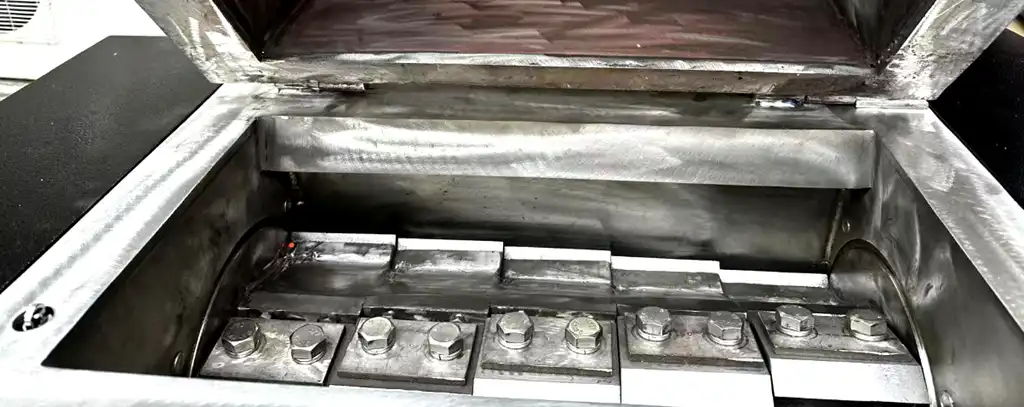
In order to keep scrap from piling up near moulding machines, beside-the-press crushing needs to have small footprints and the ability to process materials right away. To keep up with the production rates of injection moulding, these systems focus on low noise levels and fast cycles. On the other hand, centralised recycling operations that process collected trash put more emphasis on maximum throughput and material flexibility than on space limits, which means that they need different design objectives.
Supplier Evaluation Criteria
Quality of equipment goes beyond mechanical specs and includes the ability of the maker to assist. When suppliers focus on the same types of products for decades, they gain a lot of knowledge that helps customers by giving them better application advice and quick technical help. Partnerships in place with well-known brands in the same field show a history of dependability and a dedication to constant innovation.
Having access to real spare parts keeps downtime to a minimum when worn parts need to be replaced. Suppliers who keep a large stock of extra parts and offer fast shipping give businesses operating security that general equipment sellers can't match. Often, this service infrastructure is just as useful as the equipment itself. This is especially true for places where production stops can cost a lot of money.
How to Choose the Right Powerful Crusher for Your Procurement Needs
Capacity Calculation and Specification Matching
By accurately estimating the working capacity that is needed, both over-specification waste and underperformance bottlenecks can be avoided. Facilities should figure out how much scrap is made every hour across all production lines and add 20 to 30 per cent to their capacity as a buffer to account for changes in production and future growth. When talking to providers, it's important to be clear about both weight-based and volume-based output needs. This is because material bulk density has a big impact on volumetric capacity.
The discharge particle size needs to match the tools used further down the line or the customer's needs. When recycling companies send washed flake to compounders, they need consistent 8–12 mm particles. However, internal regrind operations may be able to handle coarser output. Instead of taking the basic equipment specs, screen mesh options and chamber configurations should be looked at in light of these particular needs.
Evaluating Service and Support Infrastructure
Warranty terms show that the company that made the product is confident in its durability. Comprehensive coverage that lasts 12 to 24 months and includes clear lists of what is covered gives buying security. Response times for technical support questions and parts orders are just as important. When suppliers promise 24-hour reaction times and keep goods in the U.S., they show that they put customer service first, which is very helpful when operations are having problems.
Installation help and training for operators make sure that commissioning goes smoothly and that the system continues to work at its best. Manufacturers who offer on-site technical support during initial setup and full operational training keep users from misusing their products in a way that voids warranties or damages them. These services are very useful, especially for businesses that are buying their first piece of crushing equipment or moving on to bigger projects with different types of materials.
Industry-Specific Configuration Requirements
Companies that make plastic products and process production scrap benefit from having equipment that works well with the plans of moulding machines and systems for moving materials. Small areas, low-profile hoppers, and optional conveyor connections make it easier to use the plant floor effectively. In busy industrial spaces where noise rules apply, sound attenuation is very important.
Recycling centres that deal with used goods need strong buildings that can handle pollution and differences in materials. Heavy-duty frames, hoppers that are too big, and better safety interlocks are all designed to deal with the practicalities of sorting and handling mixed plastic garbage streams. When it comes to clean industrial scrap processing, these facilities care more about getting the job done quickly and with little control than about being precise.
Maintenance Tips and Best Practices to Maximise Crusher Longevity
Routine Inspection Protocols
Setting up regular review times keeps small problems from getting worse and leading to major fails. Visual checks should be done every day to see how the blades are doing, listen for any strange noises or vibrations, and make sure that material is moving properly through the discharge system. Weekly thorough checks check the temperature of the bearings, the tension of the belts and the condition of the screens. As part of the monthly maintenance, the lubrication system is checked, fastener torque is checked, and the machine is cleaned thoroughly.
Patterns of blade wear can help you figure out what's wrong with an operation. Uneven wear is a sign of problems with how the material is distributed or with how it is aligned that need to be fixed. Using photos to record the state of blades makes historical records that can be used to plan replacements ahead of time instead of fixing problems as they happen. This proactive method cuts down on unexpected downtime and makes the best use of blades.
Strategic Parts Replacement Planning
Wear parts like blades, screens, and bearings are consumables that need to be replaced from time to time. Unexpected failures can be avoided by keeping track of operational hours and setting replacement intervals based on what the manufacturer recommends and how fast things wear out. Keeping an inventory of critical spare parts, like blades and screens, lets you replace them right away during scheduled maintenance windows instead of having to wait for fast shipments.
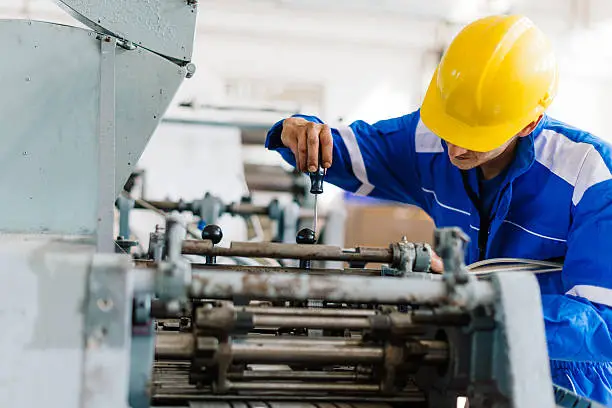
To find the right balance between preventative replacement and full component utilisation, you need to use your operating criticality to guide your decision. For facilities with backup crushing capacity, blade service could be extended until performance loss is measured. On the other hand, single-line operations benefit from conservative replacement plans that ensure constant availability. Figuring out how much operating risk you are willing to take will help you choose the right repair strategies.
Leveraging Manufacturer Support Resources
Warranty coverage protects your money, but only if you use it the right way. The guarantee is good as long as working conditions are recorded, suggested repair intervals are kept, and stated replacement parts are used. When problems happen, quickly calling manufacturer support with full problem descriptions and operational context allows for effective remote troubleshooting and, if needed, quick on-site service.
Original equipment maker (OEM) parts keep up with performance standards and insurance requirements. While aftermarket alternatives might be cheaper, compatibility issues and possible performance drops often cancel out the initial price savings. Manufacturers who have been around for a while design new parts that are especially made to fit their equipment. This makes sure that the parts fit correctly and work properly, which is something that generic alternatives can't promise.
Conclusion
When choosing a Powerful crusher, it's important to strike a balance between the crusher's technical features and the business's long-term needs. Industrial-grade equipment has strong construction, advanced cutting technology, materials that don't wear down easily, and a full support network. These features have a direct effect on output, dependability, and total ownership costs. Manufacturers and recyclers of plastic all over the United States can better choose tools if they know these important details. Proper selection based on the properties of the material and the amount of work that needs to be done, along with regular repair, guarantees that the equipment will keep working well for a long time. When you buy good machinery and get prompt help from the maker, it gives you operating security and economic returns that cheap equipment can't match.
FAQ
What distinguishes a powerful crusher from standard models?
Industrial-grade machines are built to last longer, have more working power, and have special features that make them better at handling difficult materials like entangling films. What sets a Powerful crusher apart from other types is that standard types are usually used for lighter-duty tasks that need to be maintained more often and work with a smaller range of materials.
How do I determine the crushing capacity my operation requires?
Find out how much scrap is made every hour from all production sources, then add 25 to 30 per cent extra capacity. When describing needs, think about the material's bulk density and how much production will grow in the future. Talking to equipment experts who know your unique materials and how they are used can help you with your specifications.
What maintenance practices most effectively extend equipment lifespan?
Consistent check plans, replacing blades before they wear out too much, using the right lubricants, and cleaning well between types of material stop wear and tear from happening too quickly. Using OEM replacement parts and doing service as suggested by the maker will protect your guarantee and keep your equipment running at its best for as long as it lasts.
Partner with Xingbiao for Your Plastic Crushing Needs
Hangzhou Xingbiao Machinery Co., Ltd. has been a specialist in plastic crushing technology for 30 years and sells it to manufacturers and recyclers in the United States. Our engineering team has come up with high-tech solutions that deal with the unique problems that plastic processing businesses face. These include shear-plus-impact crushing mechanisms, anti-winding comb designs, and high-wear alloy blade systems. Our wide range of products includes setups that are tailored to your specific needs, whether you need a Powerful crusher for handling scrap next to the press or centralised recycling of mixed plastic trash. We have a responsive support system that promises to answer questions 24 hours a day, seven days a week, and offers full technical help from the selection process through ongoing operations. Get in touch with our team at xingbiaocrusher@xingbiaocrusher.com to talk about your application needs with experts who can help you find the best configuration and put you in touch with reliable providers who can offer reasonable prices and prompt delivery.
References
1. Anderson, M.J. (2021). Industrial Plastic Recycling Equipment: Selection and Optimisation Strategies. Manufacturing Technology Press.
2. Chen, L., & Roberts, K.P. (2022). "Comparative Analysis of Crushing Technologies for Post-Industrial Plastic Waste." Journal of Polymer Processing and Recycling, 18(3), 245-263.
3. Martinez, R.D. (2020). Maintenance Best Practices for Material Size Reduction Equipment. Industrial Engineering Publications.
4. Thompson, S.A., Wagner, H.L., & Kumar, P. (2023). "Energy Efficiency Improvements in Modern Plastic Crushing Systems." Sustainable Manufacturing Review, 12(1), 78-95.
5. United States Environmental Protection Agency. (2022). Plastic Recycling Infrastructure and Equipment Standards. Washington, DC: EPA Office of Resource Conservation.
6. Williams, T.F. (2021). "Total Cost of Ownership Analysis for Industrial Crushing Equipment." Procurement and Operations Management Quarterly, 29(4), 412-428.
Learn about our latest products and discounts through SMS or email