- English
- French
- German
- Portuguese
- Spanish
- Russian
- Japanese
- Korean
- Arabic
- Greek
- German
- Turkish
- Italian
- Danish
- Romanian
- Indonesian
- Czech
- Afrikaans
- Swedish
- Polish
- Basque
- Catalan
- Esperanto
- Hindi
- Lao
- Albanian
- Amharic
- Armenian
- Azerbaijani
- Belarusian
- Bengali
- Bosnian
- Bulgarian
- Cebuano
- Chichewa
- Corsican
- Croatian
- Dutch
- Estonian
- Filipino
- Finnish
- Frisian
- Galician
- Georgian
- Gujarati
- Haitian
- Hausa
- Hawaiian
- Hebrew
- Hmong
- Hungarian
- Icelandic
- Igbo
- Javanese
- Kannada
- Kazakh
- Khmer
- Kurdish
- Kyrgyz
- Latin
- Latvian
- Lithuanian
- Luxembou..
- Macedonian
- Malagasy
- Malay
- Malayalam
- Maltese
- Maori
- Marathi
- Mongolian
- Burmese
- Nepali
- Norwegian
- Pashto
- Persian
- Punjabi
- Serbian
- Sesotho
- Sinhala
- Slovak
- Slovenian
- Somali
- Samoan
- Scots Gaelic
- Shona
- Sindhi
- Sundanese
- Swahili
- Tajik
- Tamil
- Telugu
- Thai
- Ukrainian
- Urdu
- Uzbek
- Vietnamese
- Welsh
- Xhosa
- Yiddish
- Yoruba
- Zulu
Plastic Bottle Crusher: Solutions for Efficient Waste Processing
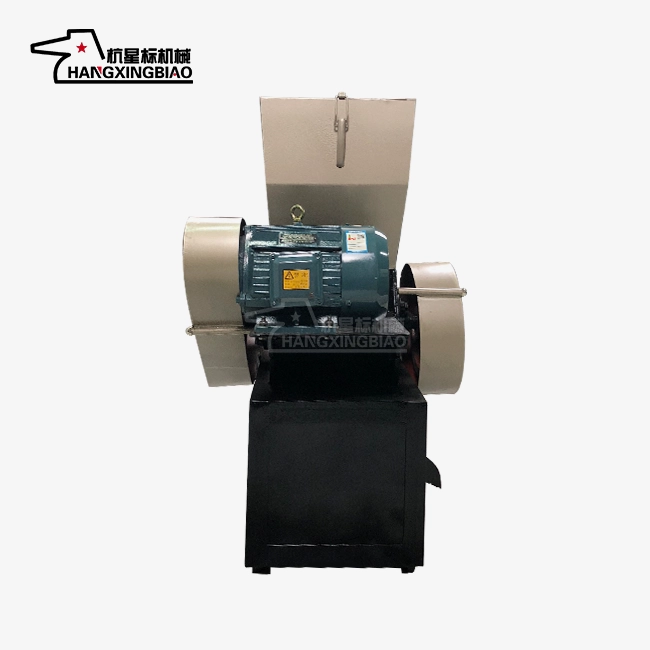
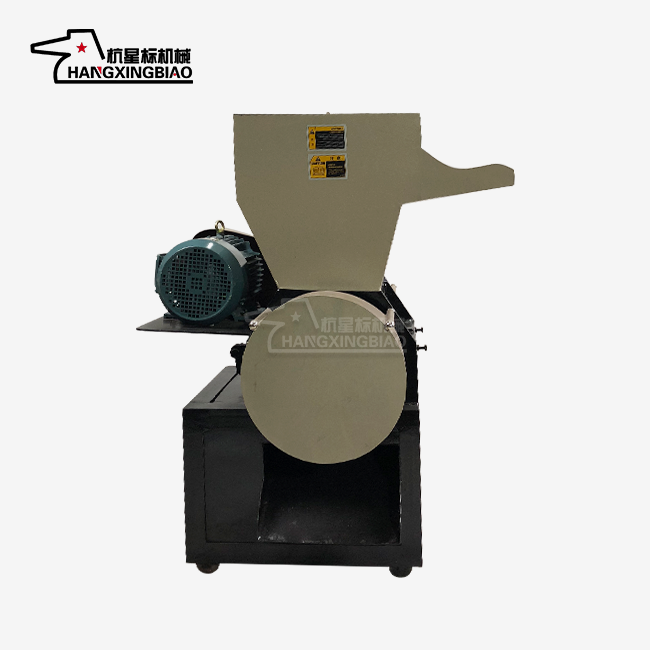
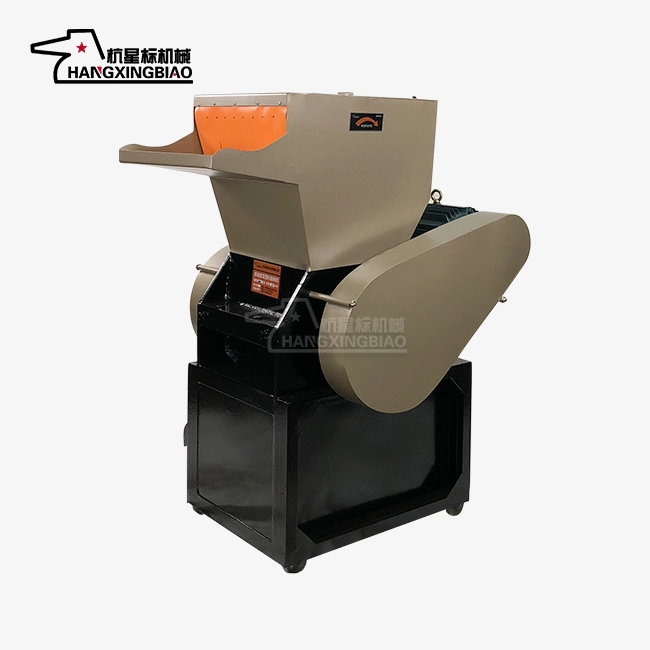
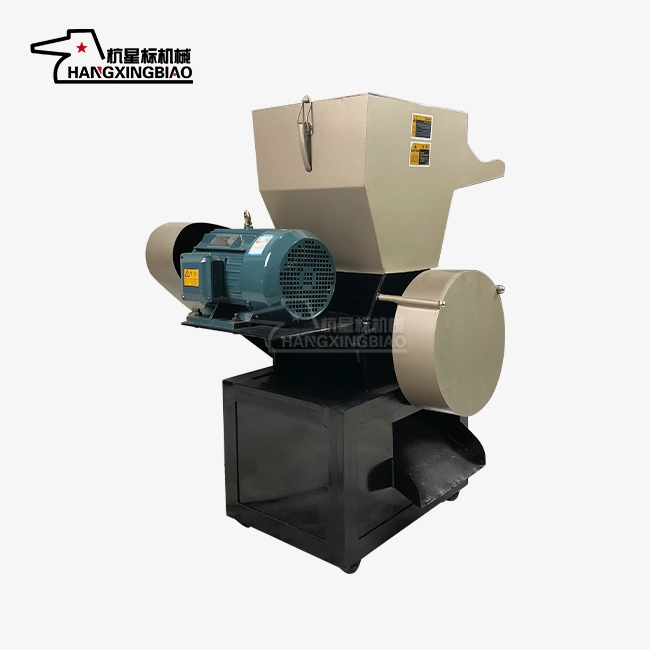
Getting manufacturing and recycling operations to handle plastic waste more efficiently is still a big problem. Plastic bottle crushers turn big trash into small, reusable stuff, cutting the volume by up to 90% and making sure the particles are all the same size so they can be recycled. At Hangzhou Xingbiao Machinery Co., Ltd., we've spent over 30 years perfecting crushing technology. This has helped us become a trusted supplier of specialised equipment for companies like Nongfu Spring and KFC. Our wide range of crushers can handle outputs from 50 kg/h to 2000 kg/h, allowing them to operate continuously in various situations.
Understanding Plastic Bottle Crushers: Types and Functions
Modern crushing equipment comes in a number of different shapes and sizes, each one designed to meet specific operational needs and material properties.
Electric Versus Manual Crushing Systems
In business and industrial settings where number needs are higher than what a person can handle, electric crushers are the norm. These machines have motorised blade assemblies that provide a steady crushing force, allowing them to handle hundreds of kilos per hour without tiring the operators. Manual crushers work well for small businesses or labs where crushing isn't needed all the time and the cost of electric tools isn't worth it. Electric types have improved safety features, such as overload protection systems that turn the machine off automatically when they identify metal contaminants. This keeps the blades safe from damage, which could be very expensive.
Commercial and Industrial Capacity Differences
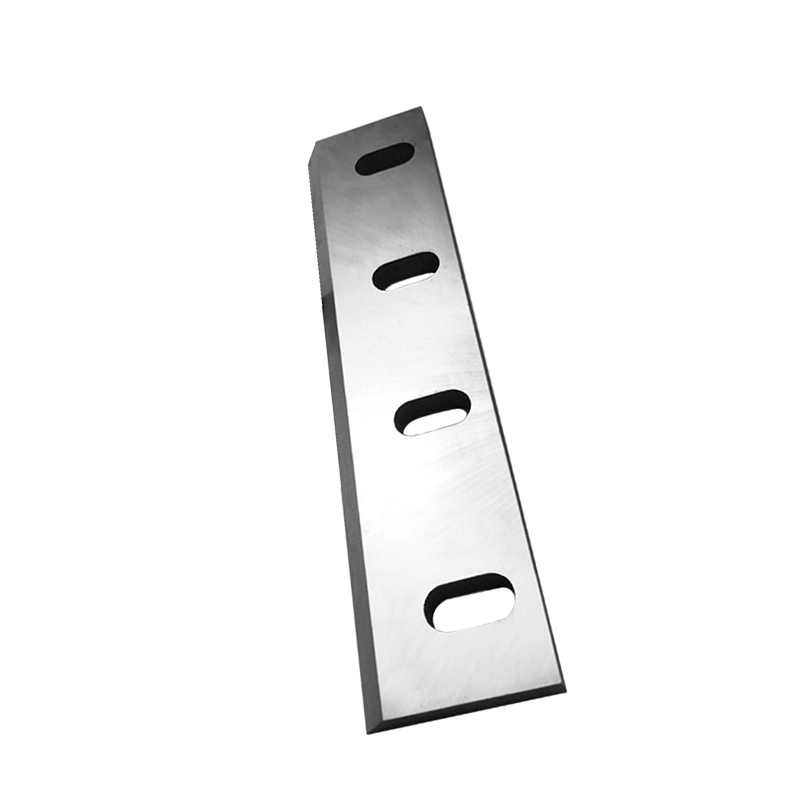
Commercial crushers can usually handle 50–500 kg/h, which is enough for places like retail collection centers or small factories that don't make a lot of scrap. Large recycling companies and makers that make a lot of products use industrial units that can handle 500 to 2000 kg/h. The difference goes beyond output; industrial tools are made of reinforced steel and stress-relieved welding so they can work nonstop for 24 hours a day. Our large models use SKD-11 and Cr12MoV blade materials that have been vacuum hardened and processed at freezing temperatures. This gives them better wear resistance, which is important for long-lasting heavy-duty performance.
Crushing Mechanisms and Safety Integration
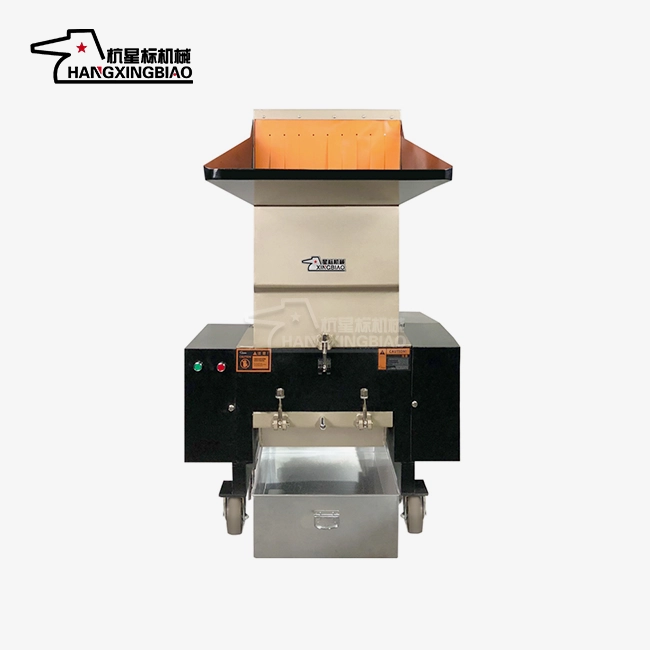
Knives that stay still are pushed against rotating blade assemblies, which cut plastic into pieces that can pass through replaceable screening meshes. The end particle size is controlled by screen openings ranging from 2 mm to 15 mm. This makes it possible to use both fine regrind and coarse pre-treatment material. Built-in overload sensors constantly check the power levels; too much resistance causes the motor to reverse direction or shut down, saving the mechanical parts. Fully enclosed crushing chambers and low-noise motors running at ≤75dB keep dust and noise from spreading and meet standards for workshops, homes, and places that are sensitive to the environment.
Benefits of Using Plastic Bottle Crushers in Business Operations
When you use professional crushing equipment, you can see changes in how you care for the environment, how you handle costs, and how your operations run.
Volume Reduction and Transportation Savings
When you crush plastic bottles, they break up into pieces that are only about 10% of their original size. This huge drop cuts down on the amount of room needed for storage and the number of times things need to be moved. A recycling center that processes five tonnes of trash every day can cut the number of trips made by a garbage truck from ten loads to one. This will save a lot of money on fuel, wear and tear on the trucks, and carbon emissions. When manufacturers put crushers next to injection moulding machines, they can quickly reuse running waste, which means they don't have to store it anywhere else.
Enhanced Material Recovery Economics
In secondary markets, materials with uniform particle sizes are worth the most. Plastic pellets that are consistently sized between 2 and 10 mm are more expensive because they don't need to be screened again by downstream manufacturers. When manufacturers mix broken trash with new resin at 30–50% rates, they say their production costs drop by more than 20% while part quality stays the same. When you consider how volatile the price of virgin plastic is, the economics become even more compelling. Reusing plastic in-house provides cost stability and supply chain resilience.
Energy Efficiency and Equipment Longevity
Better cavity design and optimised blade shape make the crushing process more than 20% more efficient than with regular equipment, meaning fewer kilowatt-hours are used per tonne handled. Usually, 8 to 12 kWh of energy are used per tonne, which is a very low amount for mechanical processing. Accessible quick-change screens and tool-free panel removal make maintenance a breeze, which greatly cuts down on downtime. High-quality construction with high-grade parts extends operational life spans, often exceeding 15 years with proper maintenance, and gives investors a strong return on their investment.
These operational benefits help businesses follow the stricter rules about the environment and improve their promises about being environmentally friendly. Businesses show real ESG progress by using less waste space and getting involved in the circular economy.
Choosing the Right Plastic Bottle Crusher for Your Business
To choose the right tools, you need to carefully look at the operational factors, material properties, and supplier skills.
Capacity Assessment and Power Requirements
By accurately predicting traffic needs, you can avoid under-sizing, which can lead to jams, or over-investing in too much capacity. Find out how much trash is made on average every day, then add 20 to 30 per cent to account for changes in output. Operations that produce 200 kg per day benefit from 300–500 kg/h crushers that give them processing options. Power needs go up with capacity; smaller units can work with standard single-phase sources, but larger industrial types require three-phase power. Before choosing tools, procurement teams should make sure that the building has enough electricity.
Noise Level Considerations for Different Settings
Places that make things can handle louder decibel levels than mixed-use buildings or places that are near neighbourhoods. The noise level of a standard Plastic bottle crusher is between 75 and 85 dB. However, companies that need to control noise should use Plastic bottle crusher models that are acoustically dampened and make less than 75 dB of noise. These Plastic bottle crusher machines are quieter because their covers and motor mounts are designed to keep out noise and vibration. Low noise levels that don't bother other people are especially important for Plastic bottle crusher applications in labs and shared workspaces.
Crusher Versus Shredder Functionality
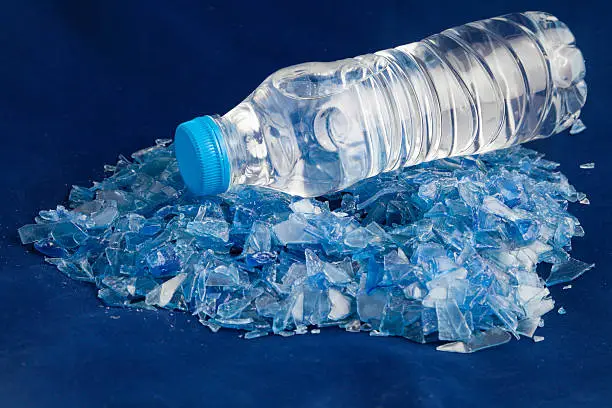
Understanding the differences between functions helps you avoid mismatching tools. Crushers are great at breaking down hard plastics like PET bottles into uniform particles by cutting them with very sharp blades. Shredders can handle a lot of different types of materials, like bendable films, woven bags, and fibre-filled trash that could get stuck in the crushers. For some tasks, both types of equipment are needed to properly handle different types of waste. Our custom crusher models are designed to handle tough materials like big crates and tyres, and they solve problems with entanglement by using unique blade designs.
Evaluating Supplier Reliability and Support Services
The expertise and dedication of the supplier have a big impact on how well the equipment works. When choosing a manufacturer, you should consider how specialised they are. Companies that only work with crushing technology usually have better engineering than companies that sell many different kinds of machinery. Check service response guarantees; promises to answer questions within 24 hours show a serious customer service system. Equipment uptime is affected by things like installation instructions, operator training programmes, and the availability of spare parts. Established relationships with leaders in the industry provide reliable examples that confirm the supplier's skills.
Best Practices for Plastic Bottle Crusher Operation and Maintenance
Disciplined operational protocols and preventive maintenance are needed to maximise the equipment's performance and lifespan.
Daily Operation and Safety Protocols
Before each shift, operators should visually inspect the machine for damaged blades, strange vibrations, or strange sounds that could mean there are technical problems. Feeding material at steady rates keeps the flow at its best and stops overloading. Do not add metal particles, glass, or things with walls that are too thick and go beyond what the equipment can handle. The emergency stop buttons must always be easy to reach and be tested once a month. When workers are properly trained, they know how to spot danger signs like unusual motor strain or a rise in temperature that means the machine needs to be shut down right away.
Material-Specific Performance Optimisation
The best way to crush PET bottles with a Plastic bottle crusher is to take off the caps and metal rings first, but high-end Plastic bottle crusher models can handle mixed materials just fine. Thin-walled bottles process faster than thick containers; uniform output is maintained by changing Plastic bottle crusher feed rates based on material density. Specialised blade shapes are needed for flexible films so that the material doesn't get wrapped around the moving parts of the Plastic bottle crusher. Although not required, washing bottles before crushing them with a Plastic bottle crusher lowers the risk of infection and raises the value of the material that is retrieved.
Scheduled Maintenance and Component Replacement
Blade sharpness, bearing state, belt tension, and screen stability should all be checked once a month. Depending on the amount of work they do, blades need to be sharpened or replaced. High-capacity operations may need such maintenance done every three months, while moderate-use tools can go 12 to 18 months without service. Maintenance can be done in 30 to 60 minutes with quick-access panel designs, which means that production is interrupted less often. Keeping spares of important parts like new screens, blade sets, and drive belts cuts down on the time spent waiting for parts to arrive.
Leveraging Supplier Technical Support
Comprehensive relationships with suppliers go beyond just delivering tools. When you hire professional installation services, you can be sure that they will correctly mount the equipment, make the electrical connections, and perform the initial calibration to meet performance standards. Teams can handle routine problems on their own with the help of operator training that covers standard operation, troubleshooting, and basic maintenance. Ongoing expert advice helps find the best processing settings for different types of materials. Follow-up calls on a regular basis find possible problems before they happen, which keeps things running smoothly and extends the life of equipment.
Environmental Impact and Future Trends in Plastic Bottle Crushing
Developing a circular economy and managing waste in a way that is sustainable depends on using cutting-edge crushing technology.
Measurable Environmental Benefits
Higher recycling rates are possible because effective breaking makes it affordable to collect and move recyclables. When compared to hand processing, facilities that use professional crushing tools report 40–60% more material return. Less trash going into landfills directly lowers methane emissions from plastics breaking down, while also keeping landfill space. When factories reuse broken scrap, they reduce the need for new plastic, which lowers the amount of energy used for oil extraction and polymerisation. A medium-sized beverage bottler that recycles 10 tonnes of bottles every month by crushing them saves about 30 tonnes of CO2 equivalent each year compared to putting them in a landfill.
Circular Economy Integration
In closed-loop material systems, crushing is an important part of the infrastructure. For bottle-to-bottle recycling programs to work, they need consistent, clean feedstock, which is what professional crushers provide. Standardised particle sizes enable trash sources and material processors to collaborate in industrial symbiosis networks. When a certain area builds recycling infrastructure, it can create economic opportunities and reduce wasted traffic.
Emerging Technology Developments
Through sensor-equipped feeders that automatically keep the best material flow rates, automation integration changes the way crushing activities are done. IoT-enabled tracking systems keep real-time records of throughput, energy use, and repair needs. This lets maintenance be planned ahead of time and performance be improved. Machine learning algorithms look at the properties of the material and change the screen configurations and blade speeds automatically for each type of plastic. Energy recovery systems use the heat from motors to control the temperature inside a building, which makes operations even more efficient. With these new features, crushing technology is now at the forefront of smart manufacturing and Industry 4.0 efforts.
Conclusion
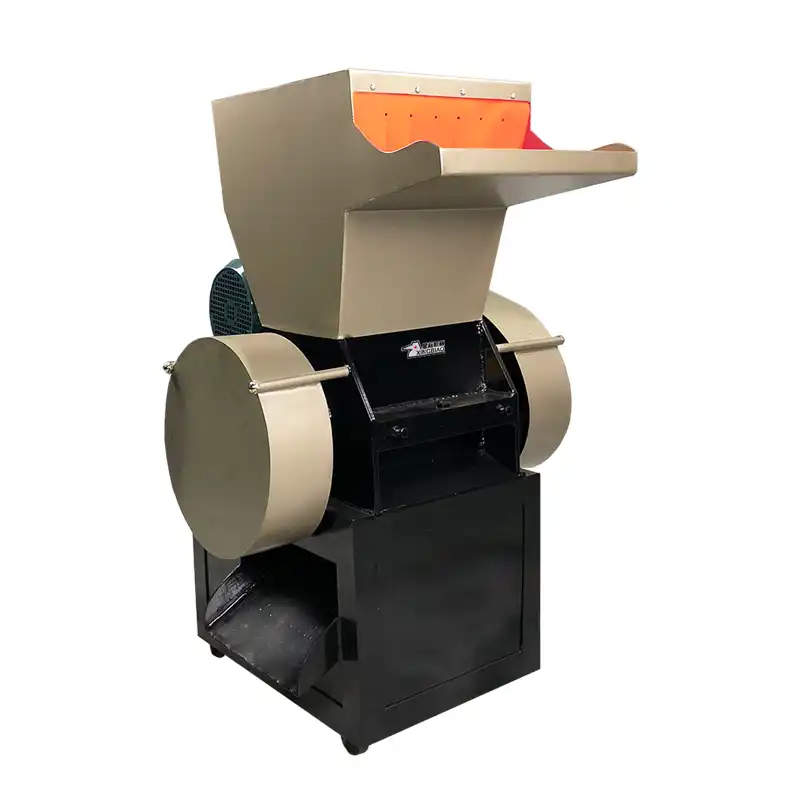
Professional tools for Plastic bottle crushers turn trash management from a fee into a chance to make money. Modern crushers are necessary for many manufacturing, recycling, and distribution operations because they reduce the amount of material that needs to be moved, save money by recovering materials, and protect the environment. To choose the right tools, you have to find a balance between your capacity needs, the properties of the materials you're using, and your operational limitations. You also need to work with specialist suppliers who can provide full expert support. As automation and smart tracking make crushing technology better, early users gain a competitive edge by improving their efficiency and environmental performance. Companies that want to get the most out of their plastic trash handling find that buying good crushing equipment pays off in ways that go far beyond the instant operational gains they bring.
FAQ
What crusher capacity suits different facility sizes?
100–300 kg/h breakers are useful for small shops or workshops that make 50–200 kg of trash every day. Medium-sized factories that produce 500 to 1000 kg per day need units with a capacity of 500 to 800 kg/h. Industrial crushers with a 1000–2000 kg/h capacity are needed in large recycling centres or beverage plants that handle many tonnes of materials every day. Adding 20 to 30 per cent of extra capacity helps handle changes in production and future growth. When choosing capacity, consider peak generation times instead of average volumes to avoid bottlenecks during shifts with a lot of output.
Can crushers handle various plastic types beyond PET bottles?
Good crushers can break down a wide range of hard plastics, such as HDPE, PP, PS, and PVC. It's straightforward to crush PET bottles, cosmetic cases, home goods packaging, and injection moulding scrap. Specialised models with changed blade configurations can handle tough materials like films, woven bags, and flexible packing that regular equipment would catch. The speed of processing is affected by the density and thickness of the material. For example, you need motors and blade assemblies that are stronger for thicker containers. Checking the specs of your tools makes sure that it can work with the types of materials you use in your business.
What safety protocols prevent operational accidents?
Important safety measures include training for operators that covers how to properly feed animals, what to do in an emergency, and how to spot hazards. Machines must have enclosed crushing chambers that keep metal contaminants from coming into contact with rotating parts, as well as automatic overload protection that turns the equipment off when it detects metal contaminants. You can avoid mechanical breakdowns by regularly checking the blade protection and guard integrity. Complete safety programs that meet OSHA standards for the workplace include clear operational signs, easy-to-reach emergency stops, and the right personal protective equipment, such as safety glasses and hearing protection.
Partner with Xingbiao for Superior Crushing Solutions
As a devoted Plastic bottle crusher manufacturer serving North American operations, Hangzhou Xingbiao Machinery Co., Ltd. brings unmatched expertise. Because we've only been working on crushing technology for 30 years and have a 20-engineer research team working with industry leaders, you can be sure that the equipment you buy has been developed, tried, and proven to work in tough production environments. We offer full support, from the initial consultation to helping you choose the right equipment, installing it, teaching operators, and providing ongoing maintenance support, all backed by our 24-hour response promise.
Our expert team creates unique solutions that meet your exact needs, whether you're starting a new recycling programme, replacing old equipment, or adding automated waste processing to production lines. Our Plastic bottle crusher for sale comes in a range of sizes and styles, from small 50 kg/h lab models to large 2000 kg/h industrial systems. All of them have improved overload safety, quiet operation, and high-quality construction that will last for decades.
Email us at xingbiaocrusher@xingbiaocrusher.com right now to discuss your waste management problems and find out how our specialised knowledge can turn your plastic waste into operational benefits. You can find full specifications and case studies of previous applications and ask for a personalised quote that fits the specific needs of your building at www.xingbiaocrusher.com.
References
1. Chen, Y., & Martinez, R. (2023). Industrial Plastic Recycling Technologies: Equipment Selection and Performance Optimisation. Journal of Sustainable Manufacturing, 18(4), 312-329.
2. Global Recycling Equipment Association. (2024). Plastic Crushing Equipment Standards and Best Practices Guide. International Waste Management Publications.
3. Harrison, P., Thompson, L., & Singh, A. (2023). Economic Analysis of In-Plant Plastic Waste Recovery Systems. Environmental Technology & Economics Quarterly, 29(2), 145-162.
4. Johnson, M. (2024). Advances in Plastic Processing Machinery: Energy Efficiency and Automation Trends. Polymer Engineering Review, 41(1), 78-95.
5. United States Environmental Protection Agency. (2023). Plastic Waste Management: Technologies and Environmental Impacts Assessment Report. EPA Office of Resource Conservation and Recovery.
6. Williams, K., & Anderson, J. (2024). Circular Economy Implementation in Plastic Manufacturing: Equipment, Infrastructure and Material Flow Optimisation. Industrial Ecology Journal, 36(3), 201-218.
Learn about our latest products and discounts through SMS or email