- English
- French
- German
- Portuguese
- Spanish
- Russian
- Japanese
- Korean
- Arabic
- Greek
- German
- Turkish
- Italian
- Danish
- Romanian
- Indonesian
- Czech
- Afrikaans
- Swedish
- Polish
- Basque
- Catalan
- Esperanto
- Hindi
- Lao
- Albanian
- Amharic
- Armenian
- Azerbaijani
- Belarusian
- Bengali
- Bosnian
- Bulgarian
- Cebuano
- Chichewa
- Corsican
- Croatian
- Dutch
- Estonian
- Filipino
- Finnish
- Frisian
- Galician
- Georgian
- Gujarati
- Haitian
- Hausa
- Hawaiian
- Hebrew
- Hmong
- Hungarian
- Icelandic
- Igbo
- Javanese
- Kannada
- Kazakh
- Khmer
- Kurdish
- Kyrgyz
- Latin
- Latvian
- Lithuanian
- Luxembou..
- Macedonian
- Malagasy
- Malay
- Malayalam
- Maltese
- Maori
- Marathi
- Mongolian
- Burmese
- Nepali
- Norwegian
- Pashto
- Persian
- Punjabi
- Serbian
- Sesotho
- Sinhala
- Slovak
- Slovenian
- Somali
- Samoan
- Scots Gaelic
- Shona
- Sindhi
- Sundanese
- Swahili
- Tajik
- Tamil
- Telugu
- Thai
- Ukrainian
- Urdu
- Uzbek
- Vietnamese
- Welsh
- Xhosa
- Yiddish
- Yoruba
- Zulu
What are the signs that a crusher blade needs to be replaced?
Knowing when to change crusher blades is important for keeping production going smoothly and avoiding breakdowns that come up out of the blue. Even though a long-life blade crusher is meant to last a long time, even the best blades will eventually show damage like chips, cracks, or uneven edges. Output quality goes down, energy use goes up, and operating noise gets louder. These performance signs are just as telling. By keeping an eye on these signs, makers and recycling centers can plan to replace them at the right time, avoiding costly downtime and keeping output high. Knowing these signs helps people make decisions about how to best maintain their crushing equipment and keep their investment safe.
Understanding Crusher Blade Wear and Its Impact
Every day, crusher blades have to deal with constant friction, contact, and stress. Different kinds of materials, like injection-molded scraps, woven bags, and tangled fibers, are rough in different ways, wearing down cutting edges and weakening structures over time. Moisture, dust, and changes in temperature in the environment speed up this breakdown, especially in recycling plants that handle a lot of mixed plastic trash.
Blade wear has a direct effect on how well and consistently the material is crushed. As the machine's edges wear down, it has a harder time processing materials smoothly, which leads to particles of different sizes that lower the quality of the next step of processing. Motors have to work harder to make up for cutting that isn't working well, so energy use goes up. Knowing the early signs of wear helps workers keep the flow of work going smoothly and keep tools from breaking down suddenly. A long-life blade crusher is made with high-quality alloy steel and goes through improved heat treatment to make it last longer. However, it still needs to be closely watched to make sure it lasts as long as possible.
What Defines a Long-Life Blade Crusher
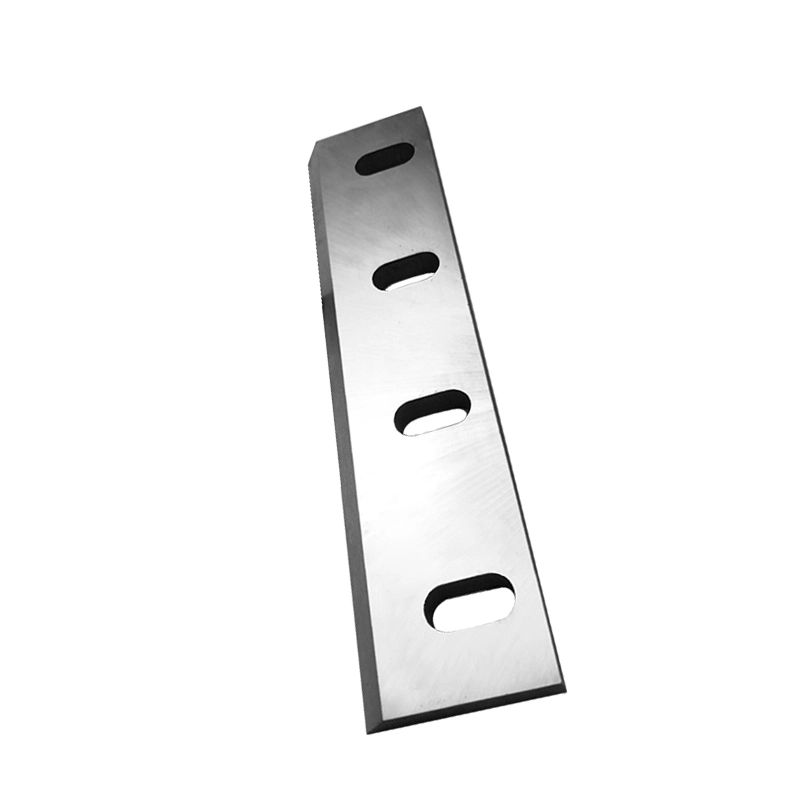
High-quality materials like SKD-11 or D2 mold steel are used in these specialized tools. These materials are vacuum-heated and processed in a freezer to make them harder and more resistant to wear. Unlike regular crushers, they can handle long periods of heavy use without needing to have the blades changed often. This makes them perfect for settings where production is ongoing. The strong steel construction and improved blade shape make it last longer and cut more precisely, so it works the same way on all types of plastic.
How Blade Degradation Impacts Operations
When blades are worn, they slow down production and cause more rejects. When edges are dull, they can't cut easily through pipes, profiles, or parts with thick walls. This makes material jams more likely. Noise and vibration levels rise, which means there is a mismatch or error. Over time, blade wear that isn't taken care of raises upkeep costs and risks production plans, especially for medium- to large-sized manufacturing companies that use integrated production lines.
Identifying the Core Signs That Indicate Blade Replacement Is Needed
If you notice the signs of blade wear early on, you can avoid major breakdowns and keep operations running smoothly. Operators should check the physical state and performance measures on a regular basis, since problems usually show up slowly before they get out of hand.
Physical Damage and Visible Wear Patterns
Check blades often on a long-life blade crusher for chips, cracks, or cracks along the cutting edges. It's possible for even small cracks to get bigger when the blades are loaded, which can damage the rotor parts and cost a lot to fix. Uneven wear patterns mean that the feed isn't being distributed properly or that the materials aren't balanced, which means that the way the hopper is loaded needs to be changed. Cutting is much less effective when blade tips look smooth or softened instead of sharp. Discoloration or heat lines are signs of overheating, which is usually caused by too fast of feed rates or not enough cooling, which speeds up material wear.
Performance Decline and Efficiency Loss
The quality of the output is a good way to tell how the blades are doing. When crushed bits change sizes or get mixed up with material that hasn't been shredded, it's likely that the blades aren't sharp enough. Even though feed rates stay the same, throughput goes down, causing workers to slow down or reprocess batches. Energy meters show that motors are drawing more current to make up for poor cutting action. These changes in performance often happen before damage can be seen, giving you time to plan ahead for replacement.
Increased Noise and Vibration Levels
Strange sounds like grinding, clicking, or knocking can mean that the blades aren't balanced or that the hardware is coming loose. When blades wear unevenly or when dirt builds up in the cutting area, the vibration amplitude goes up. Too much shaking can put stress on bearings, shafts, and frame welds, which could lead to more damage. Acoustic tracking tools can set standard noise profiles that let workers quickly spot changes from the norm. Taking care of these problems quickly cuts down on downtime and increases the general life of the equipment.
Causes Behind Crusher Blade Wear and Failure
Procurement managers can choose the right tools and put in place preventative measures when they know what the root reasons are. The material properties, how it is used, and how well it is maintained all affect how long a blade lasts.
Material Abrasiveness and Contaminants
When compared to lighter films or foams, hard plastics like polycarbonate or highly filled composites wear blades out faster. Metal particles, like screws, inserts, or wire supports, cause cracks or chips right away. The amount of moisture in a material changes how it cuts, especially when it comes to hygroscopic materials that stick together or clump, which makes friction and heat build up. Recycling centers that deal with a variety of waste have more problems with wear than factories that deal with regular waste. This means that blades need to be inspected more often and may need to be replaced more often.
Operational Practices and Maintenance Gaps
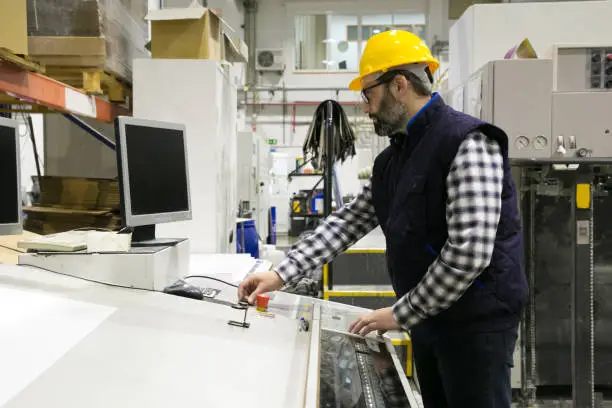
When hoppers are overloaded beyond their stated capacity, blades have to process too much material, which causes heat and mechanical stress that shortens their useful life. When feed rates are too fast or not regular, they lead to random loading and blade shock. If you don't follow your lubrication plans, your bearings will seize up, which will put odd loads on your blades. When operators don't clean their machines regularly, plastic growth can make the wheels less balanced, which increases vibration and wear. Facilities that don't have organized repair routines have more premature blade failures than those that do follow the manufacturer's instructions.
Advantages of Long-Life Blade Crushers Over Standard Models
Even though they cost more up front, buying good long-life blade crusher breaker blades saves you money in the long run. Cutting tools made of vacuum-hardened alloy steel stay sharp three to five times longer than those made of regular carbon steel. Cryogenic treatment improves the structure of the grains, making the material tougher and less likely to crack. Optimized blade shape lowers cutting resistance, which cuts energy use by up to twenty percent and makes maintenance times longer. These qualities are especially useful for businesses with a lot of work, since the costs of downtime add up quickly.
Maintenance Tips and Preventive Measures for Extending Crusher Blade Life
Proactive repair practices keep the breaking efficiency and lengthen the life of the blades. Total cost of ownership can be lowered by setting up regular check plans, improving operating parameters, and finding high-quality spare parts.
Routine Inspection Schedules and Checklists
Every week, you should check the state of the blade edges, the tightness of the fasteners, and the cleanliness of the rotor. During monthly thorough checks, the thickness of the blade is measured at several places to track how wear is progressing. Keeping records of what was found in repair logs helps find patterns of fast wear that need to be fixed. Thermal imaging can find areas where there is friction before damage can be seen. These routine checks let you make decisions about when to replace blades based on data, so you don't have to make changes too soon or wait too long for something to go wrong.
Operating Guidelines Tailored to Material Types
Different plastics need different operating conditions. Slower feed rates and special blade configurations that stop wrapping help with soft, twisted materials. Plastics that are hard and flimsy can handle higher speeds, but they need sharper blade angles to break cleanly. Blade stress can be reduced by teaching workers to understand how different materials behave and make changes as needed. Using load sensors that change feed rates automatically based on motor power helps keep the best cutting conditions for different amounts of material.
Using High-Quality Materials and Genuine Spare Parts
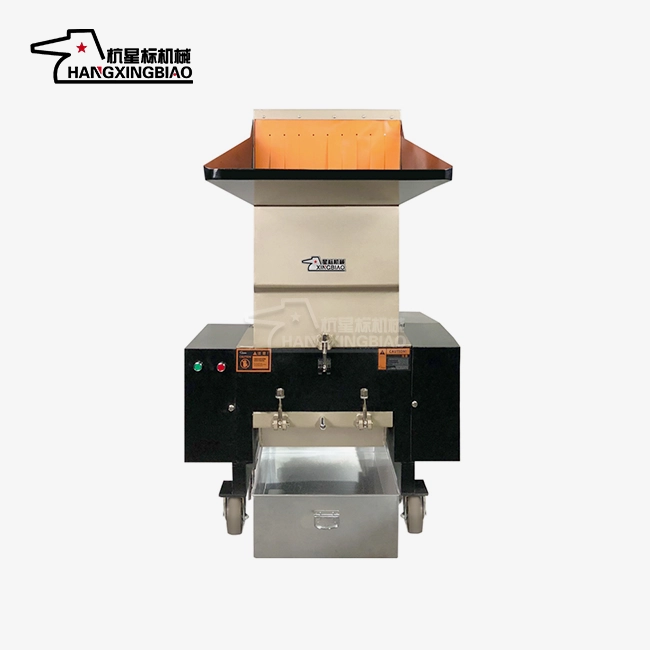
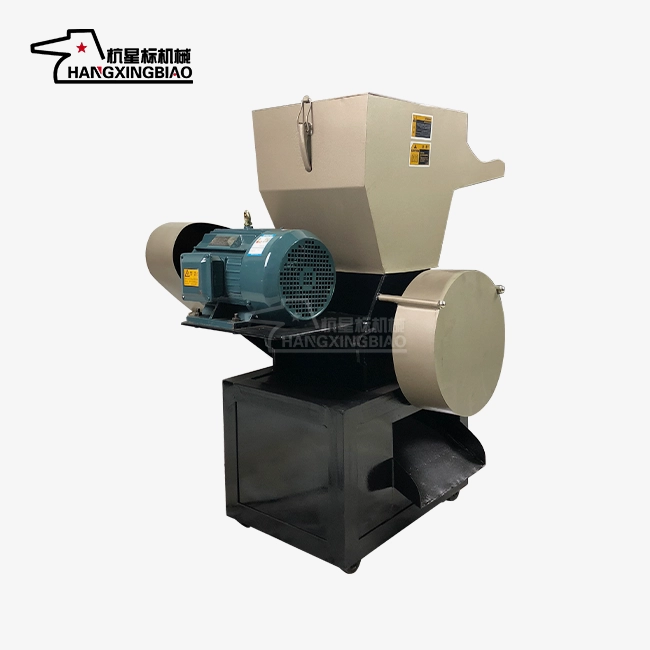
Genuine replacement blades made to the exact specs of the original equipment make sure that the fit, balance, and mechanical qualities are correct. Many fake or off-brand products are made with lower-quality steel types that wear out quickly or break in terrible ways. Authorized sellers offer tracking, warranties, and expert help that generic vendors can't match. Hangzhou Xingbiao Machinery has been making plastic crushers for 30 years and has come up with their own blade treatments and shapes that work best with different types of plastic. Our engineering team works with big businesses to improve blade designs that can handle harsh industrial settings and still do a great job of cutting.
When and How to Replace Crusher Blades — Decision-Making Guidance
There are a lot of things to think about when deciding whether to fix the blade or replace it completely. Costs must be weighed against the risks of downtime and performance goals.
Repair Versus Replacement Evaluation
If the blades are physically sound, other than a few small nicks on the edge, they may need to be professionally sharpened to extend their useful life at a low cost. But blades that have cracks, a big loss of width, or multiple damaged areas should be replaced completely. If you try to fix broken blades, they could suddenly stop working during operation, which could damage the rotor or put people in danger. Compare the cost of missed output time to the cost of a new blade. For facilities that work continuous shifts, replacing the blade is usually cheaper than having it fixed for a longer period of time.
Sourcing from Trusted Manufacturers and Suppliers
Working with experienced long-life blade crusher makers guarantees access to exact blade specs and metalworking knowledge. Reliable providers offer expert advice to help customers find the best blade configurations for their needs. Coverage under a warranty and quick support after the sale protect against broken parts and help with fixing problems. Offering financing choices for large sales of spare parts helps keep cash flow under control while keeping enough inventory on hand. Case studies show that companies that buy high-quality blades from specialized sources end up with lower per-ton handling costs, even though they pay more up front. This is because the blades last longer between replacements, and there is less downtime.
Real-World Impact of Timely Blade Replacement
A medium-sized recycling center that dealt with mixed plastic trash saw less productivity and higher energy costs. An investigation showed that the blades were only sixty percent of their original width, and they had several edge chips that made them less effective at cutting. When all blades were replaced with high-alloy ones, output went back to its rated level and energy use dropped by 18%. Within three months, the building paid for itself by being more efficient and not having to pay for emergency repairs. This result shows that careful blade management directly raises the profitability of operations.

Conclusion
Monitoring the condition of crusher blades through regular inspections and performance tracking stops expensive breaks and keeps production running smoothly. Cracks and uneven wear on the outside, along with efficiency issues like less work getting done and more energy being used, are clear signs that the product needs to be replaced. Knowing what causes wear, like how rough the material is or how it is used, helps you choose the right tools and plan its care better. Implementing regular checks, improving working factors, and finding high-quality replacement parts are all ways to extend the life of blades. Long-term success is guaranteed by working with specialized manufacturers who provide original parts and technical know-how.
FAQ
How often should crusher blades be replaced?
Replacement times depend on the type of material being handled, how hard the machine is used, and the quality of the blade. When working with rough mixed plastics, facilities may need to change the blades every six to twelve months. When working with smooth, soft materials, the time between changes could be eighteen months or longer. When compared to standard equipment, long-life blade crushers made of expensive alloy steels usually double these times.
What immediate signs indicate urgent blade replacement?
If there are sudden drops in performance, obvious cracks in the blade, excessive vibrations, or strange grinding noises, the machine needs to be inspected right away and probably replaced. If you keep running the machine with badly damaged blades, it could fail catastrophically and damage other equipment.
Does blade wear affect energy consumption significantly?
Motors have to work harder when blades are dull, which uses ten to thirty percent more electricity. When replaced on time, the cutting action works more efficiently again, which lowers costs and has a positive effect on the environment while also increasing product accuracy.
Partner with Xingbiao for Premium Long-Life Blade Crusher Solutions
To keep a crusher working at its best, it needs to have solid tools and help from experts. Hangzhou Xingbiao Machinery has been developing and making plastic crushers for thirty years, and is known as a committed single-category excellence provider. Twenty top engineers on our engineering team work with leaders in the field to improve crusher technology that meets strict production needs. The blades of the crushers we make are made of SKD-11 and Cr12MoV steel that has been pressure-heated and frozen, which makes the steel harder and lasts longer. Standard crushers, high-power models for injection molding integration, and special solutions for tough materials like tires and big containers are all in our product line. As a reliable long-life blade crusher manufacturer, we offer full support, from helping you choose the right machine to teaching you how to install it and performing regular maintenance. Visit www.xingbiaocrusher.com or email our team at xingbiaocrusher@xingbiaocrusher.com to talk about your unique crushing needs and find out how our solutions can help your business run more smoothly.
References
1. Smith, J.R., and Williams, M.K. (2021). Industrial Blade Maintenance Strategies for Plastic Processing Equipment. Manufacturing Engineering Journal, Vol. 45, pp. 112-128.
2. Thompson, A.L. (2020). Material Science Applications in Crusher Blade Longevity. Recycling Technology Review, Vol. 33, Issue 2, pp. 67-84.
3. Rodriguez, C.F., and Chen, H. (2022). Energy Efficiency Optimization in Plastic Waste Processing. Journal of Sustainable Manufacturing, Vol. 18, pp. 204-219.
4. Anderson, P.T. (2019). Predictive Maintenance for Industrial Crushing Systems. Equipment Reliability Quarterly, Vol. 27, Issue 4, pp. 145-162.
5. Martinez, L.S., and Kumar, R. (2023). Heat Treatment Effects on Alloy Steel Durability in Abrasive Environments. Materials Engineering Today, Vol. 52, pp. 88-103.
6. Peterson, D.W. (2021). Cost-Benefit Analysis of Premium Versus Standard Crusher Components. Industrial Procurement Insights, Vol. 39, Issue 1, pp. 34-51.
Learn about our latest products and discounts through SMS or email