- English
- French
- German
- Portuguese
- Spanish
- Russian
- Japanese
- Korean
- Arabic
- Greek
- German
- Turkish
- Italian
- Danish
- Romanian
- Indonesian
- Czech
- Afrikaans
- Swedish
- Polish
- Basque
- Catalan
- Esperanto
- Hindi
- Lao
- Albanian
- Amharic
- Armenian
- Azerbaijani
- Belarusian
- Bengali
- Bosnian
- Bulgarian
- Cebuano
- Chichewa
- Corsican
- Croatian
- Dutch
- Estonian
- Filipino
- Finnish
- Frisian
- Galician
- Georgian
- Gujarati
- Haitian
- Hausa
- Hawaiian
- Hebrew
- Hmong
- Hungarian
- Icelandic
- Igbo
- Javanese
- Kannada
- Kazakh
- Khmer
- Kurdish
- Kyrgyz
- Latin
- Latvian
- Lithuanian
- Luxembou..
- Macedonian
- Malagasy
- Malay
- Malayalam
- Maltese
- Maori
- Marathi
- Mongolian
- Burmese
- Nepali
- Norwegian
- Pashto
- Persian
- Punjabi
- Serbian
- Sesotho
- Sinhala
- Slovak
- Slovenian
- Somali
- Samoan
- Scots Gaelic
- Shona
- Sindhi
- Sundanese
- Swahili
- Tajik
- Tamil
- Telugu
- Thai
- Ukrainian
- Urdu
- Uzbek
- Vietnamese
- Welsh
- Xhosa
- Yiddish
- Yoruba
- Zulu
Plastic Bottle Recycling - Shredding, Grinding, Granulating
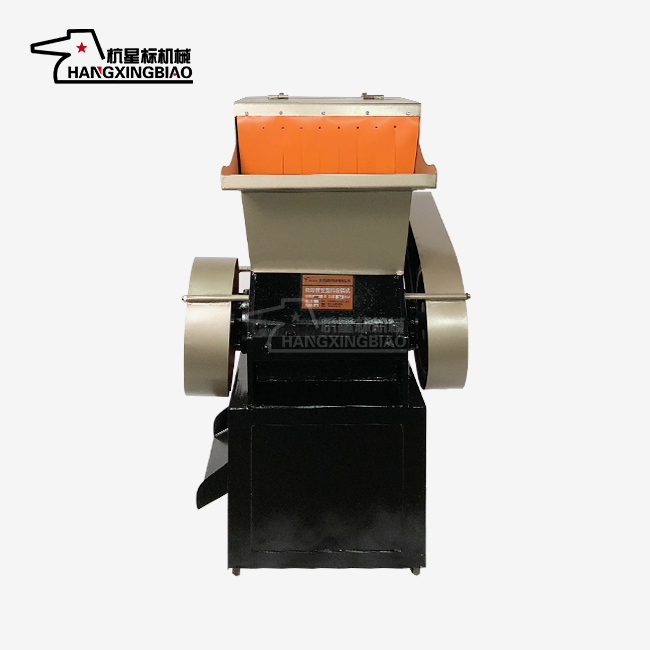
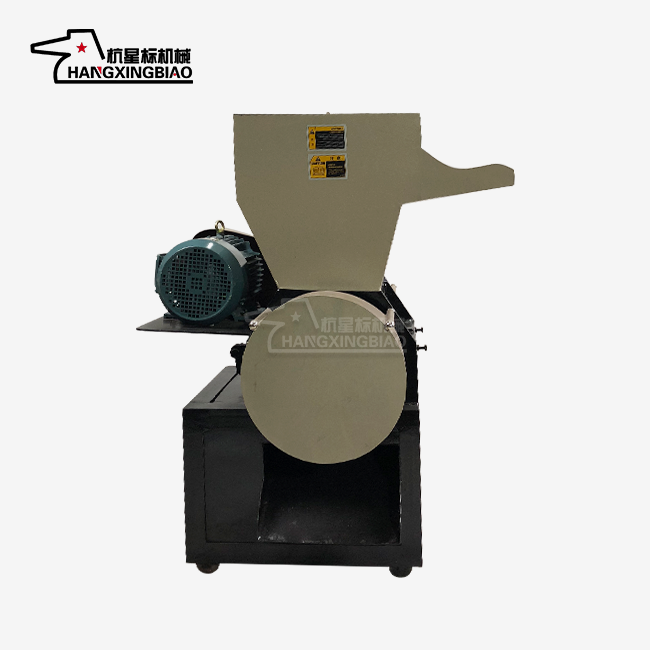
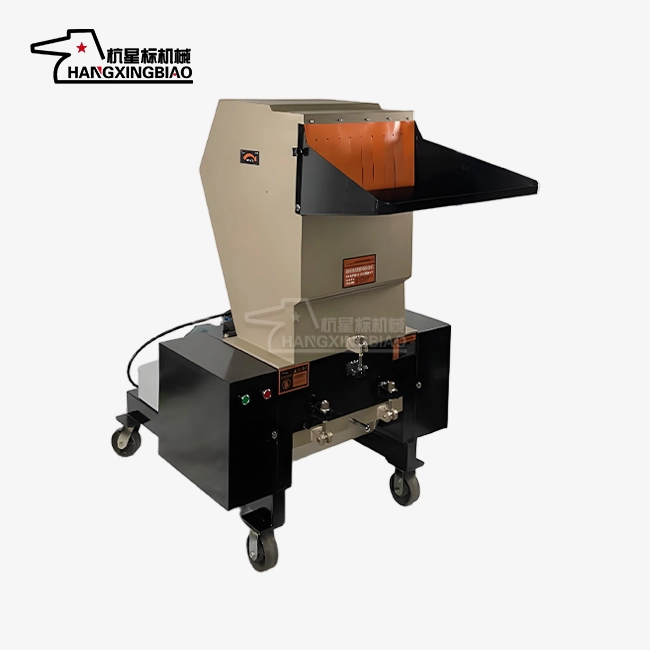
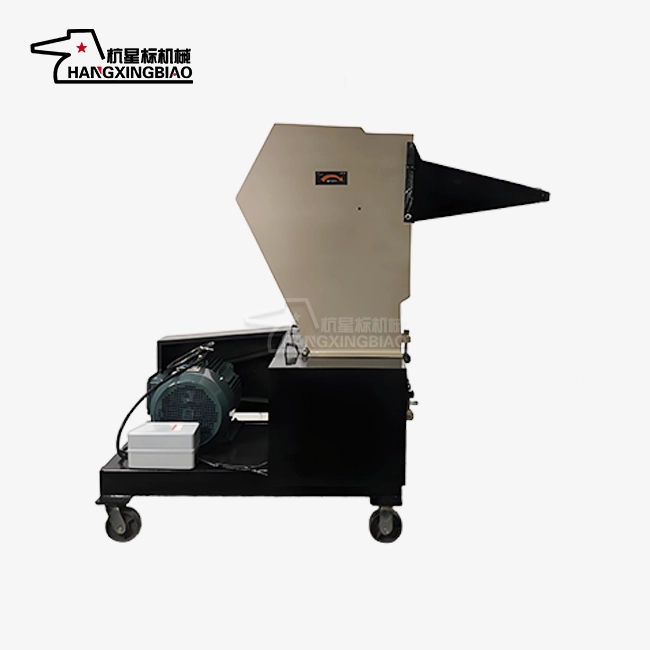
Recycling plastic bottles turns used containers into useful raw materials. There are three main steps: crushing, grinding, and granulating. The main piece of equipment in this process is the plastic bottle granulator, which turns already-shredded plastic into regular flakes or grains that can be used again. Plastic bottle granulators use high-speed rotating blades to make uniform particle sizes, which is important for washing, drying, and industrial processes that need precise and high-quality recovered plastic output. Low-speed shredders just break down bulk material.
Understanding Plastic Bottle Granulators and Their Role in Recycling
Recycling relies on specialized equipment to turn used plastic bottles into materials that can be used again. The plastic bottle granulator is used to move materials from being thrown away to being used again. This helps the circular economy by recovering materials efficiently.
What Makes Granulators Essential in Plastic Recycling
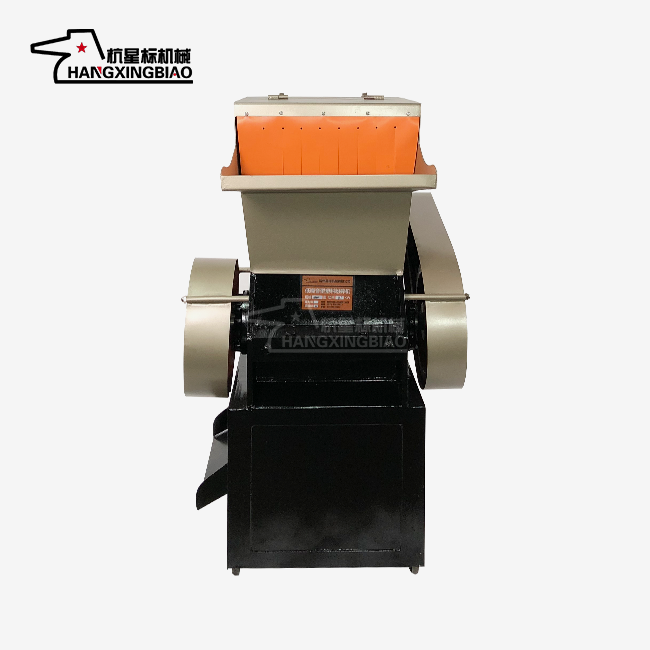
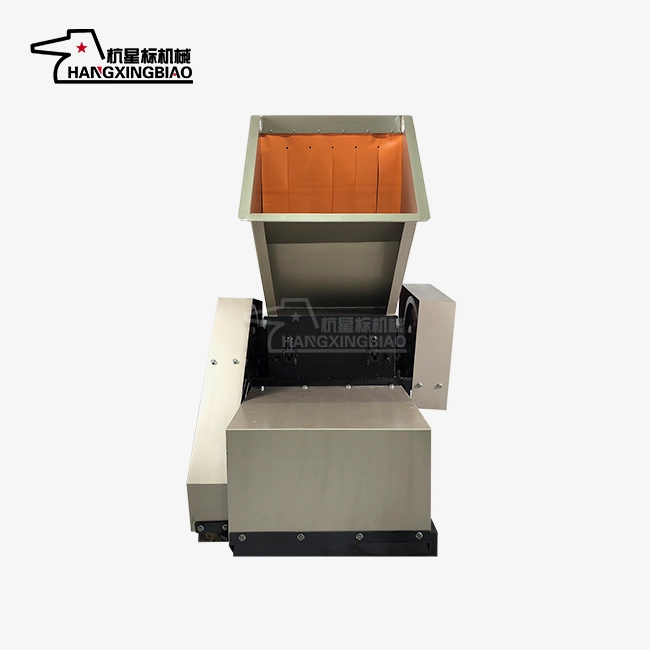
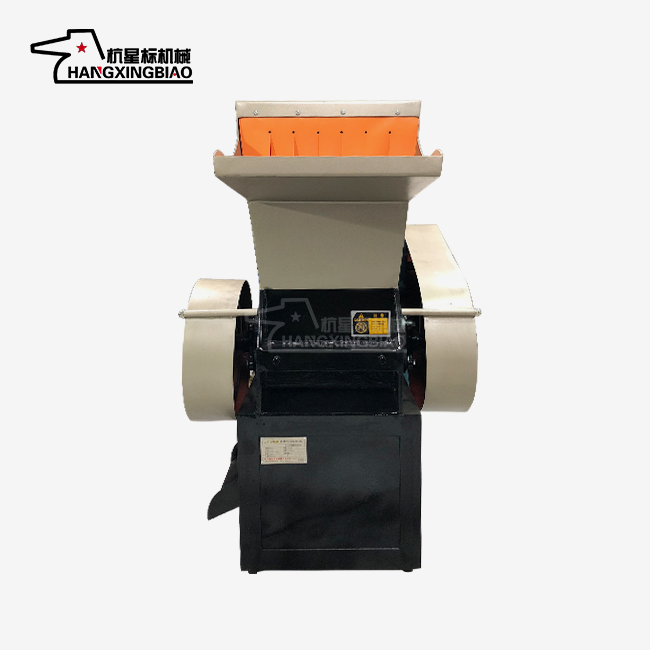
Plastic bottle granulators use motorized action to break down used containers into manageable pieces. The machine cuts quickly by using curved blades on a spinning shaft that work against blades that stay in place. As the broken plastic moves through a screen mesh, only pieces that meet certain size requirements leave the grinding room. This makes sure that the plastic is uniform, which is important for the next steps in the processing.
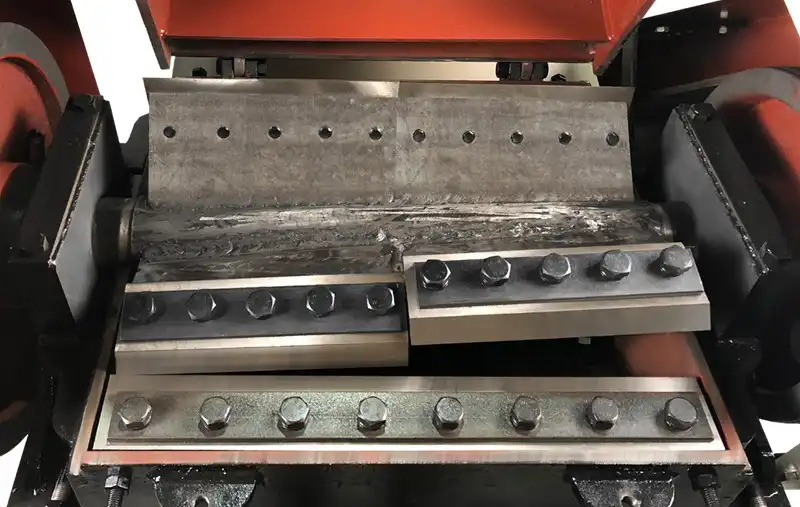
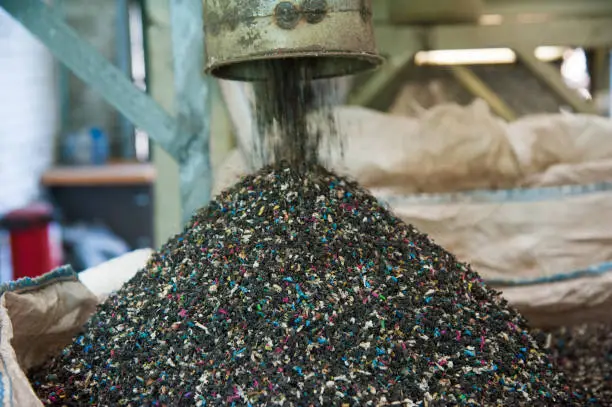
Modern plastic bottle granulators can handle different kinds of bottles, like HDPE milk jugs, PET drinking cases, and a mix of hard plastics. This machinery can handle both clean industrial waste from factories and waste from consumer goods that need stronger processing. Small units that can handle 100 to 300 kg/hour are good for small recycling operations, while industrial-scale machines that can handle over 1,000 kg/hour are best for high-volume sites.
Core Components That Drive Performance
Knowing how machines are put together helps buyers judge the quality and durability of equipment. The cutting blades on the rotor unit spin at speeds ranging from 300 to 600 RPM, based on the type of material and the size of the output that is needed. Stationary blades inside the chamber clip against spinning cutters, which makes the process of cutting materials as efficient as possible.
The end particle size is controlled by a screen mesh that is placed under the cutting box. For tasks that need smaller flakes, the mesh patterns are made tighter. For tasks that can handle bigger particles, the holes are made wider to increase output. The shape of the hopper affects how consistently it feeds. Wider holes can fit whole bottles and lower the number of jams that stop production.
Motor details have a direct effect on how much the machine costs to run and what it can do. Energy-efficient designs reduce the amount of power used without lowering output. This is especially important for facilities that process materials nonstop during multiple shifts.
Comparison and Decision-Making for Plastic Bottle Granulating Equipment
To choose the right plastic bottle granulator, you have to carefully compare the machine's specs to the needs of the job. In the recycling process, different types of tools are used for different tasks. Knowing the differences between them helps you avoid making mistakes that cost a lot of money when you buy things.
Distinguishing Between Shredders and Granulators
As a first step, shredders reduce the size of large materials by breaking up large bales of bottles into smaller pieces that can be handled. These machines work at slower speeds but with more torque, focusing on reducing volume over even distribution of particles. Plastic bottle granulators turn material that has already been treated into uniform flakes. They work faster to get the exact size requirements that are needed for making high-quality pellets.
Many places use both types of equipment at the same time—shredders handle arriving bags, and plastic bottle granulators make finished flakes. Smaller businesses that have material that has already been organized and is mostly clean may be able to get good results with just plastic bottle granulators, saving money on the purchase of extra equipment.
Manual vs. Automated Operation Considerations
With manual feeding devices, workers have to put things into the hopper, which limits the output to what a person can handle. This method works well for recycling plants that only handle 200 to 500 kg per day, where labor costs are low, and the amount of work doesn't support investing in automation.
Automated systems include conveyor feeds, which cut down on the need for workers while boosting hourly output. Medium-sized to big businesses that handle several tons of materials every day can save money by using these configurations. When used together, automated dust collection systems and plastic bottle granulators improve the air quality in the workplace and catch fine particles that would be lost if they weren't recovered.
Noise Level Impact on Facility Operations
Different types of tools produce very different amounts of sound. Standard industrial plastic bottle granulators make 85 to 95 decibels of noise when they're working, so workers in places nearby need to wear hearing protection. Low-noise plastic bottle granulators with sound-dampening housing and improved blade geometry lower output to 75 to 80 decibels, so they can be put near injection molding machines or other production equipment without stopping the facility's overall operations.
Choosing the right noise levels is important, especially for businesses that work long hours or are near residential areas where noise limits are in place.
Practical Guidance on Plastic Bottle Granulator Operation and Maintenance
Disciplined care and proper operational routines are what make the plastic bottle granulator last longer and work better every time. If you don't do normal maintenance on your machines, they will break down more often and cause problems with your production plans.
Daily Maintenance Tasks That Prevent Failures
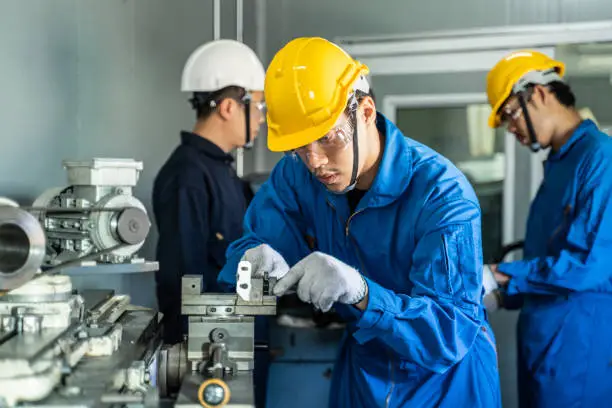
Every shift, operators should check the state of the blades for chips, too much wear, or loose attachment hardware. Damaged blades cause particle sizes to vary and put stress on motors, which causes parts to fail early. Cleaning out the grinding room of built-up material keeps it from getting clogged, which leads to emergency shutdowns.
Friction-related wear can be cut down by lubricating bearing points according to the manufacturer's instructions. Most industrial plastic bottle granulators need to be greased every 8 to 10 hours of use, but the exact time depends on the temperature and job cycle strength of the machine. Screen mesh inspection finds tears or enlargements that make it harder to control particle size, so it needs to be replaced right away before the quality of the output falls.
Weekly and Monthly Service Requirements
Motor drives should have their belt tightness checked once a week to make sure they are aligned correctly and look for signs of wear. When they're loaded, loose belts slip, which slows down the cutting speed and output. Every month, you need to replace or sharpen all of your blades; dull cuts use too much motor power and make flakes that aren't as good.
Electrical connection checks find weak wires that cause resistance, which makes heat and could be a fire risk. Cleaning the dust off motor housings and control panels keeps them from getting too hot, which shortens the life of electronic parts. Keeping track of maintenance tasks makes service records that can be used for guarantee claims, and helps find problems that keep happening that need to be fixed by changing the design.
Troubleshooting Common Operational Issues
Jamming usually happens when the material is too big, the grain is too wet, or the blades are not sharp enough. To keep operators safe, clearing jams demands that the plastic bottle granulator be completely shut down and locked out. By looking into the root causes, problems are less likely to happen again. For example, adding upstream sorting equipment gets rid of large contaminants, and drying materials better fixes moisture problems.
Heavy shaking could mean that the bearings are worn out, the rotor isn't balanced, or the fixing hardware is loose. Keeping something running with odd vibrations speeds up damage, which could lead to a catastrophic failure. Monitoring the temperatures of motor housings and bearing systems lets you know about problems early on, so you can fix them before they get too expensive.
Procurement Guide: How to Choose and Buy Plastic Bottle Granulators
When making a purchasing choice, you have to weigh the short-term spending limits against the long-term operational costs and capability needs. Instead of just looking at the original buy price, strategic procurement looks at all of the costs that come with owning a plastic bottle granulator.
Evaluating Technical Specifications Against Production Needs
Capacity rates show the highest amount of work that can be done in one hour if all conditions are perfect and the materials are perfect. In real life, when processing mixed post-consumer garbage that contains contaminants, performance usually reaches 70 to 85% of maximum capacity. Buyers should figure out how much capacity they need by dividing daily volume goals by expected working hours. Then, to account for variability, they should choose plastic bottle granulators that are rated 20 to 30 percent above this standard.
Using less energy has a direct effect on how much the plastic bottle granulator costs to run over its lifetime. Electricity costs are much higher for machines that use 30 to 50 kW and process 500 kg per hour than for machines that use 20 to 35 kW. Differences in yearly energy costs are often over a thousand dollars, which is why efficient designs cost more.
The end particle size is determined by the size of the screen mesh. For example, material going into extrusion processes needs smaller flakes than material going into washing and pelletizing systems. Checking to see if mesh is available and how much it costs to change it stops cases where proprietary screen designs cause ongoing costs to pile up.
Supplier Reliability and Service Capabilities
Different makers offer very different levels of after-sales help. Reliable providers help with installation, train operators, and offer quick expert support when problems arise during operation. Companies that promise to respond within 24 hours keep production breaks to a minimum by quickly fixing problems with tools or performance.
Having spare parts on hand means that there is little downtime when worn-out parts need to be replaced. Suppliers who keep parts in stock in their own regions can send blades, screens, and belts within days instead of weeks, which cuts down on lost production time. A 12- to 24-month warranty protects buyers against problems with the way the product was made and shows that the source trusts the quality of the equipment.
Budget Planning for 2024 Procurement
Standard-capacity plastic bottle granulators that are good for small to medium-sized recycling businesses cost between $8,000 and $25,000 on the market, based on their throughput rates and feature sets. Industrial plastic bottle granulators that can process more than 1,000 kg/hour usually cost between $35,000 and $75,000, and the cost of automatic feeding and dust collection systems goes up by another $10,000 to $20,000.
The total cost of ownership includes the cost of energy use, upkeep of tools, and replacing the blades at some point. Figuring out the five-year running costs gives you a fair way to compare different pieces of equipment, since lower purchase prices can hide higher ongoing costs that eat away at any savings you made at first.
Optimizing Your Plastic Bottle Recycling Process with Granulating Technology
To make a recycling business as profitable as possible, the plastic bottle granulator must be properly integrated and performance metrics must be constantly monitored. Strategic process design cuts down on waste while meeting quality standards that make final pieces more valuable.
Workflow Integration Strategies
Putting the plastic bottle granulator right after cleaning systems cuts down on the amount of material that needs to be moved while clean fodder is being processed. This setup makes better flakes that don't have labels or sticky remains that could get on the final product. Linking process steps with conveyor systems gets rid of the need to move materials by hand, which cuts down on labor costs and improves consistency in output.
Adding surge bins between steps of a process smooths out changes in production rate and stops jams when equipment upstream or downstream temporarily slows down. This setup keeps the plastic bottle granulator fed steadily, which is necessary for good performance and uniform particle size.
Energy Consumption Monitoring and Cost Reduction
By installing power monitoring tools, you can figure out how much energy is actually being used under different load situations. Analysis finds ways to change operations so that they use less energy without lowering output. For example, increasing feed rates keeps motors from overworking while keeping flow goals. Scheduling high-volume processes for times when energy prices are lower than usual can save businesses a lot of money every year if their rate structures offer time-of-use benefits.
The energy economy is directly affected by how often repairs are done. Motors have to work harder when blades are dull, which increases power use by 15–25% compared to when cuts are properly polished. Watching how much power is used shows that efficiency is slowly going down, which means that maintenance needs to be done before performance problems become obvious.
Future-Proofing Through Technology Adoption
New designs for the plastic bottle granulator include smart controls that change the machine's settings automatically based on the properties of the material. Sensors that check the temperature, shaking, and power of the motor make it work better and stop damage from happening when things don't work right. Even though they cost more to buy at first, smart systems require less skill from operators and lower upkeep costs by booking services ahead of time.
More and more regulations require made goods to have certain amounts of recycled material, which is driving demand for high-quality recycled flakes. By buying plastic bottle granulators that can make high-quality materials, businesses will be able to take advantage of lower prices as the need for recycled content grows across all fields.
Conclusion
Recycling plastic bottles by crushing, grinding, and granulating them is good for the environment and can help the economy. To be successful, you need to choose the right plastic bottle granulator that combines cost, dependability, capacity, and efficiency. Knowing the parts of a machine, how it works, and how often it needs to be maintained helps you make smart purchasing choices that lower the total cost of ownership. Facilities that carefully use granulating technology as part of their overall recycling processes get the most out of the materials they recycle while also creating high-quality products that fetch higher prices on the market. As regulations push for more use of recycled materials, businesses that invest in processing tools that can do the job will be able to compete and keep making money.
FAQ
What maintenance schedule ensures maximum granulator longevity?
To ensure the plastic bottle granulator lasts as long as possible, the bearing points should be oiled every 8 to 10 hours of use, and the state of the blades should be checked every day. As part of your weekly jobs, you need to check the motor alignment and belt tightness. As part of the monthly service, the blades must be sharpened or replaced, the electrical connections must be checked, and the dust must be thoroughly cleaned away. Keeping detailed records of maintenance helps find problems that keep happening and backs up warranty claims when they're needed.
Can granulators effectively process mixed plastic bottle waste?
Quality plastic bottle granulators can work with different kinds of hard plastics at the same time, like PET, HDPE, and PP bottles. Similar hardness is needed for two materials to work together. For example, mixing stiff cases with soft film makes processing more difficult. Sorting by resin type before casting makes the flake quality better, but it's not necessary for uses that can handle mixed-plastic output.
Should operations invest in dust collection systems?
Dust collectors pick up the small bits that are made during the plastic bottle granulator process. This makes the air in the workplace cleaner and brings back things that would have been lost. When dry, brittle plastics are processed, more dust is made than when pre-washed plastics are processed. Integrated dust collection is very helpful for places that care about worker comfort and follow the rules. On the other hand, companies that handle small amounts of dust may not be able to afford separate collection systems.
Partner with Xingbiao for Superior Plastic Bottle Granulator Solutions
Hangzhou Xingbiao Machinery Co., Ltd. brings three decades of focused expertise in crushing equipment engineering and manufacturing. Our plastic bottle granulator source has models that are made to work with PET and HDPE bottles. These models have SKD-11 tool steel blades that have been vacuum heat-treated to make them very resistant to wear. We've increased the efficiency of crushing by more than 20% by optimizing the shape of the blades and lowering the amount of energy used by matching the motor specs perfectly. Our engineering team provides full technical support—from equipment selection through installation training to ongoing maintenance guidance—ensuring your recycling operation achieves maximum uptime and profitability. Contact our specialists at xingbiaocrusher@xingbiaocrusher.com for personalized consultation and detailed quotations tailored to your specific processing requirements and production volume targets.
References
1. Hopewell, J., Dvorak, R., & Kosior, E. (2009). Plastics recycling: challenges and opportunities. Philosophical Transactions of the Royal Society B: Biological Sciences, 364(1526), 2115-2126.
2. Al-Salem, S. M., Lettieri, P., & Baeyens, J. (2009). Recycling and recovery routes of plastic solid waste (PSW): A review. Waste Management, 29(10), 2625-2643.
3. Ragaert, K., Delva, L., & Van Geem, K. (2017). Mechanical and chemical recycling of solid plastic waste. Waste Management, 69, 24-58.
4. Schyns, Z. O., & Shaver, M. P. (2021). Mechanical recycling of packaging plastics: A review. Macromolecular Rapid Communications, 42(3), 2000415.
5. Eriksen, M. K., Christiansen, J. D., & Astrup, T. F. (2019). Material recycling of PET bottles: Challenges and opportunities. Procedia CIRP, 80, 452-457.
6. Gu, F., Guo, J., Zhang, W., Summers, P. A., & Hall, P. (2017). From waste plastics to industrial raw materials: A life cycle assessment of mechanical plastic recycling practice. Science of the Total Environment, 601-602, 1192-1207.
Learn about our latest products and discounts through SMS or email