- English
- French
- German
- Portuguese
- Spanish
- Russian
- Japanese
- Korean
- Arabic
- Greek
- German
- Turkish
- Italian
- Danish
- Romanian
- Indonesian
- Czech
- Afrikaans
- Swedish
- Polish
- Basque
- Catalan
- Esperanto
- Hindi
- Lao
- Albanian
- Amharic
- Armenian
- Azerbaijani
- Belarusian
- Bengali
- Bosnian
- Bulgarian
- Cebuano
- Chichewa
- Corsican
- Croatian
- Dutch
- Estonian
- Filipino
- Finnish
- Frisian
- Galician
- Georgian
- Gujarati
- Haitian
- Hausa
- Hawaiian
- Hebrew
- Hmong
- Hungarian
- Icelandic
- Igbo
- Javanese
- Kannada
- Kazakh
- Khmer
- Kurdish
- Kyrgyz
- Latin
- Latvian
- Lithuanian
- Luxembou..
- Macedonian
- Malagasy
- Malay
- Malayalam
- Maltese
- Maori
- Marathi
- Mongolian
- Burmese
- Nepali
- Norwegian
- Pashto
- Persian
- Punjabi
- Serbian
- Sesotho
- Sinhala
- Slovak
- Slovenian
- Somali
- Samoan
- Scots Gaelic
- Shona
- Sindhi
- Sundanese
- Swahili
- Tajik
- Tamil
- Telugu
- Thai
- Ukrainian
- Urdu
- Uzbek
- Vietnamese
- Welsh
- Xhosa
- Yiddish
- Yoruba
- Zulu
7 Key Factors to Consider Before Buying a Screen Crusher in Bulk
The bottom line and operating efficiency can be greatly affected by the choice of tools you make when buying a wholesale screen crusher. Being someone who has worked closely with plastic recovery centers and factories all over the US, I know how hard this choice is to make. The screen crusher, which is also known as a plastic crusher or granulator in our business, is the main machine used to reduce the size of materials. When buying these machines in large numbers, buyers face special problems that don't come up when buying just one. Your investment needs to work the same way on multiple production lines and meet strict standards for durability and efficiency. This guide walks you through seven important factors that will help you make a smart choice, protect your investment, and keep your crushing business running smoothly for years to come.
Factor 1: Understanding Screen Crusher Types and Operating Principles
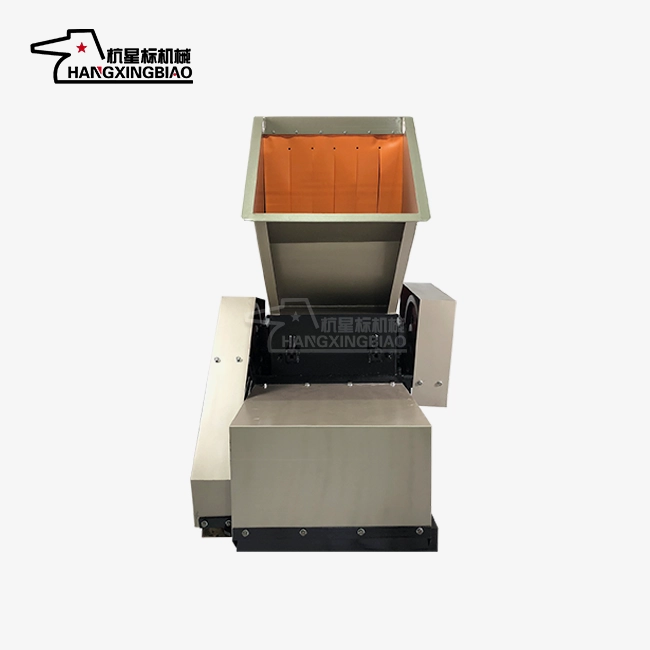
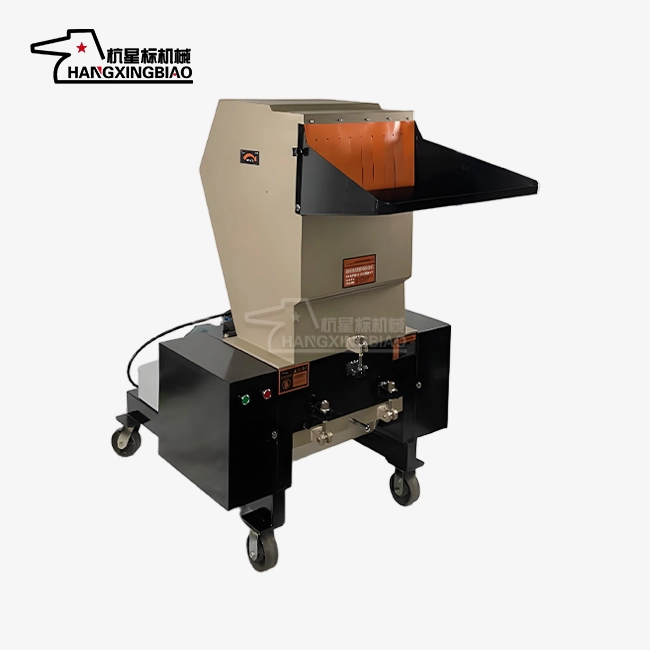
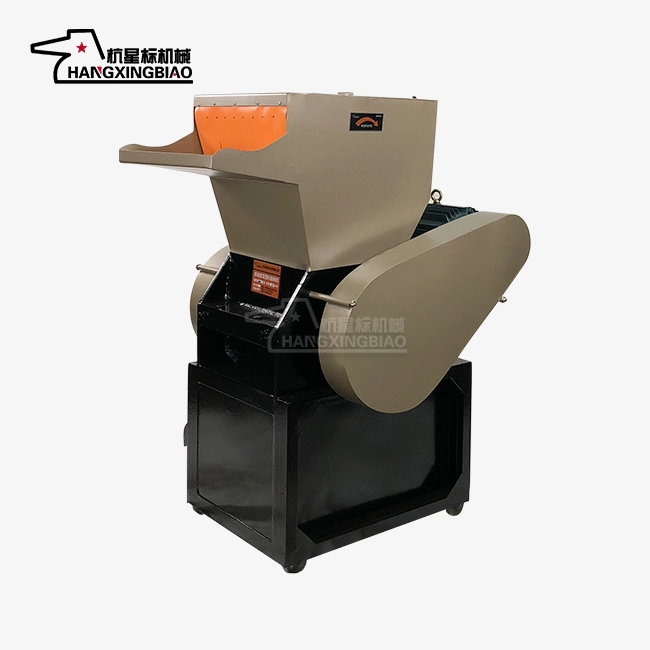
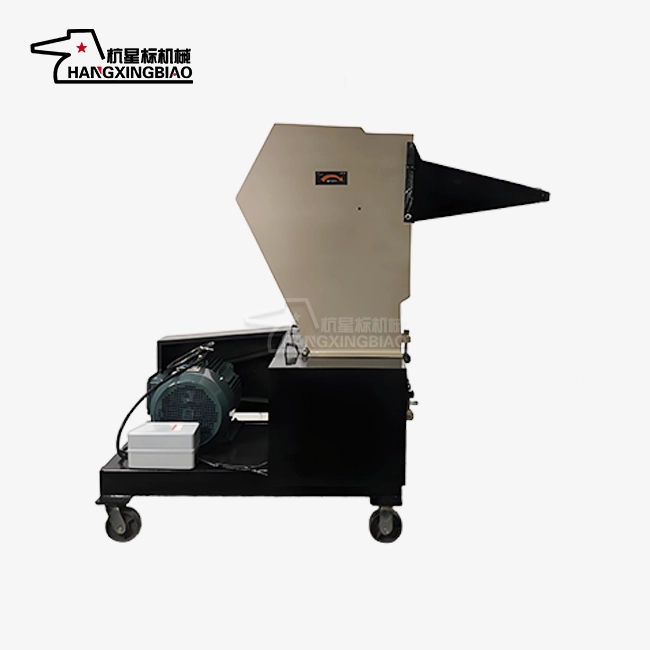
In the plastics industry, a "screen crusher" is a machine with spinning blades and perforated screens that breaks down plastic into uniform flakes or bits. These precision crushers make particles of the same size, which is important for processing that comes after. Low-speed shredders just break up large pieces of material.
Core Operating Mechanism
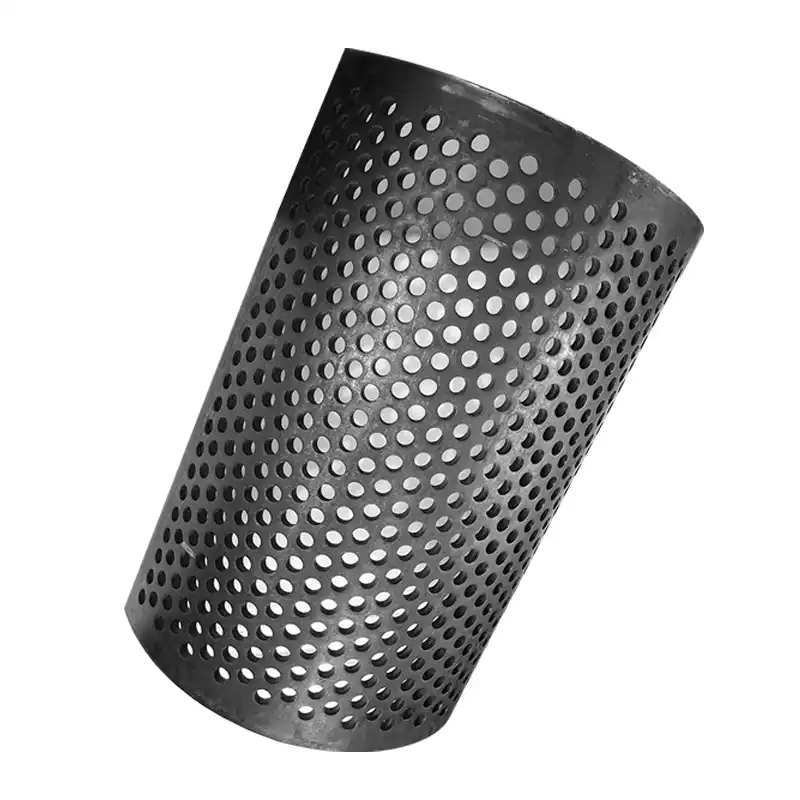
Screen crushers use a scissor-cut or V-cut rotor device, which has sharpened steel blades on a spinning shaft that cut through plastic. The pieces that have been crushed stay in the cutting chamber until they are small enough to fit through the bottom screen, which has holes in it. This screen, which is basically a steel plate with carefully placed holes, decides the final flake size, which can be anywhere from 8 mm to 16 mm based on the needs of the application.
Types of Screen Crushers for Plastic Processing
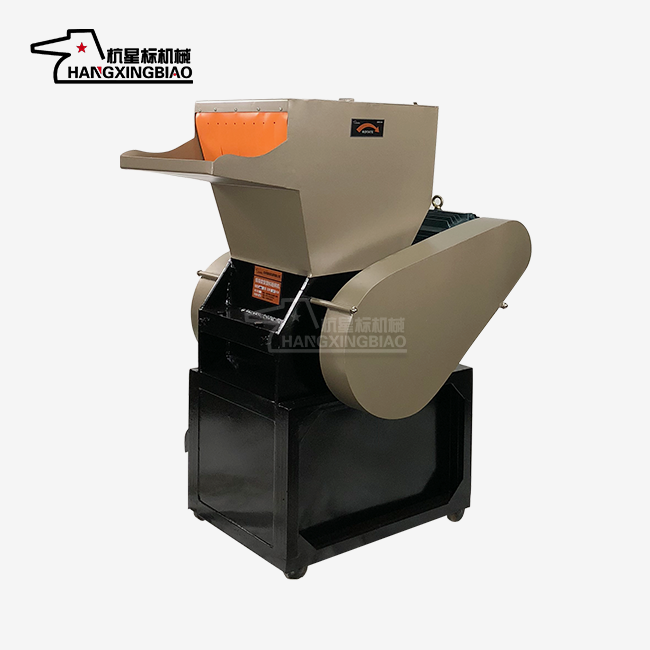
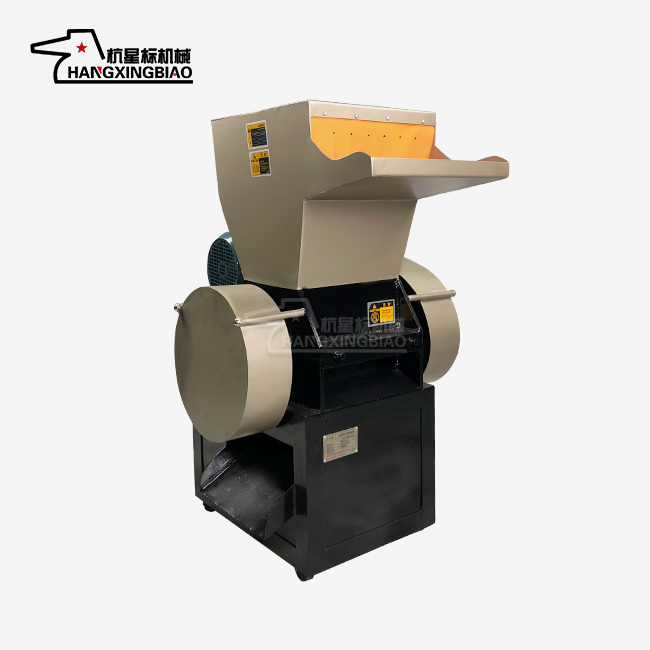
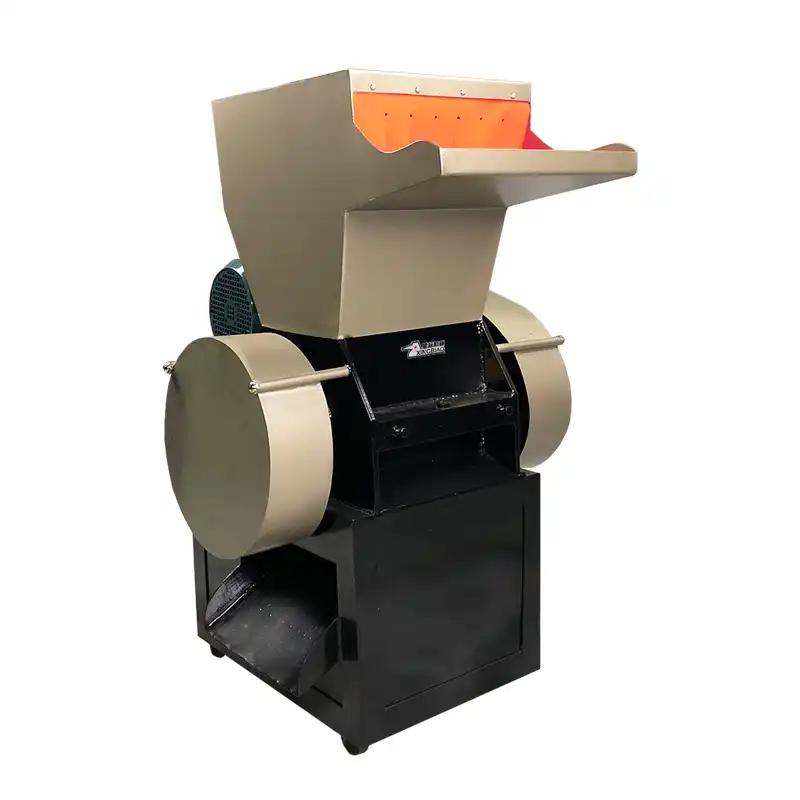
Different types of crushers are better for different types of materials and industrial settings. Plastics like solid cases and injection-molded parts can be crushed by standard crushers. Heavy-duty types have motors with more horsepower and frames that are strengthened to handle thick materials like pipes and profiles. Specialized designs are needed to work with tough materials like films and woven bags that tend to get stuck around regular blades. Over the course of 30 years of hard work, Hangzhou Xingbiao Machinery has created four different types of crushers: large-diameter crushers for crushing large parts, high-power, low-noise units for recycling next to the press, standard models for a wide range of uses, and custom solutions for tough materials like tires and big containers.
Bulk Procurement Advantages
When you buy screen breakers in bulk, you get measured benefits that go beyond lower unit prices. Standardizing tools across multiple lines in a factory makes it easier to train operators and keep track of extra parts. Consistent crushing performance across your business makes sure that the quality of the materials going into the washing and processing processes is the same. When you buy in bulk, you can also get better deals on warranties and faster expert help, which lowers your long-term operational risks.
Factor 2: Assessing Capacity and Performance Specifications
The most important specification choice is to match the crusher's capacity to your output needs. A machine that is too small slows down the whole line, while a machine that is too big loses money and energy.
Throughput Capacity Evaluation
The amount of material a crusher can break down is measured in kilos or pounds per hour. Small units next to the press can handle 100 kg/h, while large recycling operations can handle over 1,000 kg/h. Your capacity needs will depend on a number of factors, such as the amount of scrap that you produce, the mass of the material, and whether you crush things all the time or in batches. To keep scrap from building up during busy production times, factories that process injection molding scrap should set the crusher's capacity at 120 to 150% of the highest rate of scrap production.
Screen Size and Material Characteristics
The perforation screen on a wholesale screen crusher decides the end particle size, which has a direct effect on how well the next steps are done. For best cleaning, washing systems need flakes that are 12 to 14 mm wide, but some extruder methods can handle particles that are 16 mm wide. The properties of the material are very important. For example, thin-walled PET bottles are easier to break than thick HDPE containers, and flexible films behave very differently from hard plastics. The screen hole width needs to find a balance between particle uniformity and flow speed. The flakes are finer and more uniform when the holes are smaller, but the output is lower and more power is used.
Energy Efficiency and Build Quality
Motor power needs range from 5.5 kW for light-duty crushers to 75 kW for industrial types, depending on the size of the job and how tough the material is. Designs that are energy-efficient improve the shape of the blades and the flow of air through the cylinder to use less power per kilogram of food prepared. When compared to other designs, Xingbiao's unique blade pattern and hollow structure make crushing more efficient by more than 20%, which directly lowers your electricity costs. Long-term success is based on the strength of the build. Frames made from high-strength steel plates that have been welded together and given a stress-relief treatment stay in line during constant use, which keeps bearings from failing early and blades from wearing out.
Factor 3: Evaluating Brand Reputation and Supplier Reliability
When you buy this much equipment, you need to be sure of both the quality of the product and the manufacturer's ability to help you with it. Building trust with your suppliers saves your investment and keeps your business running.
Manufacturer Track Record and Specialization
Suppliers that only work with crusher technology usually make better goods than makers of general machinery. For 30 years, Hangzhou Xingbiao Machinery has only worked on researching and developing plastic crushers. This has given them a level of knowledge that other companies that make different kinds of machines can't match. Big companies like Nongfu Spring and KFC trust us because of our "specialized excellence" approach. These companies need dependability in high-volume production settings. Our 20-person engineering team is always improving ideas by looking at how they work in real life and gathering information from thousands of installations.
Certifications and Quality Standards
Manufacturers with a good reputation keep their ISO quality control certifications up to date and follow the safety rules for industrial machines. Material approvals for important parts like blades and load-bearing structures should be included in the paperwork. A supplier's trust in their quality control systems can be seen in how openly they explain their manufacturing methods.
After-Sales Support Infrastructure
When you buy more than one unit, the ability to support the equipment becomes very important. Check to see how the seller handles technical problems, the availability of extra parts, and their ability to provide field service in your area. We promise to answer customer questions within 24 hours, and we keep a large stock of extra parts ready to ship right away. Our service package includes help with installation, training for operators, and regular follow-up visits to make sure the machine is running at its best. Buyers who own more than one crusher can get a lot of help from a single source relationship that makes it easy to get parts and support for all of their machines.
Factor 4: Comparing Prices and Bulk Purchase Benefits
Price review looks at more than just the original purchase price. It also looks at the total cost of ownership over the equipment's useful life, which is usually between 10 and 15 years for good crushers.
Wholesale Price Structures
When you buy in bulk, you can get big discounts. Depending on the type and the number of items you buy, you can save anywhere from 15% to 30%. Standard crushers usually cost less per unit than custom-made machines that are made to handle tough materials. The price changes a lot depending on the capacity. For example, a 500 kg/hour crusher costs a lot less than a 1,000 kg/hour model, though not quite twice as much because of economies of scale in making the parts.
Cost-Performance Balance
Most of the time, the cheapest choice is not the best deal. Cheap crushers made with low-quality parts need to have their blades replaced often, for unplanned repair, and too soon. Find the total cost of ownership by estimating how much it will cost to maintain each year, how much energy it will use, and how long it will last. Even though it costs more up front, a high-end crusher with better blade materials and an energy-efficient design usually ends up costing less over ten years. Blade quality has a big effect on running costs. For example, our SKD-11 steel blades keep their sharp cutting edges three to four times longer than regular tool steel, which means they don't need to be replaced as often and don't have to be down for as long.
Negotiation Strategies for Bulk Orders
In addition to unit price savings for a wholesale screen crusher, buyers who buy in bulk have a lot of purchasing power. You could ask for better guarantee terms, faster shipping, longer payment terms, or spare parts packages that come with the product. Shipping and handling for large pieces of industrial equipment can have a big effect on the total landing cost, especially when buying from other countries. During talks, make it clear who is responsible for the freight, insurance, clearing customs, and any import taxes. When you combine multiple purchases into one package, the cost of handling per unit is lower than when the items are sent separately.
Factor 5: Maintenance, Customization, and Warranty Terms
Planning proactive upkeep and being able to customize features have a direct effect on how well and how often the breaker works throughout its service life.
Routine Maintenance Requirements
Screen breakers need simple, regular upkeep to keep working at their best. Depending on how rough the material is, the blades should be inspected and rotated once a month or after working a certain number of tons. With our quick-change blade system, techs can rotate or change blades in less than 30 minutes, even without special tools. Depending on how the materials were treated, screens need to be replaced more often for rough plastics with mineral fillers than for pure resins. The open form of the crushing room makes it easy to clean and keeps material from building up, which could lead to uneven rotation and bearing stress.

Customization for Specific Applications
Standard crusher models work well for a wide range of tasks, but custom designs are better for solving specific operating problems. To work with materials that get tangled up easily, like farm film or fiber trash, you need special blade shapes and chamber shapes that keep the materials from wrapping. Large, hollow things like trash cans and drums work better with feed openings that are too big and cutting areas that are stronger. Engineers at Xingbiao work with clients to make custom solutions when standard models can't fit certain material properties or interaction needs. Our ability to customize has helped solve tough problems in a wide range of fields, from reusing car parts to recovering plastic from farms.
Warranty Coverage and Lead Times
Full guarantees protect your investment against flaws in the making process and parts that break early. Standard warranties usually last between 12 and 24 months, but some high-end brands offer longer guarantees on important parts like motors and frames. Before you buy, make sure you know what the guarantee covers (parts only or parts and work) and how to file a claim. Lead times for large orders depend on how customized they need to be and how busy the factory is right now. Standard models can ship in 4 to 6 weeks, but custom versions need 8 to 12 weeks for planning, manufacturing, and testing. Planning when to buy things around these delivery times keeps production from being held up while new lines are being set up or capacity is being increased.
Factor 6: Screen Design and Material Compatibility
The toothed screen is a wearable part that has a big effect on how well the crusher works, but buyers often forget how important it is when they are choosing equipment.
Screen Function and Configuration
The screen does two things: it controls the size of the particles that come out and separates contaminants from the shredded plastic. As the crushed material moves around in the cutting chamber, particles small enough to fit through the holes in the screen come out of the crusher, but larger pieces stay to be cut even more. This process makes sure that the flake sizes are always the same, which is important for the washing and freezing steps that follow. Screen hole patterns usually have uneven arrangements that make the most of the open space while keeping the structure strong.
Material-Specific Screen Selection
When making a screen, you need to think about different types of plastics. Materials with thin walls, like PET bottles, break down into flat flakes that easily pass through screens. This means that relatively small screen sizes don't affect flow. HDPE barrels and other thick, hard plastics make chunky particles that need bigger screens to keep their capacity. Soft, bendable fabrics can partially block screen holes, so they need to be bigger or have special shapes that keep them from getting clogged. The quality of the screen material is also important. Plastics that are rough won't wear down hardened steel screens, but clean, non-filled polymers will be fine with normal mild steel screens.
Screen Replacement Accessibility
Since this is a cheap part that needs to be replaced often in a wholesale screen crusher, changing the screen should be easy and quick. Maintenance staff can change screens on good crushers in less than 15 minutes with tool-free or simple-tool screen access. This quick-change feature is very helpful when working with different materials that need different particle sizes. It makes it possible to switch between productions quickly. Xingbiao crushers have an easy-to-reach screen fixing system that was made with real-world repair needs in mind. This means that screen service takes as little time as possible.
Factor 7: Integration with Production Workflows
Screen crushers don't usually work by themselves; they're usually part of bigger systems that move and handle materials. By evaluating integration needs ahead of time, you can avoid costly surprises during installation and testing.
Feed System Compatibility
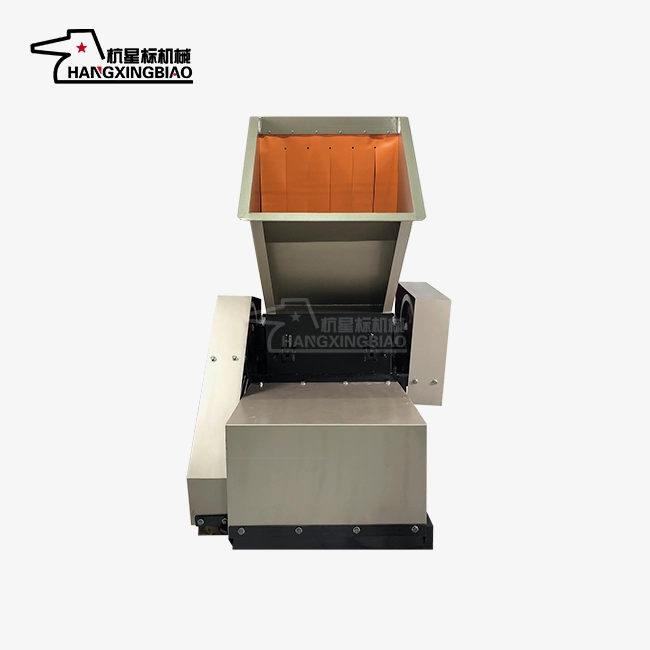
How the material gets to the breaker has a big effect on how well it works. For placements next to the press, the machines need to be small and quiet so they don't get in the way of injection molding operations. For centralized recycling processes, conveyor feeding systems that constantly bring mixed scrap may be used. Bulk makers who work with baled materials need crushers with feed hoppers that are too big to hold large pieces without first crushing them. Xingbiao has a variety of crusher models that are best for different feeding situations. These range from space-saving units that sit next to the press to big, centralized systems with built-in lines.
Downstream Process Requirements
The quality of the crushed material must match the requirements of the equipment that comes after it. When particle sizes aren't constant, fines get out while big pieces stay in. This makes washing systems less effective. For regular melt flow and product quality in extrusion processes, particle sizes must be spread out in a narrow range. Knowing these downstream needs helps you choose the right screen size and blade design. People who want to build combined recycling lines should talk to equipment makers about their whole process flow to make sure that all the parts of the system work together.
Electrical and Control Integration
In modern factories, it's becoming more and more important for tools to work with plant control systems. Crushers might need emergency stop interlocks with feeding equipment upstream, automatic start-stop routines that work with molding machines, or the ability to collect data and send it to facility management systems about output and working hours. Make sure you are clear on your integration needs when you are buying crushers so that they come with the right electrical ports and control methods. When compared to proprietary systems that need special setup, standard industrial controls make merging easier.
Conclusion
When you buy screen breakers in bulk, you're making a big financial investment that will affect how well your business runs for years to come. Understanding the seven things we've talked about here—knowing the different types of crushers and how they work, checking the specs for capacity, checking the dependability of the supplier, comparing total costs, planning maintenance needs, choosing the right screens, and making sure workflow integration—gives you a complete picture for making smart choices. Quality equipment from specialized makers like Hangzhou Xingbiao Machinery, made with better materials and backed by expert support, gives you more value overall, even if it costs more at first. To be successful with your purchases, you need to make sure that the equipment you buy fits perfectly with the properties of your materials, the amount you need to make, and the way your business works. You should also work with sellers who are dedicated to your long-term success.
FAQ
How do I determine the right crusher capacity for bulk orders?
Find out how much scrap your production lines make at their peak, and then size your breakers to be 120 to 150% of that number to avoid jams when output is at its highest. Multiple smaller units are often more flexible than a single big breaker because they let you work on one machine while the others keep running.
What certifications should I verify when selecting a wholesale screen crusher manufacturer?
As a minimum, reliable providers keep their ISO 9001 quality control certification. Check for material approvals on important parts like blades and structural steel, as well as proof that they meet the electricity safety standards in your area. Manufacturers that work with big businesses usually have to meet strict quality standards that help all of their clients.
Can screen crushers be customized for different plastic materials in bulk orders?
Of course. Different blade shapes, chamber shapes, and screen patterns are used to deal with different types of materials, such as film that gets tangled or cases with thick walls. Talk to your providers about the full mix of materials you will need during planning. Large orders often mean that engineers can afford to spend time and money on better designs that standard models can't match.
Partner with Xingbiao for Your Wholesale Screen Crusher Needs
Hangzhou Xingbiao Machinery is ready to help you buy a bulk crusher. They have been experts in this field for 30 years. As a company that only makes plastic crushers, we pay extra attention to the quality, performance, and dependability of our products. Our full line of products includes everything from small units that fit next to the press to heavy-duty industrial crushers. All of them are made with high-quality SKD-11 steel blades and frames that are designed to work continuously. People who buy in bulk can take advantage of our volume discounts, ability to make changes, and promise to provide expert help 24 hours a day, 7 days a week. Email our technical team at xingbiaocrusher@xingbiaocrusher.com to talk about your unique needs and get quotes in more detail. We give you full specs, performance data, and application suggestions that are specific to your business needs. This way, you can be sure that your investment in a wholesale screen crusher will bring you the most value over its entire life.
References
1. Plastic Recycling Equipment Standards Committee. (2022). Industrial Plastic Size Reduction Systems: Performance Specifications and Selection Criteria. Society of Plastics Engineers Technical Publications.
2. Henderson, M.J. & Roberts, K.L. (2021). Total Cost of Ownership Analysis for Recycling Equipment Procurement. Journal of Industrial Equipment Management, 34(3), 178-195.
3. Advanced Manufacturing Research Institute. (2023). Energy Efficiency in Plastic Processing Machinery: Comparative Performance Study. Industrial Technology Assessment Series, Volume 12.
4. Zhang, W., Thompson, R.A., & Martinez, C. (2022). Blade Metallurgy and Wear Resistance in Plastic Crushing Applications. Materials Engineering Quarterly, 45(2), 112-128.
5. Global Plastic Recycling Technology Forum. (2023). Best Practices for Bulk Equipment Procurement in Recycling Operations. Annual Industry Report, Chicago, IL.
6. Davidson, P.R. (2021). Integration Strategies for Automated Material Handling Systems in Manufacturing. Production Systems Engineering Review, 28(4), 267-283.
Learn about our latest products and discounts through SMS or email