- English
- French
- German
- Portuguese
- Spanish
- Russian
- Japanese
- Korean
- Arabic
- Greek
- German
- Turkish
- Italian
- Danish
- Romanian
- Indonesian
- Czech
- Afrikaans
- Swedish
- Polish
- Basque
- Catalan
- Esperanto
- Hindi
- Lao
- Albanian
- Amharic
- Armenian
- Azerbaijani
- Belarusian
- Bengali
- Bosnian
- Bulgarian
- Cebuano
- Chichewa
- Corsican
- Croatian
- Dutch
- Estonian
- Filipino
- Finnish
- Frisian
- Galician
- Georgian
- Gujarati
- Haitian
- Hausa
- Hawaiian
- Hebrew
- Hmong
- Hungarian
- Icelandic
- Igbo
- Javanese
- Kannada
- Kazakh
- Khmer
- Kurdish
- Kyrgyz
- Latin
- Latvian
- Lithuanian
- Luxembou..
- Macedonian
- Malagasy
- Malay
- Malayalam
- Maltese
- Maori
- Marathi
- Mongolian
- Burmese
- Nepali
- Norwegian
- Pashto
- Persian
- Punjabi
- Serbian
- Sesotho
- Sinhala
- Slovak
- Slovenian
- Somali
- Samoan
- Scots Gaelic
- Shona
- Sindhi
- Sundanese
- Swahili
- Tajik
- Tamil
- Telugu
- Thai
- Ukrainian
- Urdu
- Uzbek
- Vietnamese
- Welsh
- Xhosa
- Yiddish
- Yoruba
- Zulu
How to operate the PET plastic crusher correctly?
If you know how to use a PET plastic crushing crusher properly, you can turn managing trash into a business that makes money by recycling. The process starts with setting up the machine correctly, making sure that all of the safety guards are tightly in place and that the electrical links meet the power requirements. Clean, sorted PET bottles should be slowly fed into the bin without pushing anything in. This will let the spinning blades do their job well. During operation, keep an eye on the control panel for strange noises or temperature spikes, and change the feed rates based on the thickness of the material and the machine's capacity. Inspections of the blades and replacing the screens on a regular basis keep the particle size output constant, and following the right steps for shutting down the equipment greatly increases its lifespan.
Understanding the PET Plastic Crusher and Its Working Principle
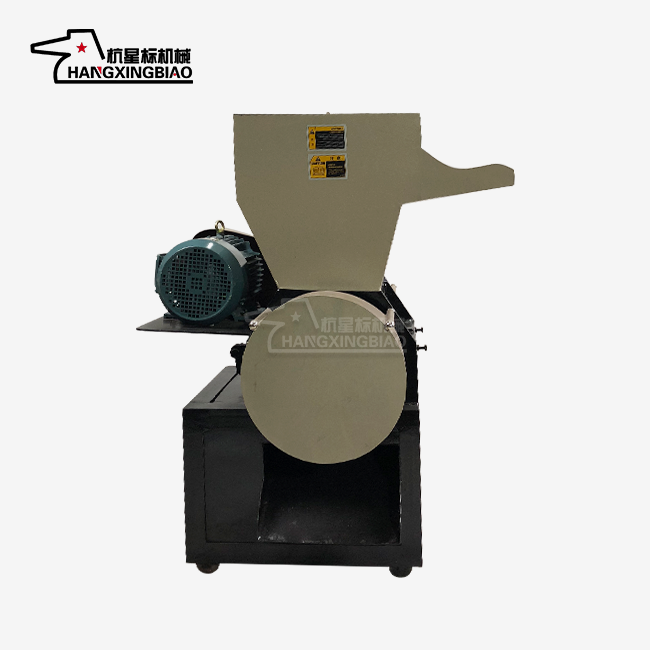
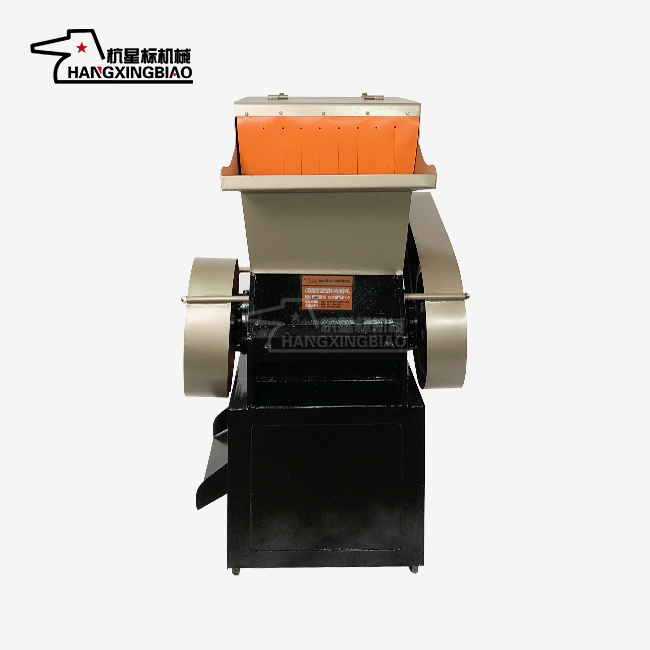
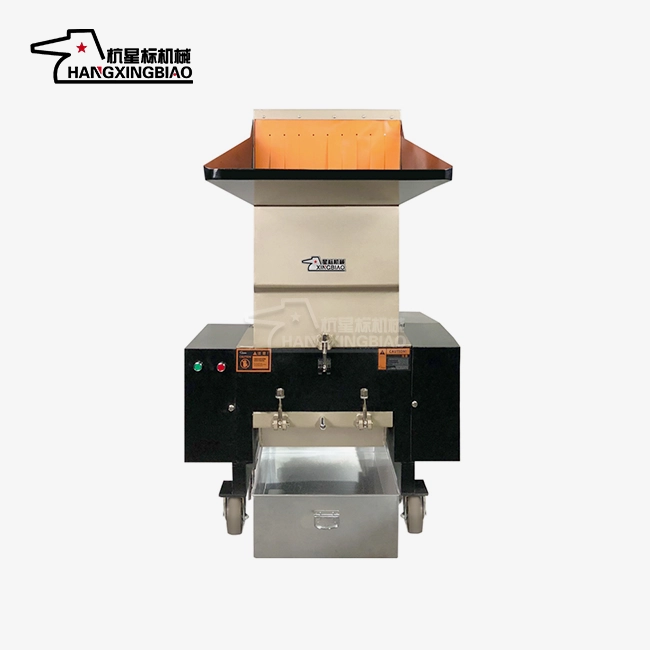
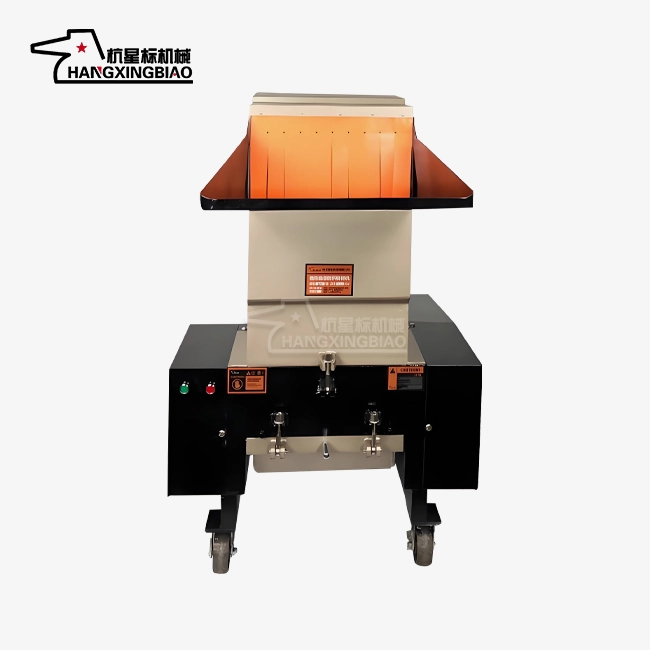
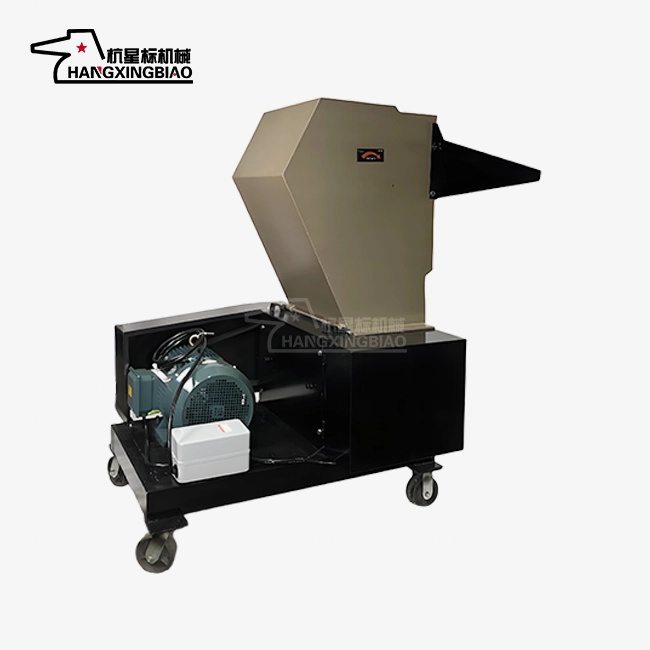
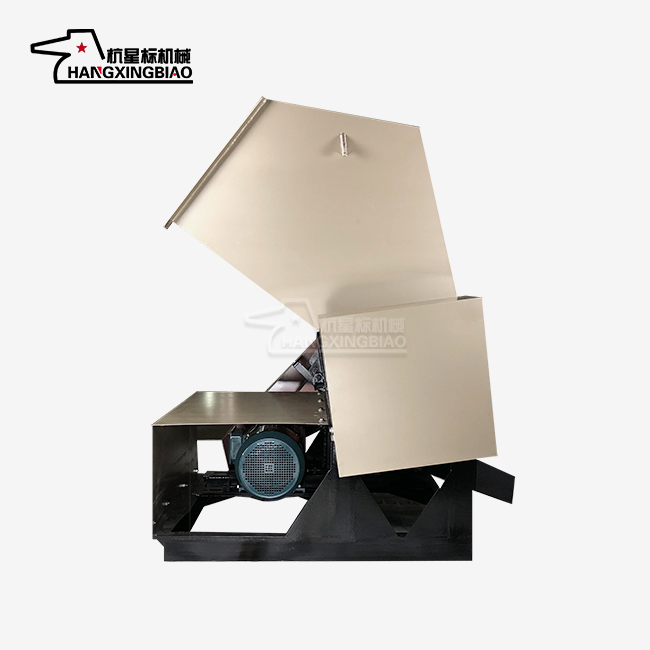
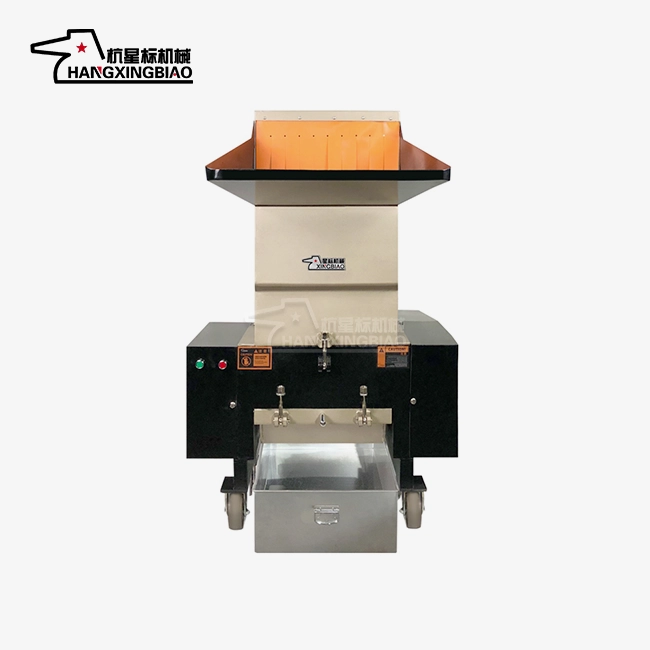
Core Components and Machine Architecture
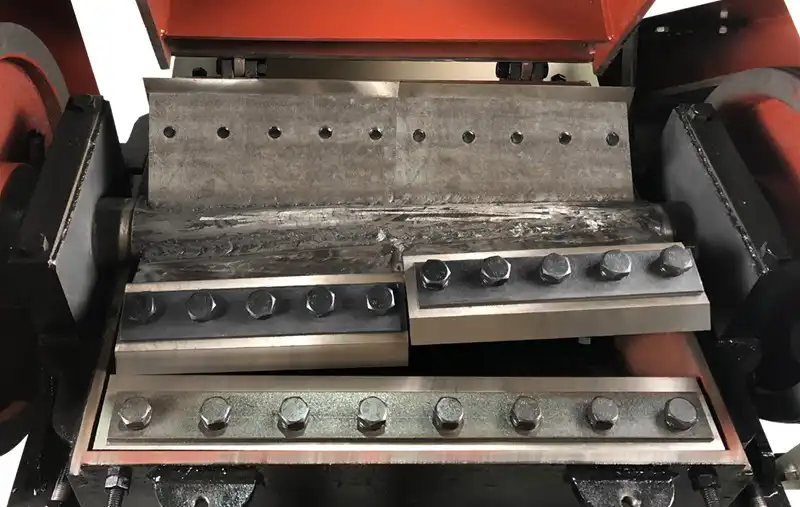
The sharpened steel blades on the high-speed spinning shaft of the PET plastic crushing crusher work together in a complex way. After 30 years of making things, we've seen that the rotor unit is the most important part of the breaking system. Depending on the material, it spins at speeds between 500 and 800 RPM. The fixed blades around the rotor make an exact cutting action that breaks down PET bottles into even flakes that are 10 mm to 30 mm wide, depending on the screen mesh choice. Welded from high-strength steel plates at Xingbiao's facilities, the strengthened crushing chamber can handle continuous use in harsh production conditions without structural damage.
How the Crushing Process Works
The material goes into the gravity-fed hopper, where it is naturally sorted: lighter contaminants move to the top, while heavy PET falls toward the blade zone. The spinning blades create centrifugal force that pushes material against counter-knives that stay still. This shears the material, breaking molecular bonds in the plastic structure. This mechanical process is very different from shredders, which tear things apart. PET plastic crushing crushers make better cuts with less dust and more even sizes. The broken PET comes out of changeable screen holes. Particles that are too small fall into collection bins, while pieces that are too big go back through for more processing.
Energy Consumption and Efficiency Metrics
Depending on its processing ability and material density, modern crushing equipment uses between 15 and 55 kilowatts per hour. Our engineering team has found the best motor-to-blade ratios, which means that over 20% less energy is wasted than with other designs. The direct-drive transmission method doesn't lose power to friction like belt-driven types do, so electrical input is better turned into crushing force. Power use in facilities that process 500 kilograms of PET bottles an hour is usually around 22 kilowatts. This makes operating costs regular and easy to handle with limited production budgets.
Step-by-Step Guide on How to Operate the PET Plastic Crusher Correctly
Pre-Operation Safety Protocols
Before any equipment turns on, safety must come first. To keep from getting tangled up, operators must wear steel-toed boots, impact-resistant goggles, hearing protection rated for 85 decibels or higher, and fitting work gloves. Before every shift, we stress making sure that all of the emergency stop buttons work properly. Pressing each button will stop the rotor right away. Check the clear safety guards that go around the feed hopper for cracks or fixing bolts that aren't tight enough. If they are, the safety could be compromised. Look around the machine for things that could cause someone to slip, like lube that has been spilled or pieces of broken plastic. Clear the area so that there are quick escape paths in case of an emergency.
Correct Startup Procedures
To keep mechanical parts from getting damaged by stress, the starting process is done in a certain order. Turn on the main power source and wait for the display on the control panel to light up all the way. This will show that all of the sensors are reading normally. Start the dust collection system 30 seconds before turning on the spinning motor. This creates negative pressure that grabs flying particles as soon as they hit the ground. Start the rotor motor when there is no material in the cylinder. This will let the machine reach its best working speed. Listen for the steady hum that means the blades are rotating evenly. Once the RPMs are stable, operators should slowly add PET material, starting with smaller bottles and working their way up to thicker-walled cases.
Feeding Techniques and Material Management
When feeding is done right for a PET plastic crushing crusher, flow stays steady and mechanical jams don't stop production. When you can, put PET bottles in with the neck down. This way, the material goes easily into the blade zone without crossing the hopper hole. Do not dump a lot of things at once; instead, keep the flow steady so that the blades stay busy without overworking the motor. We've found that changing the colors of the bottles while they're being fed helps workers see that the processing is done, making sure that no uncrushed material is left in the corners. Before you start, take off any metal caps or thick labels. These things will quickly dull the blades and require expensive replacements.
Monitoring Performance Indicators
Operators with a lot of experience can spot small changes in how a machine works that mean problems are starting to appear. Normal operation makes a steady cutting sound at regular intervals. A loud metallic clanging sound means that something strange is hitting the blades, which means the machine needs to be shut down right away so that it can be inspected. Watch the ammeter on the control panel. The current draw should stay steady within the range stated by the maker. Spikes in the readings mean that the blades are getting dull or the screen is getting clogged. If you put temperature monitors near bearings, they should always read below 70 degrees Celsius. If they read higher, it means that the bearings aren't getting enough oil or are wearing out and need to be serviced.
Maintenance Tips for Prolonged PET Plastic Crusher Life
Daily Inspection and Cleaning Routines
Every day of production ends with a full review of the equipment. This keeps small problems from getting worse and causing failures. Turn off the power and lock out the electrical box before you open any doors or take off any guards. Use compressed air to blow plastic dust out of motor vents, electrical parts, and bearing housings. This will keep heat from building up and speeding up the wear and tear on parts. Check the sides of the blades in good lighting for chips, rounded cutting areas, or uneven wear patterns that could mean they are not aligned correctly. Our quick-change screen design lets workers switch mesh sizes in less than ten minutes, so they can get the best particle output without having to wait for a long time.
Lubrication and Bearing Care
When done right, proper lubrication can make bearings last from months to years longer. Every 200 hours of use, use a grease gun with exact measuring to put high-temperature lithium-based grease on the rotor shaft bearings. This will keep them from getting too greasy, which can attract dust. The bearing housings have viewing windows that let you see how the grease is spreading without taking the whole thing apart. Remove any extra grease that comes out of seals because it catches plastic particles and turns them into a rough paste that hurts the sealing surfaces. We suggest keeping a greasing log with dates, amounts used, and temperature readings of the bearings so that you can see patterns of wear and tear before they break completely.
Blade Maintenance and Replacement Strategy
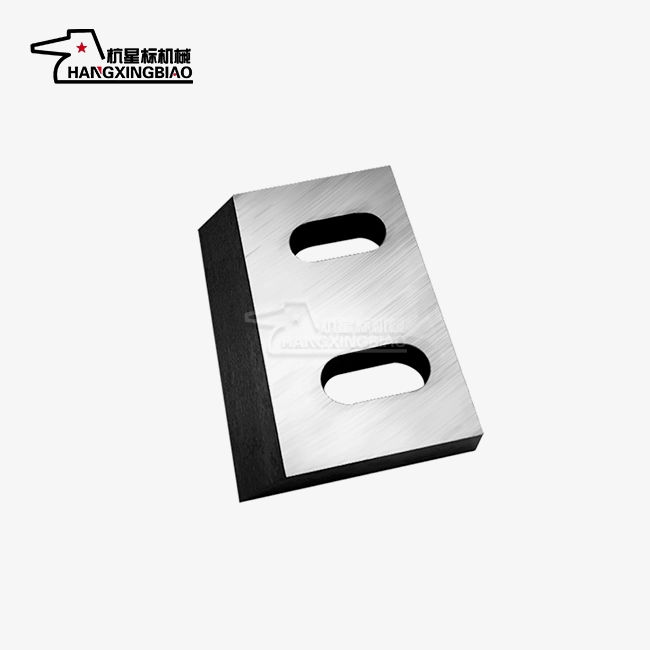
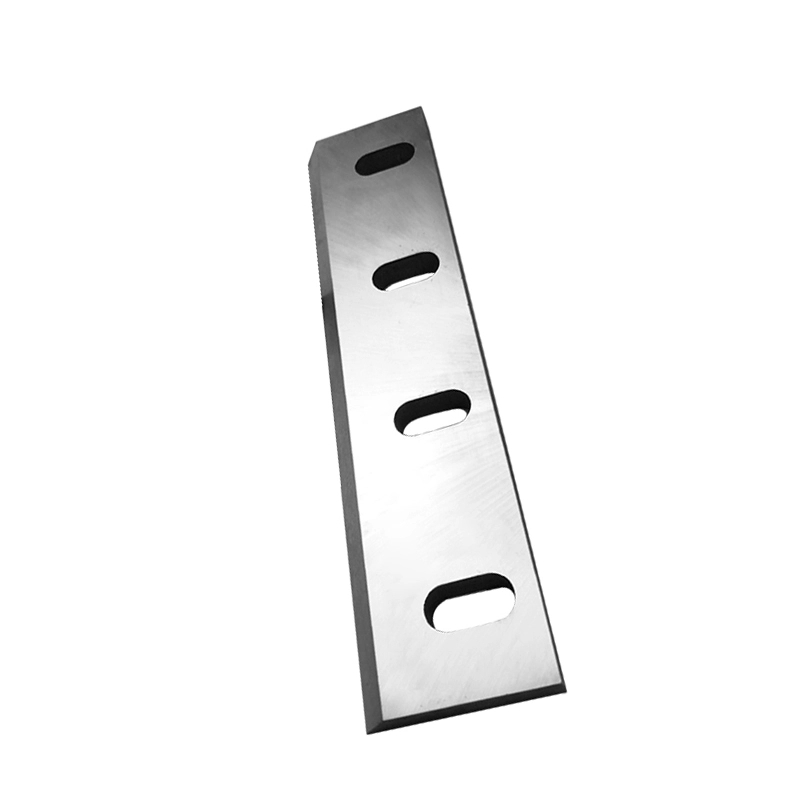
The state of the blades has a direct effect on how well they break and how much energy they use. When cutting through PET, sharp blades do it cleanly and with little force, while dull edges have to use 30% more power to do the same job. Every 400 hours of use, rotate the blade and move the less-worn sides to high-impact areas to even out the wear on the whole cutting assembly. Xingbiao PET plastic crushing crushers use SKD-11 tool steel blades that are pressure heated until they reach a hardness of 58 to 62 HRC. This gives them four times the service life of carbon steel blades of the same thickness. Keep a full set of extra blades on hand so that you can change them right away during planned maintenance times. This way, you can avoid rushing through setups that hurt the cutting performance.
How to Choose the Best PET Plastic Crusher for Your Business Needs
Capacity Requirements and Production Matching
By choosing the right breaking capacity, you can avoid bottlenecks that slow down the overall recycling process. Find out how many kilograms of PET bottles you usually use in a day, and then add 25% to the buffer capacity to account for changes in volume during busy pickup times. A plant that processes 2,000 kilograms of goods every day should ask for equipment that can handle 2,500 kilograms so that it can keep its running margins without constantly being under maximum load stress. Think about differences in the density of the materials. For example, processing compressed bags takes longer than processing loose bottles, which means that hourly output is 15% to 20% lower than what was originally planned. Our engineering experts do thorough capacity assessments based on the unique properties of your materials. This way, you can be sure that the model you choose is based on working facts and not theoretical maximums.
Noise Level Considerations
Industrial settings need to find a mix between worker comfort, safety, and efficiency. When it's working, standard grinding equipment makes 80 to 95 decibels, which is close to or above the levels of noise that OSHA allows for eight-hour jobs. Our high-power PET plastic crushing crusher line has acoustic dampening chambers and motor mounts that isolate vibrations, which lower the noise level during operation to 78 decibels when tested from one meter away. This improvement to the tech lets people on the floor talk to each other without yelling and lowers the risk of long-term hearing damage. Noise-attenuated models help facilities that are close to residential areas because they stop protests from the community and regulatory violations, which protect operating licenses.
Energy Efficiency and Operational Costs
Over years of constant use, energy costs add up to a lot, so economy is an important thing to think about when buying something. Instead of looking at raw motor horsepower rates, compare the number of kilowatt-hours used per ton of material processed. This will show you the true operating costs. Modern motor controls that can soft-start cuts inrush current by 60%. This lowers demand charges on energy bills and increases the life of the motor windings. Our improved blade shape and chamber airflow design reduces the amount of energy needed by 22% compared to older PET plastic crushing crusher designs. For medium-volume businesses, this means saving $3,000 to $5,000 a year. During the evaluation of the tools, you should ask for specific power consumption data, such as measurements of no-load and full-load situations for different materials.
Enhancing Operational Efficiency and Sustainability
Implementing Predictive Maintenance Strategies
Condition-based repair methods help modern recycling operations a lot because they stop sudden breakdowns. Vibration monitors on bearing housings can find imbalances weeks before anyone else can. This means that repairs can be done during planned breaks instead of having to be done quickly in an emergency. Monitoring temperatures with radio sensors lets maintenance teams know right away if there are problems with cooling or too much friction. This keeps catastrophic bearing seizures that damage rotors and take weeks to replace from happening. We've worked with facilities that put these monitoring systems in place and seen repair costs drop by more than 35% while proactive intervention methods raised equipment availability from 87% to 96%.
Optimizing Material Preparation
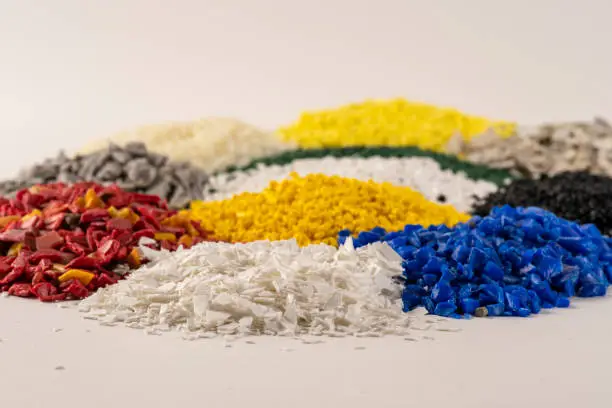
Activities that happen before the PET plastic crushing crusher have a big effect on how well it works and how good the result is. Taking off the caps and labels on PET bottles before they are crushed makes the flake more pure, which makes pelletizing plants pay more for it. Putting in a pre-wash system gets rid of dirt and residue from drinks that would otherwise stick to the blades and make them less effective at cutting. By sorting bottles by color before crushing them, you can make batches of single-color flake that sell for 18% to 25% more than mixed-color material. These investments upstream add to the capabilities of crushing equipment, increasing income per ton handled while lowering mechanical component wear.
Energy Recovery and Process Integration
Recycling centers that are on the cutting edge include crushing processes as part of larger material flows that collect waste energy. During the winter, the heat from the motor and the pressure during crushing can help heat the building, regaining energy that would have been lost otherwise. Separate motors for the conveyors are not needed with pneumatic transportation systems because they are driven by the PET plastic crushing crusher's own airflow. This means that the whole facility uses less energy. In places where energy rates are based on time of use, scheduling crushing activities during off-peak hours cuts costs by 20% to 30%. Over years of operation, these regular improvements add up to big profit margins in recycling markets that are very competitive.
Conclusion
For PET plastic crushing crusher equipment to work right, operators must understand how it works mechanically, follow safety rules, and follow regular repair plans. When workers use the right feeding methods and keep a close eye on performance signs, the crushing process can turn big used bottles into valuable recovered feedstock. The best way to get a good return on your investment is to choose equipment that is right for your production rate, material properties, and working conditions. As a company that has only made PET plastic crushing crushers for 30 years, we have seen how proper operation can add five to seven years to the normal life of equipment. Sustainable recycling operations balance the need for output with the need for energy efficiency and worker safety. This creates companies that make money and are good for the environment.
FAQ
What safety equipment do operators need when running a PET plastic crusher?
To protect their eyes from flying objects, operators must wear safety glasses with an impact resistance rating of ANSI Z87.1 or higher, hearing protection for noise levels above 85 decibels, steel-toed boots that meet ASTM F2413 standards, and tight-fitting work gloves that won't get caught in moving parts. Loose clothes, jewelry, and long hair that isn't secured all pose entanglement risks that make them illegal to have near working equipment.
How often should crusher blades be inspected or replaced?
Every day, when you clean your blades, you should look at them visually to see if they are damaged or worn out too much. Every 400 hours of use, the blade needs to be completely rotated to even out wear. After 1,600 to 2,000 hours, based on the abrasiveness of the material and how it is fed, the whole blade needs to be replaced. Watching how much power is used can tell you early on if a blade is getting dull—if the current draw goes 15% above normal, the blade needs to be sharpened or replaced right away.
Can PET plastic crushers operate continuously for 24-hour production cycles?
When properly maintained and used within their stated capacity limits, good industrial PET plastic crushing crushers can handle constant use. Oversized motors with thermal safety, heavy-duty bearing systems, and strengthened construction all work together to make sure that the machine works reliably 24 hours a day, seven days a week. Setting up maintenance windows every 500 hours keeps parts from breaking down, and having extra parts on hand means that fixes can be made quickly if there is an unexpected downtime.
Partner With Xingbiao for Reliable PET Plastic Crushing Solutions
Xingbiao has spent the last 30 years improving the technology for crushing plastic. They are now the trusted seller of PET plastic crushing crushers to big names in the industry, like Nongfu Spring and KFC. Our 20-person engineering team makes machines with SKD-11 tool steel blades that have been vacuum heat-treated. These blades have great wear resistance and last 40% longer between service times than regular designs. Our stress-relieved welding frames keep the blades from deforming even after years of high-load operation, and our optimized blade shape boosts flow by 22% without using more energy. We help with everything, from choosing the right equipment to training on how to install it and ongoing care partnerships. We answer all technical questions within 24 hours. Our range of compact standard models to customized high-capacity systems can meet your exact business needs, no matter how many PET bottles your plant processes every day—200 kg or 5,000 kg. For more information on our PET plastic crushing crusher for sale, please email us at xingbiaocrusher@xingbiaocrusher.com. We can give you full equipment specs, performance data, and reasonable prices. This will help you recycle more efficiently.
References
1. Martínez, J.L., & Thompson, R.K. (2021). Industrial Plastic Recycling: Equipment Selection and Operational Best Practices. Cambridge: Recycling Technology Press.
2. Chen, W., & Anderson, P.M. (2020). "Mechanical Properties and Processing Parameters of PET Bottle Recycling Systems," Journal of Polymer Recycling and Sustainability, 15(3), 287-304.
3. Singh, A.K. (2022). Plastic Crushing Technology: Design, Operation, and Maintenance Handbook. New Delhi: Industrial Equipment Publications.
4. Hoffmann, G., & Schneider, T. (2019). "Energy Efficiency Optimization in Plastic Waste Processing Equipment," International Journal of Sustainable Manufacturing, 8(2), 156-173.
5. Roberts, D.L., & Kim, S.J. (2023). Safety Protocols for Industrial Plastic Recycling Operations. Chicago: Manufacturing Safety Institute.
6. European Plastics Recycling Association. (2021). Technical Guidelines for PET Bottle Crushing and Recycling Infrastructure. Brussels: EPRA Technical Committee.
Learn about our latest products and discounts through SMS or email