- English
- French
- German
- Portuguese
- Spanish
- Russian
- Japanese
- Korean
- Arabic
- Greek
- German
- Turkish
- Italian
- Danish
- Romanian
- Indonesian
- Czech
- Afrikaans
- Swedish
- Polish
- Basque
- Catalan
- Esperanto
- Hindi
- Lao
- Albanian
- Amharic
- Armenian
- Azerbaijani
- Belarusian
- Bengali
- Bosnian
- Bulgarian
- Cebuano
- Chichewa
- Corsican
- Croatian
- Dutch
- Estonian
- Filipino
- Finnish
- Frisian
- Galician
- Georgian
- Gujarati
- Haitian
- Hausa
- Hawaiian
- Hebrew
- Hmong
- Hungarian
- Icelandic
- Igbo
- Javanese
- Kannada
- Kazakh
- Khmer
- Kurdish
- Kyrgyz
- Latin
- Latvian
- Lithuanian
- Luxembou..
- Macedonian
- Malagasy
- Malay
- Malayalam
- Maltese
- Maori
- Marathi
- Mongolian
- Burmese
- Nepali
- Norwegian
- Pashto
- Persian
- Punjabi
- Serbian
- Sesotho
- Sinhala
- Slovak
- Slovenian
- Somali
- Samoan
- Scots Gaelic
- Shona
- Sindhi
- Sundanese
- Swahili
- Tajik
- Tamil
- Telugu
- Thai
- Ukrainian
- Urdu
- Uzbek
- Vietnamese
- Welsh
- Xhosa
- Yiddish
- Yoruba
- Zulu
Environmental Benefits of PET Bottle Crusher Machines
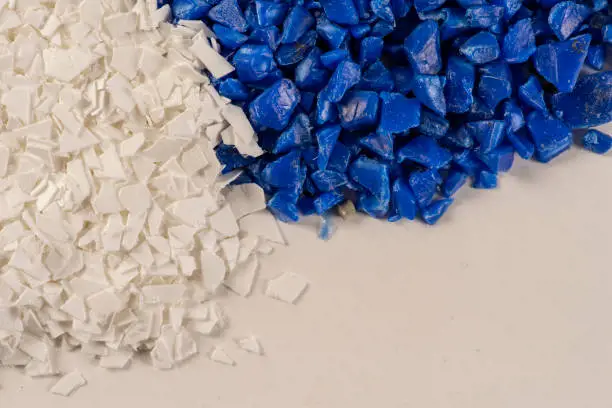
Using a PET crusher in recycling processes has many benefits for the environment that go beyond just reducing trash. These special tools turn used PET bottles into uniform flakes, which makes it possible to reuse materials efficiently while using a lot less energy than making new plastic. By cutting the amount of trash by up to 90%, PET crushers reduce the amount of pollution caused by shipping and the need for landfills. This helps companies keep their sustainability promises. Modern breaking equipment is very well engineered so that the flake quality is always the same. This is important for closed-loop recycling systems, which use recycled materials to make new things. This technological method meets the urgent need for plastic garbage solutions that can be scaled up in the recycling and industrial sectors.
Understanding PET Bottle Crushers and Their Environmental Significance
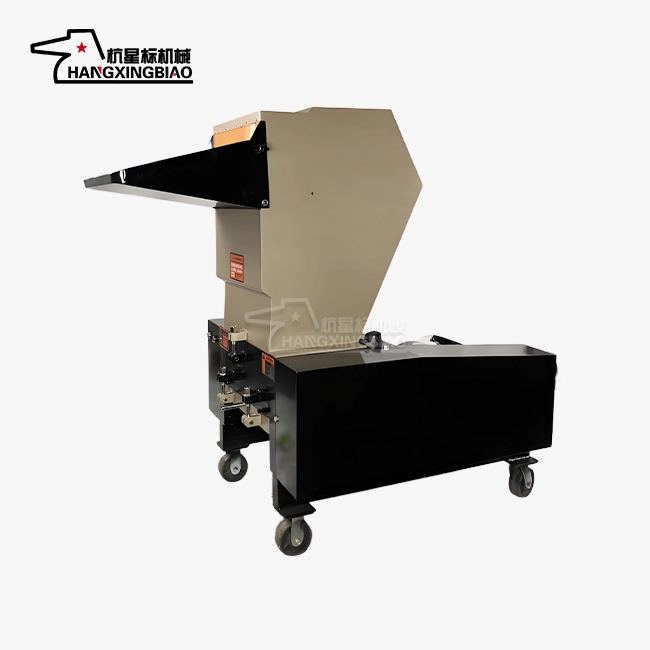
Precision technology is used in the plastic recycling business to turn used plastic into materials that can be used again. A PET crusher is a piece of specialized machinery designed to break down polyethylene terephthalate bottles mechanically, turning them into regular flakes that can be used in other steps in the process.
How PET Crushing Technology Works
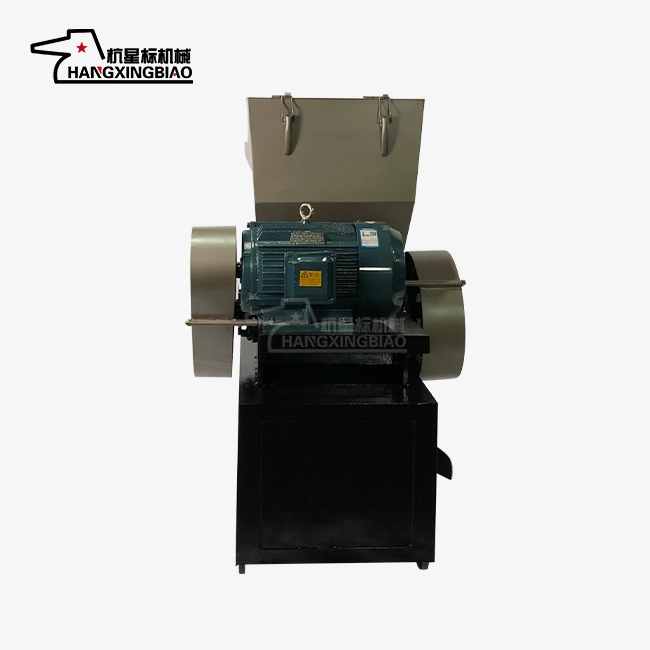
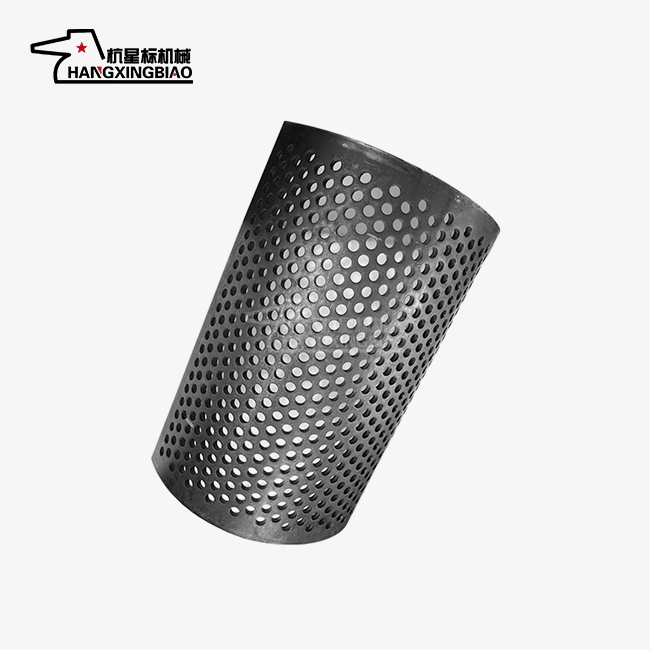
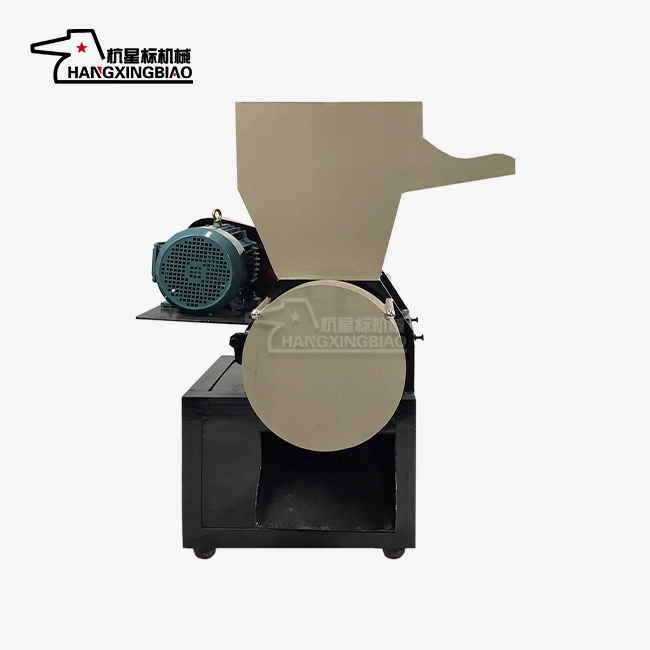
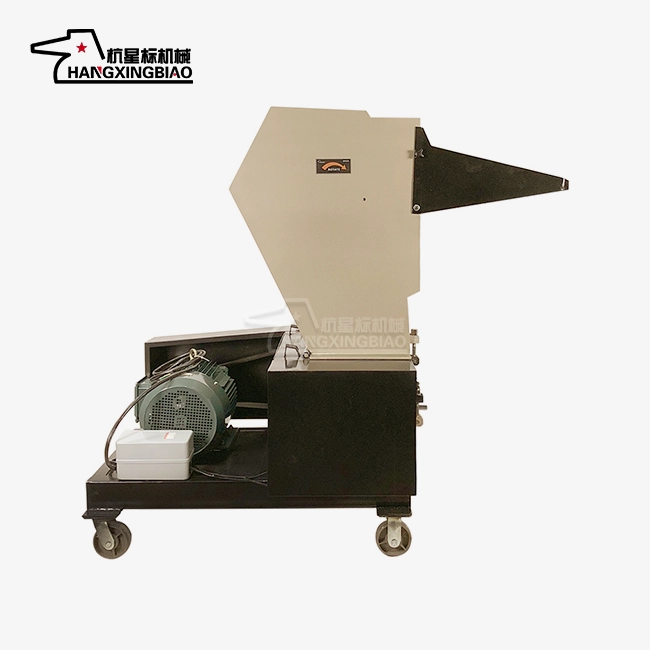
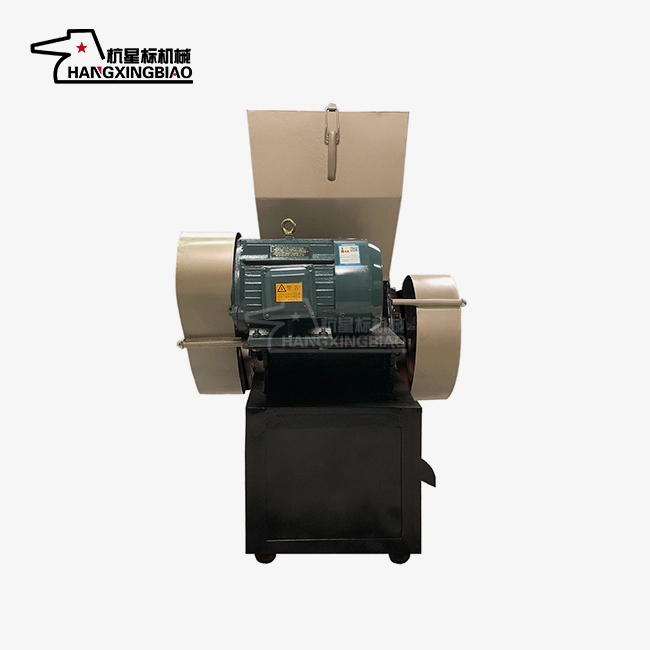
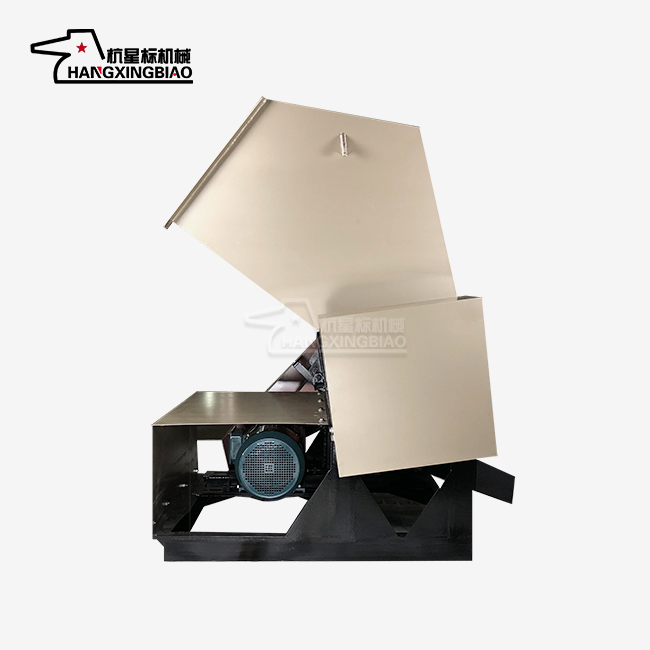
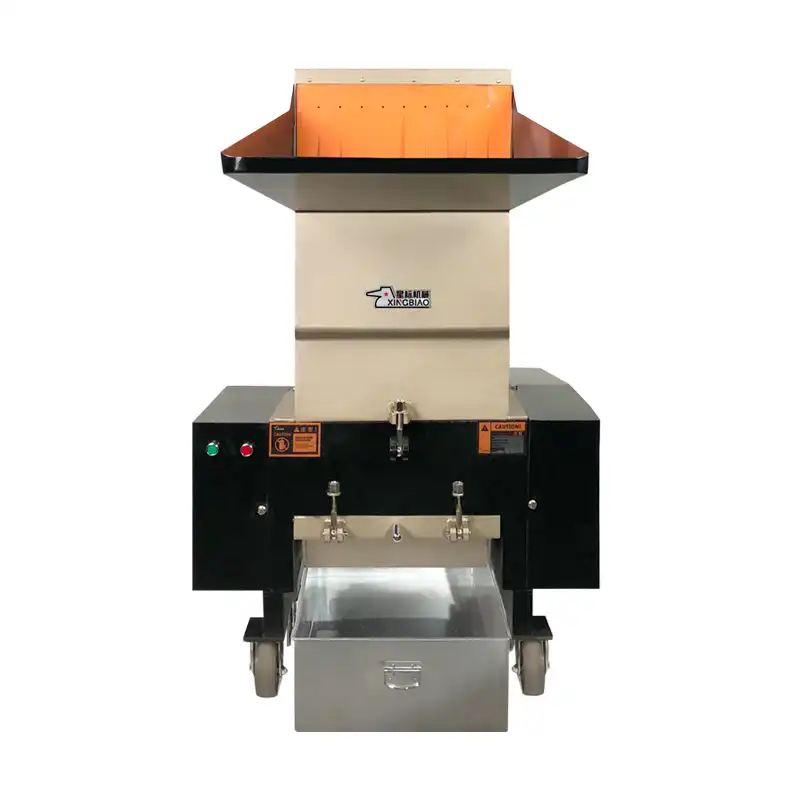
Modern machines that crush plastic bottles use strong wheels with high-speed spinning blade systems to cut and shred the material that comes in. When bottles go into the feed chamber, the rotor spins at a set speed, and the fixed blades and spinning cutters cut like scissors. This V-cut or scissor-cut rotor design works especially well for PET cases with thin walls because it pulls material toward the center of the rotor, which reduces its size gradually. The broken pieces go through pierced screens with holes that are usually 12 mm to 14 mm in diameter. These holes control the end flake size. Small particles are the only ones that can leave the chamber, which makes sure that the output is constant, which is important for the next steps of washing and reprocessing.
Types of PET Crushing Equipment
Recycling centers and factories can choose from different designs of crushers based on their needs. Small businesses with low throughput need manual systems, while semi-automatic models combine human input with machine handling. Fully automatic crushers work well with constant production lines and can handle large amounts of work with little control. A lot of people get confused about the difference between crushers and granulators, but both words refer to high-speed cutting machines used in recycling. This is very different from low-speed shredders that are made to reduce the size of baled bottles at first.
Supporting Global Waste Reduction Initiatives
Putting crushing technology into disposal systems directly helps the fight against plastic waste around the world. Research from the Ellen MacArthur Foundation says that reusing PET by hand cuts greenhouse gas emissions by 67% compared to making new plastic. Businesses that fix broken injection-molded parts and recycling plants that deal with large amounts of used goods are both part of circular economy models. By making it easy to recycle materials, these systems help businesses meet environmental standards and become less reliant on raw materials made from oil.
Key Environmental Benefits of Using PET Bottle Crushers
Putting in bottle crushing equipment makes the environment better in a way that can be measured. This is in line with company's sustainability goals and legal requirements in the US market.
Substantial Landfill Diversion
The most obvious environmental benefit of crushing is that it reduces the amount of material that needs to be crushed. Uncrushed PET bottles have a lot of empty room inside them, which takes up valuable waste space even though the bottles aren't very heavy. This material is compressed by 85–90% during the breaking process. This makes plastic trash much smaller in size. Millions of bottles are kept out of landfills every year by recycling centers with effective breaking systems. This lowers the risk of dirt contamination and protects land resources. This optimization of volume also lowers the number of pickups and transportation needs, which means that garbage management activities use less fuel.
Energy Conservation Through Material Recovery
The energy equation strongly supports using a PET crusher and recycled PET instead of making new PET. In order to make new plastic from oil, the heating, polymerization, and shaping steps need to be very intense and use about 84 million BTUs per ton of resin. About 28 million BTUs are needed per ton of broken PET to make new goods. This is a 67% drop in energy use. This difference in energy directly leads to less carbon dioxide being released into the air. For every ton of recovered PET, about 3.5 metric tons of CO2 equivalent are kept from entering the atmosphere. When big factories put crushers next to injection molding machines, they can get rid of production waste right away, saving energy on shipping and getting back material value.
Natural Resource Preservation
The production of PET rests on limited oil supplies; to make one ton of raw plastic, about 1.9 tons of crude oil are needed. This extraction pressure is cut down a lot by closed-loop recycling systems that use efficient breaking technology. Another big benefit is that recycling methods use a lot less water than making new PET, which uses about 24 liters of water per kilogram of plastic. Small to medium-sized recycling companies that deal with a variety of garbage streams help protect resources by keeping materials in use instead of taking them out to be used as new feedstocks. This method supports the idea of a circular economy, in which goods keep their value over many cycles of their life.
Evaluating PET Crusher Technologies and Their Environmental Impact
When choosing crushing equipment, it's important to know how the choices made during the planning process affect both the environmental performance and the operating efficiency. Modern technical progress has made machines that use less energy and leave less of an impact on the earth.
Energy-Efficient Design Innovations
Modern designs for PET crushers include a number of elements that keep processing capacity while reducing power use. Optimized motor matching makes sure that electrical systems give the right amount of power without oversizing, which is a common problem with older equipment that wastes energy. The shape of the blades is very important. Because they cut more slowly, V-cut rotor designs need 15-20% less energy than straight-blade designs. The structure of the cavities around the rotor also affects how well it works, because properly built chambers let material flow freely without using too much mechanical power. Equipment makers like Xingbiao have improved these parts over the past 30 years of specialized research and development, making machines that crush more efficiently than regular designs by more than 20%.
Automated Versus Manual Systems
When choosing between levels of automation, some environmental costs and benefits go beyond just measuring how much energy is used. Fully automatic crushers usually have bigger motors and can run all the time, so they use more power when they're working. But the careful way they handle the materials cuts down on spills and pollution, which improves the quality of recycling further down the line. Semi-automatic and manual systems use less energy, but they might need more work and make flake shapes that aren't always the same, which could lead to more waste when they're processed later. When looking at overall system efficiency, medium- to large manufacturing companies usually find that automatic solutions are better for the environment. Smaller businesses, on the other hand, may value the lower baseline consumption of manual equipment.
Noise Pollution Considerations
More and more, workplace environmental standards take into account how noisy manufacturing tools can be. Traditional plastic crushers often make noise levels higher than 85 decibels, which means hearing protection is needed and there aren't many places where they can be put in facilities. Modern crushing machines have sound-dampening features, like bonding with strengthened steel that soaks up vibrations and lowers noise. High-power crushers made to be placed next to injection molding machines specifically address noise issues, allowing multiple operations to happen at the same time without affecting production areas. When purchasing tools, purchasing managers should ask for documented sound level tests. This is because workers and people living nearby are less stressed when operations are quieter.
Best Practices for PET Crusher Maintenance to Maximize Environmental Benefits
Good equipment repair has a direct effect on environmental performance because it makes sure that machines use energy efficiently and don't need to be replaced too soon, which creates fewer industrial impacts.
Routine Maintenance Procedures
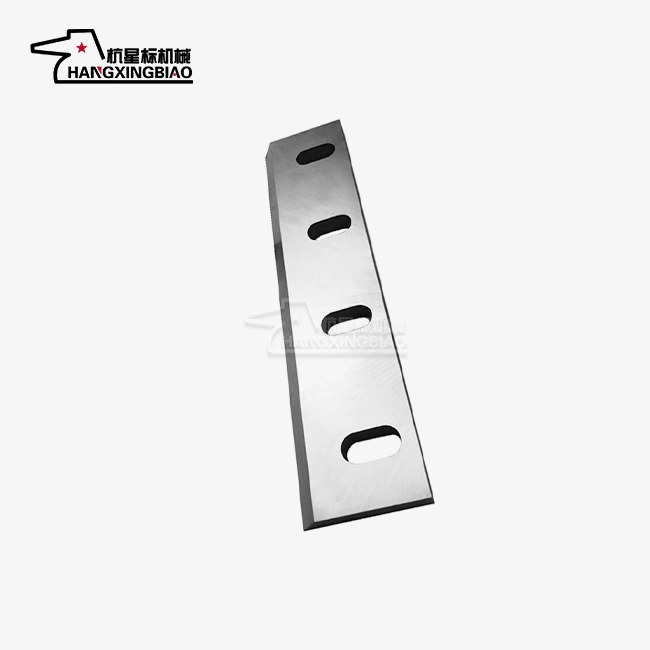
Setting up regular repair plans for a PET crusher keeps crushers working efficiently for their entire useful lives. Every month, the blade should be inspected to look for wear patterns that make cutting harder and use more energy. High-quality blades made from SKD-11 or D2 tool steel and treated with vacuum hardening and cryogenic processing stay sharp longer than regular materials, which means they don't need to be replaced as often. The state of the screen needs the same care—perforations that are damaged or clogged make the motors work harder, which uses too much power and makes flake sizes that aren't uniform. Well-designed crushers have quick-change screen structures that cut down on repair downtime by letting screens be replaced quickly without stopping production for long periods of time.
Bearing lubrication represents another critical maintenance point. Bearings that are properly oiled use less energy and last longer because they don't produce as much friction and heat. Facilities should follow the manufacturer's instructions for the type of oil to use and how often to apply it. Xingbiao comes with thorough maintenance plans for all of its equipment, such as lubrication schedules that are tailored to each crusher type and level of operation.
Avoiding Common Operational Mistakes
Inefficient ways of doing business can have a negative effect on the world. When feed chambers are overloaded, motors are forced to work outside of their best working ranges. This increases energy use and speeds up blade wear. Operators should keep feed rates constant with the machine's capacity numbers. This saves power and improves the quality of the output. Processing polluted material with metal caps, labels with glue residue, or non-PET plastics hurts the blades and makes mixed-material output that can't be recycled properly. These problems can't happen with pre-sorting processes, which protect the investment in tools and make sure that the recovered material meets the needs of the end user.
Neglecting minor repairs leads to cascading problems. A slightly loose rotor housing causes vibrations that put stress on the frame, damage the bearings, and make the noise level higher. Professional-grade crushers have an open design layout that makes it easy to check and change them quickly. This lets maintenance teams fix small problems before they get worse. This proactive method increases the useful life of machines while keeping the eco-friendly features built into them.
Making an Environmentally Conscious Procurement Decision
When choosing crushing equipment, you have to look at a lot of different things that affect how well it will work and affect the world in the long run.
Key Selection Criteria
The basic standard that needs to be aligned with output numbers is throughput capacity. Small recycling operations can get by with a crusher that can handle 500 kilos of material an hour. Larger facilities, on the other hand, need industrial-sized tools that can handle high volumes all the time. The amount of energy used per kilogram of treated material lets you compare models in a useful way. Energy-efficient designs usually need between 0.3 and 0.5 kilowatt-hours per kilogram. Processing capacity should take expected growth into account, since buying equipment that is too small means having to replace it too soon, which has environmental costs.
Supplier Assessment and Support
Beyond the specs of the tools, the skills of the seller have a big impact on the success of ongoing implementation. Third-party proof shows that certified producers are committed to quality standards. Companies like Xingbiao keep their ISO certifications up to date and form industry-university research relationships. For example, they work with big companies like Nongfu Spring and KFC to prove their technical knowledge. These connections show that the person has used the skills in the real world, where there are strict operating needs.
Warranty terms and support after the sale for a PET crusher protect investments in the environment by making sure tools stay as efficient as they were meant to be for their entire service life. Support programs that cover everything, like installation help, operator training, and regular follow-up visits, stop operating mistakes that hurt performance. Having spare parts on hand is very important for keeping tools in good shape instead of replacing them too soon. With suppliers who promise to respond within 24 hours and enough parts in stock, fixes can be done quickly, reducing downtime and keeping the recycling process running.
Customization lets you solve problems with unique materials. Recycling companies that deal with a lot of jumbled trash can use special crusher setups made for films, woven bags, and fibrous content. For manufacturing processes that make defective products with certain shapes, the cutting chamber measurements or blade designs may need to be changed. One-size-fits-all methods aren't as good for the environment as suppliers who offer engineering advice and custom solutions.

Conclusion
In conclusion, the method for crushing PET bottles is good for the earth at every step of the recycling process, from collecting the trash to making the final product. These special tools have measurable benefits, such as keeping trash out of landfills, saving a lot of energy compared to making new plastic, and protecting natural resources in a useful way. Improvements in technology used to make crushers have made them more energy efficient and less harmful to the environment, such as making less noise. By choosing the right equipment, keeping it in good shape, and working with knowledgeable providers, companies can get the most out of these environmental benefits while also meeting their own sustainability goals. As problems with plastic trash get worse around the world, companies that make things or recycle plastic in the US should invest in high-quality crushing equipment as a way to help the environment and make money at the same time.
FAQ
How do PET bottle crushers help achieve corporate sustainability targets?
Putting in place crushing equipment directly supports a number of sustainability measures that are tracked by business environmental programs. The amount of garbage that is diverted from landfills, which can be measured in corporate responsibility reports, is equal to or greater than 90% volume reduction achieved through efficient crushing. Reusing materials instead of making new ones saves energy and helps reach goals for lowering carbon emissions. For every ton of recycled PET, between 2.5 and 3.5 metric tons of CO2 are avoided. Companies can keep track of these measures and report them as real progress toward their science-based pledges to cut emissions. Crushing technology allows for closed-loop recycling, which also supports a circular economy positioning that is becoming more and more valued by big investors and customer brands.
What should procurement managers consider for environmental efficiency?
When choosing equipment, you should think about how much energy it uses per kilogram of material worked. Modern, efficient crushers need between 0.3 and 0.5 kWh/kg. The type of material used for the blade affects how often it needs to be replaced and the effects that have on production. Premium tool steels like D2 last a lot longer than normal materials. Noise levels below 80 decibels are a sign of good planning that lowers stress in the workplace. Supplier support skills make sure that equipment stays efficient over its lifetime instead of losing performance. When making a purchase choice, people should also think about the total cost of ownership, which includes things like upkeep needs, availability of parts, and expected service life. This is because replacing equipment too soon has big environmental impacts that go beyond the initial cost of purchase.
Partner with Xingbiao for Superior PET Crusher Solutions
To deal with the problems caused by plastic waste, we need tools that are good for the environment and reliable in the workplace. After 30 years of focused engineering, Xingbiao Machinery has only worked on developing crusher technology, making designs better and better. Twenty top engineers on our research team work with leaders in the industry to make tools that use less energy and crush things more efficiently by over 20%. The strong steel construction, vacuum-heated SKD-11 tool steel blades, and improved rotor designs make this machine reliable for decades. We offer a full range of solutions, from large-diameter crushers for industrial parts to specialized models that can handle tangled soft plastics. We also offer full technical support from the time you choose a solution until it is fully operational. Email our team at xingbiaocrusher@xingbiaocrusher.com to talk about how our PET crusher systems can help you reach your sustainability goals and make your business run more smoothly. Find out more about our full line of tools and thorough specs at www.xingbiaocrusher.com.
References
1. Ellen MacArthur Foundation (2017). "The New Plastics Economy: Rethinking the Future of Plastics." Ellen MacArthur Foundation Publishing.
2. Shen, L., Worrell, E., & Patel, M.K. (2010). "Environmental Impact Assessment of Man-Made Cellulose Fibres." Resources, Conservation and Recycling, 55(2), 260-274.
3. American Chemistry Council (2020). "2020 United States National Postconsumer Plastic Bottle Recycling Report." American Chemistry Council Plastics Division.
4. Hopewell, J., Dvorak, R., & Kosior, E. (2009). "Plastics Recycling: Challenges and Opportunities." Philosophical Transactions of the Royal Society B: Biological Sciences, 364(1526), 2115-2126.
5. National Association for PET Container Resources (2021). "Report on Postconsumer PET Container Recycling Activity in 2020." NAPCOR Annual Report.
6. Gu, F., Guo, J., Zhang, W., Summers, P.A., & Hall, P. (2017). "From Waste Plastics to Industrial Raw Materials: A Life Cycle Assessment of Mechanical Plastic Recycling Practice Based on a Real-World Case Study." Science of the Total Environment, 601-602, 1192-1207.
Learn about our latest products and discounts through SMS or email