- English
- French
- German
- Portuguese
- Spanish
- Russian
- Japanese
- Korean
- Arabic
- Greek
- German
- Turkish
- Italian
- Danish
- Romanian
- Indonesian
- Czech
- Afrikaans
- Swedish
- Polish
- Basque
- Catalan
- Esperanto
- Hindi
- Lao
- Albanian
- Amharic
- Armenian
- Azerbaijani
- Belarusian
- Bengali
- Bosnian
- Bulgarian
- Cebuano
- Chichewa
- Corsican
- Croatian
- Dutch
- Estonian
- Filipino
- Finnish
- Frisian
- Galician
- Georgian
- Gujarati
- Haitian
- Hausa
- Hawaiian
- Hebrew
- Hmong
- Hungarian
- Icelandic
- Igbo
- Javanese
- Kannada
- Kazakh
- Khmer
- Kurdish
- Kyrgyz
- Latin
- Latvian
- Lithuanian
- Luxembou..
- Macedonian
- Malagasy
- Malay
- Malayalam
- Maltese
- Maori
- Marathi
- Mongolian
- Burmese
- Nepali
- Norwegian
- Pashto
- Persian
- Punjabi
- Serbian
- Sesotho
- Sinhala
- Slovak
- Slovenian
- Somali
- Samoan
- Scots Gaelic
- Shona
- Sindhi
- Sundanese
- Swahili
- Tajik
- Tamil
- Telugu
- Thai
- Ukrainian
- Urdu
- Uzbek
- Vietnamese
- Welsh
- Xhosa
- Yiddish
- Yoruba
- Zulu
The Role of Ceramic Crushers in Modern Manufacturing Industries
Industrial ceramic crushers are a special kind of size reduction equipment that is made to work with rough and chemically reacting materials that are hard for regular crushers to handle. These machines work very well in many situations, from processing chemicals to making advanced materials. They have ceramic-lined parts and surfaces that don't wear down easily. While traditional metal crushers are most common in industry, industrial ceramic crushers are used to solve specific problems where keeping the work area clean, not reacting with chemicals, and lasting a long time are important for keeping production quality high and operations running smoothly.
Understanding Industrial Ceramic Crushers and Their Applications
Core Components and Material Advantages
Industrial ceramic crushers have impact plates, wear surfaces, and grinding cavities that are made of solid or ceramic-coated ceramic. In contrast to traditional crushers that are made completely of steel or cast iron, ceramic versions use alumina, zirconia, or silicon carbide in areas that are likely to break down quickly. This choice of material is better at resisting rough materials that would quickly wear down metal parts. Because they are made of clay, there are no metal contamination risks. This makes these crushers essential in industries like pharmaceuticals, food-grade materials, and advanced ceramics production, where product cleanliness is essential.
Modern industrial ceramic crushers have hardness scores above 9 on the Mohs scale, which makes them much harder than steel options. Because these parts are so hard, they can be used for longer periods of time before they need to be replaced. This cuts down on downtime and repair costs. Ceramics are safe to work with when toxic, acidic, or reactive chemicals would normally damage metal surfaces. This is because they don't react with these chemicals.
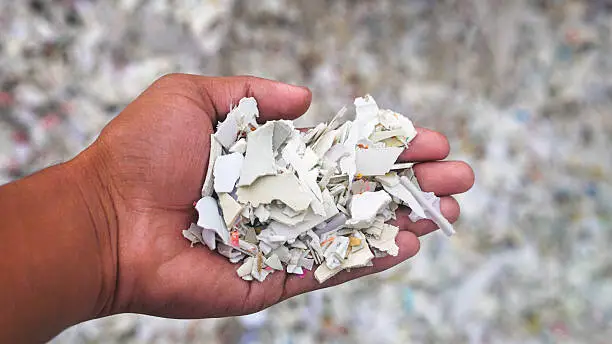
Operational Principles and Performance Metrics
Industrial ceramic crushers use well-known methods of mechanical reduction, such as compression, impact, and abrasion, but they apply these forces through ceramic surfaces that are designed to be very resistant to wear. Jaw-type industrial ceramic crushers use compression force between two plates that are lined with ceramic. As materials fall through the crushing room, they are broken up more and more. Impact crushers use hammers or blow bars covered in ceramic that spin quickly to break up materials that come in contact with ceramic anvils or curtains.
Some of the most important performance factors for industrial ceramic crushing equipment are its throughput capacity (measured in tons per hour), the accuracy of the particle size distribution, the amount of energy used per ton handled, and the component lifespan (measured in working hours). The most popular industrial ceramic crusher models can process anywhere from 5 to 50 tons of material per hour, based on the type of material and the output size that is needed. The amount of energy used depends on how hard the material is and how much water is in it. On average, 15 to 45 kilowatt-hours are used per ton of material handled.
Industrial Applications and Sector-Specific Benefits
Industrial ceramic crushers are used in chemical processing plants to reduce the size of catalysts, dyes, and specialty chemicals without introducing metal pollution. Mining companies that process gritty ores benefit from ceramic parts that last longer, which lowers the cost of replacements and downtime. These crushers are used by advanced ceramics makers to grind technical ceramics, refractory materials, and electronic substrates, where keeping the product clean is important for its survival.
When a pharmaceutical company switched from steel-lined breaking equipment to ceramic-lined equipment, they saw a 60% drop in the number of times they had to repair parts. Getting rid of the iron contamination also made it easier for the product to meet government standards for cleanliness. In the same way, a specialty glass recycling operation increased the life of crusher parts by 18% while handling very rough recycled glass cullet. This shows the real benefits that ceramic building brings to operations.
Types and Technologies of Industrial Ceramic Crushers
Jaw Crushers with Ceramic Linings
Jaw crushers with ceramic wear plates are used for primary reduction, which means they break down big feed materials into smaller pieces first. The ceramic linings keep the steel mouth plates from wearing down too quickly, and the steel frames keep their structural integrity. These combination designs have the dynamic strength of steel construction and the scratch-resistance of ceramic surfaces. Jaw crushers can take in materials up to 800 mm in size and make bits out of them that are anywhere from 25 mm to 150 mm in size, based on how the closed-side setting is changed.
Impact and Hammer Mill Configurations
It is best to use impact crushers with ceramic-coated blades and impact screens for breaking down hard materials quickly. The spinning ceramic elements hit the materials coming in at speeds of more than 50 meters per second, creating fracture forces strong enough to break even hard solid substances. For medium-hard materials, hammer mills with ceramic-tipped hammers can do the same job. However, upkeep is easier because only the hammers need to be replaced instead of the whole rotor.
Advanced Technological Integration
Modern industrial ceramic crushers have smart monitoring systems that keep an eye on things like temperature profiles, shaking patterns, and power usage patterns. These IoT-enabled monitors find problems with the way things are working before they become catastrophic. This lets maintenance be planned ahead of time, which cuts down on unexpected downtime. Automatic lubrication systems make sure that bearing sets get the right care without any help from a person. This increases the life of the parts and lowers the amount of work that needs to be done.
Composite materials that mix different ceramic phases to improve both hardness and fracture toughness are now used in advanced wear-resistant ceramic formulas. These designed ceramics are better at resisting both physical wear and impact damage than single-phase ceramics. This means they can be used for longer periods of time in tough situations. Some makers make ceramic parts that have wear sensors built in. These sensors measure the thickness in real time and let workers know when the part needs to be replaced.
Safety Standards and Compliance Requirements
In American factories that make things, industrial ceramic crushers have to follow OSHA safety rules, ANSI equipment standards, and rules related to their business about how to control dust and noise. Proper guarding systems keep operators from touching moving parts, and emergency stop systems let equipment be turned off quickly in case of an emergency. Integrating dust collection keeps the air quality in the workplace below the safe levels for respirable particles.
How to Choose the Right Industrial Ceramic Crusher for Your Manufacturing Business
Defining Operational Requirements
The decision process for selecting the right industrial ceramic crushers starts with a careful look at the properties of the material, the goals for processing, and the needs for integration. Material hardness, measured on the Mohs scale, directly affects the choice of crusher type. Less hard materials (below 5 Mohs) can be crushed by hammer mills, but harder materials (above 7 Mohs) need jaw or cone crushers. The needed feed opening dimensions are based on the feed size distribution, and the reduction ratios are based on the desired output specs.
The amount of production needed, in tons per day or hours, helps choose the right capability. When equipment is too small, it slows down production and is constantly stressed beyond its limits, which speeds up wear and shortens the life of parts. On the other hand, breakers that are too big use too much energy and waste money on capital. Equipment selection is also limited by the amount of construction room that is available, the type of power source that is used, and the existing infrastructure for moving materials.
Critical Specification Analysis
Manufacturers' capacity numbers are based on certain assumptions about the material and how it will be used. The actual throughput depends on the amount of moisture in the material, the range of feed sizes, and the product specs that are wanted. Energy economy has a direct effect on running costs. For example, a crusher that uses 25% less energy per ton of material processed will save a lot of money over the years it is used. Accessibility for maintenance affects the amount of work that needs to be done and the length of downtime during component replacement processes.
Customization features let tools be changed to fit specific working needs. Adjustable discharge holes allow for different output size needs without having to update any equipment. Screen layouts that can be switched out make it easy to switch between product details quickly. When processing needs change, modular design makes it easier to swap parts and add new equipment.
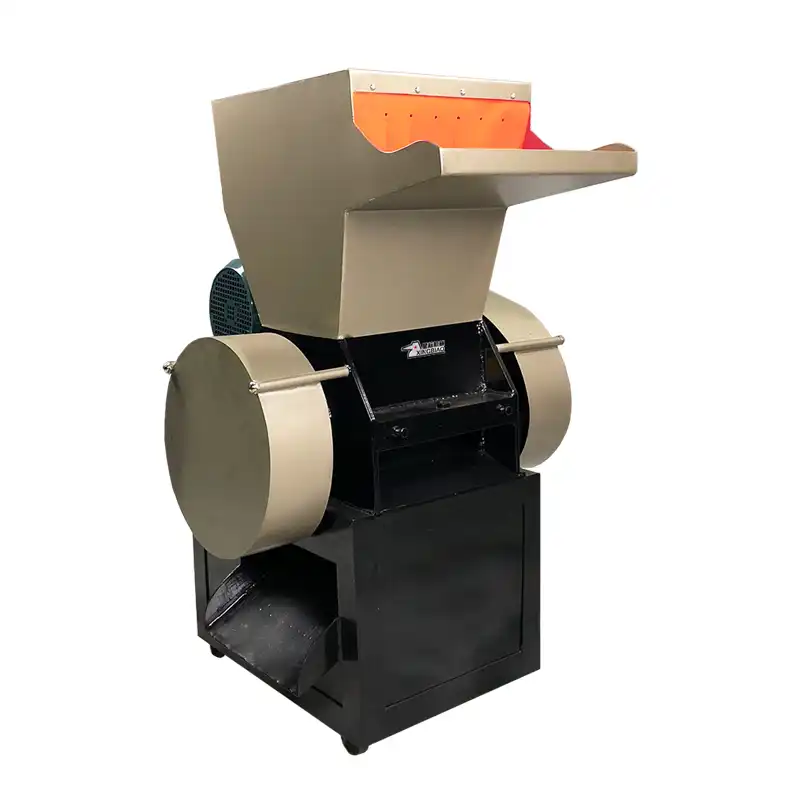
Supplier Evaluation and Risk Mitigation
When judging a supplier's credibility, you should look at their working background, professional know-how, and customer references. Manufacturers who have been making industrial ceramic crushers for decades know more about how to use them and have better designs than newcomers to the market. Getting certified to ISO 9001 quality control standards shows that you are committed to using consistent methods when making things. You can trust public standards when they are backed up by testing done by a third party.
The terms of the warranty should cover both problems with the way the product was made and normal wear and tear. Buyers are protected from early component failures caused by design flaws or material faults by guarantees that last for 12 to 24 months. How well operational problems are fixed depends on the quality of the after-sales support. Quick technical support, a sufficient supply of spare parts, and field service access all help keep production running smoothly.
Maintaining and Optimizing Ceramic Crushers for Long-Term Efficiency
Routine Maintenance Protocols
Schedules for preventive maintenance for industrial ceramic crushers should be in line with what the maker suggests and take into account how things work at the place. Every day, tests check the state of ceramic parts, the tightness of fasteners, and the function of the lubrication system. As part of weekly maintenance, the temperature of the bearings is checked, vibrations are analyzed, and the tightness of the drive belt is checked. Every month, steps include measuring ceramic wear in great detail, checking the balance, and checking the hydraulic system.
When to change a ceramic part depends on how worn it is and how much thickness is still there. Most makers say that ceramic linings should be replaced when they hit 30 to 40 percent of their original thickness. This is to keep the substrate from getting damaged and to keep the best crushing geometry. Bearing sets need to be replaced at the manufacturer's recommended times, even if they look fine. This is because failed bearings cause a lot of damage that costs a lot more than the cost of replacing the bearings.
Performance Optimization Strategies
Optimizing throughput starts with managing feed rates. Making sure that materials always flow at the right speeds stops excess and wasteful operation. Feed material cutting gets rid of bits that are too small before they are crushed. This saves energy and prevents wear that isn't necessary. Closed-circuit setups with sorting systems make sure that product specs are always the same while increasing output.
Energy consumption research shows inefficient ways of doing things and worn-out tools. Power tracking devices keep track of how many kilowatt-hours are used per ton of material processed, which sets a baseline for measuring success. Deviations from the baseline numbers show that technical problems are starting to happen and need to be looked into. Variable frequency drives let you fit the motor speed to the immediate load needs, which cuts down on energy waste during low-capacity operation.
Troubleshooting Common Issues
Too much shaking means that the bearings are wearing out, parts aren't balanced, or the base is breaking down. This needs to be fixed right away. Rotors that aren't adjusted cause damaging vibrations that hurt bearings, seals, and structural parts. When temperatures rise above their usual ranges, it means that there isn't enough grease, the bearings are wearing out, or the system is under too much stress. Wear progression is hurting crushing efficiency as output goes down while power consumption stays the same.
Procurement Strategies for Industrial Ceramic Crushers: From Inquiry to Purchase
Sourcing Approaches and Platform Selection
When you work directly with industrial ceramic crusher makers, you can get professional help and make changes that distributor relationships often don't offer. Direct buying from manufacturers gets rid of the middleman and lets you have in-depth conversations about applications with engineering staff. Digital business-to-business markets make it easy to compare suppliers, but they might limit the level of professional contact.
Requests for quotes for industrial ceramic crushers should be very clear about the material's properties, how much it needs to hold, how much room it has, and how it needs to be integrated. Detailed specs allow for accurate pricing and sizing of tools, and they also keep shocks after the sale to a minimum. Setting up site visits lets the provider look at installation conditions and problems with integration that may not be clear from plans alone.
Negotiation Tactics and Budgeting
When replacing multiple units or setting up long-term supply ties, you should think about bulk buying. When you commit to buying a lot of something, you can usually get better prices and faster expert help. Customization choices that meet specific operational needs may be worth the extra cost if they lead to better performance or lower running costs.
When making a budget, you should include the costs of buying the equipment, installing it, teaching people, and keeping extra parts on hand. The total cost of ownership study over the expected life of the equipment gives a truer picture of how much it costs than just looking at the purchase price. Differences in how much energy different models use lead to ongoing changes in operating costs that often go beyond the original price differences.

Due Diligence and Supplier Verification
Checking with current customers for references can give you information about how reliable the equipment is, how quick the provider is, and how well the equipment actually works compared to what was advertised. When you visit sites that are already up and running, you can see how they work and what care they need. A financial stability review makes sure that the seller will be around for a long time so that parts and expert support can be provided throughout the lifecycle of the equipment.
Conclusion
Industrial ceramic crushers are used in industries that need to crush things in a specific way and where regular metal crushers don't work well. Ceramic construction offers better resistance to wear, chemical inertness, and contamination, which makes the technology useful in situations where product purity, long component life, and processing of very rough or acidic materials are important. Choosing the right tools, like a crusher that fits the needs of the business and has the right size, is important for getting the best performance and return on investment. Manufacturers should carefully look at the properties of the materials, the amount of work that needs to be done, and the skills of the suppliers in order to find long-lasting solutions that will help their operations.
FAQ
What materials can ceramic crushers process effectively?
When it comes to handling abrasive rocks, reactive chemicals, medicinal ingredients, unique ceramics, glass cullet, and corrosive compounds, industrial ceramic crushers are the best. Chemical inertness and the strength of ceramic surfaces make it possible to process materials safely and without contamination that would damage or poison regular steel crushers. Materials that are very stretchy, like rubber and some plastics, might need different methods.
How does ceramic crusher maintenance differ from conventional crushers?
Ceramic parts don't need to be replaced as often because they last longer and don't wear down as quickly. However, they need to be installed using special techniques to keep them from breaking. Maintenance plans for bearings and drives are similar to those for regular breakers. Monitoring the thickness of ceramics regularly determines when to replace them, while steel parts are oiled and inspected according to standard procedures.
Are ceramic crushers suitable for high-volume operations?
Depending on the type, industrial ceramic crushers can be used for both high-volume tasks and specific low-volume tasks. Larger units can regularly process 20 to 50 tons per hour, while smaller ones can handle group processing needs. The longer wear life of ceramic parts makes these crushers especially appealing for high-volume, ongoing processes where downtime costs are high.
Partner with Xingbiao for Your Industrial Crushing Solutions
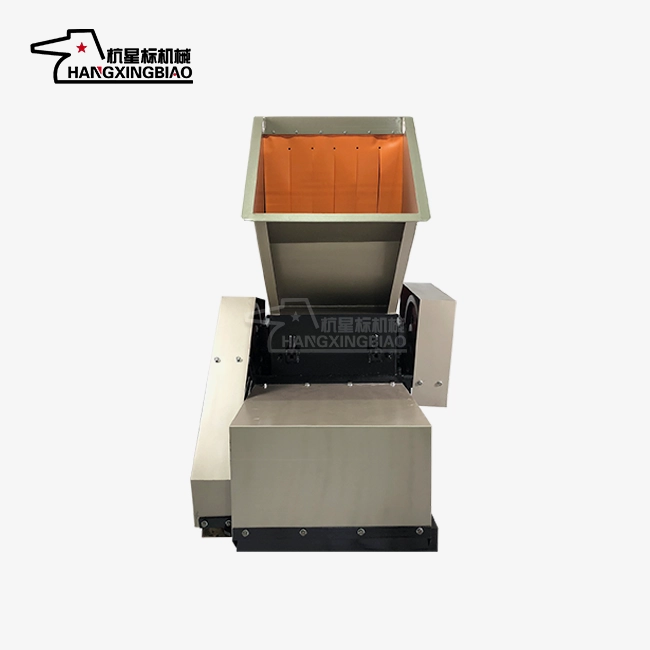
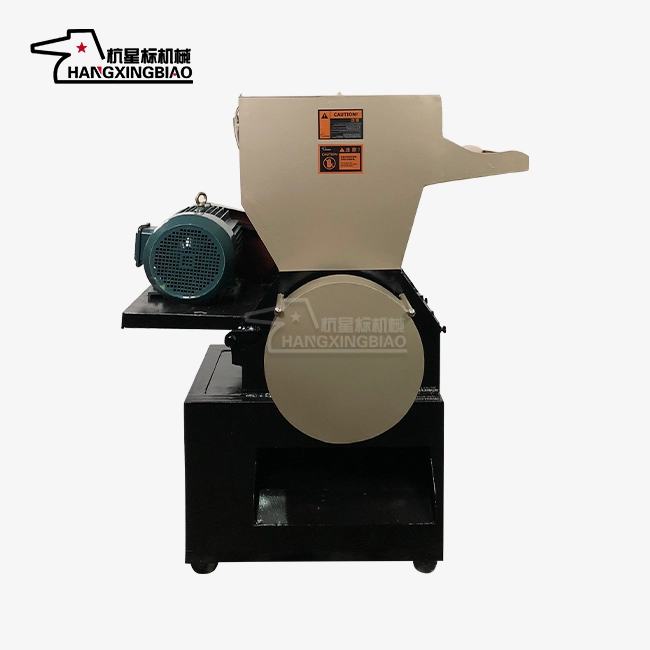
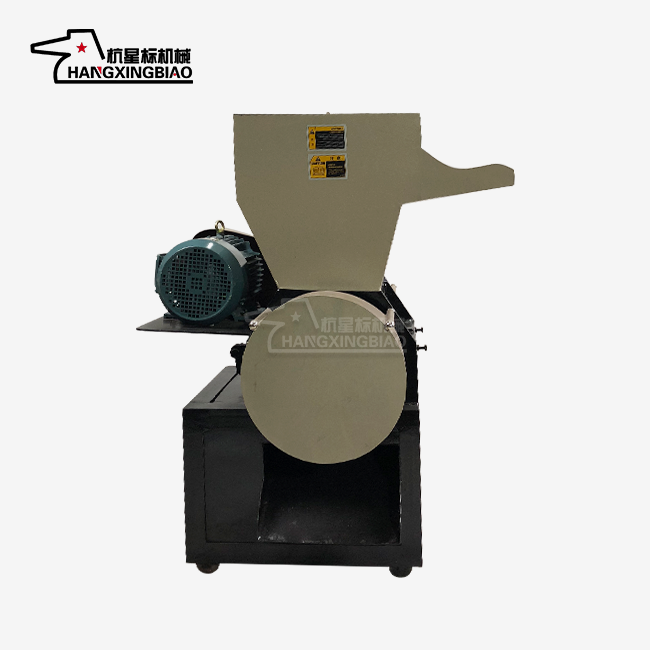
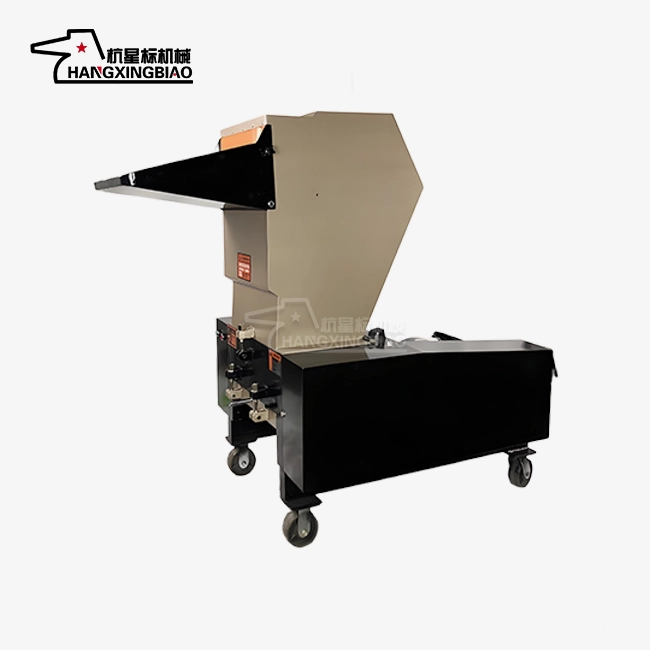
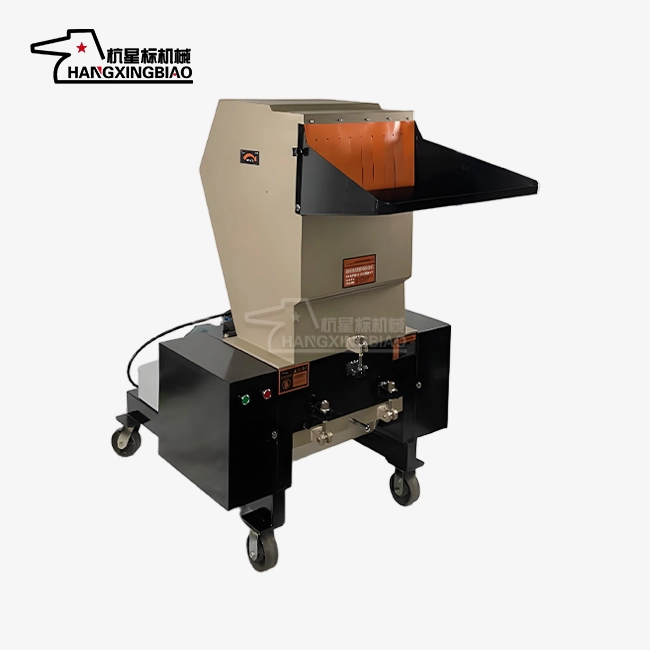
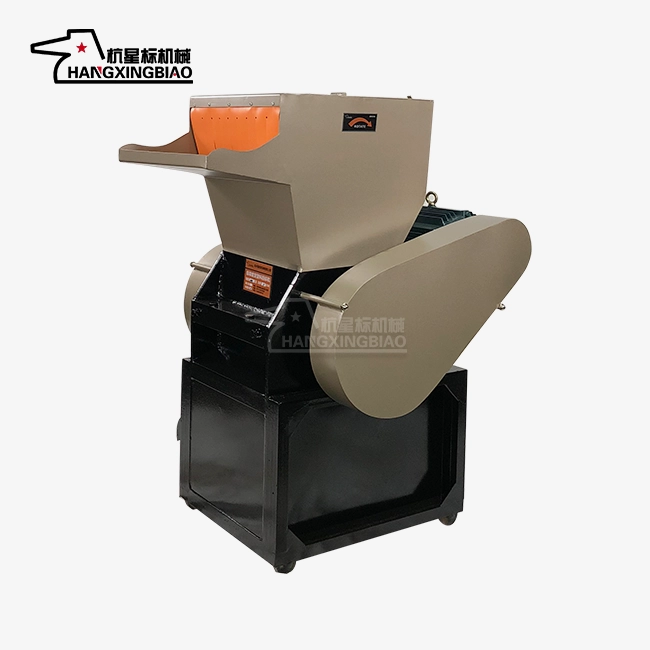
While industrial ceramic crushers serve specialized applications, plastic recycling and manufacturing operations require equally robust equipment engineered for continuous high-load operation. Hangzhou Xingbiao Machinery Co., Ltd. specializes in industrial plastic crushers designed specifically for plastic product manufacturers, recycling enterprises, and suppliers to major corporations. Our 30-year focus on single-category excellence has established Xingbiao as a trusted industrial plastic crusher supplier delivering equipment that addresses the demanding requirements American manufacturers face daily.
Xingbiao crushers feature SKD-11/D2 mold steel blades and Cr12MoV wear-resistant components, providing the durability your operations demand. Our engineering team collaborates with industry leaders like Nongfu Spring, applying decades of application experience to equipment designs that increase crushing efficiency by more than 20% while reducing energy consumption. Whether you need large-diameter crushers for pipes and profiles, specialized soft plastic crushers for films and woven bags, or customized solutions for challenging materials, Xingbiao delivers equipment backed by comprehensive technical support. Contact our team at xingbiaocrusher@xingbiaocrusher.com to discuss how Xingbiao crushers can optimize your plastic processing operations.
References
1. Williams, R.T. (2021). Advanced Materials in Industrial Crushing Equipment: Performance and Applications. Industrial Press.
2. Chen, L., & Morrison, K.D. (2020). Wear-Resistant Ceramics for Size Reduction Equipment. Journal of Materials Engineering and Performance, 29(8), 5234-5247.
3. Anderson, P.J. (2022). Chemical Processing Equipment Selection and Optimization. McGraw-Hill Professional.
4. Thompson, S.R., & Hayes, M.L. (2019). Contamination Control in Pharmaceutical Manufacturing Equipment. International Journal of Pharmaceutical Engineering, 15(3), 112-128.
5. United States Department of Labor, Occupational Safety and Health Administration. (2023). Safety Standards for Industrial Crushing and Grinding Equipment.
6. Martinez, J.A. (2020). Energy Efficiency in Industrial Comminution Processes. Minerals Engineering Journal, 147, 106-119.
Learn about our latest products and discounts through SMS or email