- English
- French
- German
- Portuguese
- Spanish
- Russian
- Japanese
- Korean
- Arabic
- Greek
- German
- Turkish
- Italian
- Danish
- Romanian
- Indonesian
- Czech
- Afrikaans
- Swedish
- Polish
- Basque
- Catalan
- Esperanto
- Hindi
- Lao
- Albanian
- Amharic
- Armenian
- Azerbaijani
- Belarusian
- Bengali
- Bosnian
- Bulgarian
- Cebuano
- Chichewa
- Corsican
- Croatian
- Dutch
- Estonian
- Filipino
- Finnish
- Frisian
- Galician
- Georgian
- Gujarati
- Haitian
- Hausa
- Hawaiian
- Hebrew
- Hmong
- Hungarian
- Icelandic
- Igbo
- Javanese
- Kannada
- Kazakh
- Khmer
- Kurdish
- Kyrgyz
- Latin
- Latvian
- Lithuanian
- Luxembou..
- Macedonian
- Malagasy
- Malay
- Malayalam
- Maltese
- Maori
- Marathi
- Mongolian
- Burmese
- Nepali
- Norwegian
- Pashto
- Persian
- Punjabi
- Serbian
- Sesotho
- Sinhala
- Slovak
- Slovenian
- Somali
- Samoan
- Scots Gaelic
- Shona
- Sindhi
- Sundanese
- Swahili
- Tajik
- Tamil
- Telugu
- Thai
- Ukrainian
- Urdu
- Uzbek
- Vietnamese
- Welsh
- Xhosa
- Yiddish
- Yoruba
- Zulu
Cost vs Quality: Choosing a Wholesale Plastic Particle Crusher Wisely
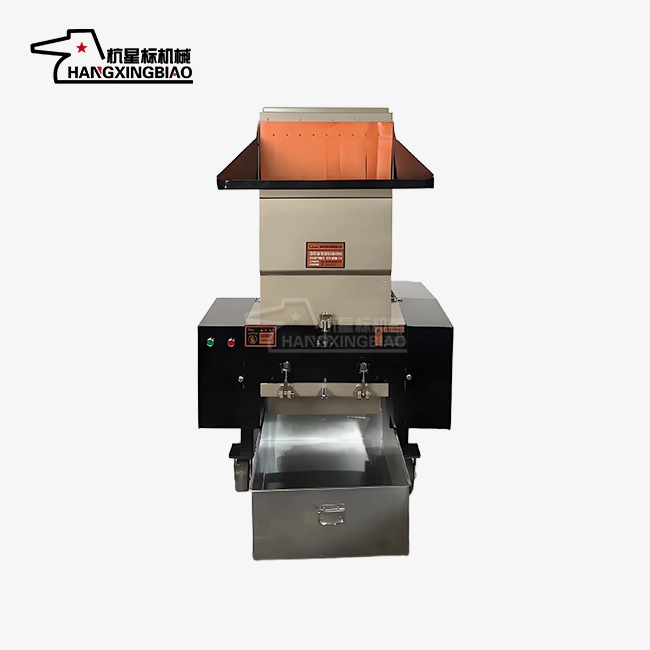
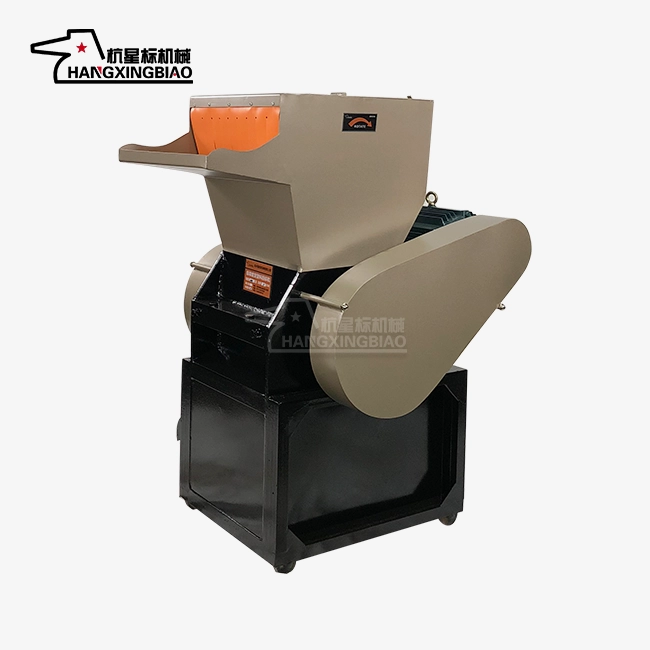
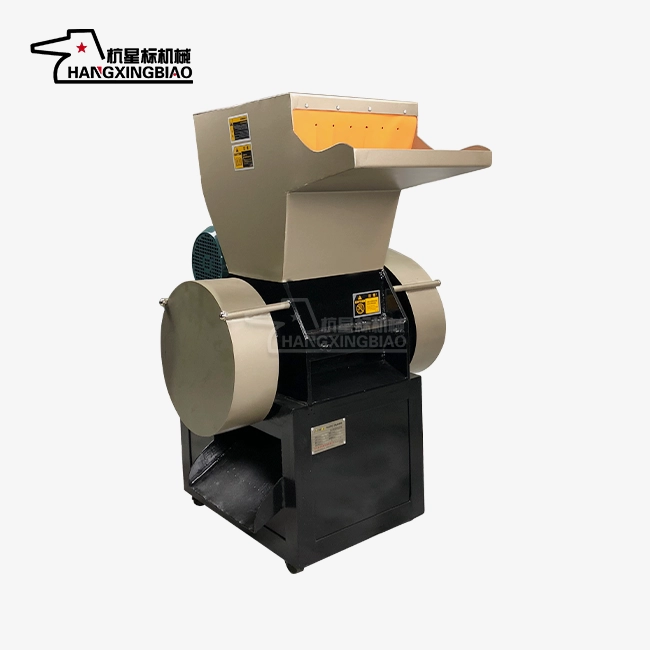
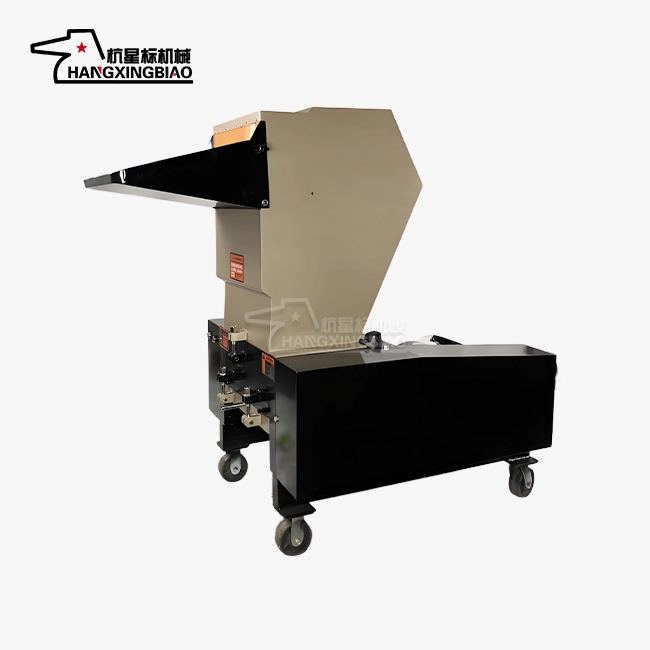
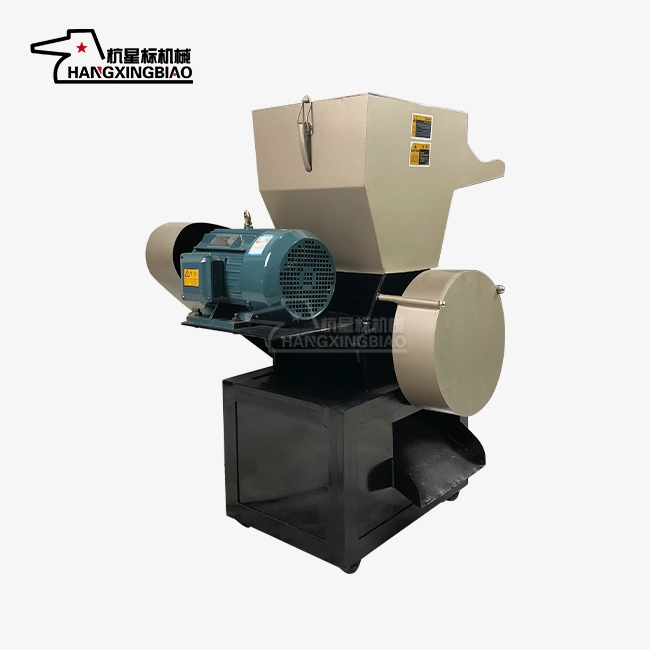
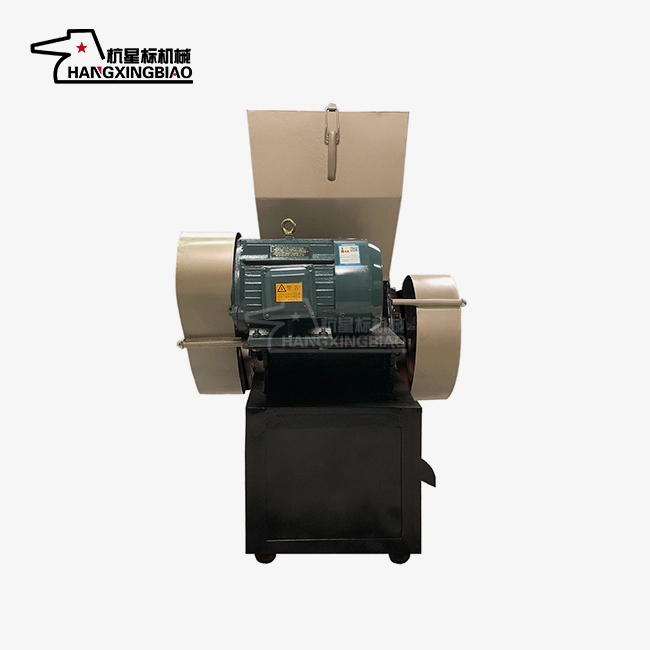
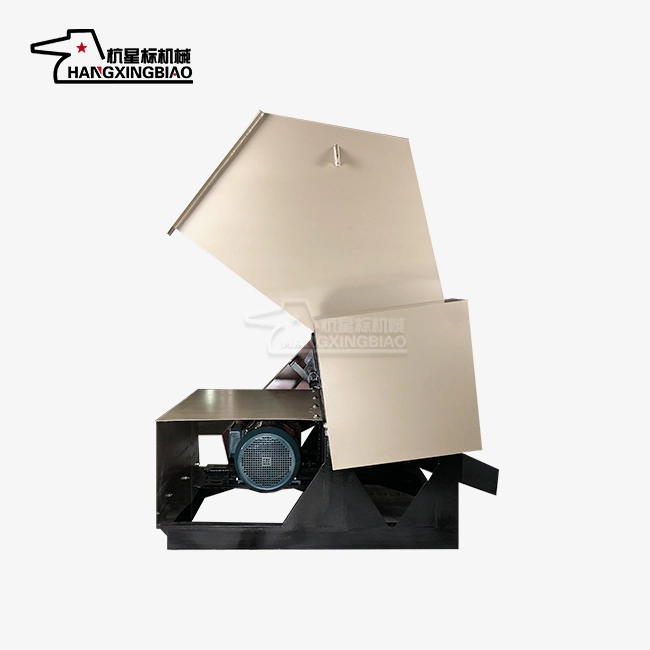
When choosing a wholesale plastic particle crusher, the balance between the original investment and the long-term value is what makes the business work. Even though it costs more up front, quality technology has a lower total cost of ownership, steady performance, and little downtime. When purchasing, teams know how building materials, motor specs, blade durability, and maker support all work together, they can make smart choices that meet production needs and budgets, and they can avoid making mistakes that cost a lot of money and hurt efficiency.
Understanding the Core Decision: Cost vs Quality in Plastic Particle Crushers
Material Durability and Construction Standards
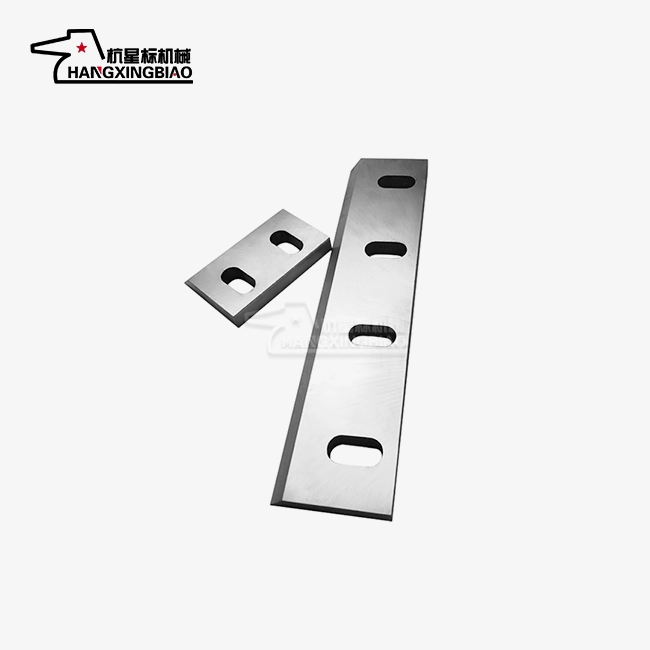
The fundamental stability of a crushing machine is what makes it work. High-quality wholesale plastic particle crushers use thick-gauge steel plates that have been treated with a stress-relief process to keep them from breaking while they are in use. The material of the blade decides how long it will last. High-end crushers use SKD-11 or D2 tool steel that is vacuum-heated and processed in a freezer to make it hard enough to fight wear from rough materials. These specs have a direct effect on how often replacements are needed and how much they cost. When working with strengthened plastics or glass-filled materials, cheaper options often use standard carbon steel blades that get dull quickly and need to be sharpened or replaced more often, which raises the cost of doing business.
Motor Power and Energy Consumption
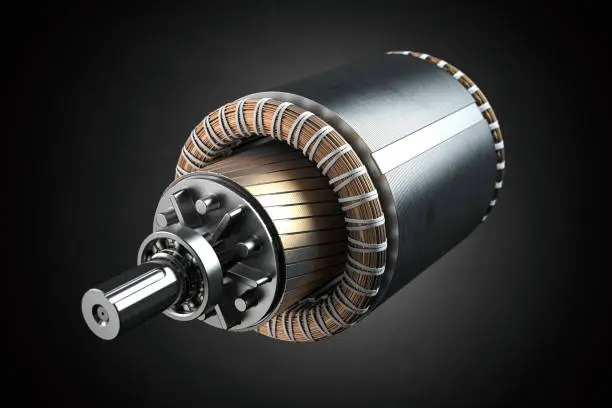
The specs of a motor affect both how much it can work and how much it costs to run. Industrial plastic crushers usually have motors with 5 to 150 horsepower. Premium motors that use less energy turn a higher percentage of electrical input into mechanical power. When compared to fixed-speed types, variable frequency drives use up to 30% less electricity because they change the motor speed to match the load needs. When figuring out the total cost of ownership, the difference between a crusher that uses 50 kW and one that uses 35 kW for the same amount of output is huge over long periods of time. Ratings for energy economy and motor certifications make it easy to compare models in a fair way.
Total Cost of Ownership Analysis
When making a procurement choice, costs other than the buy price need to be looked at. The real operating costs depend on how often maintenance is done, how many extra parts are available, how long downtime lasts, and how much energy is used. A cheap $8,000 crusher might need $3,000 worth of repairs and replacement blades every year, but a high-end $15,000 model might only need $800 in repairs and replacement blades every year. The quality equipment gives a better return on investment over a five-year operating time. To figure out the total cost of ownership, you have to think about how long the equipment will last, how well the warranty covers it, how quickly the maker can help, and how much output is lost during maintenance periods.
Comprehensive Comparison of Wholesale Plastic Particle Crushers
Capacity and Throughput Considerations
The right breaker size is based on the production scale. Small recycling operations that process 200 to 500 kg per hour can use standard, small wholesale plastic particle crushers. Large manufacturing plants that handle multiple tons of materials need high-capacity models with strengthened cutting chambers and heavy-duty drive systems. Motor speed, rotor diameter, and chamber space are all directly related to throughput capability. Oversized equipment wastes energy when it's not working at full capacity, while undersized equipment slows down production and forces longer hours of operation, which speeds up wear. Matching the crusher's specs to the amount of material that needs to be crushed saves money and extends the life of the equipment.
Specialized Crusher Types for Different Applications
Different kinds of plastic need different ways to be crushed. Impact-style breakers that cut aggressively work well with brittle materials like hard PVC, polystyrene, and acrylic. To keep materials from wrapping around rotors, blades must be set up in a certain way when working with soft, flexible plastics like films, woven bags, and flexible packages. Tangly and stringy trash needs single-rotor shredders with automatic reverse features that clear blockages without the user having to do anything. Knowing the properties of the material makes it easier to choose tools with the right blade geometry, screen openings, and chamber designs to keep things from getting stuck and get the particles to the right size.
Factory Direct Pricing Versus Distributor Models
Buying routes have a big effect on the cost of tools. Prices are usually 15–30% lower with factory direct sales than with dealer networks because there are no middlemen to add markups. Having direct ties with manufacturers also makes it easier to get technical help, make changes, and get replacement parts. Established makers who have been specializing for decades can offer more scientific knowledge and a track record of dependability. To check a supplier's qualifications, you need to look at their production facility's skills, quality control systems, industry certifications, and references from customers who have used the supplier in similar situations. Price benefits don't mean much if the equipment breaks down early or the manufacturer's help isn't good enough during key production times.
Key Quality Indicators and Features to Consider
Safety Compliance and Industry Certifications
When used in U.S. sites, equipment must meet OSHA safety guidelines and have the right business certifications. Quality wholesale plastic particle crushers have safety interlocks that stop the machine from running when entry doors are open, emergency stop systems, and blade guards that keep workers safe from moving parts. CE marking shows that the product meets European safety standards, and ISO 9001 certification shows that the producer has quality control methods in place. UL listing is an independent way to make sure that electricity safety standards are met. These certifications are more than just legal boxes to be checked; they show that engineers put user safety and machine efficiency first. Facilities that use equipment that isn't authorized run the risk of being sued and breaking the law.
Durability Features That Minimize Downtime
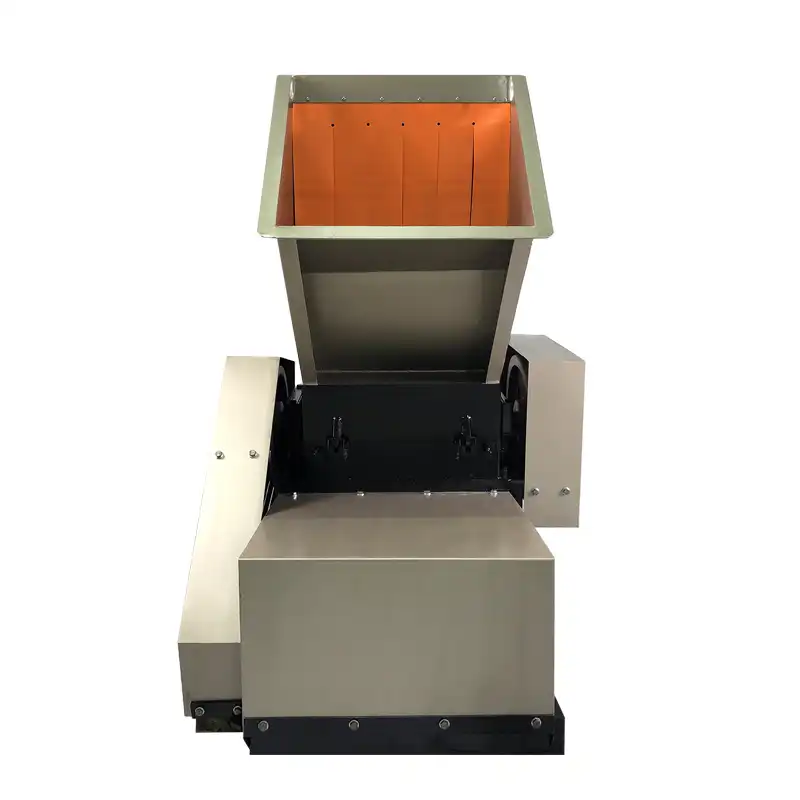
Operational continuity depends on strong building and design that is easy to maintain. Premium crushers have extra-large bearings that can handle continuous job cycles, reinforced rotor shafts that don't bend when they're loaded, and quick-change screen systems that cut down on the time between repair visits. Modular blade designs let you replace just one blade instead of the whole rotor, which cuts down on repair costs and downtime by a large amount. Open-access room designs make it easier to clean and check things without taking them apart too much. Genuine extra parts from the manufacturer's stock keep operations from being shut down for long periods of time while they wait for new parts. These qualities that make tools last a long time turn initial investments into long-term assets that can be used.
Energy Efficiency and Environmental Impact
Sustainable manufacturing methods are becoming more and more important in choosing tools. Modern crushers have motors that use less energy and have high efficiency rates, blade shapes that make cutting easier, and sound-dampening enclosures that keep noise pollution to a minimum. Crushing plastic trash efficiently cuts its volume by 70–90%, making it easier to move and process while also saving space in landfills. Using less energy directly lowers running costs and carbon footprint. Environmental certificates and data on energy efficiency make it possible to compare models in an objective way. Companies that want to be more environmentally friendly should focus on buying equipment that is both efficient and good for the environment.
How to Choose the Best Wholesale Plastic Particle Crusher for Your Business
Defining Your Operational Requirements
A thorough needs assessment is the first step in choosing the right wholesale plastic particle crusher. Write down the types of materials that need to be processed, such as the plastic grades, levels of contamination, and shapes and sizes. Figure out how much throughput is needed every day, how much work is needed at peak times, and what particle sizes are okay. Look at the needs for interaction with current production lines, the amount of floor space that is available, the power that can be supplied, and the level of skill of the operators. Recycling centers that deal with mixed post-consumer trash have different rules from recycling centers that deal with mostly injection molding scrap. When you have clear operational parameters, you can have useful conversations with equipment sellers and get accurate performance specs.
Supplier Evaluation Criteria
Long-term happiness is affected by both equipment specs and the choice of manufacturer. Check the supplier's track record of output, level of specialization, and customer references from people in the same business as you. Manufacturing companies that only make crushers usually have better technical know-how than companies that sell a wide range of tools. Check the warranty terms, reaction time promises, and sites of service infrastructure. Instead of needing to talk to people in other countries for professional help, international manufacturers should show that they have built support networks in North America. Ask for tours or video tours of the plant to make sure that it can make what you need and that the quality control processes are working properly.
Balancing Cost, Quality, and Service Support
When making the best buying choices, people look at more than just the price of the tools. When it keeps production from stopping, which costs a lot, better after-sales help is worth the extra cost. Manufacturers that offer technical support lines that are open 24 hours a day, full operator training, regular maintenance programs, and guaranteed spare parts supply give value that makes up for the higher initial investment. Check how specific the warranty coverage is. Broad warranties that cover parts, work, and damage that happens as a result are better at protecting you than limited component guarantees. Ask for full quotes that list the equipment's specs, any accessories that come with it, any installation help, training requirements, and guarantee terms so that you can make accurate cost comparisons.
Best Practices When Purchasing Wholesale Plastic Particle Crushers
Negotiating Volume Purchases and Terms
Buying a lot of tools at once can save you a lot of money. Manufacturers usually offer bulk discounts starting at orders of three units, and the savings go up as you buy more. Talk about payment terms that work with your cash flow, such as staged payments linked to manufacturing goals and acceptance of performance. Outline who is responsible for shipping, how much the imports cost, and when the goods will be delivered, taking into account wait times for production and foreign logistics. Ask for performance promises that include throughput rates, particle size ranges, and energy use under certain working conditions. Written specs avoid confusion and set standards for who is responsible for what.
Pre-Purchase Verification and Testing
Due care stops mistakes that cost a lot of money. Ask for material tests with example plastic pieces to make sure the wholesale plastic particle crusher works with real production waste. Check the quality paperwork from the plant, which should include material certifications for important parts, assembly instructions, and final inspection processes. Instead of believing what the maker says, check the authenticity of the approval with independent registrars. Ask for customer examples of people who have used similar tools in similar situations, and then get in touch with those people to talk about performance, reliability, and how responsive the maker is. Putting time and money into verification pays off when you can confidently choose tools and set realistic goals for their performance.
Post-Purchase Maintenance and Support
To get the most out of your equipment's life, you need to be careful about repair. Following the manufacturer's suggestions for maintenance, greasing, and part replacement times is important. Teach workers the right way to feed, what materials aren't allowed, and how to spot technical problems early on. To keep downtime during regular repair to a minimum, keep spare parts for wear parts like blades, screens, and bearings on hand. Set up direct lines of contact with the manufacturer's technical support to get help with fixing. Keep track of working factors, maintenance tasks, and performance trends so that you can do preventative maintenance instead of fixing problems as they happen. These techniques keep technology running at its best while extending its life.
Conclusion
To choose the right wholesale plastic particle crusher, you need to weigh the initial cost against the long-term value of the business. Quality equipment with strong construction, energy-efficient motors, special blade materials, and full maker support has a higher starting cost but a lower total cost of ownership. Making smart buying choices means carefully evaluating your needs, carefully evaluating suppliers, and making sure that the suppliers have the right certifications and performance capabilities. Companies that put an emphasis on long-lasting equipment, efficient operations, and dependable expert support set themselves up for a long-term competitive edge through improved plastic waste processing capabilities that cut costs and support environmental responsibility goals.
FAQ
What factors most significantly impact crusher pricing?
The price of equipment is based on its motor power, building materials, blade specifications, and quality standards for manufacture. Premium crushers have tool steel blades, bearings that are too big, and precision-machined parts. These features raise the starting cost but lower the cost of upkeep. Prices are also affected by scores for capacity, automation features, and safety standards. By buying directly from the maker, you avoid the markups that distributors add, which cuts costs by 15 to 30 percent while still getting real factory support.
How do I determine the appropriate crusher capacity for my operation?
Find the average daily amount of materials, the high processing needs, and the processing times that are required. Size the equipment so that it has an extra 20 to 30 percent of capacity above what is normally needed. This way, it can handle changes in production without having to run at full capacity all the time, which speeds up wear. Talk to makers about the types of materials they use and how much they need to move in order to get true capacity suggestions that fit your needs.
How often should I expect to need maintenance?
Checking and cleaning the blades every 200 to 500 hours of use, depending on how rough the material is, is part of routine upkeep. So is lubricating the bearings according to the manufacturer's instructions and replacing the screen based on how it wears. Major parts of good equipment that have been properly maintained usually only need to be replaced after a few years of use. Manufacturer training programs and detailed maintenance guides make it easier to use preventative maintenance methods that work.
Partner with Xingbiao for Superior Crushing Solutions
Hangzhou Xingbiao Machinery Co., Ltd. has been making plastic crushers for 30 years and is very good at it. Because we only focus on one type of quality, we've become a reliable wholesale plastic particle crusher supplier for a wide range of industries, from injection molding to large-scale recycling plants. We design machines with SKD-11 tool steel blades, stress-relieved high-strength steel frames, and energy-efficient motor systems that raise output while lowering costs. Working with big companies like Nongfu Spring and KFC, our study team turns real-world production problems into creative ways to crush them. Contact our technical experts at xingbiaocrusher@xingbiaocrusher.com to talk about your specific application needs and get personalized suggestions. We also offer full installation support, operator training, and quick after-sales service to make sure your investment lasts.
References
1. Industrial Plastics Recycling Association. (2023). Equipment Selection Guidelines for Plastic Processing Facilities. Technical Standards Publication Series.
2. Martinez, R., & Chen, L. (2022). Total Cost of Ownership Analysis for Industrial Crushing Equipment. Journal of Manufacturing Efficiency, 48(3), 215-234.
3. American Society of Mechanical Engineers. (2023). Safety Standards for Industrial Size Reduction Equipment. ASME Technical Standards Document B20.1.
4. Thompson, D. (2021). Energy Efficiency in Plastic Waste Processing: Comparative Analysis of Crushing Technologies. Environmental Engineering Research Quarterly, 37(2), 112-128.
5. National Association of Manufacturers. (2023). Procurement Best Practices for Capital Equipment Investments. NAM Industry Guidelines Publication.
6. Wilson, K., & Patel, S. (2022). Material Science Applications in Industrial Blade Manufacturing. Materials Engineering and Technology Review, 29(4), 387-402.
Learn about our latest products and discounts through SMS or email