- English
- French
- German
- Portuguese
- Spanish
- Russian
- Japanese
- Korean
- Arabic
- Greek
- German
- Turkish
- Italian
- Danish
- Romanian
- Indonesian
- Czech
- Afrikaans
- Swedish
- Polish
- Basque
- Catalan
- Esperanto
- Hindi
- Lao
- Albanian
- Amharic
- Armenian
- Azerbaijani
- Belarusian
- Bengali
- Bosnian
- Bulgarian
- Cebuano
- Chichewa
- Corsican
- Croatian
- Dutch
- Estonian
- Filipino
- Finnish
- Frisian
- Galician
- Georgian
- Gujarati
- Haitian
- Hausa
- Hawaiian
- Hebrew
- Hmong
- Hungarian
- Icelandic
- Igbo
- Javanese
- Kannada
- Kazakh
- Khmer
- Kurdish
- Kyrgyz
- Latin
- Latvian
- Lithuanian
- Luxembou..
- Macedonian
- Malagasy
- Malay
- Malayalam
- Maltese
- Maori
- Marathi
- Mongolian
- Burmese
- Nepali
- Norwegian
- Pashto
- Persian
- Punjabi
- Serbian
- Sesotho
- Sinhala
- Slovak
- Slovenian
- Somali
- Samoan
- Scots Gaelic
- Shona
- Sindhi
- Sundanese
- Swahili
- Tajik
- Tamil
- Telugu
- Thai
- Ukrainian
- Urdu
- Uzbek
- Vietnamese
- Welsh
- Xhosa
- Yiddish
- Yoruba
- Zulu
Reliable Wholesale Small Crusher Supplier for Bulk Orders
To find a reliable wholesale small crusher provider that can handle large orders, you need to carefully consider how long the equipment will last, how well it works, and how well it is supported by service. For businesses that make plastic products or recycle a lot of scrap every day, working with a specialized source that knows how to deal with production problems can mean the difference between running smoothly and having to pay a lot for downtime. This guide shows you important things to think about when choosing equipment providers who can give you high-quality machines and reliable long-term help for your large-scale buying needs.
Understanding Small Crushers and Their Bulk Procurement Needs
What Defines a Small Crusher in Industrial Applications
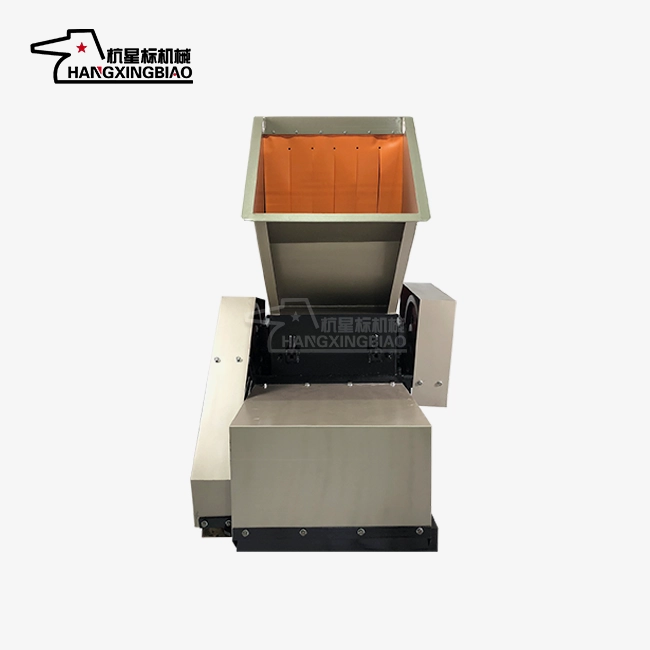
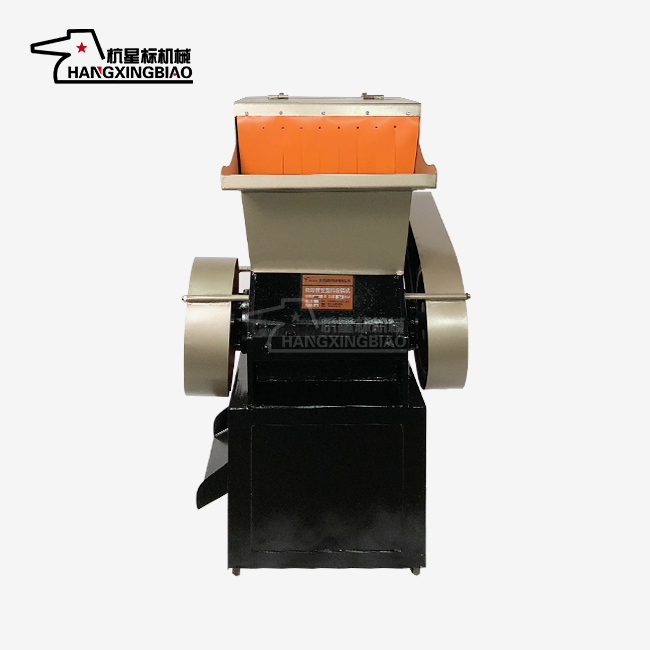
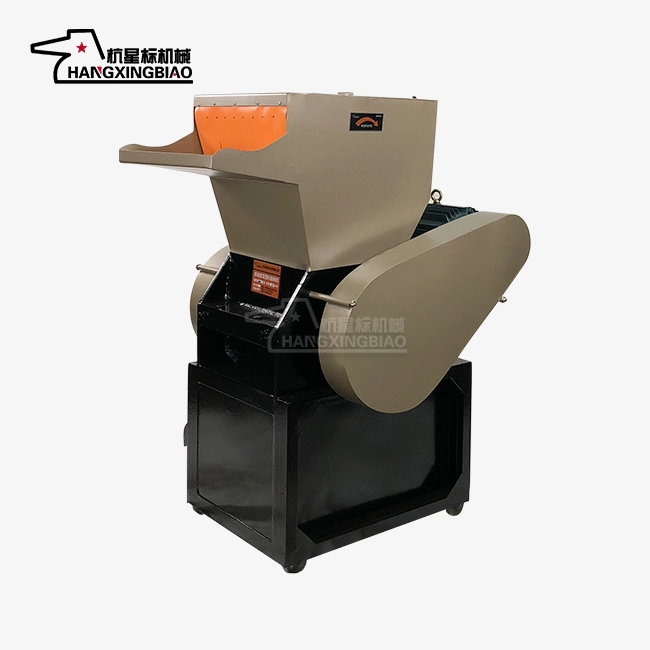
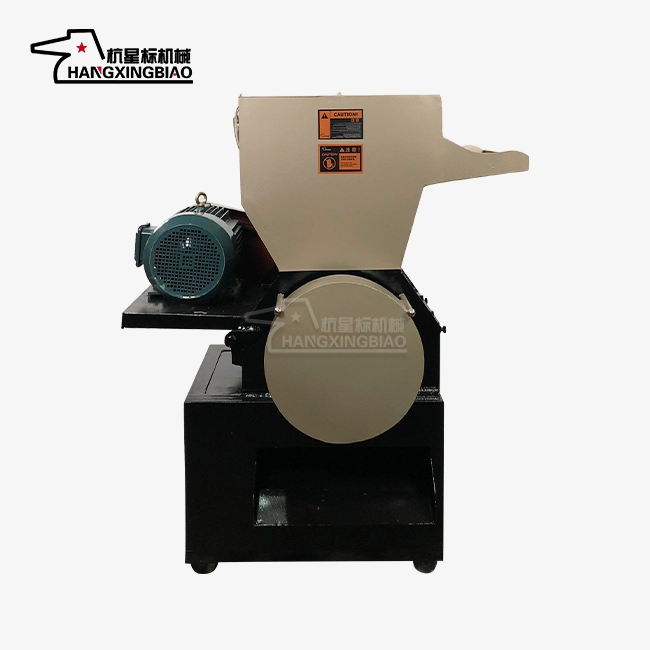
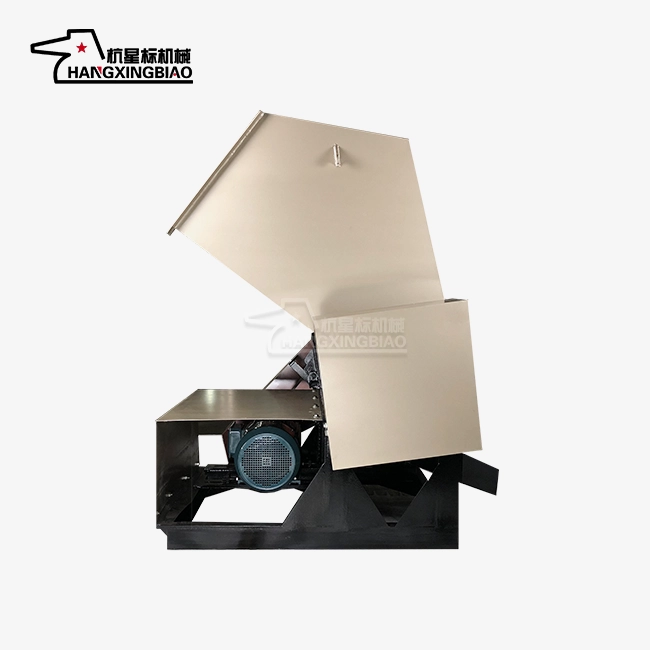
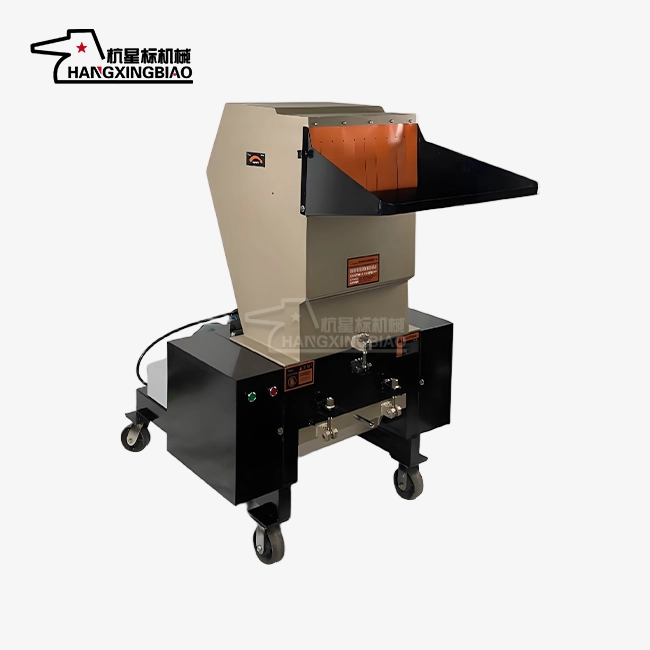
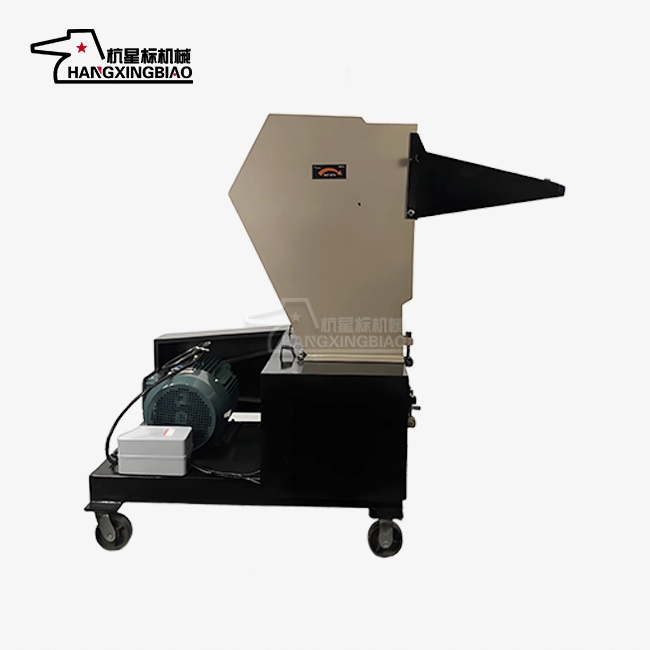
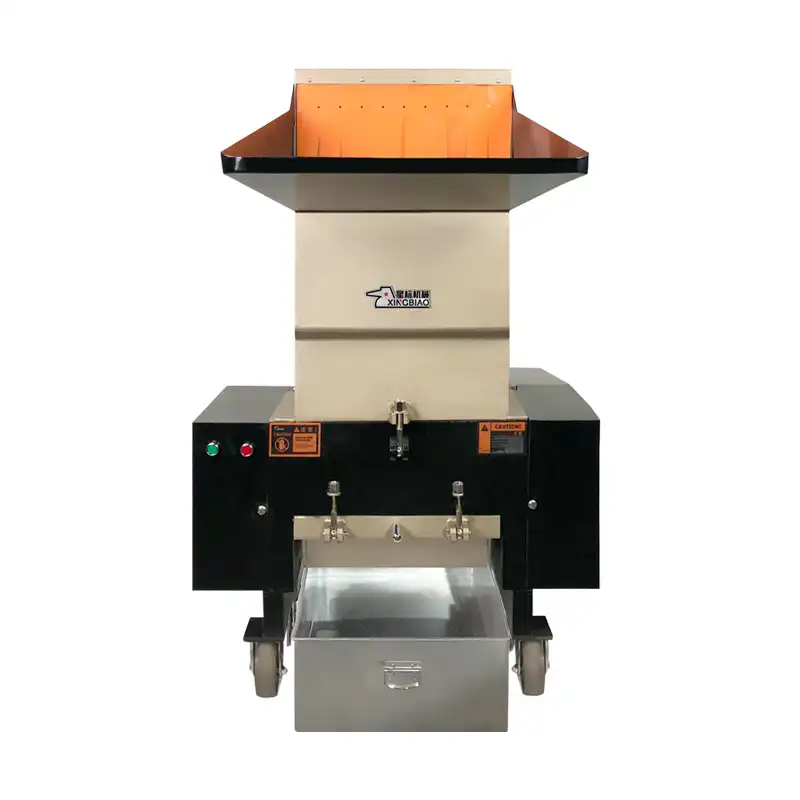
In the recycling business, wholesale small crushers are precise tools that break down plastic into small, even pieces or flakes. They are also called plastic granulators or shredders. High-speed spinning blades on a rotor make these machines work. They cut plastic trash into manageable pieces by working against fixed counter-knives. The crushed product goes through screen meshes that can be changed to control the end particle size. This makes the material ideal for further processing or sale as recycled feedstock.
When compared to their bigger industrial peers, these machines can be placed closer to injection molding machines or in tighter production areas. Being close to where the materials are made cuts down on the number of steps needed to handle them and lowers the risk of contamination during the disposal process.
Key Applications Across Manufacturing and Recycling Operations
Plastic crushers are valuable tools that are used in many industrial settings. They are used by factories to handle rejected injection-molded parts, pipes, profiles, and die head materials, turning leftover materials from production straight back into feedstock that can be used. This quick recovery cuts the cost of raw materials by a large amount while keeping quality control over the makeup of the recovered content.
Recycling centers take in a wide range of post-consumer and post-industrial waste, such as PET bottles, plastic films, woven bags, and big things like trash cans and tires. Different types of materials are hard to crush in different ways. For example, rigid plastics need different blade shapes than soft films that tend to wrap around moving parts. Specialized designs take these differences in how materials behave into account, so the output stays the same no matter what the inputs are.
The packing industry works with rigid cases and multilayer films. Municipal trash facilities get mixed plastic streams ready to be sorted and reused. For each job, you need tools that can keep working even when the feed conditions change.
Common Operational Challenges and Maintenance Considerations
When machines are used continuously at high loads, the blades wear out, the screens get damaged, and the motors get stressed. Different levels of hardness in materials speed up the wear process, especially when working with polluted trash that contains metal pieces or abrasive fillers. Films and woven bags that get tangled up can cause bridging problems in feed hoppers, which stop the flow of material consistently and lower the useful capacity.
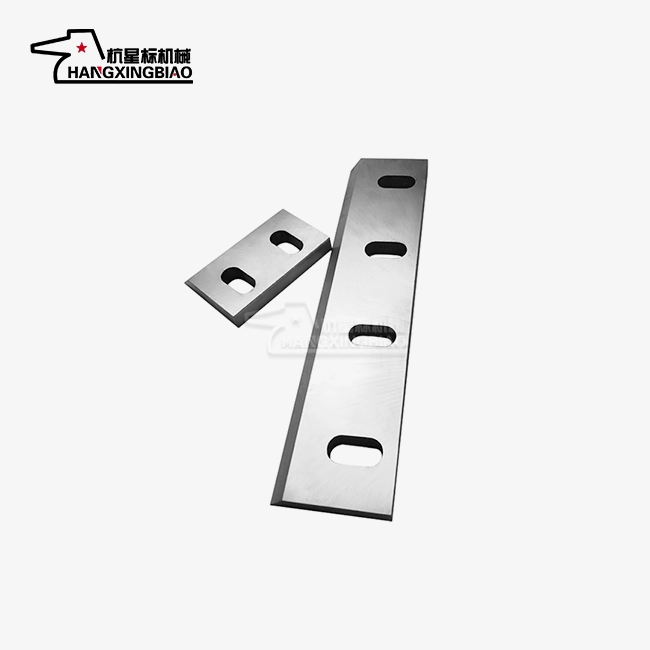
Preventive repair plans keep technology working well and make it last longer. Regularly checking and rotating the blades evens out wear on the cutting surfaces, and replacing the screens at the right time keeps particle sizes from being off. Maintenance on the motor cooling system and bearings keeps them from breaking down during production runs. Magnetic separation systems get rid of metal contaminants before they touch blades, which greatly reduces premature wear in places that process rough or contaminated materials.
Wholesale Small Crusher Market: Comparison and Decision-Making
Evaluating Capacity Requirements Against Equipment Specifications
By matching the wholesale small crusher's ability to the amount of material that needs to be processed, both underutilization of tools and production bottlenecks can be avoided. Throughput rates are very different between types because of the motor's power, the design of the blades, and the size of the chamber. A 300-kilogram-per-hour unit is good for small recycling operations or use next to the press. A 500- to 800-kilogram-per-hour unit is needed for medium-sized manufacturing plants that use several injection molding machines.
Energy economy has a direct effect on how much it costs to run tools over their entire life. Advanced blade shape and enhanced chamber airflow lower the amount of power needed to process one kilogram, which saves a lot over the years of constant use. When you compare individual energy consumption numbers (kilowatt-hours per ton processed), you can see that types that look a lot alike are not as efficient as they seem.
Portable Versus Stationary Configurations for Different Needs
Fixed production lines can use stationary units, which are built to last and have larger processing capacities, making them ideal for centralized garbage processing areas. Their heavy-duty bodies keep the machines from shaking while they're running, which lets the bigger motors and blade sections handle tough jobs.
Portable units on wheels give facilities that run more than one production area or seasonal processing spots more working freedom. This portability benefit comes at a cost: because they are smaller, the motors can't be as big or handle as much work as fixed motors. Portable designs that can be moved between stations help operations that work with a variety of materials make the best use of their tools, even when production plans change.
Navigating Price Structures and Volume Discounts
Through volume price rates and agreed terms, buying in bulk can save you a lot of money. When suppliers offer combined shipping for multiple units, transport costs per unit go down, and standard model choices make it easier to keep track of spare parts inventory across groups of equipment. Customization requirements usually make units more expensive, but they can save you money in the long run if standard setups can't handle certain material properties or integration needs.
The buying price is only one part of a total cost study. Other parts include energy use, maintenance costs, and the expected service life. High-end machines with strong construction and blades made of materials that don't wear down quickly cost more at first, but they save money on handling costs per ton because they last longer and have less downtime.
How to Choose a Reliable Wholesale Small Crusher Supplier: A Decision Support Approach
Essential Supplier Qualifications and Service Capabilities
Before judging a wholesale small crusher supplier, it's important to check their manufacturing qualifications and the quality control methods they use to make sure their equipment always works well. Established sellers have dedicated engineering teams that can help buyers choose the right model by giving them technical advice and making sure that the equipment specs match the real processing needs. This is better than just pushing the highest-margin goods.
Warranty coverage shows that the maker of the equipment trusts it to work well. Comprehensive warranties that last longer than the usual time frame show that the parts are of higher quality and the building is of higher standards. Just as important, quick help after the sale keeps production running as smoothly as possible when technology problems happen. Suppliers who promise to answer questions within 24 hours and keep enough extra parts on hand show that they care about their customers' operations running smoothly.
Aligning Supplier Capabilities With Your Business Requirements
Bulk order freedom lets you buy things in a lot of different ways, from small initial orders that let you test the product's performance before making a bigger commitment to combined fleet purchases that make sure all of a facility's equipment is the same. Payment terms and credit options make it easier to plan for large investments in equipment, especially when replacing fleets that are getting old or adding more working capacity.
Technical support services include help with installation, training programs for operators, and ongoing advice on how to make operations run more efficiently. Suppliers that work with big companies usually have better service standards because they've learned how to help customers in a structured way through tough business relationships.
Building Long-Term Partnerships for Operational Assurance
Long-term ties with suppliers have benefits that go beyond individual deals. Partners who have been working with you for a while know your specific material problems and operating limits. This lets them make strategic suggestions as your processing needs change. Customers who are committed are rewarded with early access to new models and lower prices on replacement parts. This lowers the total cost of ownership.
Suppliers who show dedication to the industry by constantly developing new products and making changes based on customer feedback are reliable for long-term relationships. Companies that make equipment and stick to specialized market areas usually have more technical know-how than industrial companies that make a lot of different products and treat units as an afterthought.
Our Wholesale Small Crusher Solutions for Bulk Orders
Hangzhou Xingbiao Machinery Co., Ltd. has been developing and making wholesale small crushers for thirty years, which is a level of focused excellence that is hard to find in the industrial equipment market today. Because we only work on plastic crushing technology, we can offer unique knowledge in every area, from analyzing material behavior to improving blade metallurgy.
Twenty top engineers work on our project and directly with big names in the industry, like Nongfu Spring and KFC, to make sure that our equipment can meet the needs of real output in the toughest conditions. These relationships help to make design changes all the time that solve problems that come up in a wide range of situations.

Structural stability is the first thing that makes equipment last years of high-load operation without stopping. Our frames are made from high-strength steel plates that are welded together carefully and given a stress-relief treatment. This keeps the frames from deforming over long periods of time. The blade assembly is the most-worn part of any machine. That's why we use high-quality tool steels like SKD-11, D2, and Cr12MoV types that have been vacuum heat-treated and processed at low temperatures. These new metalworking methods make materials that are very hard and don't wear down easily. This means that blades don't need to be replaced as often, which saves money on overall costs.
Here are the main benefits that come with buying our tools in bulk:
Superior Processing Efficiency: The unique layout of the blades and the shape of the chamber make it possible to increase crushing output by more than 20% compared to traditional designs. At the same time, specific energy consumption is lowered by better motor matching and material flow patterns.
Operational Convenience: Maintenance spots that are easy to get to and screen systems that change quickly keep your production lines going. The open-frame design makes it easy to clean thoroughly between material changes, which keeps facilities that process different types of plastic from getting them dirty.
Comprehensive Model Range: Our product line has designs that are tailored to meet the needs of any purpose. High-power units that can be installed next to the press work quietly to cut sprues and runners without disturbing the production floor. Standard models can crush a wide range of hard plastics, while special units for soft materials can handle problems with film and fiber getting tangled up that plague standard designs. Custom configurations can handle large things like trash cans and industrial tires that are bigger than normal chamber sizes.
These skills directly help solve the business problems that big buyers are having. Reliable building and simple upkeep lead to less downtime, which protects production schedules. Energy-efficient operation also lowers the cost of processing each unit across your entire fleet of equipment.
We help people buy a lot of tools by offering full-service packages that cover the whole ownership lifecycle. Instead of just suggesting our biggest or most expensive models, pre-sales consultation matches the specs of the equipment to your unique processing needs. Installation help and full user training make sure that your teams get the most out of the system from the start. As your business grows, plan follow-up visits to find ways to improve it.
We are committed to more than just delivering equipment. We also offer quick technical help and a well-stocked collection of spare parts to keep your machines running when you need them for urgent production needs. Companies that make things and recycle them trust this all-around method because they need their tools to work consistently to keep their customers' promises.
Conclusion
To find a wholesale small crusher provider that can handle large orders, you need to look at their equipment quality, technical know-how, and service commitment beyond the initial buy. With the right relationship, you can get reliable machines that are designed to keep working well in tough production environments. You can also get quick help that keeps operations running smoothly, even as the machines last longer. Diversified providers that treat this type of equipment as one of many they sell are not as good as specialized makers that keep their skill in plastic crushing technology. Your processing investment will be safe, and your business will be successful in the long run if you carefully choose suppliers based on their proven manufacturing quality, wide range of services, and commitment to customers.
FAQ
What factors influence pricing for bulk crusher orders?
When many similar wholesale small crushers are made at the same time, the cost of making and shipping each one is lower, which is what volume discounts are for. Customization needs raise the cost of engineering work and lower the production efficiency that comes from uniformity. Specifications for materials, especially blade steel types and frame building quality, have a big effect on how much parts cost. Shipping costs depend on the size of the order and where it's going. For each unit, consolidated packages are cheaper than individual transfers.
How can I ensure reliable after-sales support from overseas suppliers?
Check to see if the seller has a specific technical support staff instead of just sales staff for help after the sale. Ask for specific promises about how long it will take to respond and make sure that extra parts are available through normal routes of distribution. Carefully read the guarantee terms to make sure that they cover both parts and work and don't just cover parts, which would force buyers to pay for service.
Can suppliers accommodate customization for specialized applications?
Reliable makers offer technical advice to change standard designs to fit different materials or meet integration needs. You can change the size of the room, the arrangement of the blades, the specs of the screen, and even the way the control system works. Talk about specific needs early on in the buying process to see if they are possible and to figure out what the costs will be before making a final purchase pledge.
Partner With Xingbiao for Your Wholesale Small Crusher Requirements
Hangzhou Xingbiao Machinery Co., Ltd. is ready to help you buy bulk equipment by giving you expert advice and tried-and-true breaking solutions. After 30 years of focusing on one thing, we've become a reliable wholesale small crusher maker that works with plastic processing companies all over the world. Our engineering team creates equipment specifications that are exactly what you need for your operations, whether you need standard models that can be used right away or special setups that solve specific material problems.
Email our technical experts at xingbiaocrusher@xingbiaocrusher.com to talk about your unique processing needs and get thorough quotes that include volume discounts for large orders. We give you detailed information about the equipment's specs, how it works, and how to use it, so you can make smart buying choices. You can see all of our products at www.xingbiaocrusher.com and find detailed information that will answer any questions you have about our crushing tools.
References
1. Society of Plastics Engineers (2022). "Industrial Plastic Size Reduction Equipment: Selection and Application Guidelines." SPE Technical Papers Series.
2. Recycling Today Magazine (2021). "Evaluating Plastic Granulator Performance: Metrics That Matter for Processing Operations." GIE Media Publications.
3. American Society of Mechanical Engineers (2023). "Blade Metallurgy and Heat Treatment Effects on Industrial Cutting Equipment Longevity." ASME Journal of Manufacturing Processes.
4. Plastics Recycling Association (2022). "Best Practices for Plastic Waste Processing Equipment Procurement and Maintenance." PRA Industry Guidelines.
5. Industrial Equipment Maintenance Journal (2023). "Total Cost of Ownership Analysis for Plastic Size Reduction Machinery." Maintenance Technology Publications.
6. International Journal of Polymer Processing (2021). "Energy Efficiency Optimization in Plastic Granulation Operations: Design and Operational Factors." Hanser Publishers.
Learn about our latest products and discounts through SMS or email