- English
- French
- German
- Portuguese
- Spanish
- Russian
- Japanese
- Korean
- Arabic
- Greek
- German
- Turkish
- Italian
- Danish
- Romanian
- Indonesian
- Czech
- Afrikaans
- Swedish
- Polish
- Basque
- Catalan
- Esperanto
- Hindi
- Lao
- Albanian
- Amharic
- Armenian
- Azerbaijani
- Belarusian
- Bengali
- Bosnian
- Bulgarian
- Cebuano
- Chichewa
- Corsican
- Croatian
- Dutch
- Estonian
- Filipino
- Finnish
- Frisian
- Galician
- Georgian
- Gujarati
- Haitian
- Hausa
- Hawaiian
- Hebrew
- Hmong
- Hungarian
- Icelandic
- Igbo
- Javanese
- Kannada
- Kazakh
- Khmer
- Kurdish
- Kyrgyz
- Latin
- Latvian
- Lithuanian
- Luxembou..
- Macedonian
- Malagasy
- Malay
- Malayalam
- Maltese
- Maori
- Marathi
- Mongolian
- Burmese
- Nepali
- Norwegian
- Pashto
- Persian
- Punjabi
- Serbian
- Sesotho
- Sinhala
- Slovak
- Slovenian
- Somali
- Samoan
- Scots Gaelic
- Shona
- Sindhi
- Sundanese
- Swahili
- Tajik
- Tamil
- Telugu
- Thai
- Ukrainian
- Urdu
- Uzbek
- Vietnamese
- Welsh
- Xhosa
- Yiddish
- Yoruba
- Zulu
Common Problems with PET Crushers and How to Fix Them
PET crushers are an important part of recycling because they turn used bottles and cases into flakes that can be used again. When these tools work properly, output goes quickly, and costs stay the same. Some of the most common problems users run into are blade wear, motor warming, and output sizes that aren't consistent. These problems happen because of constant high-load processes, bad material preparation, and not enough protective care. Taking care of these issues quickly keeps production from stopping, which costs a lot of money, and keeps the quality of the materials stable for further processing. When repair teams know what the real problems are, they can fix them in a way that makes the equipment last longer and protects profits.
Understanding Common Problems with PET Crushers
Operating problems with PET crushers have an effect on the output of recycling plants. The main problem is still blade wear, which is made worse by the roughness of the PET material and impurities like metal caps or stones. Motor overload happens when people use the machine for longer than it's designed to handle or feed things that are too big, putting stress on the spinning system. Bearings break down when they aren't oiled properly, and belt movement makes cutting less effective and uses more energy.
Different ways of setting up a machine create different security holes. Single-shaft PET crushers with scissor-cut rotors are great at breaking down thin-walled bottles, but because they cut so precisely, they need to have their blades adjusted more often. Two-shaft types are good at handling mixed garbage streams, but when they treat contaminated material, both sets of blades wear out faster. Heavy-duty configurations made for high-volume operations last longer, but they need strict repair plans to keep working well even when they're in use all the time.
Mechanical weaknesses are made worse by operator mistakes. When you feed bottles without taking off the caps and labels, hard particles get into the blades and cause them to chip. When you run machines faster than their recommended output rates, they get too hot and shake too much, which harms the bearings and frame. Not doing regular checks lets small problems get worse, turning a simple blade replacement into a fix involving many parts that takes a long time and costs a lot of money.

Diagnosing and Fixing PET Crusher Mechanical Issues
Identifying Blade Damage Early
The quality of the product and energy use are directly related to the state of the blades. If the blades are dull or broken, the flake sizes aren't uniform, and the motor has to work harder. Damage is easy to see, and noise and sound levels that are going up are signs that problems are getting worse. When used in rough situations, quality blades made from D2 tool steel or SKD-11 materials stay sharp longer. By measuring how uniform the flake is, you can get some indirect evidence: particles of different sizes suggest that the blade is breaking down and needs instant care.
Addressing Motor Strain and Overheating
When motors run above their regular temperature ranges, it means there are problems deeper down. Too much load, not enough air flow, or bearing pressure all cause heat that shortens the life of motors. Putting in temperature indicators lets you know about problems early, before they get worse. Make sure that the motor's grade meets the throughput needs; motors that are too small break down quickly when they are used all the time. To keep motor housings at the right temperature, clean the cooling fins often and make sure there is enough wind around them.
Resolving Bearing and Belt Problems
When a bearing fails, it makes a unique grinding sound, and the shaft moves more freely. Regular cleaning according to the manufacturer's instructions stops wear before it's due. Use high-quality grease that is made for heavy-duty jobs, and set up lubrication plans that are based on working hours instead of dates. When the belt slips, it makes cutting less effective and leaves polished lines on the sides of the pulleys. Adjusting the tightness correctly and replacing it on a regular basis keeps the power transfer working well and stops sudden breakdowns during production runs.
You can see a clear return on your investment with a PET crusher and preventive upkeep. Setting up daily inspections helps find small problems before they get worse. Machines last a lot longer when they are oiled once a week, have their blades checked once a month, and get full inspections every three months. Writing down repair tasks creates useful operating data that helps decide when to buy spare parts and when to replace them.
Optimizing PET Crusher Performance Through Proper Operation
Avoiding Overfeeding and Material Preparation Mistakes
The feeding method has a big effect on how well the breaking works and how long the parts last. When the cutting chamber is overloaded, the motor gets tired, and the flake sizes are all over the place because material gets stuck between the blades. Making sure that the feed rates stay the same and are matched to the machine's capacity guarantees smooth operation and even output. As part of the pre-processing steps, contaminants that hurt cutting edges and get stuck in gears are removed. Taking off labels, separating caps, and checking for metal items saves the integrity of the blades and cuts down on unplanned repairs.
Processing needs are affected by the properties of the material. To keep the motor from overloading, thick-walled containers need to be fed at a slower rate than thin-walled bottles. Different kinds of plastic in mixed trash streams should be sorted before they are crushed so that the best screen and blade design can be used. By knowing these material-specific needs, workers can change the processing settings to get the most work done with the least amount of wear.
Implementing Effective Training and Safety Protocols
Well-trained workers can tell when problems are starting to happen by hearing strange sounds, feeling strange movements, or seeing changes in performance. Full training programs teach the right way to start up, shut down in an emergency, and do regular inspections. When operators know what their machines can and can't do, they don't do things that damage them or put other people in danger. Regular refresher classes go over best practices again and show new ways to do things as technology changes.
Safety steps keep both people and things safe. Lockout-tagout measures keep machines from starting up by mistake while maintenance is being done. Proper covering keeps workers safe from the material that is thrown out while still letting them clean and make adjustments. Having emergency stop buttons close at hand makes it easy to act quickly in case of an emergency. These rules foster a safety mindset that keeps things safe and cuts down on accidents.
Troubleshooting Electrical and Control System Issues
Diagnosing Power and Sensor Malfunctions
Electrical problems show up as irregular operation, sudden shutdowns, or not starting at all. Variations in voltage hurt control parts and make motors work less well. Putting in surge protectors keeps sensitive gadgets safe from power quality issues that are common in workplace settings. When sensors fail, they mess up the automatic controls that control feed rates and keep an eye on working conditions. Sensors give exact data that control systems need to work well, so they need to be calibrated on a regular basis.
When workers know what the error numbers on the control panel mean, they can help with diagnosis. Diagnostic features built into modern PET crushers find specific problems quickly, cutting down on the time needed to fix them. Teaching repair staff how to read error codes speeds up problem-solving and reduces the number of interruptions to production. Keeping paperwork for the control panel easy to find helps with quick fixing when problems happen.

Knowing When to Contact Professional Support
Complex electrical problems are often too big for an in-house team to handle and need the help of a maker. If problems keep happening even after following the fixing steps, it's time for professional help. Authorized service providers have the specialized knowledge and original parts to make sure that fixes are done correctly. Repairs that aren't done by people who are qualified to do them could cause more damage and could cancel the guarantee.
Building connections with dependable service providers before an emergency happens speeds up the process of dealing with serious problems as they happen. Downtime costs are kept to a minimum by manufacturers who offer expert help 24 hours a day and a wide range of spare parts. Hangzhou Xingbiao Machinery's promise to answer customer questions within 24 hours is a great example of the kind of service that keeps operations running smoothly and on schedule.
Choosing Reliable PET Crusher Solutions to Minimize Problems
Comparing Crusher Configurations for Different Applications
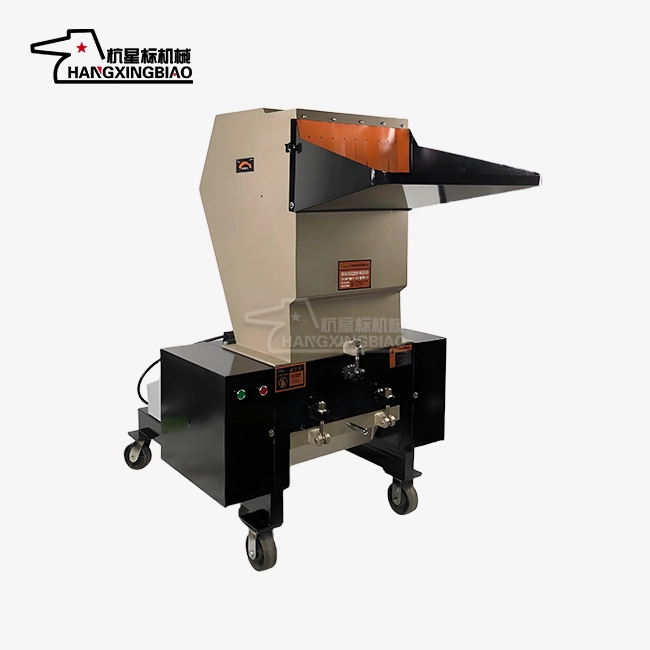
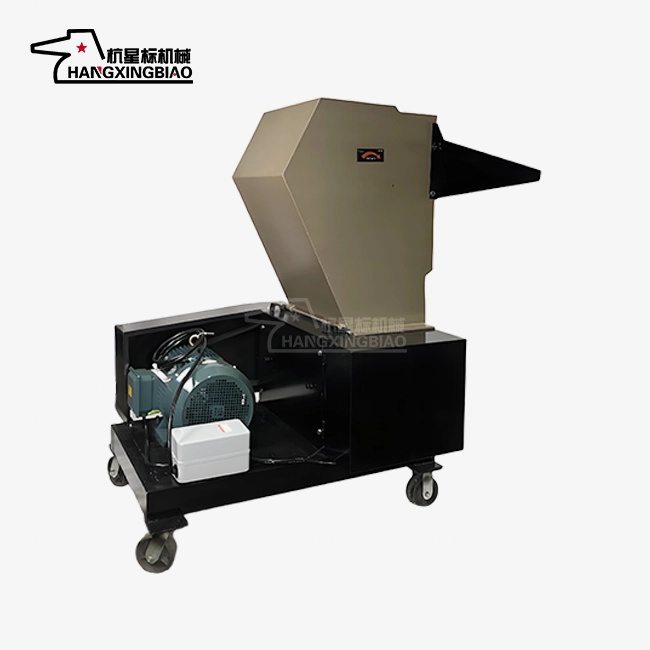
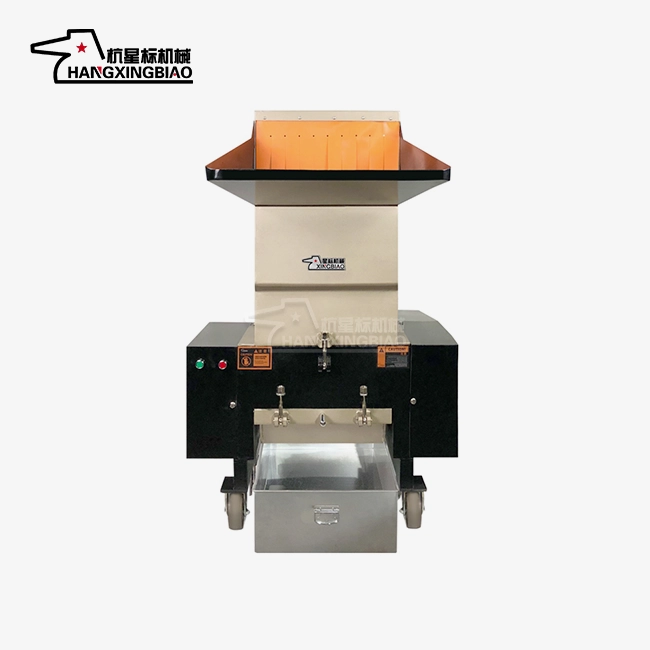
Single-shaft PET crushers with V-cut rotors work very well for breaking down PET bottles with thin walls. The scissor-cut action uses less power and makes regular flakes that are great for washing and recycling. These tools work best in bottle recycling operations where the regularity of the materials stays high, and contamination is kept to a minimum. Their precise design means they need good upkeep, but users are rewarded with reliable, efficient performance.
Two-shaft designs can handle a wide range of materials, such as mixed plastics and dirty garbage. Two cutting wheels give you backup, so the machine can keep running even if one set of blades needs to be replaced. Facilities that recycle different kinds of materials gain from this flexibility, but they need more upkeep as the variety of materials used grows. Knowing your working needs will help you choose between expert efficiency and flexible capability.
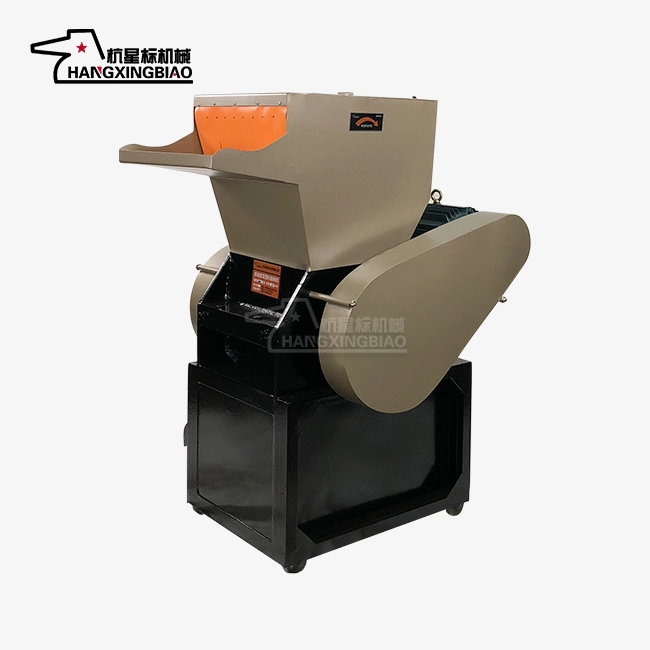
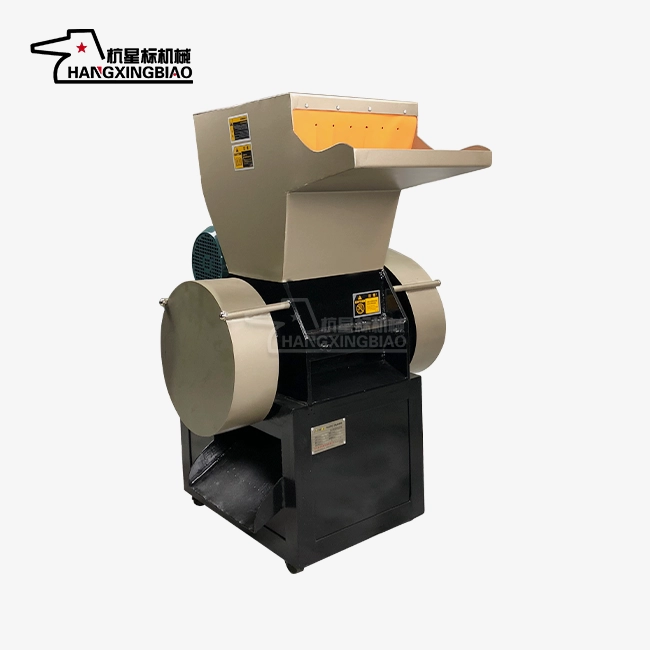
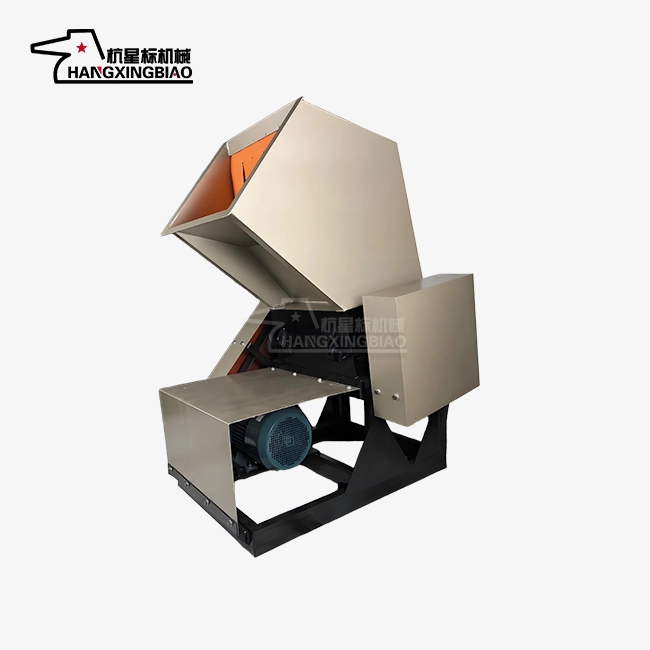
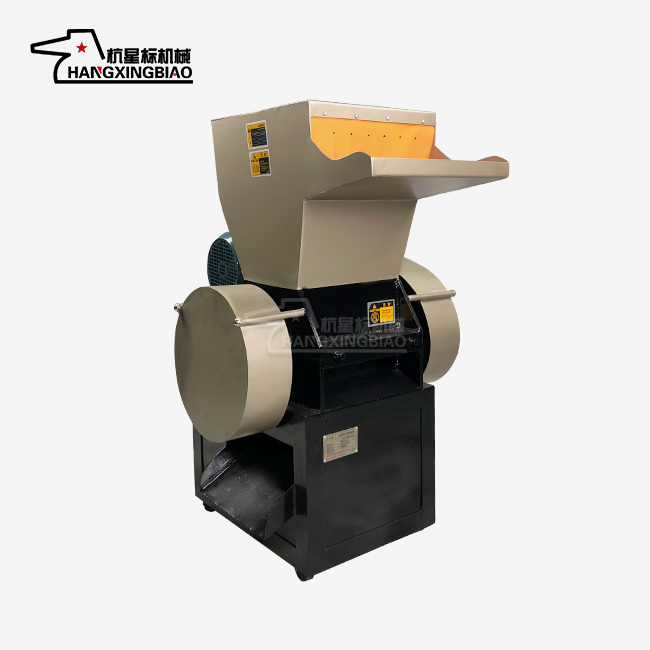
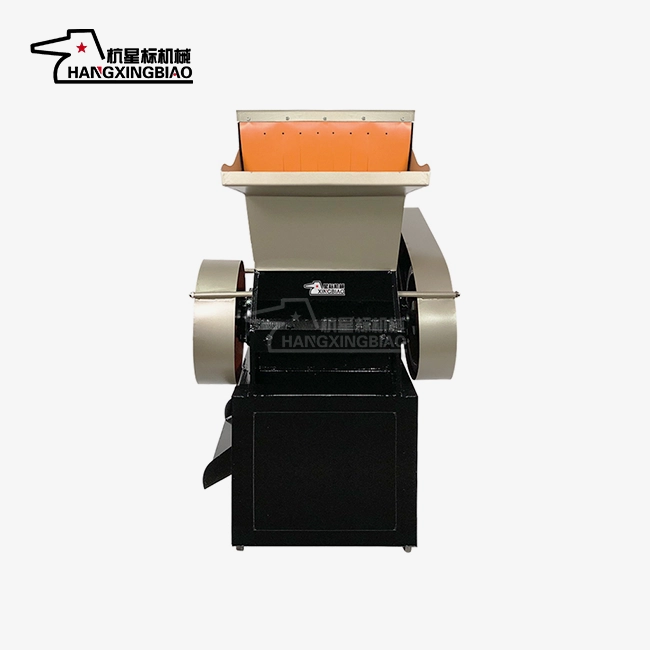
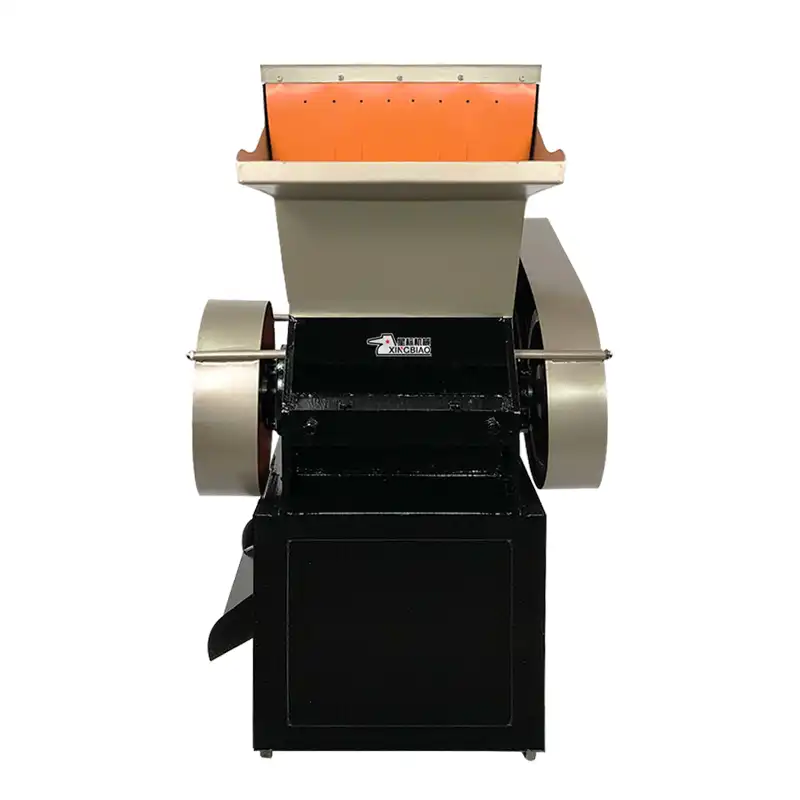
Heavy-duty types with strong steel frames and large motors are used in industrial settings that process many tons of materials every day. The stress-relieved welded design of these tools keeps them from deforming even when they are under constant high loads. The large-diameter PET crushers made by Xingbiao are an example of this type. They are intended for tough jobs that need maximum uptime and minimal upkeep. The higher original cost is worth it because they last longer and cost less to run because of the quality of their build.
Evaluating Suppliers and Support Infrastructure
A supplier's image shows how reliable and dedicated they are to providing service. Manufacturers with decades of specialized experience, like Xingbiao's 30 years of focus on PET crushers, learn things that help them make better products and help their customers more. Industry-university research relationships show advanced scientific knowledge and a dedication to constant improvement, which helps end users by making equipment work better.
Warranty terms and help systems after the sale protect the money you spend on tools. Full guarantees that cover all the major parts protect your money in case something goes wrong. Having an accessible collection of spare parts keeps you from having to wait a long time for new parts. Xingbiao's dedication to installation help, operation training, and frequent follow-up visits is a great example of the kind of support infrastructure that makes tools more valuable and improves operations.
Long-term running costs are greatly affected by how energy efficient a building is. When compared to traditional designs, advanced designs that use motor matching and improved blade layouts use 20% or more less power. Over the life of the equipment, these savings add up to a lot, making up for higher starting costs while also having less of an impact on the environment, which is becoming an increasingly important factor for companies that want to meet their sustainability goals.
Conclusion
Understanding common problems and taking effective steps to fix them is key to making PET crushers reliable. Problems like motor strain, blade wear, and operating mistakes can be avoided if repair teams use systematic diagnostic methods and follow maker instructions. Controlled feed rates and careful preparation of the material are some of the best ways to make sure that the equipment lasts as long as possible while keeping regular output quality. Long-term happiness and profit are guaranteed by choosing the right machine configurations that match the needs of the business. Partnering with experienced makers who offer full support turns buying equipment into a smart investment that pays off in real ways by increasing productivity and lowering operating risks.
FAQ
How Often Should I Perform Maintenance to Prevent PET Crusher Breakdowns?
How often maintenance is done relies on how hard the material is used and its properties. Visual checks every day find clear problems early, and greasing once a week keeps bearings from breaking. Once a month, the blades are checked to find wear patterns that need to be fixed or replaced before the quality of the output drops. Comprehensive inspections are done every three months to check the general health of the machine and find parts that are getting close to needing to be replaced. By keeping track of repair tasks, operational data is created that lets schedules be improved based on real wear trends instead of general suggestions.
What Distinguishes PET Crushers from Plastic Shredders?
High-speed spinning blades in PET crushers cut materials into uniform flakes that can be washed and reused. Their precise design makes particles of the same size that meet the needs of processing that comes after. Plastic shredders use low-speed, high-torque motors to tear materials into uneven pieces that take up less space. PET crushers are used in recycling processes that need high-quality output, while shredders cut up big things into smaller pieces before they are processed further.
Are Second-Hand PET Crushers Viable for Industrial Recycling Operations?
Buying used tools can save you money, but it also comes with practical risks. Unknown repair records and component wear make it hard to say how long the service will last. Unexpected costs may come up after the purchase if hidden damage or bad fixes are found. When you buy new tools, you get warranties, maker help, and written performance specs that protect your investments. When buying used, the small saves aren't enough to make up for worries about reliability and a lack of help choices in mission-critical situations.
Partner with Xingbiao for Reliable PET Crusher Solutions
Equipment that works consistently well in tough situations is needed for recycling activities. Because Xingbiao has only made PET crushers for thirty years, the tools they make are perfect for the problems that come up when handling plastic. Our standard PET crushers are good at breaking down a wide range of materials, and our customized designs can meet specific operating needs that standard models can't. SKD-11 tool steel blades go through vacuum heat treatment and cryogenic processing, which makes them hard and resistant to wear, which means they don't need to be replaced as often.
When compared to standard setups, energy-efficient designs with improved blade geometry cut down on power use while increasing output by over 20%. Maintenance time is cut down by quick-change screen layouts and open-access designs, which keep your business running smoothly. Our tech team helps you make the right choice by making sure that the equipment you buy meets your unique material and throughput needs. Whether you run a small recycling center or a large commercial one, Xingbiao has PET crusher options that are perfect for your needs and your budget.
Trusted after-sales support includes a promise to respond within 24 hours, help with installation, and training for operators who make the most of your investment. A full collection of spare parts keeps downtime from lasting too long, and regular follow-up calls find ways to make things better. Email our team at xingbiaocrusher@xingbiaocrusher.com to talk about your needs with experienced engineers who know how hard it can be to recycle. As a maker that only makes PET crushers, we offer solutions that protect your bottom line and make your operations more efficient.
References
1. Thompson, R.C., Moore, C.J., vom Saal, F.S., & Swan, S.H. (2009). Plastics, the environment, and human health: current consensus and future trends. Philosophical Transactions of the Royal Society B: Biological Sciences, 364(1526), 2153-2166.
2. Hopewell, J., Dvorak, R., & Kosior, E. (2009). Plastics recycling: challenges and opportunities. Philosophical Transactions of the Royal Society B: Biological Sciences, 364(1526), 2115-2126.
3. Al-Salem, S.M., Lettieri, P., & Baeyens, J. (2009). Recycling and recovery routes of plastic solid waste (PSW): A review. Waste Management, 29(10), 2625-2643.
4. Awaja, F., & Pavel, D. (2005). Recycling of PET. European Polymer Journal, 41(7), 1453-1477.
5. Ragaert, K., Delva, L., & Van Geem, K. (2017). Mechanical and chemical recycling of solid plastic waste. Waste Management, 69, 24-58.
6. Korugic-Karasz, L.S., Karasz, F.E., & MacKnight, W.J. (2000). Polymer recycling: opportunities and limitations. Proceedings of the National Academy of Sciences, 97(12), 6215-6217.
Learn about our latest products and discounts through SMS or email