- English
- French
- German
- Portuguese
- Spanish
- Russian
- Japanese
- Korean
- Arabic
- Greek
- German
- Turkish
- Italian
- Danish
- Romanian
- Indonesian
- Czech
- Afrikaans
- Swedish
- Polish
- Basque
- Catalan
- Esperanto
- Hindi
- Lao
- Albanian
- Amharic
- Armenian
- Azerbaijani
- Belarusian
- Bengali
- Bosnian
- Bulgarian
- Cebuano
- Chichewa
- Corsican
- Croatian
- Dutch
- Estonian
- Filipino
- Finnish
- Frisian
- Galician
- Georgian
- Gujarati
- Haitian
- Hausa
- Hawaiian
- Hebrew
- Hmong
- Hungarian
- Icelandic
- Igbo
- Javanese
- Kannada
- Kazakh
- Khmer
- Kurdish
- Kyrgyz
- Latin
- Latvian
- Lithuanian
- Luxembou..
- Macedonian
- Malagasy
- Malay
- Malayalam
- Maltese
- Maori
- Marathi
- Mongolian
- Burmese
- Nepali
- Norwegian
- Pashto
- Persian
- Punjabi
- Serbian
- Sesotho
- Sinhala
- Slovak
- Slovenian
- Somali
- Samoan
- Scots Gaelic
- Shona
- Sindhi
- Sundanese
- Swahili
- Tajik
- Tamil
- Telugu
- Thai
- Ukrainian
- Urdu
- Uzbek
- Vietnamese
- Welsh
- Xhosa
- Yiddish
- Yoruba
- Zulu
How Important is Customization in Crusher Blade Design for Different Applications?
In many industrial settings, especially those that work with different kinds of plastic, it's necessary to be able to customize the form of crusher blades. When compared to stock options, the performance of a long-life blade crusher with customized components is noticeably better. Standard blades often don't work well with different types of plastic because soft films get tangled up around general shapes and hard injection-molded parts quickly dull edges that weren't designed correctly. Customization solves these problems by designing blade geometry, metallurgy, and surface treatments that are perfect for your material and production needs. This has a direct effect on machine throughput rates, repair times, and total return on investment.
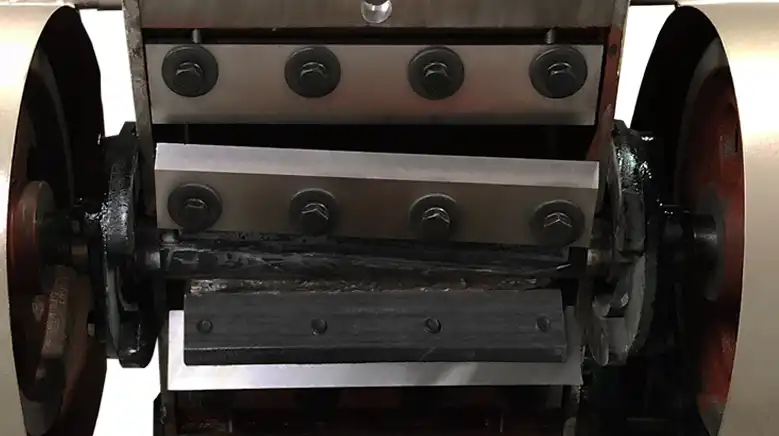
Understanding the Need for Customization in Crusher Blade Design
Why Standard Blades Fall Short in Plastic Processing
When manufacturing and recycling plants use off-the-shelf crusher blades, they always run into problems. Standard blade setups have a hard time with plastic trash streams that aren't all the same. A recycle center that processes polyethylene films one day and polypropylene packages the next can't get the best results with a system that works for all of them. When used on flexible or fibrous plastics, the blade angles, edge shapes, and clearance requirements that work well for solid materials don't work well at all and cause too much wear. After 30 years of only making plastic- breaking equipment, we've found trends in how blades break that are directly linked to material mismatches. When the sharpness of the blade doesn't match the abrasiveness of the material, it dulls too quickly. When blade space doesn't take into account how flexible the material is, tangling happens. These aren't small problems; they lead to production delays, higher energy costs, and repair plans that are hard to plan, all of which mess up the flow of work in manufacturing.
Material Diversity Demands Tailored Solutions
The business that processes plastics deals with a huge variety of material properties. Think about the differences between processing post-consumer mixed plastics and grinding post-industrial scrap from injection molding processes. Parts that are injection-molded are usually made of regular, hard thermoplastics that have the same size and shape. Different types of consumer trash, such as shopping bags and detergent boxes, are recycled. Each type has a different density, level of flexibility, and level of pollution. Customizing the blade takes these differences into account by making careful engineering choices. The width of the blade affects how well the structure holds up under pressure loads. Edge angles show how well a material can be cut compared to its type. The size of the gaps between the moving and fixed blades controls the particle size and keeps the material from bridging. Standardized equipment has flaws that can be fixed with a custom long-life blade crusher designed specifically for your purpose.
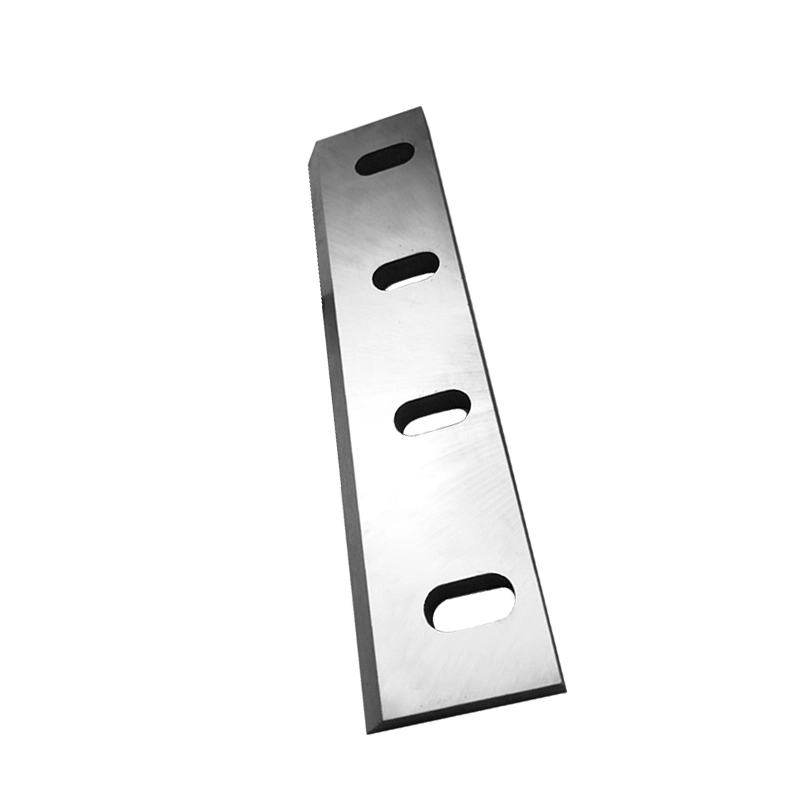
Key Design Factors Influencing Long-Life Blade Crushers
Material Selection and Metallurgical Treatment
Choosing the right material is the first step in making a durable crusher blade. For our blade cores, we use SKD-11 and D2 tool steels, which were chosen because they are both tough and resistant to wear. With their high carbon and high chromium content, these steels are hard enough to keep cutting edges sharp while also being tough enough not to chip when hit hard. Just choosing the right material isn't enough; it also needs to be heat-treated correctly. Our blades are treated with vacuum heat and then deep cold processing. This process changes the microstructure of the steel by turning the remaining austenite into martensite and forming fine carbides all over the matrix. The result has a Rockwell hardness of 58 to 62 HRC and a much better ability to keep its edge than blades that have been treated in the usual way.
Customized Blade Geometry for Specific Materials
Customizing the shape of a blade is where engineering meets knowledge that is specific to the application. The best blade configuration for recycling stiff pipe scrap is very different from the best blade configuration for recycling film. When we design crusher blades for specific uses, these are the main things we think about: Cutting Edge Angles: Blades made for cutting hard, flimsy plastics have higher cutting angles (usually 25 to 30 degrees) that make it easier for the material to get stuck and break. On the other hand, shorter angles (15 to 20 degrees) that slice instead of split soft materials are better because they stop deformation and wraparound. Blade Thickness and Reinforcement: When working with big, heavy things like trash cans or boxes, the blade needs to have a lot of mass so it can take contact energy without deflection. We make these blades thicker and stronger by adding structural supports. Thinner blade shapes are used in lighter uses to process films or small parts because they lower the rotational inertia and energy use.
Clearance and Gap Specifications: The link between the sizes of the rotating and fixed blades has a big effect on both how well they cut and how the particles are spread out. Tighter gaps make particles that are smaller, but they also need more power and wear more quickly. Based on your goal particle size and the properties of the material, our engineering team figures out the best gaps.
Integrated Safety and Maintenance Features
Customization goes beyond just cutting ability; it also includes operational safety and easy entry for maintenance. Our designs include quick-change blade positioning methods that cut the time it takes to switch blades from hours to minutes. This way of designing things takes into account that how easy it is to maintain things has a direct effect on how long they last and how much they cost to own. We build in overload safety systems that are tailored to your materials and production needs. These systems prevent terrible damage from happening when contaminants that can't be crushed get into the cutting area, which happens a lot in recycling processes. Safety interlocks and emergency stop systems are designed to meet strict safety standards in the workplace while still being easy for operators to use.
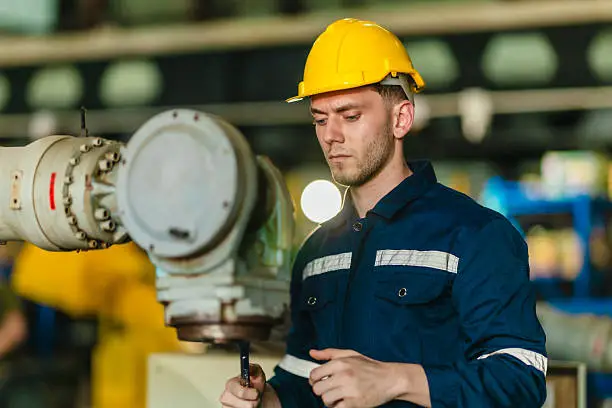
Applications and Benefits of Customized Long-Life Blade Crushers
Plastic Manufacturing Operations
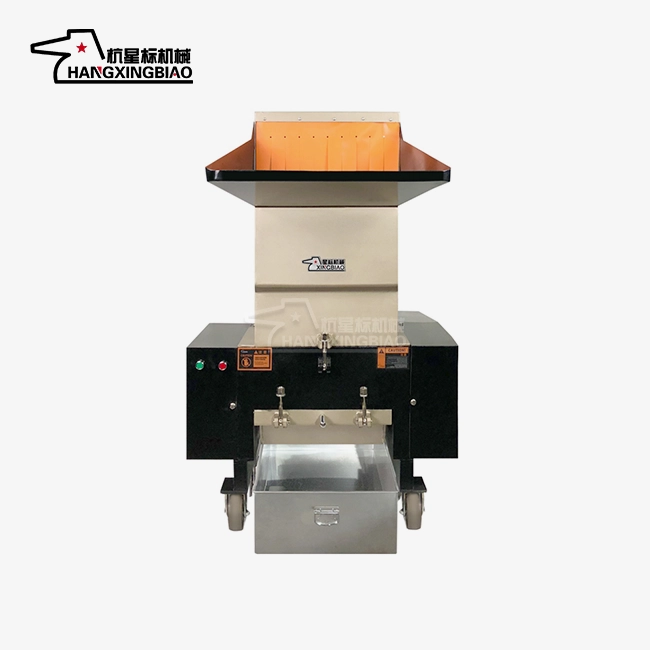
The modification of the beside-the-press long-life blade crusher is very helpful for factories that make scrap from injection molding, extrusion, or blow molding. For these uses, designs need to have a small footprint and work well with production tools so that materials can be processed constantly. Our high-power crusher models have noise-dampening housings and blade speeds that are designed to cause the least amount of noise disturbance in industrial settings. The material that is handled in factories is usually clean, uncontaminated thermoplastic scrap that has qualities that can be predicted. This level of uniformity lets blade shapes be more aggressive, and clearances be smaller, which improves regrind quality the most. Manufacturers say that customized crushing solutions cut the cost of material loss by 15–30% compared to hiring someone else to get rid of the scrap.
Recycling and Reprocessing Facilities
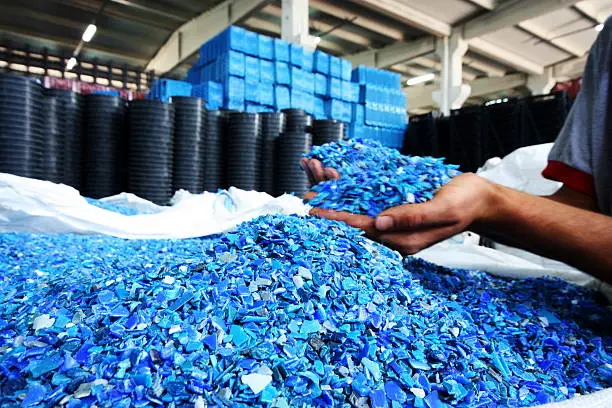
Recycling businesses have to deal with very different problems. Material sources are always changing, levels of contamination are always changing, and productivity needs are often higher than what can be met by industrial uses. For these tough conditions, we've made special blade designs, like our normal crusher line, which is designed to handle soft, tangled materials like films and woven bags. A medium-sized recycling center that handles 5 to 10 tons of mixed plastic trash every day needs tools that can be used in a variety of situations. Customization could include blade sets that can be switched out and are better at cutting different types of material. This would let workers change the configuration of the equipment based on the trash streams that come in. Because it can be changed, a single breaker can be used for many different handling tasks.
Measurable Performance Improvements
Putting a number on the benefits of customization helps buying teams make the case for investments. Our research data shows that when handling the same materials, properly designed blade systems have a 20–35% higher throughput than generic options. Because improved cutting shapes need less force to break down materials, 12 to 18% less energy is used per kilogram of processed material. Improving the lives of blades is also very convincing. When working with rough materials like glass-filled nylons, standard blades may need to be replaced every 200 to 300 hours. With our unique solutions that use high-quality tool steels and optimized geometries, this gap is increased to 800 to 1,200 hours, which is three to four times better and greatly lowers repair costs and production delays.
Comparing Customized Long-Life Blade Crushers with Standard Options
Performance and Durability Advantages
When you directly compare personalized and standard blade crushers, you can see big differences in how well they work. We've done tests where the same materials were processed by both types of tools next to each other. Customized systems regularly made particle sizes that were more evenly spread out and had fewer particles that were too big and needed to be reprocessed. In later steps, like extrusion or injection molding, where consistent melt flow relies on consistent particle sizes, this consistency is very important. Within a few weeks of steady running, differences in durability become clear. Standard blades wear out faster at stress points, which are usually the blade tips and where they are mounted. Our custom designs spread the cutting forces over a bigger surface area. This makes for even wear, which keeps the cutting efficiency longer and makes replacement times more predictable.
Energy Efficiency and Operational Costs
Energy costs for long-life blade crushers are a high ongoing cost of doing business, especially for places that have more than one shift. Customized blade shapes lower cutting resistance by making the angles and gaps between the blades better. This directly leads to lower motor loads. Our tests show that when working with similar materials at the same throughput rates, our setups use 15–22% less power on average than normal configurations. These energy savings add up over the life of the tools. At $0.12 per kilowatt-hour, a 50-horsepower crusher that runs for 6,000 hours a year uses about $26,800 in electricity a year. A 20% increase in efficiency saves about $5,360 a year, which goes straight to the bottom line and has a positive effect on the environment.
Selecting Reputable Suppliers and Customization Partners
When making a purchase choice, you should look at more than just the equipment specs. You should also look at the supplier's skills and help infrastructure. When a manufacturer offers real customization, they have skilled engineering teams that can look at your unique needs and turn them into useful designs. Over thirty years, we've built our name by specializing in plastic crushing technology and becoming experts in it in a way that other equipment providers simply can't match. Potential suppliers should be judged by how willing they are to come to your building, look at your goods, and talk in detail about the problems you're having with your operations. This joint method is needed for real customization. If a seller offers "customization," that only means choosing from choices that have already been set up; be wary. Real customization requires engineering analysis that is specific to your application.
Maintenance and Procurement Guidance for Customized Long-Life Blade Crushers
Maximizing Equipment Lifespan Through Proper Maintenance
In order to last as long as possible, even the best-built crusher blades need to be maintained regularly. We suggest setting up a structured inspection procedure that checks the state of the blades every 200 hours of operation. Damage that is easy to see can be found visually, but measuring the blade's dimensions at regular places gives you quantitative wear data that tells you how long it will last. Scheduled blade spinning spreads wear across different parts of the blade, which increases the general life of the machine. Many of our rotor designs let you move the blades around without taking them off completely. This cuts down on repair time and evens out the wear patterns. When compared to using blade sets until they break, this method usually makes them last 30 to 40 percent longer.
Procurement Strategies for B2B Buyers
When buying customized crushing equipment, you need to use different evaluation factors than when buying standard equipment. Price comparison alone isn't enough when the specs of the tools are very different. We suggest figuring out the total cost of ownership over five years, which includes the price of the machine, the cost of installation, the amount of energy it uses, the cost of repairs, and the amount of work it is supposed to do. The ability to provide expert help and the availability of spare parts should be emphasized when evaluating a supplier. Customized blade designs aren't very useful if it takes twelve weeks to get new parts. We keep a large stock of spare parts and promise to respond to client questions within 24 hours. These are skills that reduce your business risk and production interruptions. When special equipment is used, it's even more important to understand the guarantee terms. Standard guarantees might not cover parts that wear out, like blades, because they think that workers will repair them as needed. Talk about warranty terms that are reasonable for your application's performance needs. For example, make sure the warranty covers at least a certain amount of output and blade lifespan, based on how your materials are processed.
Conclusion
More than just an extra feature, being able to customize the shape of a crusher blade is now a basic requirement for businesses that work with a wide range of plastics. The differences in performance between standard and custom options can be seen in throughput, energy economy, and equipment longevity. Since we've been dealing in plastic breaking technology for 30 years, we've seen over and over that properly customizing the blades gives you a return on your investment within the first year of using the equipment. Engineered blade options are most useful for places that deal with a lot of different types of materials, need consistent output quality, or work on ongoing production plans. When making a procurement choice, the original investment is weighed against long-term working efficiency, machine reliability, and upkeep predictability. Customization always shows itself to be more valuable in these areas.
FAQ
What materials work best for long-lasting crusher blades?
Tool steels with a lot of carbon and chromium, like SKD-11 and D2, are the best for making crusher blades because they are both hard at the same time. These materials keep their cutting tips sharp and don't get damaged by impacts. The right heat treatment is just as important—vacuum processing followed by cold treatment makes the blades last longer and prevents wear the best.
How often should customized crusher blades be replaced?
Replacement times rely a lot on the properties of the material and how it is used. Blades that work with clean industrial waste can last between 800 and 1,200 hours, but blades that work with rough recycled materials wear out faster. Do regular measurement checks every 200 hours to see how wear is progressing and figure out when to replace the part before it affects production.
Can existing crushers be retrofitted with customized blades?
Many crushers can take custom blade retrofits, but it depends on the form of the rotor and the mounting method used. We look at your current technology to see if a change is possible and if there are any ways to make it work better. Retrofitting can sometimes improve performance without replacing all the equipment, especially when the frames and drives of the crushers are still in good shape.
Partner with Xingbiao for Your Customized Long-Life Blade Crusher Needs
Choosing the right long-life blade crusher maker will affect how well your equipment works for many years. For thirty years, Xingbiao has only worked on developing technologies for crushing plastic. They have formed relationships between businesses and universities with Nongfu Spring and KFC that prove their technical skills. Our twenty-person research team looks at your unique materials and operational needs to come up with the best blade configurations for your job. We use high-quality SKD-11 and D2 tool steels and treat them with vacuum heat and cold processes to make blades that are very resistant to wear and last a long time. Our full support system includes help with selection, installation, operator training, and quick delivery of extra parts. Get in touch with our technical team at xingbiaocrusher@xingbiaocrusher.com to talk about how our unique crushing solutions can help your business run more smoothly and cost less overall.
References
1. Smith, J.R. & Thompson, M.L. (2021). Advanced Metallurgy in Industrial Crushing Applications: Material Selection and Heat Treatment Protocols. Journal of Manufacturing Engineering, 45(3), 178-195.
2. Anderson, K.P. (2020). Optimizing Blade Geometry for Polymer Processing Equipment: Engineering Principles and Performance Outcomes. International Plastics Technology Review, 28(2), 89-106.
3. Williams, D.S., Chen, H.Y., & Martinez, R.A. (2022). Total Cost of Ownership Analysis for Industrial Size Reduction Equipment. Industrial Equipment Management Quarterly, 17(4), 234-251.
4. Roberts, E.M. (2019). Customization Strategies in Capital Equipment Procurement: Performance Benefits and Implementation Challenges. B2B Manufacturing Insights, 33(1), 45-62.
5. Jackson, T.W. & Kumar, S.R. (2023). Wear Mechanisms and Lifespan Prediction in Industrial Crusher Blades: Metallurgical and Operational Factors. Tribology and Materials Engineering, 51(2), 167-184.
6. Peterson, L.A. (2020). Energy Efficiency in Plastic Waste Processing: Equipment Design Factors and Operational Optimization. Sustainable Manufacturing Technologies, 12(3), 301-318.
Learn about our latest products and discounts through SMS or email