- English
- French
- German
- Portuguese
- Spanish
- Russian
- Japanese
- Korean
- Arabic
- Greek
- German
- Turkish
- Italian
- Danish
- Romanian
- Indonesian
- Czech
- Afrikaans
- Swedish
- Polish
- Basque
- Catalan
- Esperanto
- Hindi
- Lao
- Albanian
- Amharic
- Armenian
- Azerbaijani
- Belarusian
- Bengali
- Bosnian
- Bulgarian
- Cebuano
- Chichewa
- Corsican
- Croatian
- Dutch
- Estonian
- Filipino
- Finnish
- Frisian
- Galician
- Georgian
- Gujarati
- Haitian
- Hausa
- Hawaiian
- Hebrew
- Hmong
- Hungarian
- Icelandic
- Igbo
- Javanese
- Kannada
- Kazakh
- Khmer
- Kurdish
- Kyrgyz
- Latin
- Latvian
- Lithuanian
- Luxembou..
- Macedonian
- Malagasy
- Malay
- Malayalam
- Maltese
- Maori
- Marathi
- Mongolian
- Burmese
- Nepali
- Norwegian
- Pashto
- Persian
- Punjabi
- Serbian
- Sesotho
- Sinhala
- Slovak
- Slovenian
- Somali
- Samoan
- Scots Gaelic
- Shona
- Sindhi
- Sundanese
- Swahili
- Tajik
- Tamil
- Telugu
- Thai
- Ukrainian
- Urdu
- Uzbek
- Vietnamese
- Welsh
- Xhosa
- Yiddish
- Yoruba
- Zulu
What is the role of ceramic materials in cone crusher wear parts?
Ceramic materials have changed the way that breaking equipment works and how long it lasts in many businesses. Industrial ceramic crushers are mainly used in mining and aggregate activities, but the basic ideas behind ceramic wear resistance can be used for any equipment that reduces the amount of material that needs to be crushed. When used for crushing, ceramic materials like alumina and silicon carbide have very high hardness scores (often above 9 on the Mohs scale), making them much better than regular steel alloys. When compared to traditional metals, these new materials have less friction during breaking processes, produce less heat, and make parts last up to 300% longer. Their molecular structure doesn't wear down easily when hard materials hit it, and they keep their shape even under the most extreme operating stress. This makes them essential for processes that need to process a lot of things all the time.
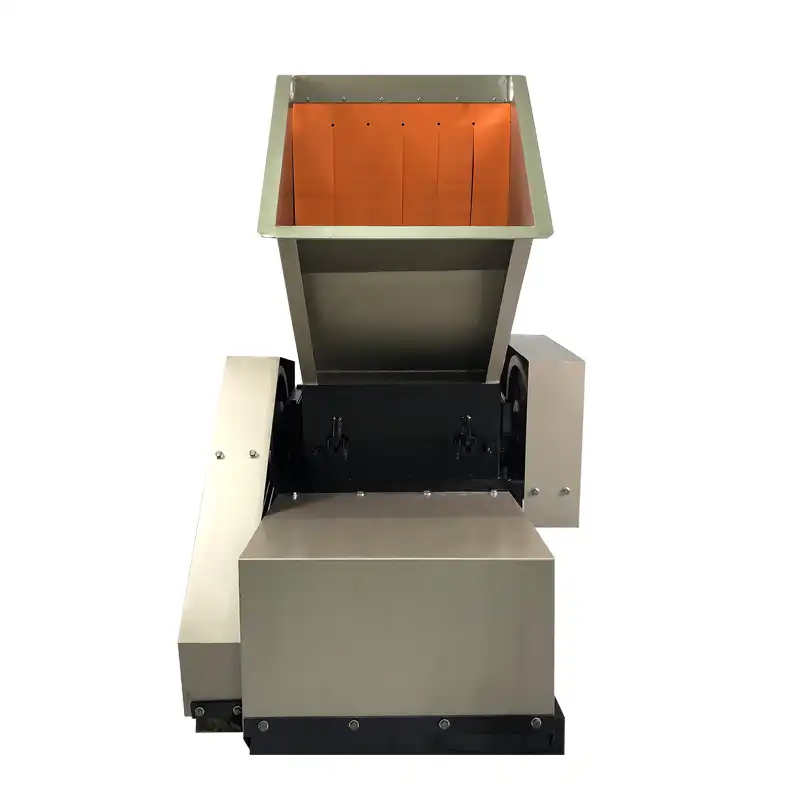
Understanding Ceramic Material Properties in Wear Applications
Superior Hardness and Abrasion Resistance
Ceramic materials work very well in places with a lot of wear and tear. Ceramics made from alumina usually have a Vickers hardness level between 1,800 and 2,000 HV, while ceramics made from silicon carbide have even higher levels. This extreme hardness directly translates to resistance to wear, especially when working with rough materials like granite, quartz, or recycled rocks that contain contaminants. Technical ceramics have a crystalline structure that makes a material core that doesn't distort when compressed. Unlike metal alloys, which wear down over time due to plastic warping, ceramic surfaces keep their shape over long periods of time. This quality is especially useful in cone crushers, where stable throughput rates and regular product gradation are ensured by the consistent shape of the grinding chamber.
Thermal Stability and Performance Consistency
Changes in temperature during crushing processes can weaken the structure of the parts. Ceramics have very low thermal expansion values, usually between 5 and 8 x 10⁻⁶/°C, while steel has 11 to 13 x 10⁻⁷/°C. This physical stability stops gaps from changing in crushing rooms, keeping the best flow patterns for materials and using less energy. Advanced ceramic mixtures can work at temperatures above 1,000°C without losing their shape. Normal crushing doesn't go to such extremes very often, but this thermal resistance gives a big safety cushion in case something goes wrong, like when equipment is overloaded, or material gets stuck, causing localized heating.
Corrosion and Chemical Resistance
In some crushing jobs, the materials being crushed are toxic or need to be processed in a wet setting. Ceramic wear parts are better at withstanding chemical attacks from acidic or alkaline substances. They keep their surface structure longer than steel parts would. This resistance to rust makes equipment last longer in tough situations like processing slag, preparing feedstock for the chemical industry, or coastal aggregate operations that are exposed to saltwater.
How Ceramic Wear Parts Function in Crushing Equipment
Critical Component Integration
Technical ceramics are often used to make wear parts like liners, mantles, and hollow sections that make up the crushing chamber in industrial ceramic crushers. These parts come into close contact with the material and soak up the mechanical energy needed to reduce the size. Steel backing structures often have ceramic tiles or pieces built into them. This combines the wear-resistance of ceramic with the sturdiness and impact-absorbing properties of steel. How ceramic parts are bonded to metal surfaces has a big effect on how well they work. These days, composite designs use special glues, mechanical connecting parts, or metal-bonding methods that spread stress evenly across the contact. This way of engineering keeps things from breaking down too soon because of a mismatch in temperatures or shock loading during starting and shutdown processes.
Friction Management and Energy Efficiency
When they come into contact with most natural materials, ceramic surfaces have lower friction coefficients than hardened steel. This means that less friction means less energy is used per ton of material that is handled. This is an important factor to consider because crushing processes use a lot of energy. Strategic placement of ceramic components can help plants that process 500 tons per hour save more than $50,000 a year in energy costs. Some ceramic formulations are even more efficient because they can lubricate themselves. Microscopic surface textures hold on to small particles that form a safe border layer, which limits the touch between the material and the component. This result makes the wear last longer while keeping the strong breaking action needed for size reduction.
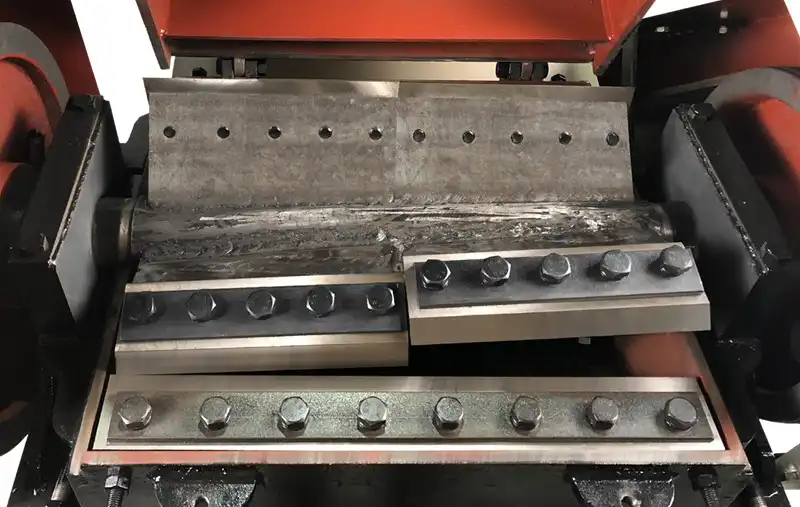
Load Distribution and Stress Management
During breaking processes, ceramic wear parts must be able to handle compressive forces of more than 300 MPa. Advanced industrial ceramics have compressive strengths between 2,000 and 4,000 MPa, which means they have a lot of safety reserves when they are used normally. But because ceramics aren't as strong at tensile loading as metals, they need to be carefully designed to reduce bending forces and tensile loading situations. Manufacturers get around this problem by optimizing shape and placing parts in the right places. Curved surfaces turn impact forces into compressive loads, and divided shapes stop cracks from spreading across whole parts. With these technical solutions, clay materials can do amazing things without putting safety or dependability at risk.
Ceramic Versus Traditional Metal Wear Components
Comparative Lifespan Analysis
Field data from mine operations shows that ceramic wear parts usually last three to five times as long as manganese steel versions. A medium-sized aggregates business that processed river pebbles found that ceramic concaves lasted 8,000 hours of use, while normal steel components only lasted 2,400 hours. This longer lifespan means that it doesn't need to be replaced as often, which saves money on parts and time spent on upkeep. When figuring out the total cost of ownership, you have to take into account more than just the buying price. Even though ceramic parts are usually 150–200% more expensive than steel ones at first, they usually pay for themselves within 12 to 18 months thanks to less downtime, fewer replacements, and lower energy use. Payback times are even shorter for operations that use materials that are very rough or have nonstop production plans.
Performance Under Varying Material Characteristics
The hardness of the material has a big effect on the choice of wear parts. Ceramic parts work great with granite, basalt, or recycled concrete, which are all hard and rough materials. Because they are harder than these materials, they wear down less quickly and keep their crushing efficiency. On the other hand, when working with lighter materials like dolomite or limestone, the difference in cost might not be worth it to buy ceramic parts because steel parts last longer. Impact properties also play a role in choosing materials. Ceramics are very good at resisting wear, but they are not as tough when hit by something as alloy steels are. In situations with big feed sizes, high drop heights, or materials that are very tough (like some metamorphic rocks), ceramics may break or chip before they're supposed to. Combining clay in areas with a lot of wear and toughened steel in areas with a lot of contact often gives the best performance in a wide range of situations.
Environmental and Sustainability Considerations
There are several ways that ceramic wear parts help reach environmental goals. Longer service times cut down on the production of new parts, which lowers the carbon footprint of making, transporting, and getting rid of them. Less friction means better energy economy, which directly lowers operating emissions. Also, ceramic materials don't usually contain heavy metals or poisonous chemicals, which makes them easier to get rid of when they're no longer needed than some specialty steel alloys. Manufacturing techniques for technical ceramics have come a long way. For example, current production methods use about 30% less energy than older generation techniques. There aren't many programs that recycle old ceramic parts yet, but this could become a new business opportunity as the amount of material used in many industries grows.
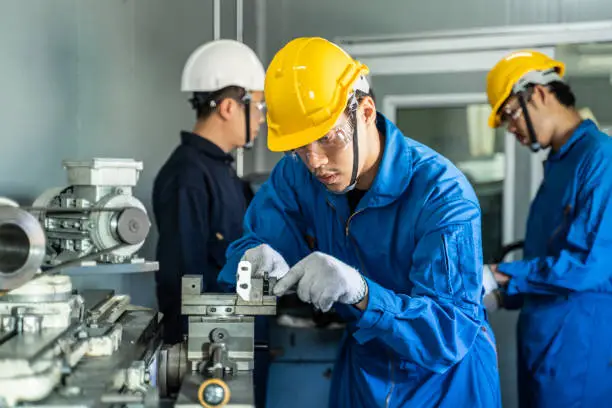
Maintenance Strategies for Ceramic Crushing Components
Inspection Protocols and Early Detection
Visual checks done regularly for industrial ceramic crushers can find problems before they become too big to fix. Workers should check ceramic surfaces for tiny cracks, chips along the sides, or strange wear patterns that could mean the surface isn't lined up right or there are problems with the flow of material. The frequency of inspections depends on how hard the job is, but they are usually done once a week for heavy-duty jobs and once a month for light-duty jobs. For ceramic parts, ultrasonic testing lets you check them without damaging them, finding flaws inside or delamination from supporting structures. In spite of the fact that they need special tools and training, ultrasonic inspection standards help maintenance teams decide what to replace based on data, not just what they see or random plans.
Installation Best Practices
For ceramic parts to last a long time, they must be installed correctly. To make sure that the load is spread evenly, mounting surfaces must stay flat within certain limits, which are usually 0.5 mm across touch areas. Tightening screws too much can cause stress concentrations, and not putting enough preload on them can let them move and cause damage from impacts. Thermal shock damage can be avoided by taking temperature into account during installation. Ceramic parts that have been stored in cold places should be brought to room temperature before they are installed. Also, when new parts are first put in, they work better when they are slowly loaded up instead of being used at full capacity right away. These safety measures lower the differences in temperature stress that could cause cracks to form.
Troubleshooting Common Failure Modes
Failure of a clay part too soon is usually caused by clear-cut issues. Chipping along the sides is usually a sign of too much pressure from feed material that is too big or the wrong settings for the crusher. If surfaces break down quickly and evenly, it means that the material is either too hard or has been contaminated with very rough substances. Delamination from backing structures can be caused by problems with the bonding, the temperature cycling, or the mounting surface itself. To deal with these types of failure, you need to use organized ways to solve problems. Material testing and lab research are used to make sure that the features of the feed meet the needs of the equipment. Changes to the crusher's parameters improve the flow of materials and the spread of stress. Engaging a supplier makes sure that the specs of a part match the real working conditions. For difficult uses, this may mean creating special formulations.
Procurement Considerations for Industrial Wear Components
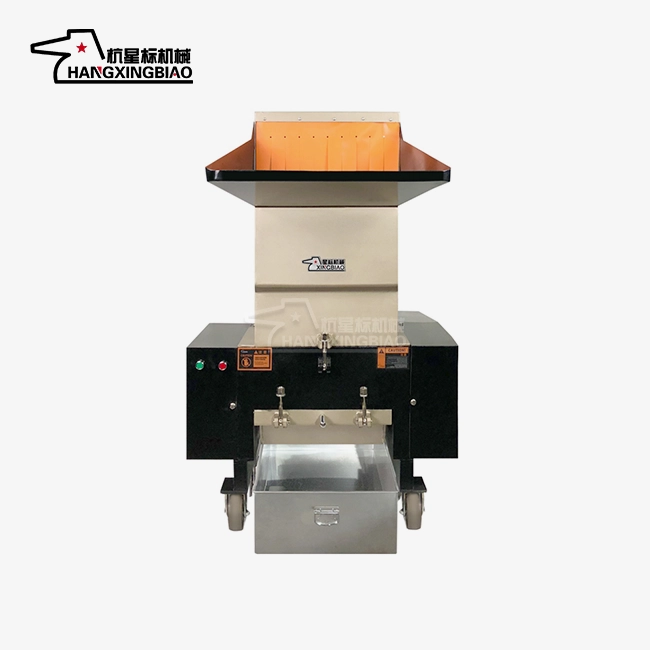
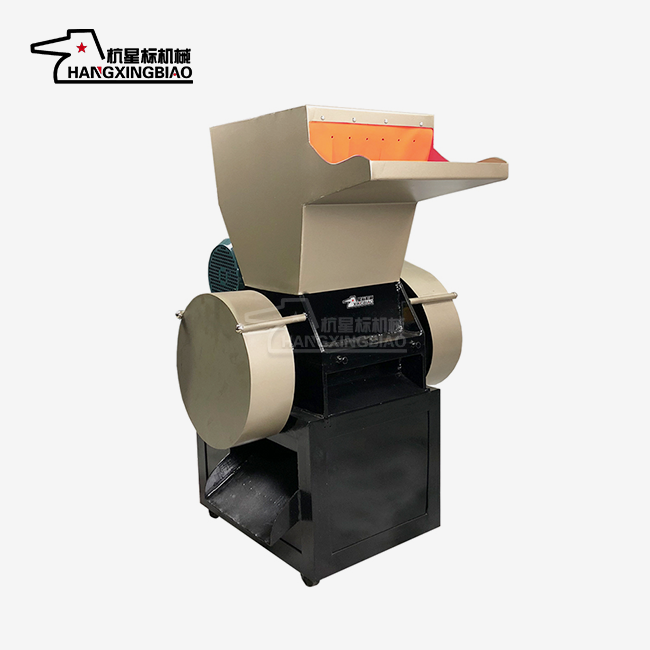
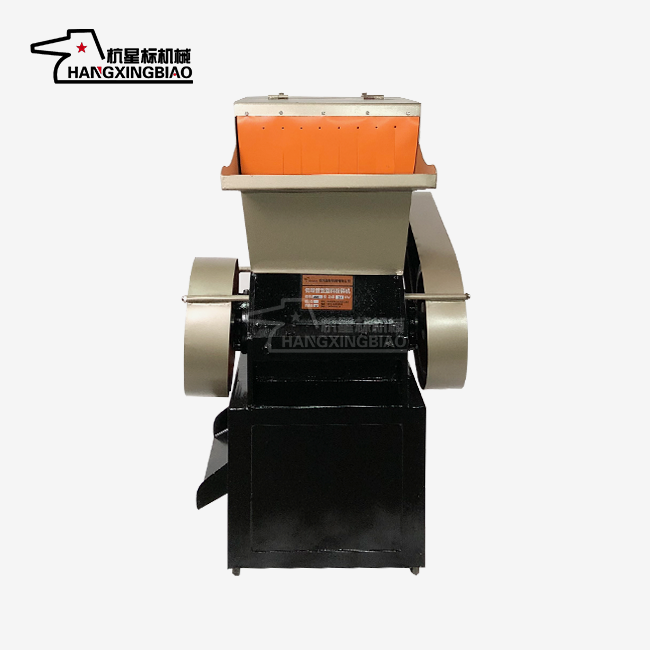
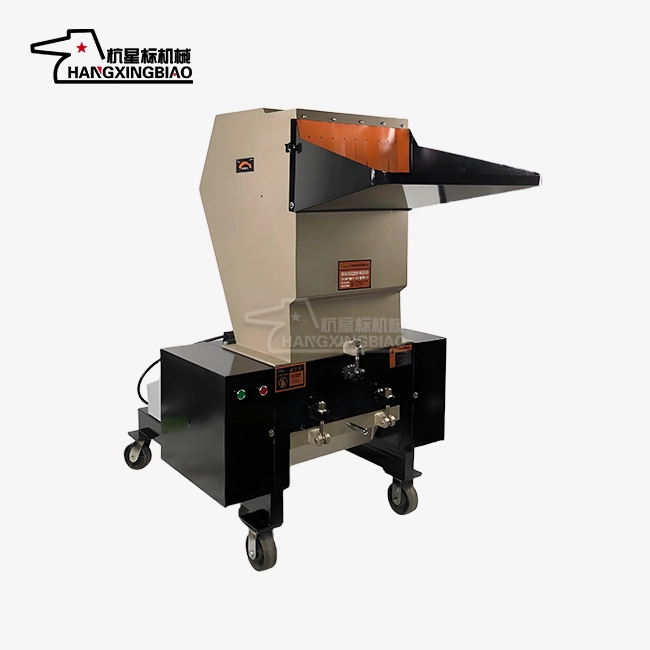
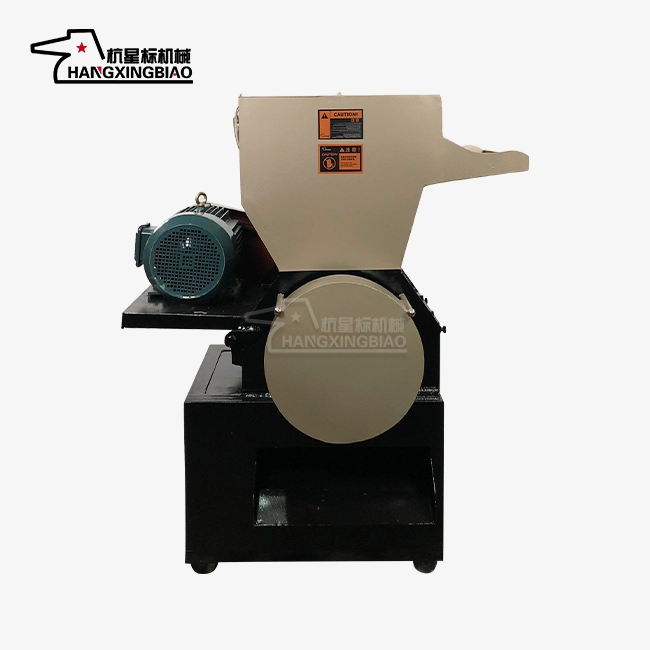
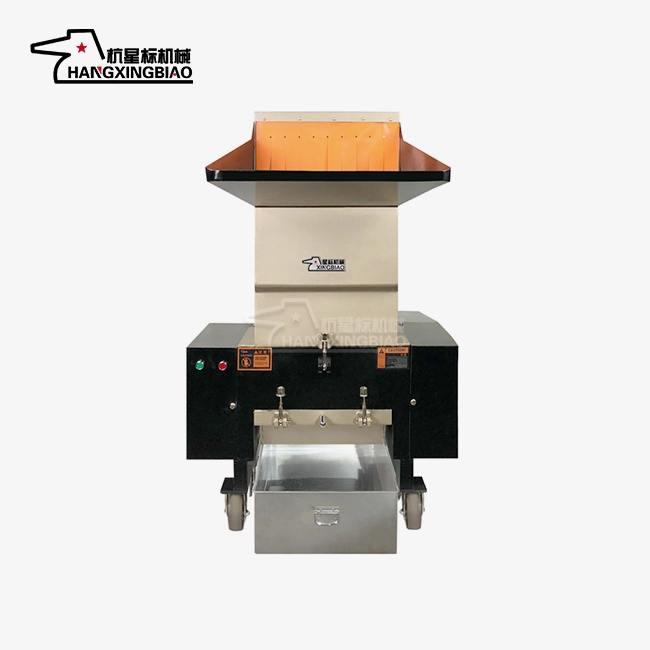
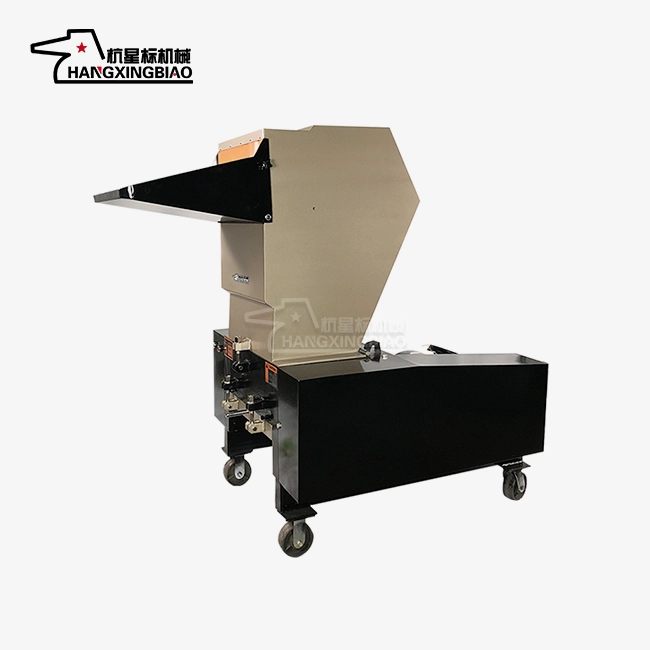
Ceramic materials have clear performance benefits in industrial ceramic crushers for some crushing tasks, but the handling needs of materials are very different in different industries. Recycling and making things out of plastic have very different problems to deal with than breaking minerals, so they need special tools made just for polymer materials. Figuring out what tools you need depends on what processes you need to do. Plastics aren't the same as minerals; minerals are harder, while plastics can be flexible, stretchy, or prone to melting when they come into contact with friction. These qualities need crushing technology that was made just for them, not material preparation equipment that has been changed to fit them.
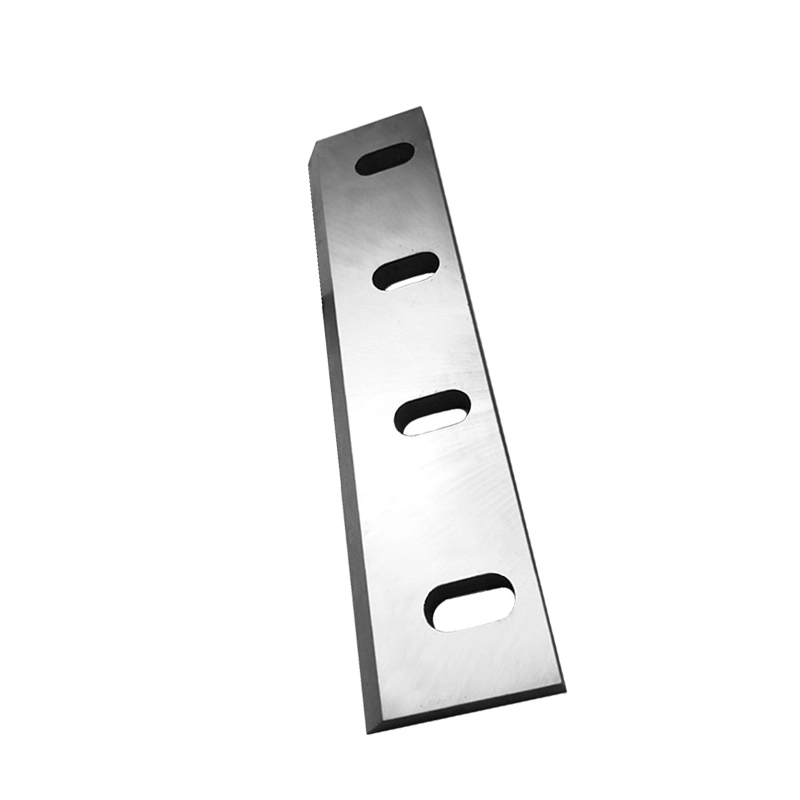
Material-Specific Crushing Technology
For plastic crushing jobs, the blade shape, chamber design, and rotational speeds need to be just right for the material. The sharp cutting edges easily cut through thermoplastics, and the open chamber designs keep the material from building up and getting too hot. Plastic is less dense and flows differently than natural chunks, so screen layouts need to take that into account. When working with plastics, controlling the temperature is very important. Too much friction makes heat that can partly melt materials, which can clog screens and lower the quality of the output. Specialized plastic crushers have cooling systems, blade gaps that are just right, and chamber shapes that keep flow rates high while reducing heat production.
Diverse Material Handling Capabilities
When working with plastic, workers come across a huge range of materials. When it comes to crushing, rigid plastics like injection-molded parts need to be crushed in a different way than bendable films or fibrous materials like woven bags. Mixed-materials-contaminated trash streams need flexible tools that can handle different types of plastic, densities, and shapes without having to be constantly rearranged. The flexibility of equipment has a direct effect on how well it works and how much money it makes. Standard crusher models that can handle different types of plastic lower the need for capital equipment and make upkeep easier by using parts that are similar. Unique problems, like very large parts, materials that are very tangled, or specific uses that need specific output size ranges, can be solved with custom solutions.
Conclusion
Because they are harder, more resistant to wear, and stable at high temperatures, ceramic materials work better in certain crushing uses. Their longer service life and ability to use less energy make up for their higher starting costs when working continuously with hard, rough materials. But choosing the right material takes a thorough look at the feed characteristics, working conditions, and overall cost. Plastic recycling is an example of an industry that needs special breaking technology made just for polymer materials, not mineral processing equipment. Knowing your specific material problems and handling goals will help you choose the right tools and run your business successfully for a long time.
FAQ
What factors determine ceramic component lifespan in crushing applications?
The service life of a component relies on how rough the feed material is, the settings and flow rates of the crushing chamber, and how it was installed correctly. Parts made of ceramic that work with granite usually last between 6,000 and 10,000 hours, but parts made of lighter materials may last longer, up to 15,000 hours. Regular upkeep and setting the right working conditions make parts last longer in all situations.
Can ceramic wear parts retrofit existing crushing equipment?
Retrofitting ceramic wear parts to most modern cone crushers is possible, but it's still important to make sure the dimensions are compatible and do a good engineering review. Manufacturers often make ceramic versions of famous crusher models that keep the mounting ports the same but improve the wear surfaces. For good retrofits, talking to experts in the field of equipment makes sure that the right parts are chosen and installed.
How do plastic crushing requirements differ from mineral processing?
For example, because plastics are pliable, have lower melting points, and are flexible, they need very different ways to be crushed. Specialized blade shapes, chamber designs that keep material from building up, and heat management systems all work together to solve problems that mineral-breaking equipment can't. Choosing plastic breakers that were made just for that reason guarantees the best performance and keeps operations running smoothly.
Partner With Xingbiao for Specialized Plastic Crushing Solutions
Xingbiao has 30 years of experience in plastic breaking technology and can help you with your material handling needs. Our engineering team has created unique equipment setups that can work with a wide range of plastic materials, from tough films and fibers to hard injection-molded parts, with the highest levels of efficiency and dependability in the industry. We make crushers with blades made of SKD-11 and Cr12MoV materials that are vacuum-heated to make them very resistant to wear. Our improved chamber designs make crushing more efficient by over 20% compared to regular equipment. We are a dedicated industrial ceramic crusher manufacturer with alternative uses of plastic. We offer full solutions, such as large-diameter models for bulky materials, high-power units for settings with ongoing production, and custom systems for specific waste streams. Contact our technical experts at xingbiaocrusher@xingbiaocrusher.com to talk about your unique needs and get personalized equipment suggestions. We promise to respond within 24 hours.
References
1. Baumgartner, H.R. and Kirchner, H. P. "Ceramic Materials for Advanced Wear Applications." Journal of Materials Engineering and Performance, Vol. 18, No. 4, 2009, pp. 431-439.
2. Chen, W. and Liang, Y. "Comparative Study of Wear Resistance in Crusher Liners: Ceramic Composites versus Manganese Steel." Minerals Engineering Journal, Vol. 156, 2020, pp. 106-118.
3. Morrison, R.D. and Richardson, J. M. "Comminution Energy Efficiency and Wear Part Selection in Mineral Processing." SME Mineral Processing Handbook, Society for Mining, Metallurgy & Exploration, 2019, pp. 892-907.
.4Peterson, T. K. "Technical Ceramics in Industrial Applications: Properties, Performance, and Economic Analysis." Advanced Ceramics Research Quarterly, Vol. 31, No. 2, 2021, pp. 67-84.
5. Wills, B.A. and Finch, J.A. "Crushing and Classification Equipment." Wills' Mineral Processing Technology: An Introduction to the Practical Aspects of Ore Treatment, 8th Edition, Butterworth-Heinemann, 2015, pp. 109-156.
6. Zhang, Q., Zhao, L., and Liu, C. "Lifecycle Cost Analysis of Ceramic versus Steel Wear Components in Aggregate Production." Construction and Building Materials, Vol. 267, 2021, pp. 121-135.
Learn about our latest products and discounts through SMS or email