- English
- French
- German
- Portuguese
- Spanish
- Russian
- Japanese
- Korean
- Arabic
- Greek
- German
- Turkish
- Italian
- Danish
- Romanian
- Indonesian
- Czech
- Afrikaans
- Swedish
- Polish
- Basque
- Catalan
- Esperanto
- Hindi
- Lao
- Albanian
- Amharic
- Armenian
- Azerbaijani
- Belarusian
- Bengali
- Bosnian
- Bulgarian
- Cebuano
- Chichewa
- Corsican
- Croatian
- Dutch
- Estonian
- Filipino
- Finnish
- Frisian
- Galician
- Georgian
- Gujarati
- Haitian
- Hausa
- Hawaiian
- Hebrew
- Hmong
- Hungarian
- Icelandic
- Igbo
- Javanese
- Kannada
- Kazakh
- Khmer
- Kurdish
- Kyrgyz
- Latin
- Latvian
- Lithuanian
- Luxembou..
- Macedonian
- Malagasy
- Malay
- Malayalam
- Maltese
- Maori
- Marathi
- Mongolian
- Burmese
- Nepali
- Norwegian
- Pashto
- Persian
- Punjabi
- Serbian
- Sesotho
- Sinhala
- Slovak
- Slovenian
- Somali
- Samoan
- Scots Gaelic
- Shona
- Sindhi
- Sundanese
- Swahili
- Tajik
- Tamil
- Telugu
- Thai
- Ukrainian
- Urdu
- Uzbek
- Vietnamese
- Welsh
- Xhosa
- Yiddish
- Yoruba
- Zulu
How to Choose the Best Portable Compact Crusher for Your Business?
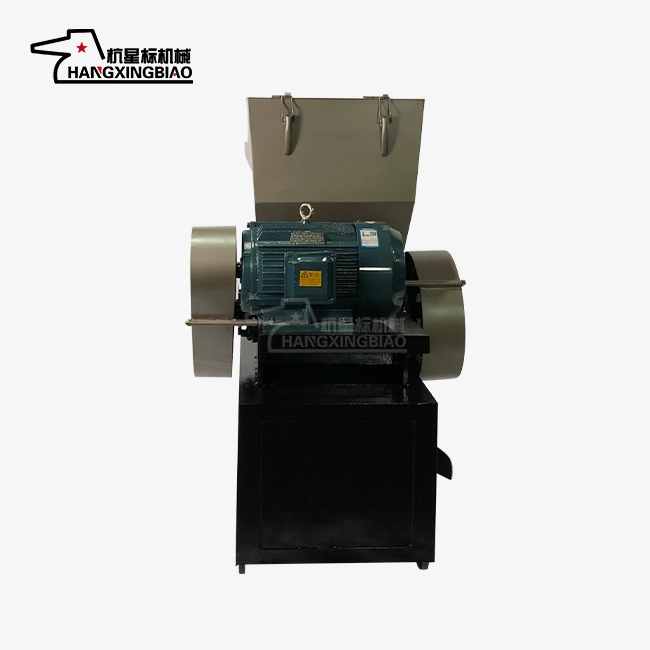
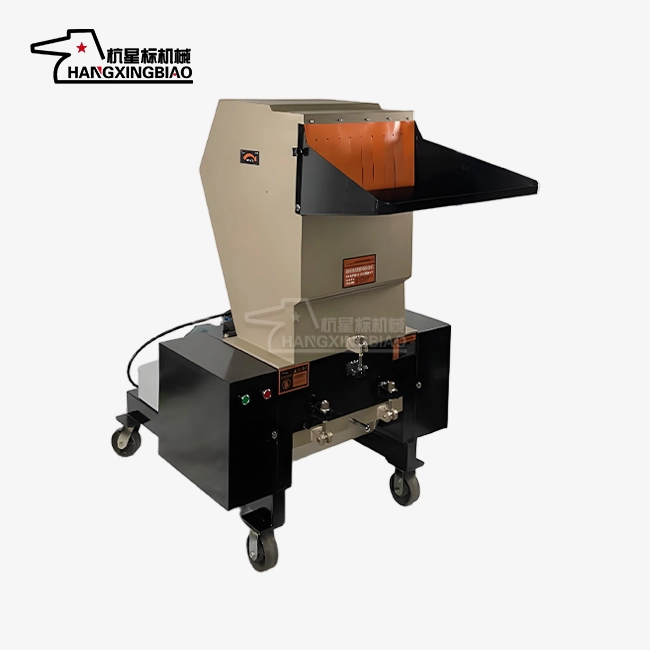
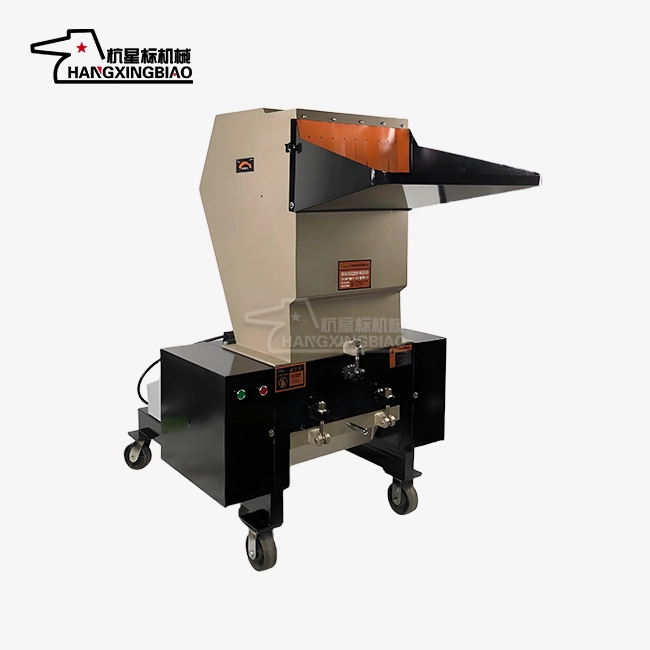
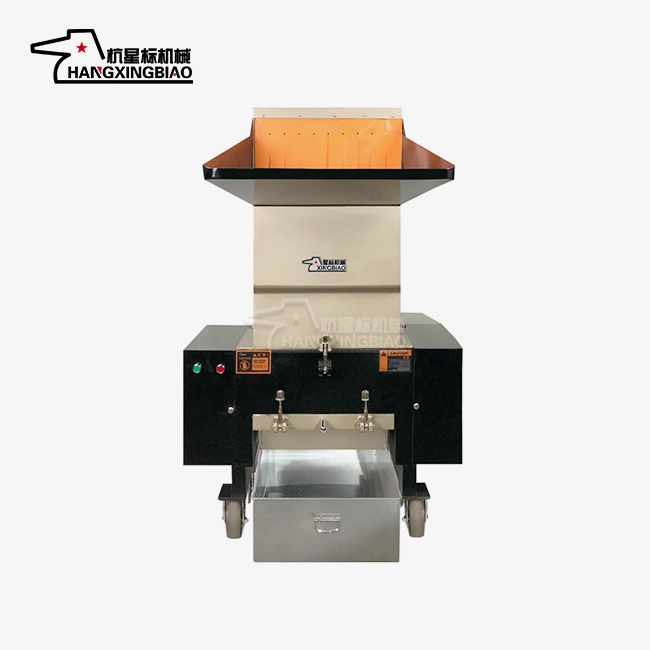
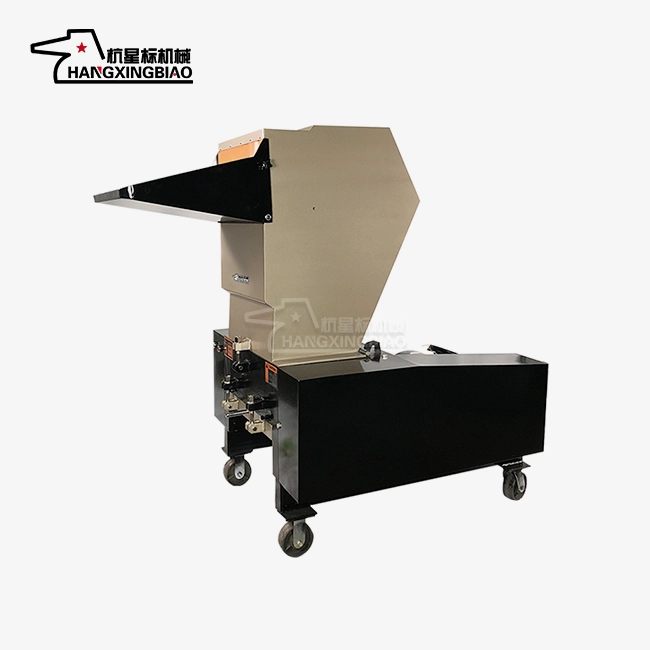
To pick the correct small compact crusher, you need to know what kind of material you need to process and make sure the tools can do it. Consider crushing power, material type compatibility, longevity, and energy usage when evaluating choices, especially for wholesale small crusher purchases. The best choice strikes a mix between short-term and long-term dependability, and it can handle unique production problems like injection-molded scrap, tangled films, or hard plastic shapes. This choice has a direct effect on production prices, machine life, and processing quality, so it's important to do a thorough evaluation.
Understanding Portable Compact Crushers and Their Business Applications
Core Crushing Technologies Explained
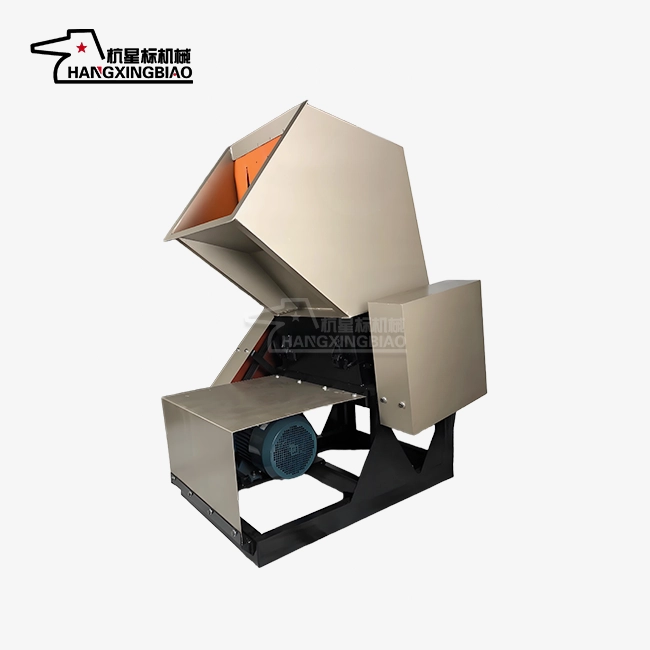
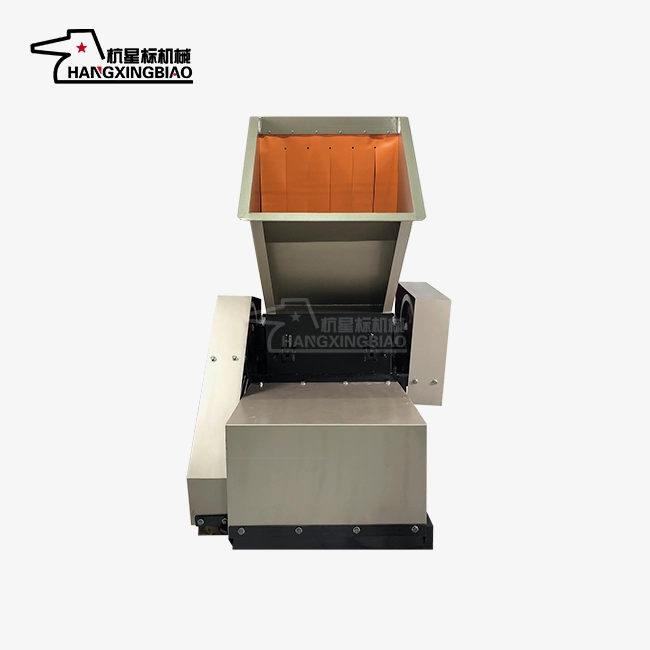
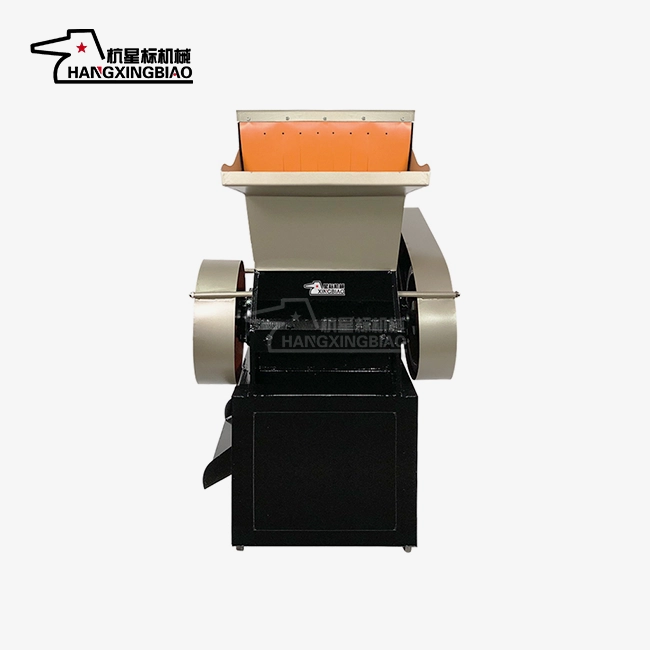
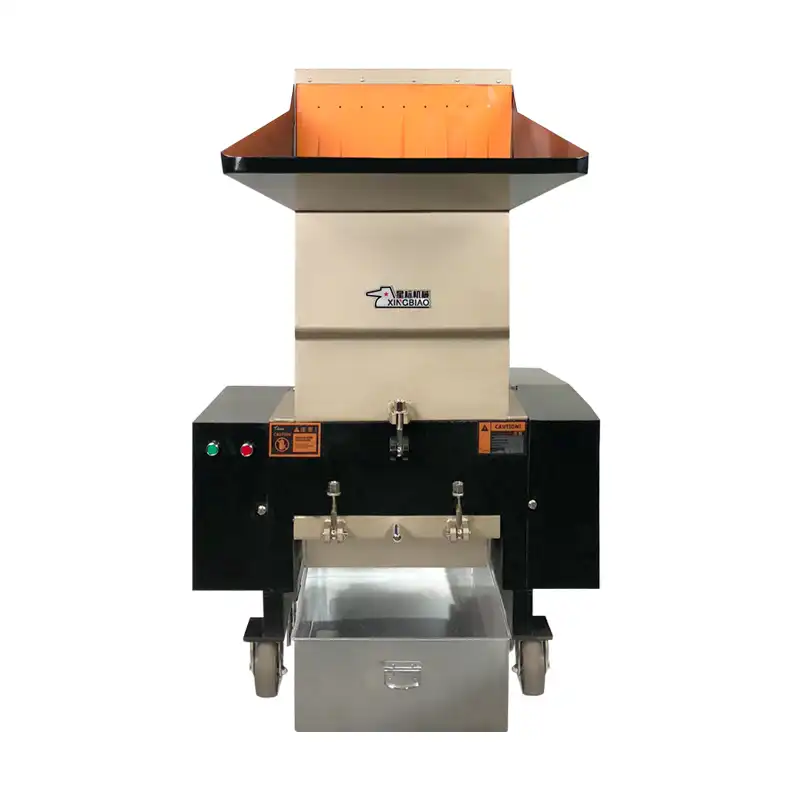
Plastic crushers use different tools that are designed to work with different types of plastic. When high compressive force is applied through opposite plates, jaw-style crushers work best with hard materials like injection-molded parts and pipes with thick walls. Impact crushers work well with mixed plastic garbage streams because they use spinning hammers to create kinetic energy. Granulators have blades that are set up in different ways so that the size of the particles they make can be carefully controlled. This is useful when it's important to have uniform material quality for further processing.
Industry Applications and Material Processing
Companies that make things put small crushers right next to injection molding machines so they can get rid of scrap runners and broken parts right away. Because of this, moving things around is easier, and there is less chance of pollution. Crushers are used by recycling centers to break down different types of garbage, such as farm films, industrial packaging, and used containers. Because the equipment is portable, it can be moved around as handling needs change, such as when yearly volume changes or when new material contracts.
Mobility Advantages in Production Environments
The small size makes it possible to put in places with limited room where big crushers can't go. Wheeled models can be moved from one production station to another, so one piece of equipment can be used for more than one processing point. This adaptability is especially helpful for companies that use production lines that make more than one thing, since different plastics need to be processed at different times during production plans.
Essential Criteria for Choosing the Best Portable Compact Crusher
Material Compatibility Assessment
Knowing your material type is important for choosing the right breaker. For example, ABS and polycarbonate are hard industrial plastics that need strong cutting chambers with blades that are strengthened. On the other hand, LDPE films and other soft materials need special shapes that keep the material from wrapping around the rotors. Tangled trash like braided bags and netting presents special problems that regular breakers can't solve without having to stop working often.
Material wetness level for the wholesale small crusher has a big effect on how well it is processed. Plastics that are contaminated or materials that still have product on them need grinders that are easier to clean. Because the chemicals in some plastics change how quickly blades break down, it is important to have material-specific blade metallurgy for jobs that regularly process acidic or abrasive compounds.
Capacity and Throughput Requirements
Matching the crusher's ability to the amount of work that needs to be done stops jams and wear on the equipment. Do not just look at your regular material production rates; figure out your peak rates as well. This is because small equipment causes production delays during times of high output. Medium-sized factories need crushers that can handle 300 to 800 kilograms of waste per hour, while large factories that process ongoing amounts of waste need equipment that can handle more than 1,000 kilograms per hour.
Construction Quality and Durability Standards
Total cost of ownership is directly affected by how long an item lasts, by how often it needs to be maintained, and replaced. The bodies of crushers made of high-strength steel that has been treated to relieve stress can handle constant operation and shaking without structural wear. Choosing the right blade material is very important. Premium tool steels like SKD-11 and D2 keep their cutting edges for a lot longer than standard metals, which cuts down on the time needed to change the blade. Rotor units are held up by bearing systems that have to handle heavy radial and axial loads. Maintenance times are longer between operations when heavy-duty sealed bearings with good lubrication methods are used. Electrical parts made for industrial settings don't break down as quickly as consumer-grade electronics do when they get dirty or when the temperature changes.
Energy Efficiency and Operating Costs
Motor efficiency scores directly relate to the costs of running the machine over its entire life. Modern crushers have better blade layouts and chamber shapes that lower the amount of motor power needed while keeping the output the same. When comparing energy use, it's important to take into account how fast things are actually being processed. For example, a crusher that uses less power but takes longer to process may cost more to run than more powerful, more energy-efficient options. The fact that heat is produced during crushing processes shows that friction wastes energy. Well-designed equipment gets rid of heat efficiently, which keeps materials from breaking down and lowers the need for cooling in work areas. Some more complex crushers can recover and reroute the wind that is created when the rocks are crushed, which helps the ventilation systems in buildings.

Wholesale Purchasing Considerations: How to Procure Smartly
Manufacturer Evaluation and Selection
Companies that only make breaking equipment usually make better goods than companies that make a lot of different kinds of machinery. Hangzhou Xingbiao Machinery is a good example of this because it has spent the last 30 years developing and making plastic crushers only. This specialized knowledge leads to equipment that has been improved by thousands of setups in a wide range of settings, solving real-world problems that makers who make things for everyone never have to deal with. Some signs of technical skill are in-house engineering teams, study partnerships with big companies, and records of new ideas. When manufacturers work with well-known names like KFC and Nongfu Spring, they have to show that their equipment meets the high operational standards that global companies expect. These agreements prove that the equipment works well in high-volume production settings.
Cost Structure Analysis Beyond Purchase Price
When buying wholesale small crushers in bulk, you need to think about the total costs of ownership over the equipment's lifetime. The initial buying price is only one part of long-term costs. How often blades need to be replaced, how much energy is used, how many repair hours are needed, and how easy it is to get spare parts all have a big effect. Price rises and supply problems can happen when equipment needs parts that can only be bought from one source. When you buy in bulk from a producer, you often get more benefits than just lower unit prices. When you commit to a certain volume, you may be able to get priority scheduling for production, customized specs at standard prices, and better guarantee coverage. As part of package deals, some providers train support staff in technical matters. This cuts down on the need for outside services.
Quality Certification and Compliance
Certifications for equipment make sure that it meets safety standards for production and operation. Industrial crushers that are sold in North America should meet safety guidelines that cover things like electricity systems, noise levels, and mechanical guards. For operations in Europe, products must have a CE mark that shows they meet health, safety, and environmental protection standards. The paperwork that backs up these certificates shows that the equipment was put through a lot of tests before it was released to the market.
Logistics and Delivery Considerations
Buying equipment from other countries includes shipping logistics that change the overall costs and timing of the job. Shipping containers from Asian makers to North American targets usually takes 25 to 35 days, plus extra time for customs clearance. Shipping classes are based on the size and weight of the equipment, which affects the cost of freight. For example, compact crushers that can be taken apart for travel are cheaper to ship than fully completed units. Good packaging keeps equipment safe while it's being shipped across borders. Manufacturers who have worked with export markets before use stronger crates, moisture shields, and materials that absorb shock to keep goods from getting damaged during shipping and handling. Delivery terms that make it clear who is responsible for shipping, security, and import taxes keep buyers from being surprised by costs after the deal is made.
Practical Tips for Operating and Maintaining Your Portable Compact Crusher
Installation and Initial Setup
When something is installed correctly, it sets the stage for effective long-term use. For crushers to work properly, they need stable bearing surfaces that can take the vibrations of operation without passing them on to other structures. The electrical connections must exactly match the motor's requirements, and the circuit safety must be right for the starting current needs. Motors burn and break down too soon when they don't get enough power. For the first time you use it, you should follow the manufacturer's break-in instructions so that the mechanical parts can fit properly. During the first few hours of operation, running crushers at only half of their full capacity lets the bearing surfaces find the best contact patterns. When compared to instant full-load operation, this technique greatly extends the life of bearings.
Routine Maintenance Protocols
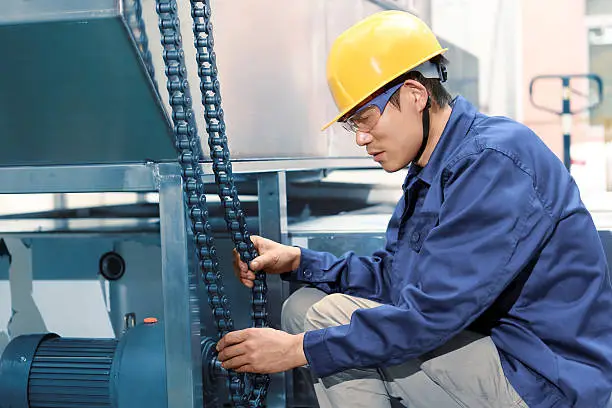
Regular repair plans keep output from being interrupted by failures that happen out of the blue. Every day, checks should be made to make sure the blades are sharp, look for strange noises or movements, and make sure material is moving properly through the release areas. As part of weekly maintenance, bearing points need to be oiled, belt tightness on motor-driven models needs to be checked, and electrical areas need to be cleaned of dust. How often the blades are rotated and replaced for a wholesale small crusher depends on how rough the material is and how much is being processed. By setting up ways to check the state of blades, like measuring the size of the cutting edge or keeping an eye on how much power is being used, planned replacements can be done during planned downtime instead of emergency fixes. Keeping extra blade sets on-site cuts down on production delays caused by having to wait for new parts.
Troubleshooting Common Operational Issues
Material jams usually happen when pieces that are too big enter crushing rooms or when too many pieces are fed at once, overpowering the working capacity. These things don't happen when pre-screening systems or feed control devices are installed. Materials that are wet can cause buildup on the walls of chambers, which lowers the useful volume and working efficiency. This problem can be solved by cleaning the chambers on a regular basis or using warming chambers. If the rotor isn't balanced, it could be because of uneven blade wear or damage from a foreign item. If you keep running the machine with uneven wheels, the bearings will wear out faster, and the structure could get damaged. Strange noise patterns are often a sign that a bearing is wearing out and needs quick attention before it fails. Operators who know how to spot early warning signs keep small problems from getting worse and needing major fixes.
Case Studies and Success Stories of Businesses Using Portable Compact Crushers
Manufacturing Enterprise Integration Success
A medium-sized injection molding company that made parts for cars had to deal with rising costs for getting rid of scrap and material waste. They put in special breakers next to the machines that take back runners and broken parts right away and put them back into the production hoppers. This closed-loop method cut the use of new materials by 18% and got rid of the costs of transporting waste off-site. The small machine footprint fit on the work floor without any changes having to be made to the building.
Recycling Facility Throughput Optimization
A recycling center that specialized in post-industrial plastic trash had a lot of trouble with tangled materials jamming regular crushers, which caused frequent pauses in operations. They used crushers that were designed to handle soft, twisted plastics and had blade shapes that stopped the material from wrapping. The speed of processing went up by 35%, and the number of repair visits went down a lot.
Conclusion
To choose the best small compact crushers, you need to carefully compare your specific processing needs to what the tools can do. The right tools are chosen based on the properties of the material, the amount that needs to be made, and the limitations of the process. When you buy in bulk from specialized makers, you get access to technical knowledge, the ability to customize products, and a long-term support system. These benefits go beyond just saving money at first. Long-term operating success is more affected by how long equipment lasts, how much energy it uses, and how easy it is to do upkeep. Forming relationships with focused makers guarantees access to improved equipment created through a focus on a single industry, rather than generic products that aren't optimized for specific applications.
FAQ
What distinguishes compact crushers from standard industrial crushing equipment?
When it comes to space-saving and portability, compact crushers are the best choice. They can still handle small to medium production amounts. Their small size makes it possible to place them in spaces that aren't very big and move them around as working needs change. Standard industrial crushers usually have a higher working capacity, but they need to be permanently installed, with major changes to the building and a room set aside for operations.
How do electric and diesel-powered crushers compare for different applications?
Electric crushers work best in places with reliable power because they have lower running costs, less upkeep, and no direct emissions. Diesel types don't need to be connected to an electrical system to work, which is helpful for temporary setups or places that don't have enough power. Fuel costs and pollution rules are making electric choices more appealing in places where the infrastructure supports them.
What maintenance intervals should I expect with quality crushing equipment?
Baseline maintenance includes eye checks every day and lubrication processes once a week. Depending on how rough the material is, blades should be rotated or replaced every 300 to 800 hours of use. Bearings should be inspected and replaced according to the manufacturer's instructions, which is usually once a year for equipment that is used all the time. When compared to cheaper options, gaps are much longer when quality building is used.
Partner with Xingbiao for Your Crushing Equipment Needs
Plastic breaking technology is all that Hangzhou Xingbiao Machinery Co., Ltd. has been doing for 30 years. Twenty top engineers on our team work with leaders in the industry to make equipment that solves real production problems. We make crushers out of high-strength steel that has been welded with stress-relieved techniques. The blades are made from SKD-11 and D2 tool steels that have been vacuum-heated to make them very durable. We offer a wide range of products, including large-diameter models, high-power beside-machine units, specialized soft-plastic processors, and custom designs. This means that you can find wholesale small crusher suppliers for standard production needs or unique solutions for difficult materials. We offer full help, from the initial meeting to installation training and ongoing maintenance, and we promise to answer any questions you have within 24 hours. Email our team at xingbiaocrusher@xingbiaocrusher.com to talk about your unique crushing needs and find out how our specialized knowledge can help your business in a way that you can measure.
References
1. Smith, J.R. & Anderson, M.K. (2021). Industrial Plastic Processing Equipment: Selection and Optimization. Manufacturing Technology Press.
2. Chen, L. & Roberts, D.W. (2020). "Evaluating Crusher Performance Metrics in Recycling Operations." Journal of Polymer Processing Technology, 45(3), 287-304.
3. International Plastics Machinery Association. (2022). Equipment Procurement Guidelines for Manufacturing Enterprises. Technical Publication Series, Volume 18.
4. Williams, P.T. (2019). Waste Plastic Recycling: Processing Technologies and System Integration. Applied Industrial Publications.
5. European Machinery Standards Commission. (2021). "Safety and Efficiency Standards for Plastic Size Reduction Equipment." Industrial Equipment Standards Review, 12(2), 156-178.
6. Morrison, K.L., Zhang, Y., & Patterson, R.J. (2023). "Total Cost Analysis of Crushing Equipment in Plastic Manufacturing." Production Economics Quarterly, 38(1), 94-112.
Learn about our latest products and discounts through SMS or email