- English
- French
- German
- Portuguese
- Spanish
- Russian
- Japanese
- Korean
- Arabic
- Greek
- German
- Turkish
- Italian
- Danish
- Romanian
- Indonesian
- Czech
- Afrikaans
- Swedish
- Polish
- Basque
- Catalan
- Esperanto
- Hindi
- Lao
- Albanian
- Amharic
- Armenian
- Azerbaijani
- Belarusian
- Bengali
- Bosnian
- Bulgarian
- Cebuano
- Chichewa
- Corsican
- Croatian
- Dutch
- Estonian
- Filipino
- Finnish
- Frisian
- Galician
- Georgian
- Gujarati
- Haitian
- Hausa
- Hawaiian
- Hebrew
- Hmong
- Hungarian
- Icelandic
- Igbo
- Javanese
- Kannada
- Kazakh
- Khmer
- Kurdish
- Kyrgyz
- Latin
- Latvian
- Lithuanian
- Luxembou..
- Macedonian
- Malagasy
- Malay
- Malayalam
- Maltese
- Maori
- Marathi
- Mongolian
- Burmese
- Nepali
- Norwegian
- Pashto
- Persian
- Punjabi
- Serbian
- Sesotho
- Sinhala
- Slovak
- Slovenian
- Somali
- Samoan
- Scots Gaelic
- Shona
- Sindhi
- Sundanese
- Swahili
- Tajik
- Tamil
- Telugu
- Thai
- Ukrainian
- Urdu
- Uzbek
- Vietnamese
- Welsh
- Xhosa
- Yiddish
- Yoruba
- Zulu
How to Verify a crusher plastic supplier china Before Ordering?
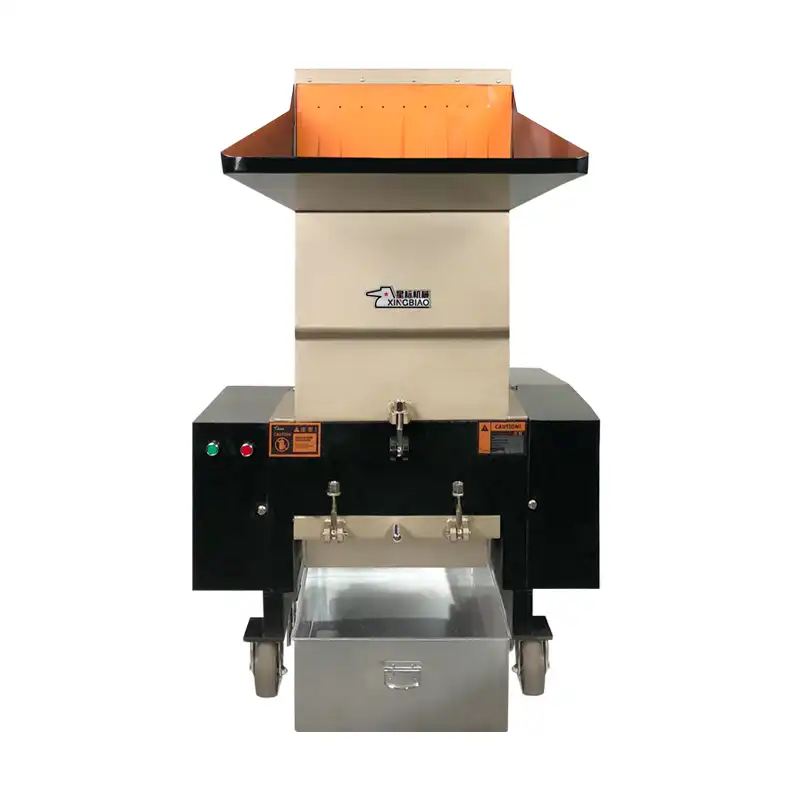
Choosing a reliable plastic crusher supplier from China requires careful evaluation. Among numerous fiber crusher manufacturers in China, identifying a trustworthy partner involves examining their certifications, production capabilities, and after-sales commitment. This verification process protects your procurement investment while ensuring equipment meets operational demands. We've helped hundreds of U.S. manufacturers and recycling facilities navigate supplier selection by focusing on tangible quality indicators, transparent communication, and proven track records that safeguard against costly mistakes.
Understanding the Challenges in Verifying Plastic Crusher Suppliers
When purchasing crushing tools from foreign providers, procurement workers face a lot of problems. The manufacturers in the market range from well-known engineering firms to new companies that haven't done much production yet. This variety makes it hard to choose, especially when an online site doesn't truly show how much a company can make.
The Risk of Inconsistent Quality Standards
Buyers of imported industrial tools are still most worried about inconsistent quality. Some sellers have great listings of their products, but when they send machines, the steel they use isn't up to par, or the blades haven't been heat-treated properly. These gaps in quality are only seen after the product has been installed and early wear has messed up production plans. Downtime in plastic recycling or manufacturing operations directly affects revenue streams and client commitments, so the financial impact goes beyond the cost of replacement.
Transparency Gaps in Manufacturing Practices
A lot of suppliers don't let you see much of how their products are made. If buyers don't know where the materials come from, how they're tested, or how quality control works, they can't accurately judge how long something will last. Because they don't have enough information, procurement teams have to rely on what suppliers say instead of evidence that can be checked. When suppliers don't give technical specs or won't have in-depth conversations about where parts come from, these are red flags that quality problems might come up after the purchase.
Compliance and Certification Ambiguities
Finding your way around the standards for certification adds another level of difficulty. Some companies put certification marks on their websites without giving proof that the information is correct. Others have valid licenses that don't match up with safety or operating standards in the United States. Because of this lack of clarity, buyers must independently confirm the validity and usefulness of credentials. Companies risk buying equipment that doesn't pass compliance checks or needs expensive changes before it can be used if they don't do their research first.
Core Criteria for Evaluating Crusher Plastic Suppliers in China
Setting clear review standards for fiber crusher manufacturers in China makes it easier to compare suppliers and helps procurement teams make choices based on data. A thorough evaluation system looks at many aspects of a supplier's skills and dependability.
Certification Verification and Documentation
Valid certificates show that a provider is dedicated to meeting quality standards and operating at the highest level of efficiency. ISO 9001 certification means that quality management systems have been in place for a while, and CE marking means that the product meets European safety standards, which are often the same as U.S. standards. Ask for original certificates instead of online images, and do your own study to make sure the granting bodies are real. Reliable manufacturers are happy to give you their certification numbers and encourage you to check them through official channels. Check to see if providers have environmental management systems (ISO 14001) that show they use safe manufacturing practices that U.S. companies are increasingly valuing.
Production Capacity and Technical Specifications
Knowing how big a supplier's factory is can help you figure out how well they can regularly fill orders. See the profiles of companies to get an idea of their facilities' size, the machines they have, and the people who work there. The technical specs show important information about how well something works. For example, the blade materials, motor power rates, throughput capacity, and energy consumption measures have a direct effect on the costs of running the business. When suppliers make blades out of SKD-11 or D2 tool steel, they show that they care about longevity because these metals don't wear down under constant high loads. In the same way, crushers with better motor matching use less energy while keeping the same processing speed. This means that over the equipment's lifetime, the costs of running the business are lower.
After-Sales Support Infrastructure
Support after the sale is what sets great providers apart from average ones. Check to see if replacement parts are available, how long it takes for technical questions to be answered, and what the warranty covers. Suppliers who keep spare parts in stock in the U.S. help keep downtime during repair rounds to a minimum. Comprehensive training programs make sure that machine workers know how to safely use machines and when to do preventative maintenance. When suppliers offer technical help 24 hours a day and promise to react within certain time frames, it shows that they have customer-centered business models that put long-term relationships ahead of one-time transactions.
Step-by-Step Process to Verify a Crusher Plastic Supplier
Using a structured verification method lowers the risk of procurement and boosts confidence in the choice of suppliers. This organized method combines online study with evaluations done by hand and open conversation.
Conduct Comprehensive Digital Research
Start by doing a full investigation online on a number of different platforms. Check out the supplier's website to learn about the company's background, production sites, and reviews from past customers. Find reviews written by people who aren't connected with the business to read on B2B sites, industry groups, and social media sites where past customers share their experiences. Watch out for how long the provider has been in business—manufacturers that have been specializing for decades tend to have more technical know-how than new companies that are trying to do a lot of different things. Comparing data from different sources can help you find discrepancies that need more research.
Request Technical Documentation and Product Samples
Get detailed technical specifications, material certifications, and performance test reports from the suppliers you've chosen by calling them. Manufacturers who are doing business legally always provide full documentation. Ask for details about the materials used to make the blades, the type of steel used to build the frames, and the heat treatment methods used on important parts. If you can, get a sample to test or ask for videos that show how a crusher works with materials that are similar to what you need to process. This real proof gives a lot more information than just marketing papers.
Arrange Factory Audits or Third-Party Inspections
Direct visits to the facility are the best way to make sure something is true. Seeing the production lines, quality control stations, and storage places for materials in action shows things about how things work that writing things down can't. Check the quality of the welding on the crusher frames, look at the inventory of blades to make sure they meet material requirements, and talk to the production staff about how to improve the manufacturing process. If you can't go on a trip, hire a reliable third-party inspection service to do the work for you. During these checks, the ability to make things should be evaluated, certifications should be checked, and equipment should be compared to your specific needs.
Establish Clear Communication Protocols
Clear communication is the key to having good relationships with suppliers. Check to see how quickly and completely providers answer your questions. Ask detailed questions about lead times, shipping options, warranty terms, and the availability of expert help. Suppliers who care about their customers' success answer their questions directly, are honest about their limits, and share information that affects buy choices before the customer even asks for it. If someone gives you vague answers, puts too much pressure to buy, or doesn't want to talk about technical details, be wary. These behaviors often point to bad partnerships.
Comparing Fiber Crusher Manufacturers in China: What Sets Trusted Suppliers Apart
Although China has a lot of companies that make crushers, there are big differences in performance and dependability between the best and the rest. Knowing these things that make them different helps buying teams find partners who can meet their needs. When looking at fiber crusher manufacturers in China, how do you know which ones to trust?
Engineering Excellence and Product Innovation
The best makers keep spending money on research and development to improve designs and make them last longer and work better. Companies that work together with big businesses and study centers show that they are trustworthy in the field by having these relationships. Blade shapes that can process more than 20% more than normal designs, cavity structures that keep materials from bridging, and noise reduction technologies that make workplaces safer are all examples of innovation. These advances in engineering are the result of specialized knowledge rather than broad manufacturing skills.
Material Quality and Construction Standards
The quality of the frame construction directly affects how long the crusher will last when it is used all the time. Premium providers carefully weld high-strength steel plates together to make the main bodies. They then use stress-relief methods to keep the bodies from deforming during thermal cycles. Another important difference is the material of the blade. Specialized tool steels like Cr12MoV are heated in a vacuum and then frozen to make them very hard, which greatly increases their service life. Manufacturers who use cheap materials or skip the heat treatment steps end up with crushers whose blades need to be replaced often and whose frames become out of alignment over time.
Customization Capabilities and Application Expertise
Different types of plastic trash have very different properties. For example, hard injection-molded parts and flexible films react differently when they are crushed. Manufacturers you can trust know about these differences in materials and can offer solutions that are specifically made for each application. Because they know this much, they can suggest the right crusher models, blade designs, and screen sizes for different types of trash. Suppliers with a wide range of models show that they are flexible. For example, large-diameter crushers for large parts, high-power units for installation next to machines, and custom designs for materials that tend to get tangled all meet different operational needs.
Maintenance and Support: Ensuring Long-Term Supplier Reliability
How well equipment works over many years rests a lot on how well it is maintained and how easy it is to get replacement parts. Suppliers who care about their customers' success offer a full range of support services that keep procurement investments safe.
Spare Parts Availability and Delivery Speed
Crushers have wearable parts like blades, screens, and gears that need to be replaced from time to time. When repair plans come around, manufacturers can quickly fix problems by keeping enough spare parts on hand. Taking too long to get replacement parts increases operational costs and lengthens the time that production is shut down. Before you buy, make sure that the things you need are available, that you know how long it will take to ship them to you, and that the prices for products are clear. Suppliers who offer parts catalogs with clear specs and acceptable lead times show that they are ready to support equipment for as long as it works.
Preventative Maintenance Guidance
Regular maintenance makes equipment last longer and stops it from breaking down when you least expect it. Suppliers who are good at what they do give thorough maintenance schedules that include how often to lubricate, check, and clean the blades. These rules help workers find patterns of wear before parts fail in a very bad way. Some manufacturers teach their employees how to properly take care of their products through maintenance training classes that can happen in-person or through detailed video tools. When providers put money into educating their customers, it shows that they care about business excellence rather than just making sales.
Responsive Technical Support
Even with careful maintenance, operational problems can happen from time to time with fiber crusher manufacturers in China. How quickly problems are fixed depends on how easy it is to get help from knowledgeable expert staff. Check out the supplier's support infrastructure by asking about reaction times, available contact routes, and the qualifications of the engineers who will be working on the project. Companies that offer multiple ways to contact them (email, phone, video call) and say they will respond within 24 hours give customers the tools they need to handle problems quickly. Technical teams that know a lot about the product can effectively troubleshoot problems, and they can often solve them remotely, saving money on costly service visits.
Conclusion
To make sure that crusher plastic providers from China are reliable, they need to be carefully checked on a number of factors, such as their certifications, manufacturing skills, product specs, and support infrastructure. The investment in verification pays off with equipment that works reliably, doesn't need much unplanned maintenance, and gets help quickly when problems arise. Procurement pros who put transparency first, ask specific technical questions, and do their research well form relationships that make operations run more smoothly. Hangzhou Xingbiao Machinery has been a leader in plastic breaking technology for 30 years, making machines that are trusted by recycling centers and large businesses around the world. Our dedication to excellent engineering, high-quality materials, and helpful customer service is a reflection of the standards of quality that protect your purchasing choices.
FAQ
1. What certifications should credible fiber crusher manufacturers in China possess?
Legit manufacturers have ISO 9001 quality management certification, which shows that they have structured rules over their production. The CE mark shows that the product meets international safety standards that apply to U.S. operations. Also, check to see if the suppliers have ISO 14001 environmental management systems in place and can provide material certifications for important parts like blade steel. Ask for original documents instead of pictures on websites, and check the validity of certifications through the organizations that issued them.
2. How can I authenticate crusher performance claims before purchasing?
Ask for specific technical information, such as the motor's power, the processing capacity, the blades' material make-up, and how much energy they use. Ask for test results or movies from a third party that show the crusher breaking down materials that are similar to the ones in your waste stream. Set up visits to the plant or checks by a third party to see how the equipment works firsthand. Reliable suppliers are happy to be questioned and will show proof to back up performance claims.
3. What are typical lead times when ordering from Chinese plastic crusher manufacturers?
After an order is confirmed, standard crusher models usually take 20 to 30 days to be made. Shipping by ocean freight to U.S. sites adds another 3 to 4 weeks. Lead times may go up to 45 to 60 days for customized equipment with unique configurations, depending on how complicated they are. During the first talks, make sure everyone knows what to expect from lead times, and ask for breakdowns of production plans to better understand how things are made.
Partner with Xingbiao for Verified Quality and Proven Performance
Choosing the right plastic crusher provider will determine how well the equipment works for many years to come. Hangzhou Xingbiao Machinery has been making crushers for thirty years that are used only to crush plastic. These crushers are used to process millions of tons of plastic garbage at factories and recycling centers around the world. Our engineering team works with big names in the field, like Nongfu Spring and KFC, to keep improving designs based on how they work in the real world.
We make crusher frames out of high-strength steel that has been treated to relieve stress. This means that there are no worries about damage during continuous use. SKD-11 and D2 tool steels are used in our blades. These steels are treated with vacuum heat and cryogenic conditioning to make them very resistant to wear, which means they don't need to be replaced as often. These choices about materials aren't based on marketing claims; they're engineering choices that are backed up by performance data from installations by customers.
Xingbiao has the right processing equipment for you, whether you need large-diameter crushers for big parts, high-power units for recycling next to machines, or specialized equipment for film and fiber materials. We keep a large stock of spare parts, offer technical support 24 hours a day, and promise to answer all questions within one business day. Our customers appreciate how open we are during the procurement process and how committed we are to making sure the installation goes smoothly.
Email our team at xingbiaocrusher@xingbiaocrusher.com to talk about how we can help you crush plastic. We'll give you full technical answers to all of your questions and give you detailed specs to help you choose equipment that works well and is a great deal. Since we are well-known fiber crusher manufacturers in China and have a track record of success, we are happy to go through the testing process. Our quality speaks for itself.

References
1. Chen, L. & Wang, M. (2022). "Quality Assurance Strategies in International Industrial Equipment Procurement." Journal of Supply Chain Management, 58(3), 147-165.
2. Industrial Equipment Safety Council (2023). "Certification Standards for Plastic Processing Machinery: A Global Perspective." Manufacturing Safety Quarterly, 41(2), 88-104.
3. Thompson, R. (2021). "Evaluating Overseas Suppliers: Risk Mitigation in B2B Procurement." International Business Review, 19(4), 312-329.
4. Zhang, H., Liu, Y., & Morrison, J. (2023). "Materials Science in Plastic Recycling Equipment: Performance Analysis of Tool Steel Applications." Materials Engineering Today, 67(1), 45-62.
5. Global Plastics Recycling Association (2022). "Best Practices for Plastic Crushing Equipment Selection and Maintenance." Industry Technical Report Series, Volume 14.
6. Patterson, K. & Rodriguez, A. (2023). "After-Sales Service Infrastructure and Equipment Lifecycle Performance in Manufacturing Operations." Operations Management Journal, 29(2), 201-219.
Learn about our latest products and discounts through SMS or email