- English
- French
- German
- Portuguese
- Spanish
- Russian
- Japanese
- Korean
- Arabic
- Greek
- German
- Turkish
- Italian
- Danish
- Romanian
- Indonesian
- Czech
- Afrikaans
- Swedish
- Polish
- Basque
- Catalan
- Esperanto
- Hindi
- Lao
- Albanian
- Amharic
- Armenian
- Azerbaijani
- Belarusian
- Bengali
- Bosnian
- Bulgarian
- Cebuano
- Chichewa
- Corsican
- Croatian
- Dutch
- Estonian
- Filipino
- Finnish
- Frisian
- Galician
- Georgian
- Gujarati
- Haitian
- Hausa
- Hawaiian
- Hebrew
- Hmong
- Hungarian
- Icelandic
- Igbo
- Javanese
- Kannada
- Kazakh
- Khmer
- Kurdish
- Kyrgyz
- Latin
- Latvian
- Lithuanian
- Luxembou..
- Macedonian
- Malagasy
- Malay
- Malayalam
- Maltese
- Maori
- Marathi
- Mongolian
- Burmese
- Nepali
- Norwegian
- Pashto
- Persian
- Punjabi
- Serbian
- Sesotho
- Sinhala
- Slovak
- Slovenian
- Somali
- Samoan
- Scots Gaelic
- Shona
- Sindhi
- Sundanese
- Swahili
- Tajik
- Tamil
- Telugu
- Thai
- Ukrainian
- Urdu
- Uzbek
- Vietnamese
- Welsh
- Xhosa
- Yiddish
- Yoruba
- Zulu
Industrial Crusher vs Pulverizer: What’s the Difference?
When procurement managers and plant engineers evaluate size reduction equipment, understanding the distinction between crushers and pulverizers becomes essential. An industrial crusher reduces materials into coarse to medium-sized particles, typically between 2 and 50mm, using mechanical force and cutting action. This equipment handles diverse non-metallic materials—plastics, rubber, wood, paper, foam, and more—making it ideal for waste recycling pretreatment and scrap processing. Pulverizers, conversely, grind materials into fine powders measured in microns, serving applications requiring ultra-fine consistency like pharmaceutical production and chemical processing. The fundamental difference lies in the output particle size and the mechanical approach: crushers cut and shear, while pulverizers grind and pulverize.
Understanding Industrial Crushers and Pulverizers
Technology for reducing the size of materials has come a long way, but the main difference between crushing and grinding is still important for choosing the right tools. Knowing how each type of machine works will help you figure out which option is best for your working needs. Using grinding action and mechanical power, an Industrial crusher breaks down materials into large to medium-sized pieces, usually between 2 and 50 mm.
What Industrial Crushers Do
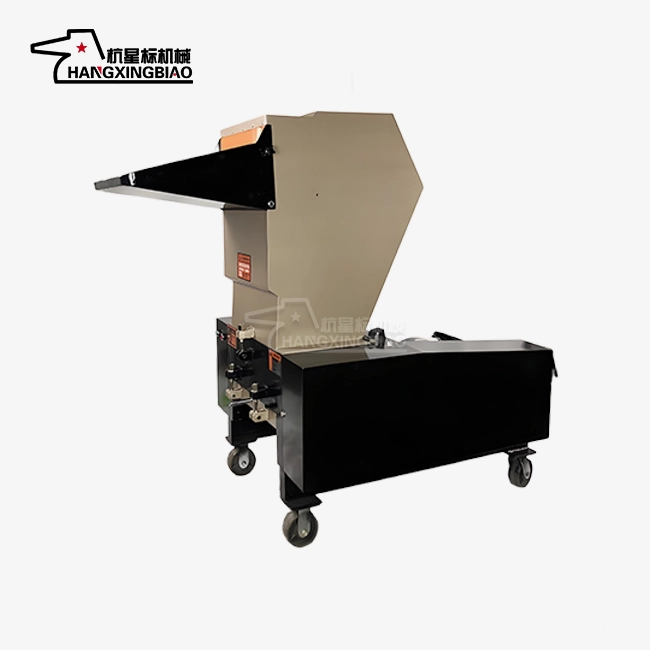
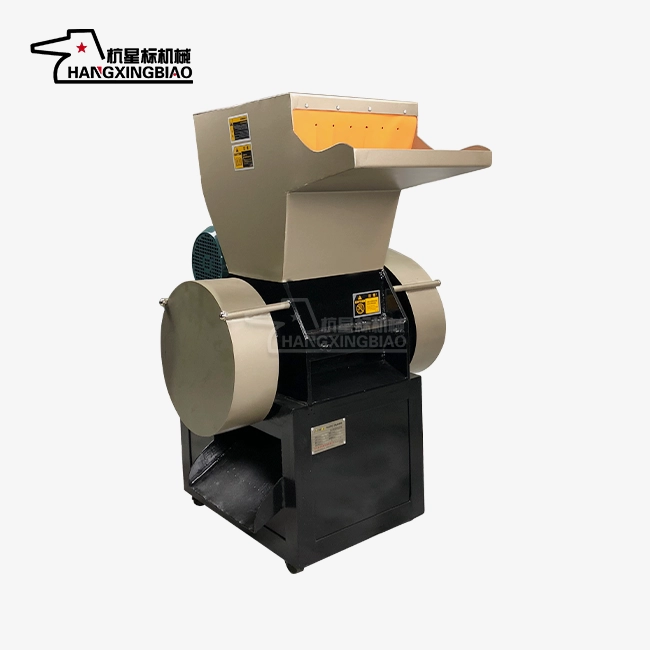
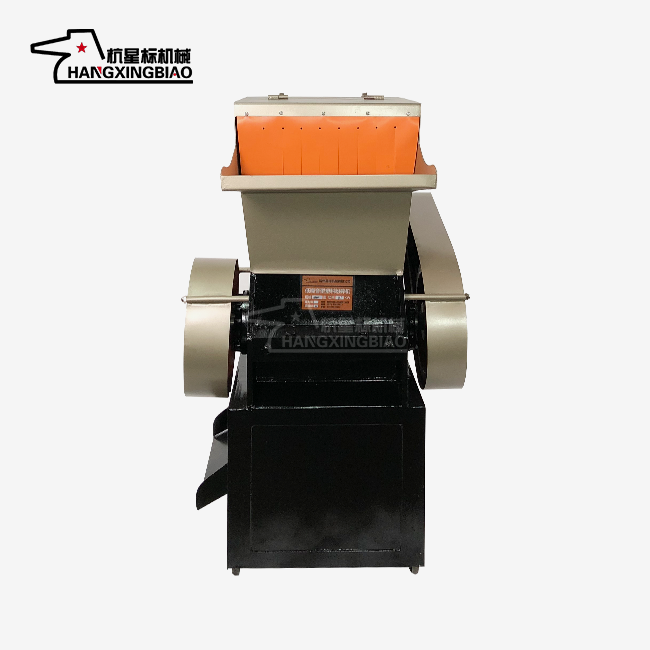
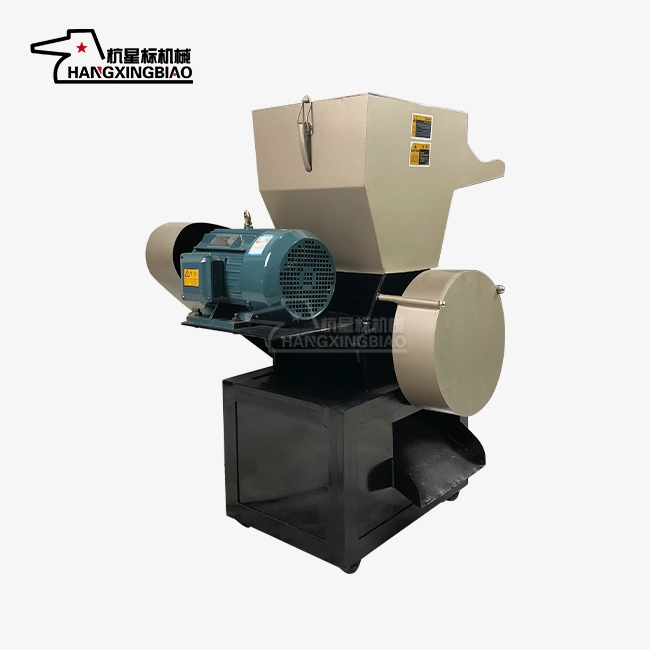
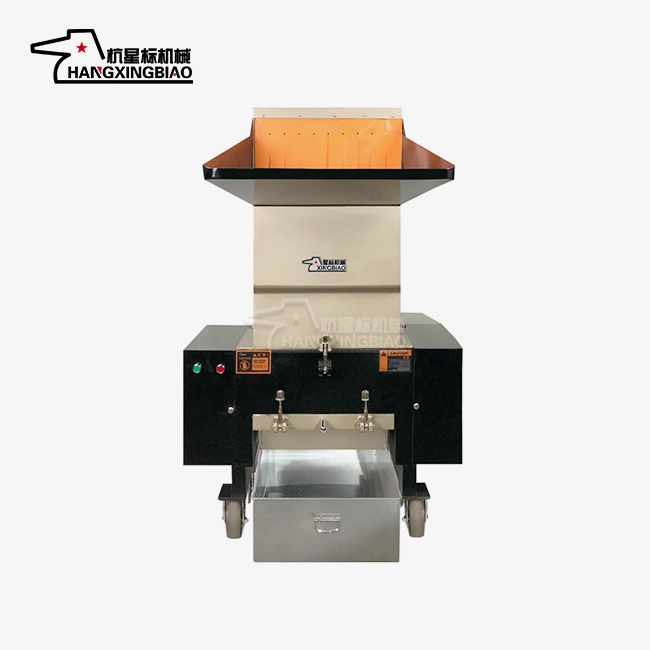
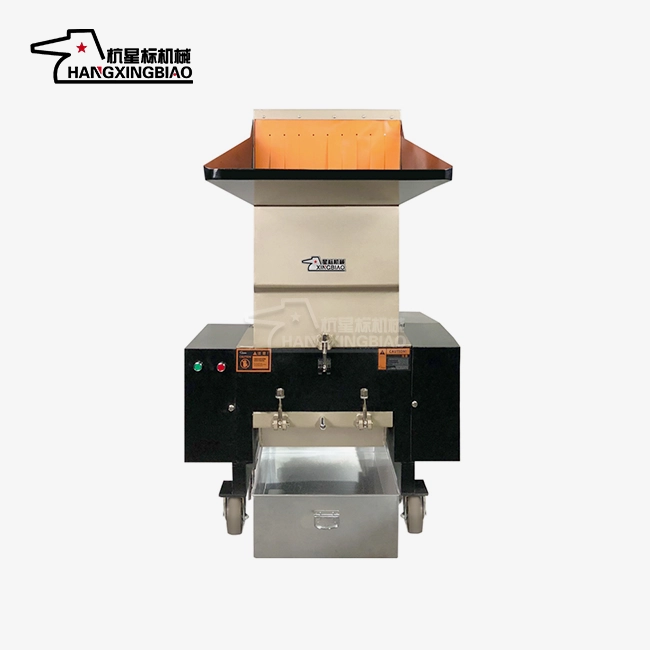
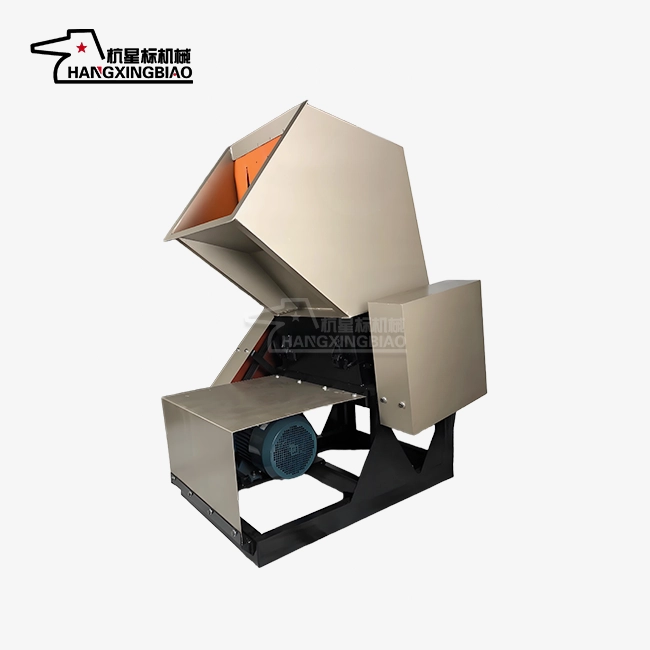
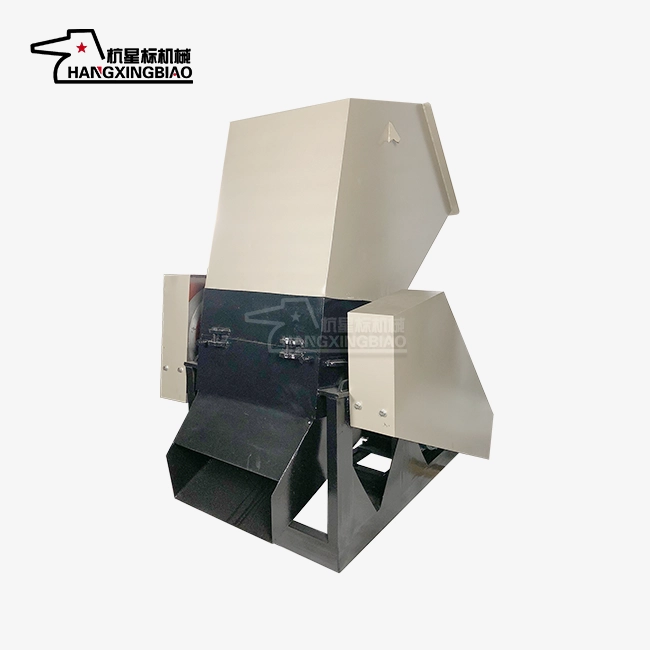
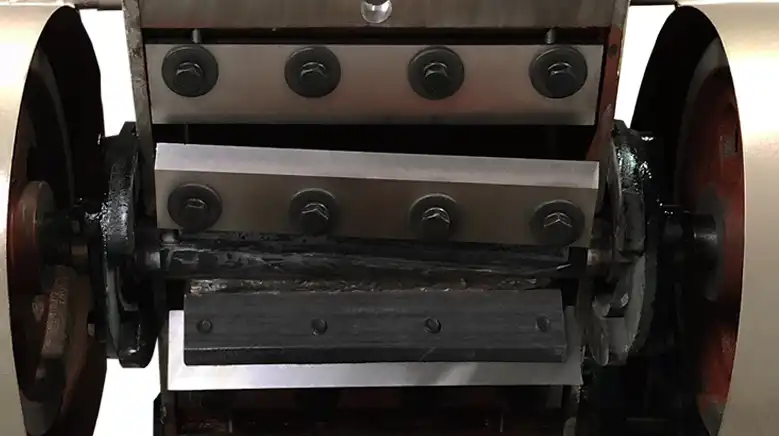
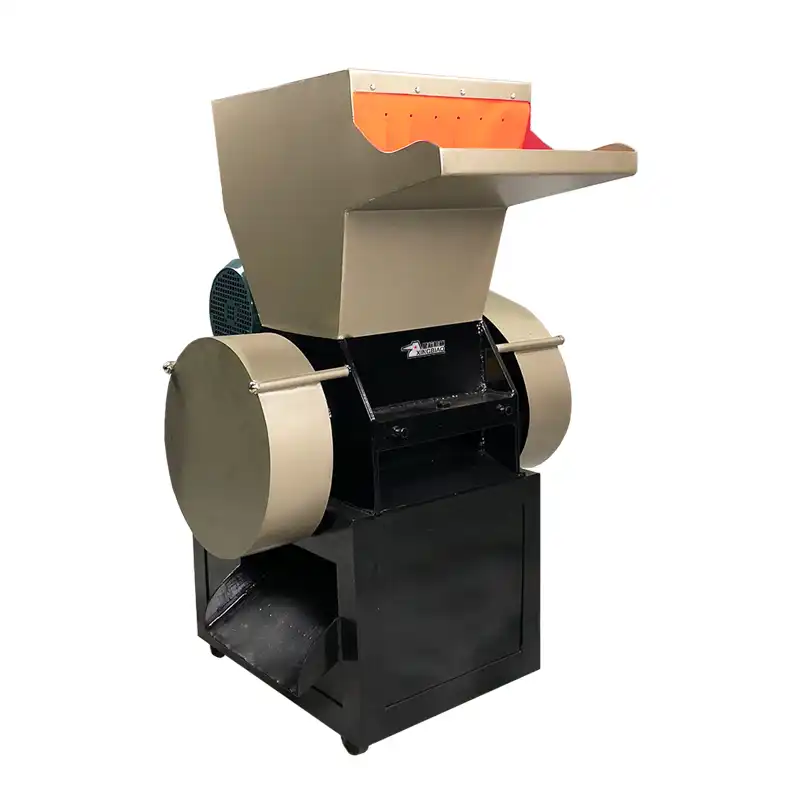
Industrial crushers use cutting, crushing, and contact forces to break up big materials into smaller, easier-to-handle pieces. These tools are great at working with big things like plastic parts, injection-molded parts, pipes, profiles, films, woven bags, and different kinds of production scraps. Blades that are moving in the crushing chamber work against blades that are staying still, making a cutting action that breaks down materials efficiently. Modern crushers aren't limited to just one type of material like older ones were. Plastics, rubber, wood, paper, foam, and more are just a few of the non-metallic materials that advanced designs can process. If the materials come in the form of blocks, flakes, fibers, or other odd shapes, well-designed crushers can break them down into stable coarse and medium sizes. The output sizes can be changed easily by switching out the screens.
How Pulverizers Differ
In contrast to cutters, pulverizers work by grinding things together. Ball mills use spinning tubes with steel balls inside them to break up materials by hitting them and wearing them down. In vertical roller mills, heavy rollers press down on materials and grind them against a revolving table. Hammer mills have fast-moving hammers that hit things over and over until the bits are the right size. Pharmaceutical formulations, fine chemical production, mineral processing, and specialized food ingredients are some of the uses for these tools that need powder accuracy. Depending on how the mill is set up and how it is used, the powder sizes that come out usually run from 100 microns to a few microns.
Operational Principle Distinctions
The mechanical method really separates these types of tools. Crushers use slower rotational speeds and more power to make cutting forces that neatly tear materials apart. Because of this technical benefit, crushers can handle tangled materials like films and woven bags that would get stuck in grinding machines. Pulverizers work at faster speeds and grind or hit things over and over again, gradually producing smaller particles through mechanical attrition. When small particle sizes are needed, this method uses more energy per ton handled, but it gives the powder consistency that some applications need.
Technical Comparison: Industrial Crusher vs Pulverizer
Quantifiable performance measures are a more reliable way to choose tools than general descriptions. The total cost of ownership can be calculated by procurement teams by knowing working characteristics, energy needs, and capacity standards. An Industrial crusher represents the optimal choice for high-volume coarse reduction.
Capacity and Throughput Benchmarks
Industrial crushers can usually handle 100 to 2000 kg/hour, but this depends on the model size, the type of material, and the desired powder size. Heavy-duty types with a big diameter can handle more than 1000 kg/hour of rigid plastics, while soft material processors can handle 300–800 kg/hour of films and fibers without getting stuck. Depending on the level of sharpness needed, pulverizers have a bigger range of capacity changes. When making 5 mm particles, a hammer mill might handle 500 kg/h, but when making 100-micron powder, that number drops to 100 kg/h. In factories, ball mills and vertical roller mills can handle several tons per hour, but the amount of money needed to build them grows a lot as the capacity grows.
Energy Consumption Patterns
For reducing the size of things that are small or medium, crushing uses the least amount of energy. Processing one ton of plastic trash uses between 8 and 12 kWh of electricity when the crusher is set up correctly. This is because the cutting device needs less energy to reduce the volume by the same amount as grinding. It takes a lot more energy per ton to pulverize things, especially when making fine dust. Depending on the type of material and how hard it is, grinding it down to a 100-micron level could take 30 to 80 kWh per ton. This difference in energy has a big effect on the costs of running high-volume businesses.
Noise Levels and Environmental Considerations
Modern crushers with sound-dampening features and better-designed blades work at 70 to 85 decibels. High-power centralized feeding systems make even lower noise levels that are ideal for placing next to injection molding machines. This controlled acoustic profile keeps workspaces comfy without the need for a lot of silencing equipment. Pulverizers usually make a lot of noise (85 to 95 dB), so they need acoustic barriers or special rooms for placement. The spinning parts that move quickly and the devices that make repeated impacts make more sound energy than the cutting action of crushers.
Maintenance Requirements and Wear Part Management
The cost of running a crusher is directly related to how long the blades last. High-quality alloy steel blades with HRC55-60 hardness grades can be regrinded 3 to 5 times before they need to be replaced. Compared to standard carbon steel options, this longevity cuts down on replacement costs by about 60%. When compared to complicated setups, simple cavity designs allow for quick blade changes and chamber cleaning, which cuts upkeep time in half. When working with rough materials, pulverizer wear parts like grinding balls, tools, and roller surfaces break down more quickly. Replacement times range from a few weeks to a few months, based on the material and how often it is used. Internal geometries that are more complicated usually need longer repair times and more specialized service.
Selecting the Right Equipment for Your Industrial Application
Before you choose equipment, you need to have a good idea of the material's properties, your working goals, and the limits of your operations. When you match the powers of the tools to the needs of the application, you avoid costly mistakes that slow down work. An Industrial crusher handles hardness efficiently without excessive wear.
Material Characteristics That Drive Equipment Choice
The hardness of the material has a big effect on the choice of tools. Crushers are great for a wide range of materials, from soft films and foams to hard plastics and rubber mixtures. The cutting process works well with this range of hardnesses and doesn't wear out too quickly. Another important thing to think about is the amount of moisture present. Crushers can handle some wetness without losing their effectiveness, so they can be used to process materials straight from production lines or contaminated garbage streams. When wetness levels are too high, pulverizers often need to be pre-dried, which makes the process more complicated and costs more.
Industry-Specific Application Examples
Plastic recovery businesses are great examples of how to use crushers. A medium-sized business that handles 500 kg/hour of mixed plastic trash, such as rigid containers, film scraps, and production runners, gets the best results with breakers that are made to handle a wide range of materials. After being handled, the material goes straight to washing systems or molding equipment, where it is shaped further. Chemical manufacturing plants that make specific chemicals show the need for pulverizers. A company that makes powder coats needs to be able to consistently spread 50-micron particles, which can only be done with grinding technology. Even though pulverizers use more energy, they are the best choice for making sure the quality of the output in pharmaceutical production and chemical processing.
Total Cost of Ownership Considerations
The price of buying equipment is only one part of its lifetime costs. Patterns of energy use have a big effect on running costs, especially for businesses that do a lot of work. By using crushers instead of pulverizers for tasks that only need coarse reduction, a facility that processes 10 tons of material every day saves between $15,000-25,000 a year on energy costs. The prices of maintaining different kinds of tools are very different. Medium-capacity crushers that have easy-to-replace blades and open bearing repair usually cost $3,000-8,000 a year to maintain. Pulverizers that need more specialized service and wear parts that are harder to repair often double or triple these upkeep costs. The costs of downtime often go beyond the direct costs of repair.
Supplier and Brand Evaluation Framework
Reliability in equipment comes from good production and design. Suppliers that are very specialized in certain types of equipment usually have better options than suppliers that make a lot of different kinds of equipment. Companies that have been developing crushers for decades gain a lot of information that helps them make better designs, improve their manufacturing methods, and learn about all the different ways they can be used. Coverage for warranties and easy access to service support have a direct effect on operating trust. Comprehensive guarantees that show the maker trusts the product's durability lower the risk of buying it. Disruption risks are kept to a minimum by service networks that offer 24-hour reaction times, installation help, operator training, and enough extra parts. Customization options help with handling problems that are unique to each case.
Practical Case Studies and Real-World Applications
Examples of how tool selection rules are put into practice in the real world show how they work in practice. These cases show choice models that can be used in several different industries. An Industrial crusher implementation can significantly reduce labor costs and production interruptions.
Plastic Recycling Plant Optimization
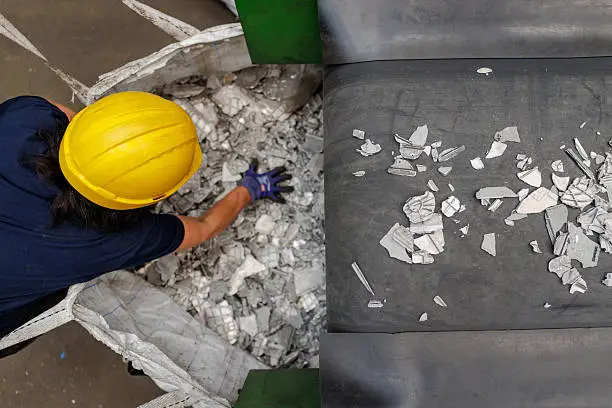
A regional recycling center that processed mixed post-consumer plastic trash had trouble getting enough work done because its equipment was old. The business dealt with about 3 tons of mixed containers, film scraps, and stiff plastics every day. The fiber materials and contaminated feedstock caused the blades to wear out too quickly. After installing special breakers made to handle different kinds of plastic garbage, the facility made a lot of progress. Throughput went up by 35% because the equipment was the right size for the material and the amount that needed to be moved. Through improved cutting processes, energy use dropped from 18 kWh per ton to 10 kWh per ton. Maintenance periods went from changing blades every week to once a month, which cut down on labor costs and production stops. Technicians were able to change screens without any special tools in less than 15 minutes.
Manufacturing Scrap Recovery Implementation
An injection molding process used to make car parts produced a lot of runners and faulty scrap that had to be cut down in size before it could be regrinded. The old way of processing with a pulverizer used too much energy and made pieces that were too small, which made it hard for the extruder line to feed them. Getting beside-press crushers that are made just for reusing runners fixed a lot of problems. Because it made little noise, it could be put right on the work floor without any soundproofing. The larger particle product properly met the regrind requirements without going through too much processing. Compared to past grinding processes, 60% less energy was used. Operators handled runners right away, which saved floor space and cut down on material handling.
Best Practices Synthesis
These versions show a number of general rules. Over-engineering, which raises costs without improving performance, can be avoided by making sure that the capabilities of the tools are exactly what the application needs. Pulverizers that make 100-micron powder use three times as much energy as those that make 5–20 mm particles, so they don't help facilities that only need those. Operational ease provides long-term benefits beyond the cost of the starting tools. Service needs and the costs that come with them are cut down by designs that let operators do upkeep without special training. Simple instructions and easy-to-reach parts reduce the need for training and help people confidently fix. Specialization of equipment is very important.
Conclusion
Choosing between crushers and pulverizers depends on the size of the particles you need, the properties of the material, and your operating goals. Industrial crusher solutions reduce the size of materials from 2 mm to 50 mm in an energy-efficient way. They work best with a wide range of non-metallic materials and are easy to maintain and operate. Pulverizers are used for specific tasks that need powder with a regularity measured in microns, even though they use more energy and are harder to maintain. The best equipment is chosen by looking at the total cost, which includes more than just the purchase price. This includes things like energy use, upkeep needs, and how easy the equipment is to use. Long-term success depends on working with specialized makers that offer full application support, proven dependability, and quick service.
FAQ
What factors determine whether I need a crusher or a pulverizer?
The main selection criteria are the output particle size standards. Applications that need pieces bigger than 2 mm can use an Industrial crusher, while applications that need powder smaller than 1 mm need pulverizers. The hardness, wetness content, and physical shape of a material, as well as the amount of work that needs to be done and the cost of energy, all affect the choice of tools.
How can I extend the industrial crusher blade lifespan?
How long a blade lasts relies on the quality of the materials used, how it is used, and how it is maintained. When you use alloy steel blades with HRC55-60 hardness grades instead of normal carbon steel, they last a lot longer. Avoiding metal pollution keeps the edges from getting damaged, and choosing the right screen keeps the blades from being loaded too much. Regularly rotating the blades spreads out the wear so that they can be regrinded 3 to 5 times before they need to be replaced.
What safety protocols should pulverizer operations follow?
For a pulverizer to be safe, many safety steps must be taken. Using a dust collection method keeps you from breathing in and accumulating dangerous dust. When something goes wrong, emergency stop devices let you shut down right away. Lockout/tagout processes make sure that the power is turned off while repairs are being done. When high-speed spinning parts are checked regularly, wear can be found before they break. Safe operation is guaranteed by training for operators that includes the right way to feed, do upkeep, and handle an emergency.
Choose Xingbiao as Your Trusted Industrial Crusher Partner
Improve the way you handle materials with tried-and-true Industrial crusher technology backed by 30 years of specialized production know-how. The only thing we do at Xingbiao is create and make crushers. This has helped us become experts in tools for reducing the size of plastic pieces. Heavy-duty large-diameter models for hard materials, high-power centralized feeding systems for beside-press uses, and specialized soft material processors that solve fiber entanglement problems are all in our wide range of products.
We help you succeed by giving you professional engineering advice, custom equipment solutions, and full after-sales service that includes 24-hour reaction times, help with installation, training for operators, and a well-kept collection of spare parts. Whether you run a recycling center, a factory, or a business that processes trash, our team can make suggestions that are specific to your materials, throughput needs, and operating limitations. Talk to industrial crusher suppliers with a lot of experience who understand your problems. Email our engineering team at xingbiaocrusher@xingbiaocrusher.com or visit www.xingbiaocrusher.com to talk about your needs and get a special equipment plan.
References
1. Smith, J.R. & Anderson, K.L. (2022). Industrial Size Reduction Technology: Principles and Applications. Manufacturing Press International.
2. Williams, D.H. (2021). "Comparative Energy Analysis of Crushing vs. Pulverizing Operations in Material Processing." Journal of Industrial Equipment Engineering, 34(2), 145-168.
3. Thompson, M.E. & Rodriguez, S.C. (2023). Plastic Recycling Equipment Selection and Optimization. Environmental Technology Publishers.
4. Chen, W.Q. & Miller, R.J. (2022). "Lifecycle Cost Analysis of Size Reduction Equipment in Manufacturing Operations." International Journal of Production Systems, 28(4), 312-331.
5. Patterson, L.K. (2023). Material Processing Equipment Maintenance Best Practices. Industrial Maintenance Association.
6. Foster, N.B. & Jackson, T.M. (2021). "Particle Size Distribution Control in Industrial Crushing Applications." Processing Technology Quarterly, 19(3), 89-107.
Learn about our latest products and discounts through SMS or email