- English
- French
- German
- Portuguese
- Spanish
- Russian
- Japanese
- Korean
- Arabic
- Greek
- German
- Turkish
- Italian
- Danish
- Romanian
- Indonesian
- Czech
- Afrikaans
- Swedish
- Polish
- Basque
- Catalan
- Esperanto
- Hindi
- Lao
- Albanian
- Amharic
- Armenian
- Azerbaijani
- Belarusian
- Bengali
- Bosnian
- Bulgarian
- Cebuano
- Chichewa
- Corsican
- Croatian
- Dutch
- Estonian
- Filipino
- Finnish
- Frisian
- Galician
- Georgian
- Gujarati
- Haitian
- Hausa
- Hawaiian
- Hebrew
- Hmong
- Hungarian
- Icelandic
- Igbo
- Javanese
- Kannada
- Kazakh
- Khmer
- Kurdish
- Kyrgyz
- Latin
- Latvian
- Lithuanian
- Luxembou..
- Macedonian
- Malagasy
- Malay
- Malayalam
- Maltese
- Maori
- Marathi
- Mongolian
- Burmese
- Nepali
- Norwegian
- Pashto
- Persian
- Punjabi
- Serbian
- Sesotho
- Sinhala
- Slovak
- Slovenian
- Somali
- Samoan
- Scots Gaelic
- Shona
- Sindhi
- Sundanese
- Swahili
- Tajik
- Tamil
- Telugu
- Thai
- Ukrainian
- Urdu
- Uzbek
- Vietnamese
- Welsh
- Xhosa
- Yiddish
- Yoruba
- Zulu
Strong Plastic Crusher Benefits for Industrial Parks
One of the biggest problems industrial parks still have is getting rid of plastic trash in a good way. A strong plastic crusher turns this problem into a chance by turning used plastic into useful materials that can be used again. These special tools do a great job of crushing while also lowering the cost of disposal, having little effect on the environment, and helping efforts to create a circular economy. Advanced breaking equipment is becoming more and more important for factories in the recycling, processing, and manufacturing sectors to stay productive, meet environmental goals, and keep costs low in competitive markets.
Understanding Strong Plastic Crushers and Their Industrial Applications
The heavy-duty needs of large-scale activities have caused industrial plastic crushing tools to change a lot. Modern crushers use both mechanical power and smart design to efficiently break down a wide range of materials.
How Industrial Crushing Technology Works
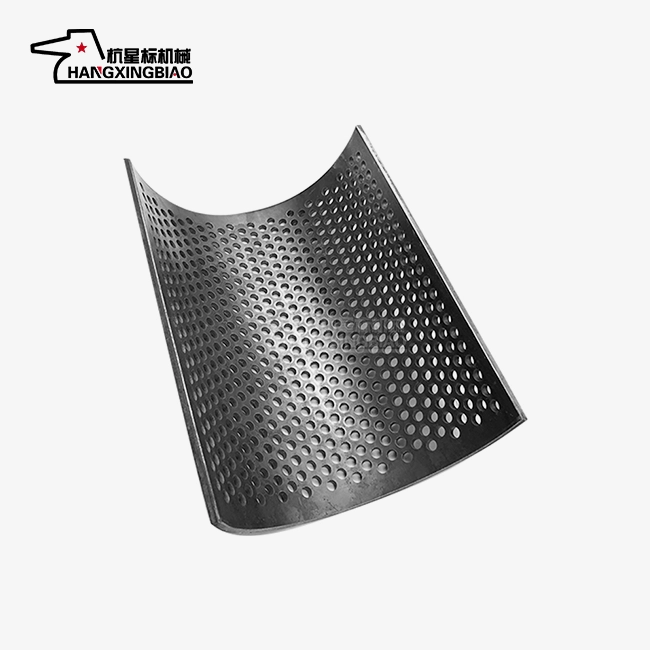
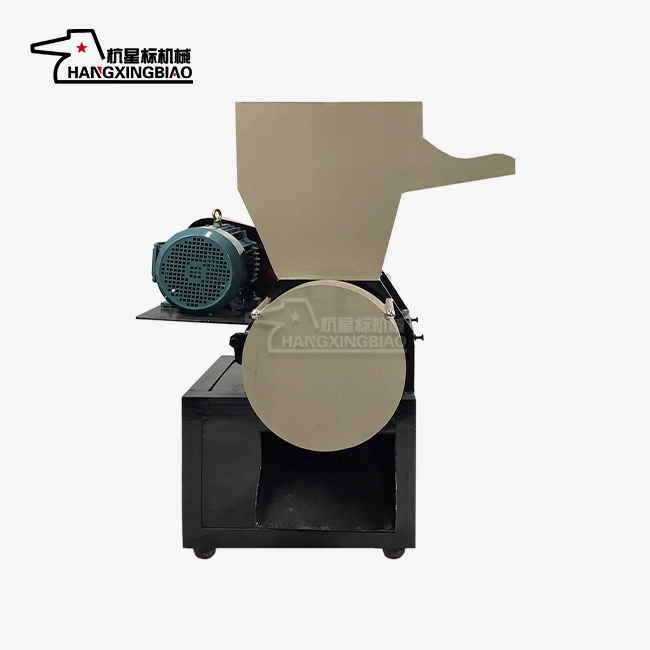
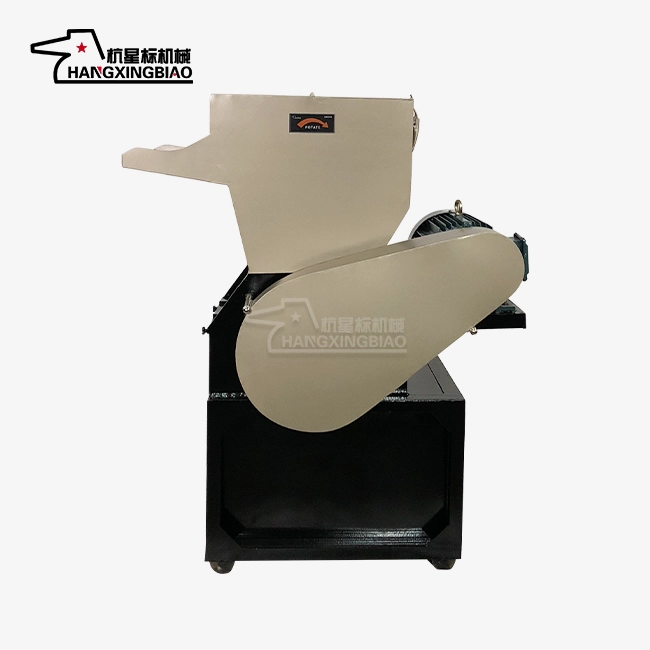
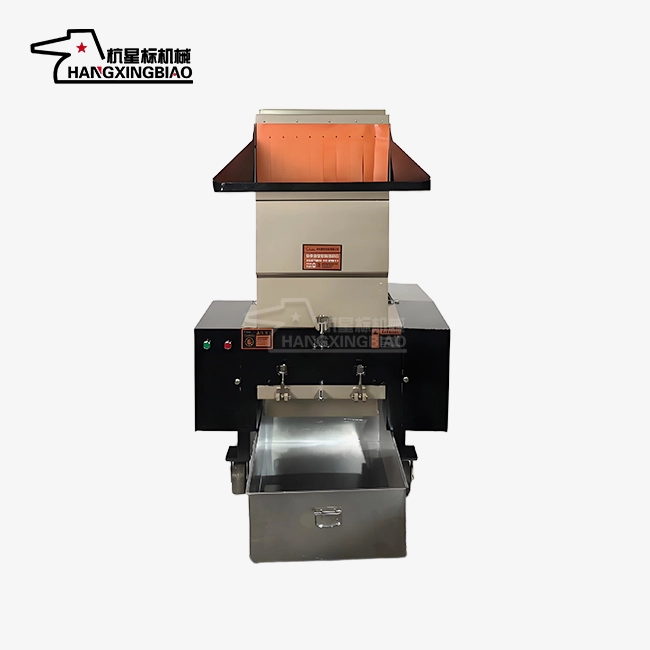
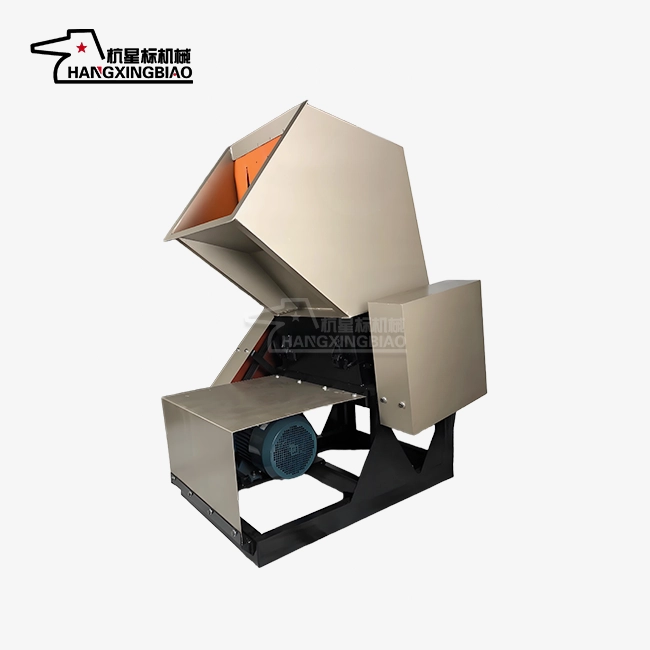
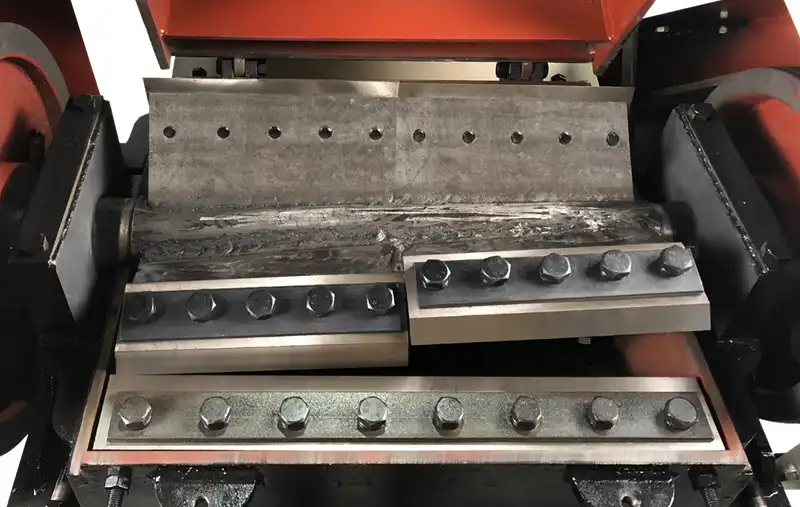
When people put plastic trash into the machine's bin, the breaking process starts. A shear + impact dual-action system inside the box breaks down materials by moving the blades in sync with each other. High-speed spinning blades on a strong rotor cut against fixed knives in a way that looks like scissors. At the same time, the contact force breaks up stronger materials. Particles get to the right size—usually between 2 mm and 100 mm—before going through replaceable screens thanks to well-designed cavity structures and carefully spaced blade arrangements. This more advanced method stops over-crushing, keeps particles whole, and stops making too much powder.
Key Technology Variations
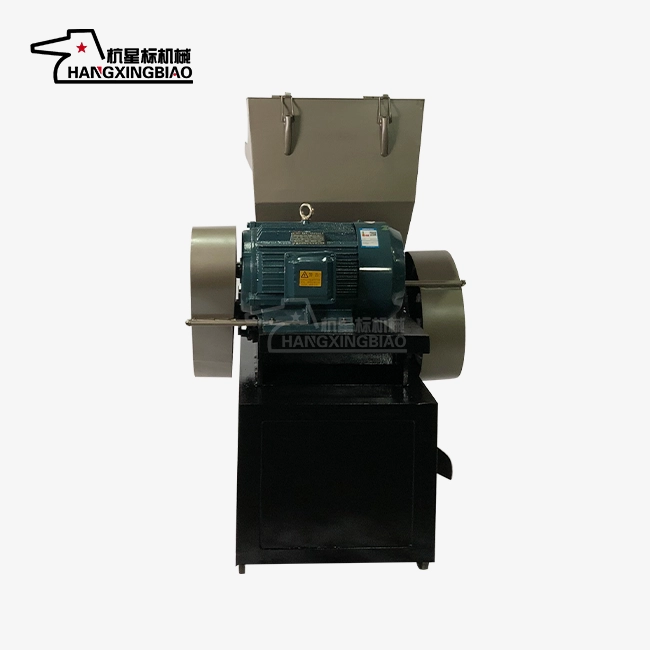
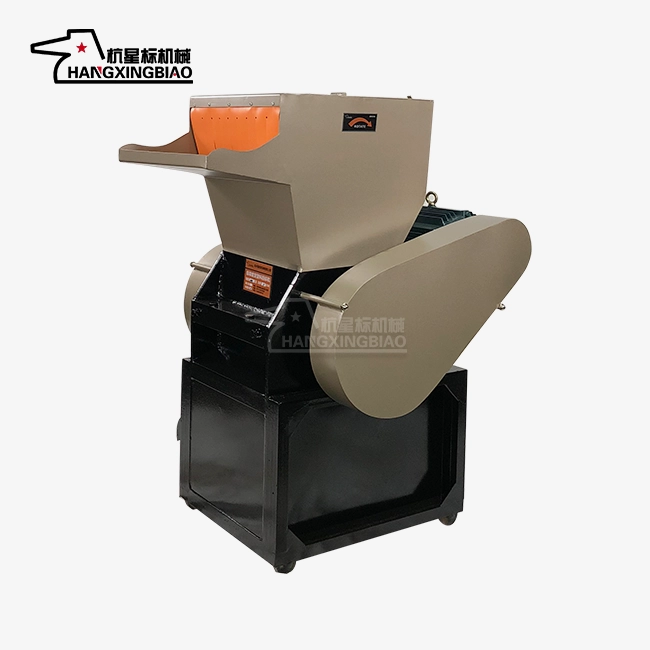
Single-shaft crushers are great for handling materials with thick walls, like pipes and profiles, and can handle tough jobs with their high power. Double-shaft types are better at handling mixed trash streams because they are more flexible and less likely to get jammed. Equipment that looks like a granulator makes particles that are all the same size. This makes it perfect for injection molding shops that need regular material. Each arrangement meets a different set of operating needs in industrial parks, ranging from reducing scrap next to production lines to recycling large amounts of material at central processing facilities.
Material Processing Capabilities
These days, crushing devices can handle a huge variety of plastics without having to change the tools. Built-in anti-winding comb tooth designs keep fibrous materials from getting stuck, so soft materials like PE films, PVC packing, and weave bags go through smoothly. High-wear-resistant metal cutter sets that can be used for more than 3,000 hours can easily cut through hard plastics like ABS parts, PC sheets, and thick car parts. It's easy to crush foams like EPS insulation and EVA cushion foam, and it's also reliable to process odd items like bottles, containers, and production scraps. Because it can do so many things, it doesn't need as many specialized tools, which speeds up processes and lowers the cost of capital.
Core Benefits of Strong Plastic Crushers in Industrial Parks
Implementing cutting-edge crushing methods has real benefits in terms of operations, finances, and the environment. These benefits directly meet the needs of building engineers and buying managers.
Enhanced Recycling Efficiency and Circular Economy Support
Crushing tools speed up the recovery of materials by cutting the amount of trash by 70–80%, which makes it easier to store and move. Processed materials can be used again without any problems. For example, makers often mix 30–50% crushed plastic with new resin without lowering the quality of the product. This practice supports a company's environmental goals while also lowering the cost of buying raw materials by a large amount. Industrial parks that use complete strong plastic crusher systems say they keep thousands of tons of trash out of dumps every year, which helps them reach their zero-waste goals.
Superior Energy Performance and Cost Reduction
Premium breaking equipment is different from cheaper options because it uses less energy. Compared to normal models, these use 10-15% less power thanks to advanced motor technology and improved mechanical design. It only takes 8–12 kWh of power to process one ton of plastic material, which is a small amount of the energy needed to make new plastic. These savings add up to a lot when you run a high-volume business on multiple shifts. Less energy use also means less carbon emissions, which means that businesses are in line with environmental laws and shareholder standards.
High Throughput Capacity for Demanding Operations
Industrial-scale crushing devices can process between 1 and 10 tons of material per hour, which means they can work 24 hours a day with little downtime. Stress-relieved high-strength steel is used in strong buildings that keep things from deforming under heavy loads that last for a long time. Precision bearings and gearbox parts that have been hardened make sure that the machine runs smoothly. Dynamic balance technology keeps vibrations below 0.1 mm, which is 40% lower than in traditional designs. This dependability is very important for places where machine breakdowns directly affect work schedules and profits.
Safety Integration and Operational Protection
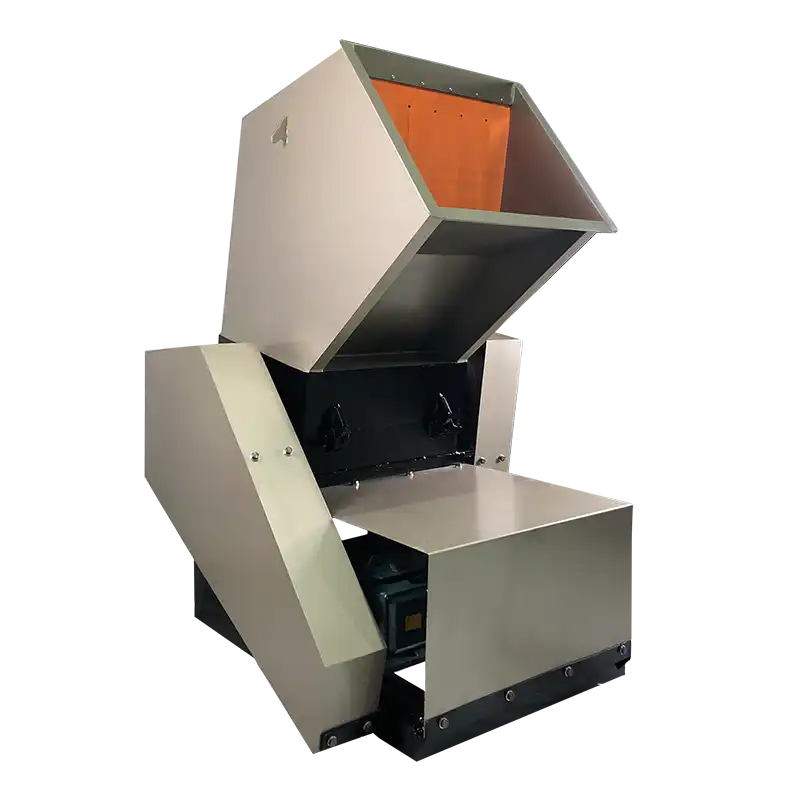
Safety at work is the most important thing that goes into designing a modern breaker. Fully sealed crushing rooms stop material from ejecting, keeping workers safe from moving objects. Anti-rebound shields at the feeding points give extra safety during the loading process. Some models have interlock systems that turn off the power automatically when the entry doors open. This keeps people from touching moving parts by mistake. Having these features makes workplaces better and helps businesses stay in line with safety standards for workers.
Simplified Maintenance and Extended Service Life
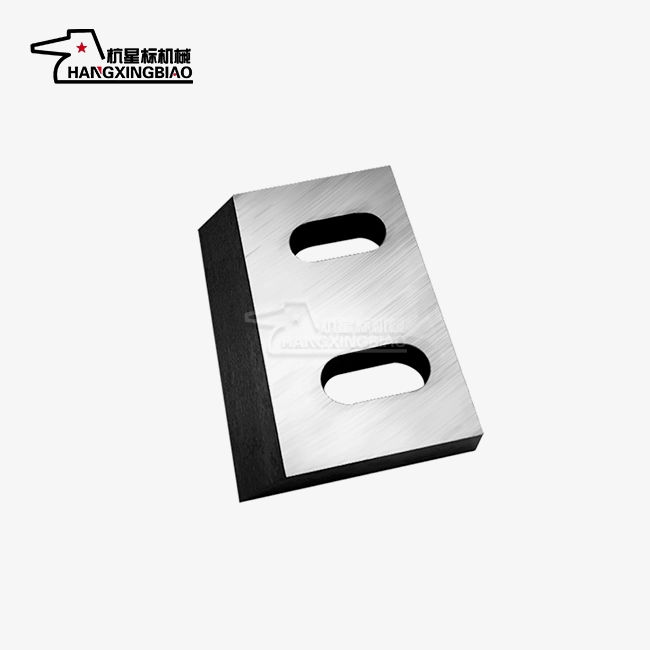
Making equipment that is easy to maintain cuts down on downtime and increases the useful life of the product. With quick-change screen designs, workers can change the particle size requirements without having to wait a long time. Open-design rooms make it easier to clean thoroughly between types of materials, which keeps the product quality high and prevents contamination. Blade materials like SKD-11/D2 cast steel and Cr12MoV are pressure heated and then frozen very quickly, which makes them very hard and resistant to wear. These blades can be sharpened three to five times before they need to be replaced. This greatly reduces the number of times they need to be serviced and the cost of new parts.
Comparing Strong Plastic Crushers with Other Crushing Solutions
Procurement workers can make smart investment decisions when they know how industrial-grade strong plastic crusher equipment is different from regular options.
Performance and Durability Advantages
Premium breaking systems are built with stronger materials, heavy construction, and motors that are more powerful. Blade sets made from special steel alloys keep their sharp cutting edges for a lot longer than sets made from carbon steel. The motor power is often 30–50% higher than that of similar-sized standard crushers. This means that tough materials can be consistently crushed without getting stuck or burning. Frames that are reinforced and drive systems that are carefully designed can handle long periods of high-volume use that would quickly break down less durable equipment.
Space Efficiency and Output Optimization
When compared to multiple smaller units, industrial models can handle more work with a smaller size. One 5-ton-per-hour machine takes up less floor space than five 1-ton units, but it has better particle consistency and lower costs per ton. This use of space effectively is especially useful in industrial parks, where the size of the building directly affects the costs of running the business. Consolidated breaking operations also make it easier for materials to move through transportation, which cuts down on the amount of work that needs to be done.
Total Cost of Ownership Analysis
Although more expensive at first, high-quality breaking equipment has a strong long-term value that can't be denied. Professionals in procurement should look at the purchase price along with the warranty coverage, the expected operating lifespan, the upkeep needs, the energy usage, and the resale value. If you take care of quality tools from well-known brands, it should last between 10 and 15 years, while cheaper options only last between 3 and 5 years. Within 18 to 24 months, for most high-volume businesses, the longer blade life, less downtime, and lower energy costs more than make up for the higher buy prices. A strong maker support network with easy access to spare parts and quick expert help adds even more value by reducing the number of times production has to be stopped.
How to Select and Procure the Best Strong Plastic Crusher for Your Industrial Park
To choose the best strong plastic crusher tools, you need to carefully consider the needs of the operation, the properties of the material, and the supplier's skills.
Critical Selection Criteria
Initial equipment sizing is based on capacity needs; figure out normal and peak material amounts while taking into account changes in production and future growth. The motor's specs must match the hardness of the material and the flow that is needed. There must also be enough power backups to avoid overloading. Noise levels are important in places that are close to businesses or neighborhoods; good equipment keeps its noise level below 85 decibels by using sound-dampening covers. Accessibility for maintenance affects long-term running costs, so designs with tool-free entry panels and standard replacement parts are better. Safety approval to well-known standards makes sure that the work is done right and that risks are reduced.
Manufacturer Selection and Quality Assurance
Working with makers with a lot of experience guarantees access to tried-and-true technology and dependable help. Hangzhou Xingbiao Machinery Co., Ltd. is an example of specific skill because for 30 years, they have only designed and made plastic crushers. This unwavering commitment, along with the help of a 20-engineer research and development team and relationships with big companies like Nongfu Spring and KFC, results in equipment that has been improved over many years. Manufacturers who keep their ISO certifications and offer full guarantees show that they care about quality standards and customer happiness.
Procurement Strategy Considerations
Effective procurement includes more than just choosing the right tools. It also includes planning how to send it, helping with the installation, and keeping in touch with service providers. Talk about wait times early on in the evaluation process, especially for custom designs that need special engineering. People who buy a lot should talk to sellers about big deals and good payment terms. Make sure everyone knows what you expect from them in terms of installation help, operator training, and expert documents. Check to see if extra parts are available and how long it usually takes to get them. This will help you avoid long periods of downtime when parts need to be replaced. You might want to look into repair contracts that include regular checks and faster service responses. This is especially helpful for businesses where the reliability of their tools directly affects their ability to make things.
Future Trends and Innovations in Strong Plastic Crushing for Industrial Parks
Plastic-crushing equipment is always changing because new technologies are making it better and giving us more information about how it works.
Smart Technology Integration
IoT-enabled crushing systems let you see real-time information about their performance, such as throughput rates, power use, blade health, and repair plans. Connectivity to the cloud allows for remote monitoring, which lets technical experts find and fix problems before they stop output. Automated systems change the working settings on the fly based on the properties of the material, which increases efficiency without any help from a person. These features are especially helpful for industrial parks that have to manage several crushing units in different locations.
Energy Optimization and Environmental Certification
Tougher rules about the environment and higher energy costs are keeping efficiency gains going. Variable-frequency drives exactly match the speed of the motor to the needs of the processing, so power isn't lost when the load is low. Regenerative braking systems take energy from the rotor, slow it down, and use it again. More and more, companies that make equipment are looking for environmental approvals that show they have a smaller carbon footprint and build parts that can be recycled. These features help manufacturing sites keep costs down while still living up to their sustainability promises.
Customization and Design That Adapts
More and more people need specialized processing tools, which leads to the creation of highly customized breaking solutions. Engineers make special tools to work with difficult materials that are hard for regular systems to handle, like tangled fishing nets, multi-layer packing films, and contaminated post-consumer trash. Modular designs let buildings increase their capacity or usefulness without having to buy all new equipment. Adaptive crushing chambers change the distance between the blades based on feedback from the material. This keeps the best processing efficiency even when the input is made up of different types of materials.
Conclusion
Strong plastic crusher units offer measurable, practical, financial, and environmental benefits to industrial parks looking to gain a competitive edge through efficient garbage management. These specialized tools turn plastic trash from a problem that needs to be thrown away into a useful resource that can be recycled. This helps with both cost-cutting and sustainability goals. Today's breaking technology combines strong construction, smart design, and proven dependability to handle a wide range of materials efficiently while reducing the need for energy and upkeep. Carefully choosing the right tools, taking into account things like capacity needs, material properties, manufacturer knowledge, and the ability to provide long-term support, ensures the best return on investment and long-term operating performance that supports industry success.
FAQ
What maintenance routines keep crushing equipment operating efficiently?
Equipment lasts longer and doesn't break down as often when it's maintained regularly. Once a week, check the blades for damage or wear and make sure the cutting edges are still sharp and in the right place. As recommended by the maker, lubricate joints and moving parts at least once every 500 hours of use. Listen for strange sounds that could mean that the bearings are wearing out or that there are electrical problems with the motor. To keep materials from getting dirty, clean the grinding rooms well between types of materials. When holes get too big, you need to replace the screens to keep the particle size under control. Record all repair tasks and keep track of when parts need to be replaced so you can plan for future service needs.
How does equipment design minimize energy consumption?
Several improvements in engineering work together to make an energy economy possible. Optimized blade design lowers cutting resistance, which means that less motor power is needed to get the same amount of work done. Precisely adjusted blades reduce losses from vibration and friction. More of the electricity that is fed into an efficient motor is turned into useful mechanical work. Material flow lines that are streamlined make processing easier and less turbulent. When smart systems are not being used, they turn off immediately, so no power is wasted. Together, these design features cut the amount of energy needed by 10-15% compared to other options.
Can crushers be customized for specific industrial applications?
Manufacturers offer a wide range of customization choices to meet the specific needs of each business. Custom bin designs can hold things that are too big or too small, or they can work with conveyor systems. Different types of blades are better at working different kinds of materials, like soft films versus hard industrial plastics. Electrical systems that can't explode meet safety standards for dangerous places. Handling is cut down by automated feeding devices and exit lines. Engineers work directly with customers to come up with ideas that fit their needs in terms of workflow, room, and performance.
Partner with Xingbiao for Your Industrial Crushing Needs
Choosing the right strong plastic crusher maker will have long-lasting effects on how well your business does for years to come. Xingbiao has been developing grinding equipment for 30 years, so they have tried-and-true technology that has been improved through constant innovation and use in the real world. Our engineering team offers full support, from the initial meeting to choosing the right equipment, helping with installation, teaching operators how to use it, and providing ongoing technical support. We keep a lot of extra parts on hand so that we can quickly send them when parts need to be replaced, which keeps production running as smoothly as possible. Email our experts at xingbiaocrusher@xingbiaocrusher.com to talk about your specific needs and get thorough equipment suggestions that are made to fit the needs of your industrial park. Visit www.xingbiaocrusher.com to learn more about our full line of products and how working with a strong plastic crusher source can turn managing plastic trash from a problem into an opportunity.
References
1. Johnson, M., & Williams, R. (2022). Industrial Plastic Recycling Technologies: Equipment Selection and Process Optimization. American Society of Manufacturing Engineers Press.
2. Chen, L., Martinez, A., & Thompson, K. (2021). "Energy Efficiency Analysis of Modern Plastic Crushing Systems in High-Volume Industrial Applications." Journal of Sustainable Manufacturing, 15(3), 112-128.
3. European Plastics Recycling Association. (2023). Best Practices Guide for Industrial Plastic Waste Management and Equipment Procurement. Brussels: EPRA Publications.
4. Peterson, D. (2022). "Total Cost of Ownership Evaluation Framework for Industrial Crushing Equipment Procurement." Industrial Engineering Quarterly, 41(2), 67-84.
5. National Association of Recycling Industries. (2023). Safety Standards and Operational Guidelines for Plastic Processing Equipment in Industrial Facilities. Washington, DC: NARI Technical Committee.
6. Wu, H., & Anderson, T. (2021). Smart Manufacturing Integration: IoT Applications in Plastic Recycling Operations. Singapore: Asia-Pacific Industrial Technology Press.
Learn about our latest products and discounts through SMS or email