- English
- French
- German
- Portuguese
- Spanish
- Russian
- Japanese
- Korean
- Arabic
- Greek
- German
- Turkish
- Italian
- Danish
- Romanian
- Indonesian
- Czech
- Afrikaans
- Swedish
- Polish
- Basque
- Catalan
- Esperanto
- Hindi
- Lao
- Albanian
- Amharic
- Armenian
- Azerbaijani
- Belarusian
- Bengali
- Bosnian
- Bulgarian
- Cebuano
- Chichewa
- Corsican
- Croatian
- Dutch
- Estonian
- Filipino
- Finnish
- Frisian
- Galician
- Georgian
- Gujarati
- Haitian
- Hausa
- Hawaiian
- Hebrew
- Hmong
- Hungarian
- Icelandic
- Igbo
- Javanese
- Kannada
- Kazakh
- Khmer
- Kurdish
- Kyrgyz
- Latin
- Latvian
- Lithuanian
- Luxembou..
- Macedonian
- Malagasy
- Malay
- Malayalam
- Maltese
- Maori
- Marathi
- Mongolian
- Burmese
- Nepali
- Norwegian
- Pashto
- Persian
- Punjabi
- Serbian
- Sesotho
- Sinhala
- Slovak
- Slovenian
- Somali
- Samoan
- Scots Gaelic
- Shona
- Sindhi
- Sundanese
- Swahili
- Tajik
- Tamil
- Telugu
- Thai
- Ukrainian
- Urdu
- Uzbek
- Vietnamese
- Welsh
- Xhosa
- Yiddish
- Yoruba
- Zulu
How to choose a powerful plastic crusher for plastic bottle recycling?
Choosing the right tools for recycling plastic bottles affects how profitable and effective your business is. A Powerful plastic crusher is an important part of any recycling business because it turns hard plastics like PET bottles, HDPE containers, and other types into uniform pieces that can be recycled. You need to think about how much this important equipment will process, how long the blades will last, how much energy it will use, and how often it needs to be maintained. The perfect crusher can handle your daily output while keeping downtime and operating costs to a minimum. It can turn trash streams into useful recycled materials that help the environment and your bottom line.
Understanding the Role and Working Principle of Powerful Plastic Crushers
What Defines a High-Performance Plastic Crushing Machine
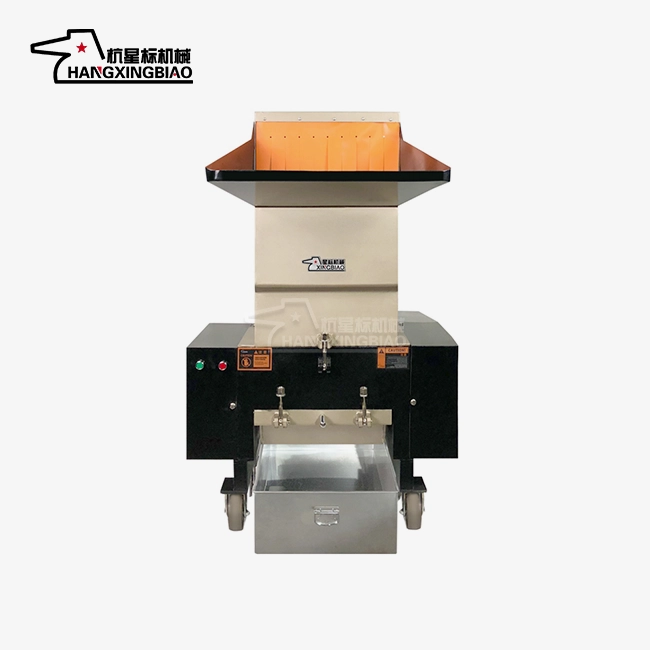
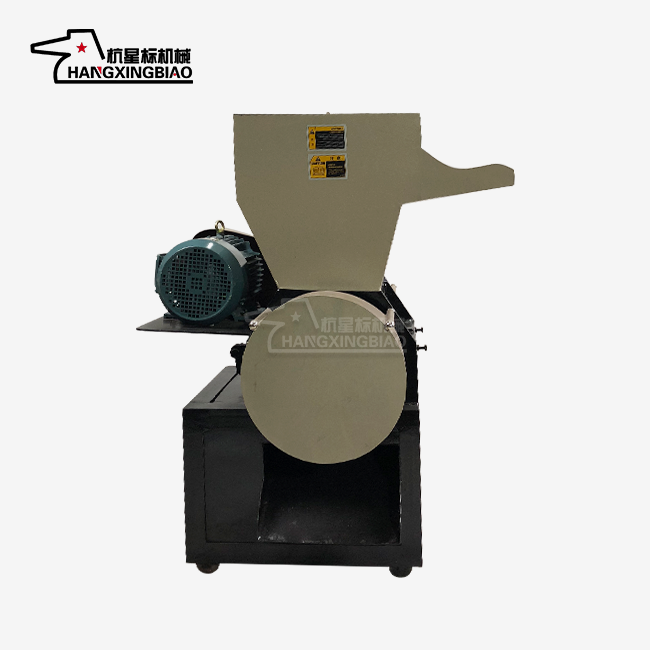
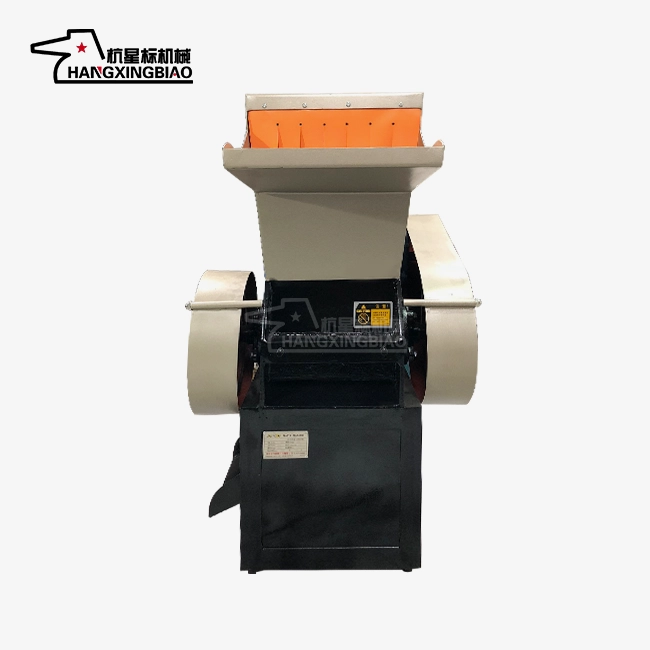
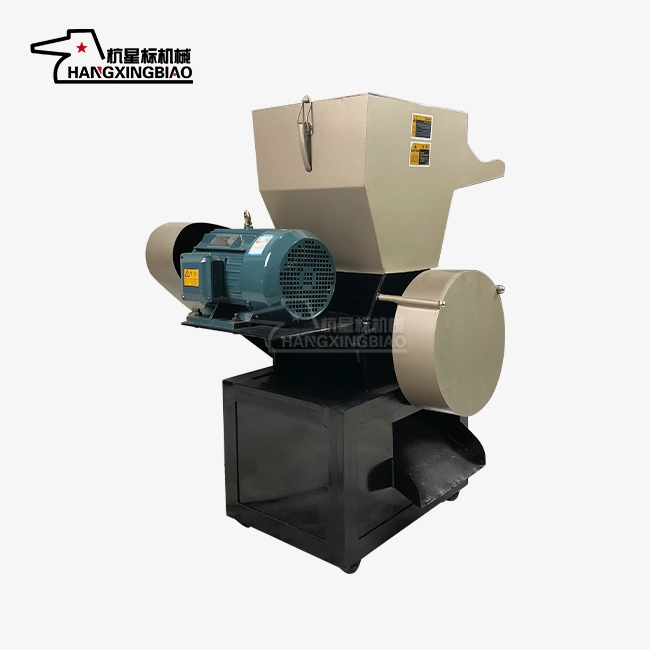
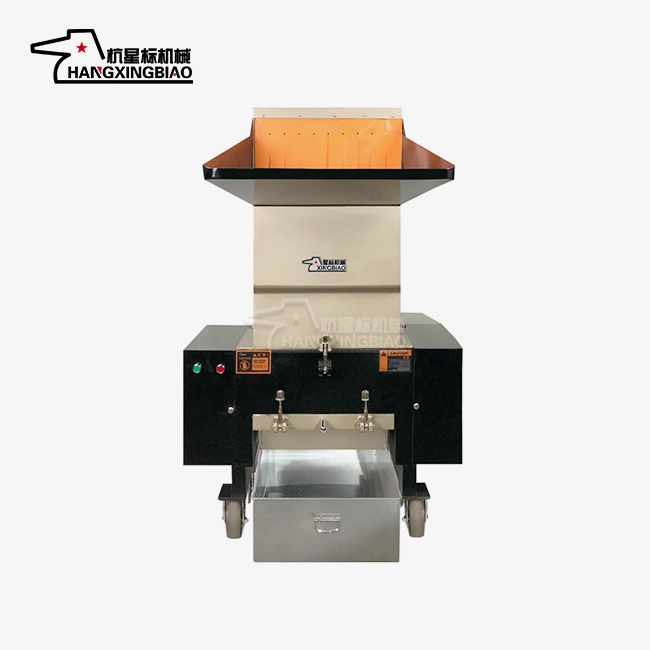
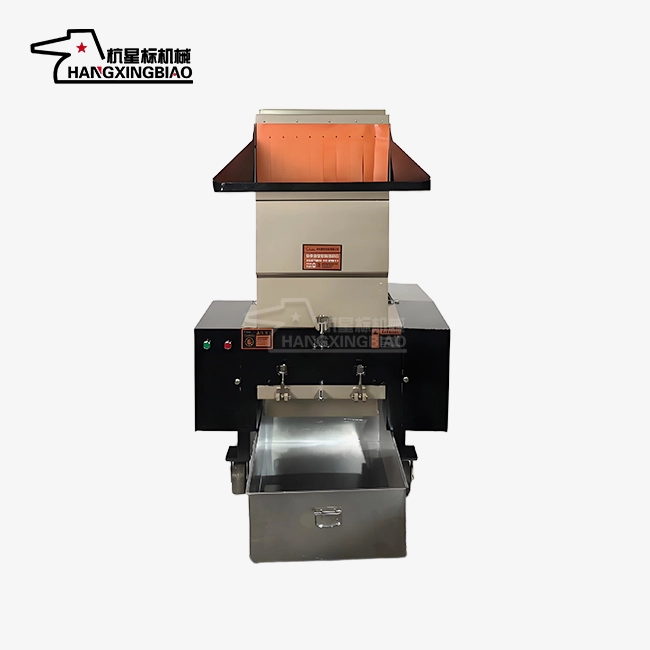
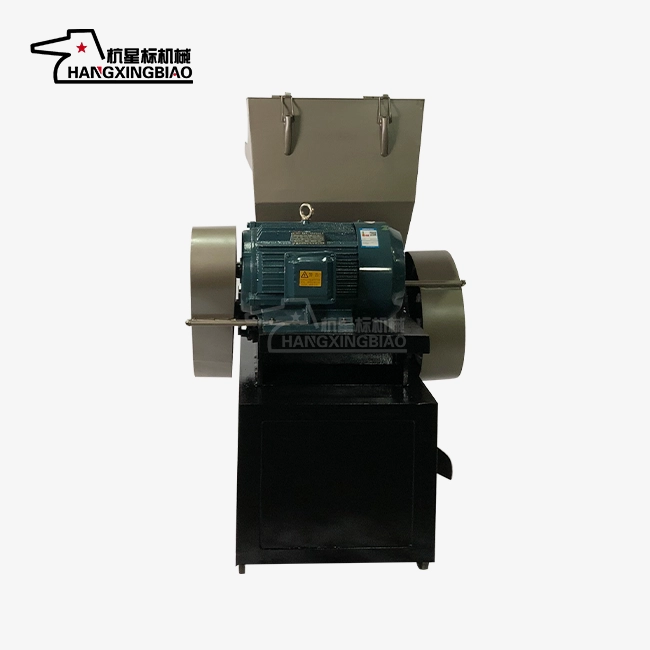
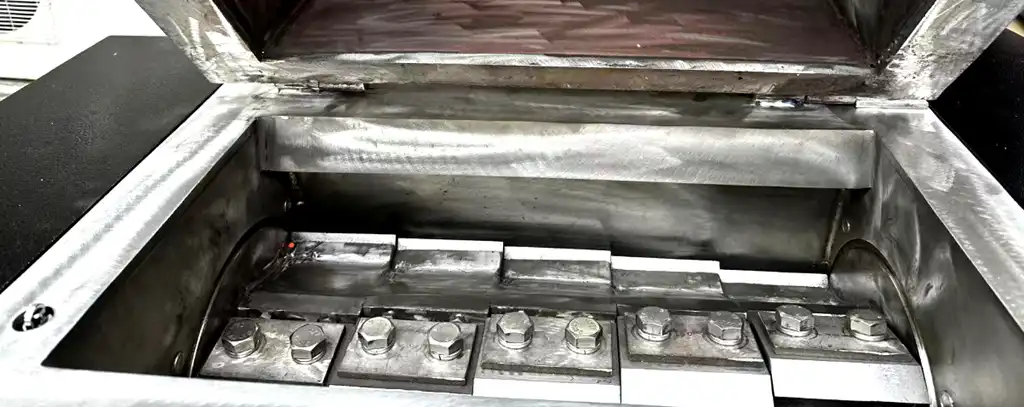
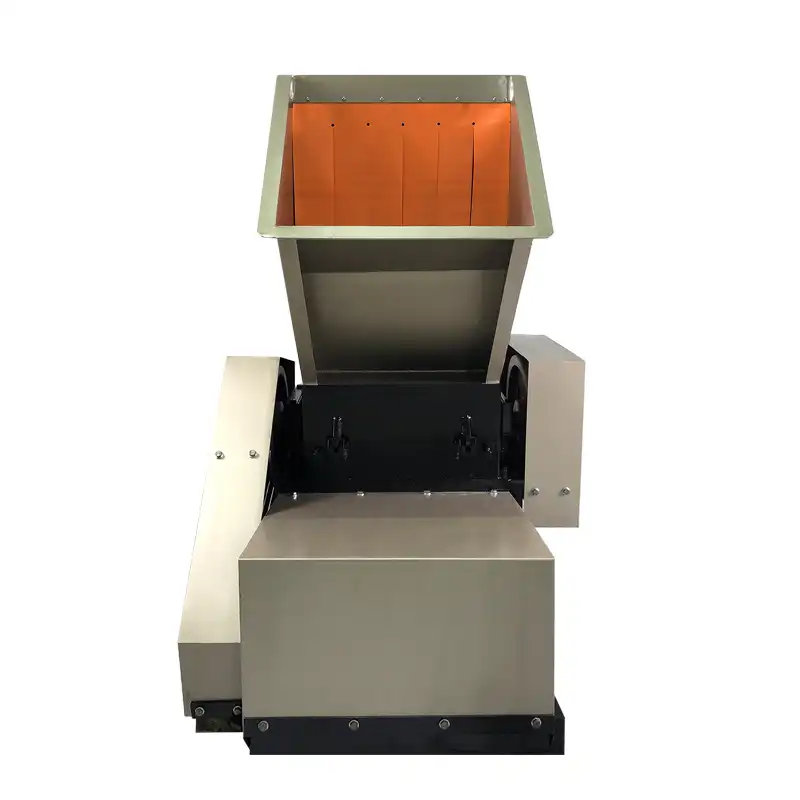
Powerful plastic crusher units are specialized pieces of equipment that use mechanical force to break down plastic bottles and containers into uniform-sized pieces. These machines have spinning blades that cut against knives that stay in place. This makes a cutting action that breaks up plastics. The crushed product goes through screening meshes that decide the size of the end particles. Standard granulators are made for light-duty tasks, but Powerful plastic crusher units are built stronger and have more motor power, so they can work continuously in tough circumstances.
How Industrial Crushing Equipment Operates
Once the plastic bottles are put into the feed hopper, they fall into the cutting room by gravity, starting the process. High-speed blades on a center rotor spin at 300 to 600 RPM, creating the kinetic energy needed to break down tough plastics. When things hit the spinning blades, they are pushed against counter-blades that stay still. This makes precise cutting points. This two-blade design cuts the plastic cleanly instead of tearing or melting it. After the particles are first shrunk down in size, they fall through a screen that can be removed.
Key Benefits for B2B Recycling Operations
When industrial recycling centers use Powerful plastic crusher units, they get measured benefits. Compared to older technologies, processing efficiency goes up by 20–30%, which has a direct effect on daily output capacity. Energy use goes down a lot—modern machines can process one ton of material with only 8–12 kilowatt-hours of power, which lowers costs. Because of sealed room designs and improved motor mounting, noise levels stay below 75 decibels. This makes workplaces safer and in line with OSHA standards. The constant particle sizes get rid of the need for extra screening steps, which speeds up the flow of your materials and cuts down on the amount of work that needs to be done. Material recovery rates go up because precise cutting makes fewer fines and dust, which means that more useful plastic can be recycled.
Key Criteria to Consider When Choosing a Powerful Plastic Crusher
Assessing Your Processing Volume and Operational Requirements
The right machine scale depends on how much stuff you move every day. Figure out how many plastic bottles you use on average every day, taking into account yearly changes and growth forecasts. Small to medium-sized recycling centers that process 200 to 500 kilograms per hour can benefit from small units that can fit on the floor and work reliably. Large centers that handle 1-2 tons per hour need heavy-duty types with motors that are too big for the frames. Think about whether you need the machine to work continuously 24 hours a day. If so, you'll need high-quality joints, better cooling systems, and industrial-grade electrical parts that won't wear out quickly. Your choice is also affected by how well it works with current transport systems and equipment further down the line. For example, some models have mounting options and output setups that make connecting to granulation lines or washing systems easier.
Critical Technical Specifications That Impact Performance
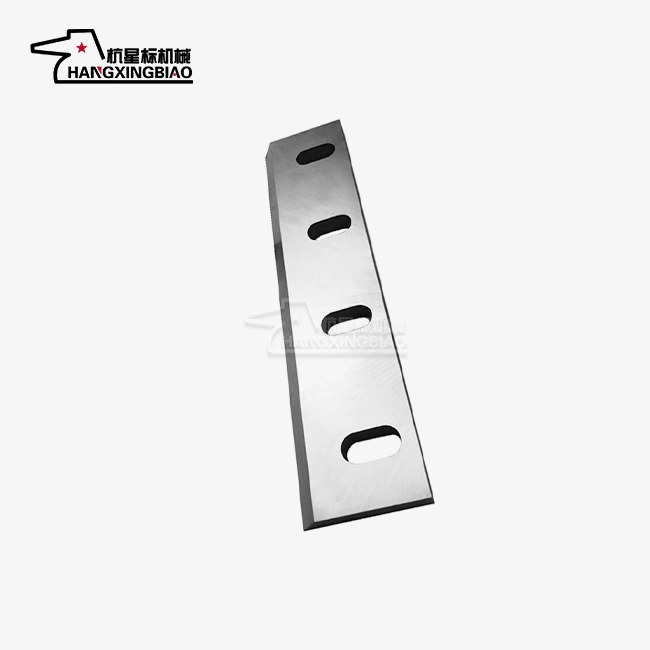
The efficiency and cost of crushing are directly affected by a number of technical factors. The service life of a blade depends on what it is made of. SKD-11 tool steel blades that have been vacuum hardened and cryogenically processed reach HRC 58–60 hardness levels and can be used for up to 5,000 hours before they need to be replaced. The motor power needs to meet the properties of the material. For example, 30–50% more power is needed to process HDPE cases with thick walls than to crush thin PET bottles. Particle regularity is affected by the size of the screen mesh.
Maintenance Requirements and Long-Term Support Considerations
Access to repair and parts supply for the powerful plastic crusher has a big impact on how reliable the equipment is. With quick-change blade systems, repair teams can switch out cutting parts in less than 30 minutes, cutting down on the time needed to replace knives. The hinged chamber entry makes cleaning and checking easier, which keeps output from being held up by too much material. Carefully look over the warranty's coverage. Full coverage should include security for at least 12 to 18 months against blade wear, motor parts, and structure elements. Responding quickly to suppliers is very important. Manufacturers that offer 24-hour technical support and keep parts stores in North America keep costly production breaks to a minimum.
Comparing Powerful Plastic Crushers: Market Options and Decision Insights
Performance Differences Between Standard and Industrial-Grade Equipment
There is a difference between consumer-grade and industrial-grade breaking tools that goes beyond size. Standard models usually have blades made of basic materials and are made of mild steel, which means they can only run continuously for 4 to 6 hours a day before they need to be cooled down. Stress-relieved, high-tensile steel frames are used in industrial tools so that they don't bend when loads are applied over time. Standard crushers have three to six cutting knives, but heavy-duty ones have nine to twelve precision-ground blades organized in a way that makes them cut more often and reduces the difference in particle size. Motor duty rates tell the difference between machines that are only used occasionally and machines that are always running.
Evaluating Energy Efficiency and Total Operational Costs
Operating costs add up quickly when you add up the thousands of hours of work each year. When compared to fixed-speed designs, energy-efficient crushing systems use 15–25% less electricity because they have variable frequency drives that change the motor speed based on the load. To find out how much energy your machine uses, add its estimated motor power by the cost of electricity in your area and the number of hours it runs each year. For example, a 30kW crusher that runs for 3,000 hours a year at $0.12 per kWh would cost $10,800 just in electricity. Another important cost factor is the cost of replacing the blades. High-quality blades that cost $800 to $1,200 per set and last 5,000 hours are more cost-effective than cheap blades that need to be replaced every 2,000 hours. Maintenance work adds to the total cost of ownership; well-designed systems that only need to be serviced once a month use fewer resources than tools that need to be serviced every week.
Safety Features and Environmental Impact Considerations
Safety rules at work demand that powerful plastic crusher units have certain safety features. There are emergency stop keys all over the machine, so it can be quickly turned off if something goes wrong. To keep people from getting into the room while the rotors are still turning, interlock switches stop people from getting in. Metal recognition systems find metal contaminants before they hit blades. This keeps people and equipment safe from dangerous ejection events. Managing noise, dust, and energy use is part of environmental compliance. Fully covered grinding rooms keep airborne particles inside, and sound-dampening insulation keeps noise levels at work below what is acceptable. Ports for collecting dust make it easier to connect to central vacuum systems that collect dust where it starts.
Procurement Guide: How to Buy and Where to Source Powerful Plastic Crushers
Identifying Reputable Suppliers and Evaluating Manufacturer Credentials
The manufacturer's specialty shows how good the equipment is and how well the company can support it. Companies that only sell equipment for handling plastic for 20 to 30 years become more knowledgeable than companies that sell a wide range of manufacturing equipment. Research manufacturing facilities—suppliers who run their own factories keep a closer eye on quality than resellers who sell foreign goods. Partnerships in the same industry show trustworthiness; when manufacturers work with big companies like beverage makers or packaging firms, they show that they can do tough jobs. Certification standards give objective measures of quality.
Understanding Pricing Structures and Investment Optimization
The price of a Powerful plastic crusher depends a lot on its size, quality of construction, and features. Entry-level machines that can handle 100 to 200 kg/h usually cost between $8,000 and $15,000, while industrial systems that can handle 1,000 kg/h or more cost between $35,000 and $75,000, based on the specs. Think about the total value instead of just the purchase price. A $45,000 machine that lasts 15 years with little upkeep costs less overall than a $25,000 unit that needs to be fixed and replaced with blades all the time. There are savings for buying more than one unit at a time. For example, if you order three machines at the same time, you can often get 10-15% off the price. Cash costs can be spread out over several years with different types of financing, which frees up working cash for other projects. Some makers have demonstration programs that let you test their products on-site before you buy them.
Logistics Planning and Installation Considerations
To avoid customs delays and damage during transport, international shipments of tools need to be carefully planned. Check to see if the prices given include freight, insurance, and import taxes. These costs usually add 15 to 25 percent to FOB prices. It takes 25–35 days for containers to travel from Asia to North America, but only 18–25 days for containers to travel from Europe to North America. Check to see if the packaging is right for foreign shipping; the right crating keeps delicate parts safe from damage caused by water and pressure. The difficulty of installation depends on the size of the machine. For example, compact units weighing less than 500 kg only need to be placed with a forklift and connected to the power source. Multi-ton systems, on the other hand, need rigging tools and base preparation. The electrical needs of your building must match its power source. Make sure you know the voltage, phase, and amperage requirements before you place your order to avoid having to pay for an expensive switch installation.

Best Practices for Using and Maintaining Your Powerful Plastic Crusher
Operational Protocols for Maximum Equipment Performance
Using the right feeding methods has a big effect on how well and how long the equipment lasts. Instead of putting large amounts of material at once, slowly add it in. This keeps the motor from overheating and makes the particle sizes more regular. Before processing, get rid of any visible contaminants. For example, metal caps, labels with nails, and liquid residue cause extra wear and could be dangerous. Watch the motor's amperage while it's running; a steady high current draw means the blades are dull or the screen is the wrong size, which needs to be fixed. When working with different materials, you need to change the feed rates. For example, soft plastics need to be fed more quickly, while hard bottles need slower entry speeds.
Preventive Maintenance Schedules That Extend Service Life
Systematic care for the powerful plastic crusher keeps things running at their best and stops expensive breakdowns. Every day, checks should be made to make sure that all safety guards are still in the right place, that emergency stops work properly, and that the machine doesn't make any strange sounds or movements while it's running. As recommended by the maker, weekly upkeep includes clearing the cutting area of any built-up material, making sure the blades are tight, and lubricating the bearings. Every month, you have to check the screen mesh for tears or growth, the drive belts for wear and the right amount of tension, and the electrical connections to make sure they stay tight and free of rust. For every three months of upkeep, the blades must be thoroughly checked for chips, cracks, or excessive wear. When cutting edges show obvious damage, the blades should be rotated or replaced. As part of the yearly maintenance, bearings are replaced, the electrical system is fully tested, and the structure is checked for cracks or broken bolts. Keep thorough service records of all repair tasks, replacement parts, and strange conditions that are found.
Troubleshooting Common Issues and Environmental Management
There are a few practical problems that always happen and have simple answers. Too much shaking usually means that the wheels aren't balanced, the mounting bolts are loose, or the bearings are worn out and need to be fixed right away. Different particle sizes could mean that the blades are dull, the screens are broken, or the material isn't being fed properly. Check the cutting parts and make the necessary changes to the way the machine works. Motors burn when there isn't enough airflow, when the temperature outside is too high, or when the working load is higher than the design capacity. Lower output means that the blades are wearing out, the screen is getting clogged, or the material isn't conforming to the equipment's specs.
Conclusion
To choose the best Powerful plastic crusher, you have to weigh a lot of technical, financial, and operational factors against the needs of your particular application. The right machine gives you regular particle sizes, can handle your daily output well, and will work consistently for years with only minor repair needs. Carefully look at the working power to make sure there is enough room for growth without spending too much on unnecessary features. Put the quality of the blade and longevity of the building at the top of your list. These things affect long-term ownership costs more than the initial purchase price. Instead of general equipment providers who don't know much about how to use their tools in plastic processing applications, work with specialized makers who can offer full support. Your choice of tools will have a direct effect on how much money you make, the quality of your products, and how efficiently your business runs for the next ten years.
FAQ
What distinguishes plastic crushers from plastic shredders?
High-speed spinning blades cut against fixed knives in crushers to make regular granules that are usually between 2 mm and 20 mm in size. Because of this, they are perfect for recycling operations that need uniform particle sizes for grinding or washing processes that come after. Shredders use high-torque, low-speed cutting systems that tear materials into uneven strips and chunks. This makes them better for shrinking big items before they are further processed.
How do I determine the appropriate crusher size for my recycling volume?
Find your daily working needs at their highest point in kilograms per hour, and then add 20 to 30 percent more capacity to account for lost efficiency and future growth. Businesses that handle 300 to 400 kg/hour should ask for tools that can handle at least 500 kg/hour. Match the motor power and room size to the types of materials you usually use. For example, thick-walled containers need more durable tools than thin film materials.
Are financing or leasing options available for industrial crushing equipment?
A lot of makers work with companies that finance equipment and offer lease-to-own plans. These plans let you pay for the equipment over 36 to 60 months. Depending on the terms of the loan and the amount of the down payment, monthly payments are usually between 2% and 3% of the value of the tools. Leasing helps you keep your working capital while giving you tax breaks by letting you deduct operational costs instead of capital depreciation plans.
Partner with Xingbiao for Your Plastic Recycling Success
If you buy the right Powerful plastic crusher, your recycling business will go from being a cost center to a source of income. Hangzhou Xingbiao Machinery has been making Powerful plastic crusher units for 30 years and has a lot of experience in the field. Our machines can handle between 50 and 2000 kg/hour and can run nonstop for 24 hours a day. They have SKD-11 tool steel blades that last up to 5,000 hours and use 30% less energy than the average machine in the business. Our North American parts store makes sure that new parts are sent out quickly, and our engineering team answers technical questions within 24 hours. Our customized solutions are made to fit your exact working needs, whether you're a plastic crusher seller with multiple clients or an end-user setting up new recycling capacity. For full specs, cheap quotes, and application engineering support that makes the most of your plastic recycling investment, email our experts at xingbiaocrusher@xingbiaocrusher.com.
References
1. Thompson, R.M. & Davidson, P.K. (2023). Industrial Plastic Recycling Equipment: Design Principles and Performance Optimization. Manufacturing Technology Press.
2. Chen, H., Rodriguez, M., & Anderson, S.L. (2024). Comparative Analysis of Blade Materials in High-Speed Plastic Crushing Applications. Journal of Recycling Technology, 18(3), 112-127.
3. National Association of Plastic Recyclers. (2023). Equipment Selection Guidelines for PET Bottle Recycling Facilities. Washington, DC: NAPR Publications.
4. Williams, J.E. (2022). Energy Efficiency in Plastic Size Reduction: Modern Crushing Technologies. Industrial Equipment Review, 45(2), 78-94.
5. Zhang, Y., Kumar, A., & Stephenson, T. (2024). Maintenance Strategies for Continuous-Operation Plastic Processing Equipment. International Recycling Institute Technical Report Series.
6. Miller, K.R. & Patterson, D.W. (2023). Total Cost of Ownership Analysis for Industrial Crushing Systems. Plastics Recycling Economics Quarterly, 31(4), 203-218.
Learn about our latest products and discounts through SMS or email