- English
- French
- German
- Portuguese
- Spanish
- Russian
- Japanese
- Korean
- Arabic
- Greek
- German
- Turkish
- Italian
- Danish
- Romanian
- Indonesian
- Czech
- Afrikaans
- Swedish
- Polish
- Basque
- Catalan
- Esperanto
- Hindi
- Lao
- Albanian
- Amharic
- Armenian
- Azerbaijani
- Belarusian
- Bengali
- Bosnian
- Bulgarian
- Cebuano
- Chichewa
- Corsican
- Croatian
- Dutch
- Estonian
- Filipino
- Finnish
- Frisian
- Galician
- Georgian
- Gujarati
- Haitian
- Hausa
- Hawaiian
- Hebrew
- Hmong
- Hungarian
- Icelandic
- Igbo
- Javanese
- Kannada
- Kazakh
- Khmer
- Kurdish
- Kyrgyz
- Latin
- Latvian
- Lithuanian
- Luxembou..
- Macedonian
- Malagasy
- Malay
- Malayalam
- Maltese
- Maori
- Marathi
- Mongolian
- Burmese
- Nepali
- Norwegian
- Pashto
- Persian
- Punjabi
- Serbian
- Sesotho
- Sinhala
- Slovak
- Slovenian
- Somali
- Samoan
- Scots Gaelic
- Shona
- Sindhi
- Sundanese
- Swahili
- Tajik
- Tamil
- Telugu
- Thai
- Ukrainian
- Urdu
- Uzbek
- Vietnamese
- Welsh
- Xhosa
- Yiddish
- Yoruba
- Zulu
Big plastic crusher machine Benefits for Waste Reduction
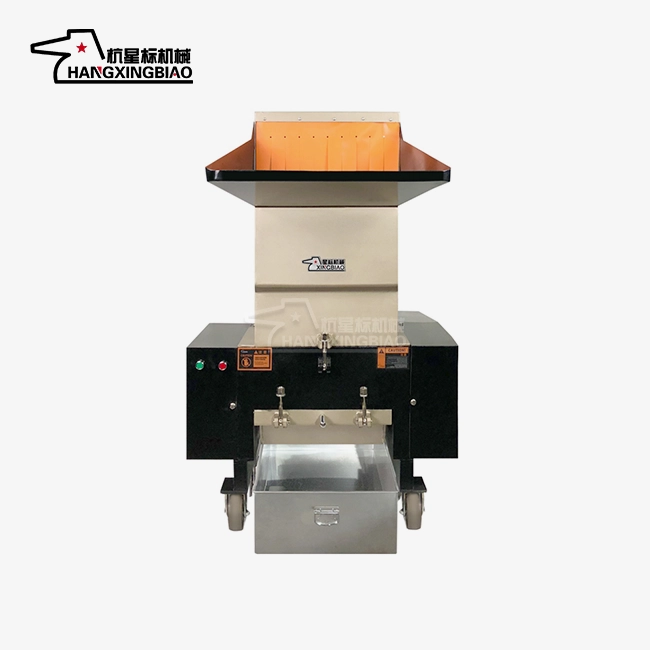
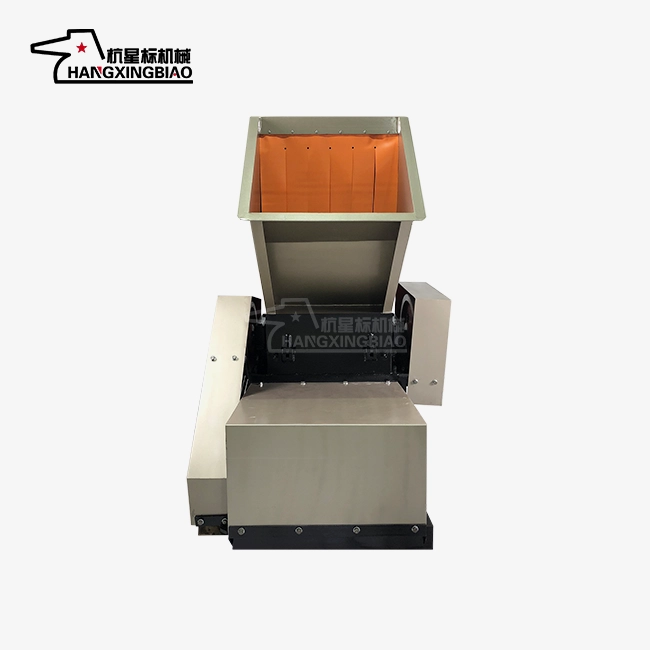
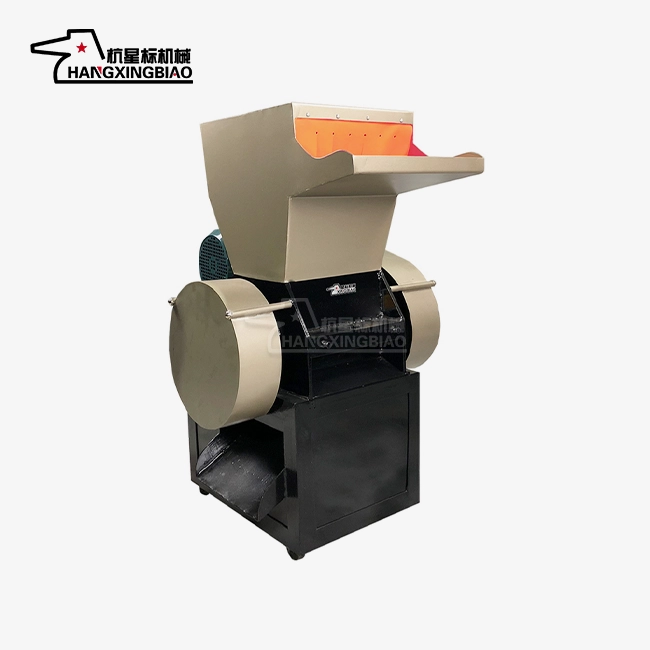
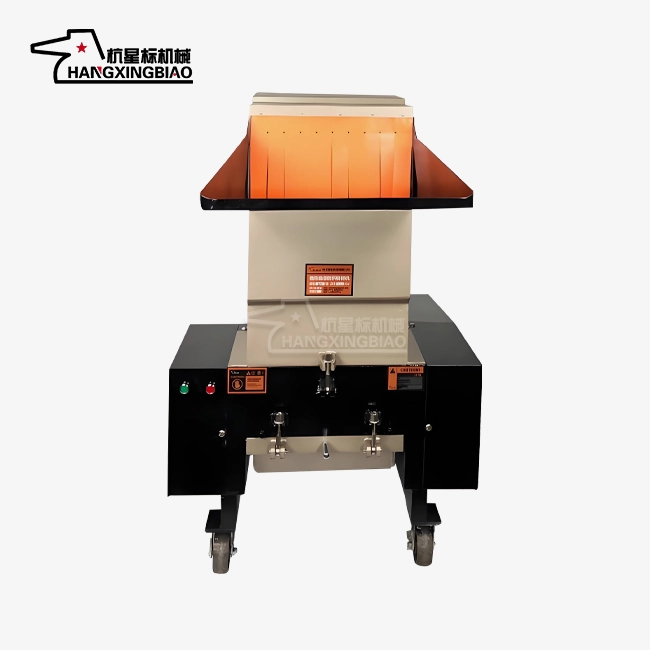
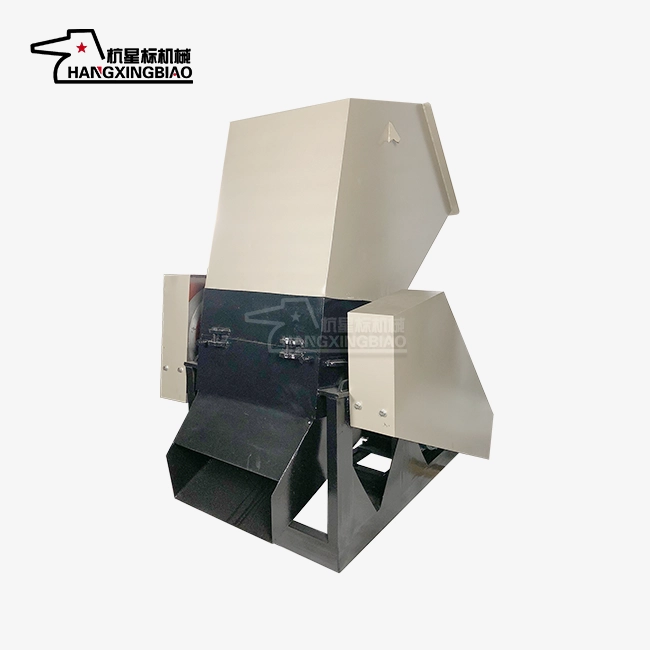
One of the biggest problems that modern production and recycling businesses in the United States have to deal with is industrial plastic trash. A big plastic crusher machine takes on this problem head-on by turning big pieces of plastic trash into smaller pieces that can be recycled. This equipment is a key part of methods for reducing waste that are both good for the environment and good for business. Whether you run a factory that makes plastic products, a recycling plant, or a business that sells materials to big consumer goods companies, knowing what industrial breaking technology can do and how it can help you can have a big effect on your bottom line. This guide tells procurement workers what they need to think about when choosing, using, and adding plastic crushing tools into their waste management system. From technical specs to the best ways to keep machines in good shape, we look at how investing in the right machinery can help with both environmental goals and business excellence, as well as meeting the ever-changing rules that apply to American markets.
Understanding How Big Plastic Crusher Machines Work
Core Crushing Mechanisms and Motor Systems
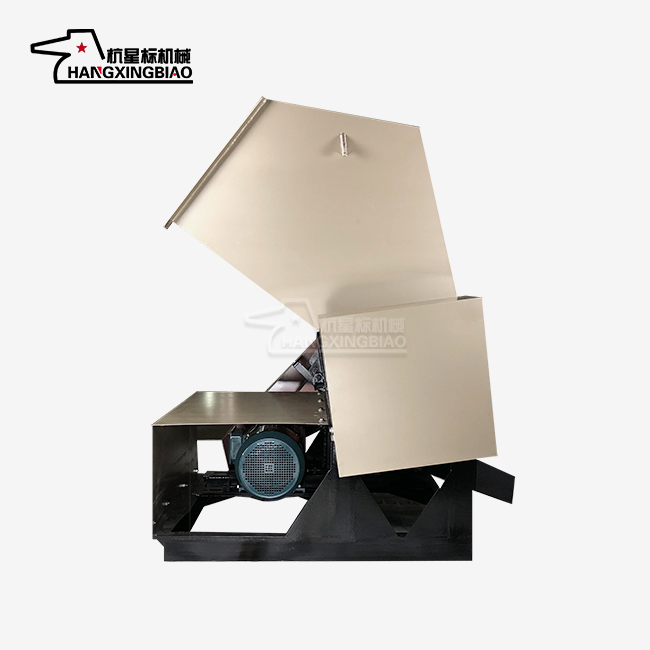
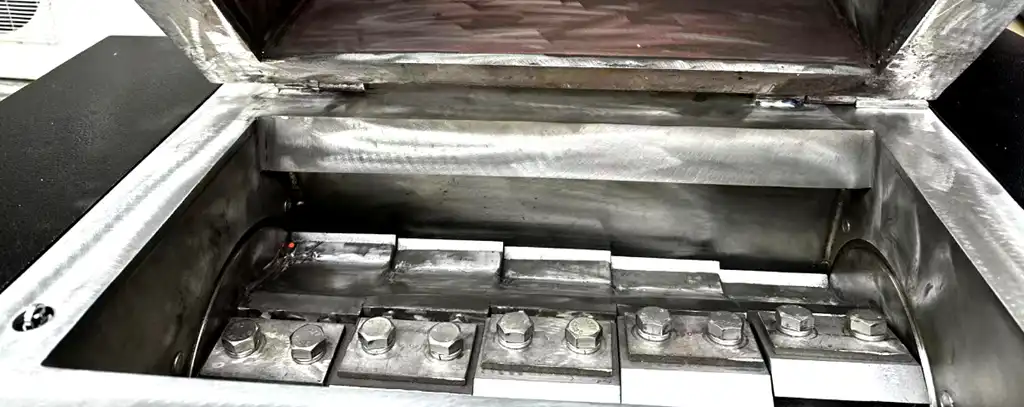
Industrial plastic crushers break down plastic materials quickly and efficiently by using high-torque motors and carefully designed cutting systems. The working principle of the machine is rotary cutting, where specially hardened blades on a moving shaft meet with fixed knives to cut like scissors. This process makes sure that the particle size decrease is the same for all densities and thicknesses of plastic. The motor power is usually between 15 and 150 horsepower, depending on the size of the unit. The varying speed controls let workers change the working speeds based on the properties of the material.
Single Shaft Versus Double Shaft Configurations
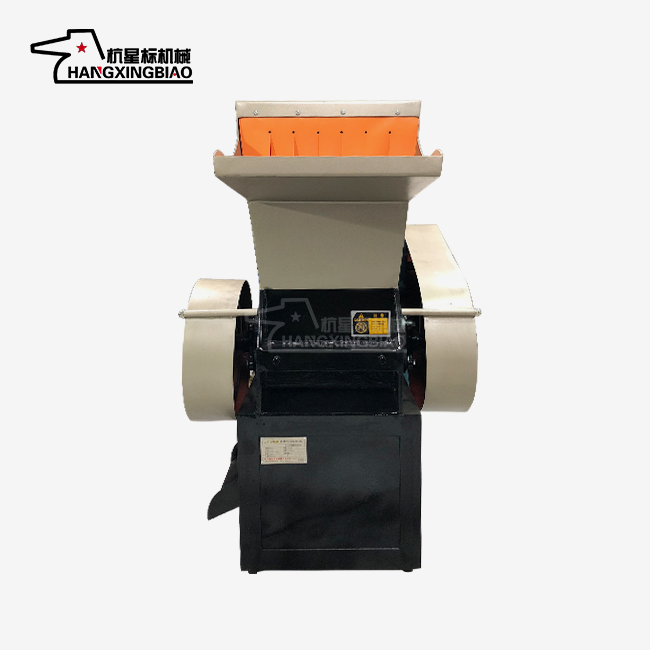
The choice of configuration has a big effect on the ability to process and the speed of moving materials. Single-shaft crushers are great for breaking down polyethylene films, woven bags, and soft packing materials that are soft. There is a horizontal machine with cutting tools on these units that work with a bed knife and screen device. Double-shaft crushers, on the other hand, have two shafts that rotate counterclockwise and have cutting tools that fit together.
Energy Efficiency and Environmental Impact Considerations
Modern breaking equipment uses technologies that save energy, which lowers costs and leaves less of an impact on the earth. When you combine advanced motor designs with improved blade shapes, you can get more work done with less power. An industrial big plastic crusher machine that is well-built usually needs 8 to 12 kilowatt-hours of power per ton of material it breaks down. Noise-reduction technologies, such as sound-dampening shelters and vibration separation systems, keep the noise level of operations at levels that meet OSHA standards.
Capacity Ranges for Different Industrial Applications
Processing power is directly related to the size of operations and the needs of the business. Basic industrial units can move 50 to 500 kilograms per hour and are good for smaller recycling operations or work next to the press in injection molding plants. Mid-range equipment handles between 500 kg and 2 tons of waste per hour and works with medium-sized factories and recycling centers. Large industrial crushers can process between 1 and 10 tons of waste per hour, which is enough for high-volume operations that process mixed city waste streams or handle large amounts of post-industrial waste from large factory centers.
Key Benefits of Using Big Plastic Crusher Machines for Waste Reduction
Waste Volume Reduction Through Controlled Fragmentation
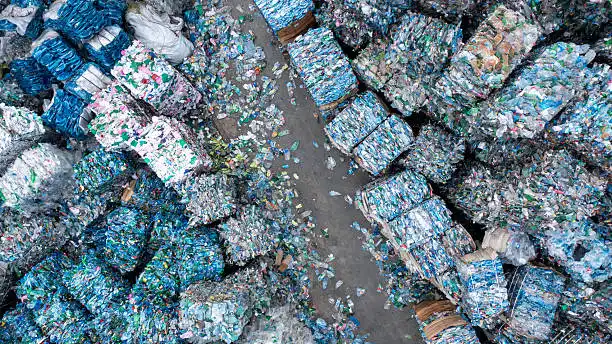
The best thing about industrial breaking technology is that it can cut the amount of plastic trash by 70 to 85 percent. Big things like trash cans, big containers, and factory scrap are broken up into uniform pieces that are 2 to 20 millimeters across by this extreme compression. As the number goes down, storage needs go down, handling costs go down, and procedures for transportation become more efficient. Manufacturing plants can combine trash from several production lines into reasonable amounts that make the best use of containers and lower the number of times they need to be picked up.
Enhanced Recycling Efficiency and Material Recovery
Plastic pieces of the right size fit right into recycling processes further down the line. When plastics are broken up into regular pieces about 2 to 8 millimeters across, they can be mixed directly with new materials in injection molding or extrusion processes. This cuts the cost of raw materials by 15 to 30 percent. When recycling centers deal with materials that are all the same size, organizing and cleaning them is easier. Quality big plastic crusher machine units have precise screening systems that make sure the output grain size is more than 90% uniform. This means that the material doesn't need to be processed again, and there is less material lost during handling.
Operational Cost Reduction and Labor Savings
When compared to traditional ways of handling trash, automated crushing processes require a lot less human work. One operator can oversee multiple crushing units, which can handle amounts that would normally need several people to cut or break things by hand. Durability of the equipment ensures that it can be used continuously 24 hours a day without losing any performance, which increases efficiency during activities that run on multiple shifts. Modern crushers are designed to be energy-efficient.
Safety Compliance and Environmental Standards
Industrial breaking equipment made to today's standards has many safety features that keep workers safe and make sure the equipment follows the rules. When the access doors open, interlock systems turn off the machine immediately. This keeps the user from touching the moving blades while they are cleaning or doing repairs. Crushing rooms with anti-rebound baffles keep broken pieces of material inside and stop projectile dangers. Companies that use equipment that meets OSHA standards avoid expensive fines and workers' compensation claims.
Choosing the Right Big Plastic Crusher Machine for Your Business
Evaluating Size, Capacity, and Performance Requirements
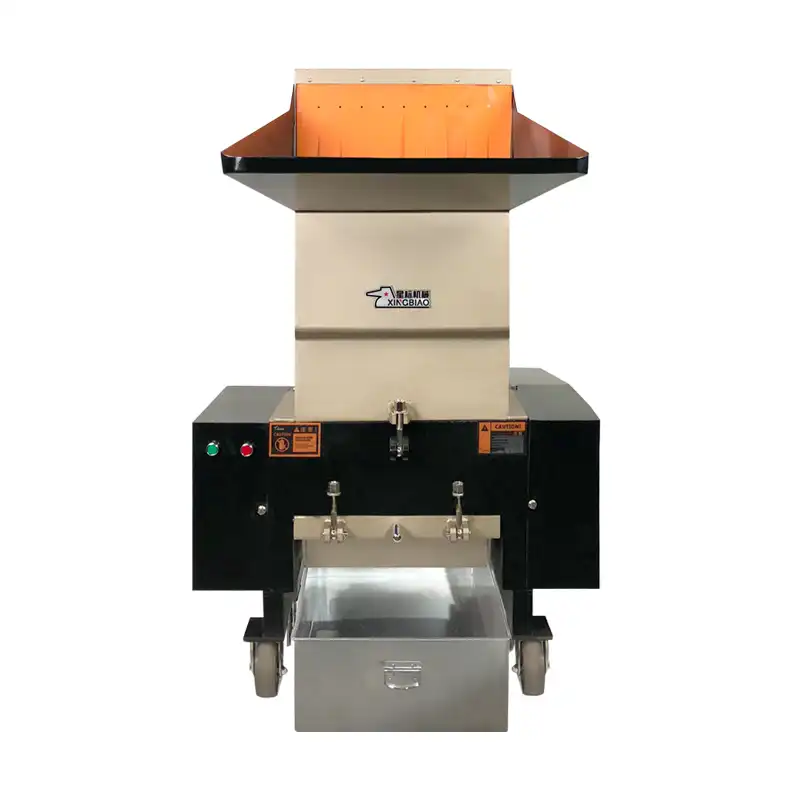
To choose the right big plastic crusher machine, you should first be honest about your current wants and your plans for future growth. Figure out how much plastic waste you normally make every day, taking into account changes in the seasons and changes in your production plan. Think about whether you need to be able to handle data continuously or if batch processing will work for your needs. Physical footprint is important, especially in sites with limited room where equipment needs to fit into current floor plans without stopping production.
Critical Technical Specifications for Procurement Decisions
The motor power decides how well the crusher can break down tough materials and keep up a steady flow rate even when the load changes. The material and heat treatment of the blades have a direct effect on running costs by changing them more often. When SKD-11 and Cr12MoV steel blades are vacuum-heated and then frozen, they become very hard (above 58 HRC), which makes them more resistant to wear and tear and increases blade life by 60% compared to normal carbon steel blades.
Comparing Capital Costs Against Operational Scale
Bigger industrial crushers cost more to buy. Small ones cost as little as $15,000, but big ones with lots of technology can cost over $100,000. This initial investment needs to be in line with the size of your business in order for the payback times to be reasonable. Standard models are often the best deal for small to medium-sized recycling plants because they offer flexible handling without having too much capacity that isn't being used. Large manufacturing companies that make a lot of scrap can justify buying expensive equipment because it increases output and lowers handling costs per unit, which saves a lot of money over time.
Warranty Coverage and After-Sales Support Evaluation
How long equipment lasts and how often it can be used depend a lot on how well the maker supports it after the sale. Coverage under a full guarantee should include important parts like motors, reducers, and structural frames for at least two years. Check how quickly and easily the seller can answer technical questions and get you extra parts when you need them. Companies like Xingbiao Machinery have been focusing on plastic crushing technology for 30 years, so they have a lot of experience that can help with problems and give you ongoing operating advice.
Maintaining and Troubleshooting Your Big Plastic Crusher Machine
Routine Maintenance Protocols for Peak Performance
Regular repair plans keep tools from breaking down when they're least expected and greatly extend their useful life. Every day, checks should be done to make sure the blades are properly aligned, to listen for any strange noises or sounds, and to make sure all the safety interlocks work properly. Using manufacturer-specified greases to lubricate bearings, drive components, and pivot points once a week stops them from wearing out too quickly. A monthly check of the blades finds any chips or excessive wear that needs fixing before the loss of performance becomes obvious.
Common Operational Issues and Structured Troubleshooting
Motor burning usually means that there is too much load on it from material that is being fed in too slowly or blades that need to be sharpened. Usually, the problem can be fixed by slowing down the feed rate and checking the state of the blades. Material jamming usually happens when working with twisted films or mixing different kinds of plastic that don't work well together and have very different strength levels.
Blade Maintenance and Replacement Economics
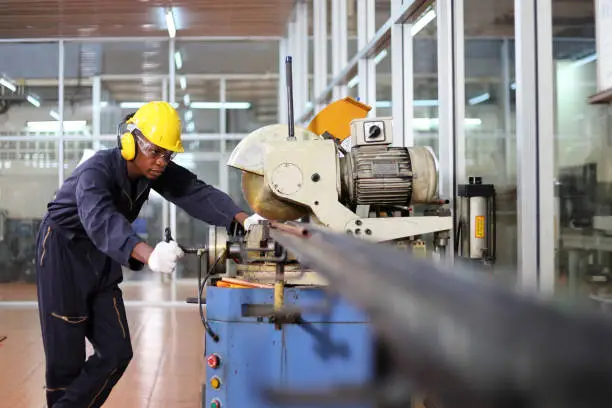
How often blades need to be sharpened depends on the type of material being handled and the number of hours they are used. Because hard, rough plastics speed up wear, tools need to be sharpened every 200 to 300 hours of use. For 400 to 600 hours, you can go without sharpening a tool made of softer materials. Professional sharpening services bring cutting edges back to their original state. Usually, each blade can be re-sharpened four to six times before it needs to be replaced. When compared to low-cost steel blades that need to be replaced often, premium blade materials like those used in Xingbiao tools cut replacement costs by more than half over the life of the big plastic crusher machine.
Leveraging Comprehensive After-Sales Service Programs
Manufacturers with full support programs oversee the installation process to make sure it's done right from the start. Your team will be able to get the most out of the equipment by going through operator training classes that cover proper feeding techniques, repair procedures, and basic troubleshooting. Following up with regular meetings helps find ways to improve things and adapt to changing operating needs.
Integrating Big Plastic Crusher Machines into Sustainable Business Practices
Advancing Corporate Environmental Stewardship Goals
Using a big plastic crusher machine shows a real commitment to being environmentally friendly, which customers, investors, and government agencies will appreciate. Metrics for measuring trash reduction give sustainability reports and CSR messaging real data. Processing plastic waste on-site instead of putting it in a dump cuts down on your facility's environmental impact and the pollution that comes from moving trash away. The recycled material can be used to offset the purchase of new plastic. This supports the circular economy ideas that are becoming more important to environmentally conscious customers when they are making buying decisions, especially in consumer-facing industries where a brand's reputation depends on how sustainable it is.
Measuring Waste Reduction Impact and Cost Savings
Setting up standard measures before installing equipment makes it possible to get a good idea of the benefits of a crushing system. Monitor things like the overall amount of trash that is made, the percentage that is kept out of dumps, the rate at which materials are recovered, and the money that is saved by not having to pay as much for disposal and getting materials that are worth more back. Manufacturers usually see material costs drop by 20 to 35 percent when they use regrind of the right size in their production processes. These numbers show that the original investment was well worth it and strongly support expanding efforts to cut down on waste to more sites or production lines.
Compliance with Evolving Regulatory Requirements
Environmental rules about how to get rid of plastic trash are getting stricter all over the United States. Many states have started extended producer responsibility programs and garbage diversion requirements. By using crushing equipment, your business can stay ahead of regulatory changes and make sure it meets current requirements while also getting ready for expected future limits. Keeping records of how much waste is processed, how much is recovered, and the right way to handle it shows that you did your job during government checks and audits.
Emerging Technologies and Future-Ready Operations
Automation technologies are becoming more and more integrated with crushing equipment. This allows for remote tracking, repair alarms based on predictive analytics, and performance improvement through data analytics. Smart sensors keep an eye on working factors and let workers know about problems before they happen. Energy management systems make the best use of power by changing motor speeds based on the amount of material being processed and the needs of the system. These technologies are especially appealing to procurement professionals who are looking for tools that will still be useful as Industry 4.0 technologies spread through production settings.
Conclusion
The decision to buy and use industrial plastic breaking equipment is a smart investment that pays off in operating efficiency, cost savings, and environmental performance. Modern big plastic crusher machine units can do a lot more than just reduce the size of plastic pieces. They can also help with all aspects of garbage management, turning problems with dumping into chances to reuse materials and save money. When you carefully consider your specific working needs along with the equipment's specs and the supplier's support options, you can be sure that the machinery you buy will work well for your business for a long time. Companies like Xingbiao Machinery, which has decades of experience in breaking technology alone, offer the knowledge and ongoing support that turn purchases of equipment into long-term operating relationships. Whether you run a small recycling center or are in charge of large-scale industrial waste streams, the right crushing option will help you cut down on waste while also supporting larger sustainability goals that are good for both your business and the environment.

FAQ
What types of plastics can industrial crushers process effectively?
Good industrial crushing tools can handle almost all thermoplastics, like PET bottles, HDPE containers, PVC pipes, LDPE films, polypropylene parts, ABS parts, and polycarbonate goods. Blade design and screen choice let you make changes to fit different materials. Blade shapes need to be different for soft plastics like stretch film and woven bags, and stiff plastics like thick-walled pipes or solid molded parts.
How does maintenance complexity compare between single and double shaft designs?
Because they are easier mechanically and have fewer moving parts, single-shaft crushers usually need less upkeep. Standard V-belt drives are used in the single-rotor design, and workers can quickly fix them with simple tools. When it comes to double-shaft crushers, the drive systems are more complicated and need to be oiled and aligned more often. The higher level of technical complexity is balanced by the better ability to work with tough materials.
What factors affect how long it takes for investments in crushing tools to pay for themselves?
One important thing to think about when figuring out payback is the initial cost of the equipment, the cost of installation, the current cost of disposing of trash, the material's recovery value, the amount of work saved, and the amount of energy used. Businesses that put a lot of plastic in landfills usually get their money back within 18 to 36 months just by not having to pay for dumping fees. When factories use regrind in their production methods, they get faster results because they use less virgin material.
Partner with Xingbiao for Reliable Plastic Crushing Solutions
Hangzhou Xingbiao Machinery Co., Ltd. has proven crushing technology that can help you turn problems with managing plastic trash into possibilities. For over 30 years, we've only made plastic crushing equipment. This gives us unique knowledge and dependability for tough industrial uses. Our engineering team is here to help you with everything from the original advice to ongoing operating optimization. Whether you need a big plastic crusher machine supplier for high-volume recycling operations or custom solutions for unique materials, we can help. We answer all of your questions within 24 hours, and we keep a large stock of extra parts to make sure that your equipment has as little downtime as possible over its lifetime. Get in touch with our team right away at xingbiaocrusher@xingbiaocrusher.com to talk about your specific processing needs and find out how our long-lasting, energy-efficient crushers can help you make money by lowering your running costs and recovering more waste. You can look at our full line of crushing options designed for American businesses by going to www.xingbiaocrusher.com.
References
1. Smith, J. R., & Anderson, K. L. (2021). Industrial Plastic Waste Management: Technologies and Best Practices for Manufacturing Operations. Journal of Sustainable Manufacturing, 15(3), 234-256.
2. Environmental Protection Agency. (2022). Advancing Sustainable Materials Management: 2022 Fact Sheet on Plastics. Washington, DC: U.S. Environmental Protection Agency.
3. Thompson, M. D. (2020). Mechanical Recycling of Post-Industrial Thermoplastic Waste: Equipment Selection and Process Optimization. Recycling Technology Review, 8(2), 145-168.
4. National Association for PET Container Resources. (2023). Report on Plastic Recycling Equipment Performance Standards and Industry Guidelines. Sonoma, CA: NAPCOR Technical Committee.
5. Wilson, P. T., & Chen, H. (2022). Economic Analysis of Waste Reduction Technologies in Manufacturing Facilities: Capital Investment and Operational Cost Considerations. Industrial Engineering Quarterly, 44(1), 78-95.
6. Rodriguez, A. M., & Kim, S. J. (2021). Safety Engineering in Industrial Plastic Processing Equipment: Compliance Standards and Best Practices. Workplace Safety Journal, 29(4), 312-330.
Learn about our latest products and discounts through SMS or email