- English
- French
- German
- Portuguese
- Spanish
- Russian
- Japanese
- Korean
- Arabic
- Greek
- German
- Turkish
- Italian
- Danish
- Romanian
- Indonesian
- Czech
- Afrikaans
- Swedish
- Polish
- Basque
- Catalan
- Esperanto
- Hindi
- Lao
- Albanian
- Amharic
- Armenian
- Azerbaijani
- Belarusian
- Bengali
- Bosnian
- Bulgarian
- Cebuano
- Chichewa
- Corsican
- Croatian
- Dutch
- Estonian
- Filipino
- Finnish
- Frisian
- Galician
- Georgian
- Gujarati
- Haitian
- Hausa
- Hawaiian
- Hebrew
- Hmong
- Hungarian
- Icelandic
- Igbo
- Javanese
- Kannada
- Kazakh
- Khmer
- Kurdish
- Kyrgyz
- Latin
- Latvian
- Lithuanian
- Luxembou..
- Macedonian
- Malagasy
- Malay
- Malayalam
- Maltese
- Maori
- Marathi
- Mongolian
- Burmese
- Nepali
- Norwegian
- Pashto
- Persian
- Punjabi
- Serbian
- Sesotho
- Sinhala
- Slovak
- Slovenian
- Somali
- Samoan
- Scots Gaelic
- Shona
- Sindhi
- Sundanese
- Swahili
- Tajik
- Tamil
- Telugu
- Thai
- Ukrainian
- Urdu
- Uzbek
- Vietnamese
- Welsh
- Xhosa
- Yiddish
- Yoruba
- Zulu
What is the working principle of a PVC Pipe Profile Crusher?
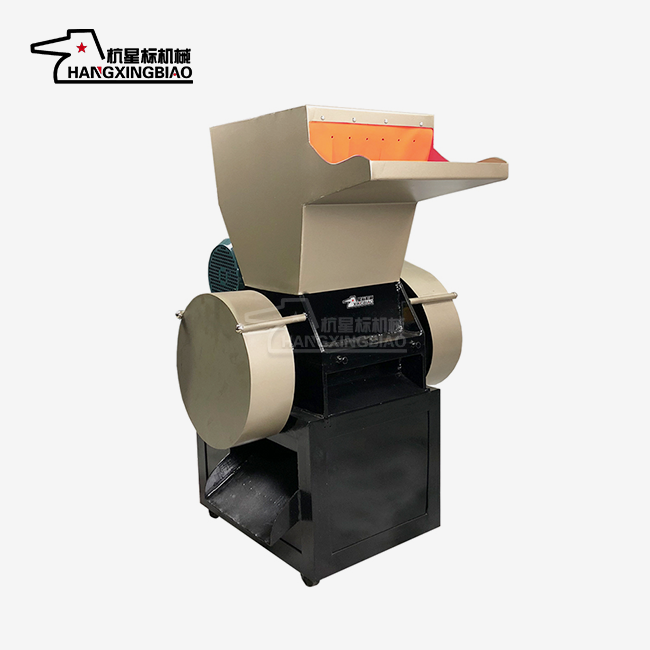
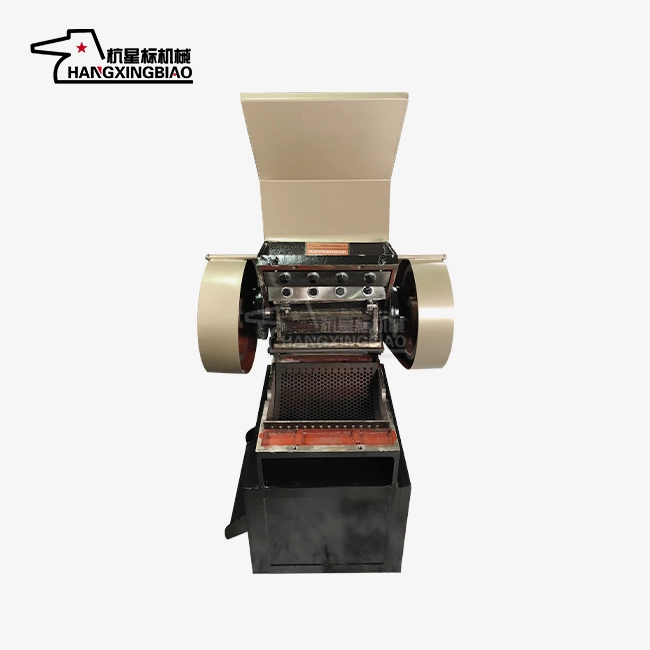
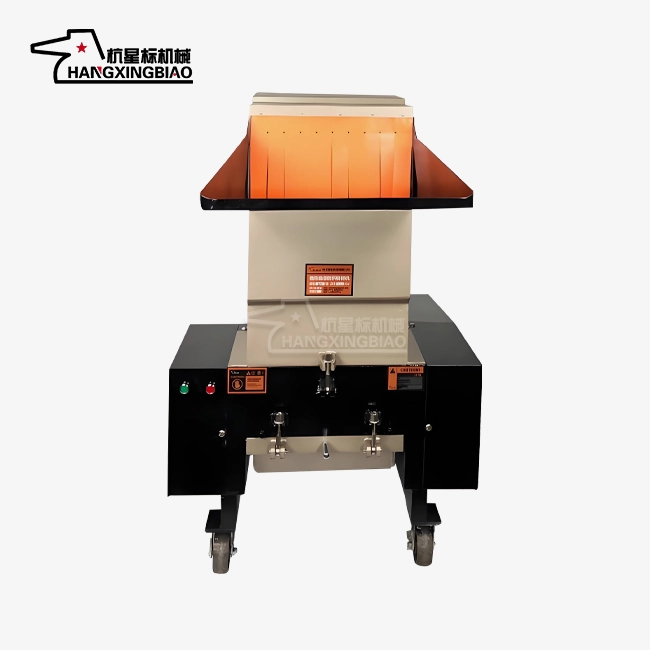
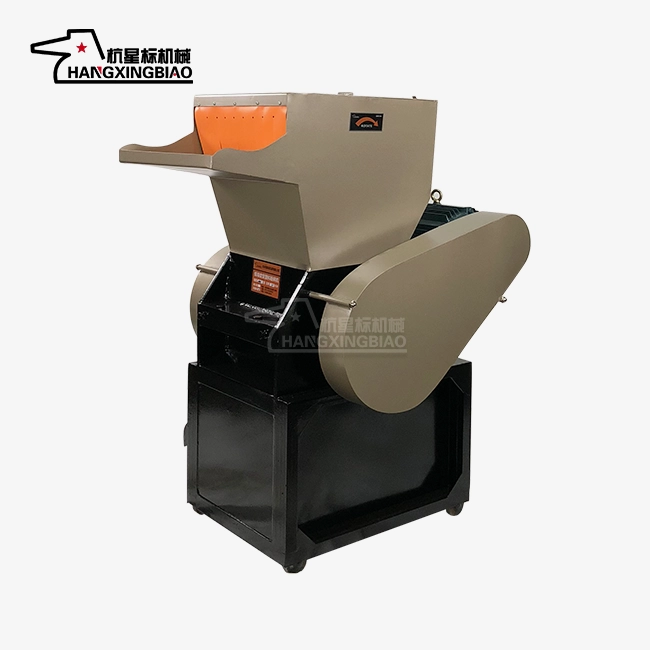
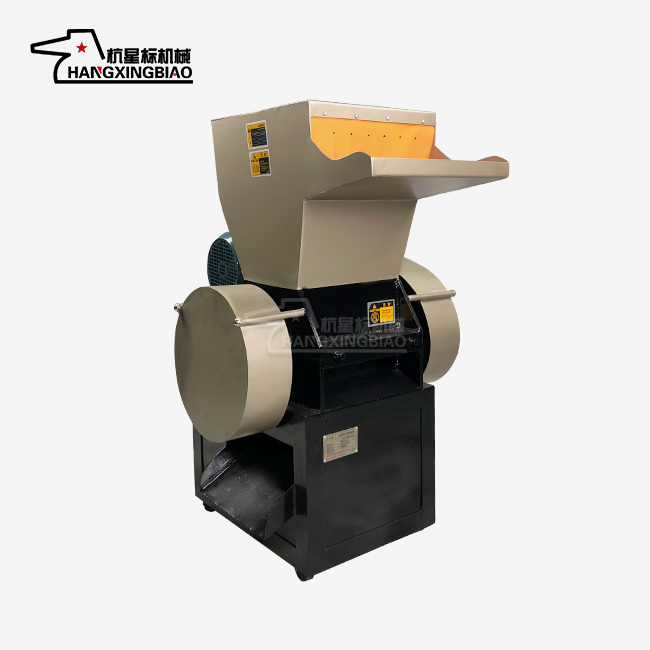
Not only is it useful to know how PVC pipe profile breakers work technically, but it's also important for making the right buying choice. When top PVC pipe crusher factories create these machines, they use complex mechanical systems to turn used pipes into granules that can be used again. These systems use coordinated blade action, rotational force, and precise chamber shape to do this. Putting PVC pipes into a cylinder with spinning blades on a high-speed rotor is how it works. The blades create shearing and impact forces that gradually reduce pipe sizes into uniform particles. The way this process works depends on the interaction between fixed cutting edges and moving blade arrays, along with controlled feeding systems that keep the flow of material under control to avoid overloading and boost output.
Understanding the Working Principle of a PVC Pipe Profile Crusher
The Core Mechanical Process
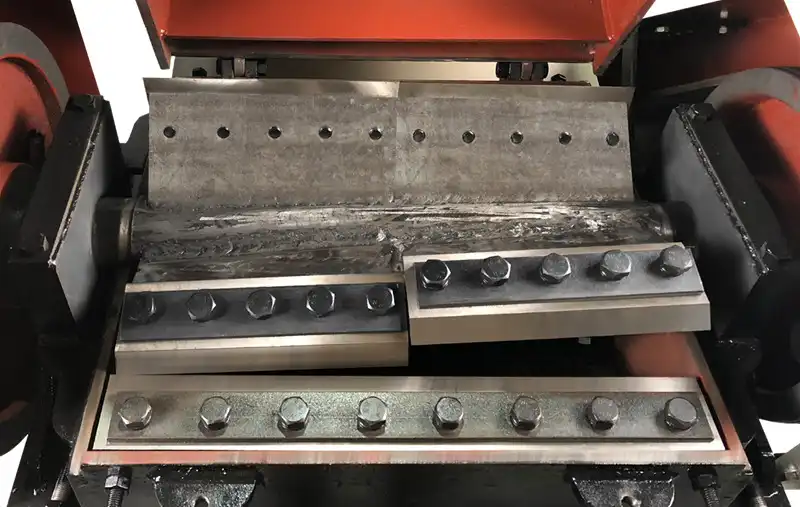
Every PVC pipe breaker has a device that looks very simple but is actually very well thought out. Once you put PVC pipes into the machine, the feeding system and gravity will move the pipes to the breaking area. Inside this cylinder, there is a rotor that spins very quickly and has many cutting blades grouped in certain ways. When these blades touch fixed counter-blades that are attached to the room walls, they cut like scissors. Depending on the model, the spinning speed is usually between 600 and 1200 RPM. This creates a huge amount of kinetic energy that cuts through hard PVC material very quickly and easily.
Material Flow and Size Reduction Stages
PVC pipes don't just go in and out as separate pieces all at once. There are actually several steps of size reduction in the breaking process. Larger pieces of pipe break into pieces about 50 to 80 millimeters long during the first touch. These bits keep moving around inside the chamber and hitting blade edges over and over again until they reach the goal size. A perforated screen placed under the rotor sets the end particle size. Only materials small enough to fit through the holes in the screen leave the chamber, leaving the larger pieces inside for further processing. This method of continuous reduction makes sure that the quality of the output is always the same, which is important for recycling processes that come after. Depending on what needs to be done next, the screen mesh sizes usually run from 8 mm to 50 mm. Crushing productivity depends a lot on choosing the right screen based on the properties of the material and the goals of the production.
Critical Components Working in Harmony
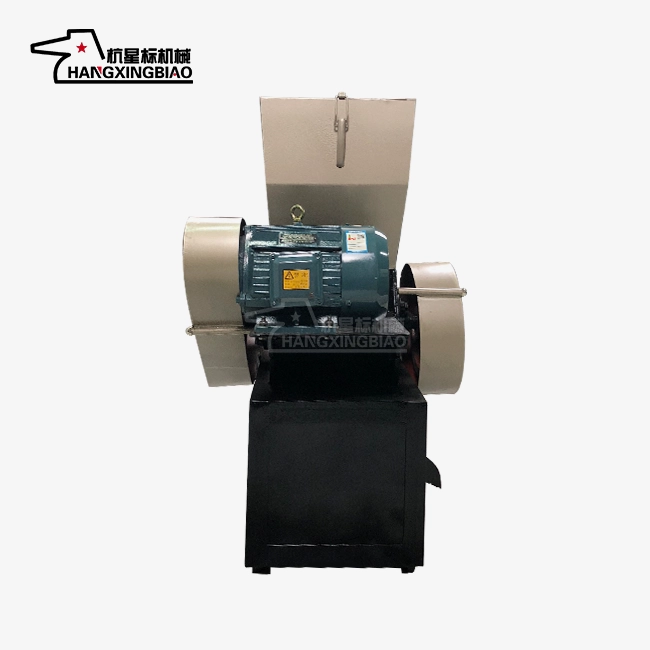
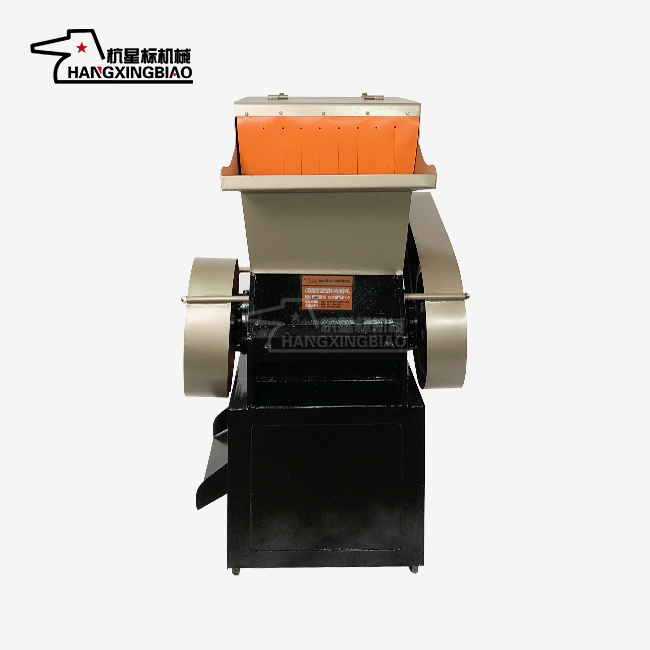
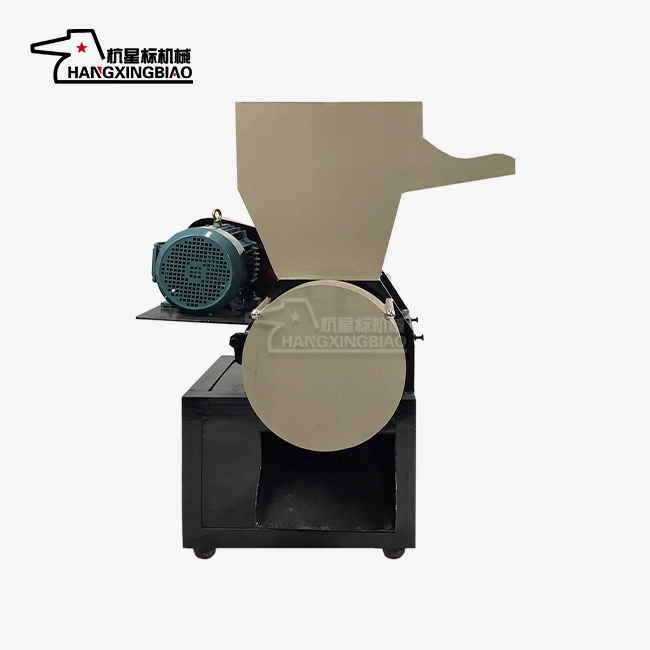
Blades do the work that you can see, but many other processes work together to make sure that the machine works well. The motor gives spinning power, which is usually between 7.5 kW and 75 kW for small machines and 75 kW for large ones. This power is sent to the rotor shaft by a belt drive or direct coupling. The coupling or drive allows some mechanical flexibility, which saves parts from shock loads when hard items enter the chamber by mistake. The feeding hopper is made in a way that stops bridging, which is when pipes get stuck at the entrance and don't run easily downward. Compared to gravity-fed designs, advanced models have hydraulic ram feeders that actively push material into the cutting zone. This makes the output a lot higher. If entry doors open or if the machine shakes in a way that doesn't seem normal, safety interlocks stop it right away. This keeps both workers and equipment from getting damaged.
Recent Technological Innovations
These days, PVC pipe breakers use new technologies that weren't around even ten years ago. Programmable logic controls now keep an eye on the working parameters in real time and change the rotor speed automatically based on the feed rate and density of the material. This smart control keeps the motor from overheating and keeps the best braking efficiency, no matter what kind of material comes in. The materials used to make blades have also changed a lot. In the past, crushers used normal tool steel that needed to be sharpened often. These days, machines use special metals like SKD-11 and D2 mold steel. These materials go through vacuum heat treatment and then deep cryogenic processing, which changes the structure of the molecules and makes them very hard and resistant to wear. This process makes blades that keep their sharp cutting edges up to five times longer than regular steel. This means that they need much less upkeep and downtime.
PVC Pipe Crusher Factory Processes Explained
Complete Workflow from Collection to Output
When you go to more established PVC pipe crusher factories, you'll see that breaking PVC pipes isn't a separate process, but rather a part of larger systems for moving materials. The first step in the process is collecting trash, where workers sort pipes by width and wall thickness. It turns out that this sorting step is more important than most people think. Mixing thin-walled drainage pipes with thick-walled pressure pipes can lead to uneven crushing and too much blade wear. After the materials are sorted, they are sent to the receiving stage, where pipes are put into the crusher bin by conveyors or by hand. However, this can change depending on the size and thickness of the pipe walls. The breaking stage itself usually takes two to four seconds per section. After being crushed, the materials go through the tube and into collection bins or pneumatic systems that move the granules to storage tanks.
Operational Stages and Process Optimization
To keep flow rates steady, the filling step needs to be carefully watched. Overfeeding puts stress on the motor and doesn't fully crush the material, while underfeeding loses capacity. Motor voltage and sound changes help experienced workers figure out the best loading rhythm. For example, a fully loaded crusher makes a steady, deep hum instead of the high-pitched whine of an underloaded machine. Screening and breaking happen at the same time as the materials move around in the cylinder until they reach the right size. Some plants have extra screening stations further down the line. These have vibrating screens that sort out any large particles that got through during high-volume operation. This double screening makes sure that the quality of the result stays the same, even when production is high.
Factors Influencing Factory Throughput
Production ability is affected by many factors that are linked to each other. Size does matter when it comes to crushers—one with a 600mm rotor width can break down materials faster than one with a 400mm unit. The design of the feed system also has a big effect on output. For example, passive gravity-fed hoppers can't keep up with the steady flow of material like hydraulic ram feeders can. The size of the screen holes also affects the cycle time. For example, smaller holes need to be held in the breaking chamber for longer amounts of time. The properties of the material have just as much of an effect on output as the features of the tools. Rigid lines break down more quickly than bendable tubes, and they clean up waste better than materials that are dirty or still contain contents. The temperature of the area also changes the rate of processing. For example, PVC is more likely to break when it is cold, so it is crushed more quickly, but sometimes into small, uneven pieces instead of uniform grains.
Maintenance Routines and Safety Protocols
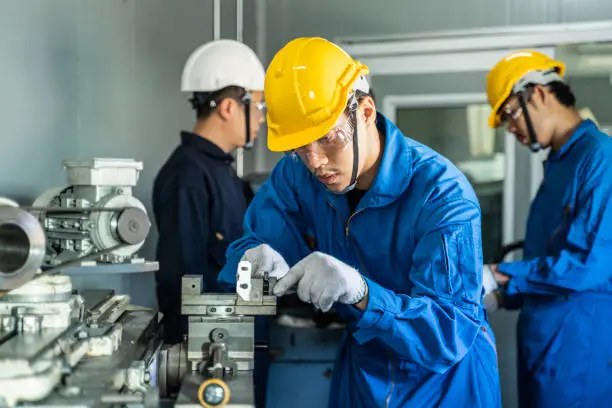
Facilities that break down often are different from those that are up 95% of the time or more because they follow strict repair plans. As part of daily inspections, the state of the blades, the integrity of the screen, and the functionality of the safety buttons are all checked. Operators should listen for odd bearing noise, which means problems are starting to happen, and check the belts for wear and the right amount of strain. As part of the weekly upkeep, the chamber must be thoroughly cleaned to get rid of any buildup of material, and the torque of the motor fixing bolts must be checked. Every month, specific measurements of the blades are made to keep track of how fast they wear down and figure out the best time to replace them. Instead of waiting for blades to break completely, replacing them strategically when they hit 70% of their original thickness keeps them working well and stops catastrophic failures.
Comparison and Selection Criteria for PVC Pipe Crusher Factories
Essential Assessment Criteria
When evaluating possible equipment providers from PVC pipe crusher factories, it's important to look beyond the stated specs and see how well the equipment can actually be used. The level of complexity in manufacturing facilities varies hugely. Some use modern CNC machining centers and coordinate measuring machines to make sure tight tolerances, while others use simple production methods that give them results that are useful but not always consistent. Before choosing a provider, make sure you have all the information you need about how the products are made, how they are tested, and how quality is controlled.
Cost Considerations and ROI Analysis
The initial cost of buying tools is only one part of the real costs of ownership. A cheaper machine that needs new blades often and uses a lot of electricity may end up costing a lot more in the long run than a more expensive model that was bought with more care. As part of a full cost analysis, the blades' estimated service life, how much power they use per ton handled, and how often they are expected to be maintained should all be looked at.
Supplier Reliability and Partnership Evaluation
Certifications are objective proof of a supplier's skills and dedication to quality standards. ISO 9001 certification shows that quality control methods are well-established, and CE marking shows that products meet European safety standards. Professional organizations that certify people in a certain field show that they are involved with larger technology groups and follow best practices.
Benefits of PVC Pipe Profile Crushers in Industrial Recycling
Environmental and Economic Advantages
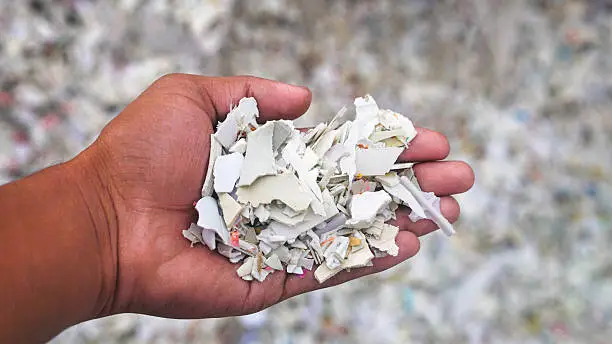
Using PVC pipe breakers in recycling processes has measurable environmental benefits that are in line with business sustainability goals. Recycling one ton of PVC saves about 1.8 tons of CO2 emissions compared to making new material, which helps reach goals for reducing our carbon footprint. Material recycling cuts down on the need for feedstocks that come from petroleum, which protects natural resources and supports the cycle economy idea that things should be used instead of being thrown away.
Factory-Level Impact and Compliance
Environmental laws are making it more and more necessary to reduce trash and recycle, especially in factories that make a lot of plastic waste. Putting in breaking equipment shows that you are following the rules and makes it easier for businesses to get environmental permits and certifications. Being proactive about managing trash often earns you points with regulatory bodies, which can help you when you apply to renew your permit or make an extension.
Real-World Performance Data
In 2021, a recycling center in the mid-Atlantic that processed building trash added a 45 kW PVC pipe crusher. The center was up 98% of the time and could break down 850 kg of mixed diameter pipes per hour. The business makes $127,000 a year from selling granules and avoids $48,000 in dumping fees. Even though the equipment cost more at first because it had more advanced building and automation features, it paid for itself in 22 months.
Procurement Guide: How to Buy the Right PVC Pipe Profile Crusher
Identifying Operational Requirements
To successfully buy tools from PVC pipe crusher factories, you should first be very clear about what you need, rather than just asking for quotes on standard types. Figure out how much trash you really make over a range of time periods, taking into account yearly changes if needed. Write down the diameter ranges, wall thicknesses, levels of pollution, and whether the materials you'll be processing come in full-length lines or pre-cut pieces.
Procurement Process Steps
Instead of just asking for price quotes during the research stage, you should be clear about what you need. Give a lot of details about the materials, the expected capacity, the integration needs, and any other factors that might affect the choice of equipment. When a good maker responds, they will give you expert advice and may even suggest other ways to do things that you hadn't thought of.
After-Sales Service Evaluation
The availability of technical help has a big effect on how happy people are with the tools they buy in the long run. When problems happen, will you be able to get in touch with skilled technical staff, or will you only be able to talk to salespeople who can't help with practical issues? Does the company give you thorough technical paperwork, repair manuals, and troubleshooting guides, or is there not much information and you have to figure things out by yourself?
Conclusion
To choose the right PVC pipe profile crusher, you need to know both how these tools work technically and how they work in a larger operating context. The main way that the crusher works is with carefully designed blades that create cutting forces that gradually lower pipe sizes by controlling the flow of material and screening it. Wear-resistant blade materials, smart control systems, and energy-efficient designs are just a few of the technical improvements that have made modern crushers better than older generations of equipment. To successfully add crushers to recycle or production processes, you need to pay close attention to how the processes work, how to maintain them, and how to choose a seller. The environmental and economic benefits are huge. They include lower costs for getting rid of trash, extra money from selling recovered materials, and support for sustainability goals that have a bigger impact on business operations and image.
FAQ
What capacity crusher do I need for my facility?
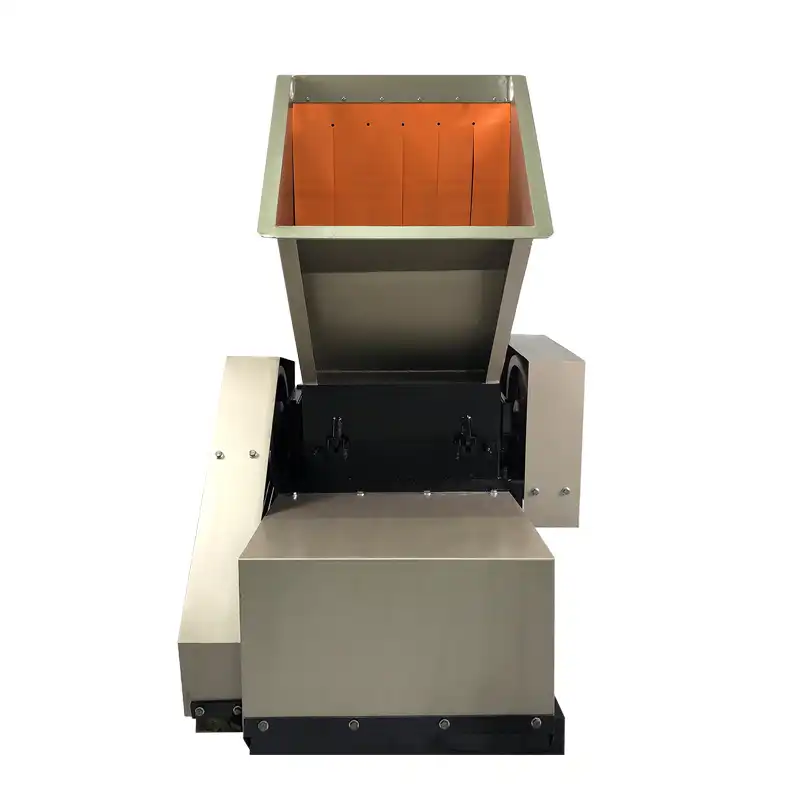
How much space you need depends on how much waste you make, how often you run your business, and whether you'll be processing things constantly or in batches. A factory that makes 2,000 kg of PVC trash every day and works 8-hour shifts needs a crusher that can handle 250 to 300 kg per hour, which means it needs to be 22 to 30 kW. Add 25–50% more space to allow for growth and managerial freedom. The properties of the material also affect productivity. For example, rigid lines can handle more work than flexible materials.
How often do crusher blades need replacement?
Blade life is very different depending on how the material is made, the quality of the material used, and how it is used. When used on well-kept crushers that process clean PVC pipes, premium SKD-11 blades usually last between 800 and 1200 hours. Materials that are dirty and have metal fixings or rough dirt on them shorten the life of blades by 50 to 70%. Instead of waiting for the blade to break completely, check its state on a regular basis and replace it when the cutting edges show a lot of wear.
Can one crusher handle different pipe types?
By changing the screen sizes and feed rates, good crushers from PVC pipe crusher factories can handle different kinds of PVC pipes, such as schedule 40, SDR, and thin-walled sewage pipes. When the design is quick-change, screen changes usually take 15 to 30 minutes. Mixing very different materials at the same time wastes time and energy, so working with similar materials in groups is more efficient than moving back and forth between rigid tubing and flexible hoses all the time.
Partner with Xingbiao for Superior PVC Pipe Crushing Solutions
Finding a reliable manufacturer among numerous PVC pipe crusher factories requires careful evaluation of technical capabilities, product quality, and long-term support commitment. Xingbiao Machinery specializes exclusively in plastic crushing equipment with three decades of focused development, delivering the expertise and reliability your operation demands. Our crushers feature high-strength welded steel construction with stress-relief treatment ensuring dimensional stability during continuous operation, while SKD-11 and D2 mold steel blades undergo vacuum heat treatment and cryogenic processing for exceptional wear resistance.
Complete after-sales support distinguishes our customer partnerships—we respond to inquiries within 24 hours, provide installation guidance and operator training, and maintain an extensive spare parts inventory for minimal downtime. Whether you need a PVC pipe crusher factory supplier for standard models or customized solutions for unique applications, our team provides technical consultation and ongoing support, ensuring your equipment investment delivers optimal long-term value. Contact us at xingbiaocrusher@xingbiaocrusher.com to discuss your specific requirements with our application engineers, who will recommend the ideal crushing solution for your operation.
References
1. Thompson, R.C., and Williams, M. (2021). Industrial Plastic Waste Processing: Technologies and Applications. Cambridge: Manufacturing Press.
2. Chen, H., Wang, L., and Zhang, Y. (2020). "Mechanical Size Reduction of PVC Materials: Process Optimization and Equipment Design." Journal of Polymer Processing Technology, 45(3), 287-304.
3. European Plastics Recycling Association. (2022). Best Practices for PVC Pipe Recycling Facilities. Brussels: EPRA Technical Publications.
4. Morrison, J.A. (2019). Equipment Selection Guide for Plastic Recycling Operations. New York: Industrial Engineering Publishers.
5. International Society of Plastics Engineers. (2021). "Size Reduction Technologies for Thermoplastic Materials." ISPE Technical Standards, Volume 12, 156-189.
6. Davis, K.M., and Patterson, S.R. (2023). Circular Economy Applications in PVC Manufacturing and Recycling. London: Sustainability Research Institute.
Learn about our latest products and discounts through SMS or email