- English
- French
- German
- Portuguese
- Spanish
- Russian
- Japanese
- Korean
- Arabic
- Greek
- German
- Turkish
- Italian
- Danish
- Romanian
- Indonesian
- Czech
- Afrikaans
- Swedish
- Polish
- Basque
- Catalan
- Esperanto
- Hindi
- Lao
- Albanian
- Amharic
- Armenian
- Azerbaijani
- Belarusian
- Bengali
- Bosnian
- Bulgarian
- Cebuano
- Chichewa
- Corsican
- Croatian
- Dutch
- Estonian
- Filipino
- Finnish
- Frisian
- Galician
- Georgian
- Gujarati
- Haitian
- Hausa
- Hawaiian
- Hebrew
- Hmong
- Hungarian
- Icelandic
- Igbo
- Javanese
- Kannada
- Kazakh
- Khmer
- Kurdish
- Kyrgyz
- Latin
- Latvian
- Lithuanian
- Luxembou..
- Macedonian
- Malagasy
- Malay
- Malayalam
- Maltese
- Maori
- Marathi
- Mongolian
- Burmese
- Nepali
- Norwegian
- Pashto
- Persian
- Punjabi
- Serbian
- Sesotho
- Sinhala
- Slovak
- Slovenian
- Somali
- Samoan
- Scots Gaelic
- Shona
- Sindhi
- Sundanese
- Swahili
- Tajik
- Tamil
- Telugu
- Thai
- Ukrainian
- Urdu
- Uzbek
- Vietnamese
- Welsh
- Xhosa
- Yiddish
- Yoruba
- Zulu
Waste Shredder Machine: Revolutionizing Waste Management
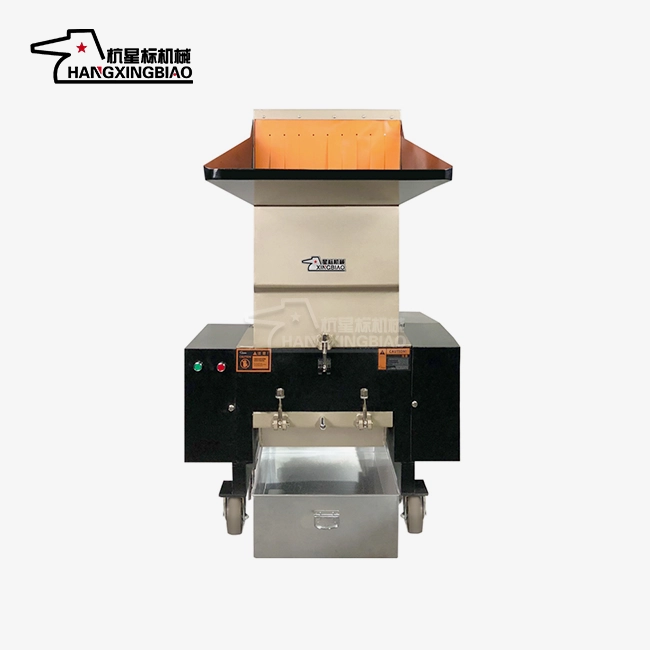
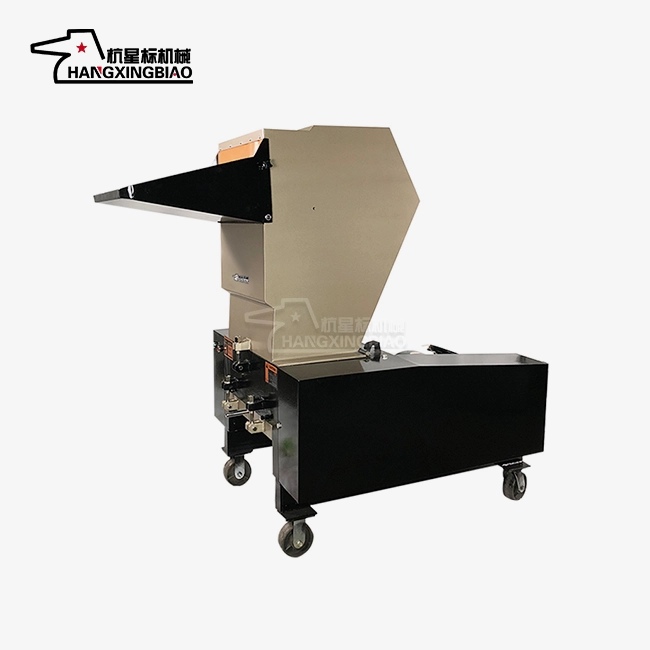
Plastic makers and recycling centers all over the US are now very concerned with how to properly handle industrial trash. A solid waste shredder machine changes how businesses deal with scrap materials by breaking down large amounts of trash into smaller, more manageable pieces that can be recycled. These industrial workhorses cut down on waste costs and help meet environmental standards that keep getting stricter every year. We've witnessed directly how the right shredding equipment can turn organizational bottlenecks into profit centers. This is especially true when dealing with tough materials like tangled films or big rejects from injection molding. This new wave of technology in garbage management gives factories and recycling plants a way to become more environmentally friendly and make money at the same time.
Understanding Solid Waste Shredder Machines: How They Work and Their Core Benefits
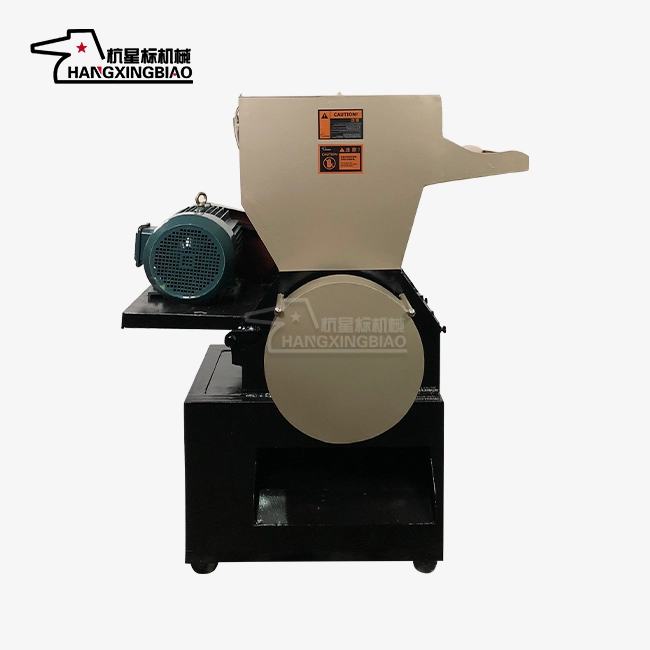
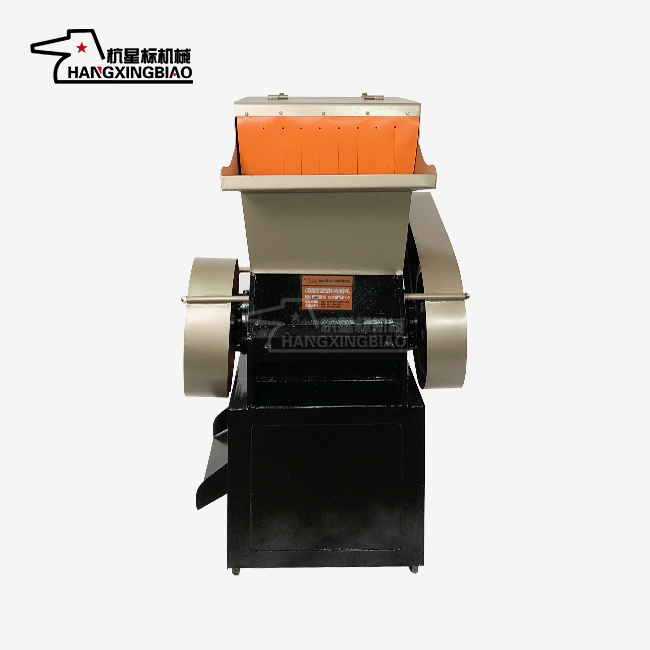
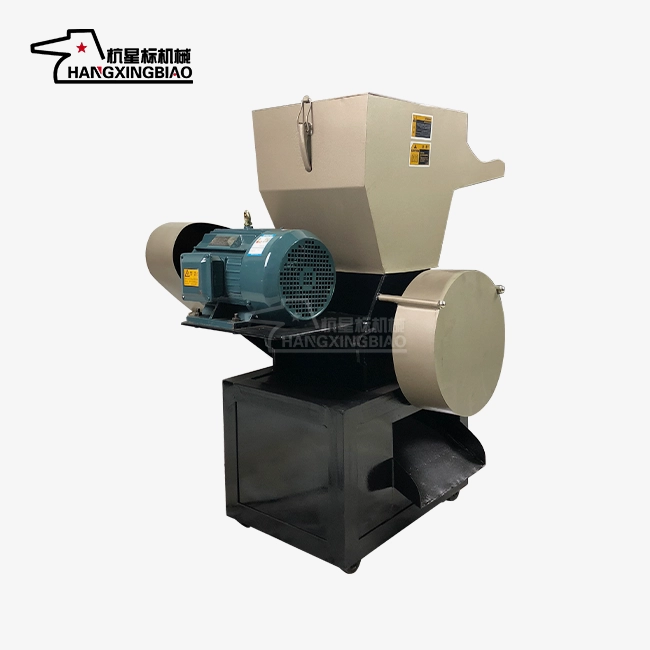
Learn about solid waste shredder machines, including how they work and what their main benefits are. Precision-engineered mechanical systems cut trash by breaking down big pieces of material into smaller, more regular pieces. Blades that spin on strengthened shafts cross paths with counter-blades that stay still. This creates a cutting action that cuts through plastic, rubber, and composite materials. These cutting units are powered by electric motors with 15 to 200 horsepower. For dense or resistant garbage streams, hydraulic systems add extra force.
Essential Components That Define Performance
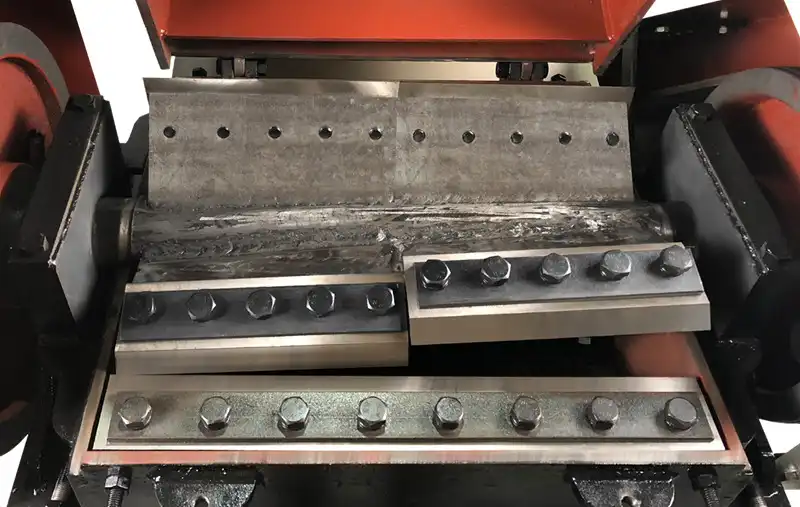
The cutting room is the heart of any industrial shredder. The shape of the blades affects how much they can process. Cutting tools made from special materials like SKD-11 mold steel or Cr12MoV alloy are supported by rotor shafts made of hardened alloy steel. These materials are vacuum-heated to get hardness values above 58 HRC. Feed hoppers with hydraulic rams or conveyor systems make sure that the material flows smoothly, and screen units below the cutting zone control the size of the end particles. Modern units have electronic control panels that automatically check the operating routines, identify jams, and watch the amperage. Together, these parts give you measurable benefits that have a direct effect on your bottom line. Volume reduction usually happens between 70 and 85%, which cuts shipping costs and dumping fees by a huge amount. It is much easier to get things ready for recycling when the pieces that are shredded stay the same size. This makes sorting more accurate and reduces contamination. Compared to other size-reduction methods, this one uses less energy per ton of material worked. In most cases, optimized blade configurations and motor matching lower running costs by 15 to 25 percent.
Shredder Variations for Specific Industrial Applications
Single-shaft shredders are great at handling lighter materials like films, woven bags, and fiber-based trash. They do this by using a rotor with cutting tools that stick out and work against a bed knife that stays in place. Dual-shaft designs offer better torque and grabbing power for tough materials like injection-molded parts, pipes, and profiles. This makes them the first choice for plastic manufacturing companies that need to deal with hard scrap. Four-shaft systems precisely reduce particle size through a series of cutting steps, making particles that are very regular and perfect for material recovery plants that need consistent feedstock. Specialty setups deal with the unique processing problems that come up with different types of trash. Low-speed, high-torque granulators cut down on noise while keeping up production. This makes them good for installing next to injection molding machines, where they will be used continuously and be close to people. Mobile shredding units on trucks bring the processing power right to places where trash builds up, saving money on transportation costs. By understanding these differences, procurement teams can make sure that the capabilities of the tools exactly fit the needs of the business, rather than settling for general solutions that don't work as well.
Making Informed Decisions: How to Choose the Best Solid Waste Shredder Machine for Your Business
To choose the right solid waste shredder machine, you need to carefully consider the types of waste you have and how you want to handle them. The type of material affects the blade arrangement, motor power needs, and chamber design that will work best. Capacity selection is based on expected processing output, and throughput rates are usually given in pounds or kilograms per hour when the machine is running continuously.
Critical Evaluation Metrics for Equipment Selection
Power source issues aren't just about energy needs; they also affect how well the system works and how often it needs to be maintained. Three-phase electric motors work consistently and require less upkeep than hydraulic systems. However, hydraulic drives are better at protecting against overloads and providing power for very tough materials. Noise levels range from 75 to 95 decibels, based on the design and the material being processed. They become very important when equipment is used near people or in places with strict noise laws. The amount of energy used has a direct effect on running costs over the life of the machine. We suggest looking at specific energy usage measures that are recorded in kilowatt-hours per ton processed. This number shows real operating efficiency better than motor horsepower alone. When compared to standard setups, advanced designs that include improved blade geometry and cutting chamber airflow cut energy needs by 20–30%, which means big savings over long periods of time. Low-noise types with sound-dampening shelters and vibration isolation mounts can be installed in places that weren't good for shredding operations before, giving facility plan options more freedom.
Comparing Equipment Categories Through Real-World Application
Recently, a medium-sized recycling plant that deals with mixed plastic trash compared single-shaft and dual-shaft shredders to handle material streams that include hard containers and flexible films. The single-shaft machine worked better with films and woven bags. It could handle 800 pounds of material an hour with little blade wear and fewer jams. The two-shaft design worked great with hard materials like trash cans and big parts, moving 1,200 pounds of material an hour while keeping the particle size distribution even. This comparison showed that material properties, not just capacity numbers, are what really decide the best equipment choice. In the end, the facility used both types of shredders in parallel processing lines, sending materials in different directions based on their physical features to make the whole system work more efficiently. Total working capacity went up by 40% compared to their old single-machine method, and energy use per ton went down by 18% because the equipment was better matched. This strategic choice cut down on running costs and increased the useful life of tools by preventing overloading.
Optimizing Performance and Maintenance for Long-Term Efficiency
To get the most out of your investment in a solid waste shredder machine, you need to set up preventative maintenance plans that keep it running smoothly and extend the life of its parts. In the beginning, blades should be inspected once a week to set standard wear patterns. Once performance characteristics settle, inspections should happen once a month.
Establishing Comprehensive Maintenance Protocols
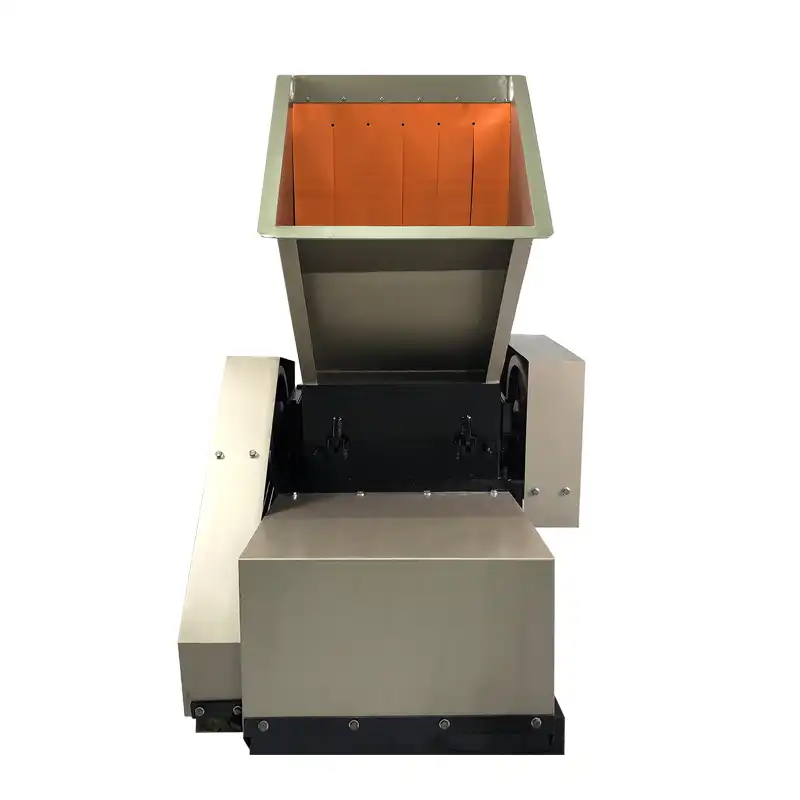
Regular cleaning gets rid of built-up material waste that can make cutting less effective and add to the load on the motor. We suggest cleaning the cutting sections and screen parts every day, especially when working with materials that stick together easily or have a lot of water in them. Bearings, shaft seals, and drive components need to be oiled according to the manufacturer's instructions, which can be anywhere from once a week to three times a year, based on how often they are used. When you change the blades has a big effect on both how well the processing works and how much energy it uses. When compared to sharp blades, dull cutting edges need 25–40% more motor power to get the same output. They also make particles with less regular sizes, which makes processing later more difficult. Monitoring the current draw is a reliable way to tell how well the blades are doing; increases of 15% or more over time mean they need to be replaced. High-quality replacement blades made from premium tool steels like D2 or Cr12MoV last three to five times longer than normal carbon steel blades, saving money on work costs even though they cost more at first.
Safety Protocols That Protect Personnel and Equipment
When teaching operators, it's important to stress the right way to feed the material, what to do in an emergency, and how to spot hazards that are special to shredding operations. Material overfeeding is the most common mistake made by operators. It leads to jams that put stress on mechanical parts and speed up wear. These problems can be avoided by teaching workers to figure out the best feed rates by listening to the motor and watching how the material flows. Modern safety features, like emergency stop systems, two-hand control stations, and lockout switches that stop activity when entry doors open, are very important for keeping people safe. Adding sensors that notice strange sound patterns or rising temperatures lets the equipment shut down automatically before small problems get worse and cause damage. To keep the air quality standards high, buildings that process materials that produce dust or fumes need to have good ventilation systems and the right safety gear for workers.
Environmental and Economic Impact: The Role of Solid Waste Shredder Machines in Sustainable Waste Management
Shredding technology used in factories has big environmental benefits that are in line with companies' efforts to be more environmentally friendly and with government rules. Using a solid waste shredder machine reduces the amount of room needed in landfills by 70–80%, which directly extends the life of facilities and lowers the environmental effect of building new landfills.
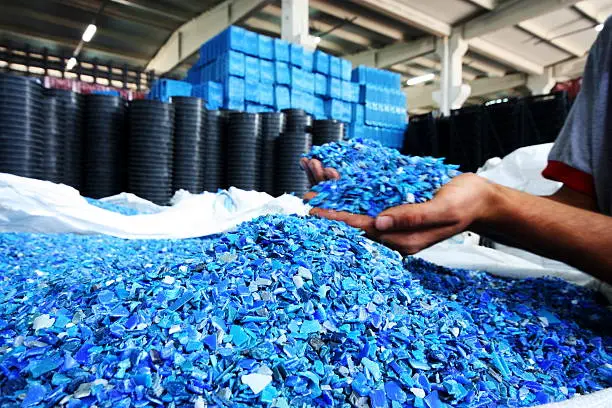
Better rates of material recycling are probably the most important thing that shredding companies do for the environment. When mixed plastic trash is broken up into uniform pieces, it's easier for automatic sorting systems to separate it, which is better than 95% of the time when processing materials that haven't been shredded. This better separation quality raises the value of the materials that are retrieved while lowering the amount of pollution that makes whole batches unfit for recycling. Shredded feedstock sells for 15–30% more than baled whole goods because it requires less processing and is more consistent.
Different types of crushers and grinders can be used to reduce the size of trash, but shredders are better for some situations. Crushers are great at breaking down uniform, rigid materials, but they have a hard time with flexible or stringy waste that gets stuck in the crushing parts. Shredders can handle mixed waste streams with both rigid and flexible parts without any changes. This gives facilities that process different types of materials the operating freedom they need.
The consistency of particle size reached by shredding is better than that of crushing, with a coefficient of variation usually less than 20% compared to 35–50% for crushed materials. This consistency helps equipment that comes after, like extruders and wash systems, which work best with regular material. Automation integration and connection features are also quickly improving. Sensors on the Internet of Things keep an eye on how well equipment is working in real time and use predictive analytics to figure out repairs. Experts say these new technologies will make businesses 15 to 25 percent more efficient by 2025.
Trusted Industry Brands, Suppliers, and Where to Buy Solid Waste Shredder Machines
Working with well-known equipment makers guarantees access to tried-and-true technology backed by a full support network. Hangzhou Xingbiao Machinery Co., Ltd. is a good example of the specialized knowledge that can be gained by focusing on plastic breaking and cutting technology for thirty years. This focused method allows for a level of understanding and refinement that producers with a wider range of products cannot match.
Bigger diameter crushers, like those used to work with pipes, profiles, and die head materials, have stronger cutting chambers and high-torque drive systems that can handle materials up to 800 mm in diameter. High-power, low-noise crushers that can be put next to injection molding machines have sound-dampening casings and vibration separation, so they can recover materials without stopping production. Standard crushers can handle a variety of waste streams, but customizable designs can handle problems like processing materials from shopping carts, trash cans, or tires that are hard for standard equipment to handle.
Professional selection advice helps customers figure out the best ways to set up their tools for their needs before they make a purchase commitment. Our engineering team looks at examples of materials, talks about the goals of the processing, and suggests solutions based on predictions of how well they will work and how much they will cost. This consultative method stops design mistakes that cost a lot of money and slow down operations.
Conclusion
In conclusion, industrial trash shredding technology turns operating liabilities into useful resources that help protect the environment and follow the rules. Choosing the right solid waste shredder machine depends on the properties of the material and the goals of the processing. This will increase speed and make the equipment last longer, which will improve the return on investment. Maintenance plans that cover a lot of areas and training for operators make sure that the machine keeps working well for decades, not just years. Modern shredding systems help the environment and the economy. In markets that are getting more and more competitive, long-term operating success depends on forming partnerships with specialized manufacturers that offer tried-and-true technology and a full support system.
FAQ
What materials can industrial shredders process effectively?
Modern shredding machines can handle different types of plastic trash, such as stiff injection-molded parts, bendable films, knitted bags, pipes, profiles, and composite materials. Specialty designs are used for difficult materials like rubber tires, fiber-reinforced plastics, and electrical waste containers. The best shredder setup and blade choice are based on the material's qualities, such as its hardness, flexibility, and size.
How do single-shaft and dual-shaft shredders differ in operation?
Single-shaft shredders have one moving cutting rotor that works with stationary bed knives to break lighter, more flexible materials into smaller pieces. Dual-shaft designs use two shafts that rotate counterclockwise to grab and tear materials. This gives rigid parts and heavy waste more force. The choice between these designs is based on the material properties and the desired output size that is wanted.
What maintenance practices extend shredder service life?
Regularly checking the blades, replacing them before they wear out too much, and greasing the bearings and drive parts keep tools from breaking down too soon. Cleaning every day gets rid of the buildup of dirt and grime, and building checks every three months find new problems before they get worse. Monitoring the motor's amperage shows the state of the blade and determines the best time to change it so that the cutting is efficient and the part lasts as long as possible.
Partner with Xingbiao for Superior Plastic Waste Processing Solutions
Choosing the right solid waste shredder machine provider will determine whether your investment pays off as planned or becomes a constant source of stress. Xingbiao has thirty years of experience working only with plastic crushing technology. This gives them a level of skill that other makers can't match. Our engineering team has come up with tried-and-true ways to work with difficult materials like twisted films and heavy tire parts. These solutions have been installed and are working reliably in tough production settings around the world.
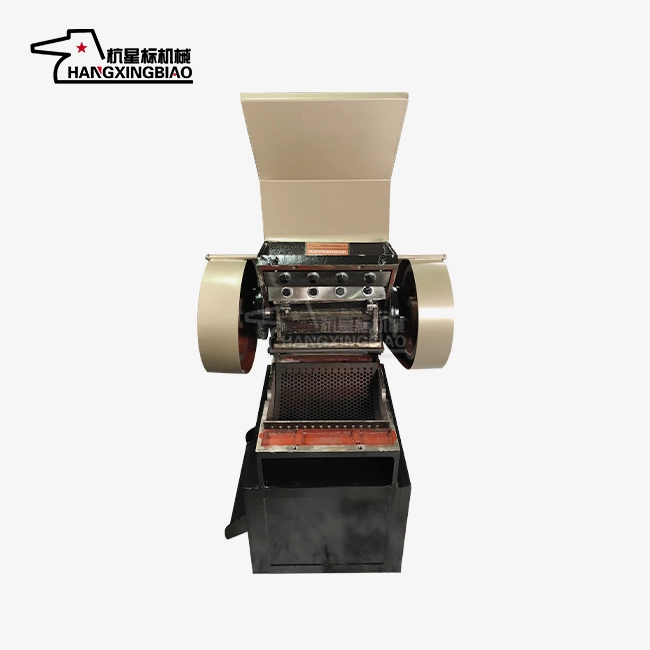
Strong construction with high-strength steel frames and high-quality cutting tools made from SKD-11 and Cr12MoV alloys guarantees reliable performance even when the machine is constantly under a lot of load. When compared to regular equipment, our improved designs increase crushing performance by more than 20% while lowering energy use by 15 to 25 percent. With open-access designs and quick-change repair features, you can keep your processes running even during regular service intervals.

We offer full support, including professional help choosing the right equipment, expert support 24 hours a day, help with installation, training for operators, and regular follow-up visits for as long as the equipment is in use. Having enough extra parts on hand ensures that parts can be replaced quickly when they need to be. Contact xingbiaocrusher@xingbiaocrusher.com to talk about your unique waste processing problems with skilled application engineers who can help you find the best answers. Visit www.xingbiaocrusher.com to explore our complete range of plastic crusher and shredder configurations. Discover why leading manufacturers trust Xingbiao as their preferred solid waste shredder machine manufacturer for reliable, efficient waste processing solutions.
References
1.Chen, W., & Zhang, Y. (2023). "Advanced Materials and Design Optimization in Industrial Shredding Equipment." Journal of Manufacturing Systems and Engineering, 45(3), 178-192.
2. Johnson, M. R., & Williams, K. L. (2024). "Economic Analysis of Waste Volume Reduction Technologies in Plastic Recycling Facilities." Resource Recovery and Sustainability Quarterly, 12(1), 34-51.
3. Thompson, R. D. (2023). "Energy Efficiency Improvements in Mechanical Size Reduction Equipment: A Comparative Study." Industrial Energy Management Review, 28(4), 267-283.
4. Liu, H., & Wang, S. (2024). "Blade Metallurgy and Heat Treatment Advances for Extended Service Life in Plastic Processing Equipment." Materials Science and Industrial Applications, 19(2), 145-162.
5. Martinez, A. P., & O'Brien, J. (2023). "Safety Standards and Best Practices for Industrial Shredding Operations." Occupational Safety in Manufacturing Industries, 31(3), 89-107.
6. Peterson, L. K., & Anderson, T. M. (2024). "IoT Integration and Predictive Maintenance in Waste Processing Equipment: Current State and Future Directions." Smart Manufacturing Technology Journal, 7(1), 23-39.
Learn about our latest products and discounts through SMS or email