- English
- French
- German
- Portuguese
- Spanish
- Russian
- Japanese
- Korean
- Arabic
- Greek
- German
- Turkish
- Italian
- Danish
- Romanian
- Indonesian
- Czech
- Afrikaans
- Swedish
- Polish
- Basque
- Catalan
- Esperanto
- Hindi
- Lao
- Albanian
- Amharic
- Armenian
- Azerbaijani
- Belarusian
- Bengali
- Bosnian
- Bulgarian
- Cebuano
- Chichewa
- Corsican
- Croatian
- Dutch
- Estonian
- Filipino
- Finnish
- Frisian
- Galician
- Georgian
- Gujarati
- Haitian
- Hausa
- Hawaiian
- Hebrew
- Hmong
- Hungarian
- Icelandic
- Igbo
- Javanese
- Kannada
- Kazakh
- Khmer
- Kurdish
- Kyrgyz
- Latin
- Latvian
- Lithuanian
- Luxembou..
- Macedonian
- Malagasy
- Malay
- Malayalam
- Maltese
- Maori
- Marathi
- Mongolian
- Burmese
- Nepali
- Norwegian
- Pashto
- Persian
- Punjabi
- Serbian
- Sesotho
- Sinhala
- Slovak
- Slovenian
- Somali
- Samoan
- Scots Gaelic
- Shona
- Sindhi
- Sundanese
- Swahili
- Tajik
- Tamil
- Telugu
- Thai
- Ukrainian
- Urdu
- Uzbek
- Vietnamese
- Welsh
- Xhosa
- Yiddish
- Yoruba
- Zulu
What Is a Plastic Film Shredder Machine and How It Works?
Knowing how to use the right tools can make a huge difference in how well you handle plastic trash in manufacturing or recycling settings. A plastic film crusher machine for PET is a specialized industry machine made to reduce polyethylene terephthalate (PET) film materials to smaller pieces or bits that are easier to handle. These machines have spinning blades on high-speed shafts that cut, shear, and crush thin plastic films that are hard to work with because they are so light and bendable. The output is all the same size, which makes it easier to wash, sort, and reprocess into new plastic goods. In today's circular economy, these breakers are essential.
Understanding Plastic Film Shredder Machines for PET
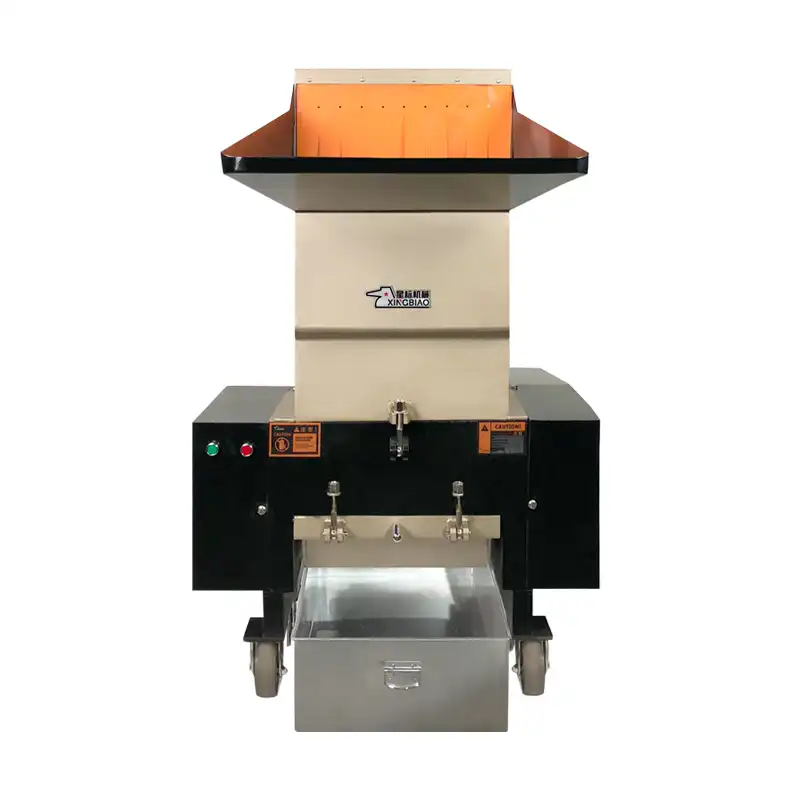
What Defines a Plastic Film Crusher for PET Materials
The technical accuracy that separates general plastic crushers from those made just for processing plastic film crusher machine for pet is what makes them different. Both PET bottle crushers and film shredders work on similar mechanical principles, but their rotors, blades, and screens are very different. Bottle crushers are designed to break down hard containers, while film-specific machines are designed to handle the unique task of breaking down thin, tangled sheets that can get stuck around normal blades and stop the machine from working.
Core Components That Power Film Crushing Operations
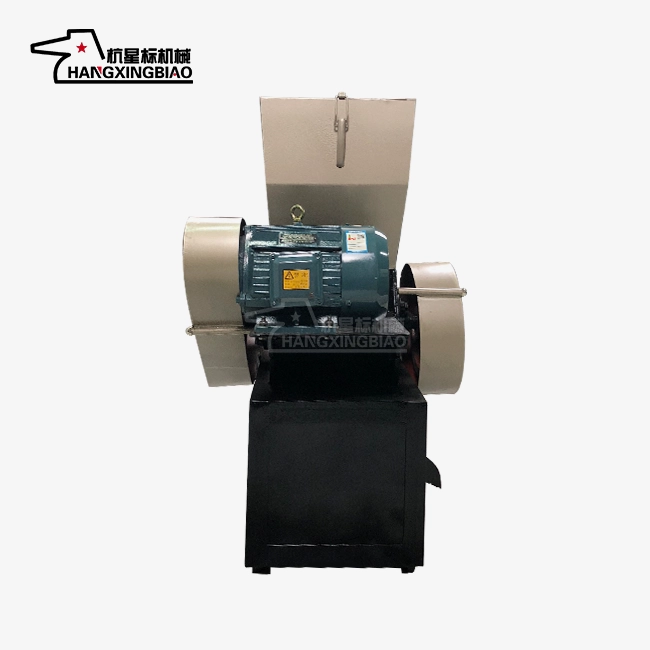
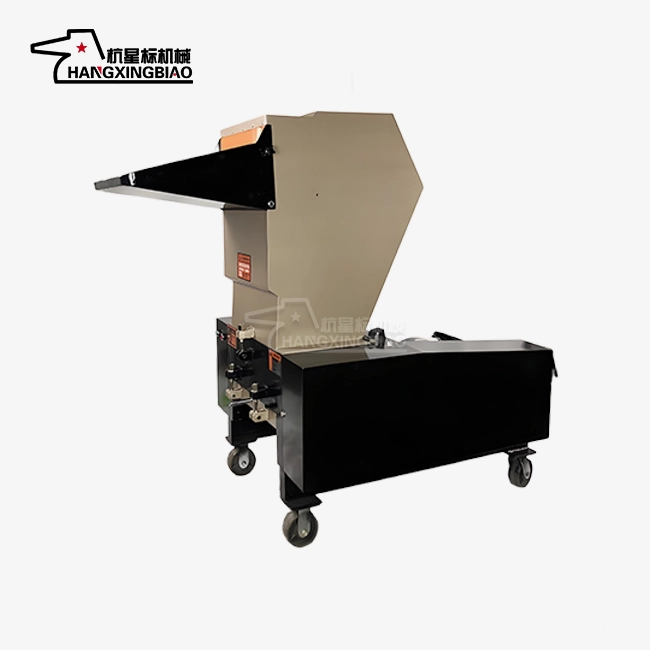
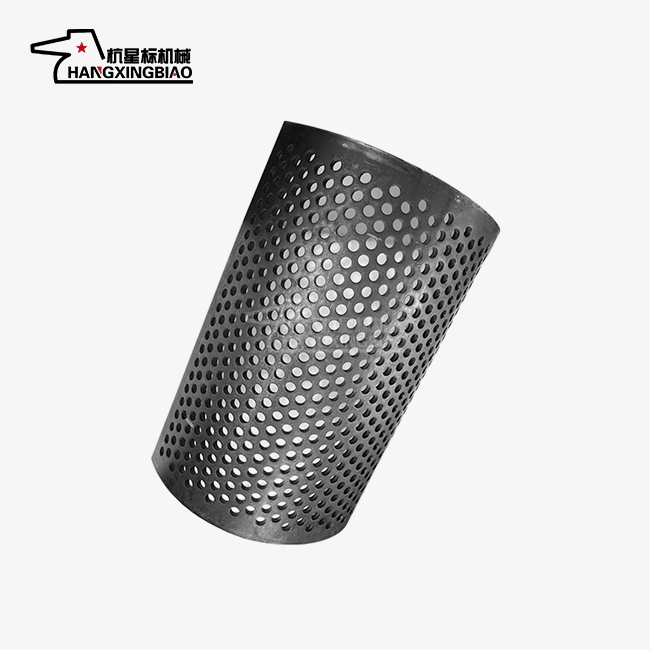
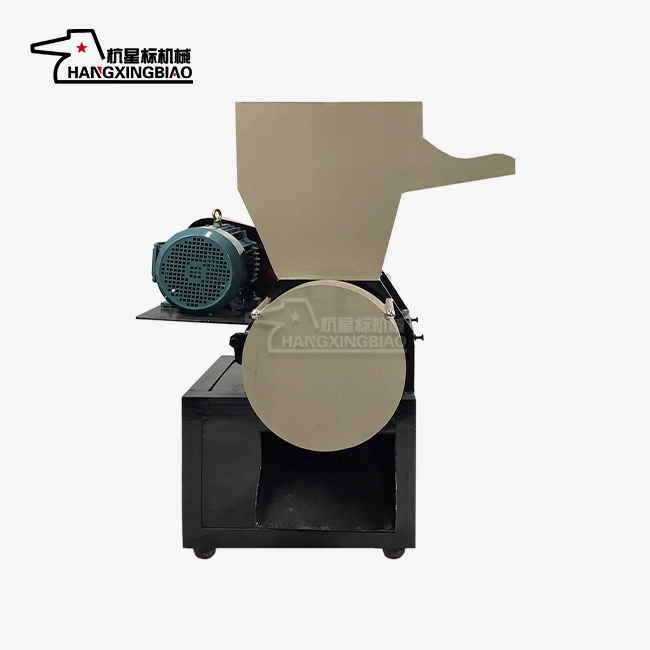
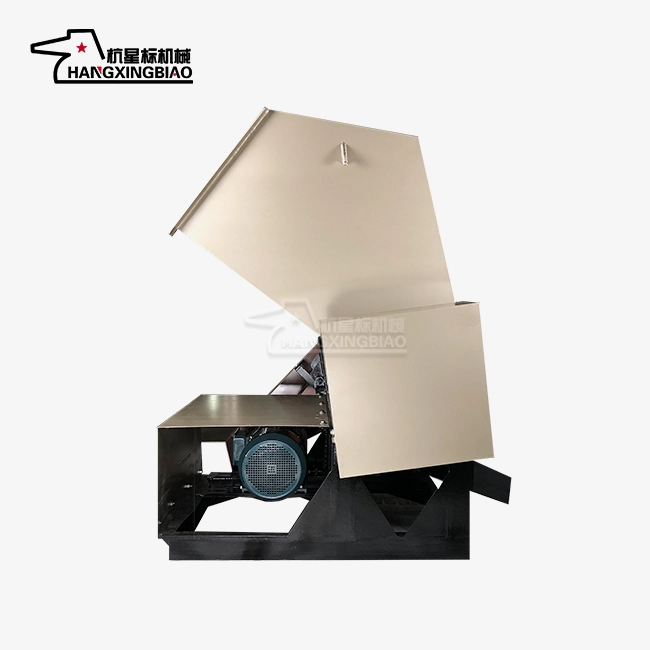
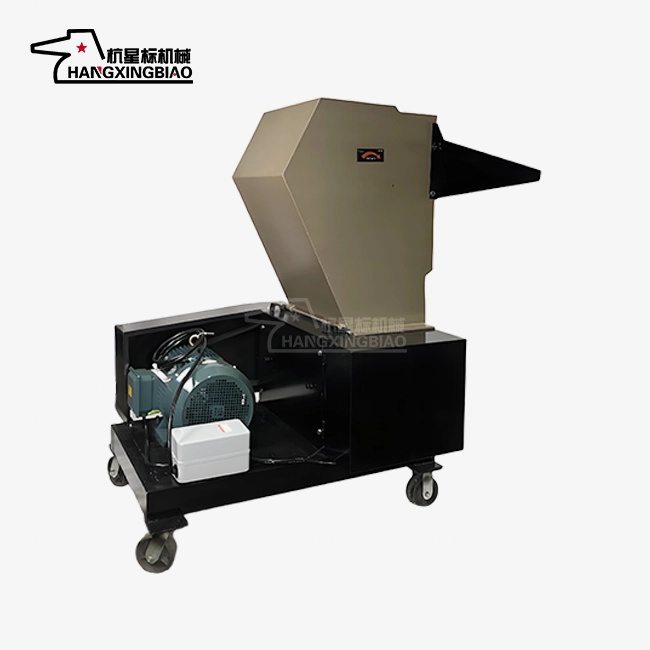
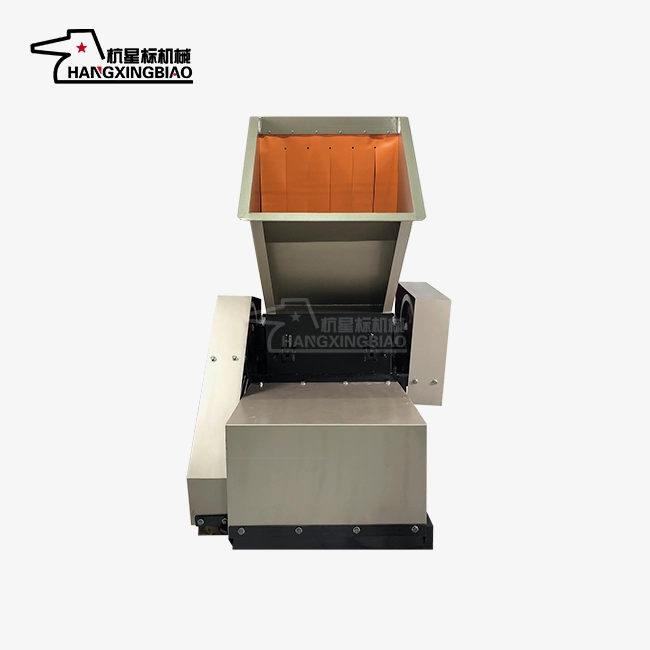
Three main processes work together to effectively reduce film. The machine's heart is the rotor unit, which has many precisely ground blades that can be set up in either a helical or straight pattern, based on the amount of work that needs to be done. As the material moves through the working zone, these blades contact with knives that are fixed to the walls of the crushing room. This makes multiple cutting points. The motor and driving system need to be able to keep the power constant even when the load changes. When handling films, problems with belt slippage can be avoided with direct drives, and variable frequency drives let workers change the rotor speed based on the properties of the material. The final particle size is set by screen assemblies placed below the cutting room. The perforated plates can be anywhere from 8mm to 30mm, based on what needs to be done next.
How Crushers Differ from Industrial Shredders in PET Applications
Terminology problems can make it harder to choose the right tools. Industrial shredders work at slower speeds but with more power. They are mostly used to reduce the volume of big things like baled bottles or big plastic parts. These tools cut materials into 50–150 mm pieces that aren't perfectly round. This gets them ready for the next step in the processing process. On the other hand, crushers are precise tools for reducing the size of things. They spin at speeds between 600 and 1200 RPM and make flakes that are all the same size, usually 10 to 20 mm. This regularity is very important for washing systems and extrusion lines, where the uniformity of the particles has a direct effect on how well the processing works. Knowing the difference between these two types of tools helps buying teams choose the right ones for their role in the recycling value chain.
Types and Choosing the Right Plastic Film Crusher Machine for PET
Manual Versus Automatic Models for Different Scales
Small recycling businesses that handle less than 200 kilograms of material per hour still like manual-feed crushers. Operators put materials straight into the feed hopper, keeping an eye on the conditions of the materials and controlling the flow. These units have lower initial costs and easier upkeep, but they need constant attention from workers and can't be scaled up as much.
Automatic systems have metal recognition, auto-reverse, and conveyor feeding built in so that they can clear jams without any help from a user. Depending on the motor speed and rotor width, the throughput ranges from 300 to 2000 kg per hour. These automated solutions help large recycling centers that handle used PET film because they cut down on labor costs while keeping the quality of the output uniform over long production shifts.
Matching Machine Capacity to Your Operational Requirements
There is more to capacity selection than just flow numbers. The density of the material has a big effect on how fast it can be processed. For example, loose agricultural film takes up a lot more space per kilogram than compressed industrial stretch wrap. When planning capacity, it's important to think about the mass density of the material. For PET film, this is usually between 30 and 80 kg/m³ before it is crushed.
The output capacity is directly related to the size of the rotor in the plastic film crusher machine for pet. In ideal situations, machines with 400mm diameter rotors can handle 300–500 kg/hour, while machines with 600mm diameter rotors can handle 800–1200 kg/hour. Importantly, these numbers are based on material that has already been cleaned and is mostly clean. If the material is contaminated with metals, organic matter, or paper, it can lower the useful capacity by 30 to 50 percent, which means that bigger equipment has to be chosen to meet production goals.
Key Procurement Criteria for Global Buyers
The most important long-term cost factor is the blade's material makeup. When working with rough materials, entry-level machines usually need to have their T10 tool steel blades replaced every 400 to 600 hours. Premium choices with SKD-11 tool steel or tungsten carbide plugs have longer service lives (2000 hours or more), which lowers maintenance costs and downtime while also increasing initial investment.
Benefits and Environmental Impact of PET Plastic Film Crusher Machines
Operational Efficiency Gains and Cost Reduction Pathways
When you buy a specialized plastic film crusher machine for pet tools, you can see changes in a number of operational measures. Most of the time, volume reduction ratios hit 8:1 to 12:1, which makes it much easier to store and move crushed materials. With this rise in density, facilities can combine shipping plans, which cuts down on logistics costs and improves cash flow by selling more.
Energy Consumption Patterns and Their Financial Implications
Power needs for film crushers are very different depending on how complex the design is and how much film needs to be crushed. Electricity costs for basic models using 15 to 30 kW are usually $2 to $4 an hour at industrial rates, while costs for high-capacity systems using 75 to 110 kW can be $10 to 18 an hour. These numbers are based on the idea that normal utility rates in the industrial sector of the United States are between $0.12 and $0.15 per kWh.
Environmental Contributions Through Sustainable Recycling
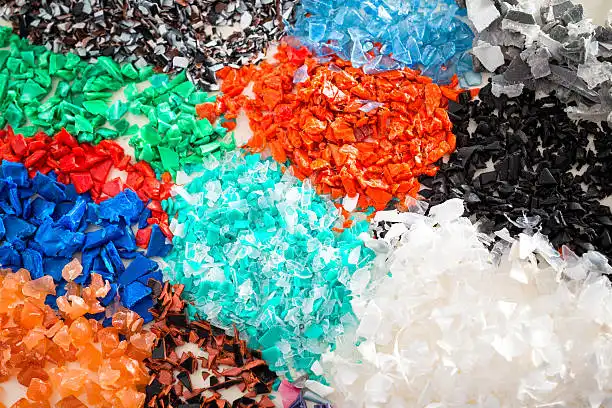
PET film recycling through mechanical crushing avoids substantial environmental burdens associated with virgin plastic production. About 3.5 kg of carbon dioxide equivalent is released for every kilogram of resin used to make new PET from gasoline fuel. These emissions are cut by 60–70% when materials are recycled mechanically. For example, crushing processes only produce 0.1–0.2 kg CO2e per kilogram treated, mostly because they use electricity.
Safety Features Ensuring Risk-Free Industrial Operation
Modern crushers have many safety features that keep workers safe while keeping the machines productive. Around the machine's edges are emergency stop buttons that can be pressed at any angle to immediately shut it down. Within two to three seconds, electromagnetic stopping systems stop the rotor's motion. Because they have two sets of activation circuits, these controls go above and beyond the basic safety standards set by OSHA for industrial tools.
Maintenance, Troubleshooting, and Performance Optimization
Essential Maintenance Protocols for Extended Equipment Life
Schedules for blade repair have a direct effect on both the quality of the output and the prices of running the business. Dull blades use 15–25% more energy and make particles of different sizes that are hard for equipment further down the line to handle evenly. Setting up check times every 200 hours of use lets you find edge wear early, before it causes a big drop in performance. To avoid too much wear, facilities that work with rough materials should cut this period down to 100 to 150 hours.
Screen condition tracking stops a slow loss of throughput that workers might not notice right away. Screens with 20% perforation blockage have a slightly lower useful capacity and put more strain on the motor. The best performance is restored by removing the screen once a month and cleaning it with pressure washers or ultrasonic baths. Tracking how long a screen lasts helps you figure out when to replace it. Depending on how rough the material is, most perforated plates need to be replaced every 1,500 to 2,500 hours of use.
Common Operational Issues and Practical Solutions
The most common problem with the plastic film crusher machine for pet is that the material gets wrapped around the spinning blades. This usually means that the blades aren't clear enough, the knives are worn and making gaps instead of clean cuts, or the feeding speed is too fast and the cutting capacity is being exceeded. Most of the time, the problem can be fixed by moving the stationary knife to return 0.5 to 1 mm of space. If the wrapping doesn't go away, slowing down the feed rate by 20 to 30 percent lets the blades cut through all the material before more film comes in.
Performance Enhancement Strategies for Maximum Throughput
How the material is prepared before it is crushed has a big effect on how well it works during processing. Cutting the film ahead of time into 300-500 mm wide strips stops crossing across the feed hole, which can stop the flow of material. Getting rid of clear contaminants like metal clips, staples, or hard plastic parts keeps the blades from getting damaged and eliminates the need for sorting later on. When compared to processing baled film that hasn't been prepared, these simple steps can increase output by 25 to 35 percent.
Noise Management Techniques for Compliance and Comfort
At a one-meter distance, the noise level from breaking activities is usually 85 to 95 decibels, which is close to or above the 90 decibels that OSHA allows for eight-hour shifts. Taking steps to control noise can protect workers' ears and help you avoid getting fined, which can cost up to $7,000 for major violations. Acoustic barriers around the whole machine cut down on background noise by 15 to 25 decibels, bringing levels into acceptable levels while keeping close workers as comfortable as possible.
Procurement Guide and Brand Insights for PET Plastic Film Crushers
Sourcing Best Practices for International Equipment Buyers
Many crusher manufacturers can be found on online business-to-business (B2B) sites, but each seller needs to be carefully evaluated. Verified seller programs from major platforms lower risk, but they don't get rid of it completely. Requesting video proof of claimed production sites is a good way to make sure they can actually make things. Video calls with engineering teams are a good way to check their technical knowledge, and asking for customer references in your area can help you figure out how good the support really is compared to what they say on their marketing materials.
Price Benchmarking Across Machine Categories and Capacities
Film crushers for beginners with 300–400mm blades and 15–22 kW motors usually cost between $8,000 and $15,000, but this depends on how well they are built and what features they have. With a capacity of 200 to 400 kg/hour, these machines are good for small recycling businesses or makers who don't make a lot of trash. When shopping in this price range, buyers should carefully look at the blade materials and bearing details of the plastic film crusher machine for pet, as this is where most of the cost savings are usually found.
Understanding Warranty Coverage and Support Agreements
Standard insurance terms usually cover flaws in the way the product was made for 12 to 18 months after it was first used or 18 to 24 months after delivery, whichever comes first. A close study shows important exclusions: wear parts like blades, screens, and bearings usually only get covered for 90 to 180 days or a certain number of hours of use. Extending coverage to important parts doesn't cost much more and gives you useful protection during the practical learning curve.
Brand Selection Considerations and Reputation Assessment
Established makers that have been in business for more than 20 years show that they have strong technical skills and are financially stable. Companies that only make breaking equipment usually have more technical know-how than companies that make a lot of different kinds of tools and add crushers as an extra product line. Hangzhou Xingbiao Machinery is a good example of this focused approach. Thirty years of dedicated crusher development build institutional knowledge that leads to better designs that deal with real-world operational problems that bigger makers might miss.
Conclusion
The method for the plastic film crusher machine for PET is the key to making PET recycling work well in both the production and reprocessing sectors. Knowing about different types of machines, their working needs, and buying factors helps people make decisions about which tools will work best for their needs. The environmental and economic benefits of mechanical crushing keep growing as markets value recovered material more and rules about how to handle plastic trash get stricter. Buying good crushing equipment from specialized makers guarantees steady operation, low upkeep costs, and the processing precision needed to make recovered materials competitive in today's tough market.
FAQ
What types of plastic films can these machines process besides PET?
Polyethylene (PE) films, polypropylene (PP) sheets, polyvinyl chloride (PVC) flexible packaging, and multi-layer compound films are just some of the materials that modern plastic film breakers can break down. Chemical makeup doesn't have as much of an effect on processing speed as things like thickness, flexibility, and contamination levels. Most machines can work with sheets that are 20 to 500 microns thick, but some are designed to handle materials up to 2 mm thick. It is important to make sure that the blade shape and rotor speed are right for the material. For example, cutting angles that are too sharp are bad for soft films, while blades that are too strong for stiff materials need to be made of stronger materials.
How energy-efficient are these crushers compared to alternative size reduction methods?
The least energy-intensive way to reduce the size of plastic films is to crush them mechanically, which uses about 25 to 40 kWh per ton produced. This is better than chemical depolymerization methods that use more than 200 kWh/ton or cold grinding that uses 60 to 80 kWh/ton. Specific energy usage is lower at the lower end of this range for modern crushers with IE3-rated motors and variable frequency drives, especially when working with clean materials that have already been sorted. Energy economy is directly related to how sharp the blades are—dull blades can raise energy use by 20–30%, which shows how important it is to do regular maintenance.
Can these machines integrate with existing recycling production lines?
Most crushers have standard interfaces for handling materials that make coupling easy. Depending on how the building is set up, machines can take materials through high conveyors, ground-level belt feeders, or direct hand loading. Usually, the output goes into storage gaylords, air conveying systems, or straight onto conveyors further downstream. Electrical integration includes everything from simple manual settings to full PLC connection that lets equipment upstream and downstream work together automatically. Talking to equipment sellers about specific integration needs before buying makes sure that the new equipment will work with your current infrastructure and keeps you from having to make expensive changes after delivery.
Partner with Xingbiao for Your Plastic Film Crushing Solutions
Choosing the right plastic film crusher machine for a pet provider is important for both short-term and long-term profits. We at Xingbiao have thirty years of experience working only with plastic breaking technology. This makes us the only ones who can solve your specific processing problems. Through direct work with leaders in the field, our engineering team has come up with cutting-edge solutions that have led to machines that are 20% more efficient and use 20% less energy than traditional options. The strong SKD-11 tool steel blades are vacuum-heated and then frozen, which makes them last longer than 2,000 hours of use and lowers your upkeep costs.
It's clear to us that buying tools is only the start of our partnership. Xingbiao offers full support, from the original advice to installation, training, and ongoing technical support. They promise a response time of 24 hours to any question. Our range of standard and custom crushers can meet your exact needs, whether you run a small recycling center or a big production complex that makes a lot of scrap. Email our team at xingbiaocrusher@xingbiaocrusher.com to talk about your application and get specific technical advice that fits your budget and organizational goals.

References
1. Society of Plastics Engineers. (2023). Plastics Recycling: Technical Fundamentals and Equipment Selection Guidelines. SPE Publishing Division.
2. American National Standards Institute. (2022). ANSI B11.19 Safety Requirements for Size Reduction Machinery. American Society of Mechanical Engineers.
3. Association of Plastic Recyclers. (2023). PET Recycling Best Practices Guide: Processing Equipment and Quality Standards. APR Technical Publications.
4. Environmental Protection Agency. (2024). Waste Reduction Model (WARM) Documentation: Plastics Recycling Environmental Impact Assessment. EPA Office of Resource Conservation and Recovery.
5. Plastics Industry Association. (2023). Size Reduction Equipment: Engineering Standards and Performance Benchmarks for Film Processing. PLASTICS Market Research Department.
6. International Organization for Standardization. (2022). ISO 15270: Plastics – Guidelines for Recovery and Recycling of Plastics Waste. ISO Technical Committee 61.
Learn about our latest products and discounts through SMS or email