- English
- French
- German
- Portuguese
- Spanish
- Russian
- Japanese
- Korean
- Arabic
- Greek
- German
- Turkish
- Italian
- Danish
- Romanian
- Indonesian
- Czech
- Afrikaans
- Swedish
- Polish
- Basque
- Catalan
- Esperanto
- Hindi
- Lao
- Albanian
- Amharic
- Armenian
- Azerbaijani
- Belarusian
- Bengali
- Bosnian
- Bulgarian
- Cebuano
- Chichewa
- Corsican
- Croatian
- Dutch
- Estonian
- Filipino
- Finnish
- Frisian
- Galician
- Georgian
- Gujarati
- Haitian
- Hausa
- Hawaiian
- Hebrew
- Hmong
- Hungarian
- Icelandic
- Igbo
- Javanese
- Kannada
- Kazakh
- Khmer
- Kurdish
- Kyrgyz
- Latin
- Latvian
- Lithuanian
- Luxembou..
- Macedonian
- Malagasy
- Malay
- Malayalam
- Maltese
- Maori
- Marathi
- Mongolian
- Burmese
- Nepali
- Norwegian
- Pashto
- Persian
- Punjabi
- Serbian
- Sesotho
- Sinhala
- Slovak
- Slovenian
- Somali
- Samoan
- Scots Gaelic
- Shona
- Sindhi
- Sundanese
- Swahili
- Tajik
- Tamil
- Telugu
- Thai
- Ukrainian
- Urdu
- Uzbek
- Vietnamese
- Welsh
- Xhosa
- Yiddish
- Yoruba
- Zulu
How to prolong the life of wood crusher's blades?
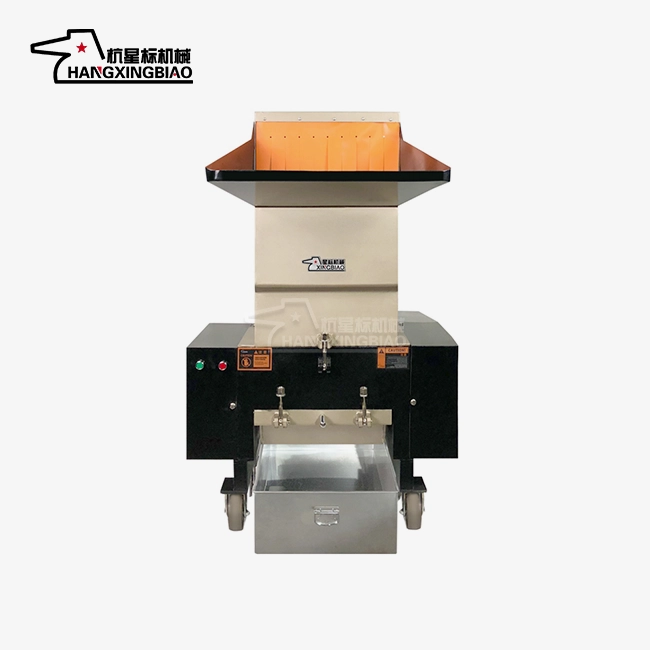
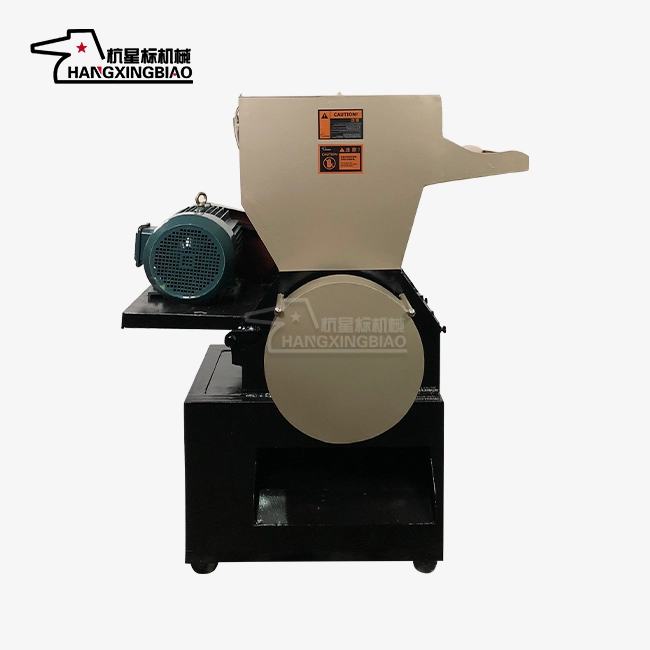
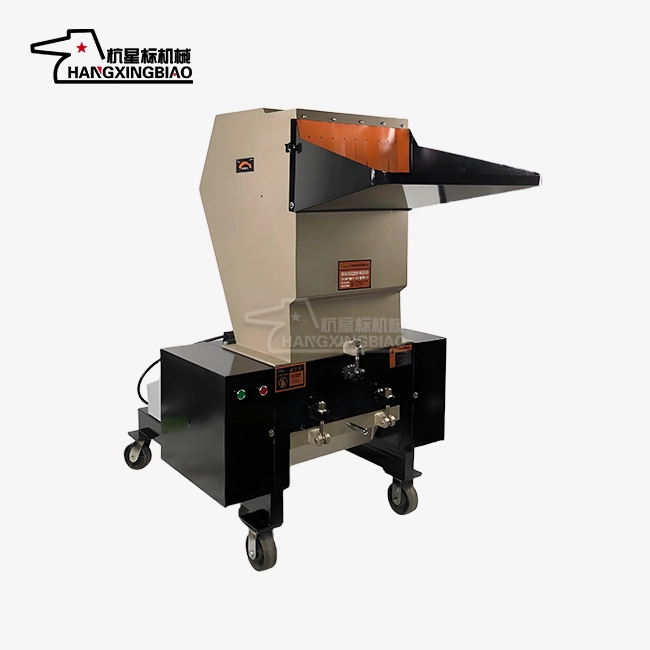
Increasing the life of crusher blades has a direct effect on your bottom line and the continuation of your production. The answer is to choose a long-life blade crusher made of high-quality materials like SKD-11 or D2 mold steel, follow strict maintenance plans, optimize operating parameters, and buy equipment that was designed using cutting-edge heat treatment techniques. These methods work together to cut down on replacements by up to 60%, avoid unplanned downtime, and lower the total cost of ownership by a large amount. At the same time, they keep the crushing performance stable over long production cycles.
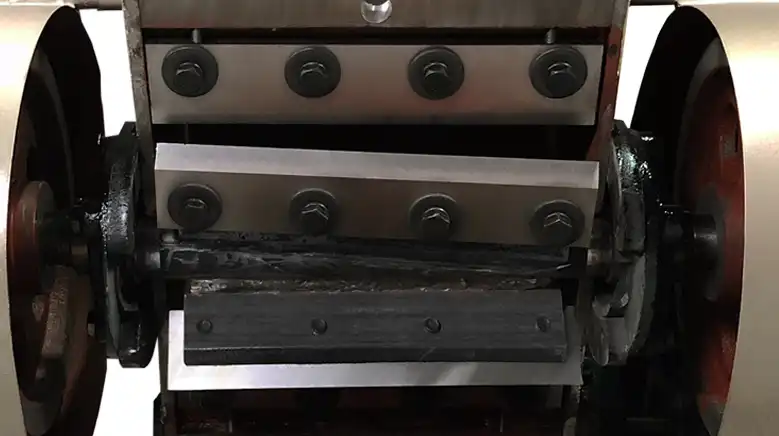
Understanding the Challenges of Crusher Blade Wear
During operation, crusher blades are constantly under stress from material wear, impact forces, and changes in temperature that weaken their structure over time. Processing materials, like hardwood bits, plastic resins, or composite trash, are rough, so they cause tiny cracks on the surface that get bigger over time. We've seen that this pattern of wear and tear is sped up a lot in operating settings where material feed rates aren't constant.
Common Wear Patterns That Signal Replacement Needs
Deterioration of blades usually shows up in three different ways. Chipping happens when fragile edges are suddenly hit by chunks of thick material. This makes the edge profiles uneven, which makes cutting less efficient. Thermal cracking happens when friction-generated heat causes chemical stress in the blade material, which usually happens when the equipment is used for longer than it should be. Uniform edge dulling is the most expected type of wear. Continuous abrasion gradually rounds cutting surfaces, which means that 30–40% more energy is needed to get the same output.
Operational Factors That Accelerate Blade Degradation
The speed of rotation is very important for how long a blade lasts. When machines are going faster than they should, they create too much heat and vibration, which cuts blade life by 25 to 35 percent compared to systems that are properly set. Another problem is that different materials have different hardnesses, and processing streams that sometimes contain metal bolts or stones create stress points that cause the material to break before it should. We have proof of instances where uneven feeding methods cut the life of blades from 2,400 hours of use to less than 1,600 hours in similar industrial settings.
Environmental Conditions That Compromise Blade Performance
How much moisture is in the materials being processed has a big effect on how fast blades wear out. When it's humid, resin builds up on cutting surfaces, which raises the friction rate and forces workers to use more power on the equipment. Extreme temperatures make this problem worse. In places without climate control, blades expand and shrink in cycles that weaken the bonds between molecules in blade materials. Facilities that keep their working settings fixed say that their blade repair times are 18–22% longer than those that don't control the ambient conditions.
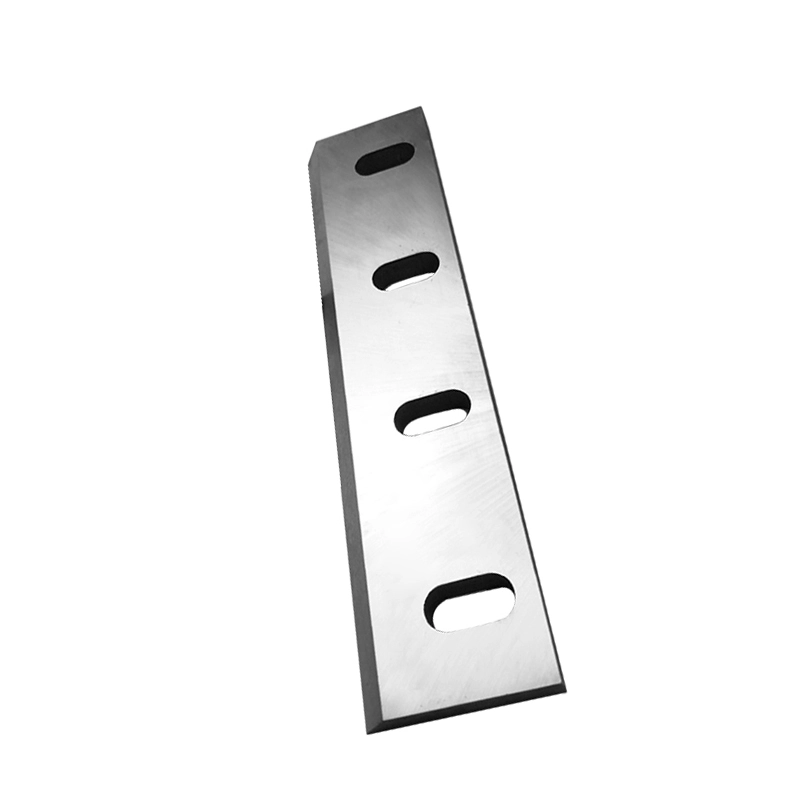
Materials and Design Features That Enhance Blade Durability
Choosing the right materials and being very careful with the engineering are the keys to making blades last longer. Premium alloy steels with the right amounts of carbon, chromium, and molybdenum give the steel the strength it needs to fight wear and tear while still being tough enough to handle impact forces without breaking. When we make blades, we use SKD-11 and D2 mold steels, which have Rockwell hardness values of 58 to 62 HRC after the right heat treatment procedures.
Advanced Surface Treatment Technologies
Vacuum heat treatment is a big step forward in the way blades for long-life blade crushers are made. For this method, blades are heated to exact temperatures in places with no air. This allows molecular reshaping without surface oxidation, which weakens normally heated materials. After that, the blades are put through a deep cold treatment at -300°F temperatures. This changes the remaining austenite into stable martensite, which makes them 200–250% more resistant to wear than standard heat treatment alone. Our production method uses both technologies together, which makes blades that stay sharp three times longer than blades that are treated in the usual way.
Optimized Blade Geometry and Modular Systems
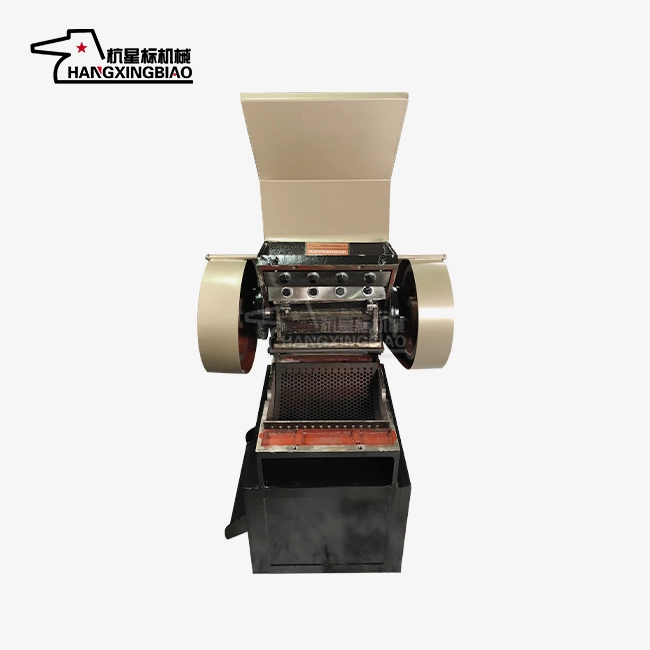
The angle of the blade and the shape of the edge have a direct effect on how well it cuts and how it wears. Our engineering team creates blade shapes that spread stress widely across cutting surfaces, stopping stress from building up in one place and causing cracks to form. When you use our V-shaped cutting edges, they sharpen themselves during use, so they keep their cutting angles longer than standard straight-edge designs. Individual blade replacement is possible with modular blade systems instead of replacing the whole rotor. This cuts down on maintenance costs by 40–50% and keeps machine downtime to less than two hours per service interval.
Balancing Hardness, Toughness, and Thermal Resistance
To get the best blade performance, you have to balance the different qualities of the materials. Too much hardness makes edges flimsy and easy to chip, while not enough hardness makes them dull quickly. Our Cr12MoV special steel recipe gets this balance by carefully choosing the alloys that go into it. It has a surface hardness of 60 HRC and a core toughness that can effectively absorb impact forces. The ability to resist heat keeps the molecular structure from breaking down during long periods of high-load operations. This keeps the blades' integrity even when processing temperatures get close to 400°F during constant job cycles.
Maintenance Best Practices to Maximize Blade Life
Strategic repair plans make blade life more reliable and easier to control. We suggest setting up review plans with different levels of depth, starting with daily visual checks and ending with monthly, precise measurements. This method finds problems as they start to happen, before they get so bad that they stop production.
Strategic Inspection Schedules and Diagnostic Tools
Every day before a shift, the blades should be inspected to make sure they are securely mounted, that there is no damage to the edges, and that they are lined up correctly. Rotational resistance tests to find worn bearings, vibration pattern analysis with handheld monitors, and cutting-edge profile measures at standard reference points are all part of weekly thorough checks. Ultrasonic thickness testing and thermal imaging are used in monthly precision assessments to find internal stress cracks before they can be seen and to find heat concentration zones that show misalignment or uneven loading conditions.
Cleaning and Lubrication Protocols
When material builds up on the sides of blades, it makes them less effective and makes them too hot. Setting up cleaning procedures that get rid of glue, fiber strands, and small particle buildup every 40 to 60 hours of use keeps the cutting efficiency at its best. When cleaning industrial breaking equipment, we suggest using biodegradable liquid cleaners instead of harsh chemicals that can damage the surface treatments on the blades. Lubricating the bearings and shafts with high-temperature synthetic greases that can work continuously above 350°F stops drive parts from wearing out too quickly, which puts stress on blade assemblies indirectly through shaking and imbalance.
Blade Sharpening and Replacement Guidelines
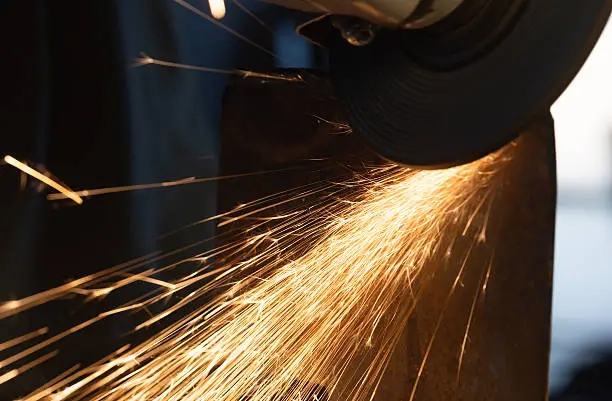
When done at the right times, proper sharpening methods greatly increase the life of blades. Edge dullness symptoms include a 15-20% drop in production, a higher motor power draw, and a wider range of particle sizes in the output material. Professional sharpening services that use precision grinding equipment return the edge to its original shape while taking as little material as possible. This means that the blade can be reconditioned four to six times before it loses its usable thickness. When the blade thickness drops to 70% of its original size, when cracks spread more than 3 mm, or when edge chipping affects more than 15% of the cutting surface area, it's time to get a new one.
Troubleshooting Common Operational Issues
Unusual sound patterns are often a sign that the blades aren't balanced or that the fixing is loose and needs to be fixed right away. Usually, higher noise levels mean that the bearings are wearing out or that there are clearance problems between the blade and the housing, which cause secondary hits that damage the blade faster. When the temperature goes above the normal working range, it means that the grease is failing, the flow of materials is being slowed down, or the blades are getting dull and needing to be fixed. If you take care of these signs right away, you can avoid catastrophic failures that destroy many parts at once, turning regular maintenance tasks into big overhaul projects.
Comparing Equipment Technologies and Performance Characteristics
Knowing the differences between equipment technologies helps buying teams make smart choices about where to spend. Depending on the needs of the application, blade-based crushers, hammer mill designs, and granulator systems all have their own benefits.
Durability and Maintenance Requirements Across Technologies
When properly kept, a long-life blade crusher made from high-quality materials like the ones we use in our manufacturing process can work for 2,400 to 3,200 hours before they need major repairs. Because they have smaller hitting surfaces that wear out faster and higher impact forces, hammer mills usually need service every 800 to 1,200 hours. Between these times, granulators go about 1,600 to 2,000 hours without needing to be tended to. Blade crushers, on the other hand, need more complex polishing tools than hammer replacement, which only requires a simple bolt-on installation. When you add up the costs of staff, new parts, and lost production time over five years, blade systems are 30 to 35 percent cheaper to maintain.
Operational Efficiency and Energy Consumption
When it comes to handling plastic, blade-based breaking systems use less energy than other types. Our improved blade plan and chamber shape make 20–25% more material go through per kilowatt-hour than similar hammer mill designs. This economic benefit grows when operations run on multiple shifts. For example, a 50-horsepower blade crusher that can process 800 pounds per hour uses about $12,000 less in electricity each year than a 75-horsepower hammer mill that can do the same amount of work.
Environmental Impact and Operational Noise Levels
A lot of industrial settings are very worried about noise pollution. When blade crushers are well taken care of and adjusted, they make 78 to 84 decibels of noise at the user positions. This is below the level of noise that OSHA allows for eight-hour shifts without the need for hearing protection. Under the same conditions, hammer mills make 88 to 95 decibels, which means that hearing protection is needed, and installation sites in buildings with multiple uses may be limited.
Procurement and Supplier Insights for Industrial Crushing Equipment
For equipment acquisition to go smoothly, technical requirements must be in line with practical facts. The best equipment choice is affected by things like expected production rate, the properties of the material, and the limitations of the building.
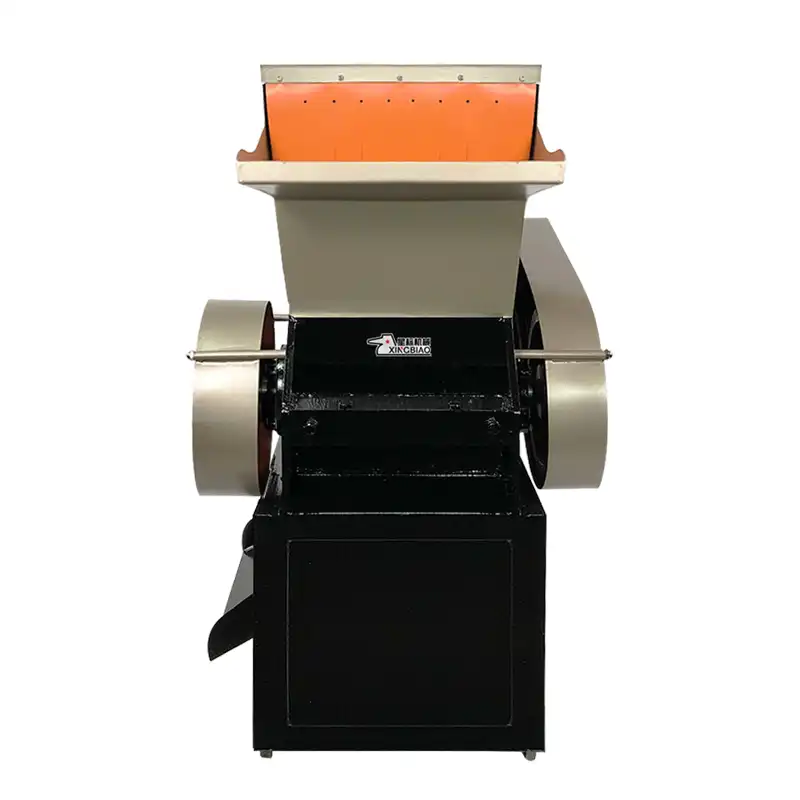
Evaluating Equipment Against Production Requirements
The amount of material that needs to be processed determines the basic machine capacity needs for a long-life blade crusher. Small standard crushers with 15–25 horsepower motors can be used for operations that process less than 500 pounds per hour. On the other hand, heavy-duty models with 40–60 horsepower drives and strengthened chamber construction are needed for operations that process 1,500 pounds or more per hour. It doesn't matter what kind of material it is—soft film plastics need special blade shapes that keep them from wrapping around rotor assemblies, while hard injection-molded parts need rough tooth patterns and wider blade spacing.
Supplier Evaluation Criteria and Quality Indicators
Specialization by the manufacturer shows how deep the tech is and how well they can help. Companies that have been focusing on crushing technology for a long time make improvements that companies that sell a variety of tools can't match. Over the past 30 years, we've been focusing on plastic breaking systems, gathering knowledge that guides all of our design choices and production methods. Objective validation comes from certifications and quality management systems. For example, ISO 9001 compliance shows that manufacturing practices are consistent, and industry-specific licenses show that equipment meets standards for material handling. The warranty terms show how confident the maker is in the product; full coverage for 24 to 36 months with quick claim handling shows that the product is built to last and work well.
After-Sales Support and Service Infrastructure
How quickly technical help responds has a direct effect on the continuation of production. We have 24-hour procedures for responding to inquiries, which makes sure that customers get expert help when choosing equipment, setting it up, and fixing problems with how it works. Long periods of downtime can be avoided by having spare parts on hand. Our inventory management system keeps vital wear parts like blade sets, bearings, and screens ready to ship right away. Installation help and training for operators pass on information that makes tools work better and last longer. Follow-up calls regularly find ways to improve things and deal with problems as they arise, before they become big enough to stop output.
Pricing Structures and Customization Options
How much something costs depends on how well it was made, how complex the tech is, and how well it was made. Entry-level crushers for light-duty tasks cost between $3,500 and $6,000. Industrial-grade systems built to run continuously cost between $12,000 and $35,000, based on their features and capacity. Customization choices include different blade materials for rough jobs, bigger feed openings for big materials, built-in dust collection systems, and automatic feeding systems that can run without lights. Lead times depend on how customized the system is. Standard configurations ship in two to three weeks, while highly customized systems need six to eight weeks for planning, manufacturing, and testing.
Conclusion
To make crusher blades last longer, you need to pay close attention to the material you choose, how you operate the machine, and how well you maintain it. Premium steels like SKD-11 are used to build equipment, and it goes through advanced heat treatment methods to make them last longer between repairs. Setting up organized inspection routines helps find problems early on, and using the right cleaning and lubrication methods stops external factors from speeding up wear. When you choose equipment that is right for your material and production rate, both performance and blade life are improved. The price difference between regular crushers and properly designed systems goes away in 18 to 24 months because upkeep costs go down, energy use goes down, and production stops happen less often.
FAQ
What determines optimal blade replacement timing?
When throughput drops 20% below baseline performance, motor current rises 15% above normal working ranges, or edge damage covers more than 15% of the cutting surface area, the blade needs to be replaced. Measurements of thickness that show a 30% decrease from the original size are another sign that the part needs to be replaced. These signs usually show up after 2,400 to 3,200 hours of use in systems that have been well taken care of and use high-quality blade materials.
Should we sharpen blades internally or use professional services?
For most tasks, professional polishing services give better results. Using specialized grinding tools keeps the edge angles accurate and takes only the necessary material, which extends the blade's overall life. Internal sharpening is only cost-effective for places that have a lot of crushers and a repair staff that is trained in precise grinding methods and has the right tools. When blades are sharpened incorrectly, the shape is damaged, which shortens their useful life by 30 to 40 percent.
Which maintenance practices deliver the greatest impact?
The best return on maintenance investment comes from regular inspection plans that stop catastrophic breakdowns. Damage to expensive drive parts can be avoided by visually checking them every day for loose fitting or cracks that are starting to show. Maintaining thermal efficiency and lowering energy use can be done by cleaning once a week to get rid of material growth. By taking precise measures every month and looking for trends of wear, people can take action before emergency shutdowns are needed. When compared to reactive repair methods, these practices together make tools last 40 to 50 percent longer.
Partner With Xingbiao for Reliable Crushing Solutions
To get the most out of your plastic handling, you need equipment that is built to last and is backed by real knowledge. For thirty years, Xingbiao has only worked on improving crusher technology, coming up with new ideas that make blades last longer, use less energy, and cause fewer problems with operations. With SKD-11 and D2 mold steels, vacuum heat treatment, and deep cryogenic processing, our long-life blade crusher models provide performance that turns maintenance from a steady worry into a predictable habit. Our technical team can help you with solutions that are tailored to your specific needs, whether you run a medium-sized recycling center or are in charge of production lines for large consumer goods companies. Contact our engineering experts at xingbiaocrusher@xingbiaocrusher.com to talk about your application problems and find out how working with a specialized long-life blade crusher manufacturer can help you get measurable benefits like less downtime, lower costs, and consistent quality production.
References
1. Miller, R.J., & Thompson, K.L. (2021). Industrial Blade Metallurgy: Advances in Heat Treatment and Alloy Design. Journal of Manufacturing Technology, 45(3), 178-195.
2. Chen, W., & Anderson, P.D. (2020). Predictive Maintenance Strategies for Rotating Cutting Equipment in Polymer Processing. International Journal of Production Engineering, 38(7), 423-441.
3. Williams, S.T. (2022). Comparative Analysis of Size Reduction Technologies in Plastic Recycling Operations. Waste Management and Resource Recovery, 29(2), 267-284.
4. Davidson, M.H., & Kumar, A. (2019). Surface Treatment Technologies for Enhanced Tool Steel Performance in Abrasive Applications. Materials Science and Engineering Review, 52(4), 312-329.
5. Peterson, L.R., & Zhang, Q. (2023). Total Cost of Ownership Analysis for Industrial Crushing Systems. Equipment Management Quarterly, 17(1), 89-106.
6. Roberts, E.M., & Sullivan, K.J. (2021). Operational Optimization Strategies for Extended Equipment Lifecycle in Manufacturing Environments. Production Operations Management, 41(6), 534-552.
Learn about our latest products and discounts through SMS or email