- English
- French
- German
- Portuguese
- Spanish
- Russian
- Japanese
- Korean
- Arabic
- Greek
- German
- Turkish
- Italian
- Danish
- Romanian
- Indonesian
- Czech
- Afrikaans
- Swedish
- Polish
- Basque
- Catalan
- Esperanto
- Hindi
- Lao
- Albanian
- Amharic
- Armenian
- Azerbaijani
- Belarusian
- Bengali
- Bosnian
- Bulgarian
- Cebuano
- Chichewa
- Corsican
- Croatian
- Dutch
- Estonian
- Filipino
- Finnish
- Frisian
- Galician
- Georgian
- Gujarati
- Haitian
- Hausa
- Hawaiian
- Hebrew
- Hmong
- Hungarian
- Icelandic
- Igbo
- Javanese
- Kannada
- Kazakh
- Khmer
- Kurdish
- Kyrgyz
- Latin
- Latvian
- Lithuanian
- Luxembou..
- Macedonian
- Malagasy
- Malay
- Malayalam
- Maltese
- Maori
- Marathi
- Mongolian
- Burmese
- Nepali
- Norwegian
- Pashto
- Persian
- Punjabi
- Serbian
- Sesotho
- Sinhala
- Slovak
- Slovenian
- Somali
- Samoan
- Scots Gaelic
- Shona
- Sindhi
- Sundanese
- Swahili
- Tajik
- Tamil
- Telugu
- Thai
- Ukrainian
- Urdu
- Uzbek
- Vietnamese
- Welsh
- Xhosa
- Yiddish
- Yoruba
- Zulu
Industrial Crushers vs Impact Crushers: Full Comparison
If you want to get the most out of your investment and working efficiency when choosing crushing tools for your processing facility, you need to know the difference between Industrial Crushers and impact crushers. There is a large group of machines called Industrial Crushers that are all meant to lower the size of materials by compressing, cutting, or shearing them. Impact crushers are a type of breaker that breaks up objects by crashing them at high speeds. Which of these systems you choose will rely on the properties of the material, the result you want, the production capacity you need, and the long-term costs of running the system. In plastic recycling, garbage management, or manufacturing, choosing the right crusher technology has a direct effect on throughput rates, energy use, repair schedules, and, in the end, your bottom line.
Understanding Industrial Crushers and Impact Crushers
What Are Industrial Crushers?
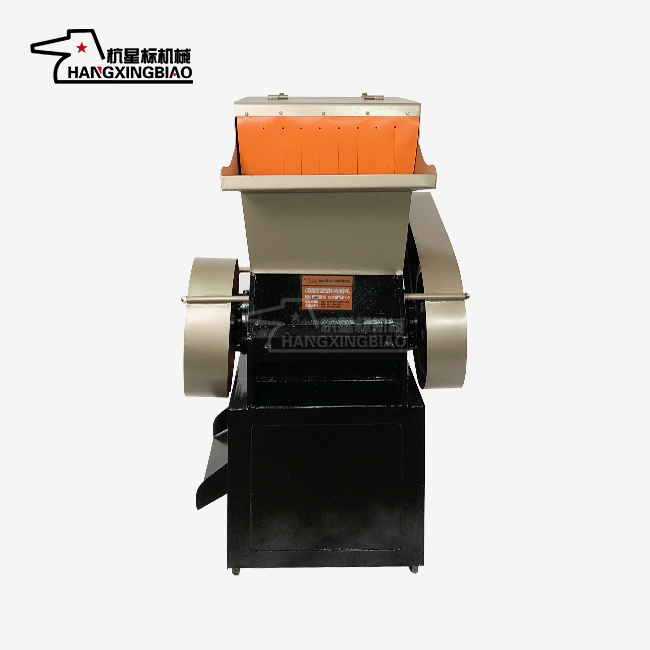
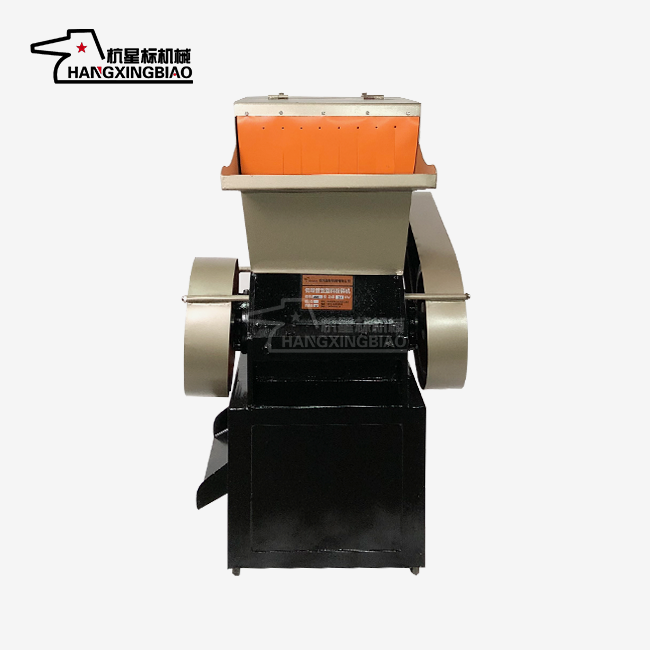
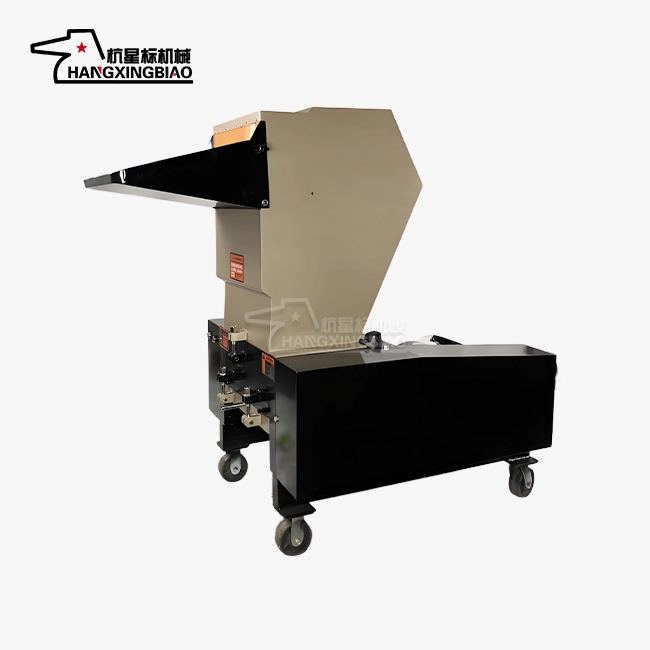
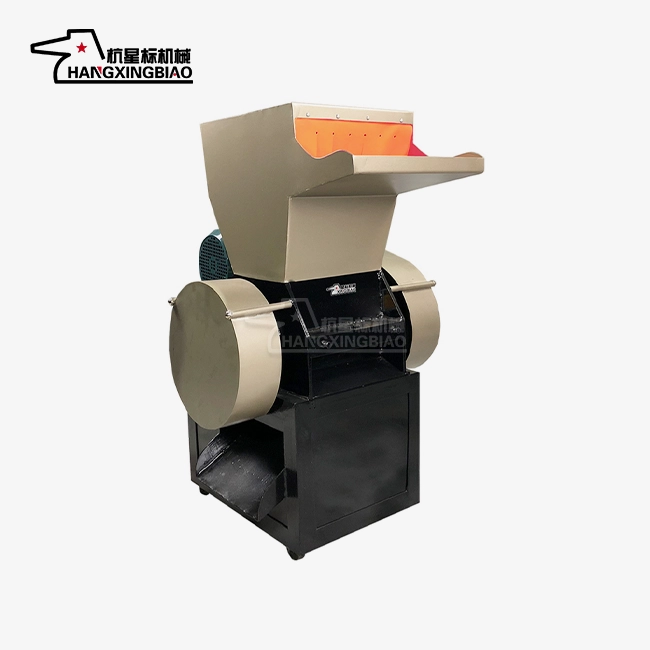
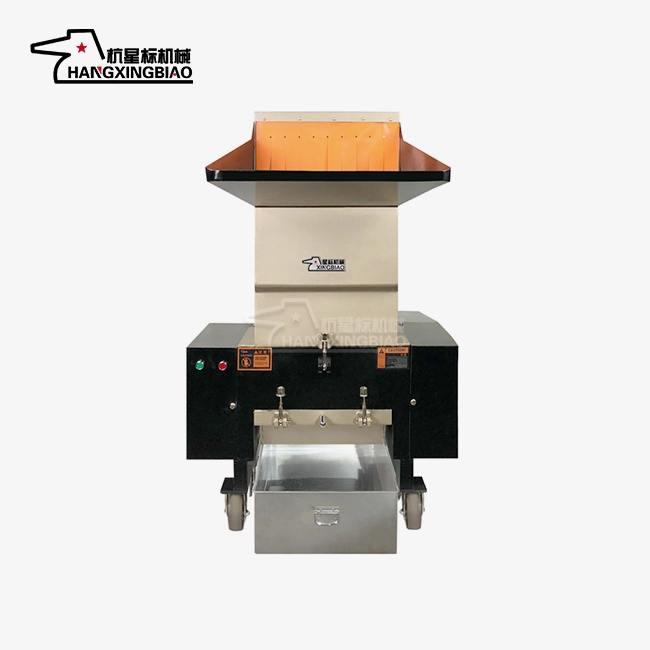
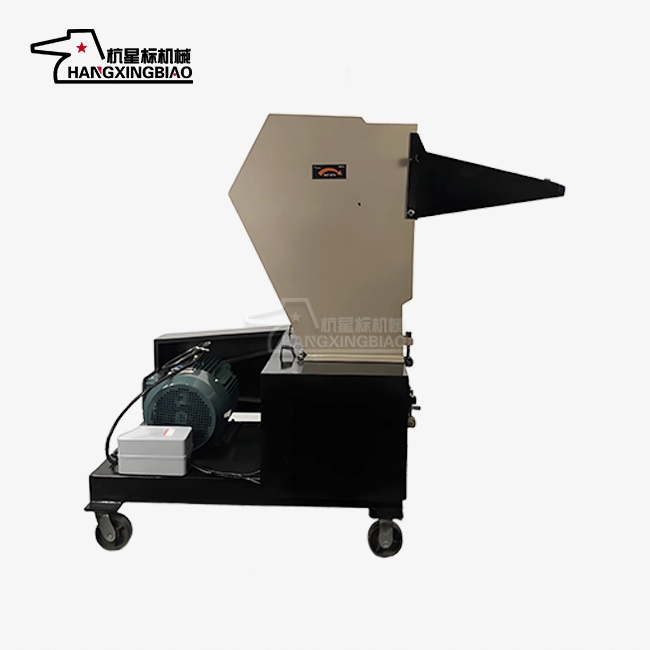
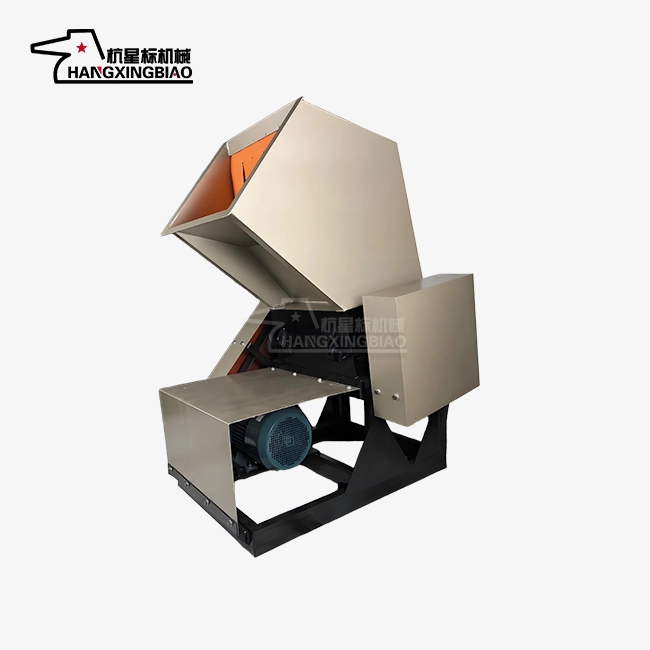
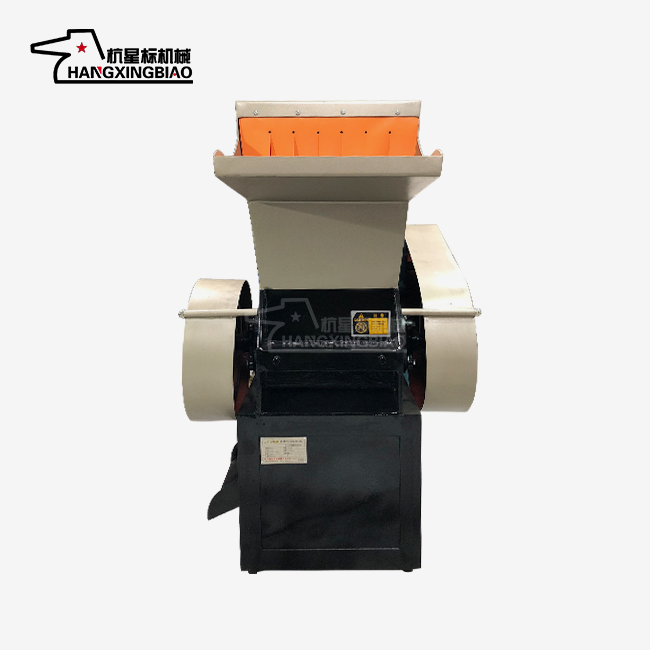
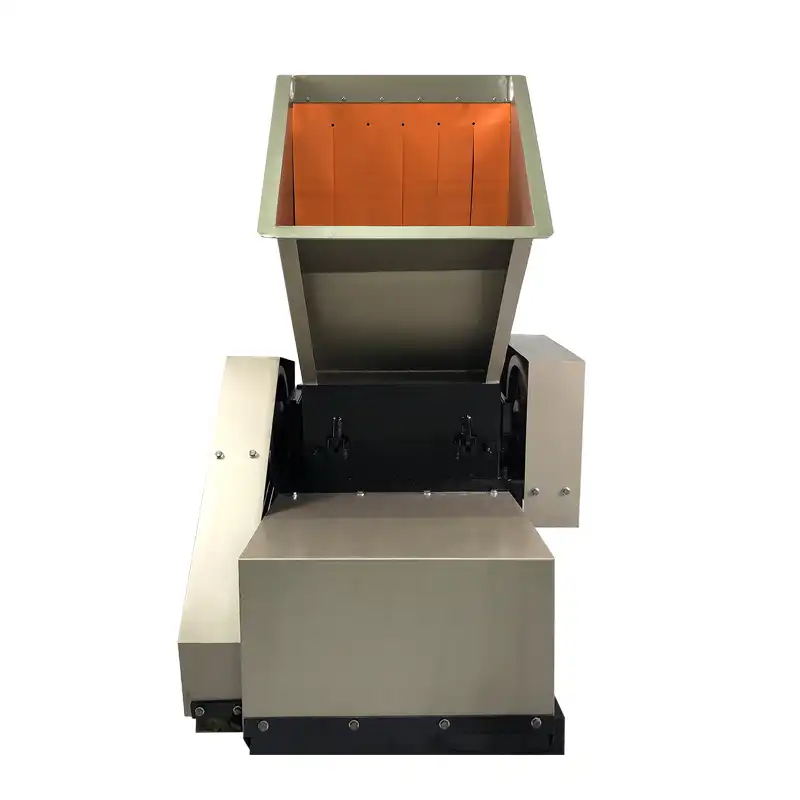
Industrial Crushers are very useful machines that are used in both manufacturing and cleaning. These tools use mechanical force to reduce the size of materials, turning big pieces into manageable bits that can be used directly or processed further. In this group are jaw crushers, cone crushers (for medium to fine crushing), and plastic crushers (designed especially for polymer processing). Jaw crushers use compression force between fixed and moving plates. Plastic-focused models have blades that rotate, cut, and shear materials instead of squeezing them. This makes them perfect for working with a wide range of materials, from hard injection-molded parts to bendable films. The mechanical principle is based on carefully controlling the flow of material into a cutting chamber. There, precisely designed blades interact with fixed knives to make particles of the same size.
What Are Impact Crushers?
Impact crushers work in a very different way because they use moving energy instead of constant pressure. The rotors in these machines spin quickly and have blow bars that hit the material going in and push it against fixed anvils or curtains. The impact breaks the material along its natural grain structure, creating cube-shaped pieces that are highly prized in the creation of aggregates. There are two main types of impact crushers: horizontal shaft impact crushers work best with soft materials like asphalt and limestone, and vertical shaft impact crushers work best for shaping and making sand. The technology works great on brittle materials, but not so well on stretchy or flexible ones that soak up impact energy without breaking cleanly.
Core Mechanical Differences
The difference in how these Industrial Crushers systems work makes application limits clear. Impact systems send out quick bursts of energy, while compression-based equipment uses steady force until the material gives way. This difference changes everything, from the shape of the particles to how often they need to be maintained. Compression crushers usually need less horsepower per ton of material they break down, but they may need stronger building to handle long-term loads. Impact systems break down materials quickly, but parts that are constantly hit at high speeds wear out more quickly. Knowing these basic mechanical concepts helps people who buy things match the powers of machines to the qualities of materials and the goals of production.
Performance and Efficiency Comparison
Processing Capacity and Throughput
Different types and sizes of crushers have very different production capacities. Specialized plastic crushers can process anywhere from 50 kilos per hour in small units that sit next to the machine to 10 metric tons per hour in heavy-duty industrial models. Depending on their shape and the hardness of the material, impact crushers made for handling gravel can usually handle 100 to 800 tons per hour. Within each technology group, the link between feed size, desired output standard, and realistic throughput can be predicted. Larger feed holes can handle heavier materials, but they might not produce equal output. Plastic crushers with new blade designs are over 20% more efficient than those with older shapes. This means that facilities can process more material with the same amount of power.
Energy Consumption Analysis
In material production, energy costs are a big part of the operating costs. When compared to oversized or uneven drive systems, modern crusher designs with optimized motor matching use 10-15% less electricity. Kilowatt-hours used depend on the hardness of the material, the amount of moisture in the feed, the size of the product you want, and the state of the equipment. If you keep your crusher in good shape and use it within its design limits, it will use a lot less energy than equipment that is running with broken parts or processing the wrong materials. Most of the time, impact crushers use more specific energy per ton of material they break up, but their faster output rates make up for it. When working with polymers, plastic crushers are very energy efficient because cutting these materials uses less energy than grinding or striking them.
Maintenance Requirements and Durability
Total cost of ownership is directly related to how long an item lasts. Welded and stress-relieved bodies made of high-strength steel keep them from deforming during long-term high-load operation. Service times are greatly affected by the type of blade used. When vacuum heat treatment and cryogenic processing are applied to high-quality tool steels like SKD-11 and Cr12MoV, they reach HRC55-60 hardness grades. These steels can be used for 3,000–5,000 hours before they need to be replaced. Depending on how rough the material is, impact crusher blow bars usually need to be replaced every 500 to 2,000 hours. Other upkeep things that need to be checked on a regular basis are bearing assemblies, drive belts, and screening meshes. Facilities with quick-change blade systems and easy-to-reach inspection panels reduce downtime during regular maintenance, which keeps production going and keeps the business profitable.
Application Suitability
Industrial Plastic Processing Operations
Crushing can be hard in places that make plastic products or recycle plastic. When you use injection molding to make hard thermoplastics like ABS and polycarbonate, you need different blade shapes than when you use soft polyethylene films. Our methods for crushing different kinds of polymers can do it without having to keep changing the equipment. To protect worker comfort, processing injection-molded runner systems next to production machinery needs to be done in a way that makes little noise. Heavy-duty models can handle thick-walled pipes, profiles, and heavy parts, and specialty units with anti-entanglement features can handle process films, woven bags, and fiber materials that normally get stuck in regular crushers. This machine can work with foams like EPS and EVA, as well as odd-shaped things like bottles, containers, and industrial scrap.
Recycling and Waste Management Applications
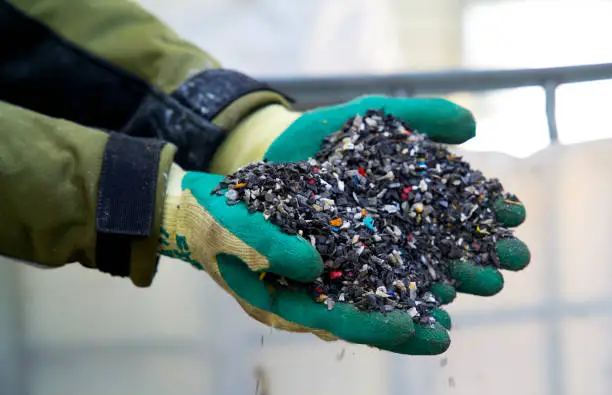
Mixed trash streams pose problems with pollution and differences in the materials they contain. Crushers that process used plastic bottles have to deal with labels, caps, and leftover contents while keeping the particle output steady. Equipment that can break down boxes and plastic packaging into 2–20 mm pieces helps municipal recycling operations move materials more efficiently and get more in each bale. Processing plants that get scrap ready for remanufacturing need precise particle sizes—usually 2-8mm—so that garbage can be mixed directly with new plastic without having to go through extra screening. Changing the mesh size to change the output specs gets rid of the need for extra processing steps. This cuts down on handling costs and keeps the quality of the materials throughout the recycling chain.
Specialized Processing Scenarios
In addition to their usual uses, Industrial Crushers also fill specific needs. Agricultural activities grind corn stalks and other crop waste into 2–5 mm pieces that can be fed to animals or used as fuel. Rubber recycling centers take old tires and other rubber products and use the rubber to make new playing floors and other products. Electronics recyclers carefully sort the plastics from computer cases and gadget parts by size, separating the valuable parts for markets that buy raw materials. Custom-engineered solutions are made to fit specific needs, such as trash cans that are too big, pipes with a large diameter, or hybrid materials made of plastics and metal pieces. For these specific uses, you need to be an engineer to match the crusher design to the properties of the material and the results you want.
Procurement Considerations for B2B Clients
Evaluating Total Cost of Ownership
The price of the tools is only one part of the expense. To figure out the total cost of ownership, you have to look at how much energy the machine uses, how much it costs to maintain, how many parts it needs, and how long it is supposed to last. A cheaper grinder that needs new blades often and uses a lot of electricity may end up costing more in the long run than high-quality equipment with long-lasting parts and smooth operation. Financial analysis is already hard enough without having to worry about depreciation plans, financing costs, and possible output downtime. Smart procurement teams ask producers for a lot of operational data, such as success data from the field and customer examples from similar apps. This research finds hidden prices and makes sure that what the equipment maker says about its skills is true.
Supplier Credibility and Support Services
The manufacturer's knowledge and help network have a big impact on how well the equipment works. Companies that only sell certain types of crushers usually have better technical knowledge than companies that sell a wide range of machines. Hangzhou Xingbiao Machinery Co., Ltd. is a good example of this focused method because it has spent the last 30 years developing technology for breaking plastic only. This specialization gives you a deep understanding of how materials behave, problems that come up during processing, and the best ways to set up your tools. About 20 top engineers on our research team work with big companies like Nongfu Spring and KFC to turn real-world operations needs into equipment improvements. After the initial buy, full support services are very helpful.
Customization and Scalability Options
Standard types of tools work well for most tasks, but sometimes specific operating needs call for custom solutions. Customization choices include changing the feed holes to fit unusually shaped materials and making the blades fit in a certain way to get the best performance with certain polymers. Facilities that want to increase their capacity in the future should focus on scalable designs that let output go up without having to update all of their equipment. Modular building lets you make small changes as the need for production grows. Integration with current systems for moving materials, collecting dust, and automating feeds makes installation easier and improves working efficiency from the start.
Troubleshooting and Maintenance Best Practices
Common Operational Issues
Even equipment that has been well taken care of sometimes has problems. When output goes down, it's usually because the blades are worn out and need to be replaced, or the screen mesh sizes are too small, which stops material from moving through. Too much shaking can mean that the bearings are worn out, the rotors are out of balance, or there is too much material in the crushing area. Usually, strange noise patterns mean that fasteners are loose, parts are broken, or unwanted items are getting into the cutting area. Motor overloads happen when the feed material is too big, the blades are dull and make cutting harder, or the treated materials have too much moisture. Systematic testing methods quickly find the root causes, which then allow tailored fixes that bring back performance to its peak.
Preventive Maintenance Protocols
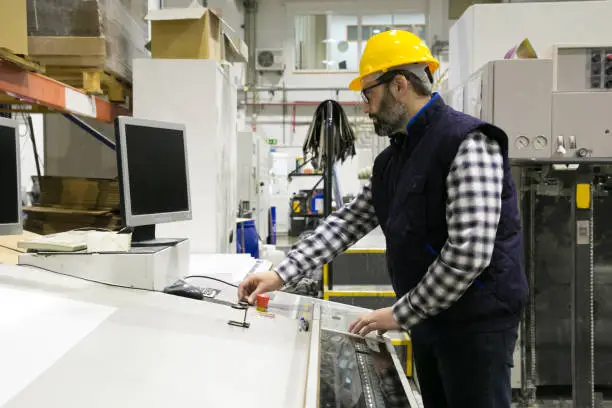
Preventative repair plans for Industrial Crushers prevent expensive, unexpected downtime from happening. Visual checks every day make sure the guard is in the right place, look for fluid leaks, and make sure the screen is intact. Each week, chores include using manufacturer-recommended greases to grease the bearings, checking the tension on the drive belt, and looking at the blade edge for signs of wear. As part of monthly deep checks, the chamber is completely cleaned, the strength of the bolts is checked, and the electrical connections are looked over. Comprehensive service every three months replaces worn-out parts before they break, keeps thorough maintenance logs that show how long parts last, and spots problems before they stop production.
Extending Equipment Service Life
To make a crusher last as long as possible, you need to pay attention to operating details beyond regular upkeep. When you feed the material correctly, you keep it from being overloaded and lower the shock loads on the mechanical parts. By keeping feed rates constant, you can avoid cycling between idle and high load situations, which can speed up damage from tiredness. Electrical parts and hydraulic systems are protected when they are used within their designated temperature ranges. Using replacement parts that have been accepted by the maker ensures that the dimensions and materials are the same as the original parts. By teaching workers how to spot early warning signs, production teams can fix small problems before they get worse and require longer shutdowns. When these practices are paired with good beginning equipment selection, they provide decades of reliable service that helps businesses make money.
Conclusion
When deciding between compression-based crushers and impact-driven systems, you need to carefully look at the properties of your material, your output goals, and your working limitations. Plastic processing plants usually get better results when they use cutting-action tools made just for polymer materials. On the other hand, aggregate operations might require impact breakers for their needs. Not only does the choice affect how efficiently things are processed right now, but it also affects long-term prices, upkeep, and the ability to change how things are made. When you work with manufacturers that have proven knowledge, full support, and a drive to continuous growth, your business will stay ahead of the competition in markets that are becoming more demanding.
FAQ
Which crusher type works best for plastic recycling operations?
For handling polymers, specialized plastic crushers work better than general-purpose impact crushers. Cutting and shearing work well on a wide range of materials, from stiff industrial plastics to flexible films, without the problems that impact systems have with stretchy materials getting stuck. Adjustable screen systems give exact particle sizes ranging from 2 mm small grains to 100 mm large chunks, meeting a wide range of needs in downstream processing.
How do maintenance costs compare between crusher technologies?
The main things that affect maintenance costs are how rough the material is and how long it is used. Quality blade materials that last 3,000 to 5,000 hours are much less likely to need to be replaced as often as standard tools that need to be changed every few hundred hours. When working with rough materials, impact crusher blow bars usually need to be replaced more often. Designs that are easy to get to and have quick-change parts cut down on labor costs and production downtime during regular maintenance.
What determines the appropriate crusher capacity for my facility?
Figure out how much space is needed by looking at high production rates, the amount of material that can be stored before it is processed, and shift patterns. Oversized equipment gives you more options for how to run your business during repairs or sudden spikes in demand. Our models can handle anywhere from 50 kilograms to 10 metric tons per hour, so they can be used in places ranging from small job shops to big recycling businesses. All setups can work continuously 24 hours a day if they are kept up properly.
Partner with Xingbiao: Your Trusted Industrial Crushers Manufacturer
To get the best crushing performance, you need to do more than just buy tools. You need to work with manufacturers who understand your operating problems and are committed to your long-term success. Hangzhou Xingbiao Machinery has been breaking plastic for 30 years and offers a wide range of support services to protect your investment throughout its lifetime. Our engineering team comes up with solutions that take into account the properties of your materials, the amount of room you have, and your production goals. We keep our contact lines open so that technical questions can be answered by experts within 24 hours, and our spare parts collection keeps production from stopping for long periods of time.
Our product line has solutions that will work for you, whether you run a small recycling plant that needs standard models that are affordable or a large manufacturing plant that needs custom-engineered systems that can be combined with existing production lines. You can talk to our procurement experts about your crushing needs, get full specs and quotes, or set up facility visits by emailing xingbiaocrusher@xingbiaocrusher.com. Find out how working with a dedicated Industrial Crushers seller can turn trash into useful resources that can make you money while also cutting down on costs and making your business more environmentally friendly. You can look at our full line of products and customer success stories at www.xingbiaocrusher.com. These stories show that our products work well in a wide range of situations.
References
1. Johnson, M. & Peterson, R. (2023). "Material Processing Equipment Selection in Modern Manufacturing." Industrial Engineering Quarterly, Vol. 47, pp. 112-129.
2. Williams, K. (2024). "Energy Efficiency in Crushing Operations: Comparative Analysis of Equipment Technologies." Journal of Sustainable Manufacturing, Vol. 15, No. 2, pp. 78-95.
3. Chen, L., Martinez, A. & Singh, P. (2023). "Plastic Waste Recycling: Equipment and Process Optimization." Environmental Technology Review, Vol. 31, pp. 234-256.
4. Thompson, D. (2024). "Total Cost of Ownership Models for Industrial Processing Equipment." Procurement Management Today, Vol. 19, No. 4, pp. 45-63.
5. Anderson, S. & Liu, Y. (2023). "Maintenance Strategies for Extended Equipment Service Life in Recycling Operations." Plant Engineering Journal, Vol. 52, pp. 167-182.
6. Roberts, E. (2024). "Comparative Performance Analysis of Crushing Technologies in Polymer Processing Applications." Plastics Engineering and Technology, Vol. 28, No. 1, pp. 89-107.
Learn about our latest products and discounts through SMS or email