- English
- French
- German
- Portuguese
- Spanish
- Russian
- Japanese
- Korean
- Arabic
- Greek
- German
- Turkish
- Italian
- Danish
- Romanian
- Indonesian
- Czech
- Afrikaans
- Swedish
- Polish
- Basque
- Catalan
- Esperanto
- Hindi
- Lao
- Albanian
- Amharic
- Armenian
- Azerbaijani
- Belarusian
- Bengali
- Bosnian
- Bulgarian
- Cebuano
- Chichewa
- Corsican
- Croatian
- Dutch
- Estonian
- Filipino
- Finnish
- Frisian
- Galician
- Georgian
- Gujarati
- Haitian
- Hausa
- Hawaiian
- Hebrew
- Hmong
- Hungarian
- Icelandic
- Igbo
- Javanese
- Kannada
- Kazakh
- Khmer
- Kurdish
- Kyrgyz
- Latin
- Latvian
- Lithuanian
- Luxembou..
- Macedonian
- Malagasy
- Malay
- Malayalam
- Maltese
- Maori
- Marathi
- Mongolian
- Burmese
- Nepali
- Norwegian
- Pashto
- Persian
- Punjabi
- Serbian
- Sesotho
- Sinhala
- Slovak
- Slovenian
- Somali
- Samoan
- Scots Gaelic
- Shona
- Sindhi
- Sundanese
- Swahili
- Tajik
- Tamil
- Telugu
- Thai
- Ukrainian
- Urdu
- Uzbek
- Vietnamese
- Welsh
- Xhosa
- Yiddish
- Yoruba
- Zulu
Plastic crusher Installation Guide for Factories
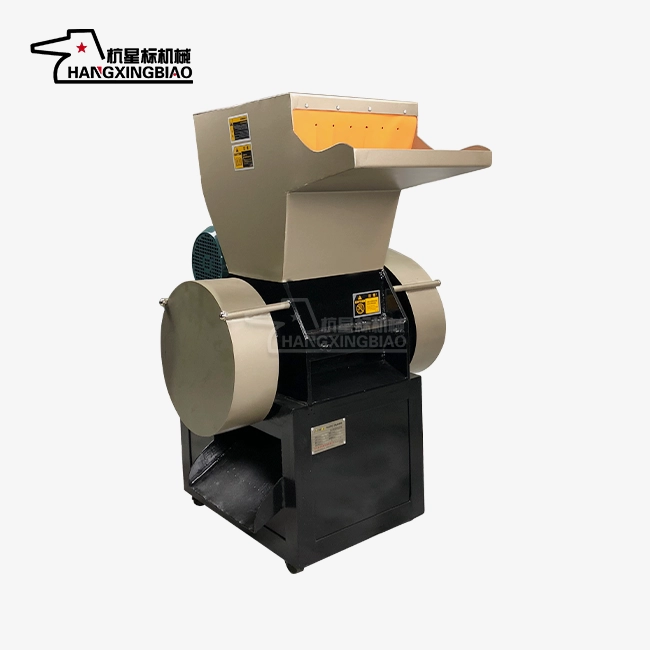
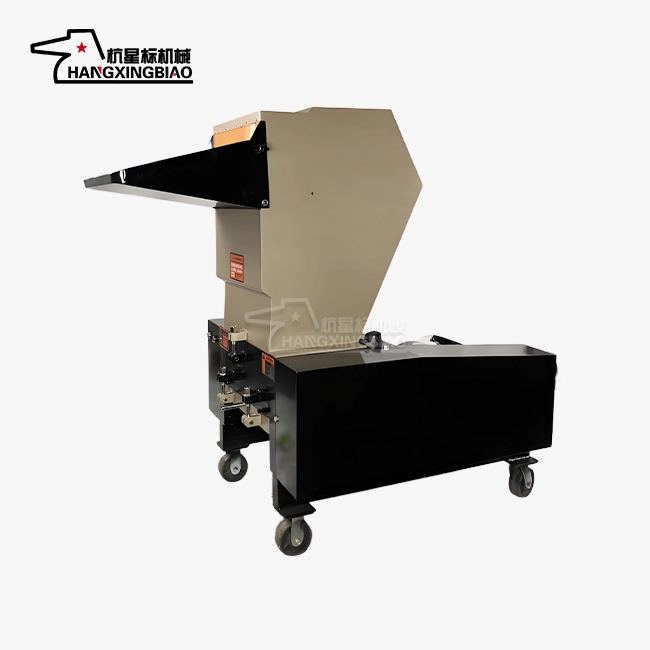
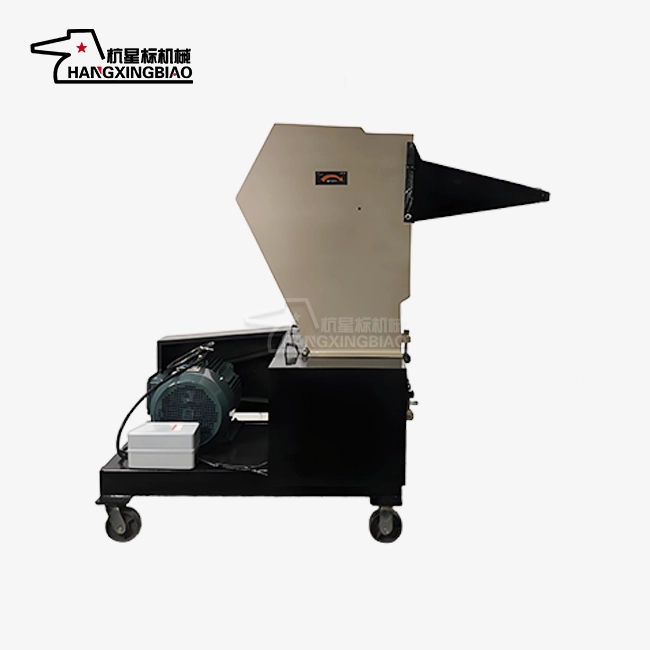
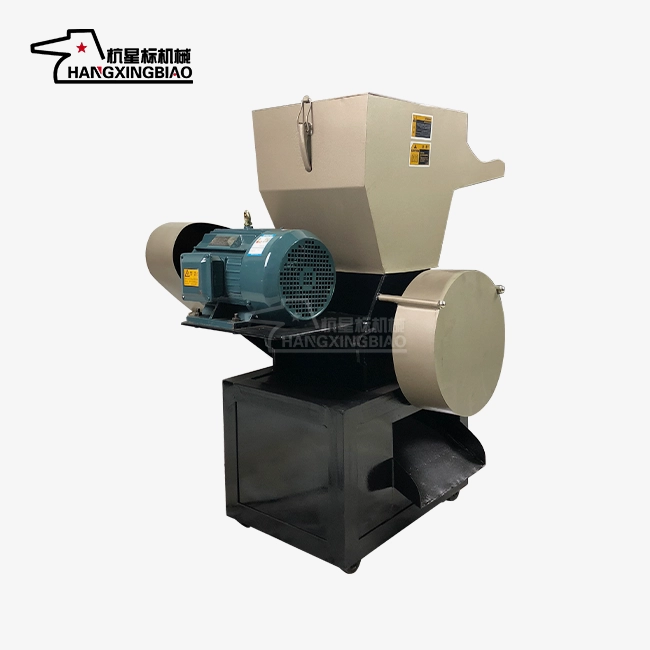
It is smart to add a Plastic crusher to your plant. It will change how well you make things, how much material you reclaim, and how much it costs to run the business. When you throw away broken injection-molded parts or big rolls of plastic film, a plastic crusher turns them into regular granules that can be used again. If you put your gear in the right place, it will still meet safety standards and work well even when it's under a lot of stress. This guide will help you with every step of the installation process, from seeing what tools you need to which seller to choose. It doesn't matter if you run a small recycling center or a large plant. These tips will help you save money and become better at handling plastic trash.
Understanding Plastic Crushers and Installation Requirements
What Are Plastic Crushers and How Do They Work?
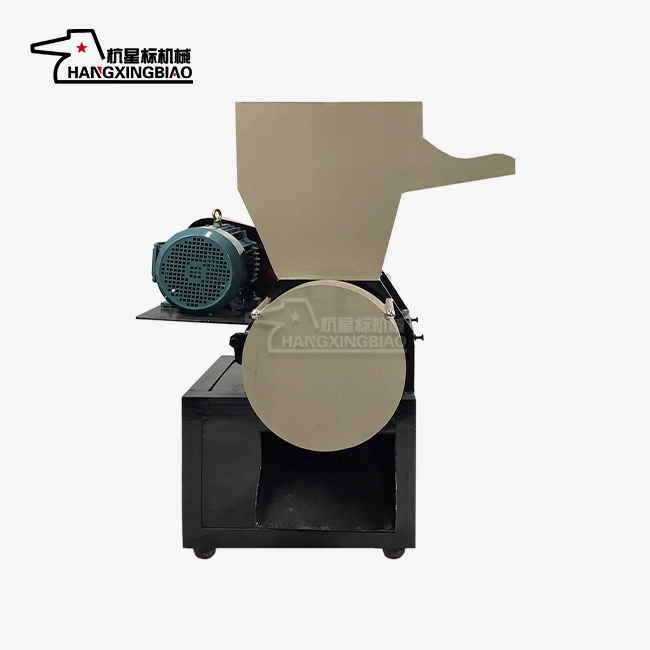
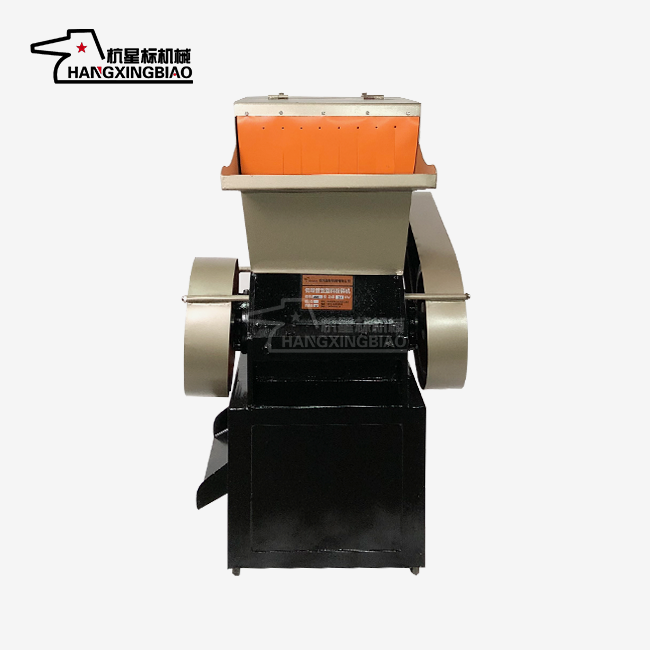
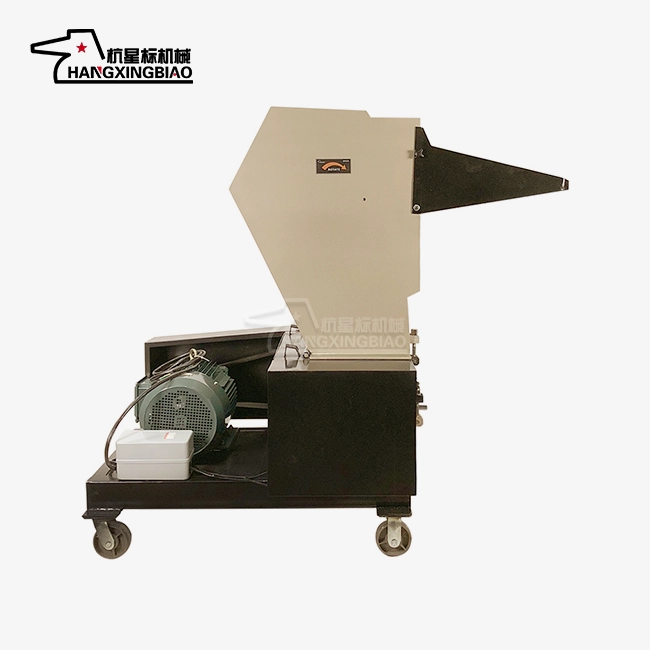
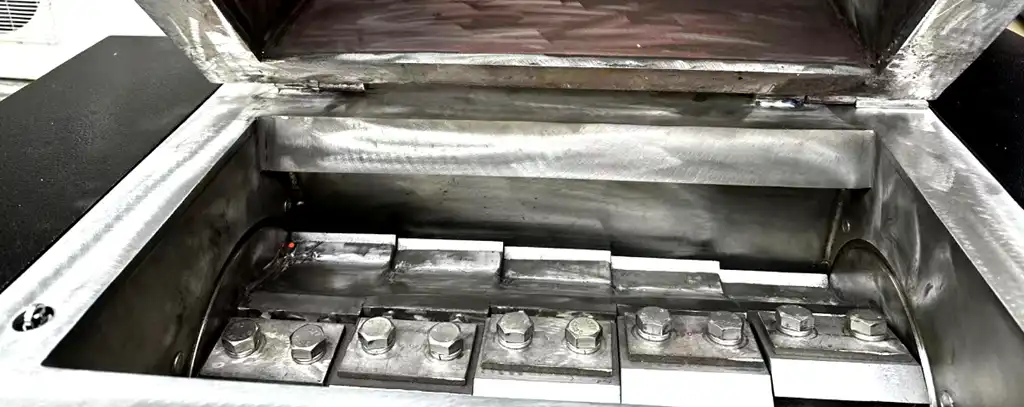
Plastic crushers are specialized tools that can be used to crush various types of plastic into smaller pieces. Crushers use both shear and impact forces to make chunks of the same size. Shredders, on the other hand, tear materials into random pieces. Modern crushers have rotor blades that spin and cut against surfaces that stay in place. This makes clean cuts through tough plastics like HDPE bottles, PET cases, injection molding sprues, and even tough materials like woven bags and films that are twisted. As the crushed material moves through a screen mesh, the final particle size is chosen. It could be anywhere from 2 mm to 12 mm, depending on what needs to be done next.
Key Installation Prerequisites for Factory Settings
Before you can put a crusher on the floor of your building, you need to make sure a few key things are in place. It's very important to leave enough room around the crushers so that they can feed materials, be fixed, and have safe places to work. No matter what kind, you might need 50 to 200 square feet of floor space, plus extra room for moving belts and trash cans.
Safety Standards and Regulatory Compliance
While using crushing tools, there are some risks that need to be carefully handled in line with safety rules. The emergency stop keys must be easy to get to, and the machine should not run when the entry panels are open. Staff doesn't need to touch moving parts because there are guard screens around the blade sections. Everything that is used should follow the rules for machine safety (ANSI B11.19) and power safety (NFPA 79).
Step-by-Step Plastic Crusher Installation Process
Pre-Installation Planning and Site Preparation
Fitting goes well for weeks before the equipment shows up. Check out the whole site to make sure that the floor load capacity meets or exceeds what the Plastic crusher needs. Check the building plans to see if any issues could lead to issues with the wires above, the doors, or the current production lines. Plan when the tools, crane services, electricians, and people who will check the system before it starts up will arrive.
Mechanical Assembly and Component Alignment
Before you sign for the arrival ticket, make sure that none of the parts of the tools are broken from shipping. Carefully take everything out of the box, and save any materials you might need in case you need to return something for warranty reasons. Use the right moving tools to set the crusher base on ready-made fixing points. Never try to move big things by hand.
Electrical Integration and Control Systems
Only licensed workers who know how to work with three-phase industrial systems should be able to connect the power. To keep power lines away from hydraulic and gas pipes, they should be run through conduit or cable boxes. Put the motor lines together by following the picture of the wire. Then, check the phase rotation to make sure the motor is going in the right way. Turning things around in the wrong way can hurt people and damage property.
Initial Testing and Calibration Procedures
Before you get materials ready to be made, you should test them thoroughly using sample plastics that are similar to the plastics that end up in your trash. To begin, turn on the crusher without anything in it to make sure it works well, doesn't make any noises, and spins at the right speed. Watch the motor's current draw. If the numbers are way above the marked limits, it could mean that there are issues with the electricity or the motor itself.
Maintenance and Troubleshooting Post-Installation
Routine Maintenance Practices for Peak Performance
Setting up a regular fix schedule is important to keep things going as long as possible and avoid breakdowns that cost a lot of money. As part of daily checks, the blades are made sure to be sharp, strange sounds are heard, and safety guards are made sure to stay in place. Bearings need to be oiled according to the manufacturer's guidelines every week. Too much or too little oil can be just as bad. Drive belts also need to be checked for proper tension and wear every week.
Diagnosing and Resolving Common Operational Issues
Plastic crushers sometimes don't work right, even when they are put correctly. Adding too much material, too big pieces like metal bolts, or too much material flow is what usually causes jams. These days, crushers have anti-winding comb teeth that make it much less likely that they will get stuck when working with flexible materials. However, workers still need to watch what they put into the machine. If there are jams, follow the lockout/tagout steps first, then use your hands to clear the way.
Safety Protocols for Ongoing Operations
When something is new, safety is the most important thing. Every three months, make sure everyone knows what to do in case of an emergency and how to do things right. Risk projections need to be changed when methods change or new materials are added. Make sure that workers don't have to worry about what will happen to them if they report near-misses or dangerous situations. This will help keep big mistakes from happening.
Choosing the Right Plastic Crusher for Your Factory Needs
Matching Crusher Types to Your Material Characteristics
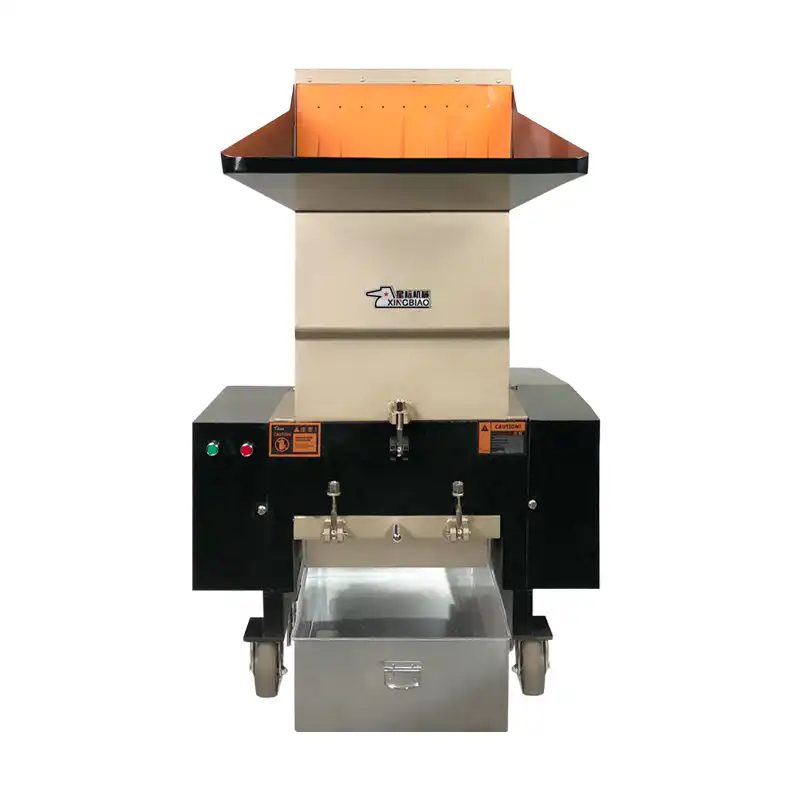
You need to know what's in your trash stream before you can pick tools. Granulators are great for working with solid shapes, thick-walled cases, and legs for injection molding, which are all made of hard plastic. Their strong blades work well with materials that have a lot of bulk, cutting them into regular shapes that can be used right away for further processing. Granulator-style Plastic crushers work well and make consistent quality if your company mostly makes hard plastic waste from production. There are different kinds of crushers for different uses. These don't have to be pre-sized, but they can hold big things like trash cans and car hoods. Crosslinked thermosets and other tough materials need high-power types because they have the force they need. It is possible for films and woven materials to stay separate with standard crushers that are made for soft plastics. For example, rubber needs to be broken at very low temperatures, and low speeds should be used in places where noise levels are important.
Evaluating Efficiency, Durability, and Total Cost of Ownership
When you compare tools, you should look at more than just the price. How much energy a crusher needs and how much it can produce depend on how well it works. For instance, if it works 20% better, it will make more and save money. The blade form and empty structure of modern crushers are better thought out, so they work better than older ones. It changes a lot how much energy each type needs. Power needs depend on how efficient the motor is, the shape of the blades, and the way used for processing. Machines that match the power of the motor to the weight of the load use less energy. The money you save on energy costs over ten years might be more than the difference in the price of the tools at first.
Supplier Evaluation and After-Sales Support
Getting the right tools is important, but getting the right source is even more so. To find out how knowledgeable a manufacturer is in their area, look at their professional know-how and customer reviews. Most of the time, companies that only work with new technology know more than companies that sell a lot of different tools. One company that uses this method well is Hangzhou Xingbiao Machinery, which has been making and improving plastic crushers for 30 years. For example, you could ask for operation manuals, service plans, and lists of spare parts. Providers who provide many types of help tools show that they want their clients to succeed. Set up easy ways for people to get in touch, like email, the phone, and the web, so they can get help when they need it.
Enhancing Factory Sustainability with Advanced Plastic Crusher Technology
Contributing to Waste Reduction and Circular Economy Goals
A big part of businesses' attempts to be more eco-friendly is getting new Plastic crusher equipment. It cuts down on the use of new materials and the amount of trash that ends up in dumps when plastic waste is turned into more fuel. Companies that show they recycle well can get environmental certifications like ISO 14001, which can be good for their business and may even let them use green buying programs. We don't need to screen the output any further when it is over 90% regular. This cuts down on the number of steps needed and the energy needed for them. Powder doesn't form when the structure of the material is protected. Powder spoils batches and lowers the value of salvaged plastic. Because of these quality improvements, more post-industrial repurposed materials can be used in made goods without making them less useful. Recycling facts that can be counted include tons of trash that are redirected, energy that is saved, and a smaller carbon footprint. A competitive advantage is being able to handle waste quickly because many customers want providers to show proof that they care for the earth.
Technological Innovations Reducing Environmental Impact
Adding automation to a crusher makes it work better by letting it change its settings based on the material being crushed in real time. Sensors check the particle size, make-up, and motor load. If they find any problems, they change the spinning speed or feed rate so the machine keeps going at its best. This smart method gets more done while using as little energy as possible. Motors that meet NEMA Premium standards are energy-efficient and use 5 to 10 percent less power than regular motors. Variable-frequency drives change the motor's speed based on demand, so it doesn't have to run at full power all the time. In a way that can be measured, these technologies cut down on carbon waste and energy costs. Things that cut down on noise are good for both workers and people who live nearby. Shelters that block noise, vibration isolation mounts, and rotor designs that balance the load all help keep noise from activities to a minimum. Equipment that is quieter makes the workplace better and helps businesses follow the rules about noise that are getting tighter.
Preparing for Future Developments in Recycling Technology
The process of making plastic will be even better with the help of new technologies. AI and machine learning programs can figure out what fixes need to be done before they happen. This means that repairs are planned for times when the system is not supposed to be up. Because of new materials, blades last longer than they used to, which lowers the cost and frequency of replacement. Over time, chemical recycling methods that break plastics down into their molecular parts may be used, along with crushing them by hand. But the material still needs to be shrunk mechanically before it can be used in these more advanced ways. If you buy good crushing gear now, your plant will be ready to keep up with changes in recycling technology. Business trends can help you get ready for changes in the market and the rules that govern it. More and more, governments are making companies pay more tax and use higher amounts of recycled materials. Crushing plants that have reliable and effective systems can quickly adapt to new needs and take advantage of the growing need for recycled materials.
Conclusion
That being said, when you add a Plastic crusher, taking care of industrial trash goes from being a cost center to a business that makes money. If you do things the right way, the fitting will work well, keep the user safe, and give you the best return on your investment. You can make smart purchases that meet your needs if you know about the different kinds of tools, how they work with different materials, and what providers can do. Tools last longer and work better when they are fixed regularly and before they break. Investing in cutting-edge crushing technology can give your business a competitive edge and also help the environment as the economy goes more toward the ideas of a cyclical economy. You need to pay close attention to the details and work with skilled buyers who care about your long-term success from the beginning to the end.
FAQ
How long does a typical plastic crusher installation take?
It depends on how big the tools are and how ready the spot is to be put in. With the power hooked up and mechanical connections made, small to medium-sized breakers can usually be set up in two to three days. Things that are big and made into production lines might take a week or two, especially if they need custom carts or robots. Planning well before the installation cuts the time it takes by a lot because problems with the equipment can be fixed before the installation starts.
What safety measures are most critical during setup?
Safety around electricity is very important. Power connections should only be made by trained electricians, and all lines must have proper grounding and overload protection. During testing, blade systems are kept from accidentally hitting each other by guards that keep them safe. If the lockout/tagout steps are taken before any repair or adjustment work is done, technicians will be safe from sudden starts. If there is enough air flow, dust won't build up and hurt your lungs or start a fire.
Can the crusher capacity be upgraded after installation?
One way to improve many systems is to change the size of the screen, replace the motor, or add better blade designs. If you change the blades to high-performance blades, you can get more work done without buying a whole new machine. Things work better when you add material lines or automatic service systems. Structures, on the other hand, can only hold so much. Talk to the company that sold you the tools to find out what changes they can make to make it work better for your needs.
Partner with Xingbiao for Superior Plastic Crusher Solutions
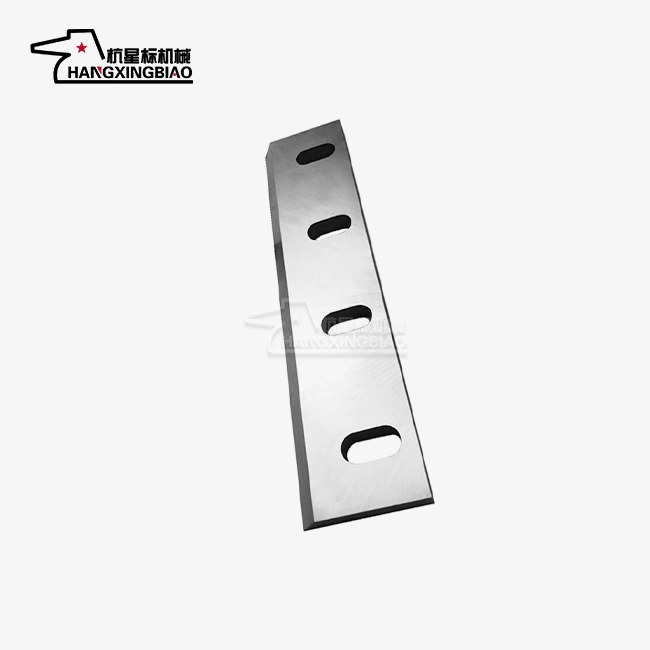
First, pick the right tools partner. This will help you get the most out of your plastic recycling. For thirty years, Xingbiao has only made new Plastic crushers. This has given them skills that no other company that sells machines can match. Big players in the field, like KFC and Nongfu Spring, work with our tech team to improve ideas that work in the real world. The metal blades on each breaker are very hard to wear and can last for more than 3,000 hours. The hollow structures have been improved so that 90% of the output is regular, and the teeth are designed so that they don't get stuck on fibrous materials. Our wide range of products is reliable and effective, whether you need large-diameter crushers for big parts, high-power models for getting back scrap from continuous injection molding, or unique solutions made just for your needs. To make sure you get the most out of your purchase, we offer full support, from helping you pick the right product to helping you put it together and keep it in good shape. Talk to a reputable company that makes plastic crushers and wants you to achieve. Send us an email at xingbiaocrusher@xingbiaocrusher.com for expert advice that fits the needs of your business.
References
1. Smith, J. R., & Anderson, M. L. (2022). Industrial Plastic Recycling Systems: Design and Implementation. Manufacturing Technology Press.
2. Thompson, K. W. (2023). "Optimizing Size Reduction Equipment for Polymer Processing Applications." Journal of Plastics Engineering, 45(3), 112-128.
3. National Safety Council. (2024). Machinery Safeguarding Guidelines for Manufacturing Facilities. NSC Publications.
4. Williams, D. H., & Chen, Y. (2023). "Energy Efficiency in Plastic Waste Processing Equipment." Recycling Technology Review, 38(2), 67-82.
5. American Society of Mechanical Engineers. (2023). Installation Standards for Industrial Crushing Equipment (ASME B20.1-2023).
6. Rodriguez, P., & Kumar, S. (2024). "Advances in Blade Metallurgy for Plastic Size Reduction Machinery." Materials Science in Manufacturing, 51(1), 34-49.
Learn about our latest products and discounts through SMS or email