- English
- French
- German
- Portuguese
- Spanish
- Russian
- Japanese
- Korean
- Arabic
- Greek
- German
- Turkish
- Italian
- Danish
- Romanian
- Indonesian
- Czech
- Afrikaans
- Swedish
- Polish
- Basque
- Catalan
- Esperanto
- Hindi
- Lao
- Albanian
- Amharic
- Armenian
- Azerbaijani
- Belarusian
- Bengali
- Bosnian
- Bulgarian
- Cebuano
- Chichewa
- Corsican
- Croatian
- Dutch
- Estonian
- Filipino
- Finnish
- Frisian
- Galician
- Georgian
- Gujarati
- Haitian
- Hausa
- Hawaiian
- Hebrew
- Hmong
- Hungarian
- Icelandic
- Igbo
- Javanese
- Kannada
- Kazakh
- Khmer
- Kurdish
- Kyrgyz
- Latin
- Latvian
- Lithuanian
- Luxembou..
- Macedonian
- Malagasy
- Malay
- Malayalam
- Maltese
- Maori
- Marathi
- Mongolian
- Burmese
- Nepali
- Norwegian
- Pashto
- Persian
- Punjabi
- Serbian
- Sesotho
- Sinhala
- Slovak
- Slovenian
- Somali
- Samoan
- Scots Gaelic
- Shona
- Sindhi
- Sundanese
- Swahili
- Tajik
- Tamil
- Telugu
- Thai
- Ukrainian
- Urdu
- Uzbek
- Vietnamese
- Welsh
- Xhosa
- Yiddish
- Yoruba
- Zulu
Big plastic crusher machine vs Granulator: Choosing Right
If you need to choose between a granulator and a Big plastic crusher machine, you need to know what their main differences are. Both tools are very important for dealing with plastic trash, but they do different things. A Big plastic crusher machine is great at cutting thick lines, injection-molded parts, and mixed waste into pieces that are easy to handle, ranging in size from 2 mm to 50 mm. This makes it perfect for reusing a lot of different kinds of materials at once. Granulators, on the other hand, make regular, fine particles that can be used right away to make new goods. Your choice will depend on the properties of the material, the output needs, and the needs for processing afterward.

Understanding Big Plastic Crusher Machines and Granulators
What Is a Big Plastic Crusher Machine?
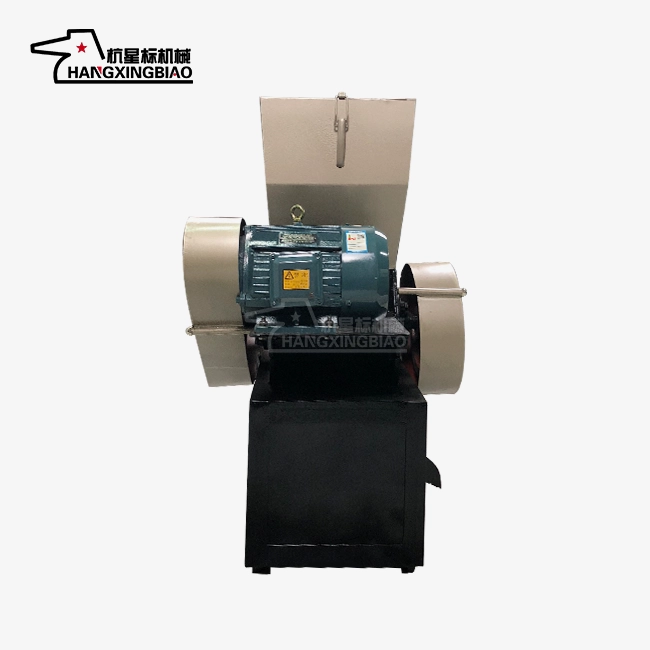
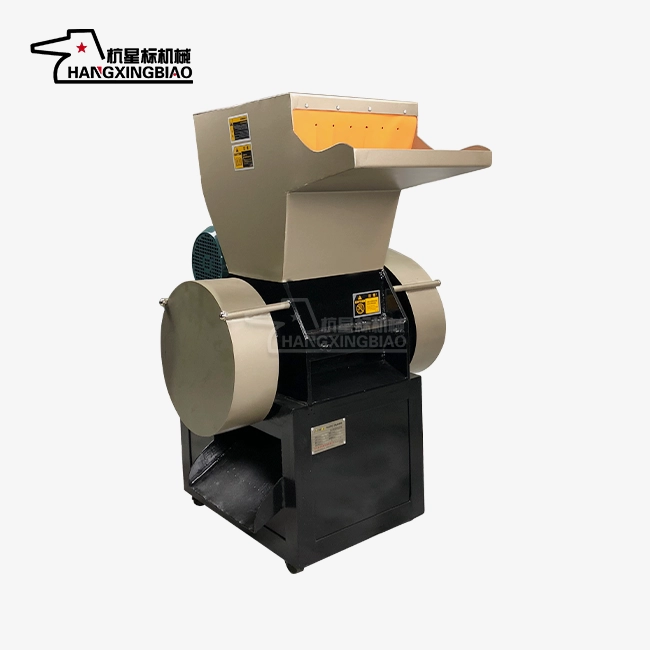
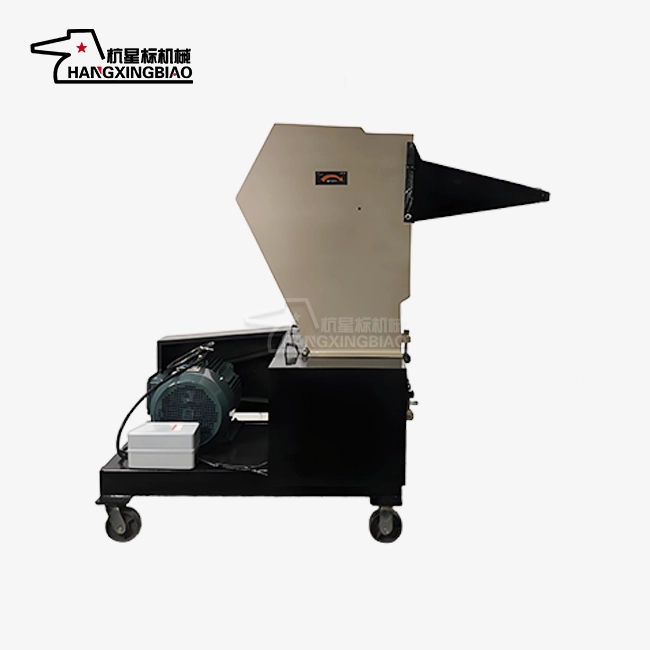
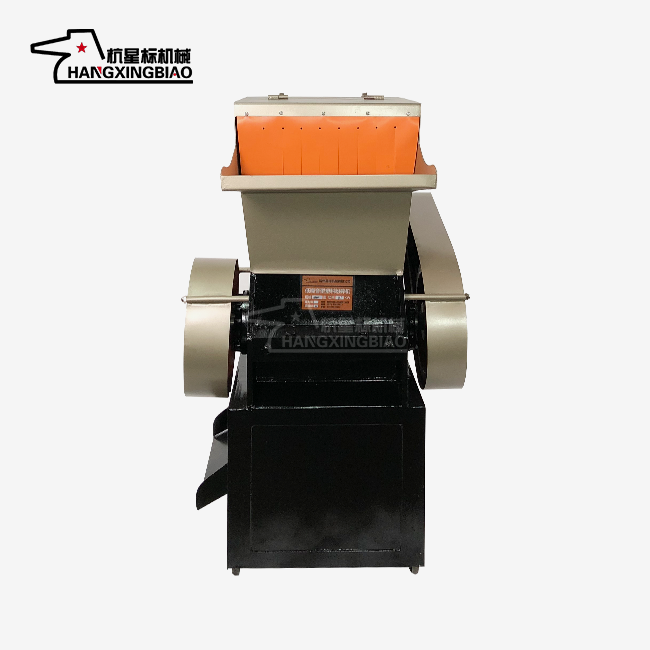
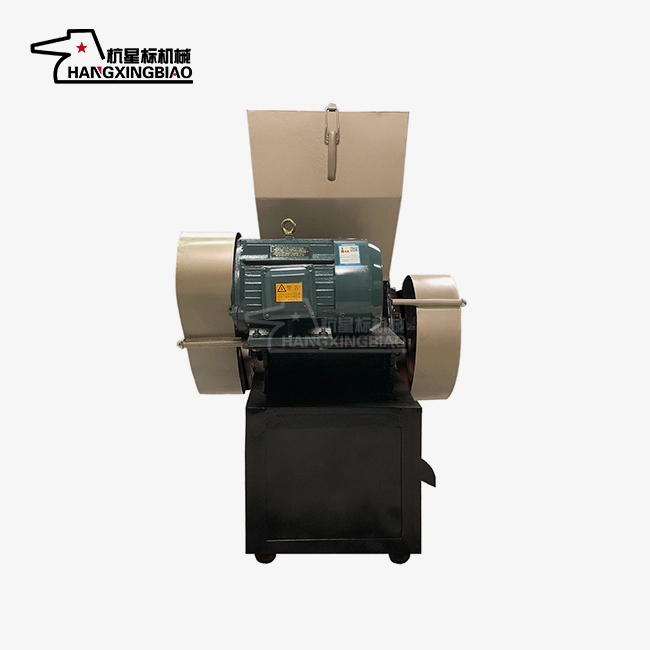
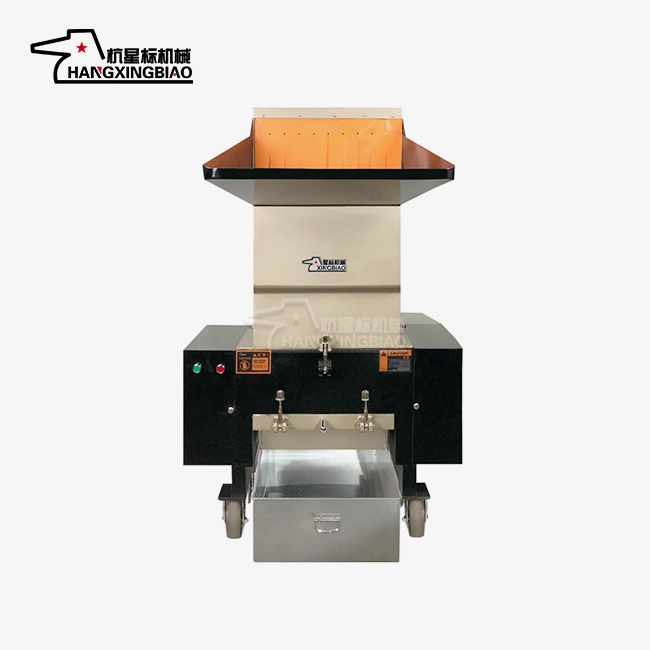
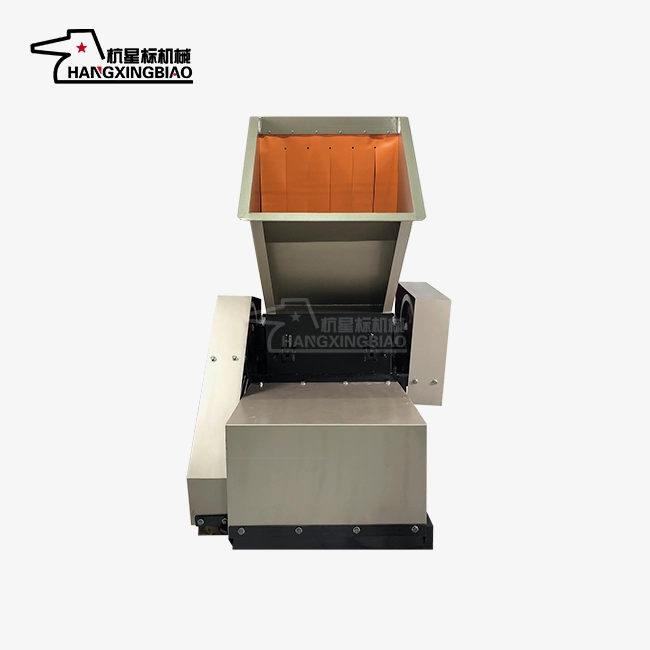
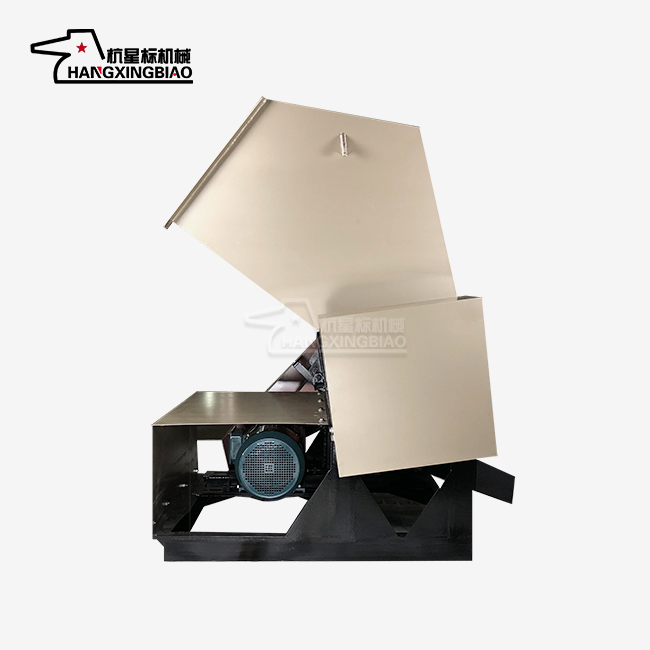
A Big plastic crusher machine is a strong industrial system made to use strong mechanical force to break up big pieces of plastic trash. The machine has heavy-duty rotors with spinning blades that hit and cut the entering material against knives that stay still. This rough action breaks up big things like trash cans, car bumpers, thick-walled pipes, and production mistakes into smaller pieces. Different types have very different amounts of processing power. Small units can handle 50 to 500 kilograms per hour, making them good for small recycling activities or use next to a press. Industrial-scale crushers can handle between one and ten tons of material per hour, which is enough for big recycling plants that deal with trash from cities or leftover materials from factories.
How Granulators Differ in Function
Granulators like the Big plastic crusher machine don't use physical force to crush things; instead, they use precision cutting. The rotor in these machines has many knife tips that cut plastic against fixed bed knives in a way that is similar to how scissors cut paper. This cutting process makes pieces that are all the same size, usually between 2 mm and 12 mm. Granulators are great for working with clean, pre-sorted plastic that needs a tight particle size distribution. Granulators are used in packing, making car parts, and recycling electronics when the next steps in the process, like extrusion or injection molding, need specific material properties.
Application Scenarios in Different Industries
When factories make production waste like injection molding runners, edge trim from thermoforming, or broken parts, they can use beside-the-press granulators to recover the material right away and use it again in production. This closed-loop method lowers the costs of both getting rid of trash and buying materials. Suppliers to companies that make consumer goods often need both types of equipment: crushers to reduce the size of different types of trash that come in, and granulators to make specification-grade regrind that can be mixed with new resin.
Key Factors to Consider When Choosing Between a Big Plastic Crusher Machine and a Granulator
Material Characteristics and Input Size
The physical qualities of your waste stream are the most important thing that determines what tools you need. Plastics that are hard and rigid, like ABS, polycarbonate, and acrylic, can be crushed or granulated. Crushers are better at working with bigger pieces, though. Regular granulators can't handle soft, flexible materials like polyethylene films, woven polypropylene bags, and stretch wrap because the material can get wrapped around the rotor. Specialized crusher designs with specific blade shapes stop this from happening. The size of the input has a direct effect on the machine choice. Things that are bigger than 300 mm in any way usually need to be crushed as the first step. Granulators work better with smaller pieces of material (usually less than 150 mm) and make output that is more even. For best results when working with big items, a two-step process (first breaking, then granulation) is usually best, but it costs more and is harder to run.
Processing Volume and Throughput Requirements
Your output number tells us how much space we need to start with. Figure out how much trash you're making, taking into account peak times and future growth. A facility that makes 200 kg of scrap per hour during a single shift might be able to get by with a medium-sized crusher that can handle 300–500 kg per hour as a backup. Recycling centers that deal with a lot of trash every day need industrial systems that can run all the time without breaking down or getting too hot. Productivity is affected by whether work is done in batches or continuously. Large items can usually be fed into crushers in batches, while granulators are often connected to conveyor systems so that material flows continuously. Think about how the equipment works with the systems that gather and handle waste upstream and downstream. Automated food systems cut down on worker costs, but they need more money and planning for how they will work with other systems.
Energy Consumption and Operating Costs
Energy saving has a big effect on long-term profits, especially for businesses that do a lot of work. Modern crushers that use motors that are perfectly matched and transfer systems that work efficiently use 8 to 12 kilowatt-hours per ton of treated plastic. For the same amount of work, older or poorly built tools may need 50% more power. Granulators usually use less energy because they cut things, but how much they use varies on how hard the material is and what size particles you want. Beyond the cost of energy, think about how often and how much it costs to change the blades. Good tool steel blades, like SKD-11 or D2 grade, can be used for a long time before they need to be sharpened or replaced. When compared to normal carbon steel blades, vacuum heat treatment and cryogenic hardening make blades last 60% longer. Even though quality blades cost more at first, they have a lower total cost of ownership because they last longer and need to be replaced less often.
Maintenance Complexity and Downtime
The need for maintenance of the big plastic crusher machine has a direct effect on the availability of operations. Because crushers aren't very complicated and don't need as many fine changes, they're easier for people with basic mechanical skills to keep up. As part of routine jobs, bearings need to be oiled, blades need to be checked for damage, and safety interlocks need to be checked. Quick-change screen systems let you change the particle size without taking the whole system apart. Because the rotor and bed knives are so close to each other, granulators need more careful maintenance. When you balance your knives correctly, you can cut cleanly and get particles of the same size. Technicians need to know how to make adjustments and have the right measuring tools. Preventive maintenance plans usually include checking the blades every month, servicing the bearings every three months, and reviewing the electrical system once a year. Facilities that don't have skilled repair staff should think about how much it would cost to hire new staff and whether they could get help from a contractor.

Comparative Analysis: Big Plastic Crusher Machine vs Granulator
Performance Metrics and Output Quality
The spread of particle sizes is an important quality indicator for recovered plastic. Crushers turn materials into random pieces of different sizes, which can be used in situations where the material just needs to be smaller so it can be moved or stored. The output usually falls between 5mm and 50mm, and it's about 70–80% consistent. This variation isn't a problem when the material is being processed further or when mixing exactly the right amounts isn't important.
Investment and Operational Expenses
To find the total cost of ownership, you should look at how much it costs to maintain, how much energy it uses, and how often you need to replace consumables. A crusher with better blade steel may cost $5,000 more up front, but it will save $15,000 over five years because the blades will last longer and there will be less downtime. When comparing providers, make sure you get full information on the blades' materials, how they are heated, and how often they should be serviced.
Supplier Reliability and After-Sales Support
Reliability in equipment comes from how well it was designed, how precisely it was made, and what materials were used. Manufacturers who have a lot of experience making machines for processing plastic usually make more reliable systems than manufacturers who only make general equipment. Look for companies that have a track record of success, like Hangzhou Xingbiao Machinery Co., Ltd., which has been specializing in plastic breaking technology for 30 years, instead of selling a wide range of equipment.

Best Practices for Procurement and Integration of Plastic Processing Equipment
Defining Your Requirements
First, write down in depth what your trash stream looks like. Get samples of the materials you'll be working with and write down their sizes, types of plastic, levels of contamination, and any unique features, like metal inserts or layered designs. During the evaluation process, give these samples to possible suppliers to make sure that their products will work with yours.
Evaluating Equipment Options
Ask several suppliers for thorough technical specs and compare important factors such as motor power, rotor design, blade materials, screen choices, and safety features. Don't just believe what the company says; ask for test results from a third party, customer recommendations, and case studies from similar uses. Visiting current displays is a great way to learn about how well and how reliably something works in the real world.
Implementation and Integration
The basis for effective long-term function is set by proper installation. Make sure there is enough floor room around the equipment to move things, do upkeep, and stay safe. Provide the right electrical service that meets the requirements for power and amperage, as well as the right grounding and circuit safety. To keep the workplace safe and comfy, think about environmental controls like noise reduction, dust collection, and airflow.
Troubleshooting, Maintenance, and Safety Tips for Longevity
Common Operational Challenges
When metal contaminants or things that are too big get into the cutting area, the blade gets stuck. Avoid jams by pre-sorting well and controlling the feed rate correctly. If there is a jam, you should quickly turn off the equipment using safety stops instead of trying to push the material through. Once the material is free of the jam, check the blades for damage before starting up again. Putting in metal detectors upstream saves expensive cutting parts from being destroyed by damage.
Preventive Maintenance Protocol
Lubrication is the most important upkeep job for the long life of the crusher and granulator. If the maker tells you what kind of lubricant to use, how much to use, and how often to repair it, do it. Depending on the load and the surroundings, bearings usually need to be greased every 200 to 500 hours of use. Use high-quality grease that is right for the speeds and temperatures that will be used. Too much or too little lube can be just as bad, so make sure you use the exact amount that is recommended.

Sustainability and Environmental Considerations
Using less energy means less damage to the earth and lower costs. Don't run your tools at half load because it uses a lot of energy compared to how much it can handle. If you can, plan your work for times when power rates are lower. Metering tools can be used to keep an eye on power use and set a baseline for performance. Degradation can then be used to see if repair is needed.
Conclusion
You need to carefully think about your specific working needs, material properties, and quality standards when choosing between a big plastic crusher machine and a granulator. Crushers work well for handling a lot of different kinds of bulky plastic trash, which makes them perfect for recycling centers and factories that make a lot of big scrap metal. Granulators accurately control the particle size needed for tasks that require stable material qualities for reprocessing. Many businesses are successful because they use both types of equipment in similar ways. For example, they use crushers to reduce the size of the material first and granulators to make regrind that meets specific quality standards. When making your choice, you should think about the original investment, the ongoing costs, the need for upkeep, and your long-term business goals.
FAQ
Which machine handles high-volume recycling operations better?
Big plastic crusher machine models usually work best in recycling operations that do a lot of recycling because they are built to last and can quickly break down big, bulky things. Large plants should use models that can handle 1 to 10 tons per hour, while granulators work best when a regular particle size is needed for straight reprocessing. The best pick will depend on the types of materials you have and how they need to be processed later.
How often do crusher blades require replacement?
Blade repair times depend a lot on the type of material, the number of hours it is used, and the quality of the blade. With vacuum heat treatment and cryogenic hardening, high-quality tool steel blades can cut through 500 to 1,000 tons of material before they need to be sharpened or replaced. Most carbon steel blades may need to be fixed after 200 to 300 tons. Inspections done on a regular basis help find wear and tear before it lowers the quality of the result or uses more energy.
Can one machine process multiple plastic types?
These days, crushers can handle different kinds of plastic, from soft films to hard industrial plastics, without having to change their structure. Changing the screen and blade speed can be done to work with different materials. Granulators are also good at processing different kinds of plastics, though the best blade shape depends on how hard the material is. The flexibility of crushers is good for places that deal with a lot of different types of waste, while granulators that are specifically designed for a certain job may be more cost-effective for places that deal with the same kinds of waste.
Partner with Xingbiao for Superior Plastic Processing Solutions
Hangzhou Xingbiao Machinery Co., Ltd.has the best crusher technology in the business, which they've been working on for 30 years. They can help you with your plastic trash handling needs. Our Big plastic crusher machine models are very durable, very good at processing, and can be used in a wide range of situations, from recycling to getting back scrap metal from factories. Each unit is made of high-strength welding steel, has superior SKD-11/D2 tool steel blades that have been heat-treated with advanced technology, and is energy-efficient, so it costs 10-15% less to run than regular equipment.
We offer full help throughout the whole procurement process, from the initial assessment and equipment selection to installation, operator training, and ongoing expert support. Our tech team answers questions within 24 hours and comes up with custom methods to solve your specific production problems. As a reliable Big plastic crusher machine supplier, we keep a large stock of spare parts to make sure that there is little downtime and that business keeps running smoothly. Get in touch with us at xingbiaocrusher@xingbiaocrusher.com to talk about how our tried-and-true breaking technology can turn your plastic trash into useful materials while also making your business more efficient and profitable.
References
1. Smith, J.R., & Thompson, M.L. (2021). Industrial Plastic Recycling: Equipment Selection and Optimization. Manufacturing Technology Press.
2. Anderson, K.P. (2020). "Comparative Analysis of Size Reduction Equipment for Plastic Waste Processing." Journal of Recycling and Material Recovery, 15(3), 245-267.
3. National Plastics Recycling Association. (2022). Best Practices Guide for Plastic Processing Equipment Procurement. NPRA Technical Publications.
4. Williams, D.H., & Chen, Y. (2019). Mechanical Recycling Technologies: Crushing, Granulation, and Material Recovery. Environmental Engineering Publishers.
5. Roberts, S.A. (2023). "Energy Efficiency in Plastic Size Reduction Operations: A Technical Review." International Journal of Sustainable Manufacturing, 28(2), 112-134.
6. European Plastics Processing Machinery Association. (2021). Safety and Maintenance Standards for Size Reduction Equipment. EPPMA Technical Standards Document.
Learn about our latest products and discounts through SMS or email