- English
- French
- German
- Portuguese
- Spanish
- Russian
- Japanese
- Korean
- Arabic
- Greek
- German
- Turkish
- Italian
- Danish
- Romanian
- Indonesian
- Czech
- Afrikaans
- Swedish
- Polish
- Basque
- Catalan
- Esperanto
- Hindi
- Lao
- Albanian
- Amharic
- Armenian
- Azerbaijani
- Belarusian
- Bengali
- Bosnian
- Bulgarian
- Cebuano
- Chichewa
- Corsican
- Croatian
- Dutch
- Estonian
- Filipino
- Finnish
- Frisian
- Galician
- Georgian
- Gujarati
- Haitian
- Hausa
- Hawaiian
- Hebrew
- Hmong
- Hungarian
- Icelandic
- Igbo
- Javanese
- Kannada
- Kazakh
- Khmer
- Kurdish
- Kyrgyz
- Latin
- Latvian
- Lithuanian
- Luxembou..
- Macedonian
- Malagasy
- Malay
- Malayalam
- Maltese
- Maori
- Marathi
- Mongolian
- Burmese
- Nepali
- Norwegian
- Pashto
- Persian
- Punjabi
- Serbian
- Sesotho
- Sinhala
- Slovak
- Slovenian
- Somali
- Samoan
- Scots Gaelic
- Shona
- Sindhi
- Sundanese
- Swahili
- Tajik
- Tamil
- Telugu
- Thai
- Ukrainian
- Urdu
- Uzbek
- Vietnamese
- Welsh
- Xhosa
- Yiddish
- Yoruba
- Zulu
Why Use a Plastic Bottle Crusher in Recycling Plants?
Plastic bottle crushers are now an important part of all modern recycling centers because they make operations more efficient and help keep costs down. These tools cut the size of plastic bottles by up to 90%, turning big trash into small, doable pieces that can be recycled. At recycling sites all over the US, this technology solves important problems like not having enough space to store materials, the high cost of transporting them, and the need for uniform material quality. By buying a reliable crushing system, recycling businesses can increase output, lower energy use, and make a bigger contribution to the circular economy goals that customers and governments that care about the environment support.
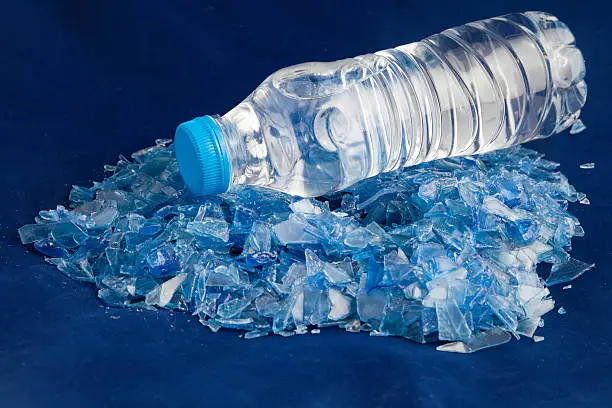
Understanding the Role of Plastic Bottle Crushers in Recycling Plants
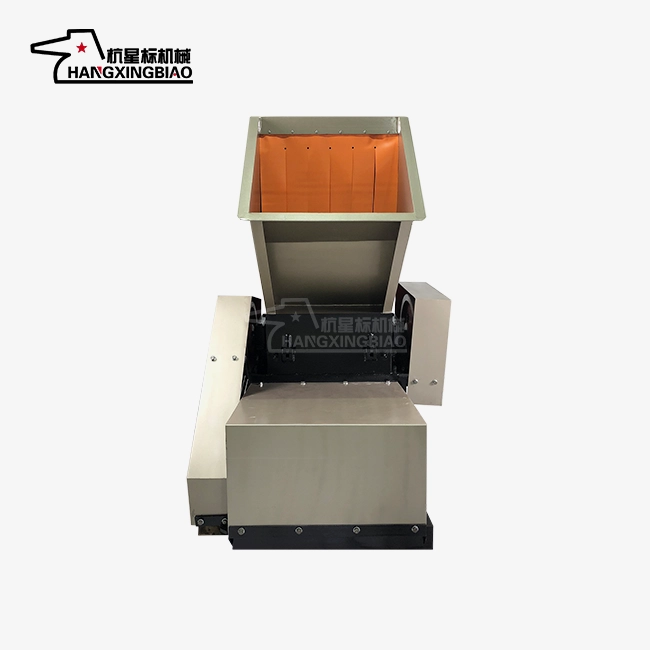
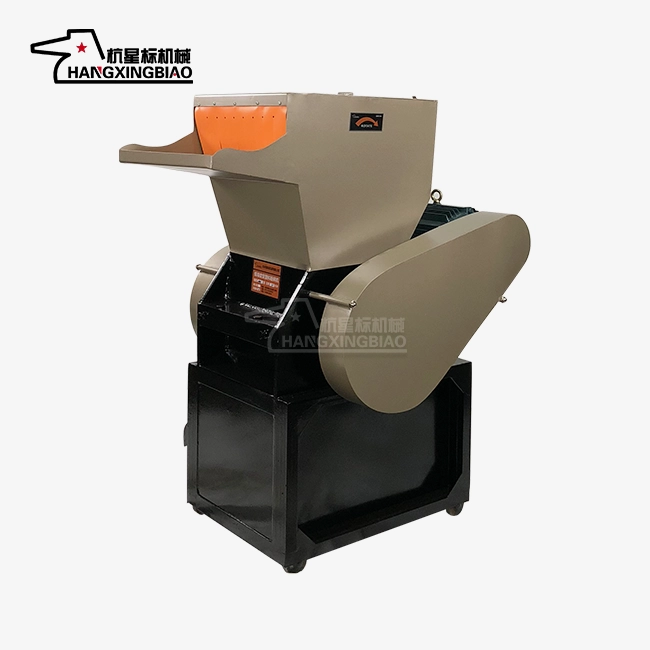
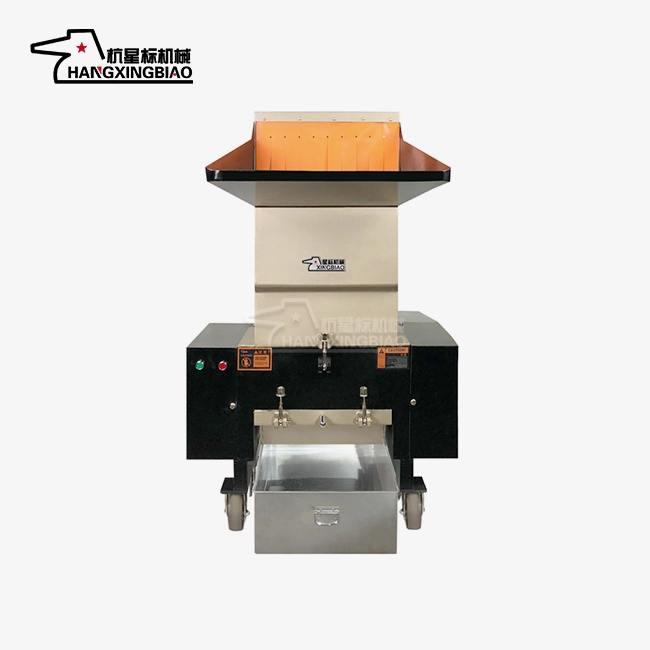
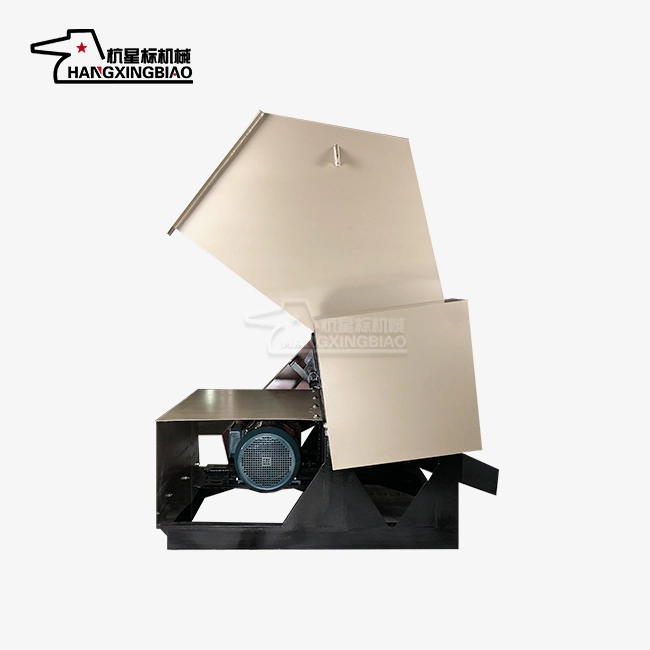
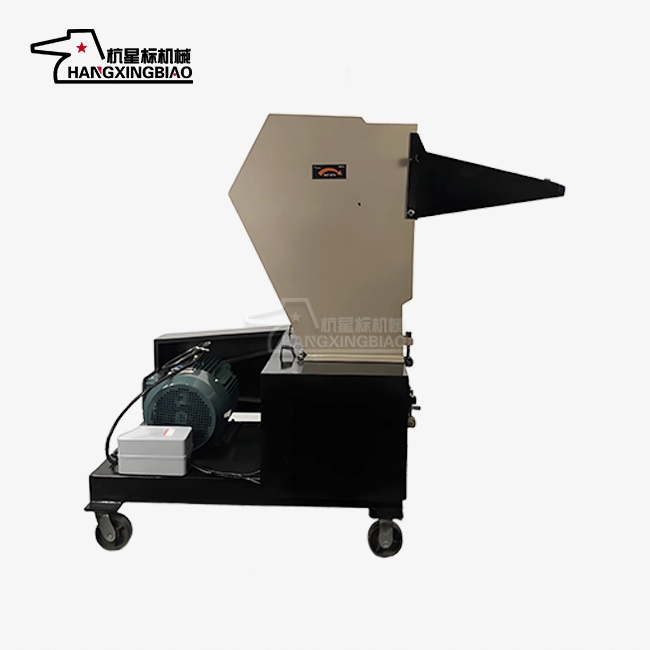
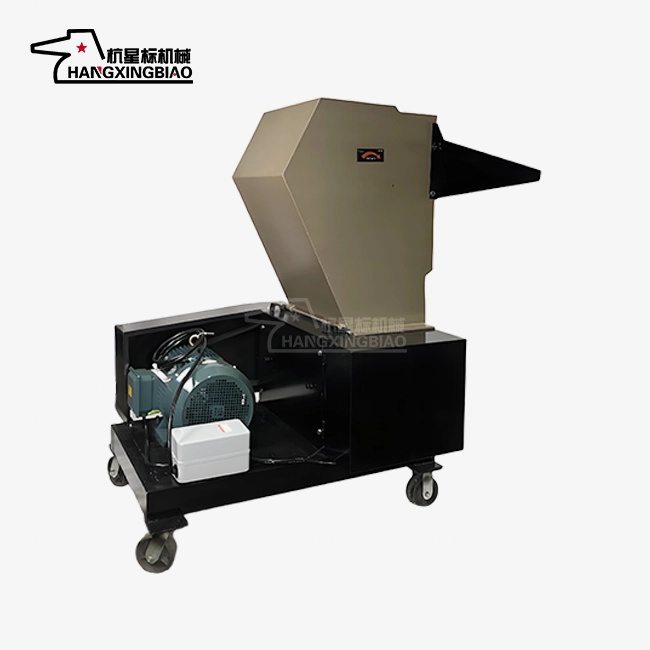
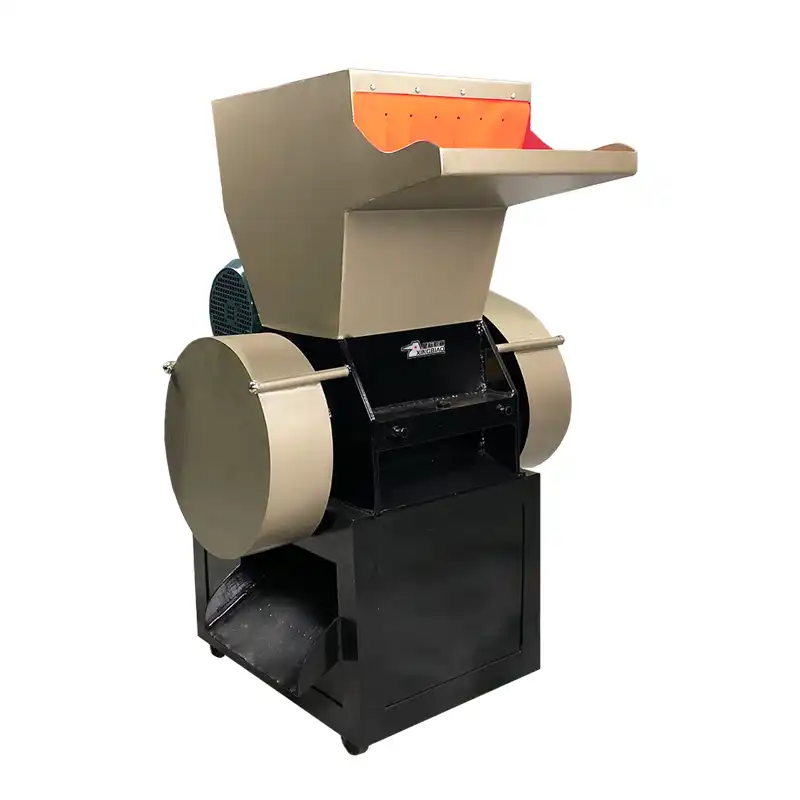
Every day, recycling plants deal with huge amounts of plastic bottles, from small drink bottles to big industrial packages. Without effective size reduction tools, these materials take up too much space in storage and make handling later on more difficult. A plastic bottle crusher works by feeding bottles into a grinding chamber through a hopper. In this chamber, high-speed spinning blades work against fixed blades that stay in place. This cutting action quickly breaks down bottles into small pieces or flakes. These pieces then go through screens that can be adjusted to determine their end sizes.
Working Principles of Different Crusher Models
Knowing the different kinds of crushers helps buying teams match tools to the needs of the business. When handling small amounts of material, like in a lab or small facility, manual crushers work well. Automatic models have ongoing feed mechanisms and built-in controls, making them perfect for medium-sized businesses that want to save time and money on work. Most work can be done by industrial-grade crushers, which can work nonstop for 24 hours a day and process up to 2000 kilograms of material per hour. These strong systems have overload protections that turn them off and sound alarms when they come across hard flaws like metal contaminants. This keeps production going without damaging expensive equipment.
Sustainability and Circular Economy Contributions
In addition to practical measures, modern crushers help achieve environmental goals that are important to everyone in the supply chain. Getting rid of less plastic waste reduces the amount of trash that needs to go to landfills and the amount of carbon dioxide that is released when trash is transported. Using good crushing equipment that makes particles of the same size increases the amount of material that can be recovered during recycling. This lets makers use more recycled materials in their new products. At Hangzhou Xingbiao Machinery Co., Ltd., we've seen customers successfully mix broken material with new plastic in amounts as high as 50:50. This shows how effective crushing technology directly supports sustainability requirements while providing real cost savings. This connection between caring for the environment and making money helps the brand's image and meets rising customer standards for responsible manufacturing.
Core Benefits of Using Plastic Bottle Crushers in Industrial Settings
Why using plastic bottle crushers in factories is a good idea.
Using a specialized breaking system has many benefits that have a direct effect on how well the business does overall. These benefits go beyond just lowering the amount of waste; they affect every part of a recycling plant, from moving the materials around to the quality of the final processing.
Enhanced Throughput and Reduced Bottlenecks
Processing speed affects how much the plant can do and how much money it can make. When bottles come in, crushers quickly turn them into uniform bits that move quickly through the sorting, washing, and pelletizing steps. Compared to older technologies, new designs with better blade configurations and cavity shapes make breaking over 20% more efficient. Because of this speeding up, factories can process more material in a shift without having to pay their workers more or use more energy. Processing rates of over 1,500 kilograms per hour have been reported by plants using high-capacity models. This lets them handle busy pickup times without having to pay extra workers or deal with temporary storage problems.
Transportation and Storage Cost Reductions
Plastic bits that have been pressed together take up a small fraction of the room that whole bottles do. This huge decrease in volume directly leads to lower costs for storage facilities and shipping. When companies ship broken materials to recycling centers, they can fit more of it on each truckload, which saves money on fuel and cuts down on carbon emissions per ton moved. The effect on finances is big: operators constantly report that transportation costs drop by 30–40% after installing efficient crushing systems. These savings add up quickly, and equipment purchases are usually paid for within 18 to 24 months of use.
Energy Efficiency Advantages
Recycling centers have to pay a lot of money every month to keep their energy on. Modern crusher designs use motor matching that provides the right amount of power while using as little electricity as possible. Modern technology usually only needs 8 to 12 kilowatt-hours to process a ton of plastic bottles, which is a lot less than other compacting methods. This effectiveness comes from precise engineering that makes the most of mechanical advantage by designing the chamber and blades in a way that makes the most of their shape. Facilities that use fully sealed systems with low-noise motors can reach these levels of performance while keeping noise levels below 75 decibels. This makes workplaces safer and more comfortable, which helps companies meet regulations and keep their employees happy.
Maintenance and Safety Considerations
In high-volume recycle processes, uptime is directly linked to profits. Both planned and unexpected downtime can be cut down by equipment that is easy to maintain. With quick-access panels, maintenance teams can check, clean, and fix key parts without taking the whole thing apart. This cuts service time in half compared to older designs. Wear-resistant blades made from SKD-11 tool steel or Cr12MoV metals go through vacuum heat treatment and cold processing, which makes them last longer and need to be replaced less often. Safety features like overload protection and emergency shutoff systems keep both workers and machinery safe. This reduces accidents at work and the costs of injuries, repairs, and government inspections.
Choosing the Best Plastic Bottle Crusher for Your Recycling Plant
How to Pick the Best Plastic Bottle Crusher for Your Recycling Center.
A lot of technical and practical factors need to be carefully looked at in order to choose the right crushing tools. The best option strikes a mix between handling needs right now and future capacity growth, while also taking into account budget and floor space limitations.
Assessing Crushing Capacity Requirements
Processing power is the most important thing to consider when choosing tools. Standard models work well for small to medium-sized recycling plants that handle 200 to 500 kilograms per hour without having to spend a lot of money. These tools can handle a variety of bottle types, such as HDPE milk jugs, PET drinking containers, and waste streams made up of different materials. Larger plants that process 1000 to 2000 kilograms of material every hour need industrial-grade systems that can work nonstop in tough situations. These heavy-duty crushers are made of strengthened steel and stress-relieved welds, which keep the frame from deforming during long periods of high-load operation.
Power Source and Automation Options
The amount of automation changes the number of workers needed and the flexibility of operations. Semi-automatic systems need a user to feed and watch over them, but they require less human work than fully manual systems. Fully automatic crushers with constant feed conveyors and built-in control systems cut down on direct work while keeping processing rates steady. These systems work well with collection equipment upstream and washing or pelletizing lines downstream. This makes automatic processes that are efficient and lowers the risk of material contamination and handling costs.
Spatial Integration and Layout Considerations
Whether the equipment fits in current buildings or needs to be modified, its physical footprint and ability to work with other systems are what decide this. Small models are good for businesses that don't have a lot of room or satellite processing sites that are close to pickup spots. Modular designs are better for bigger setups because they can be expanded in the future without having to rebuild the whole system. If you put it near injection molding machines or production lines, you can immediately regrind runner material and broken parts. This cuts down on the cost of getting rid of trash and creates closed-loop material flows that make sustainability measures better.
Comparative Analysis: Crushers Versus Compactors
Understanding the different types of tools available ensures the best choice of technology. Compactors squeeze things together to make them smaller, but they don't make regular bits that can be used right away for reprocessing. Crushers make uniform granules that are a certain size, ranging from 2 to 100 millimeters. This gets rid of the need for extra screening and gives you material that is ready to be washed and pelletized. Compared to systems with multiple stages of compacting and grinding, this one-step method requires fewer tools, less energy, and less floor space. In exchange, you need to be more precise and take better care of the blades, but for serious recycling operations, the operating efficiency gains usually outweigh these issues.
Vendor Reliability and Support Infrastructure
The success of the equipment relies on both the original specifications and the ongoing assistance from the vendor. Companies that have been around for a long time and have a lot of experience in their field offer tried-and-true designs that come with full warranties and quick technical support. For 30 years, Xingbiao has only worked on crushing technology. This shows the deep knowledge that comes from a long-term specialty. With this "single-category excellence" method, our engineering team knows how materials behave, how they wear, and how to solve practical problems that can only be seen after a long time of working in the field. As a result of feedback from challenging industrial uses, we keep working together with big companies like beverage and food service companies to improve our designs all the time.
Practical Insights: Installation, Operation, and Maintenance of Crushers
Practical Tips: Setting up, running, and taking care of plastic bottle crushers.
Maximizing the worth of tools means paying close attention to how it is set up and how it is used regularly. Whether or not crushing systems give the expected returns on investment depends on how well they are installed, how they are used, and how often they are serviced.

Site Preparation and Integration Best Practices
Preparing the spot properly is the first step to a successful installation. The foundations must be able to hold the weight of the equipment and the vibrations that come with it without sinking or moving. The electrical system should provide stable power with the right circuit safety for the motor's needs. Putting tools near the paths that materials take reduces the number of steps needed to handle them while still allowing safe access for repair and operation. Scheduling arrival times with installation services from the seller helps make sure that the machine is properly set up, calibrated, and trained so that it doesn't break down early and can start producing goods faster.
Operational Guidance for Maximum Uptime
Daily operations have a big effect on how long equipment lasts and how consistently it processes data. Operators should do pre-shift checks to make sure the guards are in the right place, that there is no strange noise or shaking, and that the screens are in good shape. Feeding material at steady rates keeps the machine from getting too full and increases output. By keeping an eye on the quality of the particles that are released, operators can spot problems with the screen or blades before they break completely. To be flexible with different bottle types, you need to know how the properties of the material affect processing. For example, thin-walled PET bottles break differently than thick-walled HDPE containers, so you may need to make small changes to the speed or feed to get the best results.
Preventive Maintenance Protocols
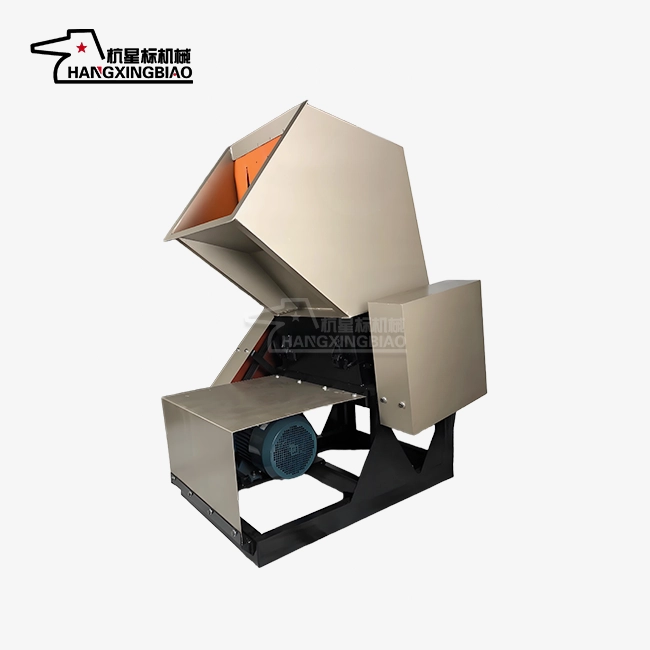
Regular repair keeps equipment in good shape and stops expensive, unexpected downtime. Blades should be inspected and rotated at the manufacturer's suggested times based on the amount of material handled and the number of hours the machine has been used. Specific plans are used to lubricate bearings with approved oils that can handle the temperatures and speeds of operation. A close look at the screen shows any wear or damage that might change the regularity of the particle size. Our quick-change screen structure lets you change the size without having to shut down for a long time. Also, the open design of the rooms makes cleaning easier and cuts down on the time needed for maintenance. Facilities that keep enough extra parts on hand, especially blades, bearings, and screens, keep production going as smoothly as possible when a part needs to be replaced.
Conclusion
Plastic bottle crushers add real value to recycling centers by increasing throughput, lowering running costs, and improving the quality of the materials they process. The best way to get the most out of your investment is to choose equipment that fits your working needs, your space limitations, and your operating goals. Recycling companies can stay ahead of the competition as long as they build strong machines, run them in a way that saves energy, and offer full vendor support. As the circular economy becomes more popular across all fields, sites that use effective crushing technology will be able to meet the growing demand for high-quality recovered materials while also meeting environmental goals that are important to everyone in the value chain.
FAQ
FAQ: Answers to Frequently Asked Questions from B2B Procurement Teams.
When procurement workers look at crushing equipment, they often have the same questions about capacity, compliance, and working freedom. These answers make important choice factors clear.
How Do I Assess Required Crusher Capacity for My Processing Volume?
Estimate the daily bottle intake volume and the number of available working hours to figure out the necessary capacity. To find the minimum hourly throughput, divide the daily amount by the number of working hours. Adding a 20–30% capacity buffer lets you handle changes in volume and repair breaks without blocking the flow of work. Facilities that want to grow in the future should think about equipment that can be scaled up or modularly expanded. This way, they can delay capital investments while still having the option to grow.
What Safety Standards and Regulatory Requirements Apply?
In the US, industrial crushers must follow OSHA safety rules for machinery, which include having the right covering, emergency stops, and lockout-tagout procedures. According to rules about air quality, equipment that makes dust needs to be properly contained and have enough air flow. Our fully sealed cavity design successfully stops dust from leaking while keeping noise levels below 75 decibels, which helps you stay within the limits for workplace exposure. For North American installs, procurement teams should make sure that the equipment has the right UL or CSA electrical safety standards.
Can Crushers Handle Mixed-Material Recycling Streams?
Modern industrial crushers can break down different kinds of plastic, like PET, HDPE, PP, and PVC bottles, along with the labels and caps that are connected to them. Screening that can be adjusted can handle particles of different sizes needed for different types of plastic. But metal pollution is dangerous and needs to be dealt with upstream or with metal monitoring systems. When hard materials enter the chamber, our overload protection stops the machine immediately. This keeps the blades from getting damaged and keeps the machine safe even when the feedstock conditions change.
Partner with Xingbiao: Your Trusted Plastic Bottle Crusher Manufacturer
Recycling plant managers should only buy tools from companies that know how hard it is to run a manufacturing business all the time. When Xingbiao works with a client, they bring 30 years of specialized experience in crushing technology to the table. Our engineering team of 20 top specialists works with big companies to make designs better so they can handle the hurdles of real-world use. We have a wide range of models with processing capacities from 50 to 2000 kilos per hour, so we can match the right tools to any size business. Each plastic bottle crusher is made of high-strength steel, has blades that have been vacuum-heated to make them stronger, and has built-in safety systems that keep investments and people safe. We answer all of your questions within 24 hours and offer help with selection, installation, user training, and ongoing technical support, as well as a wide range of extra parts. Email our team at xingbiaocrusher@xingbiaocrusher.com to talk about your specific needs and get a solution that is made to fit your specific processing problems. Find out why buying teams in North America that are looking to the future choose Xingbiao as their top provider for reliable, high-performance crushing equipment.
References
1. Hopewell, J., Dvorak, R., & Kosior, E. (2009). Plastics recycling: challenges and opportunities. Philosophical Transactions of the Royal Society B: Biological Sciences, 364(1526), 2115-2126.
2. Al-Salem, S. M., Lettieri, P., & Baeyens, J. (2009). Recycling and recovery routes of plastic solid waste (PSW): A review. Waste Management, 29(10), 2625-2643.
3. Ragaert, K., Delva, L., & Van Geem, K. (2017). Mechanical and chemical recycling of solid plastic waste. Waste Management, 69, 24-58.
4. Eriksen, M. K., Pivnenko, K., Olsson, M. E., & Astrup, T. F. (2018). Contamination in plastic recycling: Influence of metals on the quality of reprocessed plastic. Waste Management, 79, 595-606.
5. Scheirs, J., & Kaminsky, W. (2006). Feedstock Recycling and Pyrolysis of Waste Plastics: Converting Waste Plastics into Diesel and Other Fuels. John Wiley & Sons, Chichester, UK.
6. Ashori, A. (2008). Wood-plastic composites as promising green composites for the automotive industry. Bioresource Technology, 99(11), 4661-4667.
Learn about our latest products and discounts through SMS or email