- English
- French
- German
- Portuguese
- Spanish
- Russian
- Japanese
- Korean
- Arabic
- Greek
- German
- Turkish
- Italian
- Danish
- Romanian
- Indonesian
- Czech
- Afrikaans
- Swedish
- Polish
- Basque
- Catalan
- Esperanto
- Hindi
- Lao
- Albanian
- Amharic
- Armenian
- Azerbaijani
- Belarusian
- Bengali
- Bosnian
- Bulgarian
- Cebuano
- Chichewa
- Corsican
- Croatian
- Dutch
- Estonian
- Filipino
- Finnish
- Frisian
- Galician
- Georgian
- Gujarati
- Haitian
- Hausa
- Hawaiian
- Hebrew
- Hmong
- Hungarian
- Icelandic
- Igbo
- Javanese
- Kannada
- Kazakh
- Khmer
- Kurdish
- Kyrgyz
- Latin
- Latvian
- Lithuanian
- Luxembou..
- Macedonian
- Malagasy
- Malay
- Malayalam
- Maltese
- Maori
- Marathi
- Mongolian
- Burmese
- Nepali
- Norwegian
- Pashto
- Persian
- Punjabi
- Serbian
- Sesotho
- Sinhala
- Slovak
- Slovenian
- Somali
- Samoan
- Scots Gaelic
- Shona
- Sindhi
- Sundanese
- Swahili
- Tajik
- Tamil
- Telugu
- Thai
- Ukrainian
- Urdu
- Uzbek
- Vietnamese
- Welsh
- Xhosa
- Yiddish
- Yoruba
- Zulu
Looking for a Powerful Crusher Machine for Your Factory?
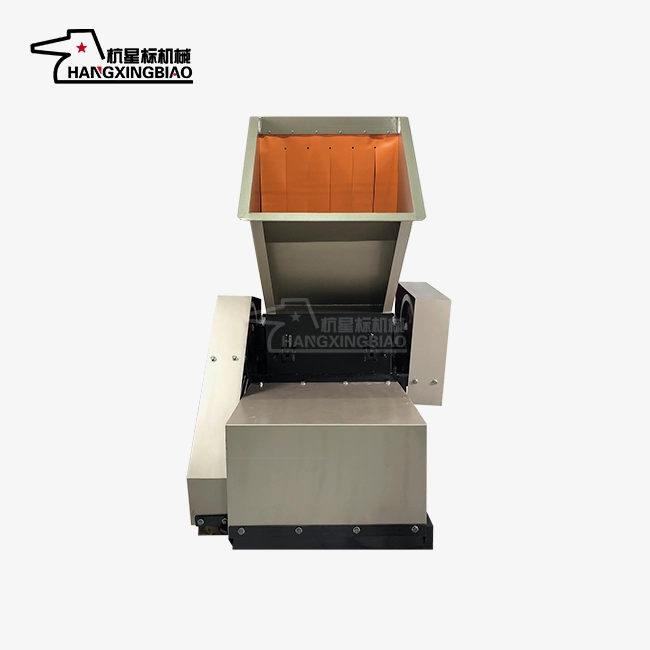
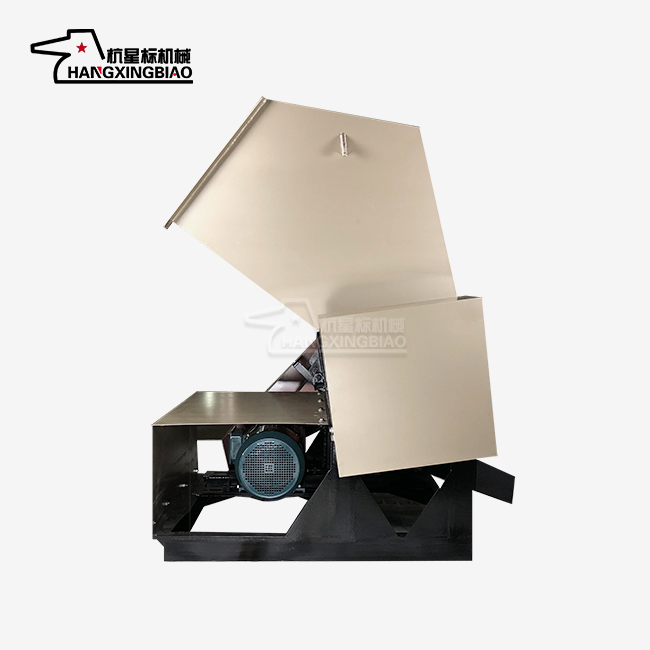
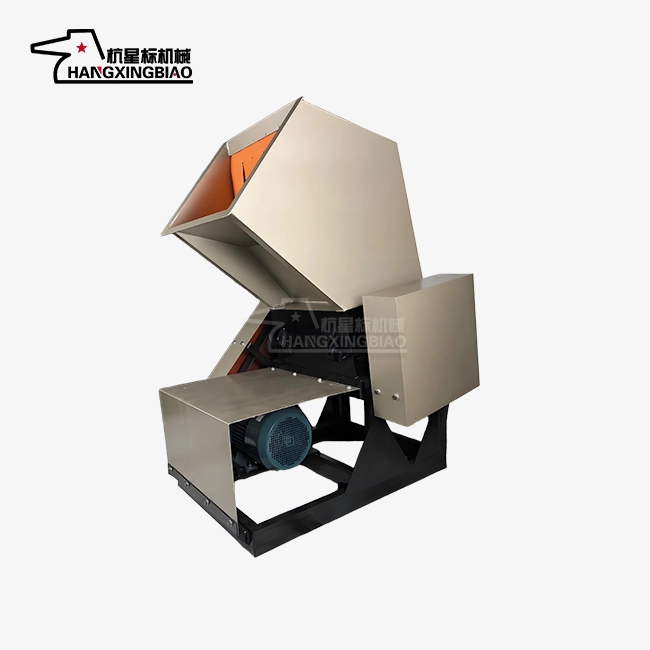
Finding the right crushing equipment can transform your plastic waste management from a costly burden into a profitable recycling operation. A Powerful Crusher Machine offers the reliability, efficiency, and versatility needed to handle diverse materials—from injection-molded scrap and defective pipes to bulk plastic waste like films and woven bags. With processing capacities ranging from 50kg/h to 2000kg/h and support for continuous 24-hour operation, these machines adapt seamlessly whether you run a small workshop or manage a large-scale recycling facility. Investing in advanced crushing technology means reduced waste disposal costs, improved material recovery rates, and enhanced production efficiency across your entire operation.
Understanding Powerful Crusher Machines: Features and Applications
Industrial breaking equipment has changed a lot over the years to keep up with the strict needs of modern recycling and production. At their core, these machines use special blade systems and well-thought-out hollow designs to effectively break down different types of plastic.
Core Working Principles and Components
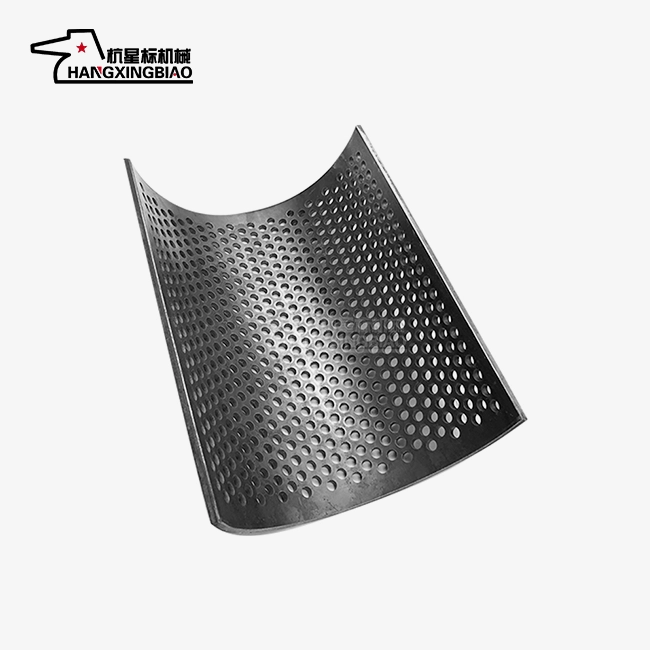
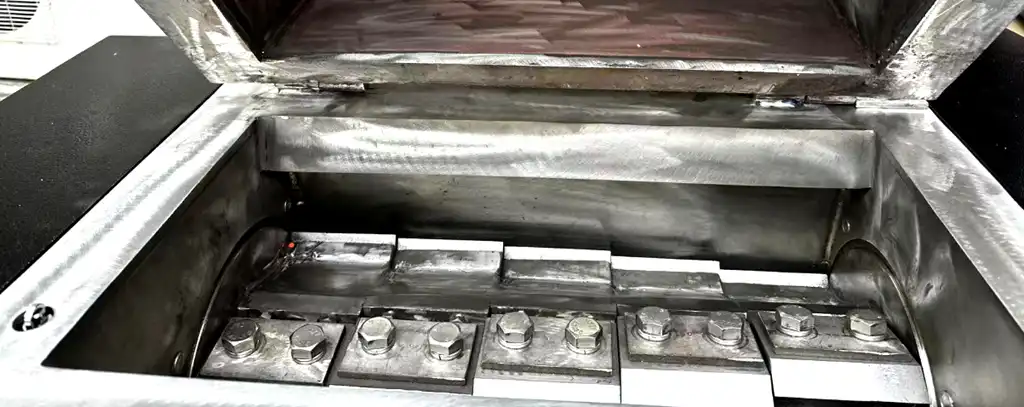
The structure and engineering of a plastic breaker are what make it work. The main parts of good machines are made from high-strength steel plates that are bonded together and then given a stress-relieving treatment. This keeps the structure strong even when they are working at high loads for a long time. The blade systems are what make the breaking work. The best models use SKD-11, D2 mold steel, or Cr12MoV special steels that have been vacuum-heated and processed at very low temperatures. This advanced metalworking gives it very high hardness values (58–62 HRC), which means it doesn't wear down easily and lasts longer between repairs. The rotor unit spins at the best speeds, which are usually between 500 and 800 RPM, but can be different based on the material. When plastic trash goes into the hopper, fixed and moving blades are placed in a way that makes shearing forces cut the trash into uniform pieces. Screen meshes put in place below the cutting chamber decide the end particle size. Typical ranges are 2–5 mm for coarse uses, 2–10 mm for normal plastic recycling, and 2–15 mm for processing of wood waste. Modern designs use quick-change screen structures that cut down on the time needed to switch screens and increase working freedom.
Primary Equipment Categories for Different Materials
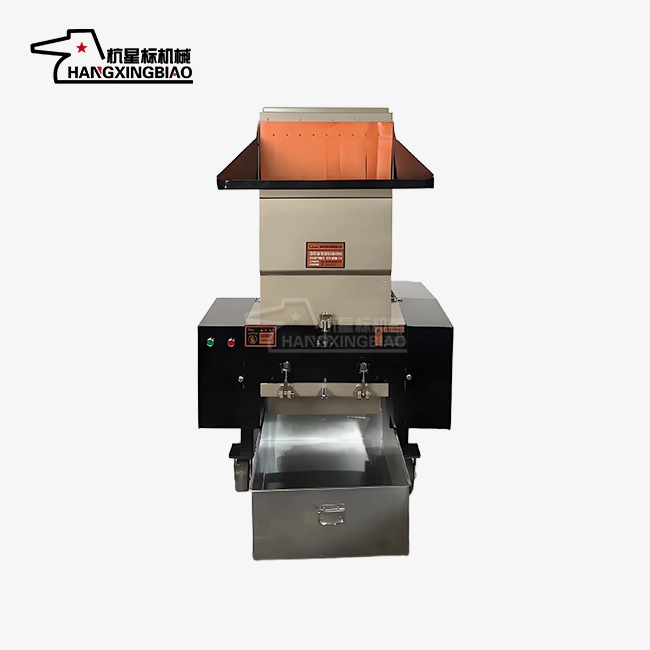
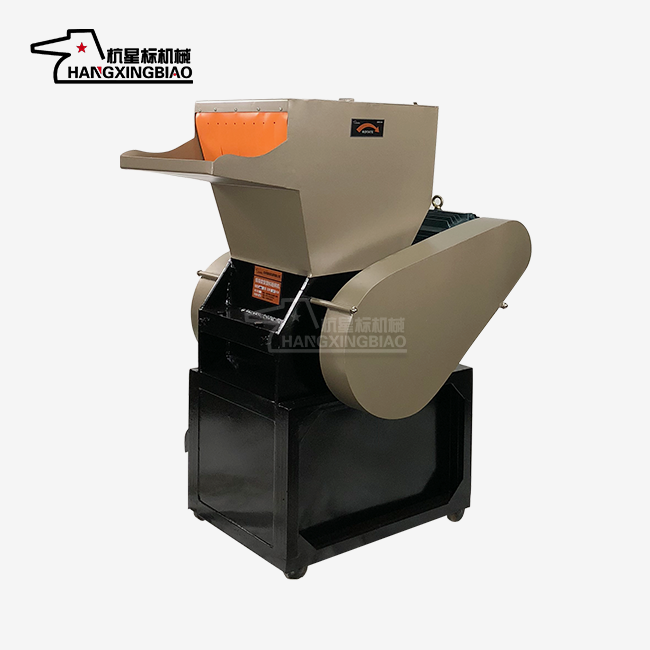
Different types of crushers are made by different companies for different uses. Large-Diameter Crushers are great for working plastic parts that are too big, like thick-walled lines, bulky profiles, and heavy die head materials. Their larger feed holes (often more than 800 mm) and stronger blade sections can handle tough materials without getting stuck or wearing out too quickly. High-Power Crushers use concentrated power that works well with thick materials and hard plastics. These units can be mounted right next to injection molding machines so that sprue recycling can start right away. They have low-noise motors that run below 75dB to keep working areas comfy. Their enclosed shapes keep dust from spreading and keep production rates high. Standard Crushers can handle a wide range of materials at once. These workhorse machines are perfect for mid-sized recycling plants that deal with a variety of garbage types because they have the right amount of capability and space. Their modular design makes upkeep and part repair easier, which cuts down on downtime. Specialized Crushers address films, weaving bags, and threads that tend to wrap around regular blade systems, which can be broken down by specialized crushers. Better blade shapes and changed hole dimensions keep materials from getting tangled, so feed rates stay the same. Some types come with pre-cutting features that are designed to handle large things like industrial trash cans and old tires.
Applications Across Manufacturing and Recycling Sectors
Throughout the duration of a plastic object, crushing technology plays an important role. In factory settings, crushers break down production trash like broken parts, runner systems, and edge trim. This ability to recycle right away turns expensive scrap into fuel that can be used again. Crushed material mixes with new plastic at ratios of 3:7 or 5:5, which increases the use of raw materials by 30–50% while keeping product quality standards. Strong crushing equipment is needed for recycling centers that deal with both consumer and corporate trash. Facilities that work with farming plastics, wrapping films, or electronic waste housings need tools that can handle contamination, changing materials, and ongoing operation cycles. When metal contaminants enter the chamber, advanced safety features like overload protection devices turn off the equipment immediately. This keeps expensive blade assemblies and drive components from getting damaged. The adaptability goes all the way down to lab and pilot-scale operations, where smaller units that can crush 50–200 kg/h are used for study. These small systems let you try materials, make new products, and keep an eye on quality without taking up as much room as large production systems.
Comparing Powerful Crusher Machines: Making the Right Choice for Your Factory
To choose the right crushing tools, you need to look at several technical and practical factors that are related to your output needs and business goals.
Performance Differentials Between Equipment Classes
Higher-performance crushing devices like the Powerful Crusher Machine offer real benefits that go beyond just reducing the size of the particles. When compared to standard designs, premium models have better cavity shapes and improved blade patterns that make them over 20% more efficient at crushing. This performance improvement directly leads to higher production rates with the same amount of motor power—a 30-horsepower premium crusher can often match or beat the output of regular 40-horsepower units. Another important difference is that the quality of the materials has gotten better. With more advanced blade designs, particles are spread out more evenly, and there are fewer fines and big pieces. This stability helps processes that come after, like extrusion, injection molding, and compounding, where the way materials move affects the quality of the finished product and the wear on the equipment.

Electric Power Systems and Operational Economics
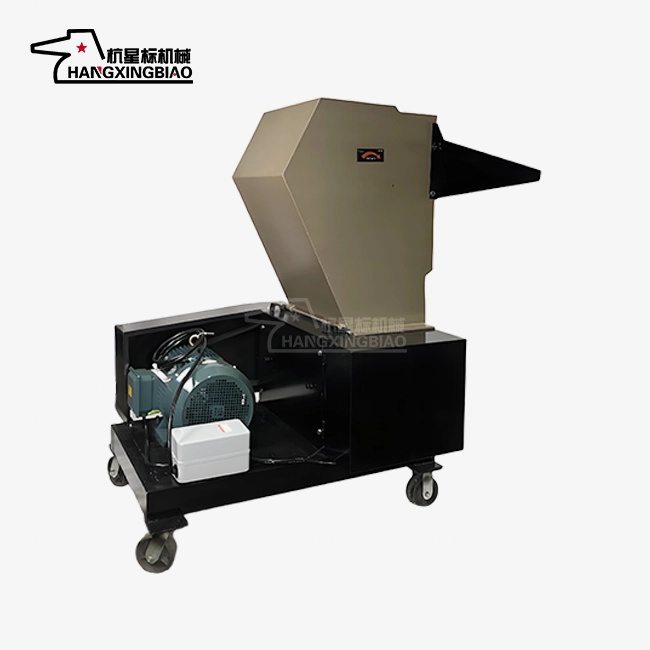
The drive systems for most modern industrial breakers are electric motors with 5 to 150 horsepower. Electric operation has many appealing benefits, such as lower energy costs, fewer emissions, easier upkeep, and cleaner operation. The benefits to the environment are in line with business efforts to be more environmentally friendly and with stricter rules at work. Different types of tools use a wide range of amounts of energy. Motor matching improvements and better mechanical drives cut power use by 10–15 percent compared to older technology. Most systems use 14 to 18 kWh of power to process one ton of mixed plastic trash, but efficient systems only use 8 to 12 kWh. At industrial energy rates of $0.10 per kWh on average, making machines more efficient saves $1,200 to $2,400 a year for each machine that works two shifts. Motor quality affects how well it works and how long it lasts. Class F or Class H insulation motors that are approved for constant service at high ambient temperatures are used in high-end breakers. Bearings that are too big and shaft systems that are too strong can handle the shock loads that come with size reduction operations. These strong parts usually last between 40,000 and 60,000 hours before they need major repairs. On the other hand, cheap motors might need to be replaced after 15,000 to 25,000 hours.
Investment Analysis and Return Calculations
Industrial plastic crushers have a wide range of capital costs that depend on their size, quality of building, and features. Standard 30-horsepower machines that are good for small recycling businesses cost between $8,000 and $12,000. Heavy-duty 75-horsepower systems that can handle between 800 and 1200 kg/h cost between $25,000 and $40,000. Custom-engineered options that deal with specific material problems or merging needs cost more. The financial case goes beyond the price of the buy. In-plant recycling programs usually pay for themselves in 18 to 24 months because they save money on materials. When factories make 500 kg of regrind-suitable scrap every day, they save $35,000 to $50,000 a year on materials, based on the price of fresh resin. Businesses that recycle look at how much money they can make. Right now, processed plastic flake trades for $0.30 to $0.65 per pound, based on the type of polymer, how clean it is, and how regular the particles are. Some things that affect operating costs are the amount of electricity used, the cost of replacing blades and screens, and the cost of regular repair supplies. When equipment is well taken care of, its yearly running costs are usually equal to 8–12% of its initial capital investment. By adding up these costs with the money made or the costs avoided, you can get a good idea of the total cost of ownership, which can help you decide what to buy.
Effective Maintenance and Troubleshooting for Long-Term Performance
Setting up thorough preventive maintenance programs and teaching your operations team how to fix will help you get the most out of your crusher's uptime and service life.
Routine Maintenance Protocols
Every day, checks should be made to make sure the motor works properly, there are no strange noises or vibrations, and the cutting area is clean. Operators check the tips of the blades for too much damage or wear and then fix the hardware that holds the blades in place to the stated torque values. The state of the screen mesh needs to be checked regularly—torn or heavily worn screens make it harder to control the size of the particles and let too much material into the output conveyors. Weekly maintenance includes thorough cleaning of the cutting chamber, removing fines that have built up, and checking material buildup around the blade sections. Lubrication spots on bearings and drive parts need to be checked. Unexpected breakdowns can be avoided by checking electrical connections, motor mounting bolts, and the safety interlock feature. Every month, full exams check the blades' sharpness and how much life they still have. When blades are worn down more than 2 to 3 mm from their original size, they need to be taken off and regrinded or replaced by a professional. By using vibration analysis or temperature readings to keep an eye on a bearing's state, problems can be found before they become too big to fix. Checks of the drive belt's tightness and position make sure that it transfers power as efficiently as possible.
Common Issues and Resolution Strategies
Material jamming in the Powerful Crusher Machine frequently results from oversized pieces entering the feed hopper or when the rate of feed is too high for the machine to handle. Some solutions are to set up pre-screening systems, controlled feeding systems, and spinning speeds that are right for the type of material being used. Some jams happen because the blades are too dull and need to be sharpened or replaced.
Safety Protocols and Protective Measures
Operating a crusher comes with its own risks that must be managed carefully. During any repair work, lockout-tagout procedures must be followed to make sure that all electrical connections are cut off and the machine can't move. A lot of new machines have locking systems that stop spinning when access doors open. This keeps the operator from touching parts that are moving.
How to Procure Your Powerful Crusher Machine: Buying, Financing, and More
By using the purchase process well, you can get equipment that meets technical needs while staying within your budget and meeting project deadlines.
Purchasing Channels and Procurement Options
Direct connections with manufacturers have benefits like lower prices, easier access to technical help, and clearer warranties. Well-known crusher makers have sales teams that can help you with application questions, capacity estimates, and equipment suggestions based on the materials you're working with and your throughput goals. This knowledge is very helpful when choosing between different model setups and extra features.
Financial Planning and Investment Structures
Making a budget should include all of the project's costs, such as the price of the equipment itself, the cost of shipping and installation, the cost of any needed electricity service changes, and the cost of stocking up on spare parts at the start. For the whole system to work, you might need extra things like metal detectors, dust collection systems, and material handling lines.
Warranty Coverage and Service Agreements
Standard maker guarantees usually cover problems with the materials and the work for 12 to 24 months after the product is put into use. Not knowing what the guarantee doesn't cover, which often includes wear items like blades and screens, can save you a lot of money in the long run. People who don't like taking risks can plan their budgets better with extended insurance programs that offer longer coverage periods.
Trusted Brands and Suppliers: Finding the Right Partner for Your Crusher Machine Needs
When choosing equipment providers, you need to look at their professional skills, the quality of their products, and their promise to provide service after the sale.
Industry-Leading Manufacturers
Hangzhou Xingbiao Machinery Co., Ltd. is a great example of a company that knows a lot about how to crush plastic with the Powerful Crusher Machine. Their 30-year dedication to success in a single area has led to complete product lines that meet a wide range of application needs. The company's 20-person engineering team is always improving designs by using useful information from relationships between businesses, universities, and study centers.
Evaluating Supplier Capabilities
In addition to product specs, a supplier's assistance and service infrastructure should also be looked at. A quick response to technical questions is very important when choosing tools, setting them up, and running them. Suppliers who keep application engineers on staff with real-world knowledge in crushing can give you useful information that general equipment sellers can't.
Building Strategic Partnerships
Long-term ties with suppliers go beyond a single purchase. Through performance feedback, application optimization, and technology changes, collaborative relationships make it easier to keep getting better. When suppliers see customers as partners instead of just one-time buyers, they invest in their success by sharing new ideas and fixing problems before they happen.
Conclusion
Choosing the right crushing equipment is a smart choice that affects the cost of materials, the speed of operations, and the health of the environment. Modern crushing systems have amazing powers that range from 50 to 2000 kg/h. They also use less energy, have more safety features, and last longer. When you know about the different types of tools, how they work, and how often they need to be maintained, you can make confident purchases that help your business reach its goals. Partnering with specialized makers that offer full support is the best way to make sure that equipment is integrated well and operations run smoothly for a long time. Investing in good crushing equipment pays off in the form of lower trash costs, more valuable materials that can be reused, and more flexible production options that set your business up to stay competitive.
FAQ
What capacity crusher do I need for my operation?
How much capacity is needed depends on how much trash is made, how often the business runs, and how dense the materials are. To account for variations in production without creating jams, factories should size their equipment at 150 to 200% of the usual amount of scrap that they make. Recycling centers check how much material they get every day and usually work two shifts. A plant that processes 2,000 kg of food every day for 16 hours needs tools that can handle at least 125 kg/h, but 200 kg/h gives them more options for how they run their business.
How does material type affect energy consumption?
Polycarbonate, ABS, and acrylic are examples of harder plastics that need more force to break than polyethylene and polypropylene, which are examples of softer plastics. Also, processing dense materials takes more power per ton. Low bulk density plastics like film and foam work quickly, but they might need special feed systems. Metal contamination uses a lot more energy and puts equipment at risk of breaking, so investing in pre-sorting or monitoring systems is a good idea.
Can I upgrade my existing crusher for better performance?
A lot of crushers can be upgraded with things like better screen systems, expensive blade sets, and motor changes. Adding more safety features or dust collection to old equipment makes it last longer. Talking to the original maker can help you figure out what changes are possible. A full evaluation of the equipment finds out whether spending in new technology or upgrading old machines will give better results.
Contact Xingbiao: Your Trusted, Powerful Crusher Machine Supplier
Xingbiao has the best crushing options in the business and is ready to help you improve your garbage management and material recovery operations. Our specialized engineering team looks at your materials, throughput needs, and working limitations to figure out the best way to set up your equipment. Whether you need a small crusher to recycle scrap right away next to an injection molding machine or a heavy-duty system that processes tons of different kinds of plastic waste daily, all of our products have been tested and proven to work. We back up every machine with quick technical help, thorough training, and parts that are always available. Write to our team at xingbiaocrusher@xingbiaocrusher.com to talk about your application and get specific offers. Discover how partnering with a dedicated Powerful Crusher Machine maker can change how well your business runs and how much money you make.
References
1. Plastic Recycling Technologies and Equipment Design Principles (2023), Industrial Materials Processing Journal
2. Energy Efficiency in Size Reduction Equipment: Comparative Analysis (2024), Manufacturing Technology Review
3. Safety Standards for Industrial Crushing and Grinding Equipment (2023), Occupational Safety Guidelines
4. Material Recovery Optimization in Plastic Manufacturing (2024), Polymer Processing Technology
5. Equipment Selection Criteria for Recycling Operations (2023), Waste Management Engineering Quarterly
6. Maintenance Best Practices for Industrial Crushing Systems (2024), Plant Engineering and Maintenance Handbook
Learn about our latest products and discounts through SMS or email