- English
- French
- German
- Portuguese
- Spanish
- Russian
- Japanese
- Korean
- Arabic
- Greek
- German
- Turkish
- Italian
- Danish
- Romanian
- Indonesian
- Czech
- Afrikaans
- Swedish
- Polish
- Basque
- Catalan
- Esperanto
- Hindi
- Lao
- Albanian
- Amharic
- Armenian
- Azerbaijani
- Belarusian
- Bengali
- Bosnian
- Bulgarian
- Cebuano
- Chichewa
- Corsican
- Croatian
- Dutch
- Estonian
- Filipino
- Finnish
- Frisian
- Galician
- Georgian
- Gujarati
- Haitian
- Hausa
- Hawaiian
- Hebrew
- Hmong
- Hungarian
- Icelandic
- Igbo
- Javanese
- Kannada
- Kazakh
- Khmer
- Kurdish
- Kyrgyz
- Latin
- Latvian
- Lithuanian
- Luxembou..
- Macedonian
- Malagasy
- Malay
- Malayalam
- Maltese
- Maori
- Marathi
- Mongolian
- Burmese
- Nepali
- Norwegian
- Pashto
- Persian
- Punjabi
- Serbian
- Sesotho
- Sinhala
- Slovak
- Slovenian
- Somali
- Samoan
- Scots Gaelic
- Shona
- Sindhi
- Sundanese
- Swahili
- Tajik
- Tamil
- Telugu
- Thai
- Ukrainian
- Urdu
- Uzbek
- Vietnamese
- Welsh
- Xhosa
- Yiddish
- Yoruba
- Zulu
Crusher Machine For Plastic Vs Crusher Shredder Hybrid Guide
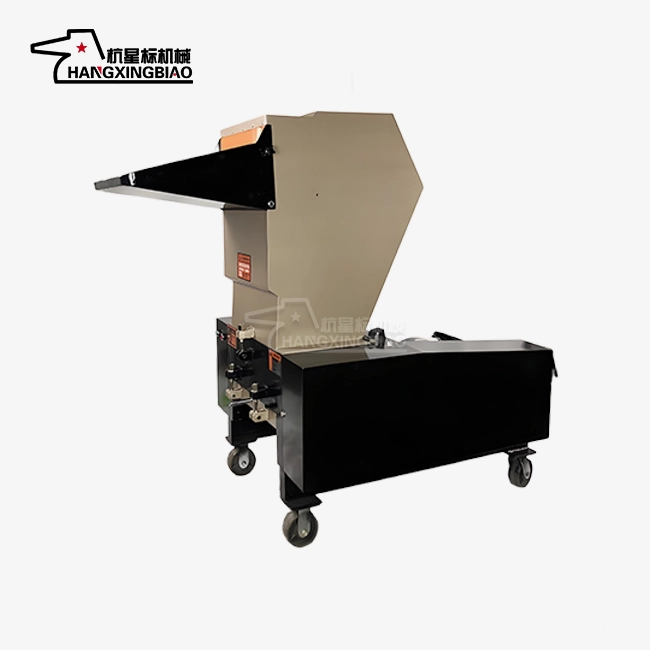
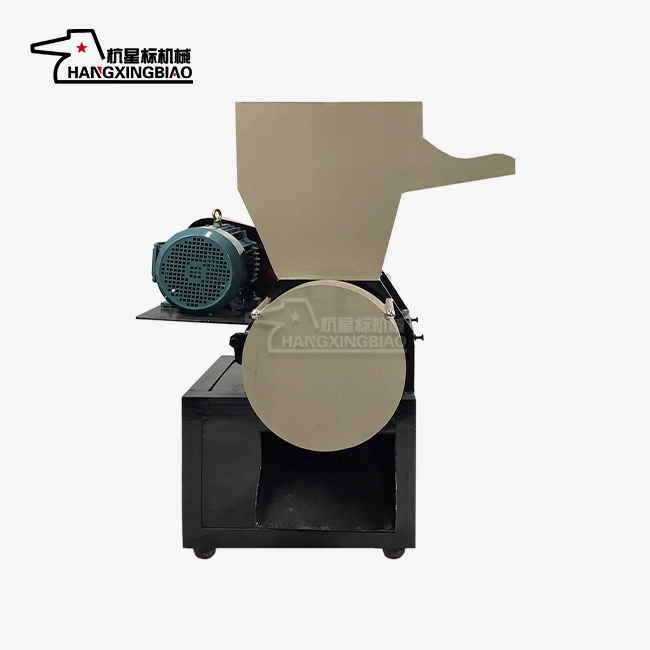
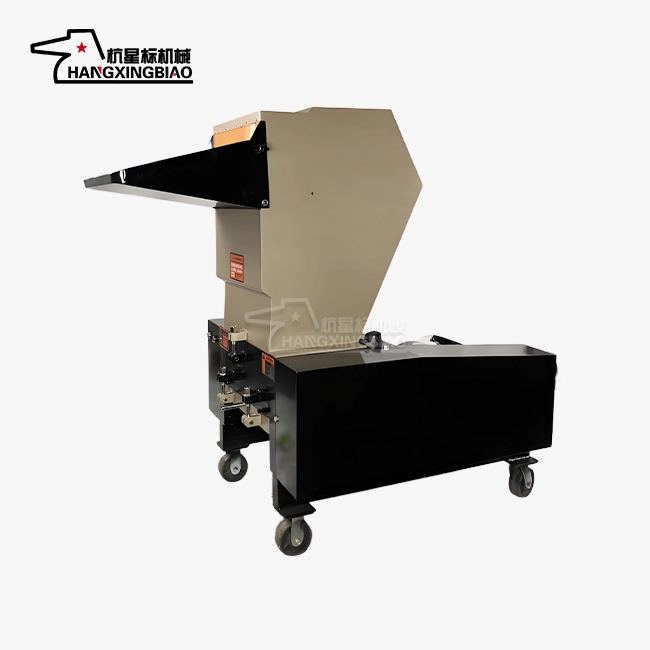
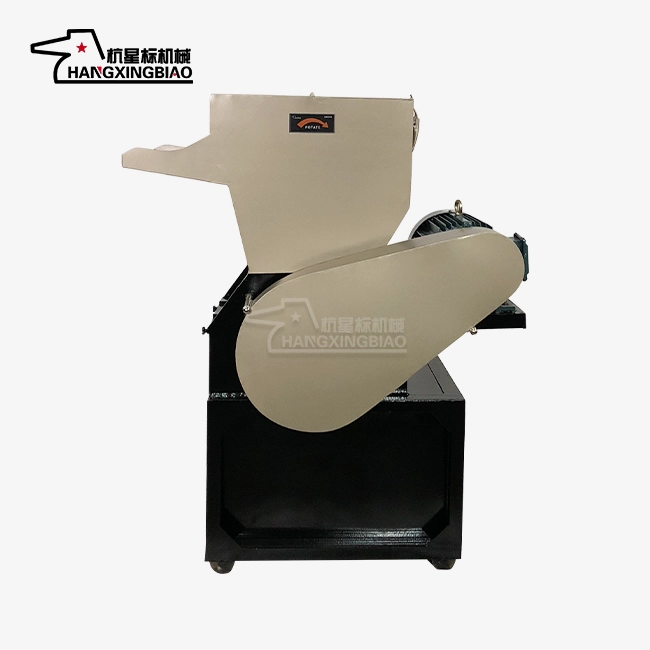
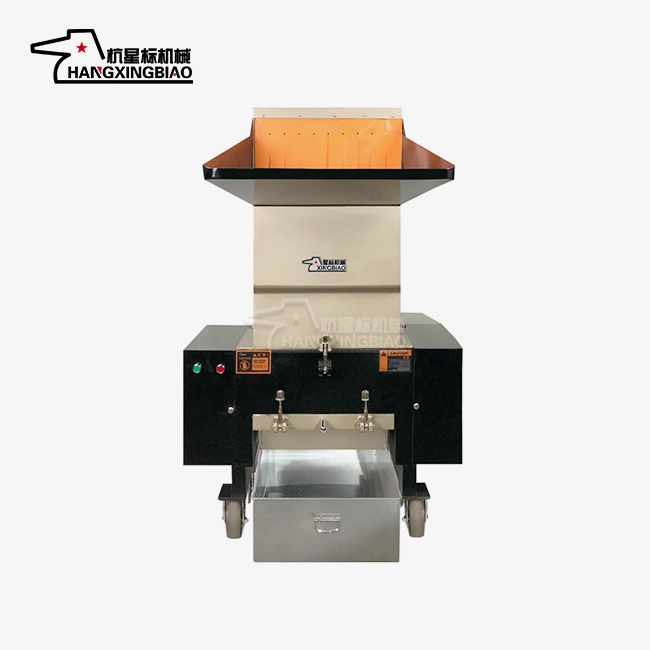
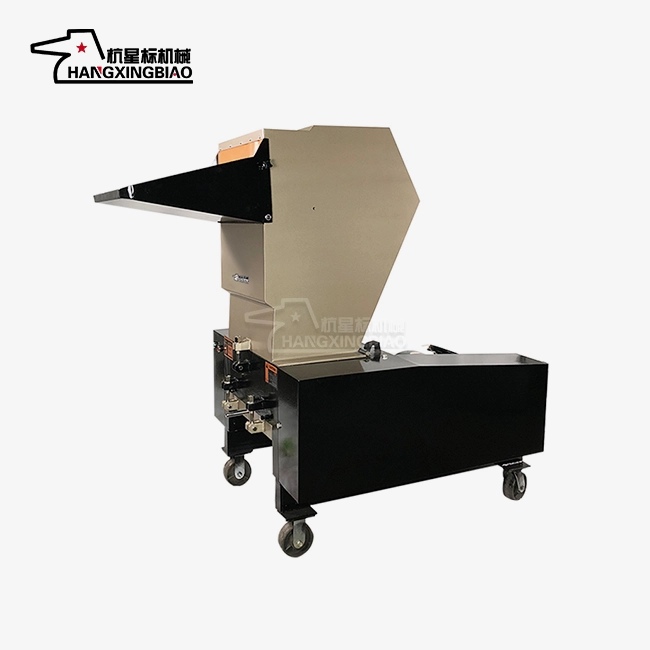
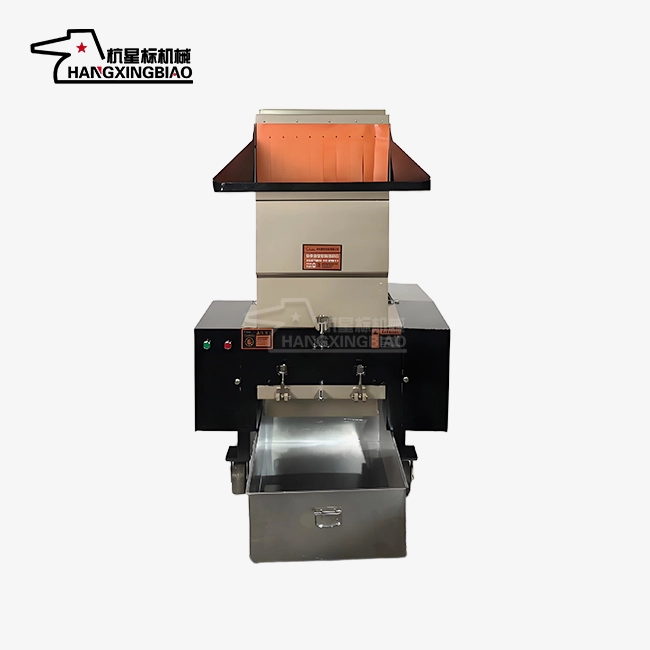
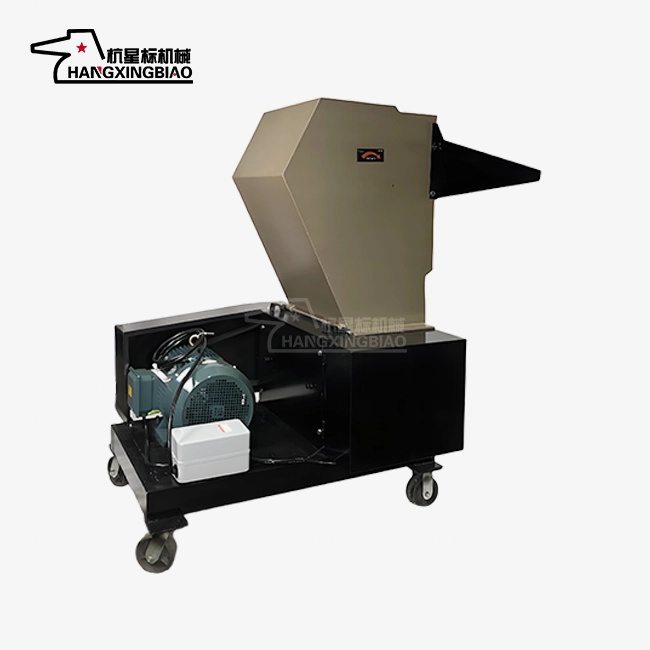
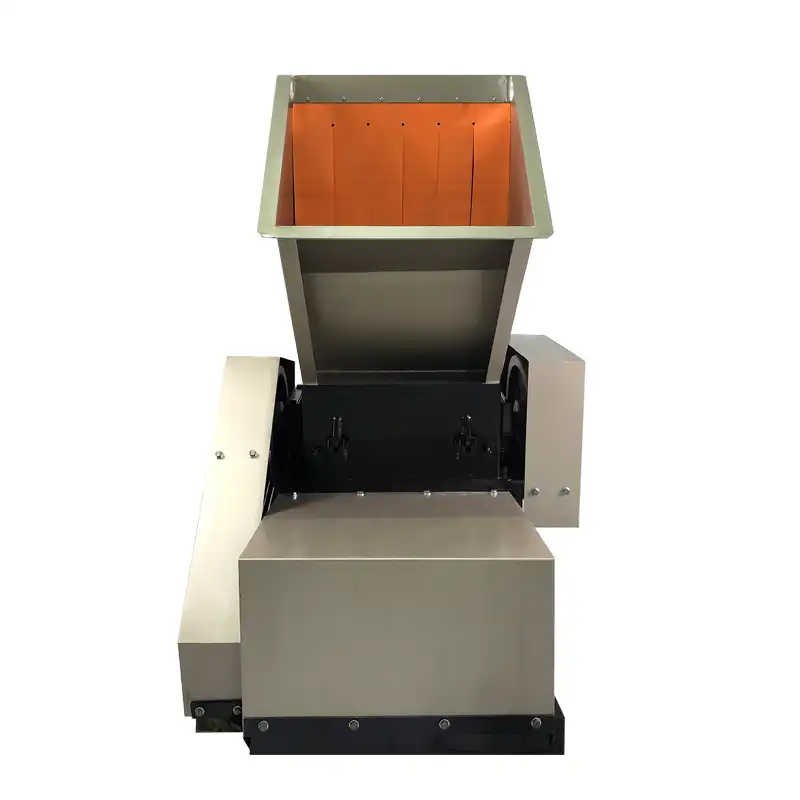
Choosing the right plastic size reduction tools has a direct effect on how well your production runs and how much money you make. Hybrid models incorporate shredding mechanisms to handle both soft and hard materials within a single system. A crusher machine for plastic usually uses high-speed spinning blades to break down rigid plastics into regular granules. By knowing these differences in function, you can match the equipment's abilities to your waste stream's features, output volume, and particle size needs. This difference is especially important when working with different kinds of plastic, like injection-molded scrap and twisted films. If you choose the wrong technology, you'll have a lot of downtime, use a lot of energy, and get poor results.
Understanding Plastic Crushing and Shredding Technologies
Plastic shredders and crushers do different but related jobs of reducing the size of materials, but many buyers have trouble figuring out which one is best for their needs. There is a lot of misunderstanding because manufacturers use the same words for different things, which makes the buying process uncertain.
How Traditional Plastic Crushers Function
High-speed blade spinning and strong compression and cutting forces are what make crushers work. They break plastics into smaller pieces. The material goes into a feed hopper, where blades on a central shaft that spin and blades on the room walls that stay still contact with each other. This action, which is like using scissors, makes clean cuts through tough plastics. The crushed material goes through a screen at the bottom of the chamber. The screen mesh choice sets the final particle size, which is usually between 2 mm and 15 mm. This mechanism works great for cutting down on the original size of hard plastics like ABS, PC, PVC pipes, and thick-walled profiles in industrial settings or recycling centers.
The Shredding Approach and Its Applications
Shredders use different kinds of blades to cut or tear paper into smaller, more uniform pieces that can be used in certain disposal processes. Crusher machines for plastic need a high spinning speed to work, but shredders usually work at lower speeds with more power, which lets them handle bigger materials and items that would get stuck in regular crushers. The cutting chambers in shredders have blades that fit together and grab and pull apart paper instead of cutting it perfectly. This method works well for soft plastics, films, woven bags, and other materials that tend to get wrapped around fast-moving crusher blades.
Hybrid Systems: Combining Strengths for Versatility
Hybrid machines take the best parts of both methods and mix them to make them more flexible and efficient. Usually, these units have a two-step process: first, there is a shredding section that reduces the size of the material and frees it from any knots. Next, there is a crushing room that makes the particles the right size. The integrated design gets rid of the need for different machines and moving materials between units. This makes the building smaller and requires less work. This uniform method is very helpful for facilities that deal with different types of trash, like rigid bottles and flexible films.
Key Factors to Compare: Crusher Machine for Plastic Vs Crusher Shredder Hybrid
When you look at performance measures for crushers and combined crusher-shredders, you can see how they affect your overall cost of ownership and how well they run your business. These things decide if the equipment gives a good return on investment over its useful life.
Throughput Capacity and Processing Speed
Processing capacity, which is usually given in kilos, is the amount of stuff the machine can handle in an hour. At Hangzhou Xingbiao Machinery, we have a wide range of equipment, from small laboratory models that can handle 50–500 kg/hour for research to standard production units that can handle 200–1000 kg/hour for medium-sized businesses and heavy-duty industrial models that can handle 1–10 tons per hour for large factories. The rough cutting action and high rotating speeds of traditional crushers allow them to process more hard plastics at once. Some materials may take a little longer to shred in the beginning, but hybrid systems make up for it by being able to handle tough materials that would jam regular crushers, which keeps the production flow steady.

Energy Consumption and Operating Costs
Using less energy has a direct effect on your operating costs, especially for buildings that have machines going all the time. The motor needs of a crusher depend on the chamber size and the way the blades are set up. Power rates range from 3 horsepower for small units to over 100 horsepower for large ones. Our improved blade pattern and cavity structure design make breaking more efficient by more than 20% compared to other designs. Motors that are carefully matched also use less energy. For hybrid systems to work, both the shredding and crushing steps usually need bigger motors. However, this extra energy cost is often worth it when working with different types of materials that would need different tools otherwise. Running a single combination machine uses less energy than running a shredder and a crusher separately.
Maintenance Requirements and Downtime
The total cost of ownership, which includes the initial buy price, is greatly affected by how often and how complicated the maintenance is. Traditional crushers need their blades to be sharpened or replaced on a regular basis, their screens to be changed, and their bearings to be oiled. These are all simple tasks that most maintenance teams can do without any special training. Because hybrid systems have more moving parts, they are harder to maintain. However, well-designed units make it easy to get to worn parts. We build our crushers with open plans and quick-change screen frames that make cleaning and getting to parts easier and reduce downtime.
Safety Features and Operational Protections
Safety remains the most important factor in all types of crusher machines for plastic, and modern machines are built with multiple fail-safes and ergonomic settings to meet strict industry standards. Our machines have fully sealed crushing rooms made of reinforced steel, which keep material from flying out while they're working. When hard impurities like metal fragments enter the chamber, built-in overload safety devices instantly turn off the equipment and sound alarms. This keeps blades from breaking and keeps workers safe. At the feed inlets, anti-rebound shields keep material from being thrown back at the workers.
Selecting the Right Machine for Your Business Needs
It's important to know a lot about the end-user business applications, output scale, and material types in order to choose the best plastic processing machine. Instead of just choosing based on price or name recognition, the choice framework should match the skills of the equipment to the way it will be used.
Matching Equipment to Industry Applications
Businesses that make plastic products and deal with scrap materials and broken products, like injection-molded parts, pipes, and profiles, need equipment that is built to last and can be used continuously. The hard plastics that come out of these plants are pretty consistent, so standard crusher designs work well with them. The properties of the material stay the same, which lets it be optimized for certain types of plastic. Our heavy-duty industrial models offer stable, steady performance that works well with injection molding machines and can quickly recover sprue material and broken parts for further processing.
Scale-Based Selection Criteria
Medium-sized to large manufacturing companies need the ability to crush large amounts of material, to easily connect to current production lines, and to get solutions that work with their specific building limitations. These companies work to make things more efficient, save energy, offer great customer service after the sale, and make sure they have a steady supply of extra parts. They usually work with suppliers early on in the planning process to come up with standards that meet their needs for handling.

Material Characteristics and Processing Requirements
Different kinds of plastic need to be processed in different ways. PE films, PVC sheets, knitted bags, and textile threads are all examples of soft plastics that tend to get stuck on high-speed crusher blades and stop production. These materials work better with shredding devices or mixed systems that have features that keep the materials from getting tangled. Hard plastics like ABS parts, PC parts, thick-walled pipes, and profiles can be crushed cleanly in regular crushers, so you don't have to worry about sealing.
Maintenance, Troubleshooting, and Best Practices
To keep plastic crushers and hybrids running at their best, they need preventative maintenance instead of fixes done after something goes wrong. Routine repair plans are important for keeping equipment in good shape and making sure that the quality of the result is always the same.
Scheduled Maintenance Protocols
As recommended by the maker, regular upkeep includes regular checks, cleaning, and part replacements. We give you specific repair schedules that spell out what needs to be done every day, every week, every month, and every year. Every day, chores include checking the state of the blades visually, listening for strange noises or vibrations, and clearing out the chamber and screen of any material that has built up. Once a week, steps include cleaning the bearings, checking the electrical connections, and making sure the safety interlock works. As part of the monthly maintenance, the blades are carefully checked for harm or wear, the screen is checked for integrity, and the motor's performance is checked. Every year, the car needs to be serviced, which includes a full mechanical check, testing of the electrical system, and replacement of worn parts, no matter how good they look.
Addressing Common Operational Issues
Unusual shaking in the crusher machine for plastic is often a sign of worn bearings, damaged blades, or an unbalanced rotor caused by uneven blade wear. Fixing the shaking right away keeps the bearings from breaking and the chamber's structure from getting damaged. Our stress-relieved steel construction and strong mounting systems can handle standard operating forces while showing signs of problems through vibration patterns that can be seen during regular checks.
Safety Protocols and Operator Training
Risks during operation can be reduced by following strict safety rules, teaching operators, and wearing the right safety gear. Everyone who works on or fixes crushing equipment should get thorough training on how to use it normally, what to do in an emergency, how to do repairs using lockout/tagout, and how to spot hazards. Operators must wear the right safety gear, like safety glasses and hearing protection, and they shouldn't wear clothes that are too loose and could get caught in machines. The fully enclosed rooms and linked systems are built to keep things safe, but people still need to be careful to make sure everything works right.
Procurement Insights: Prices, Suppliers, and Buying Tips
When deciding between crushers and hybrid machines, the price depends on the size, features, and name of the brand. The total cost of ownership is usually taken into account instead of just the initial cost. Knowing all of the costs involved helps you make better buying choices.
Equipment Pricing Structures
Small lab crushers that can handle 50 to 500 kg/h usually cost between $3,000 and $8,000, based on the features and quality of the building. Standard production units that can handle 200 to 1000 kg/hour usually cost between $8,000 and $25,000. The price depends on the motor power, room size, and blade material. Heavy-duty industrial models that can handle 1 to 10 tons per hour require large amounts of money, ranging from $25,000 to $100,000 or more for highly customized models. Because they are more mechanically complicated and can do more than one thing, hybrid devices usually cost 30 to 50 percent more than similar single-function crushers.
Evaluating Supplier Qualifications
When looking for a reputable provider, you should look at more than just price. You should look at manufacturer certifications, dealer authorization, and the quality of the after-sales service. Companies that have been around for a long time and have a lot of specialized experience show that they are dedicated to their field and have gained a lot of technical knowledge.
Strategic Procurement Considerations
Policies for buying in bulk, flexible shipping options, and support packages that include installation and ongoing upkeep all make the buying experience much better. When buying more than one unit for operations that happen at more than one location or for growing facilities, buyers should discuss bulk discounts and standard configurations that make it easier to keep track of spare parts and train technicians. Phased delivery schedules make it possible to time the coming of tools with the availability of both the installation team and the facility.

Conclusion
If you want to choose between traditional crushers and hybrid systems, you need to carefully look at your specific material properties, production rates, and working limitations. Traditional crushers are great at breaking down hard plastics quickly and easily, while mixed systems give sites that work with a variety of materials more options. Instead of just looking at the purchase price, the decision process should put the total cost of ownership, which includes energy use, upkeep needs, and the risk of downtime, at the top of the list. Working with specialized makers that offer full support will make sure that your equipment investment pays off over its entire life. With the right tools, plastic waste can be turned from an eyesore that needs to be thrown away into a useful resource that can be recycled. This helps the earth and makes the business more money.
FAQ
What are the main advantages of hybrid crusher-shredder systems?
Hybrid systems combine the power of crushing with the freedom of shredding. This means that a single machine can handle a wide range of plastics, from hard bottles to flexible films. Because it can do so many things, it gets rid of the need for multiple specialized tools. This cuts down on the need for space, money, and effort to run the business. The combined design stops material from wrapping and binding, which stops regular crushers from working with soft plastics. This keeps the production flow steady even when different types of material come in.
How do I calculate the appropriate crusher capacity for my operation?
To figure out how much space you need, you should look at how much plastic trash you produce overall, how often you want to handle it, and the capacity safety margin. To account for changes in production and future growth, multiply your normal hourly waste production by 1.5. You should think about whether you'll process continuously or in batches, since batch processing needs more immediate capacity. The throughput is also affected by the particle size standards; a smaller output takes longer to process and may lower the useful capacity.
What safety certifications should I verify before purchase?
Check that the equipment meets OSHA guidelines for safety guards, electricity safety, and lockout/tagout. Look for UL or ETL approval on electrical parts to show that they meet safety standards. Manufacturers should show proof that their products have been tested for safety and meet all industry standards. Interlocking systems, emergency stops, and proper guarding should be built into equipment as normal features, not as extras that can be added on.
Partner With Xingbiao for Superior Plastic Processing Solutions
With our specialized crushing tools, Hangzhou Xingbiao Machinery is ready to help you turn your problems with managing plastic waste into competitive benefits. Our thirty years of dedicated experience in plastic size reduction technology make us the only crusher machine for plastic suppliers who can fully understand your needs and suggest solutions that will achieve measurable operating gains. You can feel the Xingbiao difference by talking to our engineering team directly. They will look at the types of materials you use, the amount of output you need, and the limitations of your facility to figure out the best way to set up your equipment.
Email our team at xingbiaocrusher@xingbiaocrusher.com to talk about your unique needs and set up a technical meeting. We help you with everything, from choosing the right equipment to installing it and making sure the operators know how to use it. We also offer ongoing upkeep services to protect your investment and boost production. You can look at our whole line of products, from small lab units to large industrial systems, at www.xingbiaocrusher.com. Ask for full specifications, performance data, and client examples that show the product has been reliable in a variety of settings.
References
1. Chen, M., & Rodriguez, A. (2022). Industrial Plastic Waste Management: Equipment Selection and Optimization Strategies. Journal of Manufacturing Technology, 45(3), 287-304.
2. Davies, R. L. (2021). Comparative Analysis of Size Reduction Technologies for Plastic Recycling Operations. Waste Processing Engineering Quarterly, 18(2), 156-173.
3. Ferguson, K., & Thompson, J. (2023). Energy Efficiency in Plastic Processing Equipment: Measurement Protocols and Performance Benchmarks. Industrial Equipment Review, 31(4), 412-429.
4. Harrison, P. T. (2022). Safety Standards and Best Practices for Plastic Size Reduction Equipment. Occupational Safety in Manufacturing, 27(1), 89-106.
5. Mitchell, S. A., & Brennan, D. (2021). Total Cost of Ownership Analysis for Plastic Processing Machinery: A Decision Framework for Procurement Managers. B2B Equipment Purchasing Today, 14(3), 223-241.
6. Wang, L., & Stevens, G. H. (2023). Maintenance Optimization Strategies for Industrial Crushing Equipment in Plastic Recycling Facilities. Maintenance Engineering Journal, 39(2), 167-185.
Learn about our latest products and discounts through SMS or email