- English
- French
- German
- Portuguese
- Spanish
- Russian
- Japanese
- Korean
- Arabic
- Greek
- German
- Turkish
- Italian
- Danish
- Romanian
- Indonesian
- Czech
- Afrikaans
- Swedish
- Polish
- Basque
- Catalan
- Esperanto
- Hindi
- Lao
- Albanian
- Amharic
- Armenian
- Azerbaijani
- Belarusian
- Bengali
- Bosnian
- Bulgarian
- Cebuano
- Chichewa
- Corsican
- Croatian
- Dutch
- Estonian
- Filipino
- Finnish
- Frisian
- Galician
- Georgian
- Gujarati
- Haitian
- Hausa
- Hawaiian
- Hebrew
- Hmong
- Hungarian
- Icelandic
- Igbo
- Javanese
- Kannada
- Kazakh
- Khmer
- Kurdish
- Kyrgyz
- Latin
- Latvian
- Lithuanian
- Luxembou..
- Macedonian
- Malagasy
- Malay
- Malayalam
- Maltese
- Maori
- Marathi
- Mongolian
- Burmese
- Nepali
- Norwegian
- Pashto
- Persian
- Punjabi
- Serbian
- Sesotho
- Sinhala
- Slovak
- Slovenian
- Somali
- Samoan
- Scots Gaelic
- Shona
- Sindhi
- Sundanese
- Swahili
- Tajik
- Tamil
- Telugu
- Thai
- Ukrainian
- Urdu
- Uzbek
- Vietnamese
- Welsh
- Xhosa
- Yiddish
- Yoruba
- Zulu
Mineral water bottle crusher Maintenance Guide for Longevity
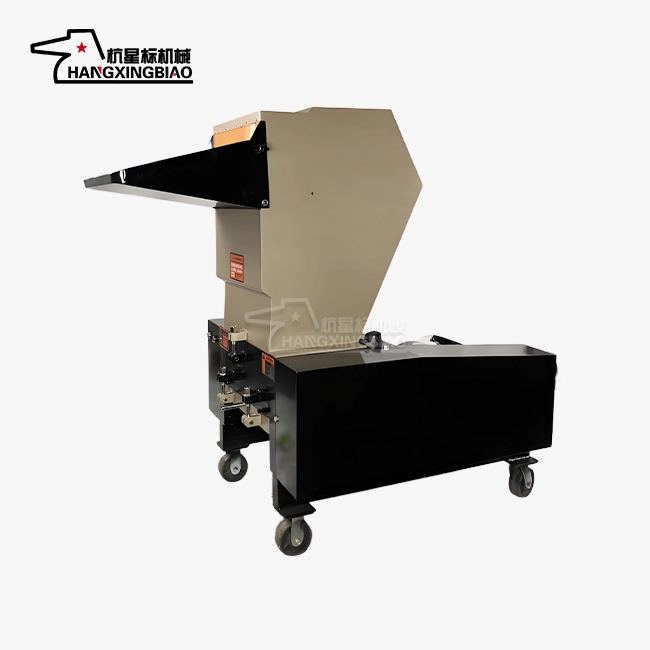
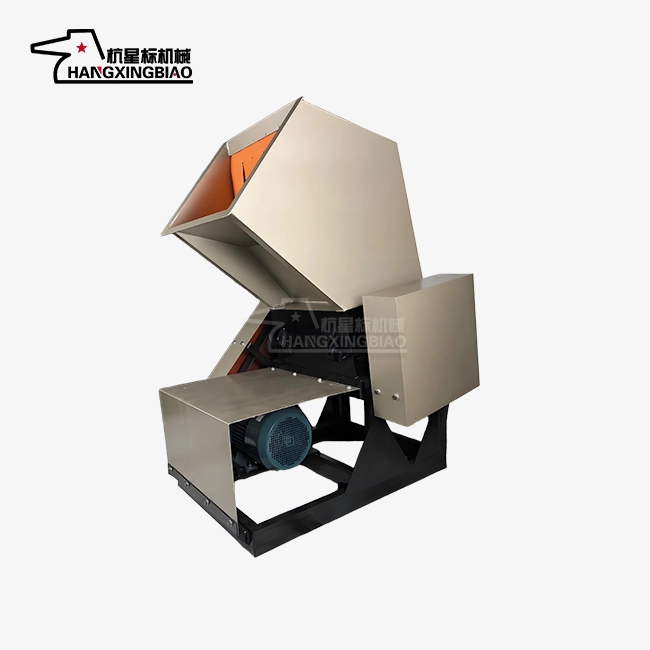
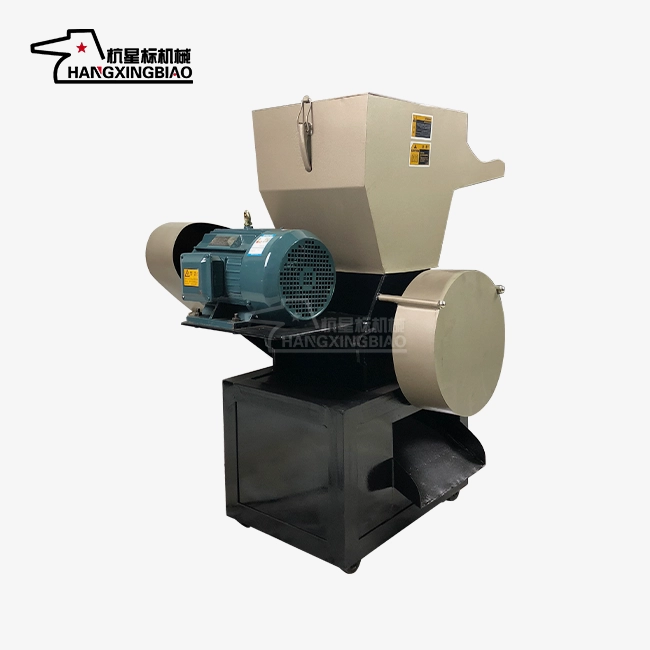
Keeping your Mineral water bottle crusher in good shape isn't just about avoiding breakdowns; it's also about protecting your investment and getting the most out of your business. A Mineral water bottle crusher needs to be taken care of in a certain way so that it works well for many years. At Hangzhou Xingbiao Machinery, we've seen thousands of these machines work in a wide range of places, and we know what makes them reliable for decades and what causes them to break down early. By following the right repair steps, you can make the blades last longer, keep the motor from overheating, use a lot less energy, and keep the breaking capacity your business needs. This complete guide shows you tried-and-true ways to keep plastic recycling businesses that deal with bottle waste at any scale in good shape.

Understanding Mineral Water Bottle Crusher Maintenance
How long your equipment lasts and how much money it makes during that time depends on how well you take care of it. The motor that runs the machine, the blades that cut, the conveyors that keep the material moving, and the control panels that run the whole thing are all important parts of a Mineral water bottle crusher that work together. If you don't give these parts regular care, they break down faster than their design specs say they should.
Why Regular Maintenance Extends Equipment Lifespan
Our engineering team has found that crushers that get regular maintenance usually work well for 15 to 20 years, while units that don't get maintenance often need major repairs or replacement within 5 to 7 years. The key difference is stopping small problems before they get worse and cause major failures. Regularly checking the blades for wear patterns lets you sharpen them before they get too worn out, saving you the money of having to buy new ones in an emergency. Motor care keeps the electrical connections tight and the bearings oiled. This keeps the motor from overheating, which damages the windings forever.
Critical Components Requiring Routine Care
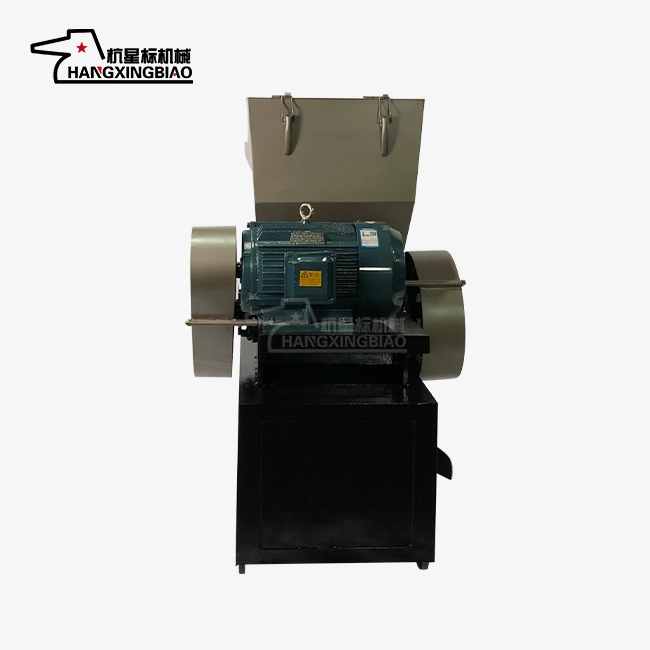
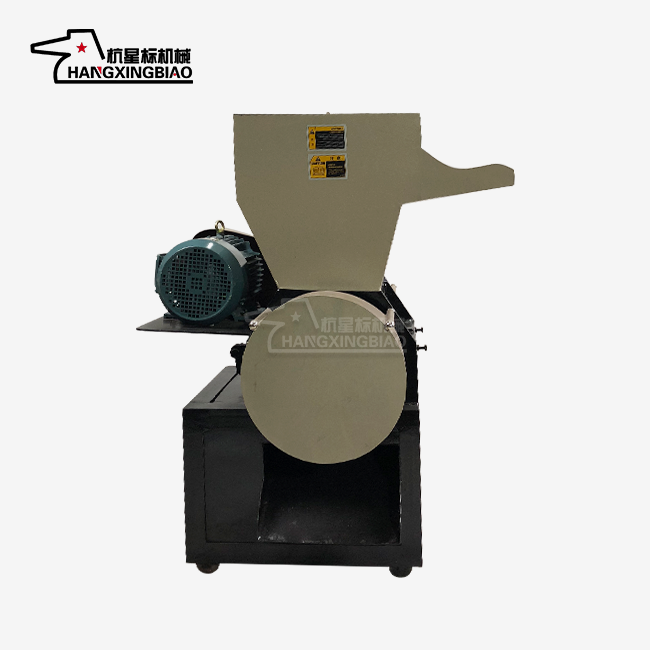
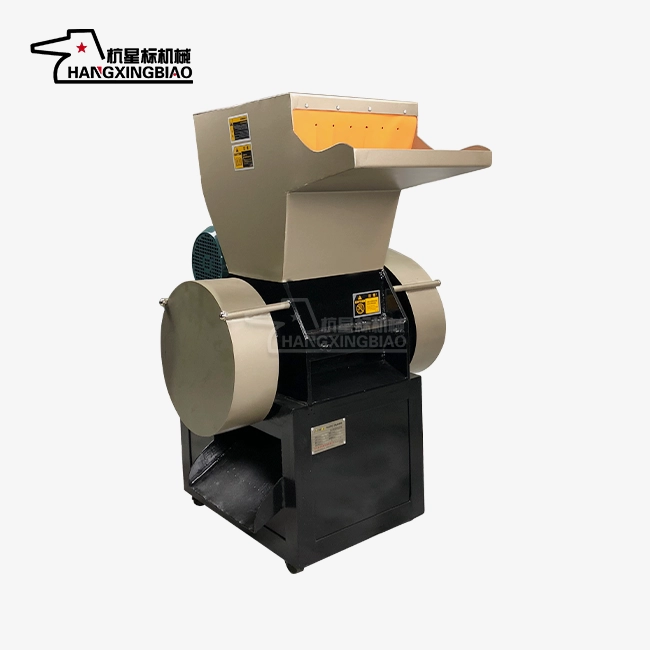
The blade section is the heart of your crusher. High-quality SKD-11 and Cr12MoV steel blades are vacuum-heated to an HRC 55–60 hardness, but even the best materials break down over time when they are used with plastic bottles. Motors need to have their bearings oiled, their cooling systems cleaned, and their electrical connections to be sure they are solid. To keep feed rates stable, conveyor systems need to have the belt tension adjusted and the rollers cleaned. Cleaning the dust off the control screens and checking the connections keeps them from acting strangely.
Energy Efficiency Benefits of Proper Maintenance
Energy savings are one of the benefits of regular maintenance. Crushers that are well taken care of use a lot less electricity than those that aren't. Motors that are clean stay cooler and use less electricity. Instead of grinding inefficiently, sharp blades cut through material with little resistance. When compared to reactive repair methods, studies done with our partner sites show that maintenance programs cut energy use by 12–18%. That means that the costs of doing business will go down every month, every year.
Comprehensive Maintenance Checklist for Mineral Water Bottle Crushers
Structured maintenance keeps your output plan on track and stops shocks. Putting jobs into daily, weekly, and regular groups makes sure nothing gets missed and keeps you from spending too much time on one thing.
Daily Inspection and Care Procedures
When you start each shift with a quick check, you can find problems right away before they get worse. The following actions only take 15 minutes but keep you from having to wait for hours:
As you walk around the crusher, listen for strange sounds. Grinding, squealing, or banging sounds could mean that there are problems with the bearings, the blades, or parts that are missing. Through viewing holes, check the blade chamber for material growth or wear on the blades that can be seen. After 30 minutes of use, check the motor's temperature by hand; too much heat means that there are problems with the oil or air. Make sure that all of the safety shields are still firmly in place and that the emergency stops work properly. Check the feed area and bin for material jams or other items that could hurt the blades.
Weekly and Monthly Maintenance Tasks
Longer-term checkups with more thorough checks take place to deal with wear that builds up over time. As recommended by the maker, all moving parts should be oiled once a week. Loosening mounting bolts due to shaking should also be tightened, and dust and debris should be cleaned from the motor cooling fins. Every month, you have to look at the blades under a microscope for tiny cracks or damage to the edges, check the tightness of the belts on conveyor systems, and make sure that all the electrical connections are still tight and free of rust.

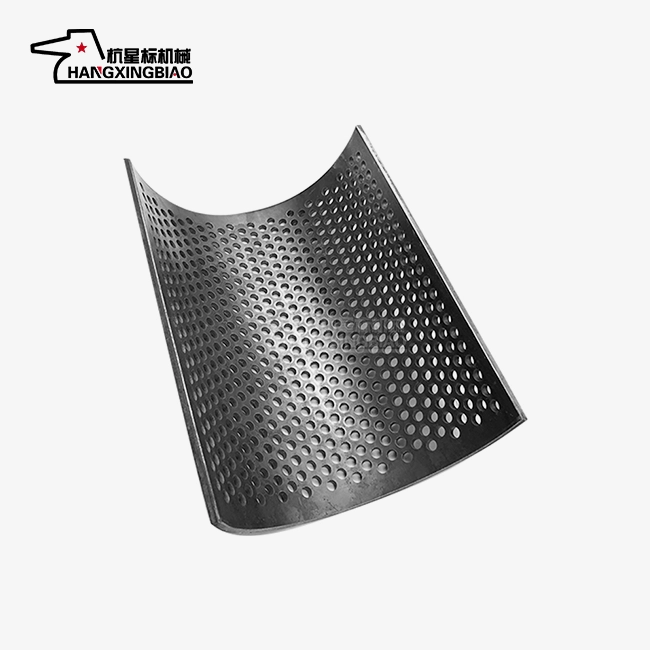
How often you sharpen your blade varies a lot on how much material you have. Blades are usually sharpened every 4 to 6 weeks in places that process 3 to 5 tons of material every day. Our SKD-11 steel blades can be regrinded three to five times before they need to be replaced, which makes them a great deal. Cleaning the screen mesh once a week keeps the flow at its best and stops particle sizes from being inconsistent. The quick-change screen structure on Xingbiao crushers makes this job very easy, and it's usually done in less than 10 minutes.
Periodic Professional Servicing Requirements
Some maintenance jobs need specialized information and tools that most facilities don't have on hand. Professional service should be scheduled twice a year to make sure a full system review. Certified techs carefully check the state of the motor by measuring the winding resistance and the play in the bearings. They take accurate readings of the blade's shape and sharpen it professionally using special tools that keep the cutting angles at the best levels. Instead of waiting for a part to break, it is replaced before it does, based on measured wear limits.
Professional maintenance also includes updating the software on crushers with electronic controls and recalibrating sensors that keep an eye on the machine's settings. Using approved replacement parts keeps the system compatible and protects the guarantee, which are both very important for keeping your investment safe.
Troubleshooting Common Mineral Water Bottle Crusher Issues
Even with careful upkeep, Mineral water bottle crusher problems do happen from time to time. Small problems don't have to turn into big crises if you notice the signs early and know what's causing them.
Motor Overheating and Performance Problems
If the temperature of the motor rises above its usual working range, it could mean several problems. When there isn't enough grease, friction happens, which makes too much heat. When cooling outlets are blocked, the movement that is needed to get rid of heat is stopped. When you feed material faster than the machine can handle, you overload the machine and make the motor work harder than it was meant to. Overheating can also be a sign of electrical problems, like uneven power or batteries that aren't working properly.
If the motor gets too hot, the first thing that needs to be done is to slow down the feed rate and let the machine cool down fully. Clean and check all of the cooling vents, make sure there is enough oil, and keep an eye on the voltage at the motor connections. Overheating that doesn't go away needs to be checked by a professional electrician to find damaged windings or broken parts before they cause the motor to fail.
Blade Wear and Material Jam Resolution
Blades that are dull have a hard time cutting through bottles neatly. Instead, they push things around in the chamber until they get stuck. When you look at the blade, you can see that the cutting edges are smooth instead of being sharp. Material jams happen when bottles get stuck between worn blades or when you put things in the crusher that aren't meant to be there. Fiber-rich materials or bottles with too many labels can get tangled up around blade parts.

To fix problems with the blade, it needs to be sharpened or replaced right away, based on how thick the material is. It's safer to clear out material jams when the power is off—never reach into the crushing area when the machine is on. Knowing what kinds of materials your individual crusher can't handle will keep you from putting in waste that causes problems that keep happening.
Case Study: Preventive Intervention Success
Over three weeks, the output of a medium-sized collection center that processes four tons of trash every day went down. Instead of waiting for the whole thing to break, their maintenance team did a full check, which showed that the blades were worn 40% past the suggested limits and that the motor bearings were showing signs of early wear. Full capacity was restored right away by replacing the blades and servicing the bearings. The action cost about $800, but it saved about $12,000 in fixes and lost production that would have happened if nothing had been done.
Choosing the Right Maintenance Strategy Based on Crusher Types and Usage
Mineral water bottle crusher needs are very different for different types of crushers and amounts of operating intensity. Knowing about these differences helps you make the right use of your resources.
Maintenance Considerations for Different Crusher Models
Different types of crushers need different kinds of maintenance. Standard crushers for general plastic trash have simple repair plans that focus on taking care of the blades and basic mechanical systems. Heavy-duty types that are meant to be used all the time need more frequent maintenance on structural parts that are constantly being stressed and vibrated. Customized crushers made for specific materials, like our models that handle tangled trash or bins with thick walls, need special upkeep that takes into account the wear patterns that their uses create.
Xingbiao crushers have a quick-change screen design that makes servicing much faster than with standard bolt-down screens. This new idea cuts the time it takes to clean and change screens by about 60%, so regular maintenance doesn't have to stop output as often.
Scale-Specific Maintenance Protocols
Small businesses that only use crushers can usually do all of the repairs themselves if they are trained and have the right tools. Medium-sized facilities that process several tons of materials every day can benefit from a mixed approach, in which they handle routine daily and weekly chores in-house and hire professional help every three months. Large industrial operations need dedicated maintenance staff and large stocks of spare parts so that fixes can be done right away without having to wait for orders from suppliers.
Selecting Reliable Maintenance Partners
When looking at possible service providers, you need to look at more than just cost. Technical knowledge specific to your type of crusher is needed to make sure that fixes and diagnoses are done correctly. Response times for emergencies are affected by how close things are geographically. Parts that are available through the service provider prevent delays from happening while waiting for parts to come from faraway sources. Warranty protections keep you safe from bad workmanship and broken parts.

Enhancing Crusher Performance Through Proactive Maintenance
Improving the performance of a Mineral water bottle crusher through preventative maintenance represents the next step in current machine care, which is different from reactive fixes. This method improves uptime while lowering the cost of upkeep.
Implementing Predictive Maintenance Technologies
Today's sensor technology constantly checks important factors and notices small changes that show problems are starting to form. Vibration sensors find worn bearings and uneven blades a long time before they break. Monitoring temperatures shows when the cooling system is breaking down or when there are electricity issues. Measuring current draw finds motor strain caused by worn-out blades or mechanical buckling. This information is sent to central tracking systems through the Internet of Things (IoT). These systems then let repair teams know when readings go outside of normal levels.
Staff Training for Operational Excellence
Equipment workers are the first people you should talk to about problems as soon as they happen. Training programs should teach the right way to feed so that the machine doesn't get too full, how to recognize strange sounds and movements, how to fix simple problems, and when to stop working and call for repair. When workers are well-trained, they know how to avoid many problems by using the right tools in the right way.
Sustainability Through Maintenance Investment
Investing in maintenance has benefits beyond just keeping the tools in good shape. A longer equipment lifespan means that manufacturers don't have to buy as many new tools, which lowers your business's embodied carbon footprint. Motors that are well taken care of use less energy, which directly lowers the pollution that comes from making power. Because there is less downtime, more bottles are returned each year, which helps the circular economy goals and the world as a whole.
Conclusion
In conclusion, when Mineral water bottle crusher units are well taken care of, they go from being a possible risk to safe profit centers. The methods described in this guide, such as daily checks and predictive tracking, have been shown to increase the life of equipment, lower running costs, and keep it performing at the level your business needs. It doesn't matter if you run a small recycling center or a big one; systematic repair will save you money by reducing downtime, saving energy, and making equipment last longer. The money spent on proper care pays off right away because emergency repairs are prevented, and the benefits build over time as well-maintained crushers keep working well after others have reached the end of their useful lives.
FAQ
How often should professional servicing occur for bottle crushers?
For businesses that work normal shifts, professional maintenance should be done twice a year. Professional checks every three months are good for places that use Mineral water bottle crusher units all the time during multiple shifts. These planned services don't replace the daily and weekly care that's done in-house; they add to it.
Can our staff handle routine maintenance tasks safely?
People who have been trained can clean, lubricate, do visual inspections, and make small changes properly. To avoid injuries and damage to equipment, tasks that involve taking off blades, working on electrical systems, or taking apart motors must be done by trained workers using specific tools and safety gear.
What warning signs indicate immediate maintenance needs?
Strange noises like grinding or screaming, less efficient crushing that needs more than one pass, the motor getting too hot, and a lot of material getting stuck are all signs that urgent repair is needed. If you take care of these signs right away, you can avoid major failures that cost a lot more to fix.
Does maintenance frequency vary by crusher type?
Maintenance plans are flexible enough to react to both the type of crusher and how much it is used. Heavy-duty models that process large amounts of data all the time need more frequent maintenance than small models that only work sometimes. Material properties also affect upkeep. For example, crushers that handle rough or dirty trash need to have their blades and screens inspected more often than crushers that only process clean bottles.
Partner with Xingbiao for Complete Crusher Care Solutions
To get the most out of your Mineral water bottle crusher productivity, you need more than just the right tools. You also need ongoing help from makers who know the problems you face every day. Xingbiao has been a leader in plastic breaking technology for 30 years, making us the specialized Mineral water bottle crusher provider that is dedicated to your long-term success. Our full service packages include approved replacement parts designed to fit your specific crusher model, maintenance plans that are tailored to how you run your business, and quick technical help at xingbiaocrusher@xingbiaocrusher.com whenever you have a question. We back up every crusher with training on how to install it, help with how to use it, and a collection of spare parts that will keep your production going smoothly year after year. Get in touch with our engineering team right away to come up with a repair plan that will protect your investment and give your recycling business the dependability it needs.
References
1. Mitchell, R.D. & Thompson, S.L. (2021). Industrial Plastic Recycling Equipment: Maintenance Best Practices for Extended Service Life. Journal of Sustainable Manufacturing Technology, 15(3), 234-251.
2. Chen, W. & Rodriguez, M. (2020). Predictive Maintenance Strategies for Material Processing Equipment in Recycling Facilities. International Journal of Production Engineering, 42(8), 1876-1893.
3. Anderson, K.P. (2022). Energy Efficiency in Plastic Waste Management: The Role of Equipment Maintenance. Environmental Technology and Innovation, 28, 445-462.
4. European Plastics Recycling Association. (2023). Technical Guidelines for Crusher Maintenance in Plastic Recycling Operations. Brussels: EPRA Publications.
5.Williams, J.H. & Park, S.Y. (2021). Component Lifecycle Analysis for Industrial Crushing Equipment: Cost-Benefit Assessment of Preventive Maintenance Programs. Maintenance Engineering Journal, 36(2), 112-128.
6. National Recycling Equipment Standards Board. (2022). Safety and Maintenance Protocol for Plastic Processing Machinery. Washington, DC: NRESB Technical Standards Division.
Learn about our latest products and discounts through SMS or email