- English
- French
- German
- Portuguese
- Spanish
- Russian
- Japanese
- Korean
- Arabic
- Greek
- German
- Turkish
- Italian
- Danish
- Romanian
- Indonesian
- Czech
- Afrikaans
- Swedish
- Polish
- Basque
- Catalan
- Esperanto
- Hindi
- Lao
- Albanian
- Amharic
- Armenian
- Azerbaijani
- Belarusian
- Bengali
- Bosnian
- Bulgarian
- Cebuano
- Chichewa
- Corsican
- Croatian
- Dutch
- Estonian
- Filipino
- Finnish
- Frisian
- Galician
- Georgian
- Gujarati
- Haitian
- Hausa
- Hawaiian
- Hebrew
- Hmong
- Hungarian
- Icelandic
- Igbo
- Javanese
- Kannada
- Kazakh
- Khmer
- Kurdish
- Kyrgyz
- Latin
- Latvian
- Lithuanian
- Luxembou..
- Macedonian
- Malagasy
- Malay
- Malayalam
- Maltese
- Maori
- Marathi
- Mongolian
- Burmese
- Nepali
- Norwegian
- Pashto
- Persian
- Punjabi
- Serbian
- Sesotho
- Sinhala
- Slovak
- Slovenian
- Somali
- Samoan
- Scots Gaelic
- Shona
- Sindhi
- Sundanese
- Swahili
- Tajik
- Tamil
- Telugu
- Thai
- Ukrainian
- Urdu
- Uzbek
- Vietnamese
- Welsh
- Xhosa
- Yiddish
- Yoruba
- Zulu
Industrial Shredder for Secure & Safe Waste Disposal
Every day, producers and recyclers have to deal with more plastic trash and higher material costs. An Industrial shredder is a useful tool that turns trash into resources that can be used again and again while also lowering costs. At Hangzhou Xingbiao Machinery, we've spent 30 years perfecting breaking technology to meet the exact needs of companies that deal with plastic trash. No matter if you're reusing plant waste like cartons and plastic bottles, processing mixed waste like boxes and bottles, or making feed materials, our equipment always works well.
Understanding Industrial Shredders and Their Role in Secure Waste Disposal
Learn about industrial shredders and how they help keep trash safe.
What Industrial Shredders Actually Do
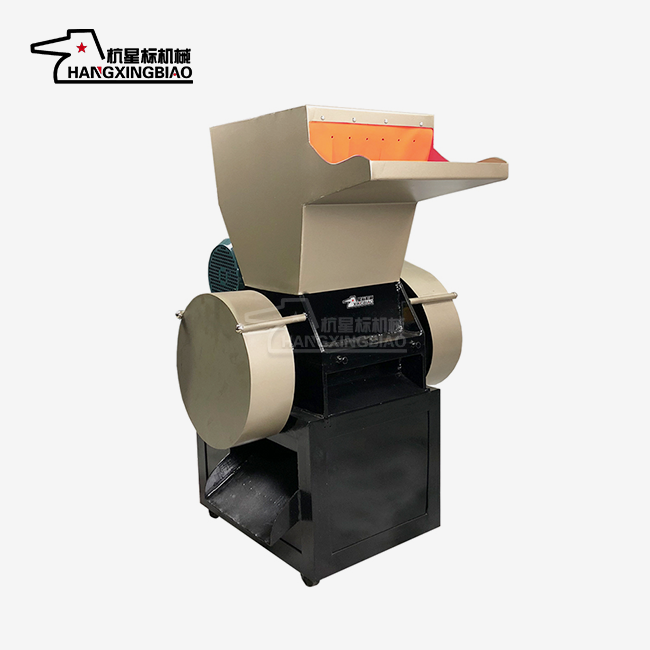
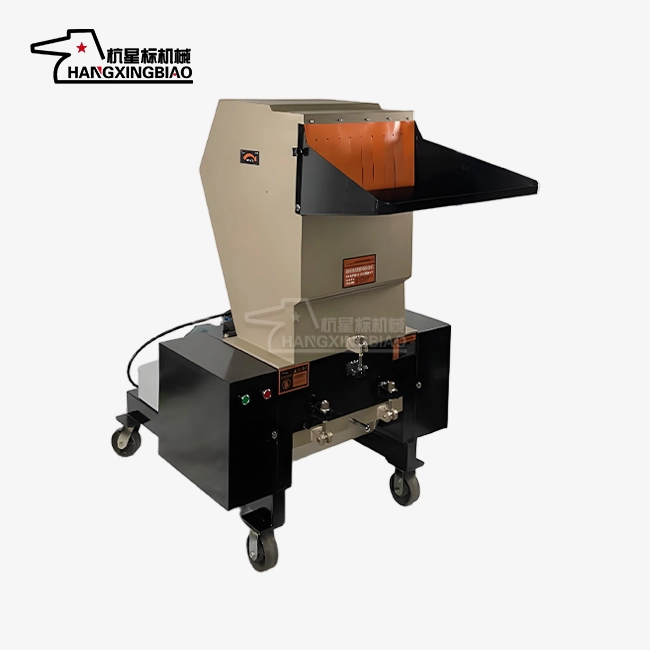
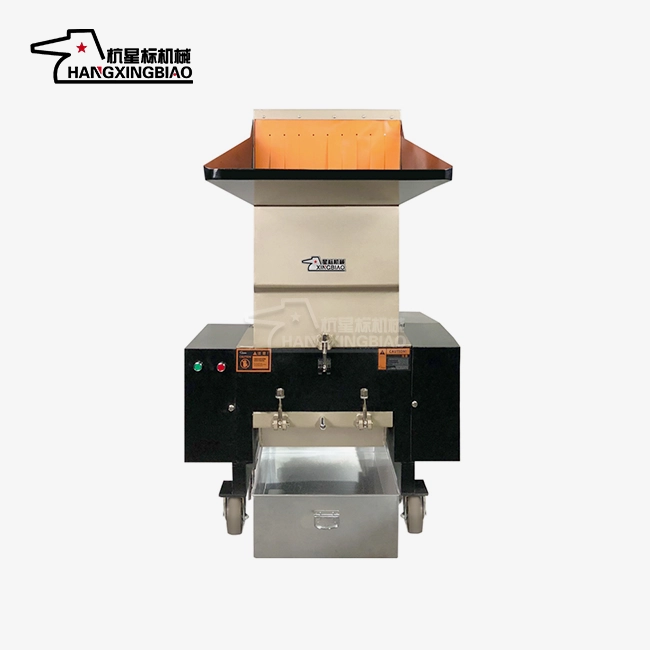
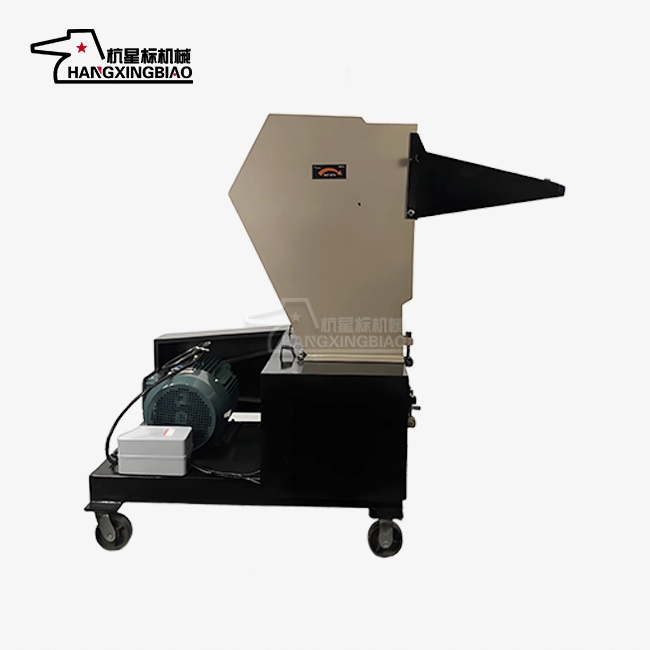
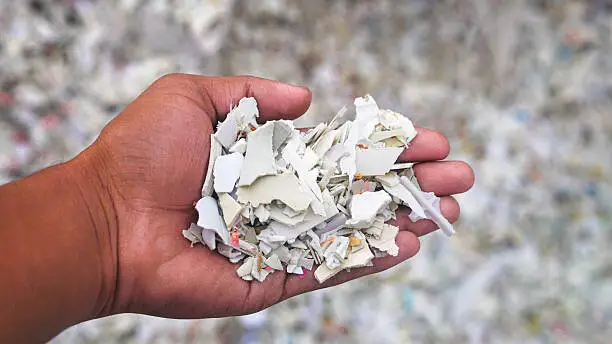
Through mechanical cutting and tearing, Industrial shredder equipment lowers the amount of trash that needs to be thrown away. Unlike office paper shredders, these tools can handle big loads all the time in tough conditions. The technology uses spinning rods with hardened steel cuts that grab and shear material against counter blades. This makes regular particles that can be moved, recycled, or processed further. When you put plastic pieces, films, or large amounts of trash into the bin, the motor and gearbox of the machine work together to make the force that breaks down the materials consistently. High-torque designs are great for moving dirty or thick waste without getting stuck. This makes the material easier to handle, which cuts down on storage room by up to 80% and makes transportation easier for activities further down the line.
Core Components That Drive Performance
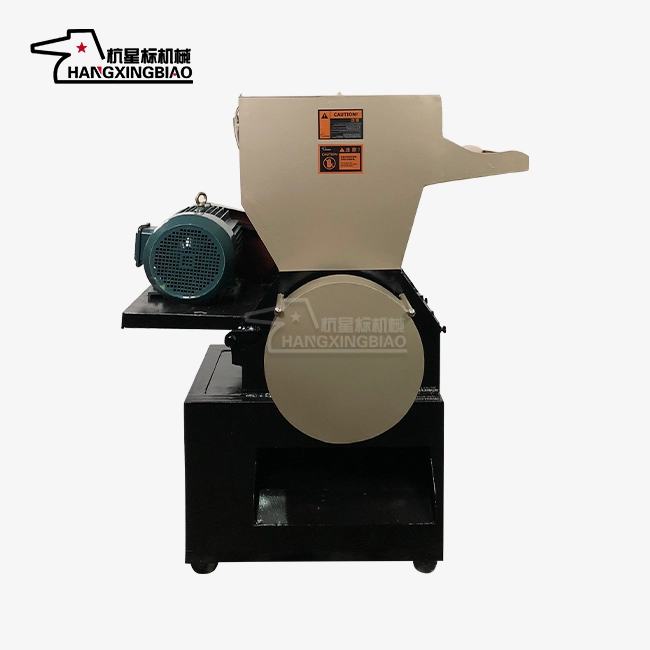
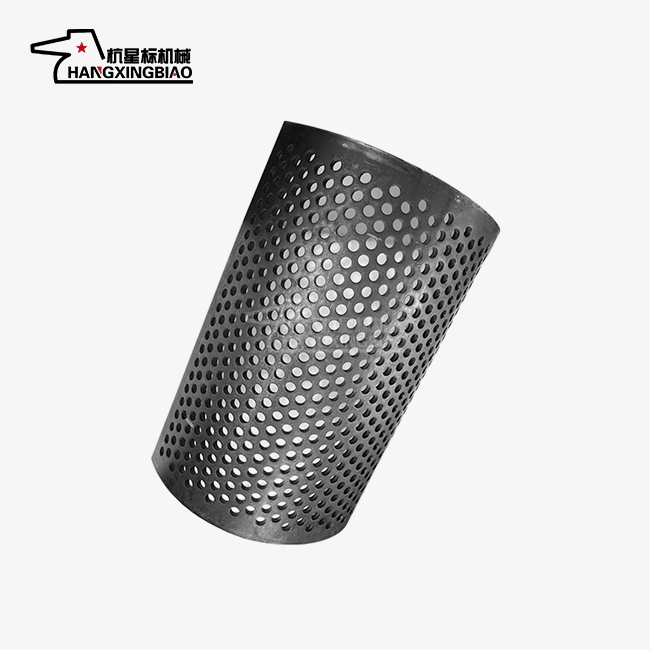
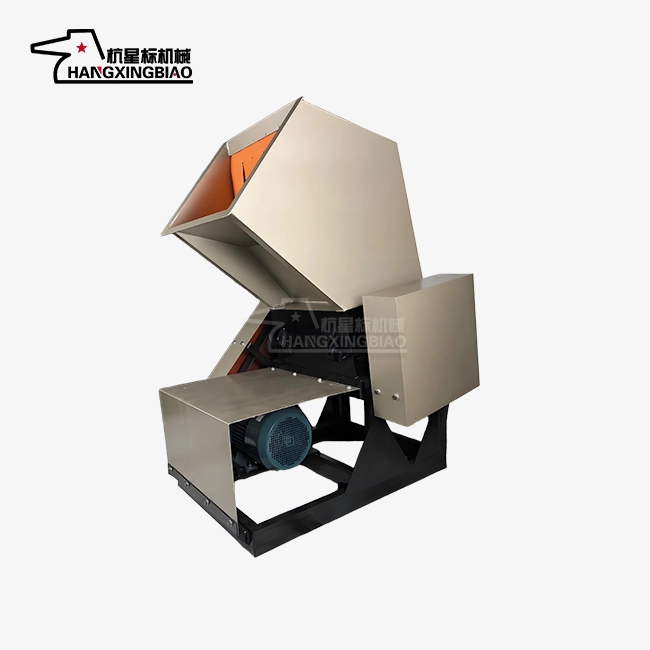
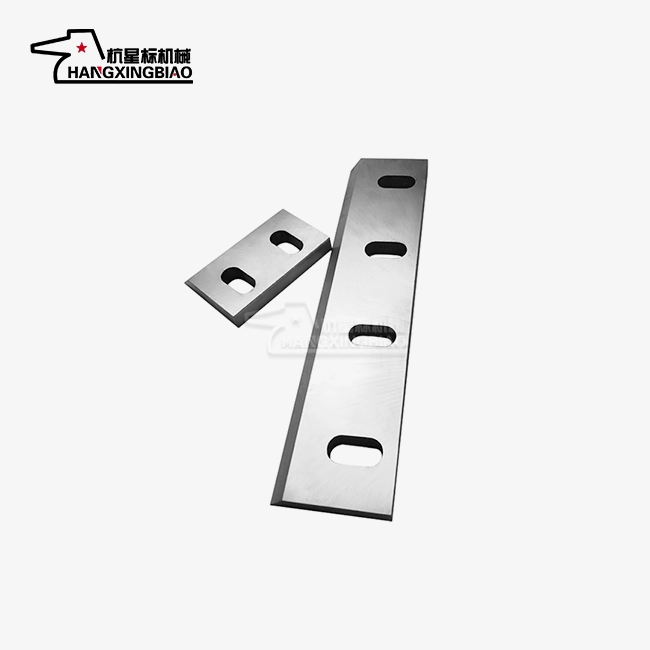
The mechanical heart of systems that break trash is made up of several parts that work together. The cutting chamber has precisely designed blades that are fixed on strong shafts. The motor provides rotational force through a transmission system that has been strengthened. Material entry is controlled by feed hoppers, and particle size at exit is controlled by discharge screens. Our machines are made with high-strength steel frames that are stress-relieved and keep their structural integrity over long periods of time. We use SKD-11, D2 mold steel, and Cr12MoV special alloys for the blades. To make them HRC55–60 hard, we vacuum heat treat them and put them through cryogenic processing. This way of making makes the blade last up to 3,000 to 5,000 hours of use with regular plastics and lets it be sharpened three to five times before it needs to be replaced.
Shredder Configurations for Different Materials
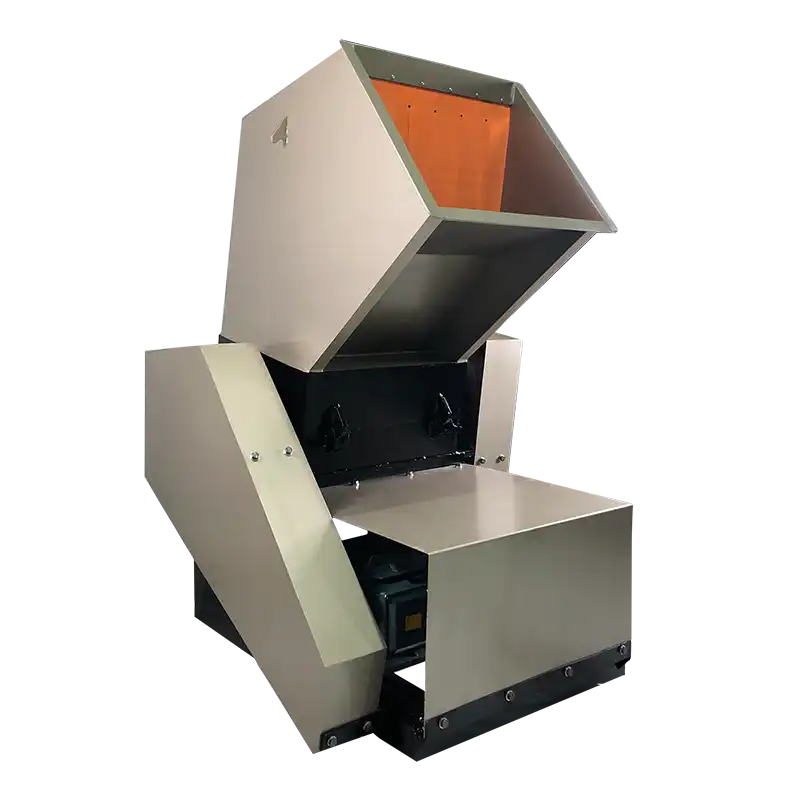
Machines need to be set up in certain ways for each type of waste. Single-shaft shredders work faster and make fine, even pieces of plastic that are perfect for recycling activities. A hydraulic ram pushes material against a rotor blade and a fixed counter-blade in these machines. Depending on the screen choice, the particles are always between 2 and 20 mm. Dual-shaft types have the strength needed for heavy-duty tasks like processing a lot of materials at once or dealing with bulky trash. Two horizontal shafts with blades that interlock tear and crush materials at the same time. This means that the machine can handle everything from hard plastic parts to tangled films without getting stuck very often. The slow-speed, high-torque design works especially well for recycling plants that have to deal with a lot of different types of trash, which could be too much for a single-shaft design.
Benefits and Safety of Industrial Shredders in Waste Management
Volume Reduction and Material Recovery
Lessening the volume and recovering materials, cutting down on waste, has a direct effect on your bottom line. By shredding plastic trash into 2–8 mm pieces, it is possible to mix it directly with new material during production, which means that no extra steps are needed. When cardboard boxes and plastic bottles are cut into 2–20 mm pieces, they are easier to move. This makes moving costs up to 65% less than when the waste is not handled. The benefits to the economy go beyond transportation. Processing plant waste can be recovered and used again in production processes, which cuts down on the need to buy raw materials. When trash comes in regular particle sizes, it's easier for recycling plants to separate the different types of materials. This Industrial shredder technology is useful even in agriculture; breaking corn and straw into 2–5 mm pieces makes it easier to store and feed animals while keeping the food from going bad.
Environmental Compliance and Sustainability Goals
Compliance with environmental rules is easy to achieve when you set up efficient garbage management systems. Shredding technology helps closed-loop manufacturing by recycling things that would have ended up in dumps otherwise. Recycling plant scrap can help businesses get green certifications and cut their trash disposal costs by 40 to 50 percent a year. Keeping up with regulations needs more and more written records of how waste is managed. Equipment that regularly and safely processes materials gives inspectors and licensing bodies the operating clarity they need. By recovering valuable materials and reducing the amount of trash that ends up in landfills, your business will be more competitive in supply chains that value environmental responsibility.
Built-in Safety and Energy Efficiency
In workplace settings, protecting operators is still very important. We build all of our tools to be fully sealed, with thick steel plate construction, anti-rebound baffles, and full safety shields. Some types have interlock systems that turn off the power automatically when the entry rooms open. This keeps people from getting hurt while repairs or clearing is being done. How much energy a business uses has a direct effect on its costs. Our improved motor and gearbox design can handle one ton of plastic with only 8–12 kWh of power, which is 10–15 percent less than traditional equipment. The special arrangement of the blades and the structure of the cavities make the crushing process more efficient by more than 20% while using less power. These changes mean lower power costs and less damage to the environment without lowering output.
Choosing the Right Industrial Shredder: Comparison & Decision-Making Guide
Assessing Your Specific Requirements
To choose the right Industrial shredder tools, you must first know what kind of material you are working with and what your output goals are. The shape you need depends on the type of waste. For example, blade designs that are made for soft plastics like films and woven bags are different from those that are made for hard injection-molded parts. Motor size and output ability are determined by volume. Goals for processing are just as important. When manufacturers look for beside-press recycling, they want small spaces and quick material return. On the other hand, specialist recycling facilities want to get as much work done as possible with as little downtime as possible. Different processes need different amounts of material output. For example, some need fine particles for direct production recycling, while others only need to reduce the volume for cheaper transportation.
Single-Shaft Versus Dual-Shaft Configurations
When consistent particle size and managed yield are most important, single-shaft machines are the best choice. When you put together the rotor blade, the counter-blade, and the discharge screen, you get reliable results that are great for recycling plastic. These methods work well with materials that are mostly clean and don't have a lot of pollution or entanglement. Single-shaft designs can't handle the problems that dual-shaft designs can. Twin shafts that spin counterclockwise make it easy for tangled films, mixed garbage streams, and contaminated materials to move through. The higher power and self-cleaning design of the tool make it less likely that it will get stuck or need to be serviced. Recycling centers that deal with a wide range of products often find that dual-shaft setups meet their needs for flexibility and dependability.
Capacity Planning and Integration
Equipment size choices are based on how much throughput is needed. Standard models that can handle 100 to 500 kg per hour of different types of plastic are useful for small to medium-sized recycling plants. Medium-sized to large manufacturing companies need larger units that can handle 500–2000 kg per hour. These units could be built right into production lines along with injection molding or extrusion equipment. Some things to think about when integrating are the amount of floor room you have, the power source requirements, and the material handling systems you use. For placements next to presses, the designs need to be small and have noise-reducing features that work in production settings. Standalone recycling operations are more flexible, but they need good systems for feeding and dumping materials so they can keep running without any problems.
Procurement and Maintenance Tips for Industrial Shredders
Evaluating Supplier Credentials
Getting your Industrial shredder tools from a reputable company will protect your investment. Look for companies that focus on a few key areas rather than having a wide range of products. Companies with a lot of specialized knowledge usually have better tech and customer service. Companies that keep long-term relationships in the same field show that they can be trusted and that their customers are happy. Technical skills show how competent a seller is. Manufacturers with specialized research and development teams and partnerships with universities can help customers solve problems and come up with new ideas. Find out how many engineers are on staff, how they make prototypes, and how much experience they have with customization. Suppliers who work with big companies in tough industries have figured out how to meet complicated needs in a way that benefits all customers by making products better.
Installation and Operational Considerations
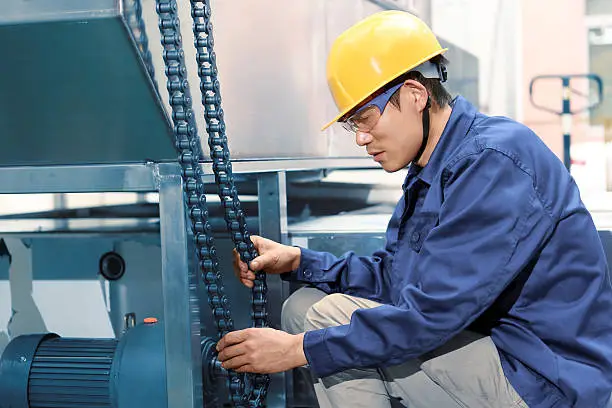
When installed correctly, it works best and lasts the longest. Professional providers offer thorough installation instructions, training on how to use the equipment, and help with setup. Make sure you have enough electricity—our equipment specs make it clear how much power different kinds and uses need. Make sure there is enough space around the machine for safe use, repair, and moving things. Thoroughly training your workers will keep them safe and extend the life of your tools. Learning the right way to feed machines, noting strange sounds or vibrations, and following the right way to shut down machines saves both people and machines. We give full training during installation that includes simple troubleshooting, regular operation, and upkeep schedules.
Maintenance Practices and Spare Parts Management
Maintaining the braking equipment on a regular basis keeps it working well and stops expensive breakdowns. Every day, checks should be made to see how the blades are doing, look for any odd wear, and make sure all the safety features work. Lubricating moving parts once a week, according to the manufacturer's instructions, keeps bearings from breaking down too soon. Deep cleaning once a month gets rid of built-up dirt and grime that can slow things down. Maintenance on the blades has a big effect on working costs. Our blades can be sharpened three to five times before they need to be replaced. This saves you 60% of the cost of buying new blades all the time. Keeping a stock of important extra parts like new blades, screens, bearings, and drive belts cuts down on downtime when parts need to be serviced. We promise that there will be enough extra parts available and that we will answer any questions from customers within 24 hours. This will keep your operations running smoothly.
Applications and Future Trends in Industrial Shredding
Current Applications Across Industries
Industrial shredder equipment is used by companies that make plastic products to get rid of scrap materials and broken products from injection molding, pipe extrusion, and profile production. With this ability, production trash can be turned from an expense to get rid of into something that can be used again. Being able to send broken scrap back to the production process ends material loops and cuts down on costs. For recycling and reprocessing to work, they need reliable cutting technology to deal with large amounts of plastic trash like films, woven bags, tires, and containers. The ability to handle twisted and dirty materials without constant help allows for continuous operation, which boosts the facility's output. Suppliers who work with big companies want their tools to be stable and have full service support so that production doesn't stop.
Emerging Technologies and Innovations
The next step forward in industrial shredding is automation and smart tracking tools. Sensors that check for worn blades, watch trends of power use, and guess when repair is needed help avoid unplanned downtime. With remote diagnostics, makers can quickly figure out what's wrong, and sometimes they can fix the problem without having to come to the spot. Innovation keeps happening because of environmental sustainability. New materials and coatings on the blades make them last longer and use less energy. Better motor economy and improvement of the drive system get more work done with every kilowatt used. These improvements help companies meet stricter environmental rules while keeping costs low in areas where competition is high.

Conclusion
Using Industrial shredder technology to properly handle trash has real benefits for both production and recycling businesses. With the right tools, problems with moving things can be turned into chances to save money and be good to the environment. The best return on investment comes from choosing shredders that are right for the types of trash you have, the amount of production you need, and how you run your business. We've spent the last 30 years improving technology for breaking plastic, which has given us a lot of knowledge that helps all of our customers. Because we're committed to single-category greatness, you get equipment that was designed to solve the problems you face and comes with full support for as long as it lasts.
FAQ
What particle sizes can industrial shredders produce?
The output particle size varies on which screen is chosen and how the machine is set up. Our Industrial shredder machines consistently make results from 2 mm to 20 mm for general recycling uses, from 2 mm to 8 mm for direct production reuse, and in other ranges as needed by customers. Our quick-change design makes it easy to switch screens in minutes, so they can be used with a variety of materials and tasks.
How long do shredder blades typically last?
The life of a blade depends on the material it is made of and how it is used. Our high-quality SKD-11 and D2 steel blades can cut through normal plastics for 3,000 to 5,000 hours. Service times may be shortened for harder materials or trash that is dirty. The ability to resharpen blades makes them last a lot longer—each blade can handle three to five resharpenings before it needs to be replaced, which cuts down on running costs by a large amount.
What distinguishes your equipment from competitors?
Our technical choices are based on 30 years of solely focusing on plastic crushing technology. We have a 20-person senior engineer research and development team and work with stars in the field, such as Nongfu Spring, to understand problems that people actually face. Because of this specialized knowledge, equipment is made that processes resources 20% more quickly and uses 10-15% less energy than other options. Our dedication to full after-sales support makes sure that your activities run smoothly for the entire lifecycle of the equipment.
Get Started with Xingbiao Industrial Shredder Solutions
To lower the costs of processing waste and boost speed, you need equipment that was designed for your unique needs. Hangzhou Xingbiao Machinery has 30 years of experience in specialized breaking technology and offers full help to make sure you succeed. Our engineering team creates solutions that are tailored to your exact needs, whether you need a large Industrial shredder for recycling or a small beside-press crusher for recovering manufactured scrap. Get in touch with our experts at xingbiaocrusher@xingbiaocrusher.com right away to talk about your trash management problems and find out how working with a dedicated industrial shredder maker can save you money and time in the long run.
References
1. Smith, J. & Thompson, R. (2022). Industrial Waste Processing Technologies: Design Principles and Applications. Manufacturing Engineering Press.
2. National Association of Plastics Recyclers. (2023). Best Practices in Plastic Waste Size Reduction and Material Recovery. Industry Standards Publication.
3. Chen, L., Martinez, A., & Patel, K. (2021). Energy Efficiency in Heavy-Duty Shredding Equipment: Comparative Analysis of Modern Systems. Journal of Industrial Machinery, 45(3), 234-251.
4. Environmental Protection Agency. (2023). Waste Management Equipment Safety Standards and Compliance Guidelines. Federal Regulatory Documentation.
5. Anderson, M. (2022). Blade Materials and Heat Treatment for Extended Service Life in Industrial Cutting Applications. Materials Science Quarterly, 38(2), 112-129.
6. International Recycling Association. (2023). Technology Trends in Waste Processing: Automation and Smart Manufacturing Integration. Annual Industry Report.
Learn about our latest products and discounts through SMS or email