- English
- French
- German
- Portuguese
- Spanish
- Russian
- Japanese
- Korean
- Arabic
- Greek
- German
- Turkish
- Italian
- Danish
- Romanian
- Indonesian
- Czech
- Afrikaans
- Swedish
- Polish
- Basque
- Catalan
- Esperanto
- Hindi
- Lao
- Albanian
- Amharic
- Armenian
- Azerbaijani
- Belarusian
- Bengali
- Bosnian
- Bulgarian
- Cebuano
- Chichewa
- Corsican
- Croatian
- Dutch
- Estonian
- Filipino
- Finnish
- Frisian
- Galician
- Georgian
- Gujarati
- Haitian
- Hausa
- Hawaiian
- Hebrew
- Hmong
- Hungarian
- Icelandic
- Igbo
- Javanese
- Kannada
- Kazakh
- Khmer
- Kurdish
- Kyrgyz
- Latin
- Latvian
- Lithuanian
- Luxembou..
- Macedonian
- Malagasy
- Malay
- Malayalam
- Maltese
- Maori
- Marathi
- Mongolian
- Burmese
- Nepali
- Norwegian
- Pashto
- Persian
- Punjabi
- Serbian
- Sesotho
- Sinhala
- Slovak
- Slovenian
- Somali
- Samoan
- Scots Gaelic
- Shona
- Sindhi
- Sundanese
- Swahili
- Tajik
- Tamil
- Telugu
- Thai
- Ukrainian
- Urdu
- Uzbek
- Vietnamese
- Welsh
- Xhosa
- Yiddish
- Yoruba
- Zulu
Plastic shredder Safety Guide: Standards & Best Practices
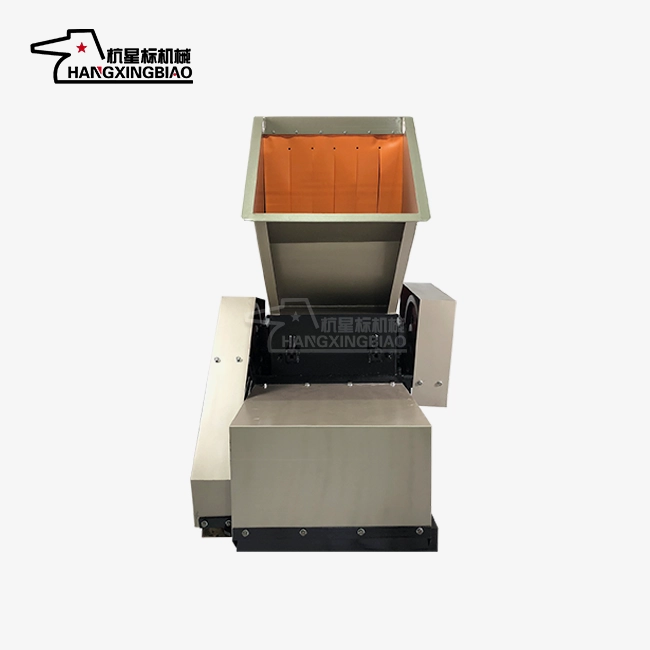
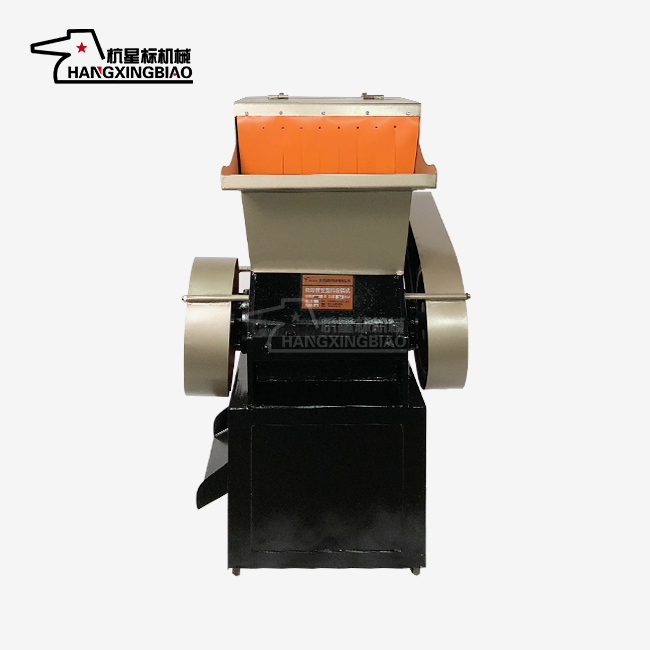
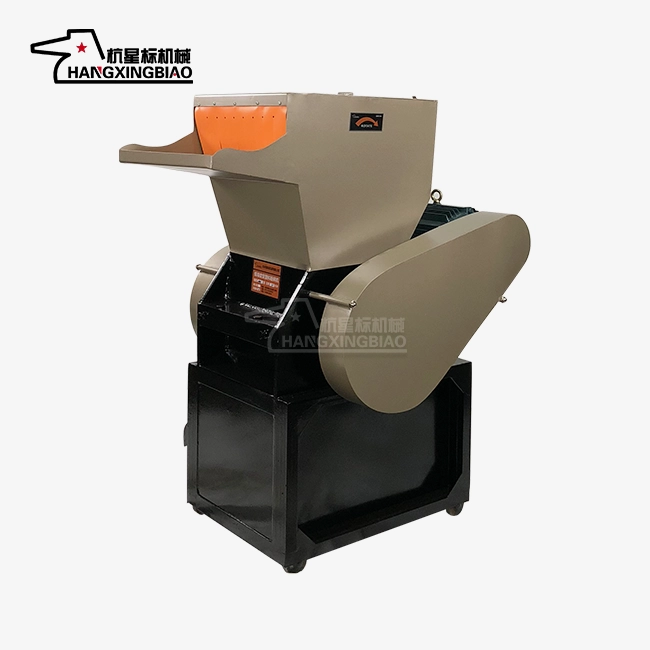
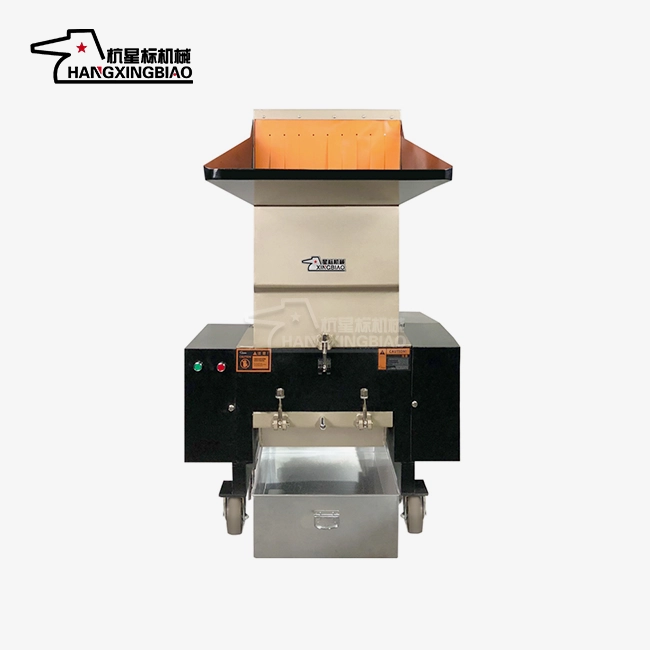
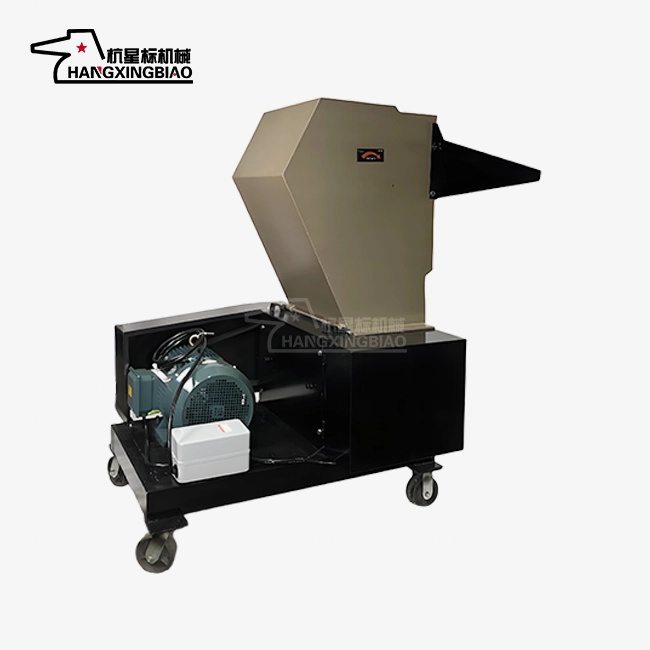
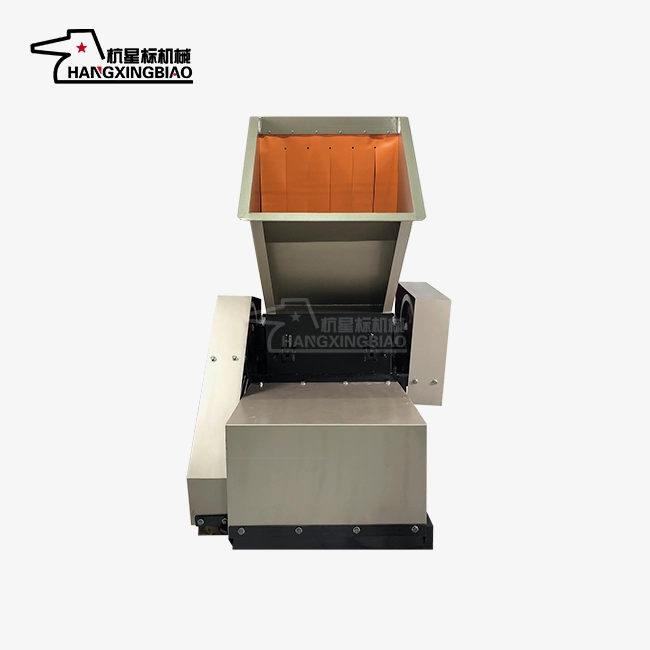
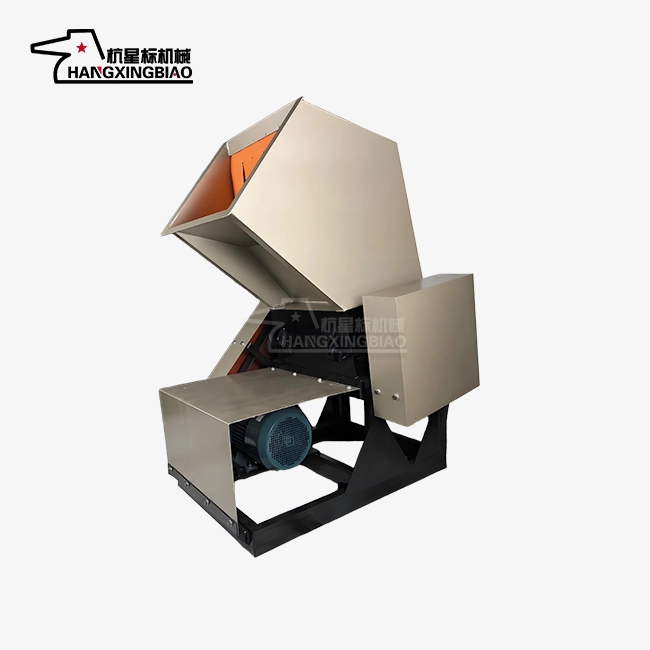
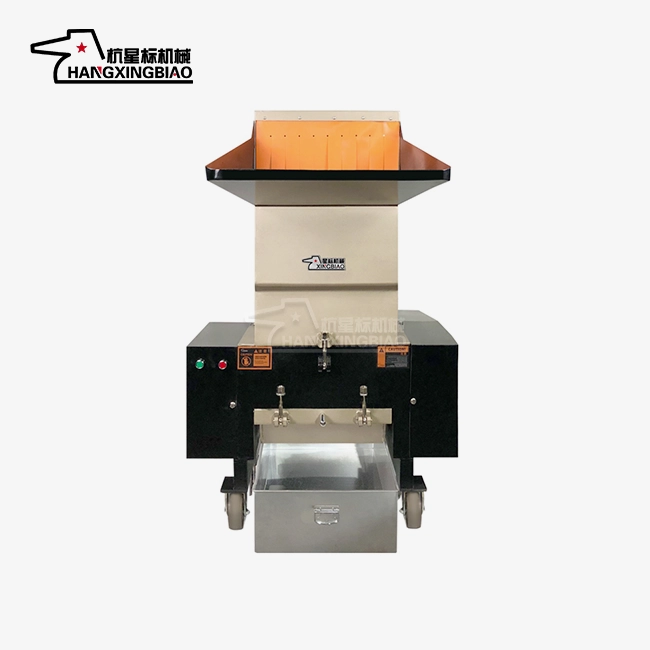
Running shredding machines in recycling or industrial settings requires more than just speed. It also needs a dedication to safety that protects workers, avoids costly downtime, and makes sure that rules are followed. Through cutting, breaking, and slicing, a Plastic shredder breaks down large pieces of plastic trash into smaller pieces. Using these machines at high speeds with sharp blades that are constantly spinning comes with risks that must be carefully followed. This guide goes over the most important standards, best practices, and tools that help companies make better buying choices and make their workplaces safer.
Understanding Plastic Shredder Safety Risks and Challenges
Working with equipment that cuts down on sizes comes with a lot of risks that can affect both workers and production. The first step in making a complete safety program is to become aware of these risks.
Common Hazards Associated with Shredding Equipment
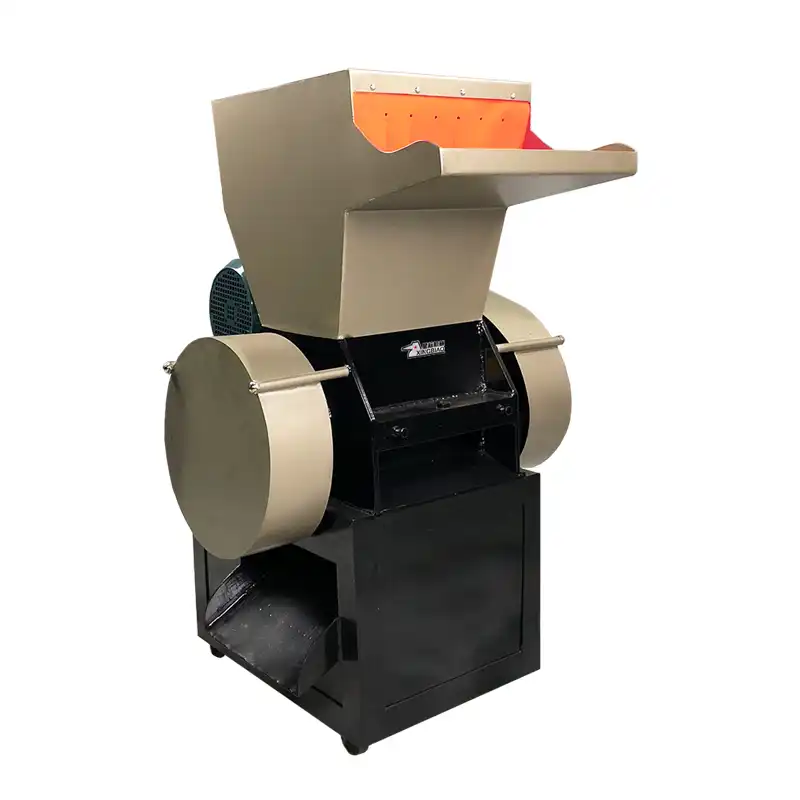
The most important thing to worry about when using these tools is still getting hurt. Rotating blades can cut deeply or even cut off limbs if the guarding systems don't work right or if workers don't follow safety rules. When working with films, weaving bags, or flexible plastics that can wrap around shafts and pull workers toward moving parts, the risk of getting tangled up goes up. Electrical dangers are also a big problem. Machines that use high voltages need to be properly grounded and have circuit safety. Electrical problems, motors that get too hot, or overloaded (putting too much material into the machine) are common causes of equipment harm. Noise levels in crushing activities often go above what is safe, which could damage your ears if you don't wear the right gear. When you shred some plastics, you make dust, which can be harmful to your lungs and cause fires if it gathers near sources of burning.
Root Causes of Safety Incidents
Most accidents can be traced back to things that could have been avoided. A lot of accidents happen because of the operator's mistake. Workers who haven't been trained properly may feed materials in the wrong way, try to clear jams while the equipment is running, or miss the signs that something is wrong. Lack of maintenance creates time bombs that are about to go off. Blades that are worn out produce too much heat and sound, parts that are fastened loosely can move out of place, and electrical insulation that is worn down makes shocks more likely. If these problems aren't checked on a regular basis, they won't be found until something breaks. Environmental factors make safety attempts harder. When paired with wetness, dusty conditions make it harder to see and make slipping more likely. It's harder to find material jams or technical problems when there isn't enough lighting around the feed and release areas.
Essential Safety Principles for Reducing Risk
Putting up complete guarding systems is the best way to keep people from touching moving parts. All moving parts should be protected by fixed guards, and when entry doors are opened, they should automatically turn off the equipment. There should be emergency stop buttons all over the machine that are easy for workers to reach. Regulatory compliance with OSHA guidelines in the US sets the bar for safety in the workplace. These rules say what kind of guarding is needed, how to do lockout-tagout processes during maintenance, and what kind of personal safety equipment is required. Equipment that is sold outside of Europe must have a CE mark on it to show that it meets European standards for health, safety, and the environment.
Key Plastic Shredder Safety Standards and Compliance Requirements
To get around the legal world, you need to know which rules apply to your business and how to make sure that suppliers are following them when you're buying things.
International Safety Standards and Certifications
ISO 12100 sets out general rules for evaluating risks and lowering those risks in the design of machinery. This standard tells makers how to find risks and put control measures in place for the whole lifecycle of an item. Compliance shows that creators have thought about safety from the beginning of the design process, all the way through production. In the US, OSHA rules require machine guarding (1910.212), lockout-tagout processes (1910.147), and certain levels of noise exposure (1910.95). Written safety plans, training records, and regular checks are all ways that facilities must show they are following the rules. The CE mark means that the product meets the safety standards set by the European Machinery Directive 2006/42/EC. This directive applies to all products sold in the European Union. Buyers in the U.S. can benefit from looking for CE-marked tools because these machines usually have more basic safety features.
Building a Procurement Compliance Checklist
Before making buy orders, the certifications of the suppliers should be checked. Get copies of ISO certificates, CE statements of conformity, and reports from reputable labs that test products on your behalf. Suppliers who are trustworthy will gladly give you this paperwork. On-site safety checks show how suppliers actually make safety work in production. When you visit a factory, you can look at how they control quality, choose materials, and put things together. Seeing that workers follow safety rules while they're working shows that the company's safety culture goes beyond paperwork. Documentation is needed for the whole duration of the tools. Long-term use is safe when there are full operation manuals, upkeep plans, and parts lists. Electrical plans and hydraulic models help fix problems without having to guess, which could be dangerous.
Real-World Impact of Compliance
Companies that put an emphasis on approved tools say that safety is much better. Recycling centers that use ISO-compliant equipment and proper training programs have seen their incident rates drop by more than 40% in just the first year. These changes are due to better machine design and simpler instructions for how to use them, which make unsafe improvisation less likely.
Best Practices for Plastic Shredder Operation and Maintenance
Daily operating discipline and routine repair lay the groundwork for burning operations that are safe and productive. The best ways to use and take care of a Plastic shredder include systematic procedures and consistent training.
Pre-Operation Inspection and Startup Procedures
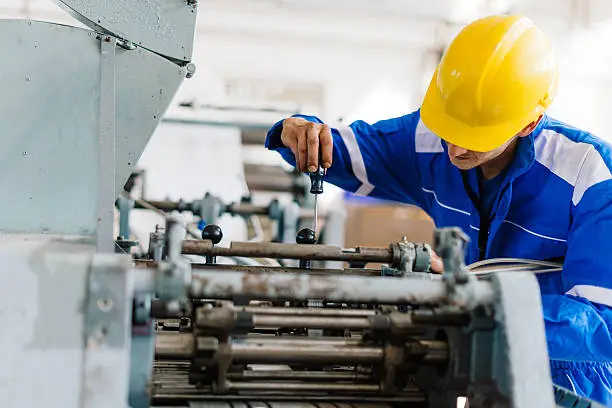
Before turning on tools at the start of every shift, there should be a walk-around check. Make sure that all of the guards are still in place and not harmed. Test the emergency stop buttons before giving the materials to make sure they work properly. Check the feed hopper for any strange items or growth of material that could lead to jams. Startup plans keep you from skipping over important steps. Make sure the blade clearance settings are correct, the hydraulic fluid levels are correct, and the cooling systems are turned on. Listen for strange sounds when the computer first starts up without any data on it. Sounds like grinding, screaming, or knocking are signs of problems that need to be looked into before processing starts.
Proper Material Loading and Processing Techniques
When you feed your blades correctly, they last longer and don't get stuck, which can be dangerous. Instead of putting a lot of materials into the hopper all at once, add them slowly. Overloading puts too much stress on motors and drives, which raises the risk of failure. A lot of operators don't understand how important material limits are. Metal contamination breaks blades right away and can make missiles that go through guards. Instead of pushing too-big items into too-small feed holes, they should be pre-sized. Films and other tangled materials need special tool sets because regular breakers often get stuck when working with these tough shapes.
Scheduled Maintenance for Safety and Longevity
Scheduled lubrication stops bearings from breaking down too soon, which could cause unexpected shutdowns and safety problems. Modern machines use oils that are specially chosen for different temperature ranges and loads. When you use the wrong goods, you void the warranty and lower your safety. How often blades are inspected depends on the type of material and how much is being made. SKD-11/D2 tool steel hardened steel blades last longer between replacements because they wear less quickly than normal alloys. When sharpness goes down, cutting efficiency goes down, and motors use more electricity than they need to. Changing the blades before they become too dull keeps the machine running smoothly and keeps it from getting too hot. Cleaning routines remove accumulated dust and plastic residue that insulate electrical components, trapping heat. When you do a deep clean once a month, you should clear the motor housings, wipe down the control panels, and flush the cooling channels.
Continuous Operator Training Requirements
Initial training that only covers basic operations is not enough to prepare for safe long-term performance. Every year, there should be refresher classes that go over safety processes again and add new information to best practices. Scenario-based training that mimics clearing jams, shutting down in an emergency, and recognizing odd conditions helps build muscle memory for important reactions. Learning about possible failure modes and warning signs helps people learn how to spot hazards. Teaching workers how to spot changes in bearing noise, temperature rises, or shaking patterns lets them take action early, before major failures happen.
Advanced Safety Features and Technologies in Modern Plastic Shredders
Modern technology has made it possible for more advanced safety systems to be made, which are safer than traditional guards and emergency stops. Newer Plastic shredders have better safety features and technologies that create multiple layers of protection.
Integrated Safety Interlock Systems
These days, shredders have safety interlocks that stop them from working when the entry doors are open. If someone tries to touch any moving parts while the system is running, the power is cut off right away by magnetic or mechanical switches. Electronic interlocks are harder to get around than simple mechanical guards because they need to be deliberately broken with tools. This stops workers from doing things that are dangerous.
Noise and Dust Suppression Technologies
Noise-reducing features have grown past simple barriers. Sound-dampening materials built into the frames of machines soak up vibrations before they become noise. Newly designed blade shapes cut down on the noise that comes with cutting quickly. With these changes, 85 dBA exposure levels can be met in many settings without the need for hearing protection.
IoT-Enabled Monitoring and Predictive Maintenance
Supervisors and repair teams can get real-time operational data from remote monitoring tools. Vibration monitors can find patterns of bearing wear weeks before they break. This means that replacements can be planned for planned breaks instead of having to be done quickly during production shifts. Temperature tracking finds problems with the cooling system or situations where it is overloaded right away.
Comparing Safety Features Across Equipment Types
Smaller batch-processing units don't have as advanced a safety system as industrial-scale shredders that are made to work continuously at high volumes. When you have a big system, you should spend money on redundant safety circuits, automatic feed control, and full tracking networks.
Selecting Safe and Reliable Plastic Shredders: A Procurement Guide
To make sure long-term value, smart procurement balances the need for safety with business performance, cost, and source reliability. Choosing safe and reliable Plastic shredders requires a thorough evaluation of several factors.
Evaluating Supplier Credentials and Reputation
Certifications are concrete proof of skill, but customer reviews show how well someone really does in the real world. Talk to current customers about their experiences with reliability, safety events, and responsiveness. Businesses that provide recommendations show they are sure of their goods and services.
Balancing Safety with Operational Performance
Capacity matching makes sure that equipment works within its design limits and not constantly under too much stress, which speeds up wear. The amount of energy used has a direct effect on lifetime costs. Efficient designs with matched motor sizes lower power needs. Hangzhou Xingbiao Machinery's special blade shape design makes crushing more efficient by more than 20% while using less energy.
New versus Used Equipment Considerations
New equipment has the most up-to-date safety features, a full guarantee, and upkeep records starting from installation. Custom configurations are used to meet the needs of unique applications that normal models can't.
Partnering with Specialized Manufacturers
Suppliers that only sell tools for crushing and shredding learn more about their products than makers that make a lot of different things. For 30 years, Hangzhou Xingbiao Machinery has only worked on researching and developing breaking equipment. Strong construction with stress-relieved steel plates keeps the frame's integrity. Core blades made from SKD-11/D2 mold steel deliver high strength and exceptional wear resistance.
Conclusion
Safety in shredding takes dedication, from choosing the right tools to using them every day and keeping them in good shape. By knowing the rules, following best practices, and using new technologies, you can build multiple layers of safety that stop problems before they happen and boost productivity at the same time. Choices to buy approved equipment from specialized makers with a history of safety lower risk by a large amount compared to choices made based only on cost. As technology keeps getting better, IoT tracking and predictive maintenance will make things even safer. However, basic safety rules like proper guarding, user training, and regular maintenance are still very important. Companies that put safety and operational performance first build an image as trustworthy workers and business partners.
FAQ
What materials can Plastic shredders safely process?
Good cutting tools can handle almost all non-metallic materials, such as plastics, rubbers, wood, paper, cloth, foam, and organic materials. Metal pollution hurts blades right away and makes projectiles dangerous, so sorting everything carefully before processing is necessary. Rock and other materials that are very hard are too hard for the design and should be left out. Films and braided bags, which are soft, fibrous, or tangled, need special blade designs to keep them from getting stuck.
How often should operators receive safety training?
Before someone can operate a machine on their own, they should get initial, thorough training that covers how to use it, what to do in an emergency, and how to spot hazards. Refresher training once a year goes over proper procedures again and presents new best practices. When equipment is changed, accidents happen, or performance notes show that dangerous habits are starting to form, more training is needed. Safety knowledge is kept up by ongoing, casual coaching during daily activities.
Which safety certifications matter most during procurement?
ISO approval shows that quality control and risk assessment are done in a planned way. When something has a CE mark on it, it means it meets European safety standards and usually means it has better basic safety features. In U.S. activities, following OSHA rules is required and makes sure that basic safety measures and procedures are followed. In addition to self-certification, third-party testing results from reputable labs provide independent confirmation. Give priority to sellers who provide full documents without any hesitation.
Partner with Xingbiao for Safety-Certified Crushing Solutions
For years to come, job safety will depend on which Plastic shredder provider you choose. Because Hangzhou Xingbiao Machinery has been designing and making breaking equipment for 30 years, they can make machines that meet the strictest safety standards and work better than expected. Our method is based on research and combines strong construction, high-tech blade materials, and thoughtful design features that make use and upkeep easier.
No matter if your business needs large-scale industrial systems, quiet granulators next to the press, or custom solutions for difficult materials, our engineering team can help you find the right answer. Our equipment comes with a full warranty, quick technical help, and a guarantee that extra parts will always be available. This will keep your business running safely and efficiently.
Email our team at xingbiaocrusher@xingbiaocrusher.com to talk to skilled application workers about your needs. We'll help you figure out the best way to set up your tools so that it meets your needs in terms of safety, speed, and value. You can look at all of our safety-certified plastic shredder options at www.xingbiaocrusher.com, where you can also buy them right away.

References
1. American National Standards Institute. (2019). Safety Requirements for Industrial Machinery: Plastics Processing Equipment. ANSI Technical Report B11.12.
2. European Commission. (2020). Machinery Safety Directive Implementation Guide: Size Reduction Equipment. Brussels: EC Industrial Safety Division.
3. National Safety Council. (2021). Workplace Hazard Assessment for Recycling Operations. Itasca: NSC Press.
4. Occupational Safety and Health Administration. (2022). Machine Guarding Compliance Manual for Manufacturing Facilities. Washington: U.S. Department of Labor.
5. International Organization for Standardization. (2018). ISO 12100: Safety of Machinery—General Principles for Design. Geneva: ISO Standards Catalogue.
6. Plastics Industry Association. (2021). Best Practices for Equipment Safety in Plastics Recycling Facilities. Washington: Industry Safety Committee Publications.
Learn about our latest products and discounts through SMS or email