- English
- French
- German
- Portuguese
- Spanish
- Russian
- Japanese
- Korean
- Arabic
- Greek
- German
- Turkish
- Italian
- Danish
- Romanian
- Indonesian
- Czech
- Afrikaans
- Swedish
- Polish
- Basque
- Catalan
- Esperanto
- Hindi
- Lao
- Albanian
- Amharic
- Armenian
- Azerbaijani
- Belarusian
- Bengali
- Bosnian
- Bulgarian
- Cebuano
- Chichewa
- Corsican
- Croatian
- Dutch
- Estonian
- Filipino
- Finnish
- Frisian
- Galician
- Georgian
- Gujarati
- Haitian
- Hausa
- Hawaiian
- Hebrew
- Hmong
- Hungarian
- Icelandic
- Igbo
- Javanese
- Kannada
- Kazakh
- Khmer
- Kurdish
- Kyrgyz
- Latin
- Latvian
- Lithuanian
- Luxembou..
- Macedonian
- Malagasy
- Malay
- Malayalam
- Maltese
- Maori
- Marathi
- Mongolian
- Burmese
- Nepali
- Norwegian
- Pashto
- Persian
- Punjabi
- Serbian
- Sesotho
- Sinhala
- Slovak
- Slovenian
- Somali
- Samoan
- Scots Gaelic
- Shona
- Sindhi
- Sundanese
- Swahili
- Tajik
- Tamil
- Telugu
- Thai
- Ukrainian
- Urdu
- Uzbek
- Vietnamese
- Welsh
- Xhosa
- Yiddish
- Yoruba
- Zulu
What Makes a Powerful Pulverizer More Efficient Than Others?
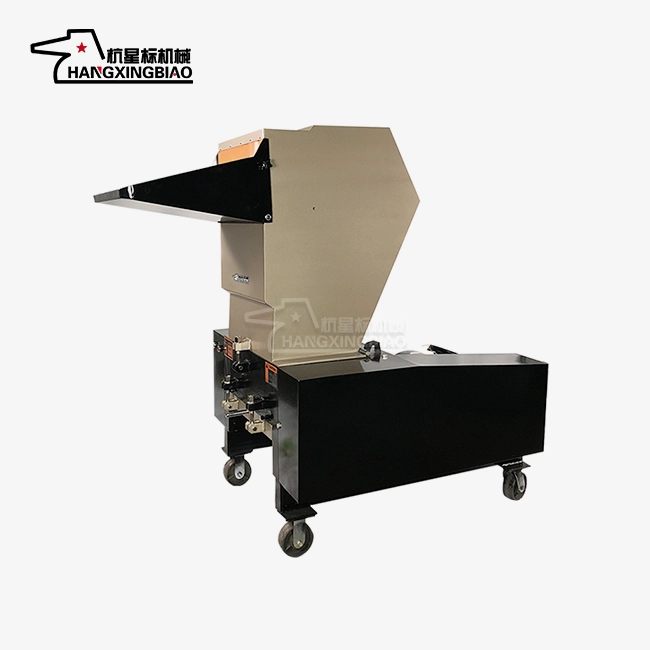
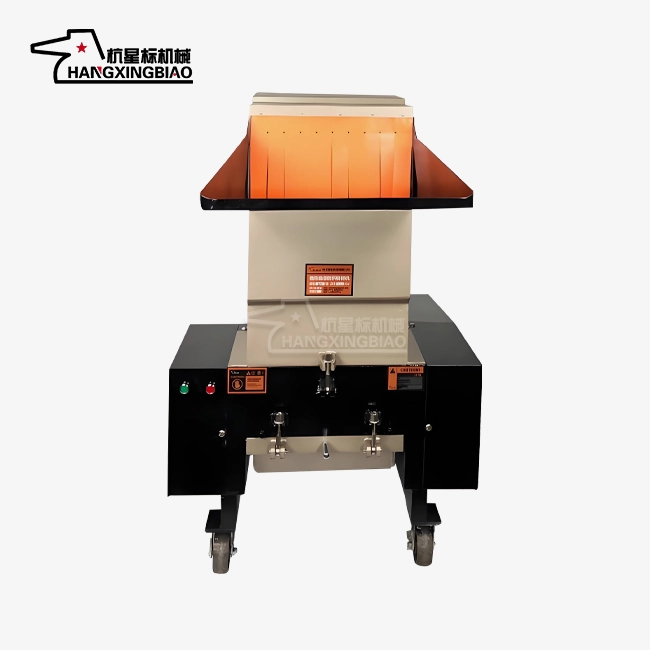
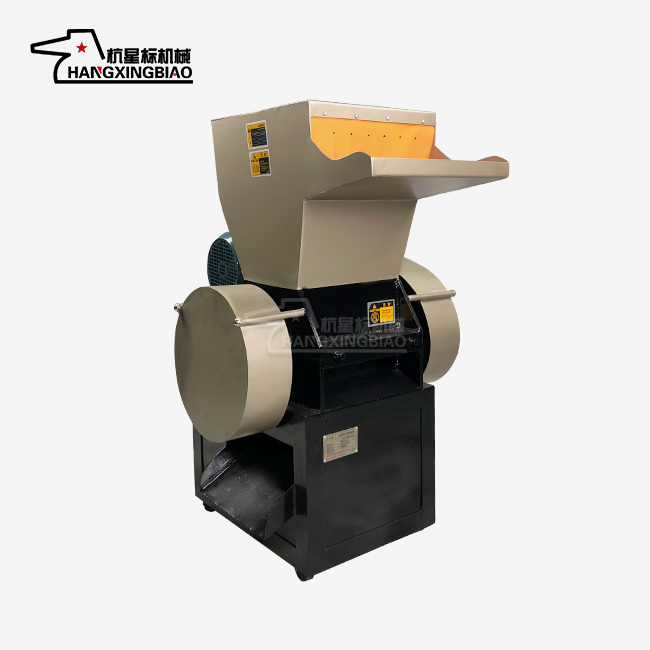
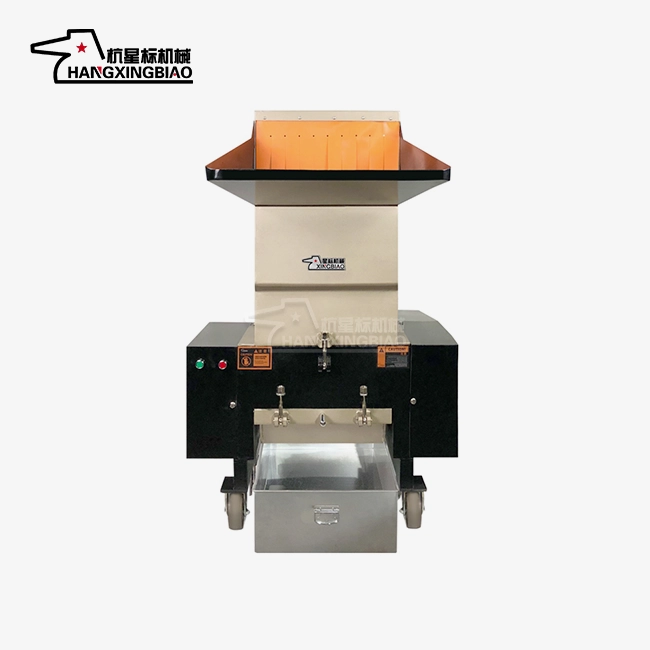
These days, the industry needs more than just basic breaking tools. Through advanced engineering, a powerful pulverizer changes how efficiently production works, providing better material processing in areas like manufacturing, industrial waste management, and plastic. These machines use high-torque motors, precision engineering, and blade shapes that are designed to process a wide range of materials, from injection molding scraps to woven bags, while keeping particle sizes between 2 and 50mm. Modern systems can handle blocks, flakes, fibers, and irregular shapes more effectively than older single-material crushers. They get rid of the main problems that slow down recycling plants and production facilities and raise costs.
Understanding the Core Features of a Powerful Pulverizer
Industrial crushing equipment has come a long way since the days of simple mechanical compression. Modern high-performance systems use a lot of new technologies that have a direct effect on how much they produce and how much they cost.
Advanced Rotor Configurations and Motor Systems
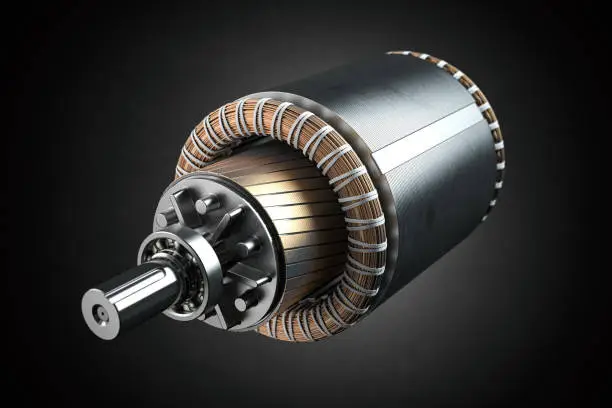
Precision-engineered rotor parts are the first step in high-efficiency grinding. Modern designs use dynamically adjusted parts with shaking amplitudes below 0.1mm, which greatly lowers mechanical stress during long-term use. The rotor design works with motors that are optimized to give steady torque even when the load changes. This mixture makes it possible for machines to keep their processing speeds fixed, whether they are working with flexible PVC pipes or soft polyethylene films. This gets rid of the performance changes that were common in older machines.
Precision Blade Technology and Material Selection
The shape of the blades is what sets great tools apart from average performers. Premium systems use SKD-11 and Cr12MoV tool steels that have been vacuum heated and processed in a cold environment to get hardness grades between HRC 55-60. These materials can be used for 3,000-5,000 hours before they need to be sharpened again, and they can be used for three to five refurbishing rounds. Different plastics split more or less the same way, depending on the cutting angle and edge shape. This is especially true when working with tangled materials like woven bags or stretch film that are hard to cut with regular designs.
Capacity Metrics and Throughput Standards
The ability of a powerful pulverizer to make things has a direct effect on the return on investment. Entry-level industrial units can handle 50-500 kg/hour, which makes them good for smaller recycling operations that deal with large amounts of scrap from injection molding operations every day. Mid-range tools can handle between 1-3 tons/hour, which is enough for recycling centers. Large systems can handle more than 10 tons/hour and help with integrated production lines that need a steady flow of materials. Throughput stability is just as important as peak capacity. Machines that can keep running at their designated speeds for long shifts have real benefits over machines that need to be tended to often or that let things build up.
Performance Optimization: How Powerful Pulverizers Break Bottlenecks
Three things usually cause production to slow down: not enough working speed, using too much energy, and having to stop for repair too often. Each problem is solved by focused engineering methods in advanced crushing technology.
Enhanced Blade Geometry and Cavity Design
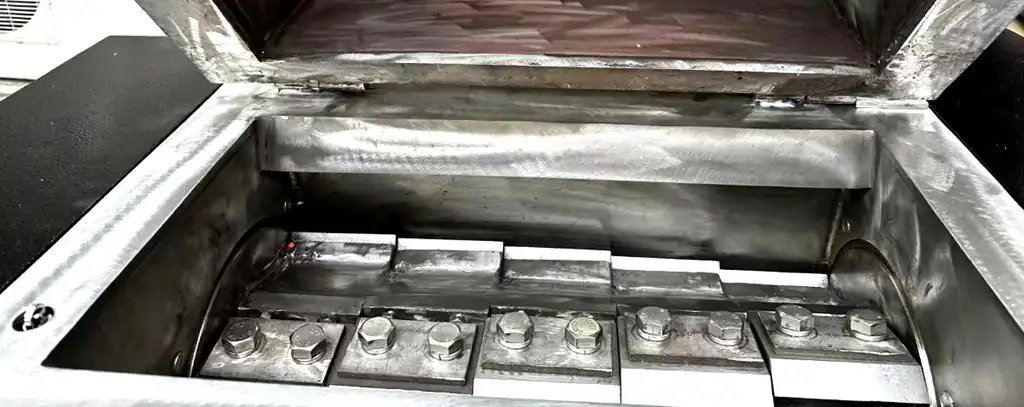
New ways of arranging the blades make them touch the material more often and cut at the best angles for each type of plastic. The construction of the cavities around the cutting chamber affects how the material flows, which keeps it from crossing and keeps the feed rates steady. These changes to the design make it 15-20% more efficient than regular setups. This means that facilities can process the same amount of material in less time or increase daily flow while using the same amount of space for equipment.
Energy Efficiency and Operational Cost Reduction
A big part of the total cost of ownership is made up of operating costs. Modern breaking systems have motor-to-transmission ratios that are tuned, which means they use 10-15% less energy than older equipment designs. In normal situations, it takes about 8-12 kilowatts to process one ton of mixed plastic trash. For less efficient options, it takes 14-18 kilowatts. Over the course of a year, when hundreds or thousands of tons of goods are produced, these differences in efficiency add up to big cost cuts that have a direct effect on profit margins and standing in the market.
Material-Specific Processing Capabilities
Each type of plastic has its own set of problems. It's easier for soft materials, like LDPE film, to wrap around cutting elements than for rigid materials, like polycarbonate or acrylic. Tangled waste streams, like fishing nets or textile threads, need special cutting designs. High-performance machines can handle these changes by having screen sizes that can be changed (2-100mm), rotor speeds that can be changed, and blade configurations that can be switched out. This versatility means that you don't have to keep as many specialized tools, which saves money on capital costs and makes daily logistics easier.
These benefits are shown by real-life examples. After improving their equipment, a recycling center that processes used rigid plastics cut the time it took to process one ton of plastic from 85 minutes to 58 minutes. This meant that they could process 47% more plastic each day without hiring more people or adding more floor space. By adding crushed materials back into production lines, companies that make injection molding runners and sprues were able to cut the cost of raw materials by 30-50 percent. This was made possible by making sure that the finished products kept the same material properties.
Comparing Powerful Pulverizers to Alternative Solutions
To choose the right equipment, you need to know how the grinding, crushing, and reducing methods work. Each is best for a different set of tasks and materials.
Crushers vs. Pulverizers: Operational Differences
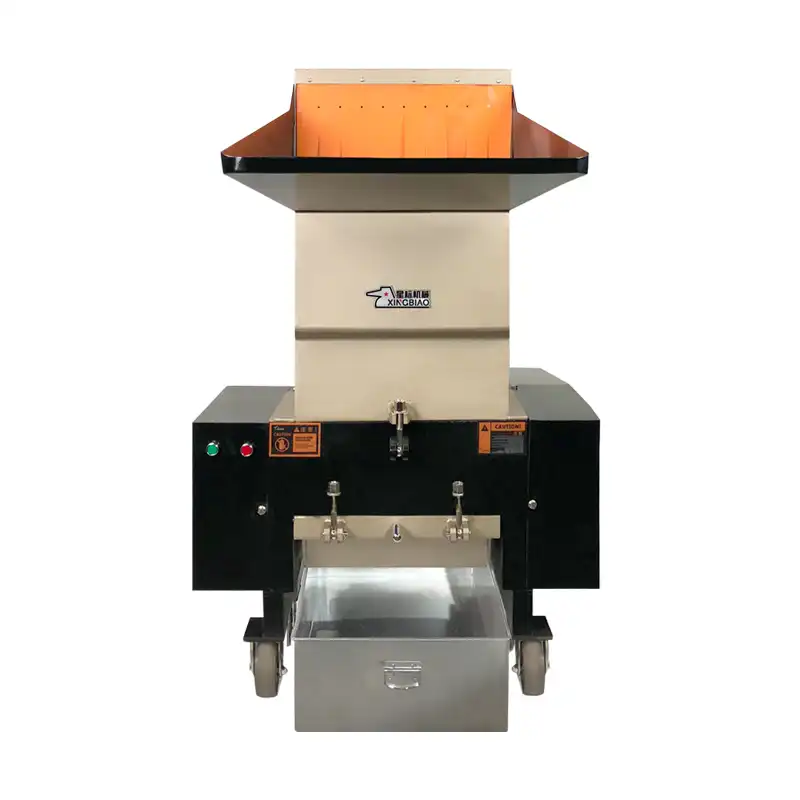
Traditional crushers use compression forces between plates that stay in place and plates that move, which is good for breaking down hard materials into smaller pieces. Powerful pulverizers use fast-moving parts that create impact and cutting forces to make particles that are smaller and more regular. When it comes to reusing plastic, pulverization works better than compression because shearing action neatly separates material instead of deforming it through compression, which can create heat and break down materials, which is especially a problem for temperature-sensitive polymers like PVC.
Energy Consumption and Maintenance Requirements
The regularity of maintenance affects the continuation of operations. Because they are under steady pressure, compression-based crushers wear out their contact areas faster, so parts need to be replaced more often. Impact-based pulverizers spread forces across moving parts, and new designs with accurate bearings and hardened transmission parts have 40% lower failure rates than older models. As a result, maintenance intervals get longer, and regular checks only take half as long because the design layouts are easier to get to and include maintenance spots that are visible and quick-change screen systems.
Material Fineness and Output Quality Considerations
Output requirements depend on what needs to be done next. Grinding machinery makes the tiniest particles, down to the micron level, which is used in medicinal and specialty chemical processes. Crushing makes large pieces that are usually between 25 and 75mm in size. Pulverizing is in the middle range; it makes pieces 2-50mm in size that are more than 90% regular, so there is no need for extra screening steps that take more time and cost more money. This range of particle sizes meets the needs of most plastic recycling tasks where the material will be extruded, injected, or pelletized.
Ensuring Longevity and Safety: Maintenance and Precaution Tips
The safety of operators and the length of time that equipment lasts rely on systematic repair plans and design features that reduce the risks that come with high-speed mechanical operations.
Routine Maintenance Procedures
Preventive repair keeps things running at their best and extends the life of the equipment. Every day, tasks like checking the safety interlocks, visually inspecting the cutting room parts, and cleaning up the ventilation areas are done. Each week, chores include greasing the bearings and checking the blade edges for wear patterns that can be seen. Every month, check the tension of the drive belts, make sure the spinning parts are aligned, and clean the dust collection systems completely. Every three months, upkeep includes a close inspection of the screen and careful measurements of the blades to find out how much life is left. Facilities that set up and stick to structured repair plans have a lot less unplanned downtime, which is important for keeping production going so they can meet customer supply promises.
Safety Features and Compliance Standards
Some important safety features of the design are strengthened steel tanks that can handle broken internal parts, anti-rebound baffles that stop material from ejecting, and electrical interlocks that turn off the power right away when access panels open. Equipment that meets the standards for ISO and CE approval goes through a lot of tests to make sure that these safety systems work reliably when something goes wrong. Facilities that prioritize safety-certified tools protect workers and lower their risk of being sued for injuries at work.
Authorized After-Sales Support and Parts Availability
The quality of technical help changes a lot between suppliers. Manufacturers who keep large stocks of parts can quickly repair worn-out parts when they hit their service limits. Response time commitments—ideally, recognition of inquiries within 24 hours and settlement within 48-72 hours—keep production interruptions to a minimum. Installation help and training for operators from experienced technical staff cuts down on the time it takes to get the system up and running and stops incorrect operation that speeds up component wear or poses safety risks.
Smart Procurement: Choosing and Buying the Right Powerful Pulverizer
When you buy tools strategically, you weigh the performance requirements, the total cost of ownership, and the supplier's abilities to get the best long-term value and operating efficiency. Picking and buying the right powerful pulverizer is a smart way to buy things.
Aligning Specifications with Production Demands
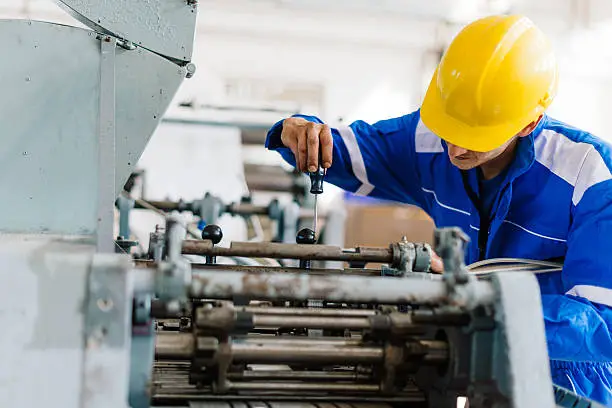
Capacity needs come from the amount of work that needs to be done now, plus the amount that is expected to grow over the life of the equipment, which is usually between 10 and 15 years for good industrial machinery. Material properties affect choice; for example, facilities that mostly work with hard plastics need cutting forces, while facilities that work with films and flexible packages need anti-wrapping features. Integration needs are just as important as batch operations. Standalone units work well for batch operations, but setups on a production line need automatic feeding systems and compatibility with downstream conveyance.
Evaluating Supplier Reputation and Certifications
Supplier evaluation goes beyond just looking at the equipment specs and also looks at how well the company can run. Companies that only work with crushing technology, as opposed to firms that offer crushing as one of many product lines, usually have more advanced knowledge and designs that show they have been improving them for a long time. Industry agreements with big names in the food, drink, and consumer goods industries prove that equipment works well in tough business settings. The size of the engineering team and the number of partnerships between businesses and universities show that the company is good at research and development. This helps the company stay competitive as processing needs change.
Total Cost of Ownership Considerations
Costs over a person's lifetime include the price they paid for something. True ownership economics are based on things like energy use at expected rates of use, upkeep work hours, replacement parts costs, and possible downtime costs. Higher acquisition costs are justified by the operating savings made every month over multi-year service lives of equipment that uses 10-15% less energy and requires 40% less upkeep. Facilities that do thorough cost modeling instead of just focusing on initial capital spending always get a better return on their investment.
Buying paths are different depending on the size and type of business. Even though customization increases wait times, it's good for big manufacturing companies when customized designs work well with their current production infrastructure. Standardized models that are available through established distribution channels give small to medium-sized recycling plants more freedom and faster deployment. In exchange for instant availability and lower upfront costs, these models make some potential sacrifices.
Conclusion
Advanced blade metallurgy, improved mechanical designs, and careful feature engineering that addresses real production challenges all work together to make material processing more efficient. High-performance crushing equipment has real benefits, such as using less energy, needing less upkeep, and being able to handle a wide range of materials. These qualities directly lead to lower running costs and better production stability. To choose the right equipment, you need to carefully match the equipment's specs to the needs of the business, carefully evaluate the seller, and do a full cost analysis that looks at more than just the purchase price and includes the total cost of ownership. When manufacturers and recyclers put these factors first, they set themselves apart from competitors by running their businesses more efficiently and reliably.
FAQ
What materials can advanced crushing equipment process effectively?
Modern methods can work with almost any non-metallic material, such as different kinds of plastic (PE, PP, PVC, PET, ABS), rubber compounds, wood goods, paper and cardboard, fabrics, foams, and composite materials. Because the screen systems and blade configurations are customizable, blocks, sheets, fibers, and odd forms can be processed without having to change the equipment. Because of their strength, metal and stone materials need special tools that would damage regular cutting tools.
How does particle size uniformity affect downstream processing?
Consistent particle sizing, usually over 90% regularity within certain ranges, gets rid of the need for extra screening operations that add steps to the process and cost money for tools. When uniform particles are fed into extrusion and pelletizing tools, they don't get stuck as often, which improves the quality of the finished product. It's easier to predict how materials will mix when particle sizes are very close to each other. This is especially true when mixing recovered content with new resins in certain amounts.
What maintenance intervals should facilities expect with quality equipment?
Depending on how rough the material is, blades usually need to be sharpened or replaced every 3,000-5,000 hours of use. High-quality tool steels can handle three to five refurbishing rounds before they need to be replaced for good. If you grease them right, bearings should only need to be replaced every 8,000-12,000 hours. The regularity of screen change depends on the material, but it's usually every 6-18 months. When systems are well taken care of, they can work for 10-15 years before major parts need to be replaced. This is a great example of how long capital equipment can last.
Partner with Xingbiao for Superior Crushing Solutions
Hangzhou Xingbiao Machinery Co., Ltd. has been specializing in plastic breaking technology for 30 years. We set ourselves apart by being the best at a single type of product rather than having a wide range of products. Our 20-person engineering team works with big names in the industry, like Nongfu Spring and KFC, to come up with real answers to problems that come up in production and recycling settings.
We design and build tools out of high-strength steel that has been treated with stress-relief to keep it from deforming while it's in use. Our own blade designs made from SKD-11, D2, and Cr12MoV steels give them great wear protection and a longer useful life. Downtime is kept to a minimum with quick-change screen systems and easy-to-reach repair designs. This is especially important for sites that work multiple shifts. Our wide range of products can handle a wide range of processing needs, from small 50 kg/hour lab scale jobs to large 10 ton/hour industrial ones. We have large-diameter crushers for crushing big parts, high-power units for recovering scrap from next to the press, and specialized systems for handling tangled films and woven materials.
We are committed to more than just delivering equipment. We also offer full professional support, including answering questions 24 hours a day, helping with installation, teaching operators, and regular follow-up visits to make sure everything is running at its best. A large stock of spare parts and quick completion keep operating interruptions to a minimum. As a well-known company that makes powerful pulverizers for the U.S. market, we know how important it is to have solid relationships to keep production going. Contact our team at xingbiaocrusher@xingbiaocrusher.com to talk about your unique crushing needs and find out how our specialized knowledge can help your business run more smoothly.
References
1. Thompson, R. (2021). Industrial Size Reduction Technologies: Engineering Principles and Applications. Manufacturing Press International.
2. Chen, M. & Rodriguez, A. (2022). "Energy Efficiency Optimization in Plastic Recycling Equipment." Journal of Sustainable Manufacturing Systems, 18(3), 245-267.
3. Anderson, K. (2020). Material Processing Equipment Selection Guide for Recycling Operations. Industrial Equipment Publishers.
4.Williams, D. et al. (2023). "Comparative Analysis of Impact vs. Compression Size Reduction Methods." International Journal of Material Processing Technology, 45(2), 178-196.
5. Martinez, S. (2022). Maintenance Strategies for Industrial Crushing and Grinding Equipment. Technical Engineering Publications.
6. Roberts, J. & Kim, H. (2021). "Total Cost of Ownership Models for Capital Equipment Procurement in Manufacturing." Business Operations Quarterly, 34(4), 412-435.
Learn about our latest products and discounts through SMS or email