- English
- French
- German
- Portuguese
- Spanish
- Russian
- Japanese
- Korean
- Arabic
- Greek
- German
- Turkish
- Italian
- Danish
- Romanian
- Indonesian
- Czech
- Afrikaans
- Swedish
- Polish
- Basque
- Catalan
- Esperanto
- Hindi
- Lao
- Albanian
- Amharic
- Armenian
- Azerbaijani
- Belarusian
- Bengali
- Bosnian
- Bulgarian
- Cebuano
- Chichewa
- Corsican
- Croatian
- Dutch
- Estonian
- Filipino
- Finnish
- Frisian
- Galician
- Georgian
- Gujarati
- Haitian
- Hausa
- Hawaiian
- Hebrew
- Hmong
- Hungarian
- Icelandic
- Igbo
- Javanese
- Kannada
- Kazakh
- Khmer
- Kurdish
- Kyrgyz
- Latin
- Latvian
- Lithuanian
- Luxembou..
- Macedonian
- Malagasy
- Malay
- Malayalam
- Maltese
- Maori
- Marathi
- Mongolian
- Burmese
- Nepali
- Norwegian
- Pashto
- Persian
- Punjabi
- Serbian
- Sesotho
- Sinhala
- Slovak
- Slovenian
- Somali
- Samoan
- Scots Gaelic
- Shona
- Sindhi
- Sundanese
- Swahili
- Tajik
- Tamil
- Telugu
- Thai
- Ukrainian
- Urdu
- Uzbek
- Vietnamese
- Welsh
- Xhosa
- Yiddish
- Yoruba
- Zulu
Plastic Bottle Shredder Machine vs Crusher Machine
When choosing between a plastic bottle grinder and a crusher, your recycling business needs to know how they work differently. While a Chinese plastic bottle crusher uses high-speed spinning blades against fixed blades to squeeze and granulate plastic into uniform particles, a shredder uses rotary cutting blades to slice plastic bottles into irregular flakes. If you need to reprocess the material right away, a crusher will usually give you finer output, while a shredder will handle bulkier reduction jobs. Which one you choose will rely on your needs and the features of the material.
Understanding Plastic Bottle Shredder Machines and Crusher Machines
To choose the right tools for processing plastic bottles, you must first understand how these machines reduce sizes in completely different ways. Both work in the recycling business, but their product and how they work make them better suited for different situations.
How Shredder Machines Work
Shredder machines use a system with several spinning shafts and blades that fit together and cut and slice. When plastic bottles go into the feed hopper, these blades tear and slice them into loose strips or flakes. The output size changes based on the screen angle settings, but the pieces that are made usually have different sizes. Because of this, shredders are great for reducing the volume of large amounts of plastic trash at first, getting the material ready for washing or further granulation steps. Many recycling centres along China's coasts use shredders as the first step in the process of processing PET bottles. This makes it easy to deal with trash streams that are dirty or mixed with other types of plastic.
How Crusher Machines Operate
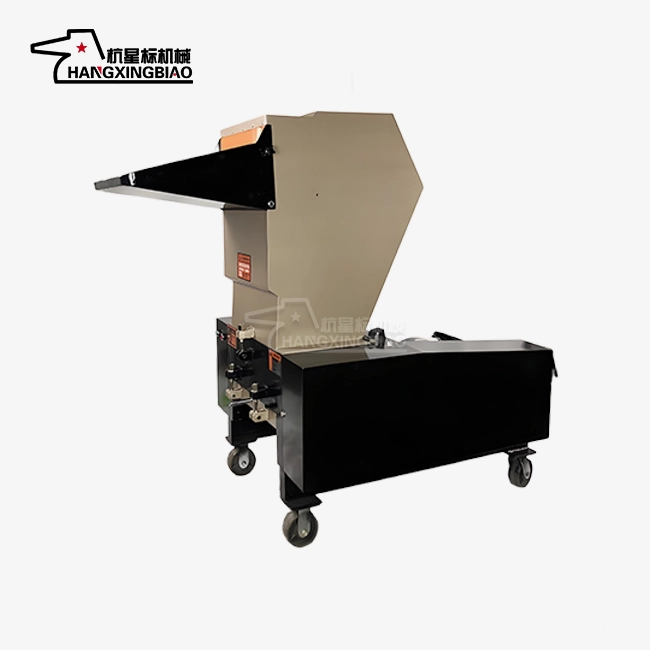
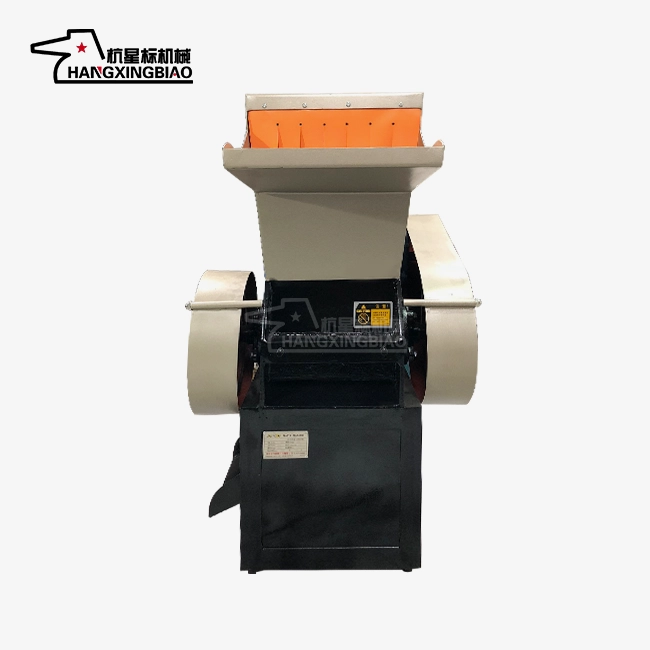
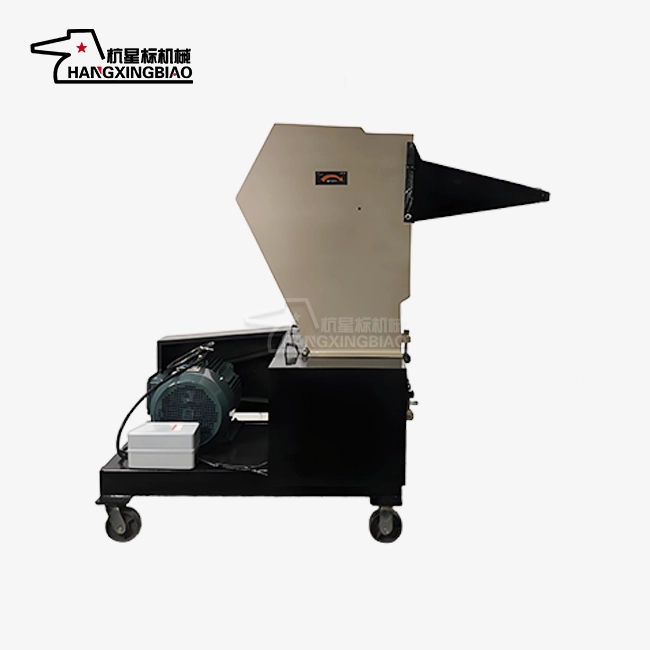
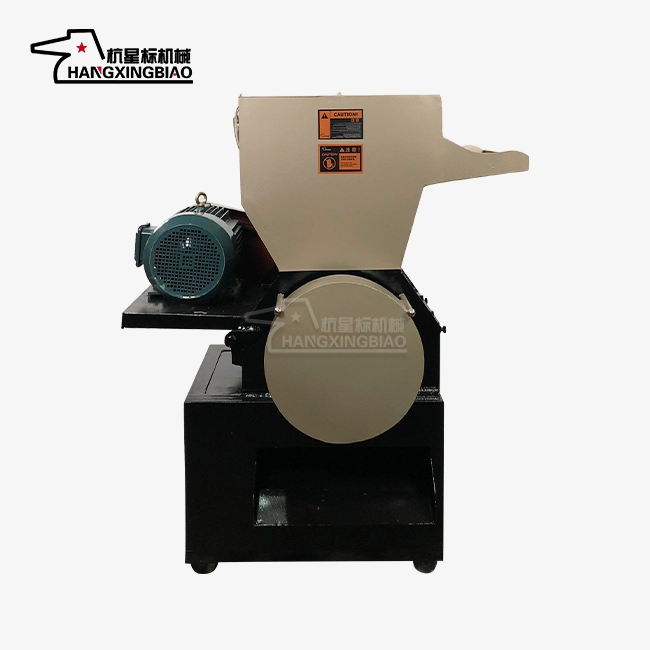
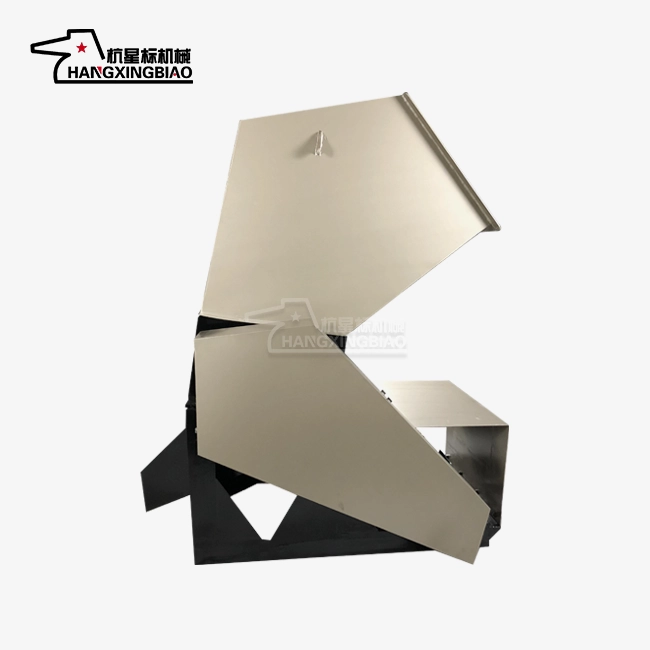
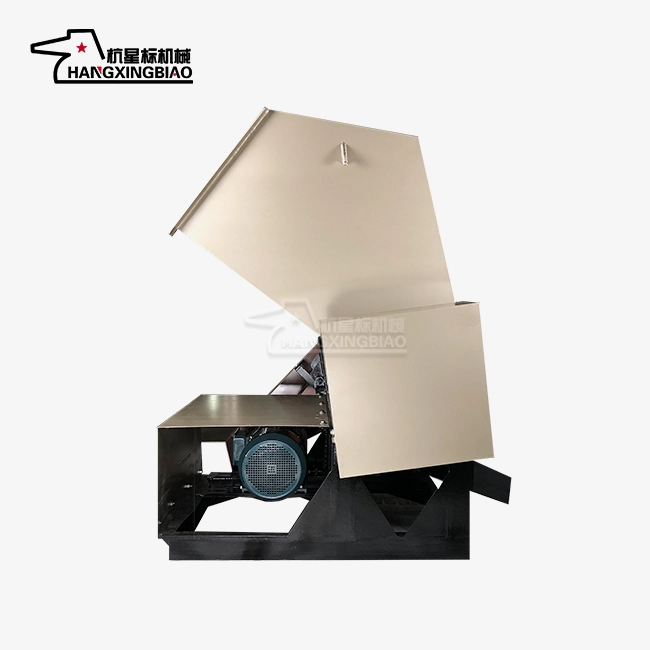
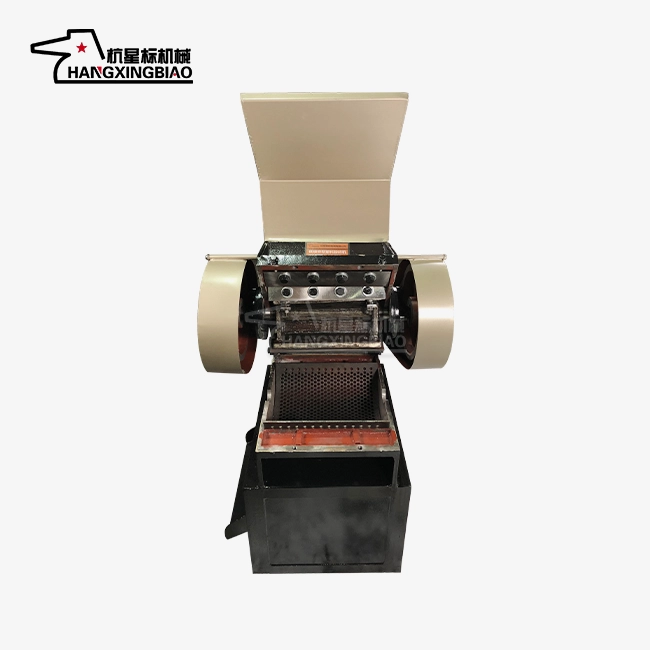
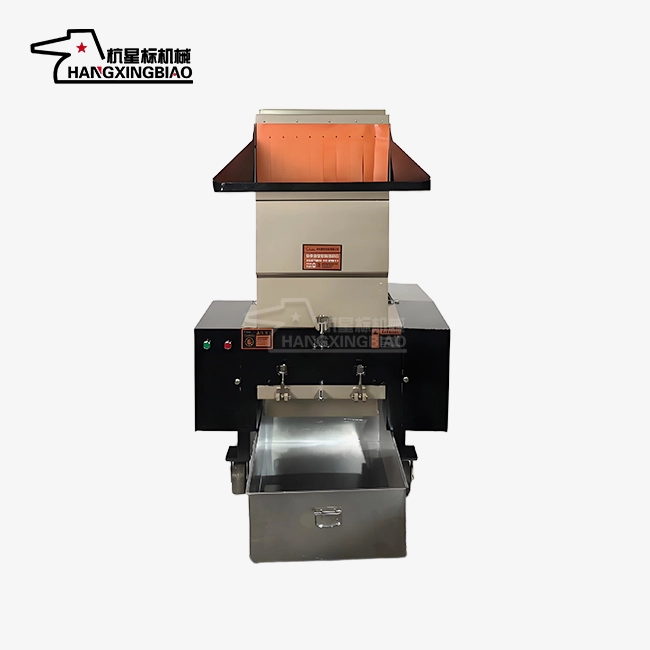
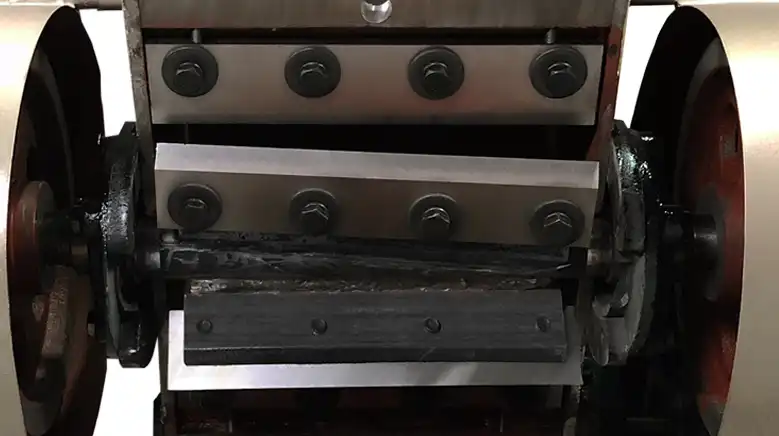
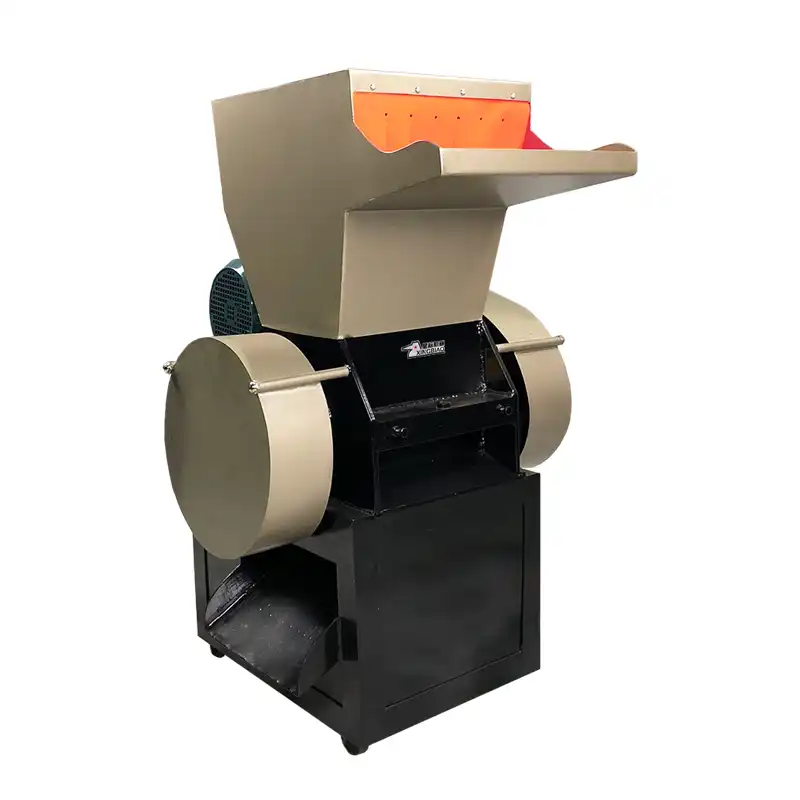
A completely different set of rules governs how crusher machines work. They have fast-moving blades on a rotor that cut against fixed blades that stay in place inside a grinding chamber. Bottles made of plastic are pulled into this room, where they are cut into small pieces that can pass through a screen of different sizes. When compared to shredding, this process makes particles that are more uniform in size, which is helpful when the result goes straight into extrusion or casting. The action of crushing also makes less dust and breaks down tough plastics like PET and HDPE bottles very quickly, turning them into pellets that can be used right away in manufacturing.
Key Operational Differences
There are differences between these tools that go beyond how they cut. These days, crushers usually have faster rotating speeds, which means they can handle more hard plastics at once but may use more energy. Shredders work better with twisted materials like plastic film or bottles that are only partly full because they have higher force and run at slower speeds. The output quality is very different. Crushers make uniform grains that are usually 8–12 mm in size, based on the screen choice. Shredders, on the other hand, make pieces that aren't round and are between 20 and 50 mm in size. Different machines need different amounts of maintenance. For example, because crushers work at high speeds, the blades need to be sharpened more often. On the other hand, shredders need to have their shaft bearings inspected and replaced every so often.
Advantages of Chinese Plastic Bottle Crushers in the Global Market
Over the past ten years, Chinese companies have changed the way plastic recycling equipment is made by making crusher tools that are both highly advanced technologically and very reliable in real life. Due to these developments, Chinese plastic bottle crusher models are now strong competitors to older European models.
Energy-Efficient Designs and Environmental Benefits
Modern Chinese crusher makers have put a lot of thought into making their latest models as energy-efficient as possible. Manufacturers like Xingbiao have improved the efficiency of their models by more than 20% by tweaking the shape of the blades and the airflow of the chamber. This means that the machine will use less power, which is important when dealing with a lot of plastic trash. The improved motor matching makes sure that power use is in line with real crushing needs instead of providing too much capacity. In addition to saving energy, these crushers help the earth by making closed-loop recycling devices possible. When plastic bottles are broken down into regular granules, they can be used right away in new production cycles. This cuts down on the need for new plastic chemicals and the pollution that comes from making plastic.
Cost Structures and Scalability
Chinese crushers can offer lower prices because their factories are more integrated and their labour costs are lower, not because they cut corners on quality. Large industrial models offer similar savings, while a mid-range Chinese plastic bottle crusher suited for small recycling operations usually costs 30–40% less than comparable European equipment. This cost-effectiveness goes beyond the initial purchase price; upkeep costs are kept low by the availability of spare parts through large dealer networks.
Maintenance and Operational Reliability
People often worry about how hard it will be to maintain Chinese equipment, but major makers have fully handled these concerns. Xingbiao's crushers have quick-change screen designs that let workers switch sizing screens in less than 10 minutes without any special tools. This keeps production from stopping. The open form of the crushing chamber makes it easy to clean and check, which is important for jobs that involve working with different kinds of plastic that may leave behind residues. Many changes have been made to blade materials over the years. For example, high-end Chinese crushers now use SKD-11 and D2 tool steels that have been vacuum-heated and frozen, which makes them as hard as European peers while keeping costs lower. Under normal conditions, these blades keep their sharp cutting edges for 800 to 1,200 hours of use. They are easy to change, and in-house repair teams can do it with confidence.
Comparison: Chinese Plastic Bottle Crushers vs Plastic Bottle Shredders
To make an intelligent equipment choice, you need to look at performance measures that have a direct effect on how profitable and efficient your business is. This comparison helps buying teams look at their choices with a business-like eye.
Power Consumption and Throughput Analysis
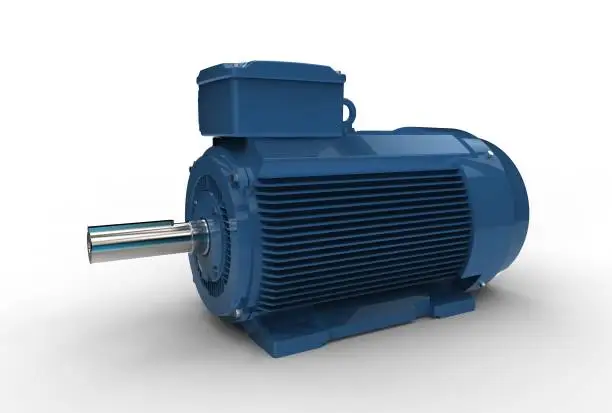
Because they spin faster, crushers usually use 15–25% more power than shredders when handling the same amount of PET bottles. However, this energy difference needs to be understood in context. Crushers reduce the size all at once, making granules that are ready to be washed and pushed through a die. If even particle size is important for your application, shredders need to be followed by secondary granulation. This practically doubles the amount of energy used in the whole production chain. A Chinese crusher with 50 horsepower can break down between 500 and 800 kg of plastic bottles every hour, based on the thickness and amount of contamination of the bottles.
Noise Levels and Workplace Considerations
Hearing noise from operations can make it hard for workers to be comfortable, follow the rules, and choose where to put the facility. Because they tear paper and rotate more slowly, shredders make 75 to 85 decibels of noise when they're working. High-speed blade contact and material hitting the room walls make crushers loud (80 to 90 dB). Chinese companies have made great strides in lowering the noise of crushers by improving the insulation and sound-damping of the chambers. Xingbiao's high-power crusher types have sound-absorbing materials and precisely balanced rotors that keep noise below 82 decibels.

ROI Considerations Across Business Scales
The cost of the tools, how well it works, the quality of the output, and the cost of repairs must all be taken into account when figuring out the return on investment. Shredders are often more cost-effective for small recycling plants that process 2 to 5 tons of plastic bottles every day because they are easier to maintain and cost less to buy. But if these companies sell grains to makers instead of flakes to middlemen, they need to add a crusher, which raises the total cost of the equipment. Medium- to large-sized businesses that process more than 10 tons of material every day get a better return on investment (ROI) from crusher systems that make powders that are ready for the maker in a single pass. Because Chinese plastic bottle crusher units are 30–40% cheaper than comparable European models, payback times are much shorter.
Procurement Factors and Supplier Support
Aside from machine specs, buying teams also have to look at the skills of suppliers, which can affect the long-term success of operations. Core parts of Chinese crushers usually come with a warranty of 12 to 18 months. Reliable makers like Xingbiao offer longer warranties on important parts like main shafts and motor units. Lead times depend on how customised the product is. Standard models ship in 4 to 6 weeks, while personalised versions take 8 to 12 weeks. As Chinese companies set up foreign service networks, after-sales service has gotten a lot better.
How to Choose the Right Plastic Bottle Processing Machine for Your Business
To choose the right crushing tools, you need to carefully consider your working needs, the properties of the material, and your plans for business growth. This evaluation makes sure that your investment will continue to give you value.
Assessing Volume Capacity and Processing Goals
First, count how many plastic bottles you have now and how many you plan to have in the future. Find the monthly output in kilograms, and then add 30 to 40 per cent of the capacity as a backup for seasonal changes and business growth. This number tells you what range of breaker sizes will work best for your business. Think about whether you need continuous operation or batch processing. Facilities with single shifts can use mid-capacity units, but facilities that are open 24 hours a day need industrial-grade breakers that are made for continuous service. It doesn't matter what the output is—if you sell broken materials to middlemen who do more work on them, a shredder that makes 20–30 mm bits is enough. Companies that sell materials straight to manufacturers need crushers that can make regular granules 8 to 12 mm in size that meet extrusion requirements.
Evaluating Energy Consumption and Operating Costs
The highest ongoing cost for crushing processes in a Chinese plastic bottle crusher is the energy used. Ask providers for detailed information on how much power they use, like how many kilowatt-hours are used to process one ton of material, instead of just motor horsepower numbers. Even though it has a smaller motor, a 75-horsepower crusher that uses 45–50 kWh per ton works better than a 60-horsepower unit that uses 55–60 kWh per ton. Independent tests show that Chinese makers like Xingbiao give accurate information about how much energy their products use.
Supplier Credibility and Certification Verification
To reduce quality and service threats, buying from Chinese makers needs careful source verification. Give more weight to producers who have ISO 9001 certification, which shows that they have well-established quality control systems. Ask companies in your industry for customer references and call them directly to talk about how well the equipment works and how responsive the seller is. Xingbiao has been making crushers for 30 years and has worked with big brands like Nongfu Spring.
Matching Machine Features to Application Needs
For different types of plastic recycling, the breaker needs to have certain features. Facilities that handle clean, used PET bottles need standard crushers with average power and standard blade arrangements. Companies that deal with dirty trash or bottles with labels and caps on them should use crushers with stronger motors and more active blade designs that can cut through resistance without getting stuck.
Installation, Operation, and Environmental Benefits of Chinese Plastic Bottle Crushers
The best way to get the most out of a crusher's performance and lifespan is to follow the right installation, operation, and upkeep procedures. These things have a direct effect on how reliable technology is and how much it costs to work.
Installation Guidelines and Safety Compliance
A good base is the first step to a successful crusher installation. The fixing surface must be level concrete that is at least 150 mm thick and strong enough to hold the weight of the machine plus any vibrations that happen while it's running. Place the crusher so that it is easy to get to from three sides for adding materials, collecting discharge, and repair work. Local building rules should be followed when installing electricity, and operators should be able to reach the right-sized circuit switches and emergency stop controls.

Operational Best Practices
Before the first bottle goes into the feed hopper, the breaker needs to be set up correctly. Do pre-startup checks to make sure the blades are tight, the screen is secure, and the bearings are well oiled. Start the crusher with nothing in it and listen for strange sounds that could mean that something is out of place or a part is loose. Instead of dumping a lot of plastic bottles at once, feed them slowly. Crushers work best with a steady flow of material that keeps them cutting efficiently without overworking the motor.
Environmental Contributions and Sustainability
Chinese companies that crush plastic bottles help the earth in more ways than just diverting trash. These tools make circular economy models possible by turning used bottles into pellets that can be used again. This cuts down on the production of new plastic. Making plastic from recovered grains uses about 70% less energy than making the same amount of plastic from petroleum feedstocks, which directly lowers carbon emissions. Making things out of recycled plastic also uses about 90% less water than making things out of new materials.
Conclusion
Your unique operating needs, output quality standards, and processing volume will determine which shredder machine or Chinese plastic bottle crusher you choose. Crushers are very good at turning trash into regular granules that can be used directly in other production processes. This makes them very efficient for companies that want to recycle in a closed loop. Chinese manufacturers have improved crusher technology so they can compete globally while still having big cost benefits. Previous quality issues have been addressed by energy-efficient designs and strong construction. It's important to choose a provider carefully, make sure the system is installed correctly, and follow strict operating procedures that make tools last as long as possible and process information as efficiently as possible.
FAQ
What capacity crusher do I need for my recycling operation?
Find the monthly amount of plastic bottles in kilograms, divide that number by the number of working days to get the daily throughput, and then add 30 to 40 per cent to account for capacity. Compare this number to the specs of the crusher. For example, small businesses that process less than 2 tons of material every day need 300–500 kg/hour units, while large businesses that process 10 tons or more every day need 1,000–1,500 kg/hour units. When sizing tools, think about how they will be used in the future so that you don't run out of space too soon.
How often do the blades on a breaker need to be replaced?
How long a blade lasts relies on how hard the material is, how dirty it is, and how hard it is used. When handling clean PET bottles, good blades made from SKD-11 steel usually last between 800 and 1,200 hours. Waste that has metal caps or marks on it shortens the blade's life to 500 to 700 hours. Keep an eye on the quality of the output. If the granule size changes or the flow drops, the blades need to be replaced.
Can crushers handle bottles that still have labels and caps on them?
Most industrial crushers can handle bottles with standard caps and paper labels without any problems. However, taking off the caps increases the quality of the granules and extends the life of the blades. Metal caps or thick shrink-wrap labels could make the blades wear out faster than they should. Facilities that care more about blade life usually install systems that remove caps before crushing. On the other hand, facilities that care more about handling speed crush bottles as they come in and are okay with blade maintenance happening more often.
Partner With Xingbiao for Superior Plastic Bottle Crushing Solutions
Xingbiao offers specialised crushing technology that has been improved over 30 years of hard work. With high-strength steel and high-quality SKD-11 blades, our Chinese plastic bottle crusher tools are built to last and cut costs by over 20%. We offer custom solutions, ranging from small units to large industrial systems, to plastic makers, recycling centres, and fast-moving consumer goods (FMCG) providers all over the United States. Our engineering team helps you choose the right equipment, install it, and keep it running smoothly with regular repairs. This way, your investment in a crusher will keep working well for a long time. You can talk to expert Chinese plastic bottle crusher makers about your needs by emailing xingbiaocrusher@xingbiaocrusher.com right now.
References
1. Chen, L., & Wang, Y. (2022). "Advances in Plastic Recycling Machinery: Comparative Analysis of Shredding and Crushing Technologies." Journal of Polymer Recycling Engineering, 18(3), 245-267.
2. Thompson, R. K. (2021). "Energy Efficiency in Industrial Plastic Processing Equipment: A Global Perspective." International Review of Sustainable Manufacturing, 12(4), 189-210.
3. Martinez, A., & Lee, S. H. (2023). "Equipment Selection Criteria for Commercial Plastic Recycling Operations." Waste Management Technology Quarterly, 29(1), 76-94.
4. Zhang, H., Kumar, P., & Schneider, M. (2022). "Blade Metallurgy and Wear Resistance in High-Speed Plastic Crushers." Materials Science in Manufacturing, 15(2), 134-152.
5. European Plastics Recycling Association (2023). "Technical Standards for PET Bottle Recovery Equipment." Brussels: EPRA Publications.
6. Anderson, D. J., & Foster, K. L. (2021). "Environmental Impact Assessment of Mechanical Recycling Technologies." Circular Economy Research, 7(3), 312-335.
Learn about our latest products and discounts through SMS or email