- English
- French
- German
- Portuguese
- Spanish
- Russian
- Japanese
- Korean
- Arabic
- Greek
- German
- Turkish
- Italian
- Danish
- Romanian
- Indonesian
- Czech
- Afrikaans
- Swedish
- Polish
- Basque
- Catalan
- Esperanto
- Hindi
- Lao
- Albanian
- Amharic
- Armenian
- Azerbaijani
- Belarusian
- Bengali
- Bosnian
- Bulgarian
- Cebuano
- Chichewa
- Corsican
- Croatian
- Dutch
- Estonian
- Filipino
- Finnish
- Frisian
- Galician
- Georgian
- Gujarati
- Haitian
- Hausa
- Hawaiian
- Hebrew
- Hmong
- Hungarian
- Icelandic
- Igbo
- Javanese
- Kannada
- Kazakh
- Khmer
- Kurdish
- Kyrgyz
- Latin
- Latvian
- Lithuanian
- Luxembou..
- Macedonian
- Malagasy
- Malay
- Malayalam
- Maltese
- Maori
- Marathi
- Mongolian
- Burmese
- Nepali
- Norwegian
- Pashto
- Persian
- Punjabi
- Serbian
- Sesotho
- Sinhala
- Slovak
- Slovenian
- Somali
- Samoan
- Scots Gaelic
- Shona
- Sindhi
- Sundanese
- Swahili
- Tajik
- Tamil
- Telugu
- Thai
- Ukrainian
- Urdu
- Uzbek
- Vietnamese
- Welsh
- Xhosa
- Yiddish
- Yoruba
- Zulu
9 Things You Need to Know About Plastic Granulator
When it comes to reusing plastic, knowing what a plastic bottle granulator can and can't do can make your business more efficient and less harmful to the environment. These nine important tips will help you choose, use, and get the most out of this equipment, no matter if you're in charge of a big manufacturing facility or a medium-sized recycling plant. This guide talks about important issues like machine longevity, energy efficiency, material compatibility, and long-term service support. These are all things that have a direct effect on your bottom line and the ability to keep your business running in today's competitive recycling industry.
What Is a Plastic Bottle Granulator and How Does It Work?
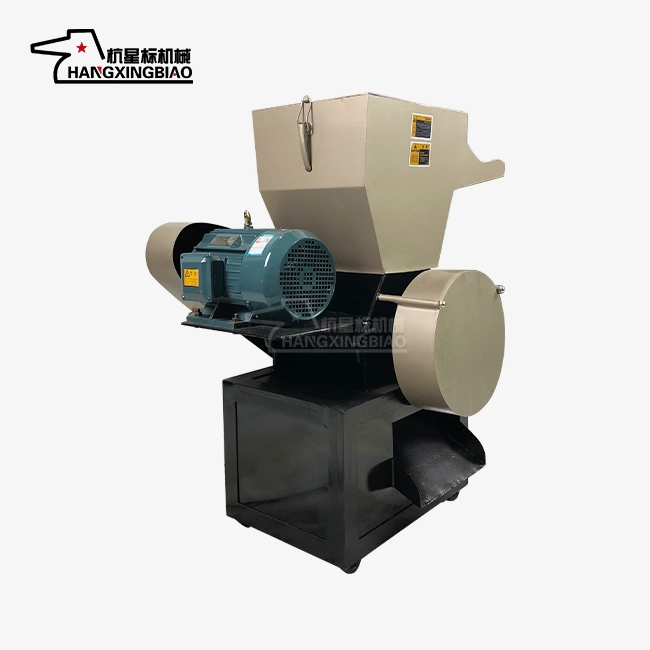
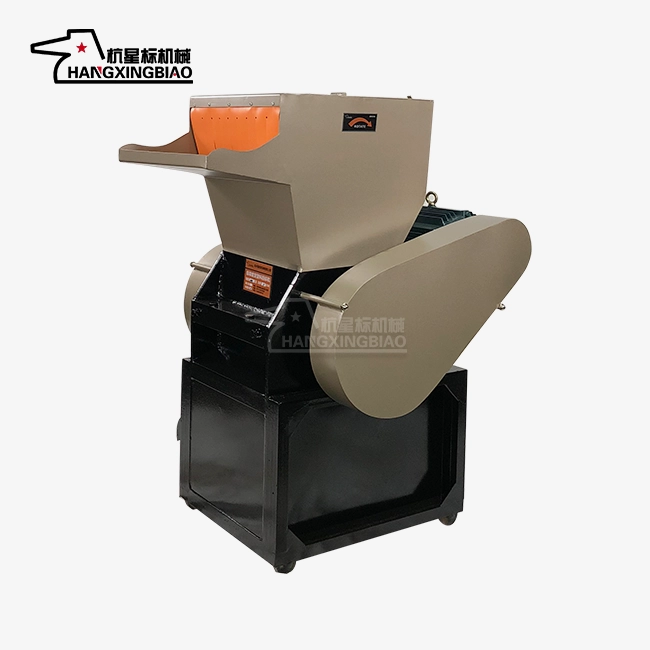
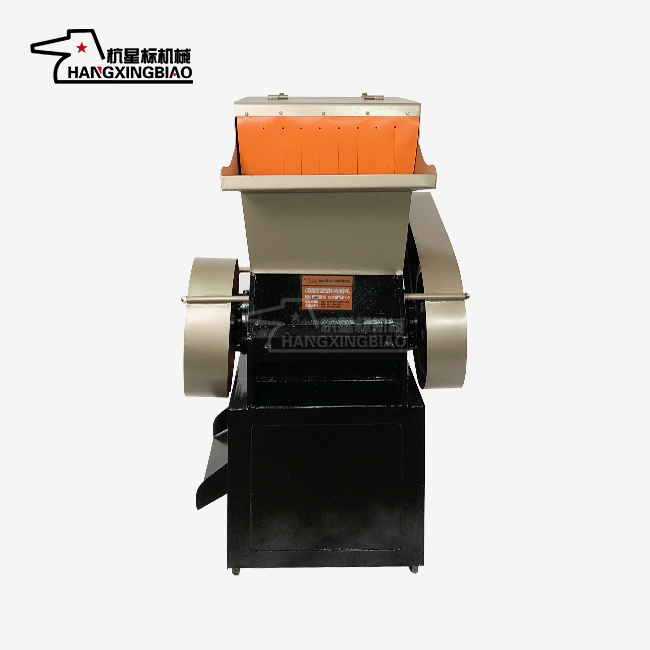
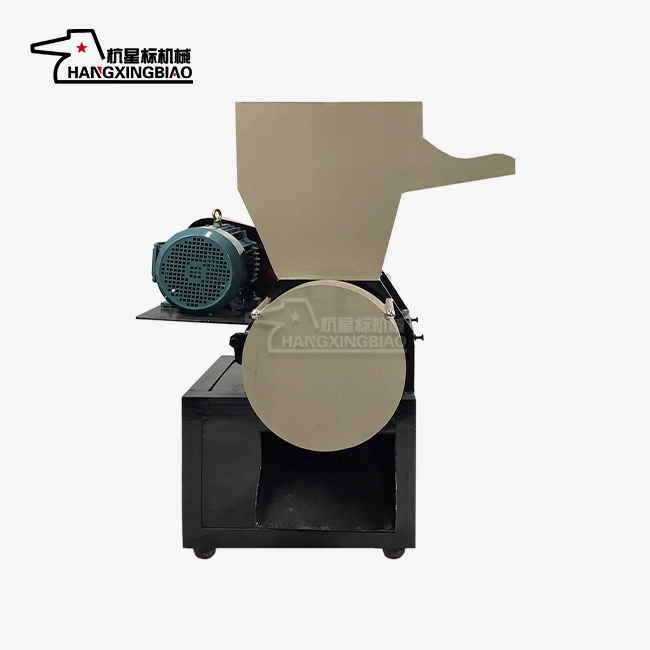
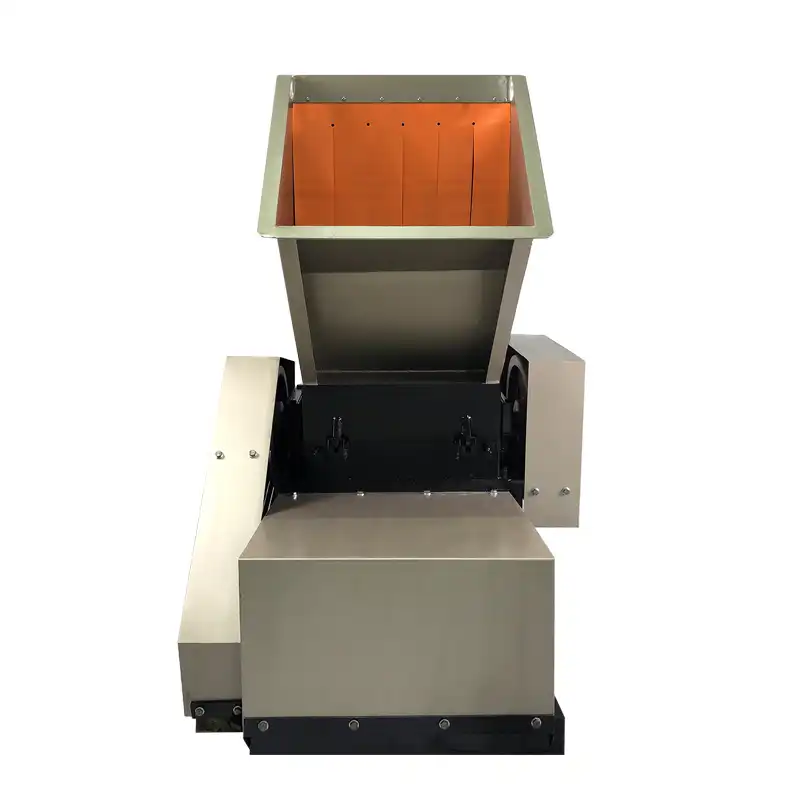
A plastic bottle granulator is an important part of modern plastic recycling because it turns used bottles and industrial plastic trash into grains that can be used again. When buying, teams know how this equipment works, they can make decisions that help them meet their output goals and stay within their budget.
Core Components That Drive Performance
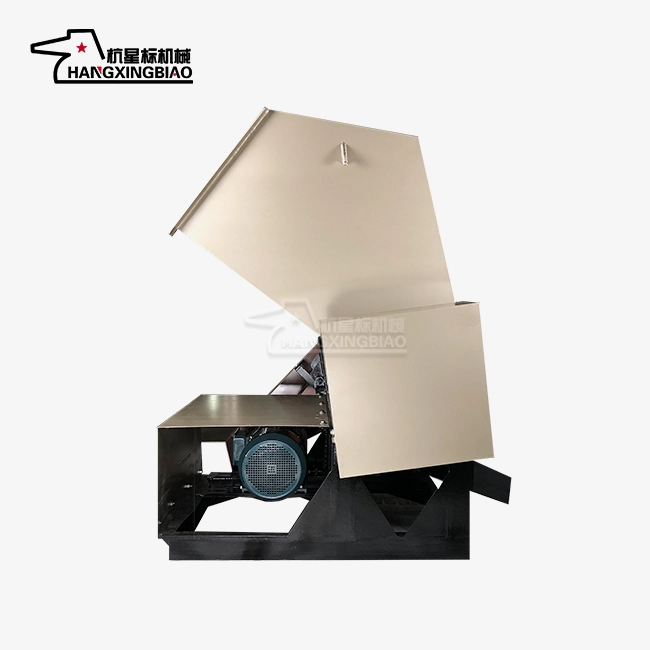
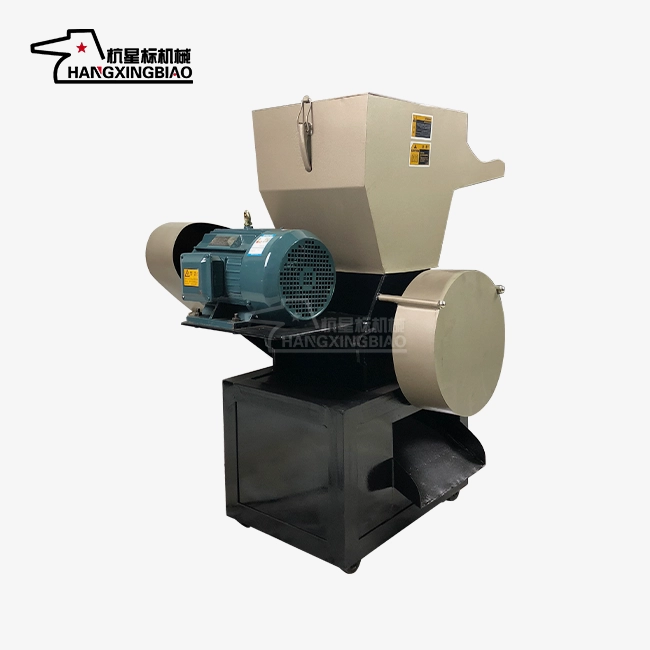
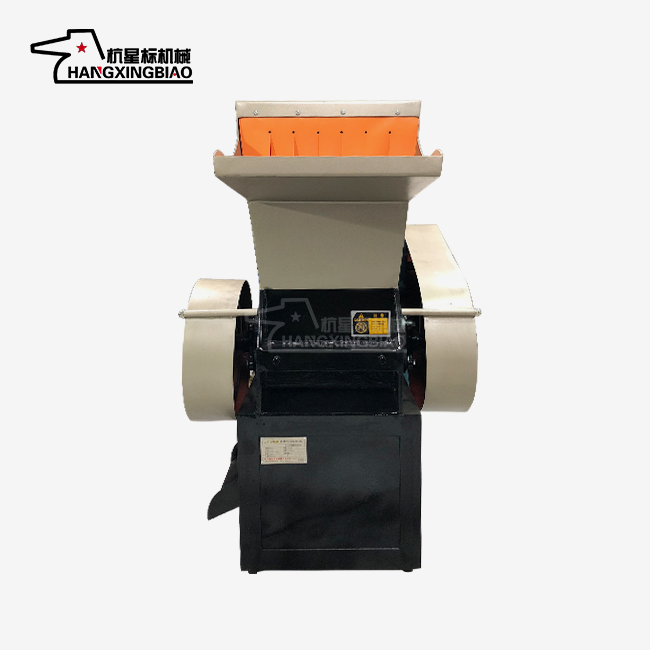
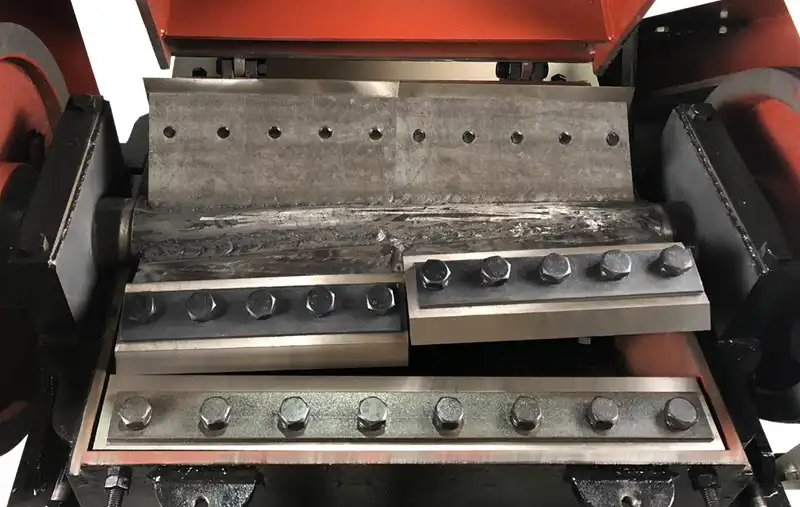
The machine is made up of several important parts that work together. The rotor unit has precisely designed blades that spin at controlled speeds. Static knives make the action like scissors cutting. The whole process is powered by a motor system with a power range of 5 to 200 horsepower, based on the capacity. A strong feeding chamber moves materials into the cutting zone, and a screening system makes sure that the granules are all the same size. At Xingbiao, our main parts are made from high-strength steel plates that have been treated to relieve stress. This keeps the plates from deforming while they are in use. SKD-11/D2 mold steel and Cr12MoV special steels are used to make our blades.
The Granulation Process Explained
The material goes into the filling bin, which is where the first size reduction starts. As the bottles move through the cutting room, spinning blades and fixed knives cut the plastic into smaller and smaller pieces. Our equipment's unique blade pattern and cavity structure design make it over 20% more efficient at crushing than other types. When the granules reach the right size, they go through the screen mesh and gather in the release area. Meanwhile, pieces that are too big keep going through the cutting zone.
Energy Consumption and Operational Economics
Energy costs make up a big part of the costs of running a recycling business. Modern granulators are efficient because they have smart designs that match the motors better and don't use as much power as they need to. Our engineering team works with stars in the field, such as Nongfu Spring, to improve power usage profiles.
Benefits of Using a Plastic Bottle Granulator in Your Recycling Process
Buying a quality plastic bottle granulator has measurable benefits that go beyond just reducing the size of the particles. There are problems that recycling businesses have every day, and these perks really help them.
Enhanced Material Quality and Consistency
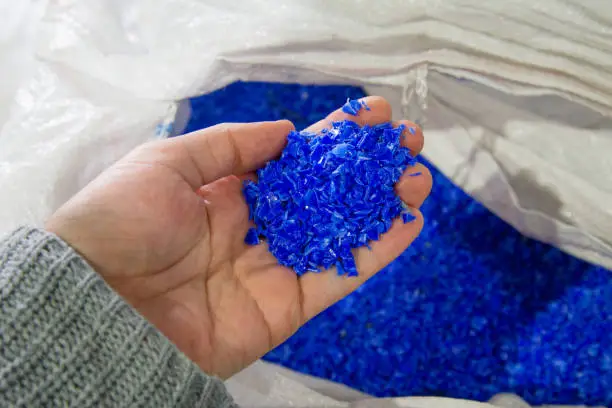
Professional plastic bottle granulator units are used by recycling centers to make uniform grains with even particle distribution. This evenness helps the flow of the material in steps later on, like washing, extruding, and pelletizing. When plastic pieces stay the same size, they melt evenly during reprocessing, which makes recycled goods of better quality. Our quick-change screen structure lets workers change the size of the granules without having to wait a long time. This gives us the freedom to meet the needs of different customers or adjust to different material streams.
Reduced Waste and Improved Yield
When breaking isn't done properly, too much fines and dust are created that cannot go into the disposal stream. This wastes valuable materials. Well-designed plastic bottle granulator machines make the least amount of dust while getting the most work done. The open form of Xingbiao crushers makes them easy to clean, which lets the material be fully recovered between runs of production. Cross-contamination must be avoided to keep the material's worth, which makes this design factor even more important when working with different types or colors of polymers.
Safety Features That Protect Your Workforce
Today's grinding technology has many safety features built in. When access panels are open, interlocked safety guards stop the machine from working. Putting emergency stop buttons in places that are easy to reach lets you shut down quickly when you need to. Noise pollution at work can be cut down with sound-dampening designs.
Plastic Bottle Granulator vs Shredder: Which One Suits Your Business?
It can be hard for procurement teams to tell the difference between a plastic bottle granulator and a shredder. Both decrease the size of plastic, but they do different things and have different effects.
Fundamental Design Differences
Blades that are hooked or toothed and rotate slowly in shredders make uneven pieces that can be used for initial size reduction. When a plastic bottle granulator spins faster, its precise cutting blades act like scissors, making pieces that are all the same size. This difference shows up in the quality of the end product—shredders make pieces of different sizes, while granulators make grains that are all the same size. The shape of the blade also impacts how often it needs to be maintained and how much it costs to replace. Blades made from high-quality materials, like those used in Xingbiao tools, need to be sharpened or replaced less often.
Application Scenarios and Material Compatibility
In the first stage of breaking things down, shredders are great at handling big, heavy things like whole boxes of plastic bottles, pallets, or containers with thick walls. A plastic bottle granulator works best when used to process materials that have already been sorted and need to be uniformly sized for further processing. Many modern recycling centers use both technologies in the same order, first shredders to reduce the size of the materials, then granulators to make the end sizes.
Operational Characteristics Comparison
A plastic bottle granulator usually uses more energy per hour, but it works faster and makes sure the pieces are all the same size. Even though shredders use less power, they might need more than one pass to get the job done. There is a wide range of noise levels. Well-designed granulators make less noise pollution than many shredder types. When figuring out the total cost of ownership, you need to look at the throughput needs, the granule specs you want, and the floor space you have.
How to Choose the Right Plastic Bottle Granulator for Your Needs
To choose the right plastic bottle granulator, you need to look at a number of things that are related to your business's needs and growth goals.
Capacity Assessment and Production Volume
First, figure out how much output you need now and how much you want to have in the future. This can be done in pounds or kilograms per hour. Small recycling centers that handle 100 to 500 pounds per hour need different tools than big centers that handle several tons per hour. Our product line includes small units that can be used next to the press to collect injection molding scrap and big breakers that can handle large amounts of bottles, pipes, and profiles.
Material Characteristics and Handling Requirements
Each type of plastic has its own set of problems. Materials that are rigid, like PET bottles and HDPE cases, need strong blades and motors to move through equipment easily. To keep soft materials like LDPE films, knitted polypropylene bags, and twisted trash from wrapping up and getting stuck, they need special features.
Integration and Automation Considerations
More and more, machines are being built straight into production lines in modern factories. After injection molding, sprue and runner waste are collected by a plastic bottle granulator right next to the press. This gets the material back to production within minutes. Automated feeding systems get rid of the need to load by hand, which makes the process safer.
Brand Reliability and Total Cost of Ownership
The price of the tools is only one part of their total cost. Long-term costs are greatly affected by how long the blades last, how reliable the motor is, and how easy it is to get new parts. Manufacturers with 30 years of focused experience, like Xingbiao's dedication to specializing in crushers, build up institutional knowledge that leads to better product design.
Essential Plastic Bottle Granulator Maintenance Tips and Troubleshooting
Facilities operating a plastic bottle granulator for years without breaking down are different from those that have to pay a lot of money to repair things they don't need to.
Routine Maintenance Protocols
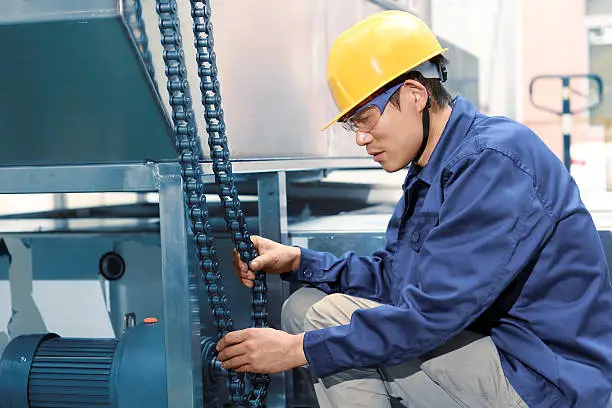
As part of a daily review, the state of the blades should be checked for damage or wear, all safety guards should be confirmed to be in place, and any material buildup around the cutting chamber should be removed. As part of weekly care, motor bearings should be oiled according to the manufacturer's instructions, and types that use belts should have their tension checked.
Common Issues and Practical Solutions
Too much shaking is usually a sign of uneven rotor parts or worn bearings that need to be fixed right away. Material crossing in the feed bin could mean that the blades are not spaced correctly or that materials are being processed in a way that is not allowed by the equipment. Granule size that isn't uniform is usually caused by screens that are worn out or dull blades that cut unevenly. Strange noise patterns show that problems are starting to happen before they become very bad.
Safety Procedures for Maintenance Personnel
Before entering the cutting room, you should always turn off the power and follow the lockout/tagout steps. When cleaning or replacing blades, you should wear gloves that won't cut you. Instead of risking harm by lifting heavy rotor assemblies by hand, use the right lifting tools. During upkeep work, keep the work areas clean and free of things that could cause people to trip. Write down all of the service work that is done, like replacing blades, greasing bearings, and putting in new parts.
Overview of Leading Plastic Bottle Granulator Brands and Suppliers
There are a lot of makers in the market, but it takes some careful analysis to tell the difference between truly reliable sellers and less reliable brands and suppliers of plastic bottle granulators.
Critical Supplier Selection Criteria
Check out more than just the marketing papers to see how well the company can actually make things. Companies with dedicated research and development teams, like Xingbiao's 20 top engineers, keep making their products work better instead of just renaming generic gear. Industry-university study relationships with big companies show that the researchers know a lot about technology and how to use it in the real world.
Comparative Performance Factors
Longevity and upkeep costs are directly related to the type of material used to make the blade. Standard tool steel used in budget plastic bottle granulator models needs to be sharpened or replaced more often than premium alloys that have been heated specially. The reliability of the ongoing operation depends on the quality of the motor.
Service Network and Support Capabilities
During its useful life, equipment will always need parts, repairs, and expert help. Companies that keep a lot of extra parts on hand can quickly send out replacements, but companies that rely on just-in-time sources have to keep customers waiting when their machines break down. Local service can be accessed through global dealer networks, but expert help from the factory is often better.
Procurement Insights: Buying and Wholesale Considerations
Strategic plastic bottle granulator purchasing methods get the most value out of tools while keeping costs and practical risk under control.
New Equipment Versus Used Market
New machines come with warranties, the newest technology, and an estimated amount of service life left. Used equipment is cheaper at first, but you don't know how well it was maintained in the past, and the designs may be out of date. When you're thinking about buying a used machine, having it inspected by a trained worker can show you damage or wear that the seller might not tell you about.
Wholesale Purchasing and Volume Discounts
By buying more than one unit at a time, facilities with multiple production lines or recycling companies opening new sites can get better prices. When you buy in bulk, you save money on shipping, make it easier to find replacement parts, and make it easier to train operators on all the same equipment. Different manufacturers have different minimum order quantities.
Shipping Logistics and Warranty Terms
Buying tools from another country involves a lot of complicated details, such as export paperwork, ocean freight, clearing customs, and final delivery. Make it clear if the price includes delivery to your location or if you need to make separate transfer plans. Getting insurance during transport saves you from damage or loss.
Conclusion
When choosing and using a plastic bottle granulator, you have to balance a lot of different things, such as the capacity needs, the properties of the material, how energy-efficient it is, how much upkeep it needs, and how reliable the supplier is. Knowing how these machines work, spotting the differences between types of equipment, and following the right repair procedures have a direct effect on how well operations run and how much money they make. Safety compliance keeps your employees safe and helps you deal with regulatory and legal risks. You can tell the difference between transactional sellers and trusted partners by looking at the suppliers' manufacturing skills, service promises, and long-term support infrastructure. As the recycling market grows and technology improves, buying good tools from well-known brands is the best way to make sure that your business will continue to make money.

FAQ
How much electricity does a plastic bottle granulator consume during operation?
Power use changes a lot depending on the size of the machine, the horsepower of the motor, and the properties of the material. Small units that sit next to the press may need 5 to 15 kilowatts of power, while big industrial granulators may need 75 to 150 kilowatts or more. The amount of material used depends on how hard it is, how fast it is fed, and what size granules you want. Newer equipment uses less energy than older equipment because the motors are better matched and the blades are more energy-efficient. Accurate operational cost data can be gathered by measuring usage during normal output. Our tech team can give you an idea of how much energy will be used based on the materials you need and how fast they need to be processed.
Can one granulator handle different types of plastic bottles effectively?
A plastic bottle granulator of good quality can work with different thermoplastics, like PET, HDPE, PVC, PP, and PS, without any changes. More than the type of polymer, material density, and wall thickness affect output. Extremely soft materials may need special blade shapes to keep them from twisting. When switching between materials, the chamber only needs to be cleaned to keep it from getting contaminated. Our basic crusher models can be used with a wide range of popular bottle types, and our custom configurations can handle materials that pose special challenges.
What warranty coverage should I expect when purchasing granulation equipment?
Warranty terms depend on the brand and price of the goods. For basic parts and motors, coverage usually lasts between 12 and 24 months. For wear items like blades and screens, coverage lasts less time. Comprehensive guarantees spell out response times, parts that are covered, and what the buyer is responsible for. Carefully read the terms of the guarantee to find out what situations will void the benefits. As part of our guarantee, we promise to respond quickly and have enough spare parts on hand so that work doesn't have to stop too much when service is needed.
Partner With Xingbiao for Your Plastic Bottle Granulator Needs
For 30 years, Xingbiao has only worked on developing and making plastic crushers. This has given them a unique skill as a supplier of specialized equipment. Our 20-person senior engineering team works with leaders in the field to improve ideas that last longer, use less energy, and are more reliable. We have the right tools for you, whether you need large-diameter crushers for industrial pipes, high-power models for recycling next to the press, standard crushers for processing film, or special solutions for hard materials. Email our team at xingbiaocrusher@xingbiaocrusher.com to talk about your unique needs with skilled experts who know how hard it can be to recycle plastic. Our full range of services includes help with choosing the right product, installation, training, and ongoing maintenance to make sure your investment gives you the most value for the whole time it's working. Find out why top makers trust Xingbiao as their plastic bottle granulator provider.
References
1. Hopewell, J., Dvorak, R., & Kosior, E. (2009). Plastics recycling: challenges and opportunities. Philosophical Transactions of the Royal Society B: Biological Sciences, 364(1526), 2115-2126.
2. Association of Plastic Recyclers. (2018). Design Guide for Plastics Recyclability. Washington, DC: The Association of Plastic Recyclers.
3. Brennan, L. B., Isaac, D. H., & Arnold, J. C. (2002). Recycling of acrylonitrile-butadiene-styrene and high-impact polystyrene from waste computer equipment. Journal of Applied Polymer Science, 86(3), 572-578.
4. United States Environmental Protection Agency. (2020). Advancing Sustainable Materials Management: Facts and Figures Report. Washington, DC: EPA Office of Resource Conservation and Recovery.
5. Ragaert, K., Delva, L., & Van Geem, K. (2017). Mechanical and chemical recycling of solid plastic waste. Waste Management, 69, 24-58.
6. Vilaplana, F., & Karlsson, S. (2008). Quality concepts for the improved use of recycled polymeric materials: a review. Macromolecular Materials and Engineering, 293(4), 274-297.
Learn about our latest products and discounts through SMS or email