- English
- French
- German
- Portuguese
- Spanish
- Russian
- Japanese
- Korean
- Arabic
- Greek
- German
- Turkish
- Italian
- Danish
- Romanian
- Indonesian
- Czech
- Afrikaans
- Swedish
- Polish
- Basque
- Catalan
- Esperanto
- Hindi
- Lao
- Albanian
- Amharic
- Armenian
- Azerbaijani
- Belarusian
- Bengali
- Bosnian
- Bulgarian
- Cebuano
- Chichewa
- Corsican
- Croatian
- Dutch
- Estonian
- Filipino
- Finnish
- Frisian
- Galician
- Georgian
- Gujarati
- Haitian
- Hausa
- Hawaiian
- Hebrew
- Hmong
- Hungarian
- Icelandic
- Igbo
- Javanese
- Kannada
- Kazakh
- Khmer
- Kurdish
- Kyrgyz
- Latin
- Latvian
- Lithuanian
- Luxembou..
- Macedonian
- Malagasy
- Malay
- Malayalam
- Maltese
- Maori
- Marathi
- Mongolian
- Burmese
- Nepali
- Norwegian
- Pashto
- Persian
- Punjabi
- Serbian
- Sesotho
- Sinhala
- Slovak
- Slovenian
- Somali
- Samoan
- Scots Gaelic
- Shona
- Sindhi
- Sundanese
- Swahili
- Tajik
- Tamil
- Telugu
- Thai
- Ukrainian
- Urdu
- Uzbek
- Vietnamese
- Welsh
- Xhosa
- Yiddish
- Yoruba
- Zulu
Top Factors to Consider When Buying a Wholesale Plastic Particle Crusher
Choosing the right wholesale plastic particle crusher is a smart investment that has a direct effect on how well production works, how much it costs, and how well trash can be managed. In today's industrial world, having the right tools is crucial for achieving peak throughput while keeping energy costs low. This choice has an impact on not only current activities but also long-term efforts to be more environmentally friendly and make money. Professionals in procurement can get equipment that helps a business grow and gives measured returns by carefully looking at technical specs, seller qualifications, and operational needs.
Understanding Plastic Particle Crushers – Key Basics
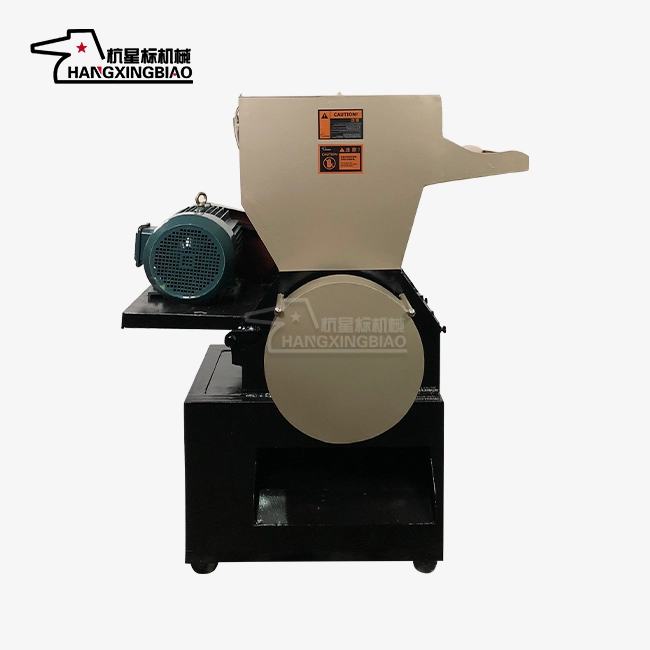
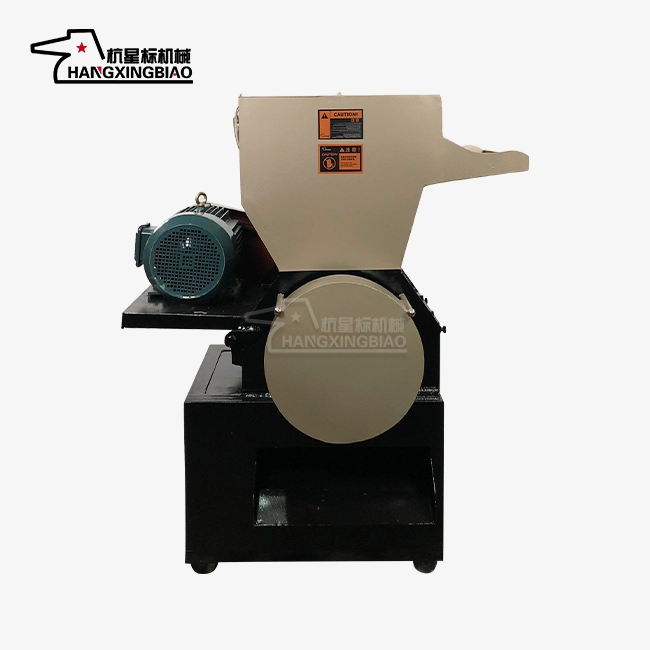
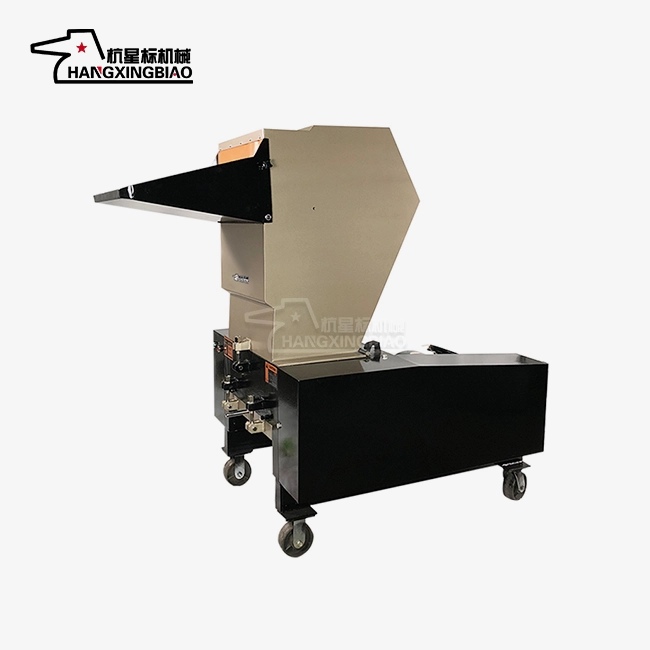
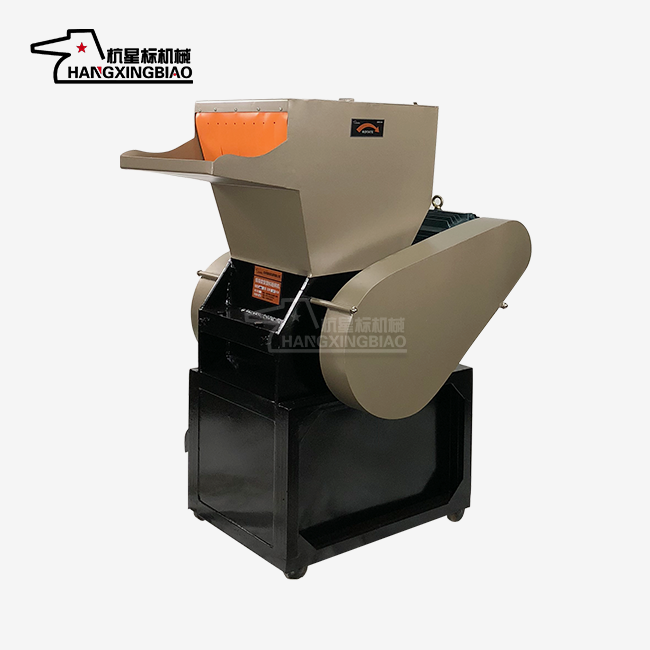
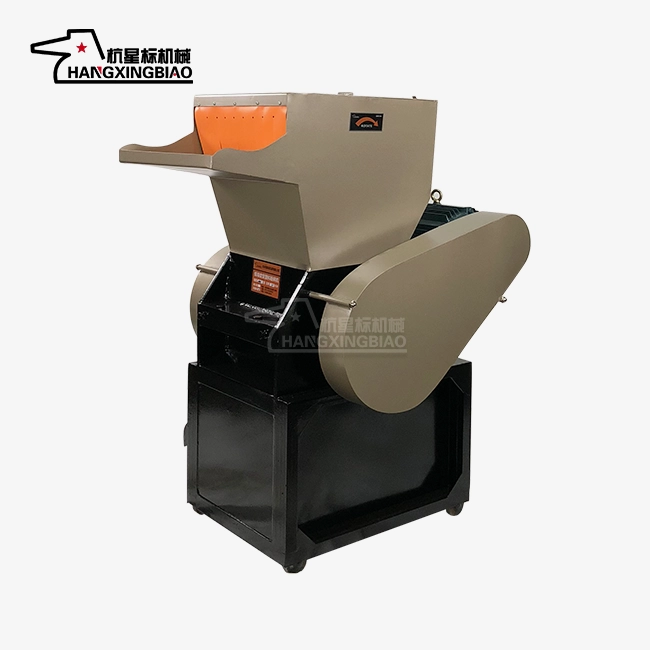
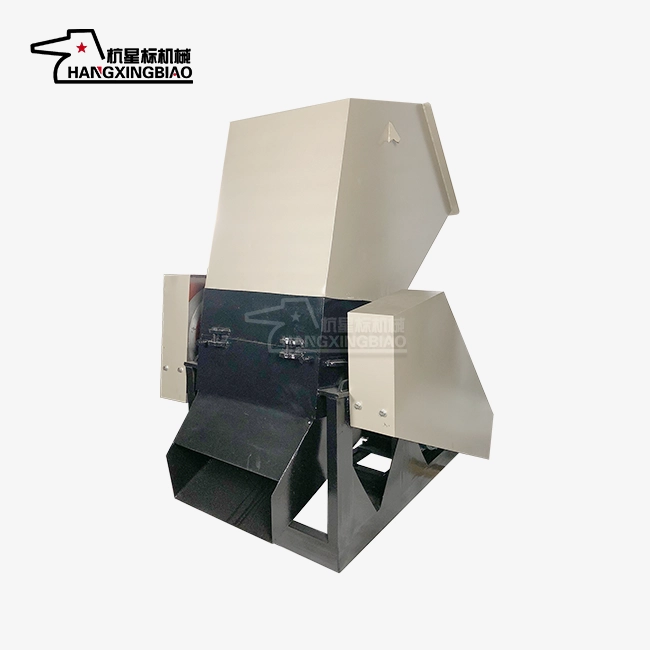
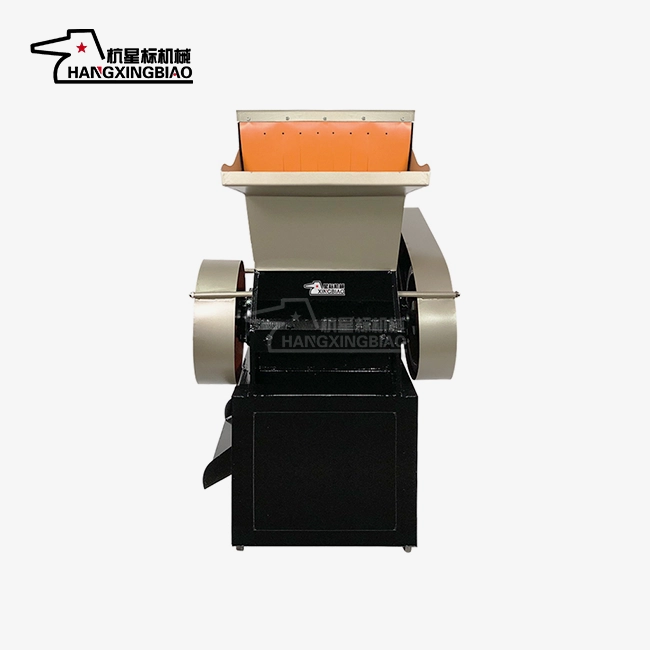
Wholesale plastic particle crusher units are important pieces of equipment for both recycling and production. These tools turn all kinds of plastic trash, from leftovers from making things to used items, into uniform granules that can be reused or recycled.
How Plastic Crushers Function
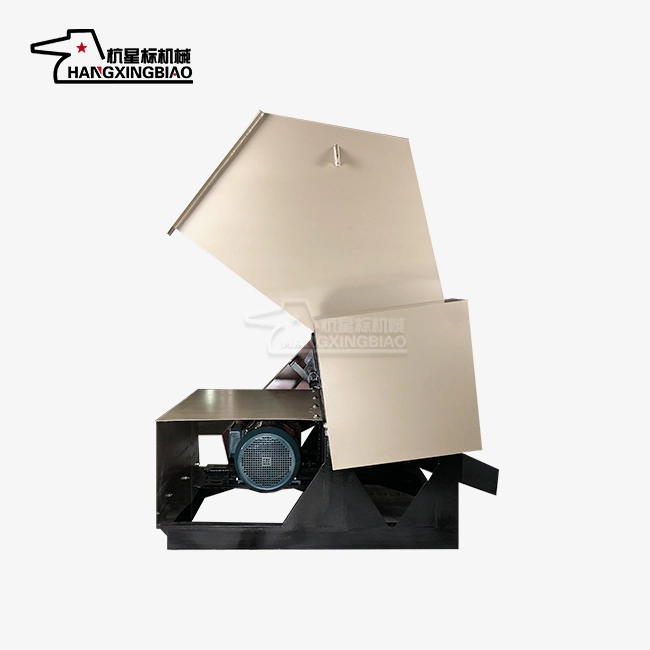
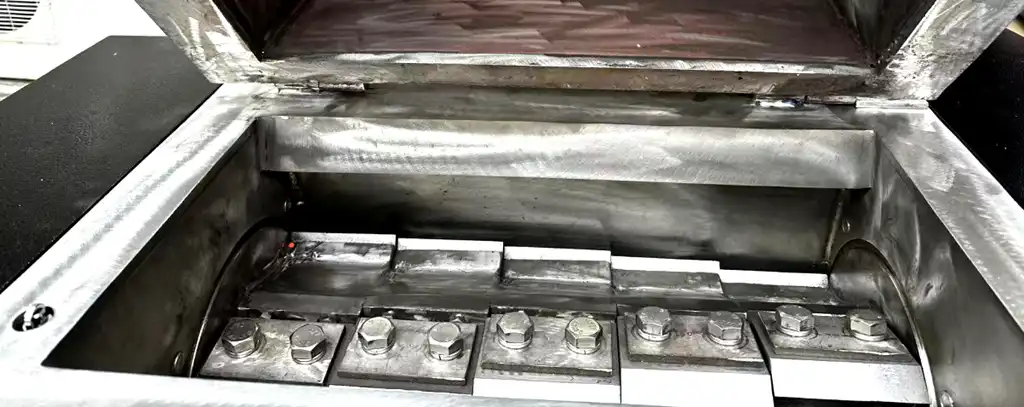
High-speed spinning blades on a rotor unit work against fixed blades that stay in place to do the crushing. The material goes into a hopper and meets the blade system, which cuts and chops the plastic into smaller and smaller pieces. A screen mesh at the base of the chamber decides the end particle size, letting the right-sized granules escape while keeping the bigger pieces for further processing. Depending on the material and the amount of capacity needed, motor power usually runs from 7.5 to 200 horsepower. This design gives particles the same size, which is important for extruder and injection molding processes that come after.
Common Crusher Classifications
For different types of output, different types of crusher designs are needed. Standard crushers can handle a wide range of tasks, such as crushing bottles, containers, and industrial trash. Low-noise types have sound-dampening features that let them be installed next to injection molding machines without getting in the way of people talking on the production floor. Heavy-duty models have stronger motor systems and stronger blade assemblies, so they can handle hard materials like pipe sections and car parts. Specialized soft-material crushers can handle tough materials like films and woven bags that tend to get stuck around regular blade systems.
Operational Challenges and Maintenance Priorities
Problems that equipment workers often face include worn-out blades, clogged screens, and material bridging in the feed bin. Preventive repair plans should include checking the blades every 200 hours of use and replacing them at different times depending on the materials being handled. To keep bearings from breaking down too soon, they need to be oiled at intervals stated by the maker. Screen mesh checking stops differences in particle size that mess up processes further down the line. Regular checks of the electrical system protect against motor burning and control panel problems that can lead to unplanned downtime.
Top Factors to Evaluate When Purchasing a Wholesale Plastic Particle Crusher
When making choices about purchases, it's important to evaluate success in a number of different areas. The buyer needs to make sure that the equipment meets the needs of the business while also looking at the total cost of ownership and the supplier's abilities.
Production Volume and Throughput Requirements
The most important thing to look at when matching building needs to throughput ability. Small recycling businesses that handle 100 to 300 kilograms per hour need very different tools than car providers that handle 1,000 kilograms or more per hour. Manufacturers often don't think about how much power will be needed in the future, which causes the wholesale plastic particle crusher to be replaced before it's time. To allow for business growth without having to make quick investments, it is smart to choose machinery that is rated at 25 to 30 percent above current volume estimates. This extra space is especially helpful when demand is high at certain times of the year, which happens a lot in the packing industry.

Material Compatibility and Versatility
Based on their mechanical features, different plastic resins are harder to break than others. Standard blade shapes work well with high-density polyethylene and polypropylene. But softer materials, like low-density polyethylene films, need special cutting setups to keep them from wrapping. Rigid materials like polycarbonate and plexiglass need blades that are harder to keep their edges. Adjustable blade spacing and replaceable screen systems make it possible for facilities to handle a variety of materials without having to buy a lot of separate machines.
Energy Efficiency and Operating Costs
The cost of processing each kilogram is directly related to how much energy is used, so motor economy is very important. Modern crushers use 20 to 25 percent less energy than older models because they have better blade shape and chamber design. We calculated that for sites with single shifts, the extra cost of a premium-efficiency motor is paid back in 18 to 24 months through lower power bills. When the electrical equipment of the building allows it, three-phase power systems are more efficient than single-phase ones. Variable frequency drives save even more money because they fit the motor speed to the load instead of running at full power all the time.
Build Quality and Durability Standards
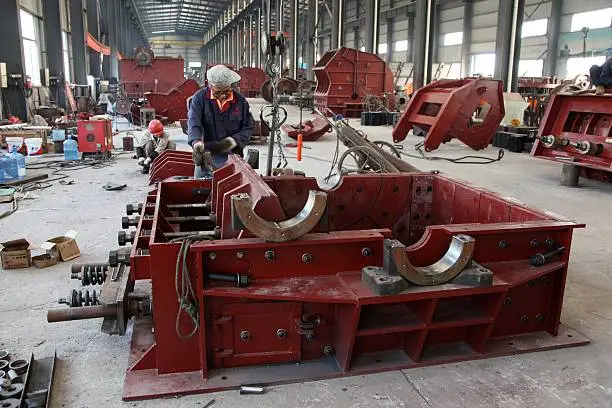
The materials used to build something affect how long it will last in harsh industrial circumstances. The main chassis should be made of welded high-strength steel that has been treated with a stress-relief process to keep the structure from deforming over the years of constant shaking. We've made machines out of steel plates that are 8 mm to 16 mm thick, based on the size of the machine and how hard it is supposed to be used. The choice of blade material has a big effect on how often it needs to be maintained and how much it costs to replace. SKD-11 tool steel blades are vacuum-heated until they reach a toughness of 58 to 62 HRC. This gives them three to four times the service life of other steels. By strengthening the metal's structure, deep cold treatment makes it even more resistant to wear.
Supplier Reputation and Technical Support
Getting equipment is only the first step in a good purchase. Production stability is protected by full technical support that includes installation advice, operator training, and quick problem help. For thirty years, we've only dealt with crusher technology. This time has taught us that suppliers with focused application engineering teams are much more valuable than wholesalers who deal with a lot of different types of equipment. Partnerships with big companies in the industry, like providers to fast food restaurants and companies that make drinks, prove that the technology works in the real world.
Comparing Plastic Particle Crushers and Alternative Solutions
People who work in procurement often compare the wholesale plastic particle crusher to other technologies for size reduction to see which one is the best.
Crusher Versus Shredder Technologies
Shredders and crushers are both used for similar tasks, but they work in different ways. Shredders use low-speed, high-torque motors with thick cutting hooks that tear things into uneven pieces that can be used to reduce volume. Crushers use faster spinning speeds and finely ground blades to make uniform pieces that meet very strict size requirements. Precision crushers are useful for factories that make injection molding runners and broken parts because the granulate goes straight back to the production hoppers without having to go through any extra steps to size it. If a recycling center wants to cut down on volume to save on shipping costs, shredders may be a better option, even though they produce less regular output.
Latest Efficiency Innovations
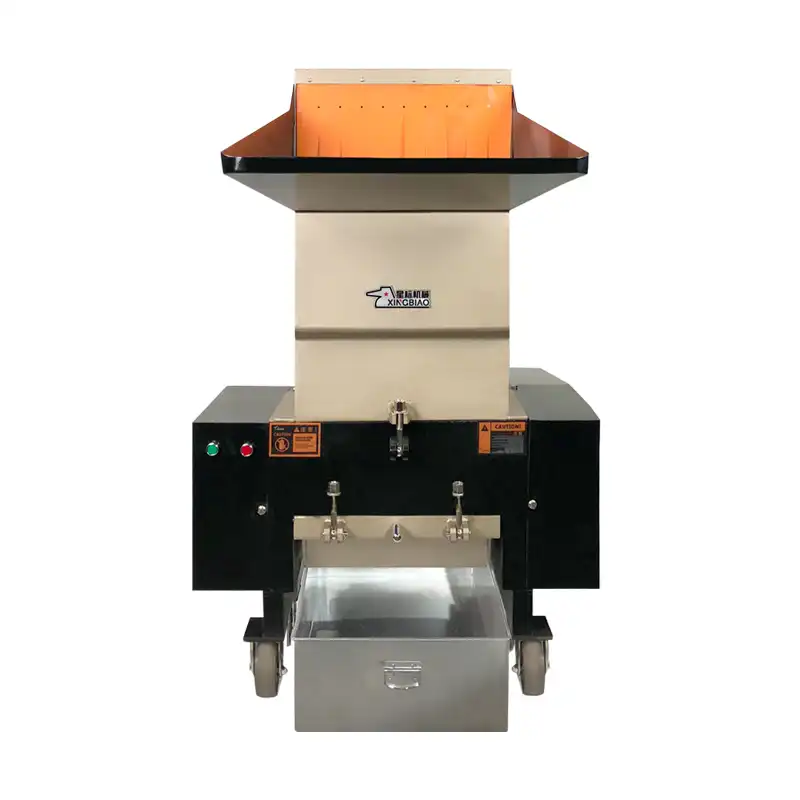
New technologies are mostly focused on lowering energy use while keeping or even increasing output. Aerodynamic rotor designs cut down on air resistance, which loses motor power and doesn't help process materials. When blade angles are optimized, less cutting force is needed, which directly leads to less current draw. Some makers now make hybrid cutting systems that can handle mixed material streams without having to sort them by hand first. These systems use both impact and slicing forces. Smart tracking systems keep an eye on things like power use, bearing temperature, and vibration patterns to see if they need repair before a part fails and stops production.
Performance Under Industrial Conditions
Applications in the real world show how well technology works beyond what is written on the specs. A Midwest car supplier that works with glass-reinforced nylon parts said that premium blade materials increased the time between replacements from 800 hours to 3,200 hours. This cut yearly blade costs by 68%, even though the original unit prices were higher. A California recycling center that deals with mixed post-consumer plastics saw a 23 percent rise in output after switching from its old standard model to one with a better chamber shape. These results show how important it is to match the features of tools to specific practical needs instead of choosing based only on how much it costs.
Procurement Strategies for Buying Plastic Particle Crushers Wholesale
To do good buying, you need to know your suppliers and plan your purchases so that you get the most value for your money while reducing risk. When handled carefully, buying in bulk can save you a lot of money.
Identifying Qualified Manufacturers
Direct connections with manufacturers get rid of the markups that distributors add, and they give you access to technical knowledge and the ability to make changes. When looking at possible suppliers, you should check out their production buildings, quality control systems, and customer recommendations. We have a research and development team of twenty engineers who work with industry partners to improve the performance of our equipment. This is a level of technical investment that you don't usually see from companies that sell equipment. Specialization in manufacturing is very important. Suppliers who only sell breaking technology learn more about how to use it than suppliers who sell a variety of machines.
Evaluating Total Cost of Ownership
The price of buying something is only one part of how much it will cost over its lifetime. The real running costs are based on how often blades need to be replaced, how much energy is used, how much repair work is needed, and how often the machine is down. We suggest figuring out the total cost of ownership over five years, taking into account power rates, planned repair schedules, and expected blade replacement dates. This kind of study often shows that high-end equipment with 15-20% higher starting costs has 30-40% lower overall ownership costs because it is more reliable and efficient.
Leveraging Bulk Purchase Advantages
When you make a volume promise, you can get better prices, longer warranties, and faster technical help. When manufacturing companies plan operations at more than one site, standardizing on a single equipment base helps with consistency in ways that go beyond saving money. Standardization makes it easier to keep track of spare parts, improves training for operators across sites, and lets support teams share what they know. When discussing bulk purchases, make sure the wholesale plastic particle crusher meets practical needs by asking for performance promises that list base throughput rates and maximum energy consumption levels.
Optimizing Crusher Performance and Ensuring Longevity
To get the most out of your wholesale plastic particle crusher, you need to keep an eye on its upkeep and operation. Without the right procedures and preventative care, even high-end gear doesn't work as well as it should.
Establishing Maintenance Protocols
Structured repair plans keep small problems from getting worse and turning into expensive failures. Every day, checks should be made to make sure the blades are clear, the screen is intact, and there is no strange noise or sound. As part of the weekly jobs, bearings must be oiled according to the manufacturer's instructions, and electrical connections must be checked for tightness and discoloration that could mean they are getting too hot. Every month, tasks like checking the sharpness of the blades and measuring the motor's power help find problems before they get worse. Every year, thorough inspections check the structure's strength and find parts that are getting close to the end of their useful life. Recording all upkeep tasks makes historical records that can be used to find problems that keep happening and figure out the best time to replace parts.
Operator Training and Best Practices
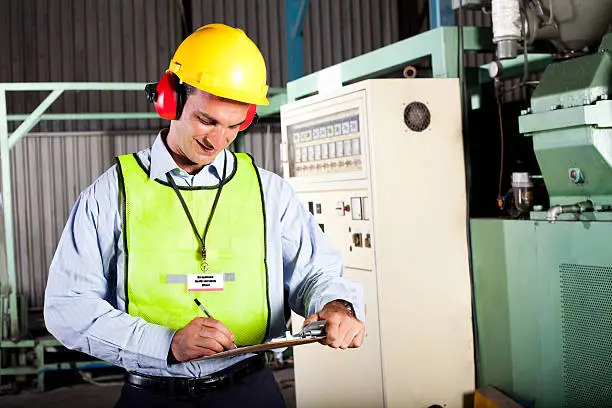
Operators who have been taught well can spot problems with the tools before they cause damage. Training programs should teach the right way to start up and shut down machines, how much material can be loaded at a time, and how to spot technical problems before they happen. Operators need to know that going over the rated processing capacity speeds up wear and failure risk without giving them any extra work to do. Metal fasteners and other foreign items that hurt blades and screens can't get into the material before it is inspected. As usual, we give full training to operators because even high-tech equipment breaks down early if it is not used correctly.
Implementing Predictive Maintenance Technologies
Advanced tracking systems use vibration analysis, thermal imaging, and power usage trends to find problems before they get worse. When a bearing fails, it usually shows up with high vibrations weeks before it breaks completely. This lets the bearing be replaced during planned downtime instead of having to be fixed quickly in an emergency. Motor current analysis shows how mechanical resistance is growing due to blade wear or material buildup before motor overload safety shuts the motor down without warning. Manufacturing reliability studies show that these technologies change maintenance from reactive firefighting to proactive management. This cuts unexpected downtime by 40–60%.
Conclusion
When looking for the right wholesale plastic particle crusher, you need to carefully think about the technical specs, operational needs, and provider skills. The suitability and long-term value of tools are based on production volume estimates, material properties, energy economy measures, and the quality of the build. Total cost of ownership estimates show that high-quality equipment often gives better returns because it has lower running costs and lasts longer. Partnering with a manufacturer gives you access to technical help and customization that you can't get from working with a reseller. Proper operator training and strict repair practices make tools work better and last longer, no matter what choice was made to buy it in the first place.
FAQ
What is the typical lifespan of an industrial plastic crusher?
When used properly and with the right amount of weight, well-maintained wholesale plastic particle crusher units usually last between 15 and 20 years. Changing the blades is a normal part of machine care, not a sign of a problem. When made from good materials and used according to the manufacturer's instructions, the main frame, motor, and structure parts last for decades.
Can crushers handle different kinds of plastic at the same time?
The grinding device in most crushers doesn't care what kind of plastic it is, so it's easy to work with mixed resins. However, recycling processes further down the line may need to separate the materials before they can be used again. When granulate goes back to the manufacturing process that accepts recovered content from different plastic families, mixed-material crushing works well.
How do I select the most energy-efficient model?
Instead of just depending on horsepower ratings, compare motor efficiency ratings and ask for real power consumption figures under normal operating loads. When blade shape and chamber design are adjusted, machines can produce more with each kilowatt-hour they use. Variable frequency drives save even more money by changing the speed of the motor to match the flow of the material.
Partner with Xingbiao for Your Crushing Equipment Needs
The dependability and performance that wholesale plastic particle crusher buyers expect are brought to you by Hangzhou Xingbiao Machinery Co., Ltd.'s three decades of exclusive focus on plastic crushing technology. Our highly skilled engineers work with big names in the industry, like Nongfu Spring and KFC, to make sure that the tools we use meet the highest standards of production. We make crushers with SKD-11 tool steel blades that have been vacuum-heated and processed at very low temperatures to make them very resistant to wear and have a longer useful life. Every machine is made of high-strength steel that has been treated to relieve stress. This makes sure that the structure stays strong even after years of continuous use. Our product line includes big models for working with pipes and profiles, quiet units for combining injection molding, and special models for working with films and knitted bags. We promise to answer technical questions within 24 hours, offer full installation help and user training, and keep a large stock of spare parts ready to ship right away. Email our team at xingbiaocrusher@xingbiaocrusher.com to discuss your unique application needs and receive personalized advice from experienced application engineers. Xingbiao has the technical know-how and high-quality production that your business needs in a wholesale plastic particle crusher provider, whether you need to buy a single unit or set them up at multiple sites.
References
1. Michaels, R. T. (2023). Industrial Plastics Processing Equipment: Selection and Optimization Strategies. Manufacturing Technology Press.
2. Chen, W., & Anderson, K. L. (2022). Energy Efficiency in Plastic Recycling Operations: Equipment Performance Analysis. Journal of Sustainable Manufacturing, 18(4), 312-329.
3. Thompson, J. D. (2024). Total Cost of Ownership Models for Industrial Processing Equipment. Procurement Management Quarterly, 41(2), 87-103.
4. Zhang, L., Martinez, S., & O'Brien, P. (2023). Blade Metallurgy and Wear Resistance in Size Reduction Equipment. Materials Engineering Today, 29(6), 445-461.
5. Industrial Equipment Buyers Association. (2023). Best Practices for Wholesale Machinery Procurement. IEBA Industry Report Series.
6. Davidson, M. R., & Kumar, A. (2022). Preventive Maintenance Strategies for Continuous Operation of Manufacturing Equipment. Plant Engineering Review, 56(9), 201-218.
Learn about our latest products and discounts through SMS or email