- English
- French
- German
- Portuguese
- Spanish
- Russian
- Japanese
- Korean
- Arabic
- Greek
- German
- Turkish
- Italian
- Danish
- Romanian
- Indonesian
- Czech
- Afrikaans
- Swedish
- Polish
- Basque
- Catalan
- Esperanto
- Hindi
- Lao
- Albanian
- Amharic
- Armenian
- Azerbaijani
- Belarusian
- Bengali
- Bosnian
- Bulgarian
- Cebuano
- Chichewa
- Corsican
- Croatian
- Dutch
- Estonian
- Filipino
- Finnish
- Frisian
- Galician
- Georgian
- Gujarati
- Haitian
- Hausa
- Hawaiian
- Hebrew
- Hmong
- Hungarian
- Icelandic
- Igbo
- Javanese
- Kannada
- Kazakh
- Khmer
- Kurdish
- Kyrgyz
- Latin
- Latvian
- Lithuanian
- Luxembou..
- Macedonian
- Malagasy
- Malay
- Malayalam
- Maltese
- Maori
- Marathi
- Mongolian
- Burmese
- Nepali
- Norwegian
- Pashto
- Persian
- Punjabi
- Serbian
- Sesotho
- Sinhala
- Slovak
- Slovenian
- Somali
- Samoan
- Scots Gaelic
- Shona
- Sindhi
- Sundanese
- Swahili
- Tajik
- Tamil
- Telugu
- Thai
- Ukrainian
- Urdu
- Uzbek
- Vietnamese
- Welsh
- Xhosa
- Yiddish
- Yoruba
- Zulu
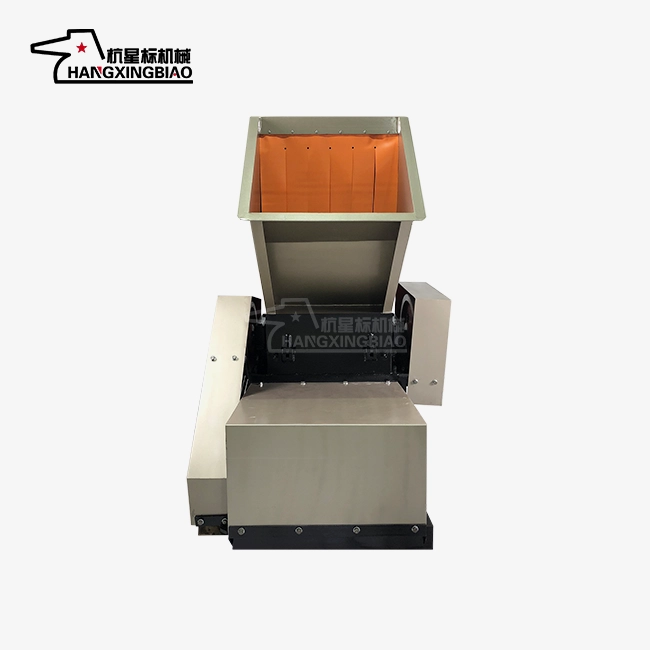
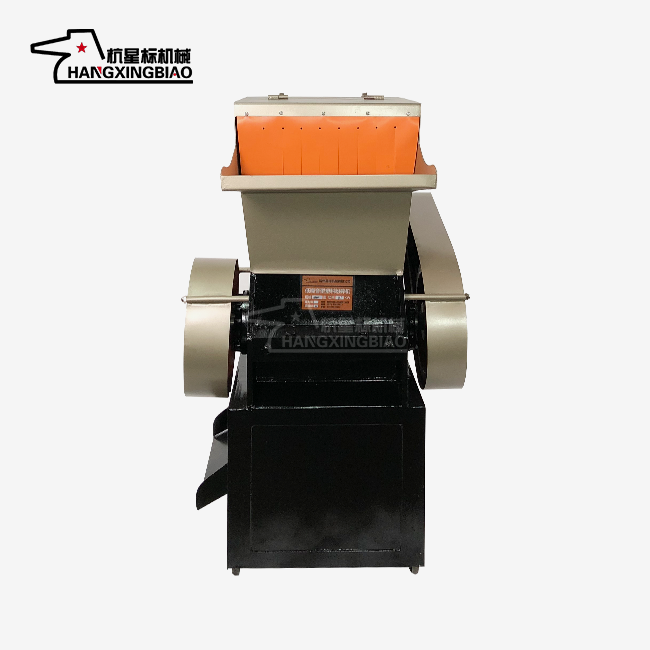
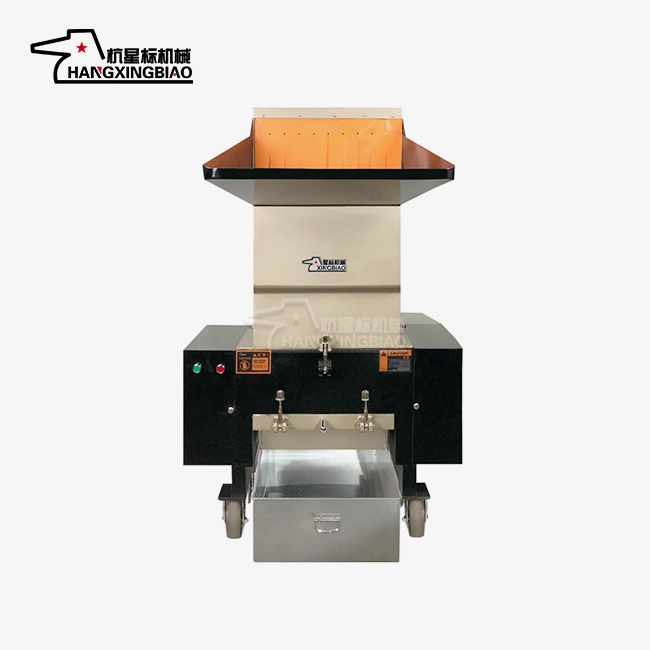
What is the role of the screen in a plastic crusher?
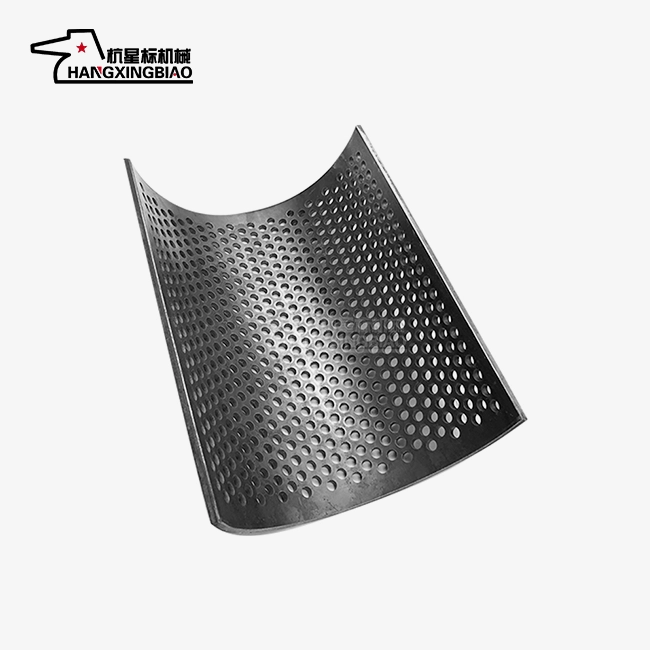
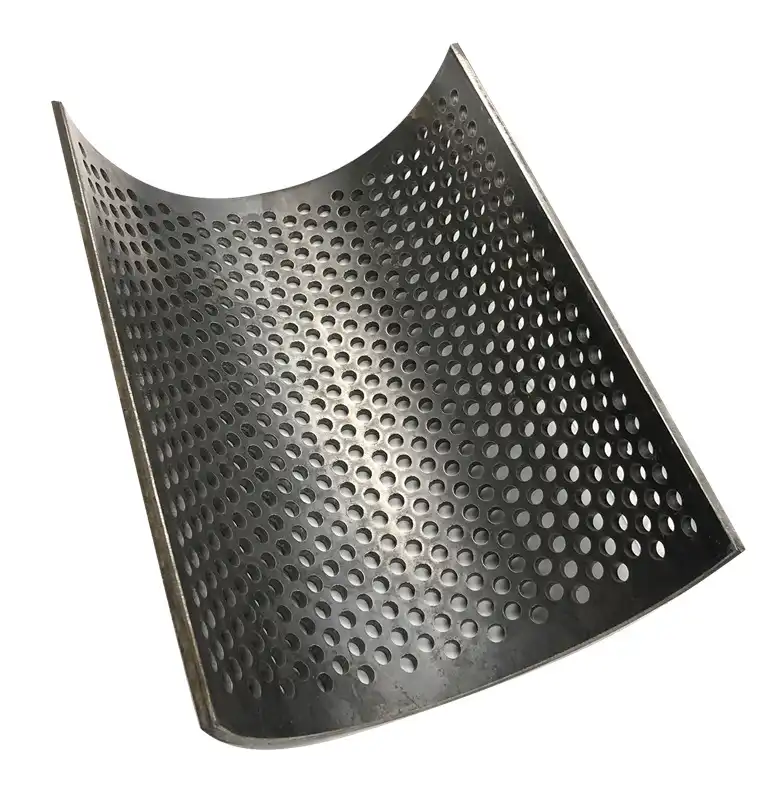
The plastic crusher screen is in charge of controlling the particle size and making sure the quality of the recycled plastic. This part with holes in it controls the end size of the crushed plastic by only letting small pieces through its holes and holding on to bigger pieces for further processing. In addition to controlling the size of the material, the screen divides impurities from useful plastic, keeps downstream equipment safe, and has a direct effect on how efficiently the material moves, how much energy it uses, and how consistent the product is. Knowing how the plastic crusher screen works changes buying choices from guessing to smart investments that improve the efficiency of operations and make the business more money.
Understanding the Plastic Crusher Screen: Purpose and Design Principles
It's not just a simple metal plate with holes that makes up the plastic crusher screen. Working with trash centers all over the US for years, I've seen how the design of the screen has a big impact on how things run. Controlling particle size while keeping high production rates and not affecting machine life is still the main goal.
The Structural Elements That Matter
There are three main parts to a well-designed plastic crusher screen that all work together. The frame is what holds the structure together. It's usually made of strengthened steel that can handle constant shaking and impact forces. The perforated or mesh section has carefully designed holes or slots that set the particle size limits. The mounting method makes sure that the windows are securely in place and lets them be quickly replaced for repair windows. When Hangzhou Xingbiao Machinery makes screens for our crushers, we pay close attention to how these parts work together in real life, not just how they should work in theory.
Perforation Types and Their Applications
Screen holes come in different shapes and sizes, each one best suited to a certain type of cloth. Round holes are the most common shape and work well for processing a wide range of plastic trash, such as bottles, tubs, and rigid packaging. This design is usually preferred by factories that make injection-molded parts because it ensures a uniform spread of particle sizes. Slotted screens solve a problem that keeps coming up in film recycling: thin materials tend to wrap around round holes, blocking production and being a pain. The longer holes make it easier for films and bendable plastics to fit through. Custom perforation designs are used to meet specific needs. For example, PET bottle recyclers often need screens with holes spaced and arranged in a certain way, while mixed plastic facilities need limits that are less tight.
Design Factors That Influence Performance
How well a computer works in everyday tasks is based on three important design factors. The mesh size directly affects the particle sizes that are produced. For example, a 6mm screen makes small granules that can be used in extrusion, while a 20mm screen makes bigger regrind that can be used as feedstock for injection molding. Throughput capacity is affected by the amount of open area. Screens with more open area let more material pass through each cycle, which speeds up processing without using more motor power. The operating lifespan is determined by the strength and resistance to wear of the material. This is especially important for facilities that work long shifts or handle rough plastics with mineral fillers or glass reinforcement.
When choosing tools, it's important to think carefully about how these things affect each other. Processing plants that deal with a lot of soft plastics need screens with a lot of open space so that material doesn't build up. On the other hand, plants that crush hard engineering plastics need screens made of wear-resistant alloys that keep their shape over thousands of hours of use.
How the Plastic Crusher Screen Influences Crusher Efficiency and Product Quality
Picking the right plastic crusher screen has an impact on the whole recycling process, from energy prices to how happy customers are with the quality of the recycled materials. Anyone who is in charge of buying tools or improving processes should look closely at the link between screen properties and operational results.
Particle Size Consistency and Downstream Processing
How well the particles are spread out depends a lot on how the screen is designed and how it is maintained. If the screens work right, they make sure that the broken plastic meets the needs of tools that pelletize, extrude, or inject. Particles of different sizes cause a lot of problems. For example, bits that are too big get stuck in equipment that pelletizes them, dust that is too small is hard to handle, and mixed particle distributions make it hard for melts to flow properly during recycling. Production managers at big beverage companies told me that the uniformity of the particles directly affects the mechanical properties of bottles made from recovered materials. This means that screen selection is more of a quality control issue than just an equipment choice.

Throughput Capacity and Energy Consumption
How fast things move through the crushing room is controlled by the screen's open area %. When screens don't have enough open space, crushed plastic builds up in bottlenecks. This makes the motor work harder because the crushing chamber fills up faster than it should. This situation makes more energy be used while actually lowering output, which is the worst possible mix. On the other hand, screens that are properly matched keep the flow of material steady, which lets the crusher work within its planned efficiency range. The engineering team at Xingbiao has seen throughput increases of more than 20% when facilities switch from normal screens to designs that are better suited to their material streams.
Operational Factors Affecting Performance
Most operators don't understand how much the condition of the screen affects the amount of noise in the workplace. Worn screens with bigger holes or torn parts let bigger particles hit the collection bin or conveyor system at higher speeds, making more noise that makes the workplace uncomfortable and could cause problems with following the rules. New screens with the right-sized holes slow the speed at which particles leave, which lowers the sound emissions. Regular maintenance directly extends the life of the screen. Following cleaning schedules stops material buildup that speeds up wear, and replacing damaged screens before they break completely protects blades and other crusher parts from damage caused by large particles moving back and forth through the cutting chamber.
Comparison of Plastic Crusher Screens: Selecting the Best Option for Your Application
To find your way around plastic crusher screen choices, you need to know the differences between materials, styles, and how well they work in different situations. As part of the choice structure, screen features must be matched to material properties, throughput needs, and maintenance skills.
Crusher Screens Versus Shredder Screens
Even though they are sometimes mixed up, crusher screens and shredder screens are used for different things in equipment that reduces the size of things. Smaller holes, usually between 6mm and 25mm, are made in crusher screens so that they can precisely control particle size in situations where regularity is important. Shredder screens have bigger holes so they can handle bigger items during the first stage of breaking down materials before they go into breakers to be sized even more. When procurement teams know the difference between these two terms, they can choose the right tools for each step of the process instead of asking one machine to do all of them.

Mesh Size and Open Area Considerations
Finding the right mesh size requires matching different needs. Smaller mesh makes smaller particles that sell for more in some markets and work better in some reprocessing situations. However, fine screens slow down the process and use more energy per ton that is handled. A bigger mesh increases output and lowers power needs, but it might make bits that are too big for what the customer wants. These trade-offs are made worse by the fact that screens with 30% open area process material differently than screens with 50% open area, even if the hole width stays the same. How fast things leave the crushing room depends on how far apart the holes are, not just how big the holes are.
Material Choices: Stainless Steel Versus Polyurethane
Depending on the needs of the product, different screen-building materials have different benefits. When working with hard plastics, rough materials, or trash streams full of small metal pieces that would damage softer screen materials quickly, stainless steel screens last a very long time. Because steel is stiff, the screen's holes stay the same size throughout its life, making sure that the particles are always the same size. Steel screens can handle materials that are very hot, like those that come out of processes where plastics keep heat in. Polyurethane screens work great in places where very rough materials would normally wear down steel screens too quickly. They are better at resisting cutting and gouging while still being flexible enough to cut down on noise transfer. Polyurethane's toughness lets it soak up impact energy, which makes screen life longer when working with plastics that have hard contaminants embedded in them.
Noise Level Implications
There are several ways that screen design affects the amount of noise in the workplace. The pattern of the holes in the screen affects how the particles leave the screen. Designs that allow particles to move smoothly and controllably make less noise than designs that allow particles to discharge quickly and erratically. The properties of the screen material affect how sound travels through it.
Maintenance and Troubleshooting of Plastic Crusher Screens
The availability, running costs, and quality of the product are all affected by how well the plastic crusher screen is maintained. Setting up routine repair procedures keeps small problems from getting worse and stopping production, and it also extends the life of screens beyond the normal time between replacements.
Routine Cleaning Procedures
Cleaning the screen regularly gets rid of the buildup of dirt and other things that slowly reduce the open area and stop the flow. Visual checks every day find buildup before it gets hard and tough to clear. Compressed air works well to remove dry material from screen holes, but workers need to wear the right breathing gear because it creates dust.
Preventive Maintenance Scheduling
When you use time-based screen replacement, you can avoid sudden failures that cause unplanned downtime during key production times. When working with abrasive materials, screens need to be replaced every 2,000 to 3,000 hours. When working with better, less abrasive waste streams, screens can last for 4,000 to 5,000 hours before they need to be replaced.
Recognizing Wear Patterns and Damage
Finding screen wear early on lets you fix the problem before it hurts the quality of the product or other parts of the crusher. Larger openings show abrasive wear that slowly widens the holes, letting bigger particles through and messing up the regularity of the sizes. When screens are hit with loads that are too heavy for the material, they tear or crack.
Procurement Considerations: How to Choose and Source the Right Plastic Crusher Screen
When buying a plastic crusher screen strategically, you have to think about both short-term costs and long-term business success and supplier dependability. As part of the decision-making process, technical specs, supplier skills, and how screen selection fits in with larger business goals are all looked at.
Critical Decision-Making Criteria
The standards for durability rely on the properties of the material and how it will be used. Facilities that only handle clean industrial scrap have different durability needs than 24/7 recycling centers that deal with mixed post-consumer garbage that contains contaminants. The mesh size range should match the product requirements from buyers further down the line or from internal cleaning equipment. Buying screens with holes that are too small adds to the cost without adding any value, and cuts that are too big may make the crushed material useless for what it was meant to be used for.
Evaluating Supplier Credentials
Screen providers with a good reputation show what they can do by showing real examples, not just making marketing promises. Specifications, material certifications, and performance data from real-world uses should be included in technical documentation instead of theoretical predictions. Support for warranties shows that the maker believes the product will last.
Customization and OEM Solutions
Standard screens work well for many tasks, but for some tasks, they work much better with specially made screens that meet their needs. Facilities that work with odd types of materials may need perforation designs that are best for the way those materials move. When operations don't have a lot of room, they may need screens of different sizes to keep working well in small crusher designs.
Conclusion
The plastic crusher screen affects all parts of the breaking process, from the accuracy of the grain size to the cost and energy use. Knowing about screen design principles, performance factors, material options, and upkeep needs helps procurement pros make smart choices that boost productivity while keeping costs low. Strategic screen selection based on the properties of the material and the needs of the operation leads to measured gains in throughput, product quality, and the life of the equipment. Investing in the right screens pays off because they reduce the amount of energy used, keep downtime to a minimum, and produce reliable output that meets the needs of downstream processing.
FAQ
How often should plastic crusher screens be replaced?
Replacement times for the plastic crusher screen depend a lot on how rough the material is, how long it is used, and how the screen material is made. Stainless steel screens are usually good for 3,000 to 5,000 hours of use before they need to be replaced in places that process clean post-industrial waste. Every 1,500 to 2,500 hours, facilities that deal with dirty post-consumer trash or rough materials may need to be replaced. By keeping an eye on the uniformity of the output particle size and the motor current draw, you can tell early on when screens are getting close to the end of their useful life. This lets you replace them before the quality goes down or something goes wrong without notice.
Are polyurethane screens suitable for high-impact applications?
Because they are resilient and flexible, polyurethane screens don't crack when hard particles get into the breaker. This is because they can absorb impact energy better than rigid steel screens. Polyurethane is a strong material that can withstand being cut and gouged. This makes it ideal for handling mixed waste streams where it is not possible to completely remove all contaminants. Even though polyurethane is better for impact, steel screens may be better for materials that need to be kept at very high temperatures or for uses that need to be completely stable in size over long periods of time.
What factors determine choosing between perforated and wedge wire screens?
Perforated screens work well with most normal crushing tasks and are easy to change. They are also cost-effective and work well with both hard and semi-rigid plastics. When working with materials that tend to get clogged, wedge wire screens are helpful because their V-shaped design helps them clean themselves and stops materials from sticking together across holes. The choice rests on the properties of the material. Plastics that are sticky or stiff work best with wedge wire designs, while clean, free-flowing materials work best with standard perforated screens, which are usually less expensive and easier to find.
Partner with Xingbiao for Superior Plastic Crusher Screen Solutions
Picking the right plastic crusher screen provider is just as important to the success of your business as picking the right screen itself. Hangzhou Xingbiao Machinery has been a specialist in plastic breaking technology for 30 years and brings that knowledge to every relationship with a customer. Our tech team works with big names in the industry, like Nongfu Spring and KFC, to make screen solutions that solve real-world problems in production settings with a lot of demand. When we make screens, we use high-quality materials like SKD-11 and Cr12MoV steels that have been vacuum-heated to make them last longer and survive tough working conditions. Our quick-change screen design cuts down on the time it takes to replace it, and our 24-hour answer guarantee means you'll get technical help when you need it. Whether you need standard screens for a wide range of uses or custom solutions for unique materials, Xingbiao can provide solid performance backed by full-service support. Email our team at xingbiaocrusher@xingbiaocrusher.com to talk about your needs with seasoned experts who know how to handle the complex needs of plastic recycling and production. As a reliable company that makes plastic crusher screens, we offer the technical know-how and high-quality products that turn buying screens from something you do every so often into a strategic advantage.
References
1. Anderson, M. J., & Stevens, R. K. (2021). Industrial Plastic Recycling: Equipment Design and Process Optimization. Manufacturing Technology Press.
2. Chen, W., Liu, H., & Martinez, E. (2020). Screen performance characteristics in size reduction equipment for plastic waste processing. Journal of Polymer Recycling Engineering, 15(3), 234-251.
3. Henderson, P. R. (2019). Materials Selection for Wear-Resistant Applications in Recycling Machinery. Industrial Materials Institute.
4. Kovacs, T., & Reynolds, D. A. (2022). Energy efficiency improvements in plastic crushing operations through optimized screen design. Recycling Technology Quarterly, 28(2), 145-162.
5. Nakamura, S., & Weber, K. L. (2020). Mechanical Recycling of Post-Consumer Plastics: Technologies and Best Practices. Environmental Engineering Publishers.
6. Thompson, G. W., Phillips, A. M., & Chang, Y. (2021). Comparative analysis of screen materials and configurations for plastic size reduction equipment. International Journal of Sustainable Manufacturing, 12(4), 312-329.
Learn about our latest products and discounts through SMS or email