- English
- French
- German
- Portuguese
- Spanish
- Russian
- Japanese
- Korean
- Arabic
- Greek
- German
- Turkish
- Italian
- Danish
- Romanian
- Indonesian
- Czech
- Afrikaans
- Swedish
- Polish
- Basque
- Catalan
- Esperanto
- Hindi
- Lao
- Albanian
- Amharic
- Armenian
- Azerbaijani
- Belarusian
- Bengali
- Bosnian
- Bulgarian
- Cebuano
- Chichewa
- Corsican
- Croatian
- Dutch
- Estonian
- Filipino
- Finnish
- Frisian
- Galician
- Georgian
- Gujarati
- Haitian
- Hausa
- Hawaiian
- Hebrew
- Hmong
- Hungarian
- Icelandic
- Igbo
- Javanese
- Kannada
- Kazakh
- Khmer
- Kurdish
- Kyrgyz
- Latin
- Latvian
- Lithuanian
- Luxembou..
- Macedonian
- Malagasy
- Malay
- Malayalam
- Maltese
- Maori
- Marathi
- Mongolian
- Burmese
- Nepali
- Norwegian
- Pashto
- Persian
- Punjabi
- Serbian
- Sesotho
- Sinhala
- Slovak
- Slovenian
- Somali
- Samoan
- Scots Gaelic
- Shona
- Sindhi
- Sundanese
- Swahili
- Tajik
- Tamil
- Telugu
- Thai
- Ukrainian
- Urdu
- Uzbek
- Vietnamese
- Welsh
- Xhosa
- Yiddish
- Yoruba
- Zulu
How does a plastic crusher work?
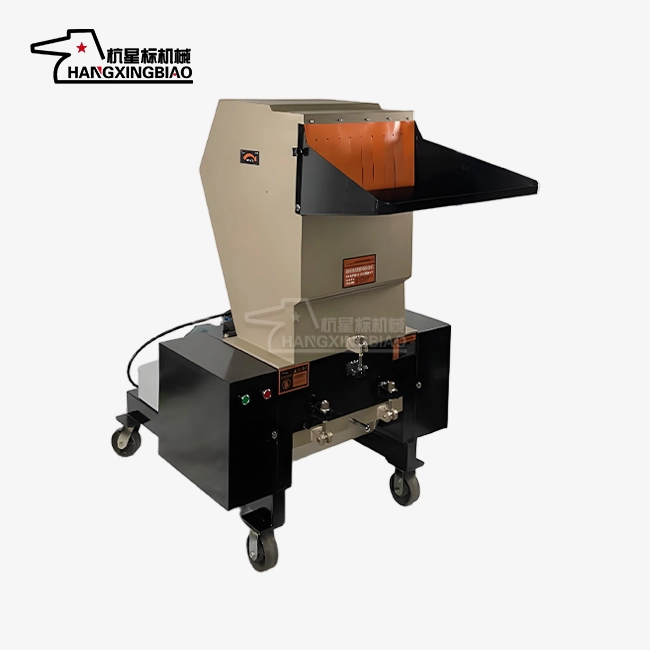
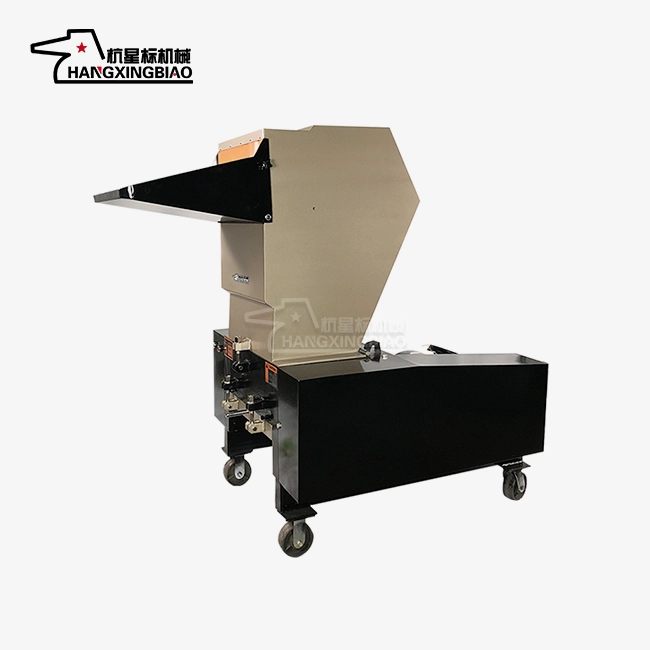
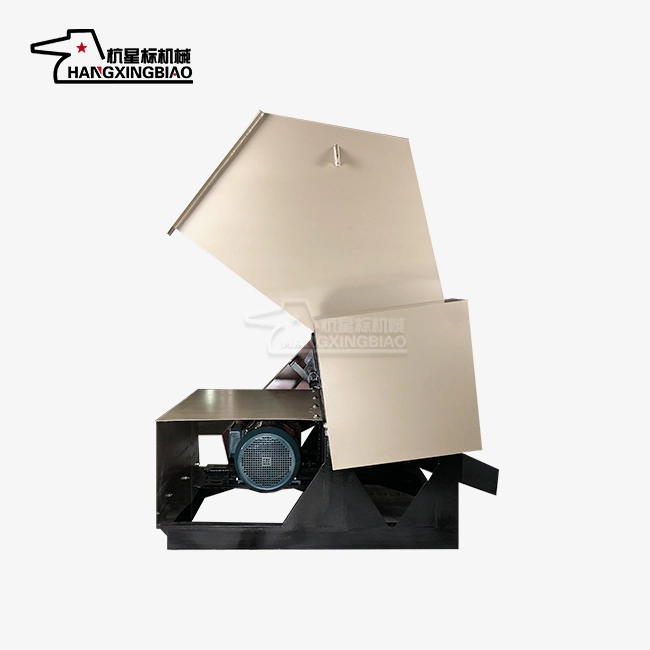
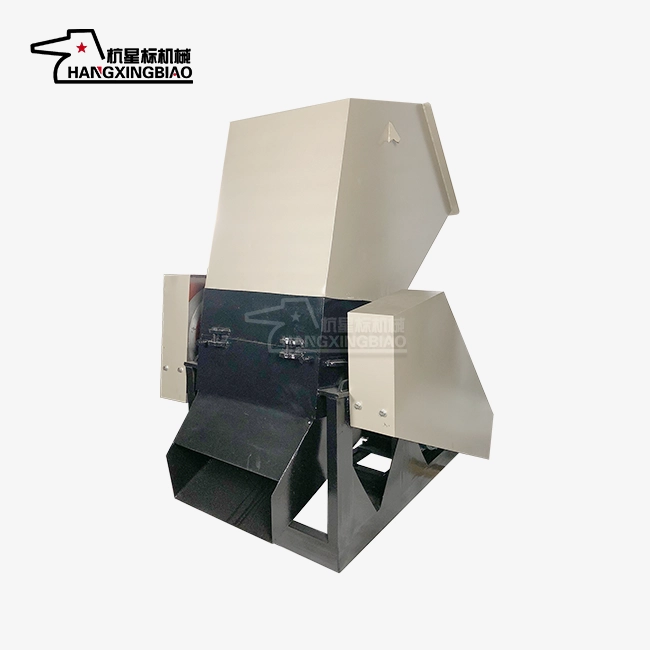
To make plastic crushers work, blades that spin quickly against set counter-knives cut the plastic into small bits. This makes the trash into clean flakes or grains. Screens that the broken stuff goes through decide what size particles it will have in the end. Top plastic crusher manufacturers made these machines. They have well-thought-out rotors, set blades, motors, and feeding systems that can handle all sorts of plastic, from tough PET bottles to tangled films. This machine does a good job of turning big pieces of trash into things that can be used again. This machine is needed by recycling centers and companies that need to get rid of waste cheaply.
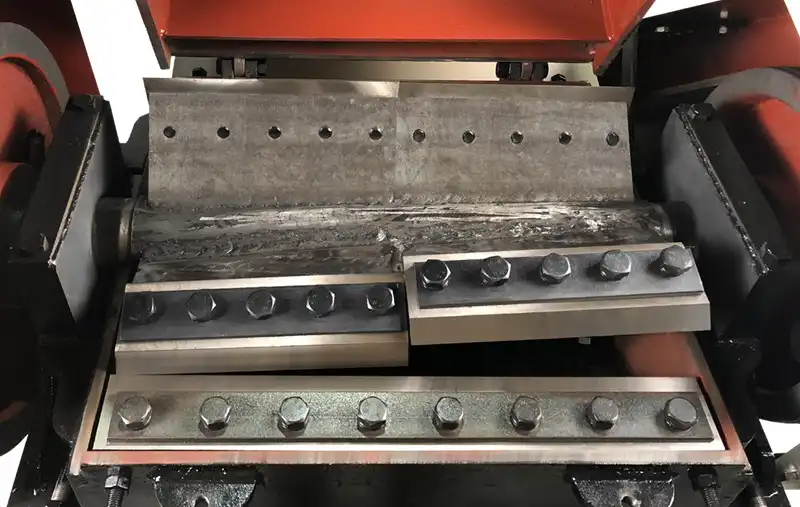
Understanding How Plastic Crushers Work
The Core Operating Principles
To put it simply, plastic grinding works by carefully arranging the movement of cutting parts that move and parts that stay still. A hopper brings plastic into the room where it will be crushed. The materials are then broken by a fast machine with many sharp blades. These moving blades cut against counter-knives that are fixed to the walls of the room. This cuts the plastic into smaller and smaller pieces in a way that looks like scissors. As the cylinder turns over and over, it provides a rotating force that pushes things through it while cutting them. This process will keep going until the particles are small enough to pass through the screen at the bottom of the cylinder that has holes in it. This is the last screen where you can change the size. It depends on the blades' shape, how fast they spin, how the room is set up, and how well this process works. Different types of plastic and output sizes work best with different blade shapes, such as V-shaped, flat, or bent ones. Higher spinning speeds make more things, but they may make too much heat for materials that don't like it, so engineers have to find a balance between speed and the material's qualities.
Types of Plastic Crushers and Their Applications
Granulators are the most common type of breaker used in factories. It's easy to work with plastics that have thick walls, like injection-molded parts, pipes, and profiles, with these tools. They are well-made and cut very well, so they can be used right next to the shape machines to handle output scrap. The accurate cutting makes regular pieces that can be used right away in new production runs. This keeps the cost of materials down by a large amount. Shredder-type crushers can be used to fix many issues. These tools are great for cutting lightweight materials like plastic films, woven bags, and packaging trash because they tear and rip instead of cutting exactly. When you work with stiff or bent plastics, the material can wrap around the blades. The rough action keeps this from happening. For recycling companies that deal with used goods, shredders are useful because they are flexible and can handle mixed or dirty plastic streams. Heavy-duty industrial crushers are used by big companies that have to break down a lot of stuff all the time. Because they are built stronger, these machines can handle bigger items like trash cans, boxes, and car parts, thanks to their motors that are too big for their jobs. Because they are made to last and have little downtime, they are useful for businesses where production stops directly costs a lot of money.
Plastic Types and Processing Challenges
There are various ways that different types of plastic resins can break. Plastics like polyethylene (PE) and polypropylene (PP) are soft and bendy. To keep them from crushing instead of cutting, you need sharp blades and the right screen sizes. Polyethylene terephthalate (PET), which is often used to make drink bottles, is more rigid and tougher. This speeds up the process, but the blades need to be made of materials that don't wear down quickly so they can keep cutting well. It is important to keep an eye on the temperature because polyvinyl chloride (PVC) makes more friction and heat when it is broken. Cooling systems may also be needed. Having trash with different kinds of plastic makes things harder. Labels, adhesives, or different kinds of plastics that get stuck on the machine can change both how well it works and how good the result is. In more advanced processes, pre-sorting systems or washing steps are often used, but a lot of current crushers can handle small amounts of contamination. When purchasing managers know these material-specific needs, they can choose equipment that works with the fuel they are buying.

Key Components and Manufacturing Process of Plastic Crushers
Essential Components and Material Quality
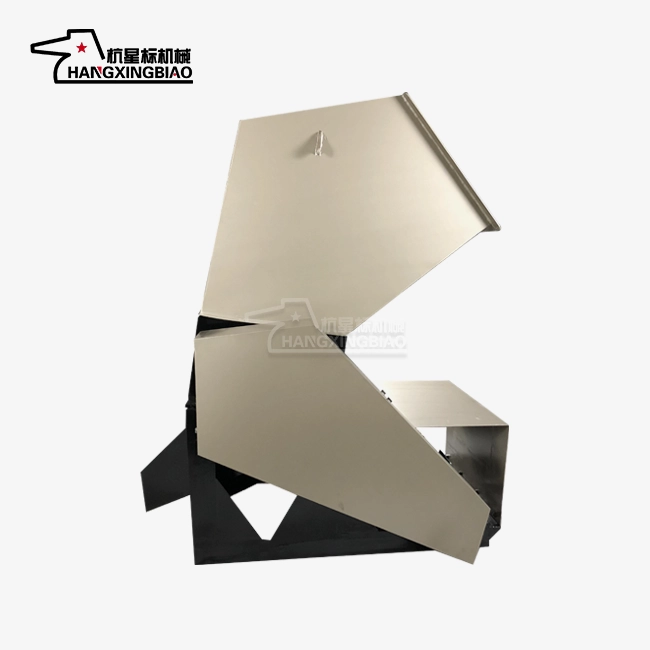
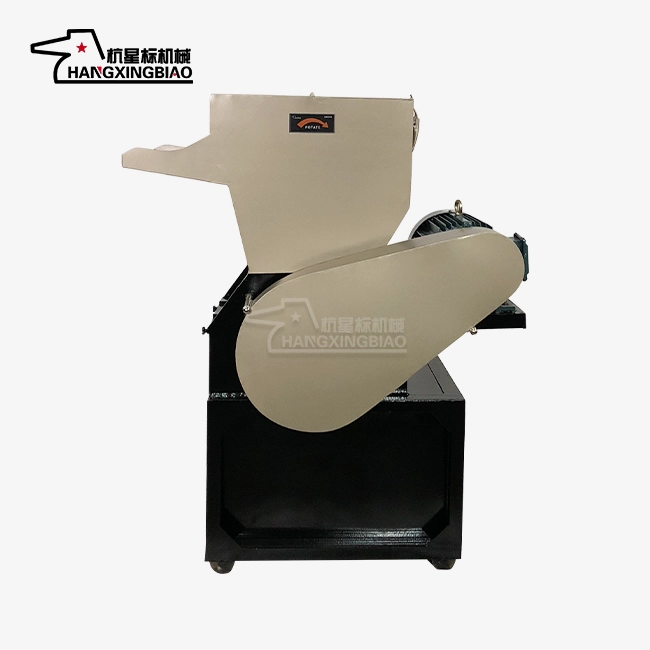
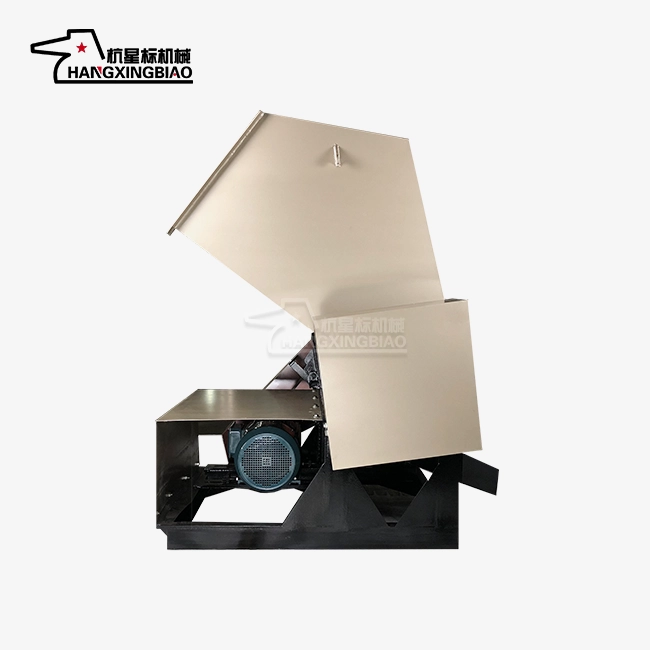
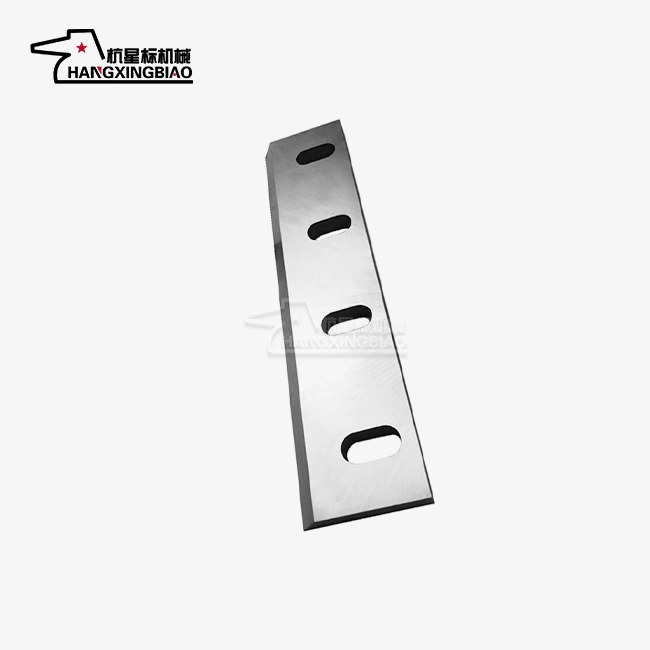
There is a straight link between how long a crusher from plastic crusher manufacturers lasts and how well it works: the blade system. Tool steels like SKD-11 and D2 are used by high-end manufacturers. These steels are made stronger than 58 HRC by vacuum heat and cryogenics. After a million cuts, these blades' sharp tips stay sharp. This means they don't need to be changed as often, which means less downtime. For various jobs, various types of blades are employed. When it comes to plastics, bigger blades with safer angles work best with harder ones, while thinner, sharper blades get the job done faster with softer ones. A lot of what determines how well the crushing box works is how well it was built. When high-strength steel plates are properly joined and stress-relieved, they don't weaken even after being used over and over again under heavy loads. How things move and cut depend on the shape of the room. The rooms that have been carefully planned don't have many empty spaces where things can gather. They also have features that make it easy to clean and get to the blades when they need to be fixed.
Manufacturing Excellence and Quality Standards
During the whole process, from planning to putting the parts together, reputable manufacturers follow strict engineering rules. Computer-aided design tools make sure that the blade shapes and chamber sizes are just right before production starts. With precise cutting, parts fit together very well, leaving little room for error. This keeps the machine from making noise or moving when it's in use. An important part of putting the machine together is dynamically balancing the parts that spin. This makes sure that the machine runs easily and the bearings last longer. Quality approvals are a fair way to make sure that standards at the factory are met. After getting ISO 9001 approval, you can be sure that the quality management process is well organized. The CE label also lets you know that the product meets European safety and performance standards. Being certified means more than just following the rules. It also means that the company has set up ways to keep improving and making sure that all of its goods are of the same high quality. When people who buy things look at possible sources, they should see if they are currently approved and ask for proof of how they test products and keep quality high.
Choosing the Right Plastic Crusher Manufacturer
Evaluation Criteria for Supplier Selection
The warranty terms show that the company that made the item is sure it will last. Long-term warranties that cover most of the important parts are a good sign that the builder used good materials and methods. You should look at more than just the length of the insurance. You should also see what parts are covered and how cases are handled. Cheaper materials may be used by companies that don't cover worn-out parts like blades or offer limited warranties. This could lead to higher costs in the long run. You can learn about real-life success from testimonials and case studies from real customers. Find out what other businesses that do the same thing you want to do think about it. For instance, references from injection molding plants are more likely to be accurate if you're dealing with industry waste, while references from recycling plants are more likely to be accurate if you're dealing with post-consumer waste. Listen carefully to what people say about how quickly they can get help after the sale and how simple it is to get parts. There is a straight link between these things and business continuity.

Direct Manufacturers Versus Suppliers
When you buy from makers instead of wholesalers, you get a lot of benefits. Most of the time, straight relationships have better prices because there are no middlemen. Even better, makers can give customers choices that are tailored to their computing needs. For instance, the size of the chambers, the shapes of the blades, or even the features that are built into the current production lines can be changed. When you need to do something that normal tools can't do, this freedom is very helpful. OEM skills come in handy when a company needs to market its products privately or create a unique brand. Direct makers don't have to make changes after the fact; they can add unique features and branding elements while the work is being done. When you buy from a direct seller, you can't always be sure of their skills and quality standards. Not being able to visit factories and talk to tech teams builds your trust in them.
Maintenance Tips and Enhancing Plastic Crusher Performance
Regular Inspection and Preventive Maintenance
A lot of the power and how well plastic crusher manufacturers crush things depends on how sharp the blades are. It takes more work for the motor to do its job when the blades are dull because they press down on the material instead of cutting it fast. Regular checks, like eye checks every day for obvious damage and thorough checks once a week, help find wear before it affects how well something works. A lot of businesses keep extra sets of blades on hand so that they don't have to switch them out as often. So, old blades can be taken off, cleaned, and then put back on without stopping work. Motors and bearings last a lot longer when you keep the oil under control. What kind of oil to use and when to use it will depend on the maker. If you don't follow their advice, parts will break down before they should. These days, most crushers have centralized greasing systems that make maintenance easy. But the spots that need to be oiled by hand still need to be checked every so often. If you check the bearings' temperature while they're moving, you can find issues with the grease or the gears before they get too bad.
Energy Efficiency and Environmental Considerations
These days, crushers are made with features that use less energy, which saves money and helps the environment. The best blade form and chamber design loses as little cutting energy as possible. This means that more of the motor's power is used to cut useful material. When material is fed at a different rate with variable frequency drives, the motor speed can be changed. This means that less energy is used when work isn't moving as quickly. Smarter systems can track power in real time and find patterns of wasteful use that need to be fixed. It's bad for the environment and the safety of the people who work with dust. The health of the workers is protected, and the building stays clean thanks to integrated dust collection systems that catch moving particles where they begin. These ways also get back small pieces that would have been thrown away, which speeds up the extraction process. When a business has to follow environmental rules, good dust control helps it do so without getting fined.
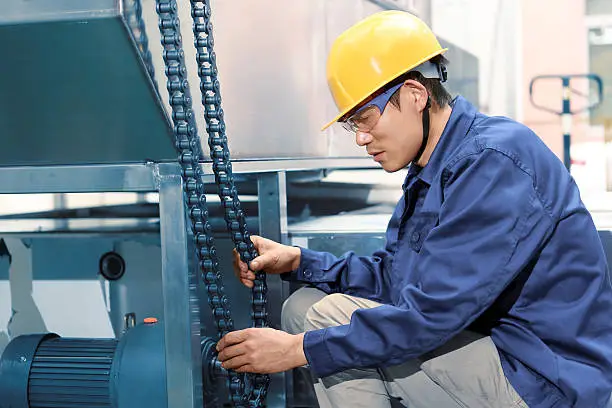
Procurement Guide: How to Buy Plastic Crushers Wisely
Balancing Cost, Quality, and Operational Needs
The price you paid for equipment from plastic crusher manufacturers is only one part of how much it costs to own. Evaluating tools requires considering energy usage, repair needs, expected blade life, and possible downtime costs. The longer you use a cheaper crusher that has worse parts, the more it will cost you. This is because it might need new blades more often and use more electricity. To do a proper lifetime cost analysis, you need to know specifics about the parts' materials, how often they need to be kept, and how much energy they use.
International Procurement Considerations
It's harder to make sales across borders than in your own country. Freight costs for heavy industrial equipment can make up a big part of the value of smaller units. These costs have a big impact on the total cost of landing the equipment. If you know what Incoterms mean and make it clear who is in charge of the freight, insurance, and customs clearance, you can escape unexpected costs and delivery delays.
Conclusion
When purchasing managers know how plastic crushers work, from how they cut to the quality of the parts and the brand they choose, they can make smart choices about tools. Taking care of trash doesn't have to be costly if you have the right shredder. It can be a chance to reuse things and help the environment. For an application to work, it's important to match the right tools to the right material properties, working numbers, and needs. To do this, you need to work with manufacturers who not only sell machines but also offer full help for as long as the machines last. When you buy good tools from well-known names, they work well, cost less, and give you an edge in places where people care more about the environment. Now that you know what this article has taught you, you can start to weigh your options and pick solutions that will make the process of processing plastic easier for years to come.
FAQ
What factors most influence plastic crusher pricing?
The price of tools depends on things like the quality of the blade material, the power of the motor, how long the building will last, and how easily it can be automated. Basic ones that work well for small businesses start at around $3,000 to $8,000. More modern industrial units cost at least $100,000, but not more than $15,000. While customized, specialized, and merged systems all raise the price, they might be worth it in the long run because they speed up work and lower downtime.
How can I verify manufacturer credibility?
Look at customer examples from similar projects and ask about study relationships or big business clients. Make sure that the ISO and CE certifications are up to date. Well-known manufacturers are happy to let you see their factories and give you detailed records of how they check the quality of their products. Don't buy from people who won't give you their names or proof that they meet quality standards.
What customization options are typically available?
Manufacturers you can trust can change the chamber size, make blade setups that work best with certain materials, make special hoppers that can connect to other machines, and make changes for very heavy-duty uses. What tailoring costs and whether it's possible depend on the maker. Some specialize in making unique solutions, while others work with common models.
Partner with Specialized Plastic Crusher Suppliers for Superior Results
The only thing that Hangzhou Xingbiao Machinery has done since 1980 is work on plastic crusher tech. By focusing on one area of knowledge, they have become the best at it. Our tech team of twenty people works with big companies to make ideas better that help them solve real-world processing issues. A vacuum heat and treatment process is done on SKD-11 tool steel blades that are in each machine. It's also made of high-strength welding steel that has been de-stressed, and the shape of the cylinder makes it more than 20% more effective than other designs. We offer a large selection of goods that can meet all of your processing needs. Whether your company needs large-diameter breakers for large parts, high-power units for recycling next to the press, or special solutions for tough materials like films and fibers, we can help.
We help people decide what to buy by giving them expert advice, responding to their questions within 24 hours, and having a lot of spare parts on hand to lower the risk of downtime. We promise to work with you for as long as your crusher lasts, not just sell you tools. Talk to plastic crusher manufacturers who have been in business for a while and know what you need for your project. Visit www.xingbiaocrusher.com or email our team at xingbiaocrusher@xingbiaocrusher.com to talk about unique solutions that will change how you deal with plastic trash and show you a clear return on your cost.
References
1. Rauwendaal, Chris. Polymer Extrusion: Fifth Edition. Hanser Publications, 2014.
2. American Society for Testing and Materials. ASTM D5033-19: Standard Guide for Development of Specifications for Plastic Recycling. ASTM International, 2019.
3. Goodship, Vannessa. Introduction to Plastics Recycling: Second Edition. Smithers Rapra Technology, 2010.
4. Society of Plastics Engineers. Plastics Processing: Guidelines for Design and Manufacturing. SPE Books, 2018.
5. European Committee for Standardization. EN 12012: Plastics and Rubber Machines—Size Reduction Machines—Safety Requirements. CEN Standards, 2017.
6. Machinery Safety Institute. Industrial Crushing Equipment: Best Practices for Selection, Operation, and Maintenance. Technical Publication Series, 2021.
Learn about our latest products and discounts through SMS or email