- English
- French
- German
- Portuguese
- Spanish
- Russian
- Japanese
- Korean
- Arabic
- Greek
- German
- Turkish
- Italian
- Danish
- Romanian
- Indonesian
- Czech
- Afrikaans
- Swedish
- Polish
- Basque
- Catalan
- Esperanto
- Hindi
- Lao
- Albanian
- Amharic
- Armenian
- Azerbaijani
- Belarusian
- Bengali
- Bosnian
- Bulgarian
- Cebuano
- Chichewa
- Corsican
- Croatian
- Dutch
- Estonian
- Filipino
- Finnish
- Frisian
- Galician
- Georgian
- Gujarati
- Haitian
- Hausa
- Hawaiian
- Hebrew
- Hmong
- Hungarian
- Icelandic
- Igbo
- Javanese
- Kannada
- Kazakh
- Khmer
- Kurdish
- Kyrgyz
- Latin
- Latvian
- Lithuanian
- Luxembou..
- Macedonian
- Malagasy
- Malay
- Malayalam
- Maltese
- Maori
- Marathi
- Mongolian
- Burmese
- Nepali
- Norwegian
- Pashto
- Persian
- Punjabi
- Serbian
- Sesotho
- Sinhala
- Slovak
- Slovenian
- Somali
- Samoan
- Scots Gaelic
- Shona
- Sindhi
- Sundanese
- Swahili
- Tajik
- Tamil
- Telugu
- Thai
- Ukrainian
- Urdu
- Uzbek
- Vietnamese
- Welsh
- Xhosa
- Yiddish
- Yoruba
- Zulu
Best powerful pulverizer machines for industrial use
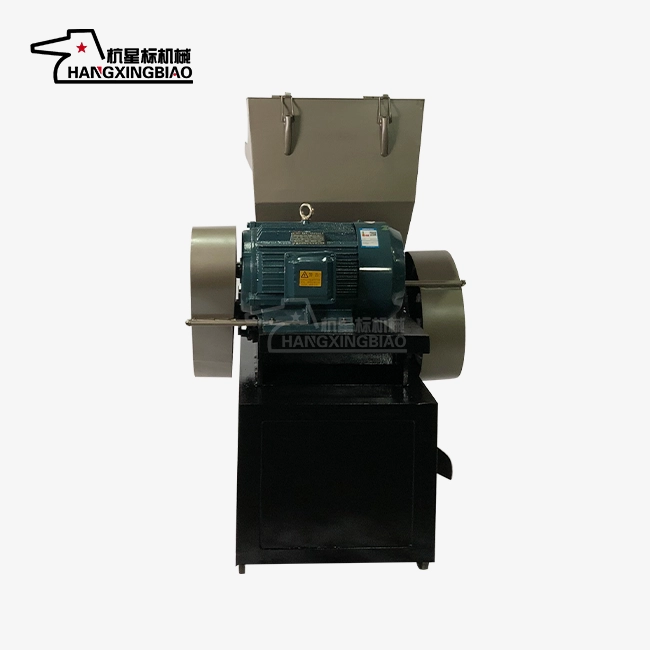
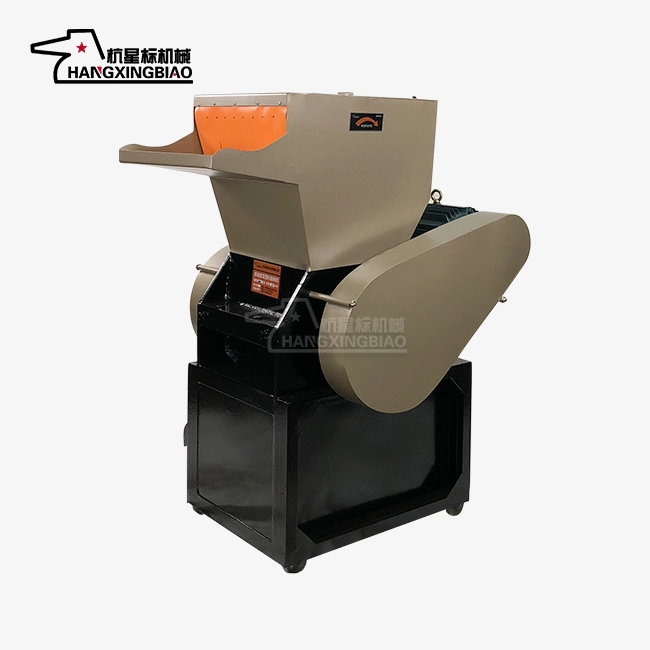
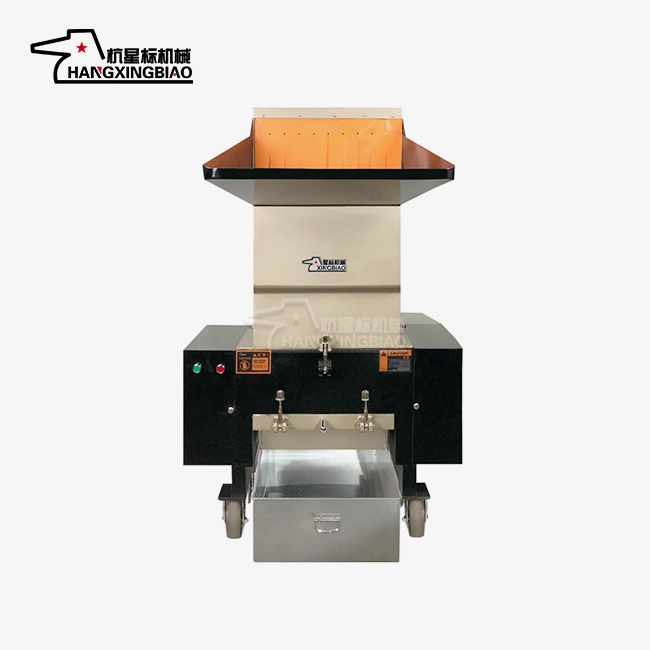
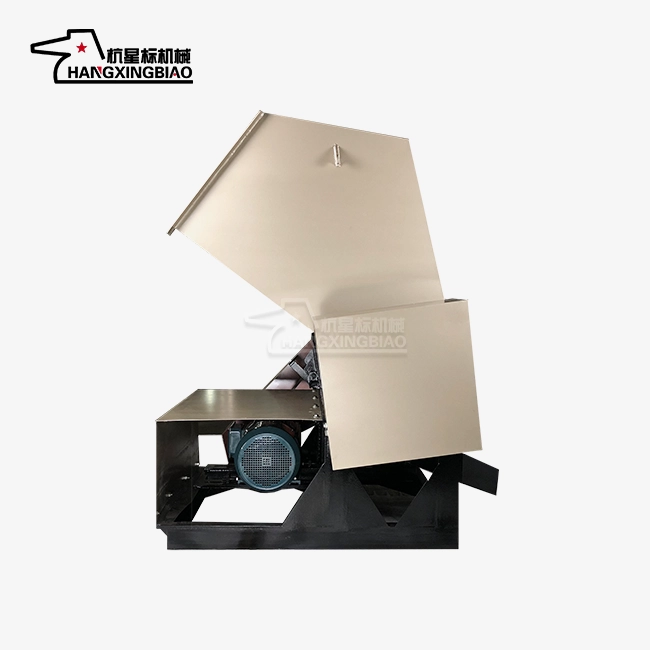
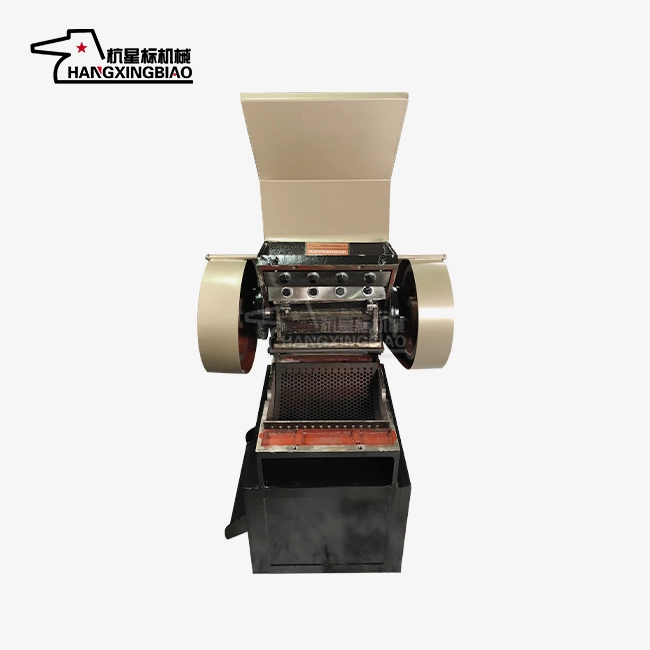
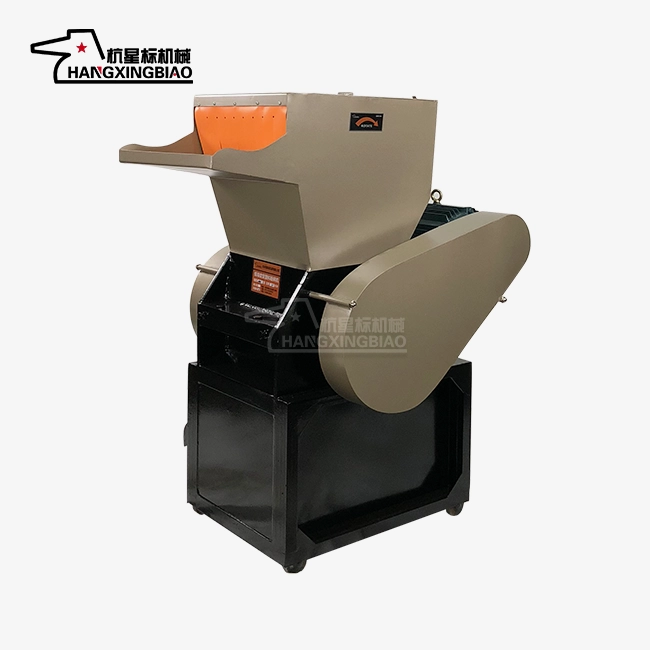
In industrial settings, crushing solutions need to be reliable and efficient so they can handle a wide range of materials and keep the quality of the output constant. The powerful pulverizer is a huge step forward in the technology used to process materials. It breaks the rules that used to limit normal crushers to only crushing one type of material. Plastics, rubber, wood, paper, cloth, foam, traditional Chinese medicine, grain, feed, non-corrosive chemical raw materials, and fruit and veggie residues are just some of the non-metallic materials that these tools can easily and effectively break down. Modern industrial pulverizers can handle blocks, flakes, fibers, or irregular shapes and provide stable coarse and medium crushing with particle sizes that can be adjusted from 2mm to 50mm through interchangeable screens. This makes them necessary tools for recycling waste, processing industrial scrap, and getting materials ready for use in many fields.
Understanding Powerful Pulverizers and Their Industrial Importance
Industrial pulverizers today are much more complex than the simple machines they used to be. They are the backbone of many manufacturing processes and are used to process materials. These machines use advanced engineering concepts that combine impact, compression, and cutting forces to precisely reduce material while keeping the machines very efficient.
Core Operating Principles and Technology
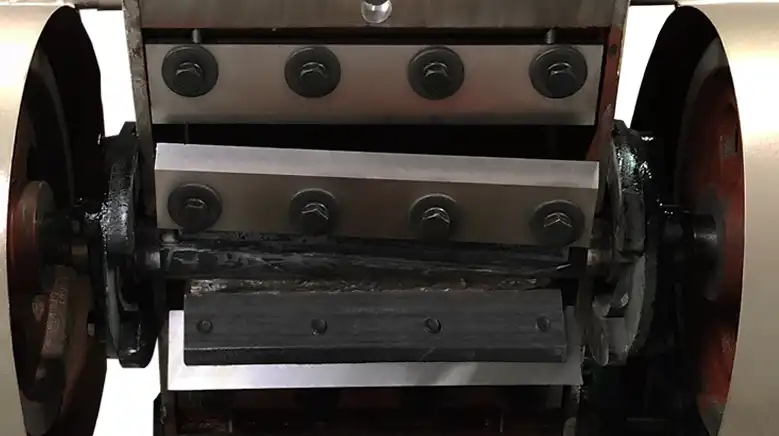
Industrial pulverizers use carefully planned mechanical processes to break down materials as efficiently as possible while using as little energy as possible. A precision reducer system connects the main motor to a wheel and a turntable. This creates controlled rotational forces that move materials through different steps of processing. When the materials go into the crushing chamber, they come into contact with high-speed spinning parts like hammers, blades, or grinding rings that hit and tear the materials. Modern units are more than 20% more efficient at breaking than older models because of the way the blades are laid out and the way the cavities are built. Premium tool design with SKD11, high-speed steel, and Cr12MoV materials rated at HRC 55 to 60 guarantees steady performance for 3,000 to 5,000 hours of use. These special materials are vacuum-heated and then frozen very cold, which makes them very resistant to wear and extends their useful life.
Material Compatibility and Processing Capabilities
Traditional tools could only work with a single type of material, but today's powerful pulverizer systems can work with a wide range of materials. They can easily work with soft films, woven bags, hard plastics, thick pipes, foam, and odd-shaped bottles without having to change or fix their tools all the time. This flexibility comes from advanced design features like screen systems that can be adjusted, tool speeds that can be changed, and chamber shapes that are optimized. Processing speeds vary from small lab units that can handle 50 kg per hour to big industrial systems that can handle up to 10 tons per hour. The size of the discharge particles can be changed easily by switching out the screens, which usually cover an area of 2 to 50 mm, to meet a wide range of application needs. Because they are so flexible, these tools are great for pre-treating trash before recycling, recovering industrial scrap, processing feed, and getting pharmaceutical materials ready.
Industrial Applications and Benefits
Pulverizer technology is used to keep factories in the plastic processing, recycling, pharmaceutical, and farming sectors running smoothly. In the plastics industry, these tools turn scraps from injection molding into materials that can be used again. This makes 30–50% more use of raw materials. One ton of plastic can be processed with only 8–12 kilowatts of energy, which saves a lot of money for businesses that do a lot of work. Energy-efficient operation is still a big plus. Motor matching and transmission systems that are better tuned can cut power use by 10-15% compared to older equipment. Because these systems are so efficient, they directly lead to higher profit rates and less damage to the environment. This makes them good investments for companies that care about the environment.
Comparing the Top Powerful Pulverizer Machines for Industrial Use
To choose the best breaking tools, you need to know how the different technologies work in the real world. A study of the market shows that traditional crushing methods and current pulverizer systems work very differently in a number of important operating areas.
Performance Metrics and Efficiency Comparison
Modern industrial pulverizers are more efficient. When compared to traditional hammer mills and basic crushers, small units can process 50–500 kg/hour of material while keeping the particle sizes regular. With over 90% uniformity, there is no need for extra screening operations. Industrial-scale models can handle 1 to 10 tons per hour, can work 24 hours a day, seven days a week, and are 15-20% more efficient. Traditional hammer mills have parts that wear out quickly and often, so they can't handle flexible materials well. Advanced pulverizers, on the other hand, have accurate bearings and transmission gears that have been strengthened. These features keep the machinery from wearing out and increase the time between operations. Dynamic balance testing makes sure that the amplitude of shaking stays below 0.1 mm. This helps make tools 40% less likely to break down than with normal models.
Durability and Construction Quality
The quality of building of breaking equipment has a direct effect on how much it costs to run and how much it produces over time. When premium pulverizers are used for a long time, the main bodies are made from high-quality, high-strength steel plates that are bonded together and given a stress release treatment to keep them from deforming. This strong base lets high-load work go on all the time without putting the structure at risk. The most important thing that sets core cutting components apart is their quality. Advanced systems use SKD-11/D2 mold steel and special metals that can be sharpened three to five times, which cuts the cost of replacement by sixty percent compared to carbon steel options. The money spent on high-quality materials pays off in longer service intervals and less downtime for changing blades.
Capacity and Versatility Assessment
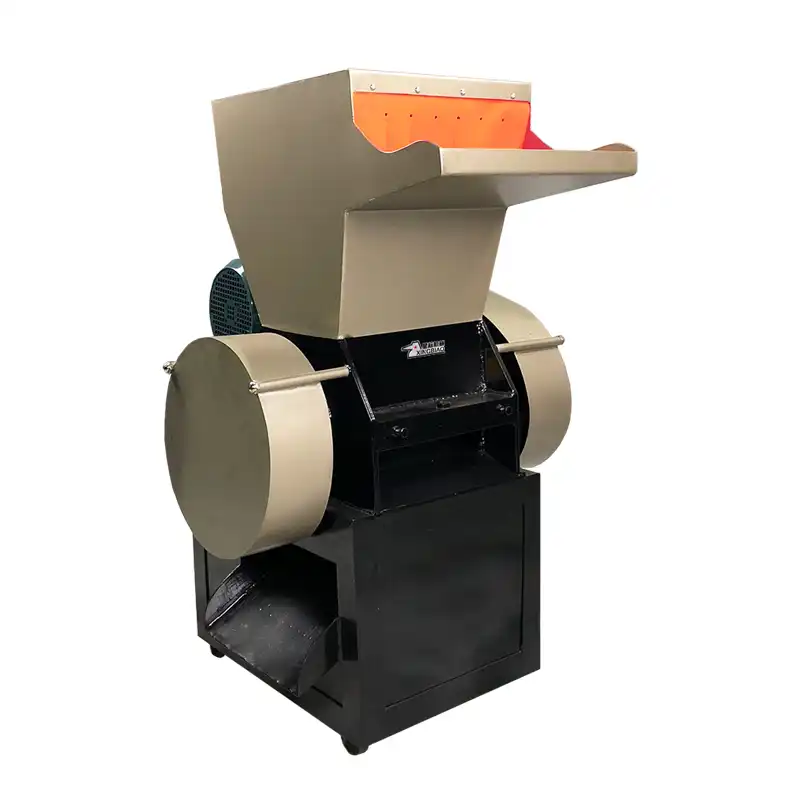
As makers try to combine tools and make facilities simpler, operational flexibility is becoming more and more important. Modern, powerful pulverizer designs can break down a wide range of materials in a single unit, so you don't need to buy multiple specialist tools. This consolidation cuts down on both initial costs and the costs of ongoing upkeep. Scalable capacity lets facilities match the specs of their equipment to their current needs while still allowing for growth. For smaller operations, mobile units with universal wheels let you move them around easily, and fixed medium-sized models work perfectly with current production lines. Granulators, conveyor systems, and other large, fully automatic systems can all work together to handle materials.
How to Choose the Right Powerful Pulverizer for Your Business
To choose the right tools, you need to carefully weigh the needs of operations against your budget and your company's long-term goals. Structured decision-making models that take both technical requirements and provider skills into account help strategic procurement teams make better decisions.
Defining Operational Requirements
Material properties are the most important thing to consider when choosing a crusher. When processing hard plastics, you need to use different methods than when processing soft films or flexible materials. Figuring out the best blade configurations, motor specifications, and chamber designs that will give you reliable results depends on the mix of materials you use. Processing numbers needs must take into account both present needs and growth that is expected. When facilities plan to grow, they should think about getting equipment with scalable capacity instead of units that work at full capacity from the moment they are installed. This method gives operations freedom while avoiding the costs of replacing equipment too soon.
Technical Evaluation Criteria
Long-term operational costs are affected by estimates of energy consumption in a big way, especially for apps that process a lot of data. Using 10-15% less power means big savings over the course of a normal 10-year working life. Overall energy performance is affected by things like motor efficiency rates, transmission design, and operating load factors. It's important to think about noise levels in places that have to follow strict environmental rules or are close to living areas. Modern pulverizers have features that reduce noise and work at their best, so they keep working as efficiently as possible while lowering noise levels.
Supplier Assessment and Support Services
Supplier selection is more than just looking at the specs of the equipment. It also includes things like repair skills, availability of spare parts, and the quality of expert support. Larger companies with specific service networks can respond faster and offer more thorough maintenance support than smaller companies that don't have the necessary equipment. Getting help from a professional engineer during the selection process can help match the specs of the tools to the needs of the business. Suppliers who give help with installation, training for operators, and regular follow-up visits show that they care about their customers' success after the equipment is delivered. These services are especially helpful for businesses that are putting in place new processing technologies or adding to the ones they already have.
Maintaining and Optimizing Pulverizer Performance for Long-Term Efficiency
Proactive repair plans keep equipment running at its best between service times and extend its useful life. Maintenance plans that are well-thought-out cut down on unexpected costs and improve processing speed in a wide range of operating situations.
Preventive Maintenance Protocols
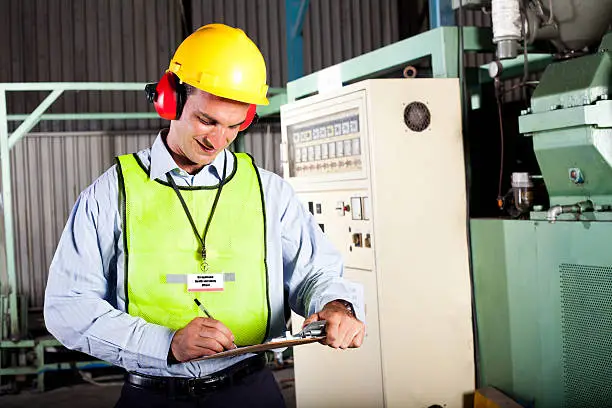
Blades, bearings, and gearbox elements should be the main focus of regular inspections because they are the parts that wear out the fastest. Visual checks can find early signs of wear and tear on a part before it breaks. The sharpness of the blades has a direct effect on how well they work and how much energy they use, so they need to be checked regularly for best performance. Regular maintenance is needed on lubrication systems to keep bearings from wearing out too quickly and transmissions from wearing out. Modern designs for powerful pulverizers have easy-to-reach lubrication points that make regular maintenance possible without taking the equipment apart. Following the types of lubricants and change times suggested by the maker keeps expensive parts from breaking.
Operational Optimization Techniques
The choice of screen has a big effect on both how quickly the processing goes and how good the result is. Finer screens make particles of a more regular size, while coarser screens use less energy and improve throughput rates. When operators understand this link, they can find the best options for different types of materials and quality needs. Feed rate control keeps things from piling up and lowers the chance of blockages that could hurt people or damage equipment. Feeding at regular intervals keeps the chamber at the right level of load while avoiding overloads that use more power and wear out parts faster.
Performance Monitoring and Troubleshooting
A powerful pulverizer's vibration tracking lets you know about possible mechanical problems early on, before they cause a fatal failure. Taking baseline measures during the first operation sets the standard for future comparisons. When sound patterns don't behave normally, it's usually because of worn bearings, blade mismatch, or foreign object contamination. Tracking power use shows how working performance changes over time. Gradual rises in energy use are usually a sign that the blades are getting dull or that the machine is wearing out, which makes grinding less effective. Monitoring on a regular basis helps plan repair tasks so that they can be done before performance problems get too bad.
Trusted Brands, Suppliers, and Future Trends in Powerful Pulverizers
The company's decades of specialized focus and constant innovation have made it a star in the pulverizer production industry. Knowing how the market is positioned and how technology is changing helps buying teams make smart choices about what tools to buy that will keep them competitive for a long time.
Market Leaders and Specialized Manufacturers
Hangzhou Xingbiao Machinery Co., Ltd. has been a leader in specialized manufacturing for 30 years by focusing on the development of plastic breaking technology. Their approach of "single-category excellence" has led to a lot of deep knowledge and new ways to solve processing problems that happen in the real world. Diversified producers, on the other hand, use their development tools to work on a lot of different types of products. The company has 20 top engineers working on research and development, and it has formed relationships between industry, universities, and research with big companies like Nongfu Spring and KFC. These partnerships give direct feedback on practical needs and performance standards from large-scale industrial users, which leads to constant product improvement and new ideas.

Service Network and Support Infrastructure
Premium providers are different from basic equipment vendors because they offer a wide range of services. Professional engineers help people make decisions about what to buy and create unique solutions that match the specs of the tools to the needs of the business. This consultative method lowers the risks of execution and improves the performance of tools right from the start. Response time promises show how committed a company is to the success of its customers. The promise to answer customer questions within 24 hours shows that the operating infrastructure can handle repair and troubleshooting tasks that need to be done quickly. This support structure, along with installation instructions, user training, and enough extra parts on hand, keeps operations running smoothly as much as possible.
Technology Trends and Future Developments
Adding automation is a big trend in the development of powerful pulverizer technology. Smart monitors and control systems let you see how things are working in real time and change the settings automatically based on the materials and how they need to be processed. These features make the job of the operator easier while keeping the quality of the result constant. Improvements in energy efficiency keep coming about thanks to better motor technology and better mechanical design. For both economic and environmental reasons, future improvements will focus on even more lowering of power use while growing processing capacity. Sustainable ways of making things also affect the choices of materials and how parts are designed.
Conclusion
When choosing industrial crushing equipment, it's important to think about how well it works, how long it will last, and what expert help is available. Modern, powerful pulverizer technology is more flexible and efficient than traditional breaking methods. It can process a wide range of non-metallic materials while keeping the quality of the output constant and using less energy. Partnering with experienced manufacturers that offer full technical help and proven service skills throughout the lifecycle of equipment is key to success.
FAQ
What materials can a powerful pulverizer process effectively?
Modern industrial pulverizers handle virtually all non-metallic materials, including plastics, rubber, wood, paper, cloth, foam, traditional Chinese medicine, grain, feed, non-corrosive chemicals, and organic waste. They process materials in various forms - blocks, flakes, fibers, or irregular shapes - with particle output adjustable from 2-50mm through interchangeable screens.
How do energy costs compare between different pulverizer models?
Advanced pulverizer designs reduce energy consumption by 10-15% compared to traditional equipment. Processing one ton of plastic typically requires only 8-12 kilowatts of electricity. Energy efficiency varies based on motor design, transmission optimization, and processing parameters, making energy consumption a critical selection criterion for high-volume operations.
What maintenance requirements should be expected?
Regular maintenance focuses on blade inspection and replacement, bearing lubrication, and screen changes based on wear trends. Premium blades using SKD11 and Cr12MoV materials last 3,000-5,000 hours and can be resharpened 3-5 times. Simplified access designs reduce service time by approximately 50% compared to complex traditional models.
Transform Your Material Processing Operations with Xingbiao
Xingbiao's specialized, powerful pulverizer solutions deliver unmatched versatility and reliability for demanding industrial applications. Our 30-year focus on crushing technology excellence, combined with comprehensive engineering support and proven performance in major corporate facilities, ensures optimal equipment selection and long-term operational success. Contact our technical team at xingbiaocrusher@xingbiaocrusher.com to discuss your specific processing requirements and discover how our powerful pulverizer manufacturer expertise can enhance your operational efficiency and profitability.
References
1. Industrial Pulverizer Technology and Applications in Modern Manufacturing, Journal of Industrial Processing Equipment, 2023
2. Energy Efficiency Trends in Material Crushing Equipment, International Manufacturing Technology Review, 2024
3. Comparative Analysis of Pulverizer Performance Metrics in Plastic Processing Industries, Industrial Equipment Research Quarterly, 2023
4. Maintenance Optimization Strategies for High-Volume Crushing Operations, Manufacturing Engineering Standards, 2024
5. Material Processing Innovation and Sustainability in Industrial Pulverizer Design, Green Manufacturing Technology Journal, 2023
6. Global Market Analysis of Industrial Crushing Equipment and Future Development Trends, Industrial Machinery Market Research, 2024
Learn about our latest products and discounts through SMS or email