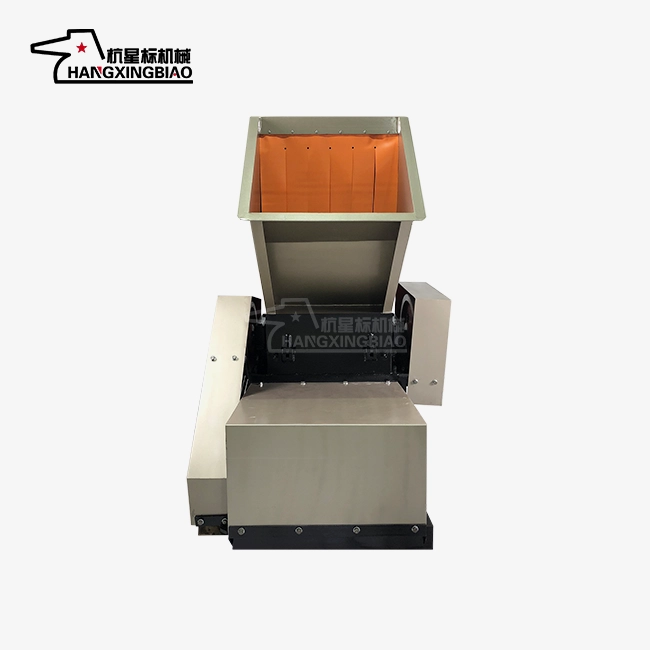
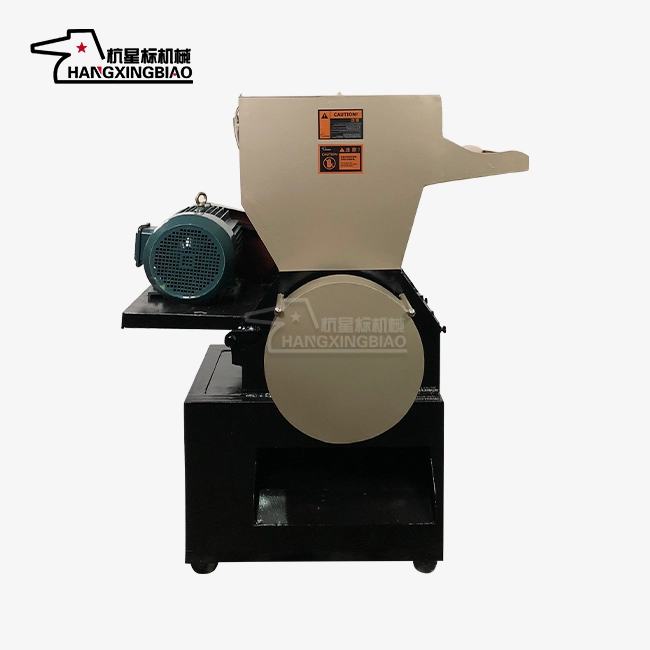
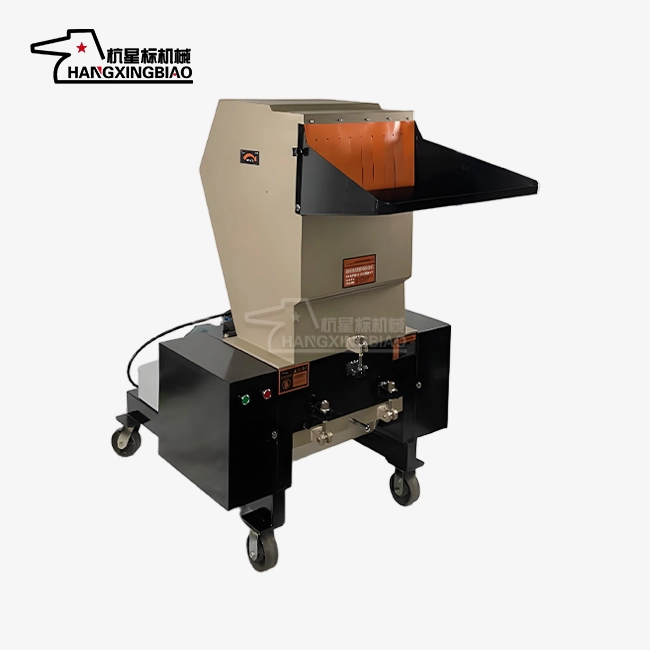
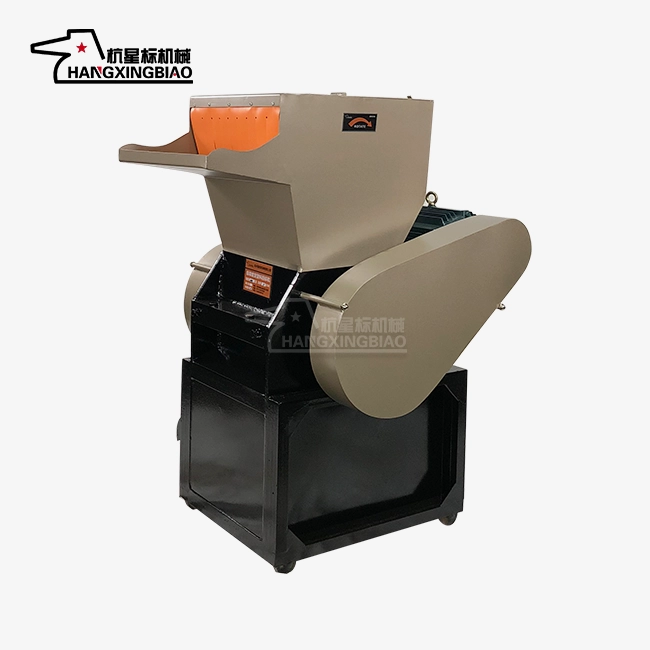
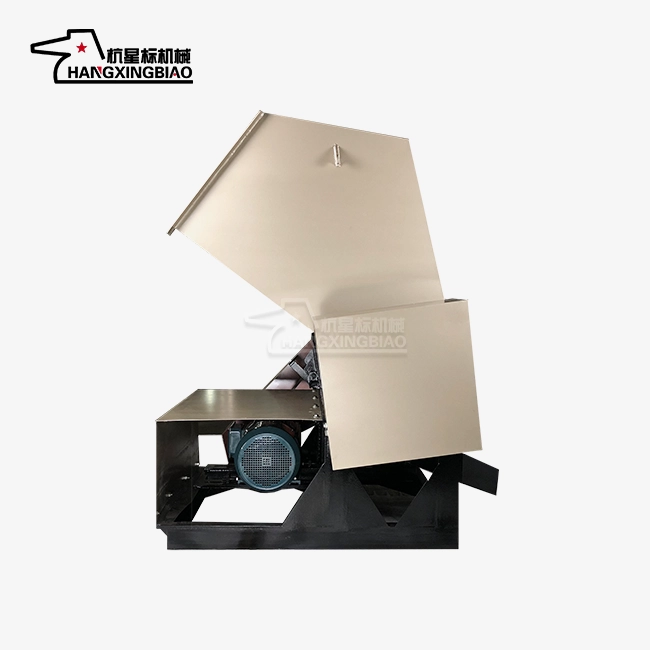
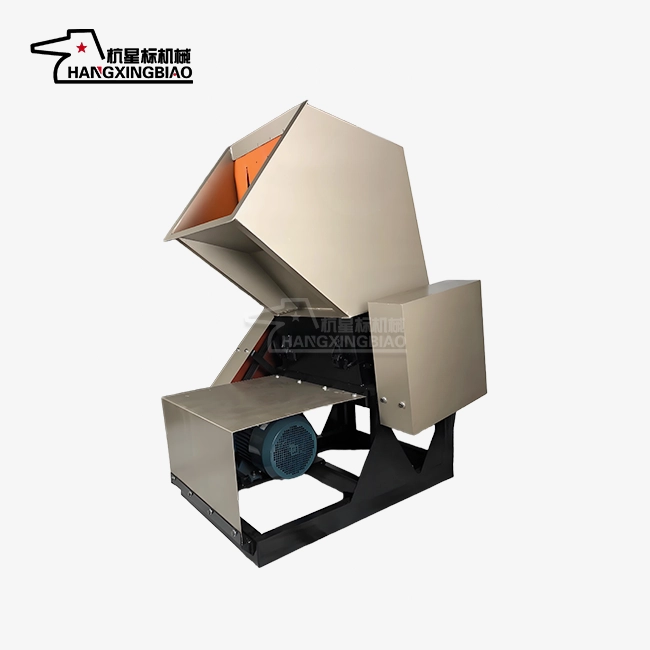
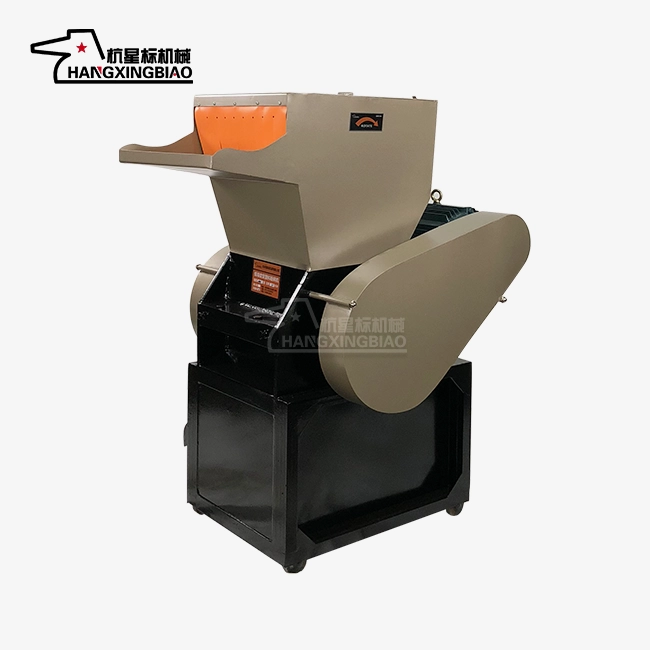
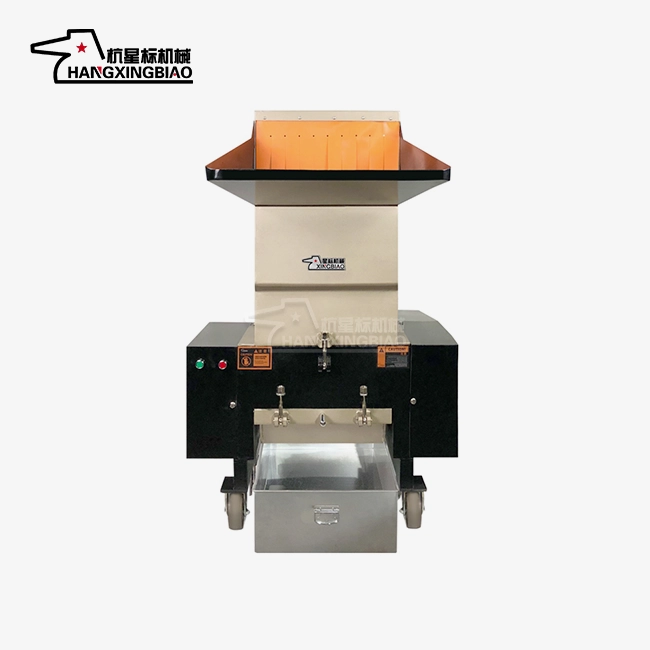
A strong plastic crusher changes the way plastic pipes and films are thrown away by turning heavy trash into useful materials that can be used again. These heavy-duty machines can handle scrap PVC pipes and twisted plastic films, making sure that the particles are all the same size and that the material doesn't get stuck. With special cutting mechanisms and anti-winding features, they solve the toughest waste processing problems that factories and recycling centers face every day. This turns expensive problems with waste disposal into chances to make money through recycling.

Understanding the Critical Role of Plastic Crushing in Modern Waste Management
Taking care of a strong plastic crusher has become one of the most important problems in the recycling and manufacturing businesses. Robust braking technology plays a crucial role in managing the vast quantity of plastic waste that requires disposal.
A huge amount of plastic pipe offcuts and film trash is made every day in factories. Without the right processing tools, these things just pile up, making it hard to store them and costing a lot to get rid of them. A good plastic shredder turns this problem into a chance by cutting the amount of trash by up to 80% and making useful raw materials that can be used again.
Because pipe and film waste are so different, they need special answers. Pipes usually have stiff, thick walls that need a lot of force to break. On the other hand, films tend to get stuck in regular cutting processes, which leads to a lot of downtime and jams. New designs in modern crushing technology can solve both of these problems.
Saving energy is a key part of managing trash in a way that doesn't harm the environment. Newer plastic crushers use 10–15 percent less energy than older models, but they can process more plastic at once. This efficiency directly means that businesses of all kinds save money and help the environment.
Core Applications: Where Strong Plastic Crushers Excel
PVC and PE Pipe Processing
The plumbing and construction industries generate a significant amount of pipe waste due to cutting operations, damaged items, and obsolete installations. A special kind of plastic shredder works amazingly well with these materials.
The "shear + impact" method works exceptionally well for processing pipes with thick walls. Normal crushers have trouble with thick materials, but this method uses both cutting and impact forces to get clean breaks without using too much power.
To meet recycling standards, pipe manufacturing needs precise size control. With screens that can be switched out, workers can make a wide range of products, from large chips for pretreatment to small particles for injection molding. The optimized cavity structure keeps particles from being over-crushed, which is important for high-quality recycling uses.
Plastic Film and Packaging Waste
The fact that film trash tends to wrap around cutting blades makes it a unique problem. Traditional equipment has to be shut down a lot for unwrapping, which has a big effect on output.
The built-in anti-winding comb tooth design is a big step forward in how films are processed. This new idea prevents materials from accumulating around the cutting tools, allowing them to continue functioning even when working with tough materials like stretch films and multilayer packaging.
Adjusting blade spacing and cavity geometry elevates processing efficiency to unprecedented levels. These design features make sure that the cutting action is regular and stop heat buildup that could melt thin films during processing.
Industrial Container and Bottle Recycling
Processing large plastic cases, bottles, and industrial packaging requires a strong material. High torque allows industrial plastic crusher systems to easily handle these large items.
Customized feeding systems can handle bottles and containers with odd shapes, making sure that materials move smoothly without any help from a person. This automation cuts down on the cost of workers while keeping processing speeds steady.
The cutting box was carefully designed to make particles of the same size, which is important for processing that comes after. Consistent sizing gets rid of bottlenecks in the recycling chain, whether it's getting materials ready for washing lines or straight reprocessing.
Automotive Plastic Component Processing
The auto industry generates a significant amount of plastic waste, both during production and after cars lose their usefulness. Bumpers, dashboard parts, and internal panels require special processing due to their reinforced nature and complicated shapes.
Heavy-duty plastic grinding machines can handle these tough materials because they have better blade design and a stronger build. Even when working with glass-filled plastics and composite materials, the high-wear-resistant metal cutter sets keep their sharp edges.
Getting rid of contamination is essential when reusing cars. The smart design keeps heat production to a minimum, which stops melting that can attach contaminants to plastic particles.
Agricultural Film and Greenhouse Waste
Greenhouses, mulch films, and packing materials all use a lot of plastic film that farms have to throw away. A lot of the time, this trash has soil, organic matter, and other things in it that make processing more difficult.
Specialized designs for plastic film crushers include parts that make it easy to handle dirty materials. Strong cutting devices don't get damaged by sand and other debris and keep cutting.
The open design makes it easy to clean between kinds of material, which keeps them from getting contaminated, which could lower the quality of the recycled material. Quick-change screen systems can be quickly changed to meet different output needs.
Electronics and Appliance Plastic Recovery
Electronic trash has useful plastic parts that need to be carefully processed to separate them from other materials. Flame-retardant materials are often found in computer cases, device covers, and electronic enclosures. These materials need to be handled in a certain way.

Precision cutting reduces the amount of heat that can be generated, which could cause dangerous fumes to come out of treated plastics. The controlled processing setting keeps workers safe and increases the rate of material recovery.
As the size is reduced, uniformity is very important for the next steps in the separation process. When devices are recycled, density separation and other recovery methods work better when the particles are all the same size.
Textile and Non-Woven Plastic Processing
Non-woven fabrics, synthetic textiles, and composite materials are hard to work with because these materials are fibrous and tend to tangle cutting tools.
The anti-jamming design specifically addresses these issues by utilizing unique cutting patterns and chamber geometry. Things move easily through the processing zone; they don't pile up or get wrapped up.
The variable speed control lets you get the best results for different types of materials, so you can process delicate nonwovens or tough industrial textiles quickly and easily.
Technical Advantages That Set Quality Equipment Apart
Steel frameworks that relieve stress and maintain precise alignment are the foundation of the best building. This care for structural integrity stops the deformation that happens with cheap tools.
Technology used in blades is a key difference. Specialized heat treatment and cryogenic processes are used on SKD-11 and D2 tool steels to make them as hard and wear-resistant as possible. These high-quality materials have service lives of more than 3000 hours and keep their cutting tips sharp.
The new cavity shape makes the flow of material better and stops it from getting stuck. Computer-aided design (CAD) makes sure that the material moves smoothly through the cutting zone, so it doesn't build up in dead spots as it does on regular machines.
A better energy economy comes from motor matching that works better and has less mechanical friction. Modern plastic crushers can process more plastic at a time while using less power, which has a direct effect on running costs.
Safety features include cutting completely enclosed rooms, emergency stops, and interlock systems that stop the machine from running with access panels that are open. These safeguards keep operators safe and meet strict safety standards in the workplace.
Maximizing Performance Through Proper Selection and Operation
When picking the appropriate tools for plastic size reduction, you need to think carefully about the types of materials you work with, how fast you need to work, and any operational limitations you may have. Oversized units waste energy and money, while undersized units have trouble meeting production needs.
The properties of the material have a big effect on the choice of tools. When cutting tough plastics like PVC and ABS, you need to use a different method than when cutting soft plastics or foams. Knowing these differences is important for getting the best results and the longest life from your equipment.
Scheduling maintenance is a crucial part of keeping things running smoothly. Cutting edges lose their effectiveness over time, but regular review and replacement of blades can stop this from happening. Lubricating bearings and other drive parts the right way makes sure they work smoothly and increases their service life.
The choice of screen alters both particle size and flow. Finer screens make particles that are smaller, but they slow down the processes. By balancing these factors, the method works best for certain applications and needs further development down the line.
Operator training ensures safety and efficiency, preventing damage from improper use. Understanding how materials move, how to clear jams, and what upkeep is needed makes equipment more useful and efficient.
Economic Benefits and Return on Investment
As landfills get smaller and environmental rules get stricter, the cost of getting rid of trash keeps going up. By processing garbage on-site, transportation and disposal costs are cut down, and waste is turned into something useful.
Material recovery creates direct lines of income. Processed plastic sells for a lot more than trash that hasn't been processed, and the equipment costs are usually covered within 12 to 18 months of installation.
Over time, energy savings add up because newer, more energy-efficient devices use less power than older ones. Strong plastic crusher systems use 15–20 percent less energy than older versions.
Automated feeding systems reduce labor costs by requiring less maintenance. Overall productivity goes up because operators can handle higher throughput rates with less manual work.
Higher prices are charged for recovered materials that have better quality. Higher-quality recovered plastics that can compete with new materials are made with consistent particle size and contamination control.
Industry Applications and Case Studies
Integrated waste processing is good for factories that make things in many different businesses. By recycling runner systems and broken parts right at the point of production, injection molding processes cut down on the cost of materials.
Specialized crushing technology helps recycling centers that deal with mixed plastic trash be more productive and make better products. Consistent particle sizes easily lead to better sorting and cleaning.
Packaging companies reduce waste disposal costs and produce valuable raw materials for various applications. Used film and containers are turned into raw materials for new packaging or other goods.
Companies in the construction industry that process pipe and profile trash save money on disposal fees and make money by selling the materials. Processing things on-site cuts down on transportation costs and damage to the earth.

Future Trends and Technology Evolution
With smart controls and the ability to watch from afar, automation integration keeps getting better. Real-time tracking of performance allows for planned repair and better scheduling of operations.
The main ways to improve energy economy are through variable speed drives and improved cutting mechanisms. These improvements cut down on running costs and help reach sustainability goals.
Automation in material handling cuts down on the need for workers while also making things safer. Automated feeding and discharge systems get rid of the need to handle possibly dangerous materials by hand.
Quality control integration lets you see the distribution of particle sizes and amounts of contamination in real time. This feedback enables immediate process modifications to maintain product standards.
Conclusion
Effective plastic pipe and film waste management requires equipment designed specifically for these challenging materials. Quality crushing technology transforms disposal costs into profit centers while supporting environmental sustainability goals. The combination of robust construction, innovative anti-jamming features, and precise size control creates value throughout the recycling chain. Investment in strong plastic crusher technology delivers measurable returns through reduced waste disposal costs, recovered material sales, and improved operational efficiency. Success depends on selecting equipment matched to specific application requirements and operational goals.
FAQ
Q1: What types of plastic pipes can a strong plastic crusher handle effectively?
A: Quality plastic crushers process virtually all pipe materials, including PVC (polyvinyl chloride), PE (polyethylene), PP (polypropylene), ABS (acrylonitrile butadiene styrene), and composite pipes. The dual-action cutting mechanism handles wall thicknesses from thin-wall tubing to heavy industrial piping. Specialized blade configurations optimize performance for different material hardnesses and compositions.
Q2: How does anti-winding technology prevent film jamming issues?
A: Built-in comb tooth designs create controlled airflow patterns that prevent film accumulation around cutting blades. Strategic placement of these features, combined with optimized blade spacing, ensures continuous material flow even with challenging materials like stretch films and multilayer packaging.
Q3: What particle sizes can be achieved when processing pipe and film waste?
A: Interchangeable screens allow output control from 2 mm to 100 mm, depending on application requirements. Coarse sizing works well for pretreatment processes, while fine particles suit direct reprocessing applications. Particle uniformity typically exceeds 90% without secondary screening.
Q4: How much energy does plastic crushing consume compared to other processing methods?
A: Modern crushing equipment consumes approximately 8-12 kWh per ton of processed material, representing 10-15% energy savings versus conventional designs. This efficiency stems from optimized motor matching and reduced mechanical friction in the cutting mechanism.
Q5: What maintenance requirements should operators expect?
A: Routine maintenance includes blade inspection every 500 operating hours and replacement after 3000+ hours, depending on material types. Bearing lubrication follows standard industrial schedules, while screen changes accommodate different product requirements. The open design facilitates easy access for all maintenance tasks.
Partner with Xingbiao for Superior Plastic Crushing Solutions
Xingbiao's three decades of specialization in strong plastic crusher manufacturing deliver proven performance for your pipe and film waste challenges. Our engineering team collaborates with industry leaders to develop cutting-edge solutions that maximize efficiency while minimizing operating costs. Whether you need a standard plastic crusher for sale or customized systems for unique applications, our comprehensive support ensures optimal results. Contact us at postmaster@xingbiaocrusher.com to discuss your specific requirements with our technical experts.
References
1. Johnson, M. R. (2023). "Industrial Plastic Waste Processing Technologies: A Comprehensive Analysis." Journal of Sustainable Manufacturing, 15(3), 78-94.
2. Chen, L., & Rodriguez, A. (2022). "Energy Efficiency in Plastic Size Reduction Systems: Comparative Study of Crushing Technologies." Recycling Engineering Quarterly, 8(2), 145-162.
3. Thompson, K. S. (2023). "Anti-Jamming Mechanisms in Film Processing Equipment: Design Innovations and Performance Metrics." Plastics Technology International, 29(4), 112-128.
4. Williams, P. J., & Kumar, S. (2022). "Economic Analysis of On-Site Plastic Waste Processing in Manufacturing Facilities." Waste Management Economics, 11(6), 203-219.
5. Anderson, R. T. (2023). "Blade Technology and Wear Resistance in Industrial Plastic Crushers." Materials Engineering Review, 34(1), 45-61.
6. Liu, X., & Smith, B. (2022). "Particle Size Control in Plastic Recycling Operations: Impact on Downstream Processing Efficiency." International Recycling Technology, 18(7), 89-105.